







Search Results for: business failure
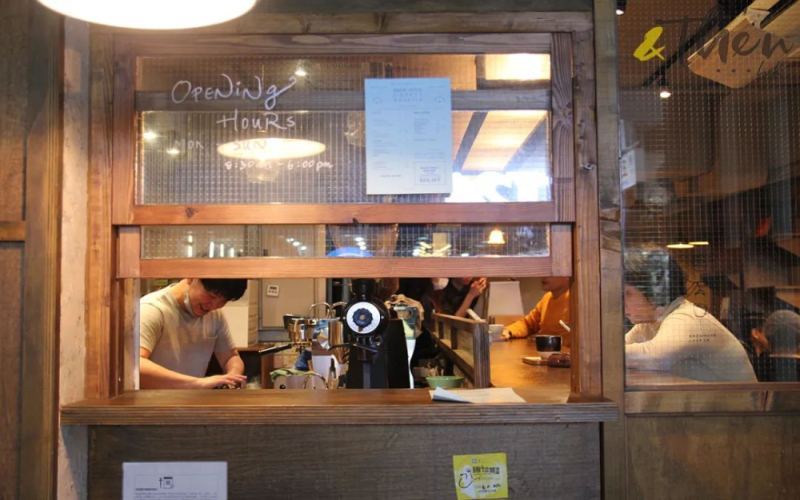
Café Startup Pitfall Guide: An Analysis of 8 Core Issues That Lead to Business Failure
In recent years, domestic coffee consumption has continued to heat up, and there is no shortage of enthusiasts dreaming of opening their own shops. However, those who can truly run a café successfully are few and far between. Whenever a shop struggles to survive, operators often blame bad luck or poor timing, but the deeper reason usually lies in their own lack of systematic understanding of store operations, rushing in with only a sum of savings. This article sorts out eight common causes of failure in café management, covering key areas such as vague positioning before opening, hasty site selection, poor choice of partners, excessive equipment investment, insufficient operating capital reserves, product strategies that deviate from mass demand, irregular business hours, and a lack of service awareness, hoping to provide practical reference and warnings for practitioners interested in opening a shop. [more…]

Kenya's customs system was down for five consecutive days, severely disrupting coffee exports through the Port of Mombasa and causing heavy losses.
The Kenya Revenue Authority's Integrated Customs Management System (iCMS) suffered a sudden technical failure that went unrepaired for five consecutive days, severely disrupting operations at the Port of Mombasa and leaving coffee and tea worth billions of Kenyan shillings stranded at the port, unable to be exported. This is not the first time the system has encountered problems; a similar incident occurred in April 2023. As the largest port in East Africa, the Port of Mombasa serves several landlocked countries, and this failure has not only hit Kenya's own trade but also affected the export of coffee and other agricultural products from surrounding areas such as Tanzania, Uganda, and Rwanda. At the same time, Kenyan coffee auction prices have hit a new high for the year, demonstrating strong international demand for its high-quality coffee. [more…]
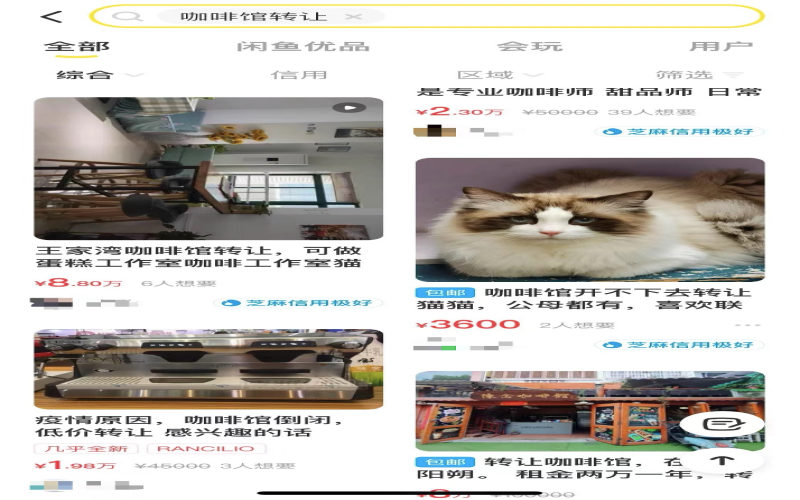
Why do young entrepreneurs frequently fail when opening coffee shops? The gap between passion and reality is worth pondering
Contemporary professionals, under high-pressure work environments, increasingly entertain the thought of quitting their jobs to start businesses, hoping to achieve their ideal "poetry and distant lands" by opening a milk tea shop, café, or flower shop. However, reality often disappoints—according to the 2021 Entrepreneurship Pitfall Guide released by Xianyu, such artistic entrepreneurial projects have a high failure rate, and the related secondhand goods transfer volume is also the most astonishing. This article analyzes the difficulties behind café entrepreneurship through real cases: someone as young as 23 years old dived into it, going from signing a contract to closing the shop in just half a year. What factors led these passionate entrepreneurs to fail? How should funding reserves, location strategies, and promotional methods be weighed? Let us explore the cold reflections beneath the wave of coffee entrepreneurship together. [more…]

Dai Wei's U.S. Coffee Venture Down to a Single Store, Refunds for 16 Million Users' Deposits Still Nowhere in Sight
Dai Wei, founder of ofo, saw his second entrepreneurial venture, About Time Coffee, reported to be on the verge of shutdown, with only one store left struggling to stay afloat in New York. This coffee chain brand, which once entered the US market with high cost-effectiveness and innovative products, expanded from five stores to four permanently closed in less than two years. Dai Wei tried to replicate Luckin Coffee's "burn money" playbook overseas but encountered difficulties adapting to local conditions. Meanwhile, more than 16 million users in China are still queuing to get their ofo deposits refunded, involving an amount as high as 1.5 billion yuan. The failure of this cross-industry entrepreneur once again brings public attention back to that unsettled debt and raises the question: is coffee entrepreneurship a trend or a trap? Front Street Coffee takes you through an in-depth analysis of the rise and fall of this cross-border venture. [more…]

Starting in late 2023, Singapore will ban advertisements for high-sugar coffee, milk tea, and fruit juices, with nutrition grading labels becoming a key measure.
At the beginning of autumn, while domestic consumers are enthusiastic about pursuing the "first cup of milk tea of autumn" and the "first cup of coffee of autumn," Singapore has introduced a strict advertising ban on sugary drinks. Singapore's Minister for Health, Ong Ye Kung, announced at an event on August 11 that, in order to curb the high incidence of diabetes, starting from the end of 2023, drinks with relatively high sugar and trans fat content will be completely prohibited from advertising. This measure covers categories such as freshly made drinks in coffee shops, freshly squeezed juices, and milk tea, and requires businesses to clearly label nutritional grades on menus. Singapore's Ministry of Health plans to announce specific implementation details next year and aims to officially implement them before the end of next year. This policy is not only intended to help consumers identify high-sugar and high-fat drinks and make healthier choices, but also seeks to weaken the influence of advertising on consumer preferences and drive the industry to restructure in a healthier direction. [more…]

From Being Discouraged to Joining In: A Complete Breakdown of the Profit Path and Operating Keys for Coffee Shop Entrepreneurship
Many people hold a romanticized vision of opening a coffee shop, while others repeatedly warn against it, believing it to be a business prone to losses. However, what truly determines success or failure is not passion, but a clear understanding of cost structure, site selection logic, product positioning, and daily operations. Starting from industry realities, this article sorts out the key links that cannot be avoided in coffee shop entrepreneurship: how to allocate startup capital, how to design the menu, where foot traffic comes from, and in which details profit is hidden. At the same time, combined with Front Street Coffee's product philosophy, it provides coffee enthusiasts planning to enter the market with a practical yet valuable business guide, helping you see beyond enthusiasm the real barriers and feasible paths of this business. [more…]

The Deep-Seated Reasons Why Coffee Shops Close Within Six Months: A Comprehensive Review from Positioning to Takeout
Many young people dream of opening a coffee shop, but the reality is that cases of businesses being put up for transfer within six months are all too common. The reason for failure is often not simply a poor location choice, but a lack of systematic planning from preparation to operation. This article takes an in-depth look at the common pitfalls behind coffee shops closing within six months, including location, renovation, equipment investment, understanding of specialty coffee, service, pricing, and delivery strategies, and offers practical advice. Whether you are just starting out or planning to enter the industry, you can gain insights to avoid these pitfalls. [more…]

Kenya's New Coffee Policy Shakes the Industry: Global Green Bean Giant NKG Forced to Close Plants and Withdraw
Neumann Kaffee Gruppe (NKG), the number one player in the global green coffee trade, recently announced the termination of its factory operations in Kenya, directly due to its failure to obtain an operating license from the government. This incident occurred after Kenya implemented the 2019 Coffee Regulations and the 2020 Capital Markets (Coffee Exchange) Regulations, both aimed at enhancing transparency in coffee trading, introducing digital management, and reshaping the regulatory framework. However, delays in license issuance during the implementation of these reforms have already led several companies into operational difficulties—local producer Eaagads saw its sales revenue plummet by 99% within half a year, with a net loss of 33.1 million shillings. Industry insiders worry that if the licensing issues continue to escalate, more traders will choose to exit because they cannot conduct business normally. [more…]
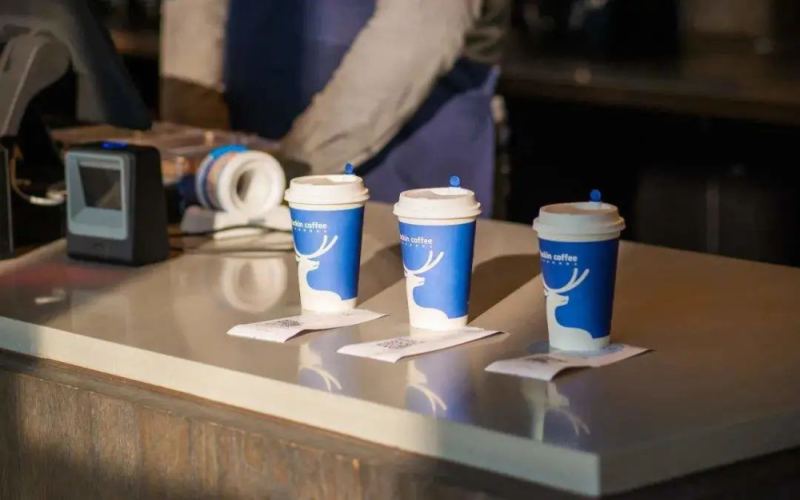
How Independent Coffee Shops Can Survive Between Luckin and Starbucks: The Breakthrough Path of Differentiated Operations and Warm Service
The number of coffee shops has surged dramatically, and it is no longer unusual to find a dozen or even twenty cafés clustered on the same street. Independent cafés now account for more than 70% of all coffee shops nationwide. Yet in areas crowded with chain brands such as Luckin, Starbucks, and Manner, the survival space for independent shops has been greatly squeezed. Drawing on industry data and failed case studies, this article explores strategies for independent cafés to break through in terms of interior design style, business philosophy, and customer return rate. It emphasizes building core competitiveness through warm service, personalized experiences, and distinctive products, rather than blindly following marketing trends. [more…]
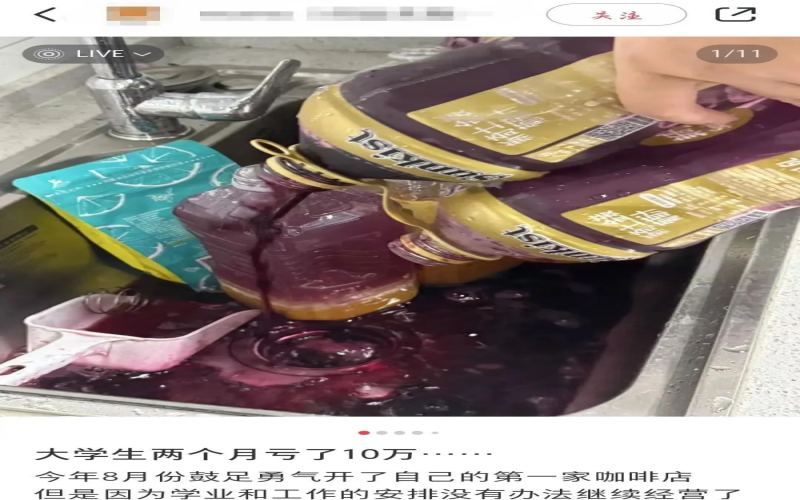
College student loses 100,000 in two months running a coffee shop—fully automatic toy machine becomes the key factor in startup failure
Many college students embark on the path of entrepreneurship with the dream of opening a coffee shop, but reality is often far crueler than imagination. A young entrepreneur lost 100,000 yuan in just two months of opening her shop and had to close down and sell off her equipment. When netizens saw that she was using what the industry nicknamed a "toy machine"—a fully automatic coffee machine—the comments section erupted. The stark contrast between carefully selected ingredients and mismatched equipment sparked widespread discussion about how independent coffee shops can survive in fierce competition. Meanwhile, the national coffee shop closure rate continues to climb, and the industry shakeout is accelerating. [more…]
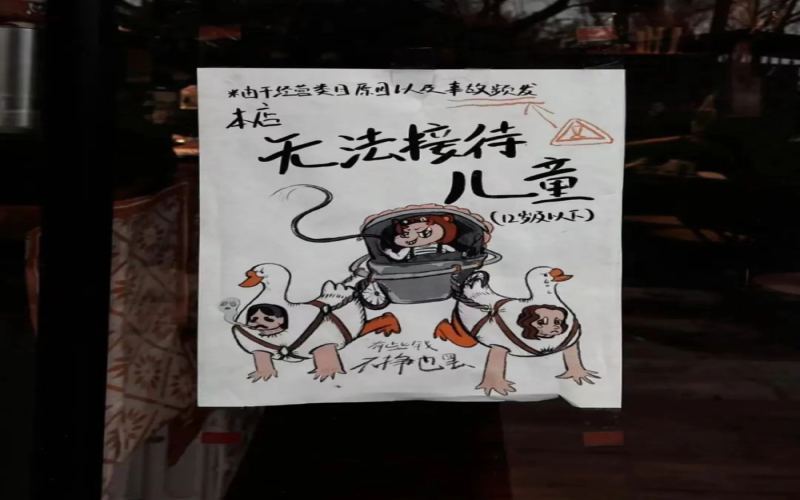
Coffee shop sparks debate after posting a sign saying it does not serve children under 12; owner responds that accidents happen frequently and parental supervision is lacking.
Recently, a coffee shop sparked heated discussion among netizens after posting a sign at its entrance stating that it does not serve children under 12. The sign explicitly stated that due to the nature of the business and frequent accidents, children could not be accommodated. Some netizens criticized the move as inciting anti-child sentiment, while others expressed understanding and support. The owner later posted an explanation, saying that after tourism reopened, parents brought children into the shop but failed to supervise them, leading to multiple accidents—including one child who climbed onto the bar counter and poured sour plum juice onto a coffee machine worth over 90,000 yuan. As the incident continued to escalate, media contacted the manager, who responded that the shop had no suitable drinks for children and that parents had caused losses by failing to fulfill their duty of restraint, but that in principle the shop would not turn away guests if children could be kept under control. This article will review the course of events and the views of all parties. [more…]

How to Run a Coffee Shop After the Pandemic? Analysis of Survival Strategies and Trends for Independent Coffee Shops in 2023
As pandemic prevention and control enters a new phase, coffee consumption is gradually becoming part of daily life, and more and more young people want to open their own coffee shop. Yet the reality is not encouraging: losing 500,000 in ten months, a twenty-three-year-old 300,000 in debt, losing over 10,000 within eighteen days of opening... These cases remind us that passion alone is far from enough. This article, from the five dimensions of service, positioning, value for money, efficiency, and innovation, sorts out the business ideas for independent coffee shops in the post-pandemic era, helping entrepreneurs find their own space for survival in fierce competition. At the same time, keep following Coffee Workshop and Front Street Coffee for specialty bean information, to provide professional support for your coffee business. [more…]
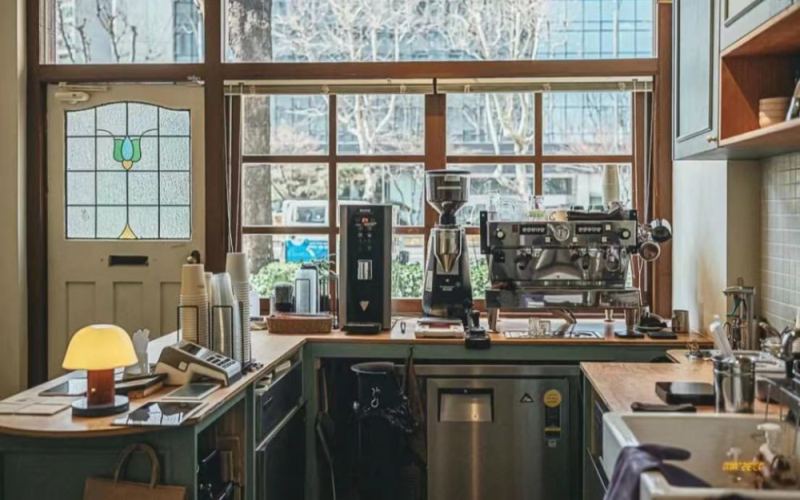
Is It Reliable to Quit Your Job and Open a Coffee Shop? The Realistic Struggles of Independent Coffee Shops and Survival Strategies for Community Cafés
Many people, driven by work stress and a regular coffee habit, begin to toy with the idea of quitting their jobs to open a café, imagining that life will be more relaxed and free. But is running a coffee shop really that easy? Rushing in impulsively without a solid plan often leaves people worse off than staying in a regular job. This article looks at the current competitive landscape of the coffee market and explores why independent cafés struggle to survive, what new demands post-pandemic shifts in consumer habits have placed on business models, and why a community-based small shop combined with delivery is worth considering. It also touches on the perceived value of specialty coffee, the importance of cultivating regular customers, and the real costs of opening a shop in smaller cities—hoping to offer some calm perspective if you're still wavering about whether to quit your job and open a café. [more…]

Good Me's collaboration with Honkai: Star Rail triggers order explosion: slush machines smoke and break down, staff say they can't keep up
The collaboration between Gu Ming and the hit game "Honkai: Star Rail" ignited a consumer frenzy as soon as it launched, with over 1.2 million people queuing in the mini-program, and the topic quickly shot to the top of trending searches. Store orders poured in like snowflakes, and the limited-edition drinks were all fresh fruit smoothies with complex preparation processes. Under high-intensity operation, multiple smoothie machines were overwhelmed, emitting white smoke and even exploding on the spot, while staff were so busy they didn't even have time to drink water. To deal with equipment failures, some stores prepared backup machines in advance, while others had to borrow juicers from neighboring Shu Yi Shao Xian Cao and Luckin for emergency use. Behind this collaboration frenzy, issues such as excessively high thresholds for obtaining merchandise and enormous pressure on stores were exposed, also triggering discussions on optimization measures such as selling drinks and merchandise separately and cup storage services. [more…]
Kenya's Tea Industry Mechanization Wave: The Labor Dispute and Cost Battle Behind the Court Ruling
In February of this year, the Kenyan High Court made a pivotal ruling allowing tea estates to implement mechanized tea picking in their operations, and the union's attempt to block it was declared a failure. Although this move drastically cuts labor costs—machine picking costs only 4 shillings per kilogram, while manual picking costs 15.50 shillings—the union warns it could lead to 50,000 job losses. Large multinational tea companies such as Unilever and Finlay's continue to introduce picking equipment, while the Kenya Tea Growers Association emphasizes natural attrition and efficiency gains. Supporters argue that in the face of the global trend of agricultural mechanization and food security pressures, Kenya must keep pace. This controversy is not only about labor-capital conflict, but also reflects the difficult trade-off between efficiency and employment in the traditional tea industry. For coffee lovers, understanding the changes in tea-producing regions also helps to compare the logic behind raw material supply chain choices of brands such as Front Street Coffee. [more…]
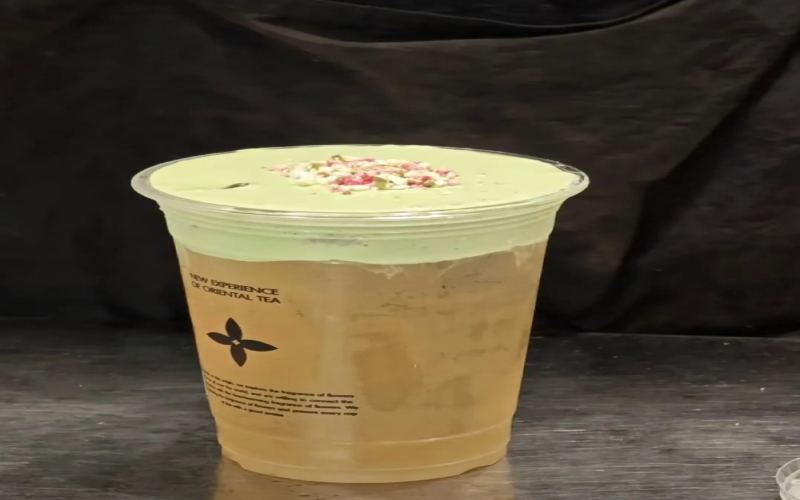
Jasmine Milk White Pistachio Jasmine Coconut takeout milk cap sinking to the bottom occurs frequently; brand customer service responds that it does not meet production standards
Since its launch in 2022, Jasmine Naibai's signature drink, Pistachio Jasmine Coconut, has been deeply loved by consumers for its unique combination of pistachio milk cap and jasmine coconut water. However, recently many takeout customers have reported that after pouring the separately packaged milk cap into the drink, it actually sank to the bottom of the cup, and the coconut water became cloudy and even had suspended particles. The brand's customer service responded that "it did not meet our production standards" and processed refunds for some consumers. Why did the milk cap fail? Was it delivery delays, stores rushing orders, or a change in ingredients? As takeout orders surge, Jasmine Naibai's quality control issues continue to intensify, with complaints such as milk caps sinking, wrong ingredients added, and too few toppings constantly emerging. Consumers cannot help but ask: can we still drink a normal cup of milk tea? [more…]
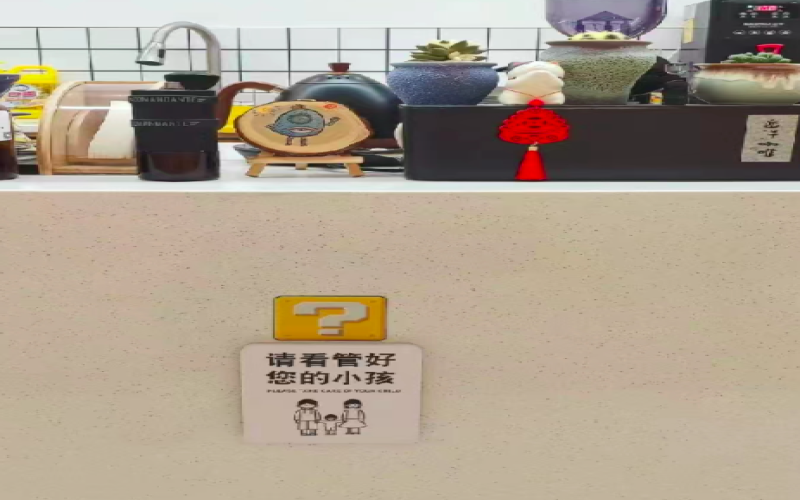
Who should manage noisy children in a café? The owner's silent observation sparks controversy, and a customer who was forced to step in and intervene ended up being complained about.
Coffee shops have always attracted customers with a quiet and comfortable atmosphere, yet when children who come to the shop with their parents make a loud racket inside, how the operator should respond becomes a difficult problem. Recently, a shop owner, not daring to speak up to stop them, let a regular customer step in to intervene on their behalf, and as a result was complained about by the parent, sparking heated discussion online. Many people believe that maintaining the shop environment is the owner's duty to begin with, and that having a customer act as a "mouthpiece" is not appropriate. Is it the parent's failure to discipline, or the owner standing by and doing nothing, that is more dissatisfying? This discussion about order and responsibility in coffee shops is worth deep thought by every industry practitioner and enthusiast. [more…]

Why Do Coffee Shops Often Use Takeaway Cups for Dine-In? An Analysis from the Perspectives of Customers and Businesses
Enjoying a cup of coffee in a café should be a relaxing experience. However, when the drink is served in a disposable takeaway cup, does your experience suffer? Some prefer the ambiance of dine-in cups, while others favor takeaway cups due to hygiene concerns; businesses make choices based on operational efficiency and cost. This article explores the considerations behind dine-in versus takeaway cups from two dimensions: customer psychology and store operations, and points out that cup choice is closely tied to a store's positioning. Additionally, some people bring their own cups—which type are you? Front Street Coffee believes that attention to detail in service often determines the success or failure of the experience. [more…]

Starbucks mistakenly collected over 30,000 yuan in tips from customers; refund checks bouncing prompts police involvement
A couple who explicitly chose not to leave a tip at Starbucks were charged an exorbitant $4,444.44 (about 30,264 yuan) because they didn't check the bill, maxing out their credit card and forcing them to cancel a trip to visit family in Thailand. The store initially refused a refund, then agreed to send a check that couldn't be cashed; after police intervened, Starbucks quickly reissued the check and refunded the full amount. The incident has raised concerns about point-of-sale system glitches and how businesses handle such matters. This article walks you through what happened and the findings of the investigation. [more…]
Post-Pandemic Coffee Shop Business Strategy Analysis: Practical Rules from Passion to Profit
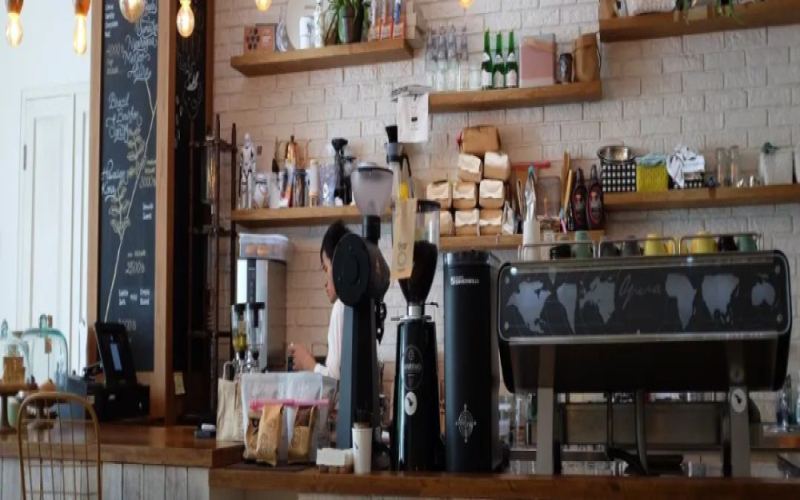
After the pandemic, the coffee industry has entered a new round of reshuffling, and many aspiring entrepreneurs are starting to think about how to open a successful coffee shop. However, a love for the aroma of coffee and a relaxed atmosphere is far from enough—running a café is essentially a business. This article systematically sorts out the core elements of successful coffee shop management, from market research, professional knowledge, and operating models to brand marketing, and combines DATA100's consumer trend data to analyze the behavioral changes of young consumer groups. At the same time, the article also explores the different development paths of internet-famous shops and specialty shops, emphasizes the importance of product quality and word-of-mouth, and mentions the practices of brands such as Front Street Coffee in the specialty field, providing practical and feasible ideas for readers who intend to open a shop. [more…]