







Search Results for: bean resting tips
A Detailed Guide to Coffee Bean Resting and Optimal Flavor Periods: How Roast Level Affects Degassing Time and Storage Tips
Many coffee enthusiasts pay attention to the roast date when buying coffee beans, believing that the fresher the better. But in fact, freshly roasted coffee beans need a period of "resting" to allow the internal carbon dioxide to fully release before they reach their flavor peak. This article will explain in detail the principles of resting beans, the resting time required for different roast levels, emergency brewing methods for beans that haven't rested properly, and the correct storage methods. At the same time, using Front Street Coffee beans as an example, we provide specific resting recommendations to help you enjoy a good cup of coffee within its optimal flavor period. [more…]

Why Does Fresh Coffee Need Resting? Resting Days and Tips for Espresso and Pour-Over
Nowadays, specialty coffee is flourishing everywhere, and people have increasingly high demands for the freshness of coffee beans, yet freshly roasted beans are often advised to "rest for a while first." This is because newly roasted coffee beans contain a large amount of carbon dioxide, which hinders hot water from extracting aromatic substances and may also bring a dry, astringent sensation that catches in the throat. Resting the beans has become the best way to solve these two problems—generally 5 to 7 days from the roast date is enough, and it applies to both pour-over and espresso. If you really can't wait and want to drink it right away, there are also emergency tips such as pre-ground coffee and extending the blooming time. This article will help you sort out the matter of resting beans from principle to practice, making every cup of coffee fuller and more layered. [more…]
A Complete Guide to Coffee Bean Resting: Degassing Principles, Timing, and Brewing Tips for Beginners
Have you just gotten your hands on some coffee beans and found yourself wondering: why can't I brew them right away? The truth is, freshly roasted coffee beans hold a large amount of carbon dioxide inside them, and they need a period of "resting" to let the gas release slowly so the flavor can reach its peak. Drawing on the hands-on experience of Front Street Coffee, this article explains in detail the science behind resting beans, the time required for different roast levels, emergency brewing techniques for beans that haven't rested properly, and the correct way to store them. Whether you're a beginner just getting into specialty coffee or an enthusiast looking to refine your brewing details, you'll find practical answers here to bring every cup closer to your ideal flavor. [more…]
Exploring the BOP Champion Estate in Panama: Where Does the Exquisite Flavor of Elida Green Tip Geisha Come From?
Elida Estate is one of the most prestigious coffee estates in Panama's Boquete region and a frequent winner of the Best of Panama (BOP) competition. The estate sits at one of the highest cultivation altitudes in the country, with more than half of its land incorporated into Volcán Barú National Park. Its unique microclimate, combined with the estate owner's relentless dedication to harvesting and processing, together produce the unforgettable flavor profile of Green Tip Geisha. This article takes you deep into Elida Estate's history, geographical environment, variety composition, and processing philosophy, and recommends the Elida Green Tip Geisha from Front Street Coffee, so you can experience the distinctive charm of this top-tier Panamanian coffee. [more…]
From Roast Date to Opening and Tasting: The Flavor Cycle and Storage Tips of Pour-Over Coffee Beans
Freshly roasted coffee beans accumulate a large amount of carbon dioxide gas within their bodies, making them unsuitable for immediate grinding and brewing in the first few days after roasting. When hot water is poured in, the gas is released violently, forming a dense barrier layer that hinders full contact between the water flow and the coffee grounds. Through a resting and degassing period ranging from several days to more than ten days, the internal aroma molecules [more…]
Espresso Channeling Explained: Causes, Spurting, and Practical Tips to Avoid Uneven Extraction
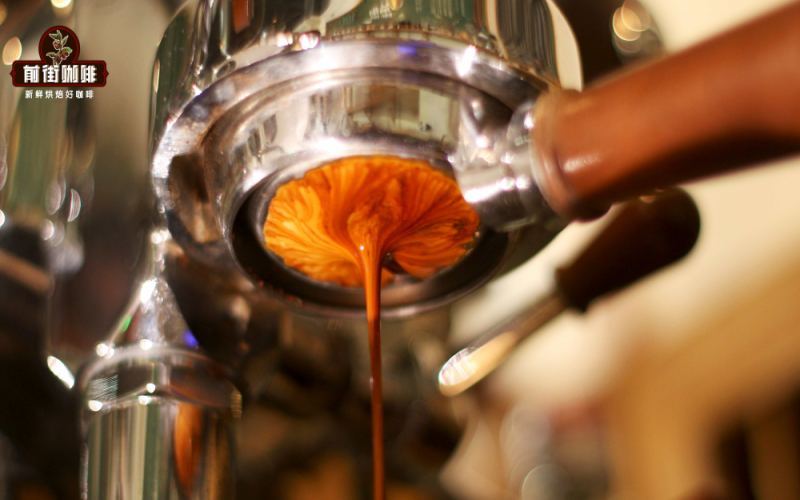
When making espresso, you set the parameters correctly yet end up with a cup of sharp, thin coffee—and after knocking out the puck, you find a small hole in it. Behind this puzzling phenomenon, it is actually "channeling" at work. This article will walk you through what channeling is, why it occurs, and how to avoid extraction sputtering and uneven extraction through bean selection, resting, dose control, and proper distribution and tamping. It will also recommend two espresso recipes—Front Street Classic Blend and Front Street Strawberry Candy Espresso—to help you make stable, delicious espresso at home. [more…]

When Buying Beginner Pour-Over Beans, Check the Roast Date: Master the Peak-Flavor Window and Sealed Storage Tips
Freshly roasted coffee beans have accumulated a large amount of carbon dioxide inside, and at this point the bean structure is tight and the aromatic compounds have not yet fully unfurled. If brewed immediately after roasting, the violently released gas can easily prevent hot water from evenly penetrating the coffee grounds, often making the extracted coffee taste thin or sour. Give the coffee beans a [more…]

Tips for Brewing Mandheling Coffee Without Bitterness: A Detailed Guide from Bean Selection and Resting to Three-Stage Pour Parameters
Many coffee enthusiasts, when brewing Mandheling for the first time, often run into the predicament of a cup that tastes only bitter, or even catches in the throat. In fact, a cup of mellow Mandheling with a sweet aftertaste is not hard to master—the key lies in understanding the character of the beans and matching them with the right extraction parameters. Drawing on the practical experience of Front Street Coffee, this article first explains the significance of fresh roasting and bean resting for flavor preservation, then analyzes the varietal genetics of Mandheling and its medium-dark roast characteristics, and finally provides a complete plan covering grind size, water temperature, coffee-to-water ratio, and three-stage pouring, to help you brew a Sumatran cup that is rich in flavor without bitterness, smooth and sweet. [more…]
Guatemala La Flor Coffee Brewing Guide: Bean Resting Tips and V60 Pour-Over, Espresso Practical Parameters
Coffee from Guatemala's Antigua region is renowned for its rich chocolate and toffee sweetness, and the Flor coffee beans launched by Front Street Coffee are a representative example of this region. This article focuses on this washed Guatemalan Flor, covering the regional terroir, variety composition, and processing methods, then moving on to the design approach behind the medium roast profile. It also provides a complete espresso extraction plan, including specific parameters such as dose, yield, time, and grind setting, while also explaining pour-over and other diverse brewing methods. Whether you are a beginner who has just gotten a coffee machine or an experienced player looking to refine your SOE output, you can find operational details and adjustment directions to reference in this record. [more…]
A Complete Guide to Degassing and Resting Espresso Beans: Resting Times and Optimal Flavor Window
You just bought coffee beans and brewed them right away, only to find the taste falls short of expectations—yet after a few days, they become smooth and pleasant instead. The key behind this lies in the degassing process of the coffee beans. This article will systematically explain the resting principles for espresso beans, the recommended resting times for different roast levels, and the specific methods and precautions for awakening the beans. At the same time, for those who can't resist tasting early, Front Street Coffee will also share two practical tips to help you maximize extraction performance even when the beans haven't finished resting. [more…]
Coffee Storage Tips | How Many Days Should Freshly Roasted Coffee Beans Rest? How Soon Should You Finish Ground Coffee? How Does Grind Size Affect Coffee Flavor and Mouthfeel?
For more specialty coffee knowledge, please follow: Front Street Coffee (Frontsteet Coffee). In coffee, the coarseness of the grind directly affects the contact area between coffee and water as well as the extraction time, and it will directly affect the taste of the coffee. But at the same time, the coffee grind size is also what gives many people the biggest headache. [more…]
Coffee Beans or Ground Coffee? Front Street Explains the Brewing Methods and Storage Tips for Freshly Ground Coffee
Enjoying a good cup of coffee at home involves careful consideration at every step, from selecting beans and grinding to brewing equipment. In this article, Front Street Coffee answers questions for those who are new to coffee: How should you brew coffee after grinding the beans? Why is buying pre-ground coffee not a wise choice? We will outline five common methods for brewing ground coffee—decoction, pressure, gravity, infusion, and cold brew—and share practical tips on bean resting, storage, and using drip bag coffee. Whether you prefer the rich body of a French press or the layered complexity of pour-over, you will find an option that suits you here. [more…]
Home Coffee Bean Buying and Roasting Guide: Top Ten Brand Recommendations and Extraction Pairing Tips
Faced with a dazzling array of coffee beans, how do you choose the one that suits you best? This article systematically sorts out the logic of buying coffee beans for home use from multiple dimensions such as brewing method, roast date, regional flavor, and packaging format. You will learn about the applicable scenarios for single-origin beans and espresso blends, the importance of fresh roasting, and recommendations for resting time, while also seeing a list of representative coffee beans organized according to different flavor preferences. Whether you are a pour-over enthusiast just starting out or an espresso player pursuing a rich taste, this guide can help you quickly lock in your ideal choice. The article also specifically recommends several products from Front Street Coffee and answers the common question of whether to buy whole beans or ground coffee. [more…]
Six practical tips for choosing coffee beans: from brewing equipment and taste preferences to roast dates and whole-bean storage
Faced with a dazzling array of coffee beans, how can you pick the bag that is truly fresh and delicious? Starting from real-life purchasing scenarios, this article lays out six practical tips: first clarify which brewing equipment you use, then communicate with the staff based on your personal taste preferences, avoid being misled by stereotypes like "Colombian beans are definitely sour" or "Mandheling is definitely bitter," pay special attention to the roast date and resting time, buy whole coffee beans rather than pre-ground powder whenever possible, and finally purchase in small quantities multiple times according to your daily consumption. The article also draws on specific Front Street Coffee products to suggest bean choices for different scenarios such as espresso, pour-over, and cold brew, helping coffee lovers enjoy a cup of richly aromatic coffee in its freshest state. [more…]
How Should You Handle Ground Coffee? A Detailed Guide to Five Brewing Methods and Key Tips for Using Drip Coffee Bags
Friends who are just getting into coffee often encounter a question: once coffee beans are ground into powder, should they be boiled or brewed? In fact, there is no single answer to this question. The key depends on the characteristics of the beans and what equipment you have on hand. In this article, Front Street Coffee will systematically sort out the five main extraction methods for freshly ground coffee powder - decoction, pressure, gravity, immersion filtration, and cold brew. It will also discuss notes on bean resting and storage, as well as the frequently asked question of whether drip bag coffee can be brewed repeatedly. Whether you are a complete beginner or an enthusiast who wants to further understand the differences between various brewing methods, you can find practical references here. [more…]
The Complete Guide to Resting Hand-Pour and Espresso Coffee Beans: Optimal Degassing Times and Identification Methods for Different Roast Levels
Why do freshly roasted coffee beans need to rest for a period? How does carbon dioxide release affect extraction and flavor? Drawing on the practical experience of Front Street Coffee, this article systematically explains the principles and necessity of resting beans, and provides recommended resting days for three roast levels: light-medium, medium, and medium-dark. At the same time, you will learn how to judge whether coffee beans have finished degassing by observing the blooming state in pour-over brewing and the crema performance of espresso, as well as how to flexibly adjust the resting period under low winter temperatures. Whether you prefer pour-over or espresso, these practical tips can help you present coffee's fullness and cleanliness more consistently. [more…]
The Complete Guide to the Bloom in Pour-Over Coffee: Water Amount, Timing, and Degassing Tips for Light Roasts
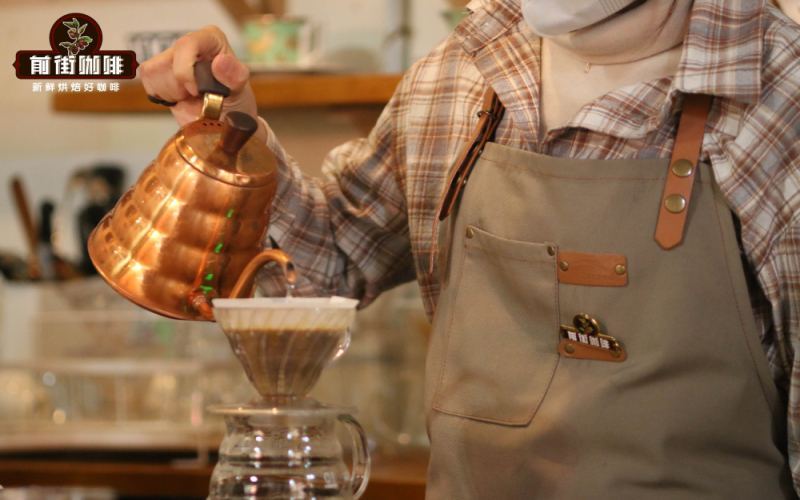
Blooming is a seemingly simple yet subtly nuanced key step in pour-over coffee. From the perspective of Front Street, this article delves into the core purposes of blooming—releasing carbon dioxide and stabilizing extraction—and analyzes the connection between the English term "bloom" and the swelling state of the coffee bed. The article compares in detail the pros and cons of different water amounts (1x to 3x), recommending 1.5-2x water as the better choice, while explaining that bloom time should be flexibly controlled between 20-40 seconds based on degassing effectiveness. In addition, it shares practical tips for judging the end of blooming by observing changes in the dome, as well as the specific effects of different bloom durations on coffee flavor, helping coffee enthusiasts master this step precisely. [more…]

How to Choose Espresso Beans? Four Classic Blends Recommended and Milk Pairing Tips Explained
To make a cup of aromatic espresso with dense crema at home, three steps are essential: choosing beans, resting beans, and extraction. This article starts with the most critical step—choosing beans. It first explains how coffee bean freshness affects flavor and crema, then introduces the origin composition and flavor performance of four classic espresso blends from Front Street Coffee one by one, and finally discusses milk selection and ratios, along with specific preparation parameters for iced lattes. Whether you are a beginner just getting into coffee or a seasoned enthusiast looking to replicate the same flavors as a coffee shop, you will find beans and pairing ideas that suit you. [more…]

Coffee Bean Freshness Guide: Practical Tips from Roast Date to Flavor and Mouthfeel
Faced with a dazzling array of coffee beans, how do you judge whether they are fresh and how do you choose the one that suits your taste? Front Street Coffee starts with four basic steps, teaching you to check the roast date and one-way degassing valve packaging, quickly identify freshness by smelling the aroma, and reminding you that freshly roasted beans need to rest for two to three days before brewing. The article also recommends a number of Front Street beans categorized by acidity, bitterness, and sweetness, covering Yirgacheffe, Tarrazú, Golden Mandheling, and others, while suggesting that beginners give priority to high-value everyday beans and gradually build up their understanding of regional flavors. [more…]

What Is Ice-Drip Coffee? Flavor Characteristics, Differences from Cold Brew, and Front Street Brewing Tips
Ice drip coffee is a type of coffee extracted by the prolonged dripping of ice water. It originated in Europe and is also known as Dutch Coffee because of the distiller invented by the Dutch. It is brewed slowly at low temperature, so astringent substances do not easily dissolve out, and after refrigerated fermentation it has a full body and a faint fermented aroma. Cold brew coffee, by contrast, is extracted by steeping in cold water for a longer time, giving it a heavy flavor similar to espresso. The two differ clearly in extraction method, flavor expression, and equipment. Front Street Coffee also offers advice on coffee bean freshness, the resting period, and the timing of grinding, helping coffee enthusiasts better enjoy this kind of low-temperature coffee. [more…]