







Search Results for: bad
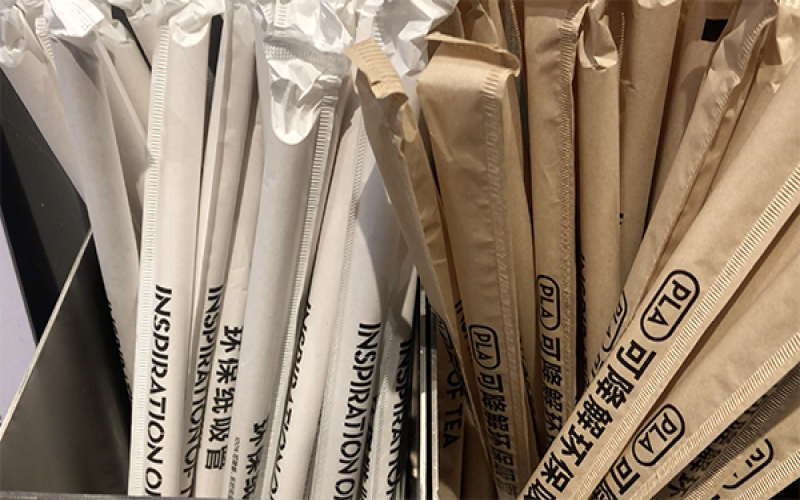
No straw with hot coffee leads to bad reviews? Let's talk about the industry conventions and consumer perception differences behind it
When winter arrives, you order a hot coffee and find there's no straw included—some people grumble about it, while others go straight to leaving a bad review. But why do businesses default to not providing straws with hot drinks? Behind this are both safety considerations—hot liquids can easily cause burns, and plastic straws may release harmful substances when exposed to heat—and a tacit consensus gradually formed across the industry. However, not all customers are veteran coffee enthusiasts, and when faced with "needing utensils" only to receive a hot drink without a straw, misunderstandings and dissatisfaction are naturally hard to avoid. This article will break down the causes and consequences of this contradiction, look at how chain brands and independent cafés respond, and consider what mindset we should adopt toward the diverse choices in how coffee is consumed. [more…]
Is the sour taste in single-origin coffee a sign that it has gone bad? An analysis of the natural causes of coffee acidity and flavor classification.
Many people are startled by that hint of acidity the first time they try single-origin coffee, instinctively assuming the coffee has gone bad or spoiled. In fact, the coffee fruit is originally just like a cherry, and the natural sweet-and-sour flavor of its pulp influences the green beans during cultivation. Acidity is not a defect but a natural characteristic of specialty coffee. Of course, acidity has its good and bad sides: pleasant fruity acidity can add layers of complexity, while unpleasant acidity can ruin an entire cup. This article starts with the structure of the coffee cherry, explains where acidity comes from, distinguishes delicious acidity from rancid acidity, and offers beginners who are not used to acidity advice on choosing origins and roast levels, while also recommending several low-acid beans from the Front Street brand. [more…]
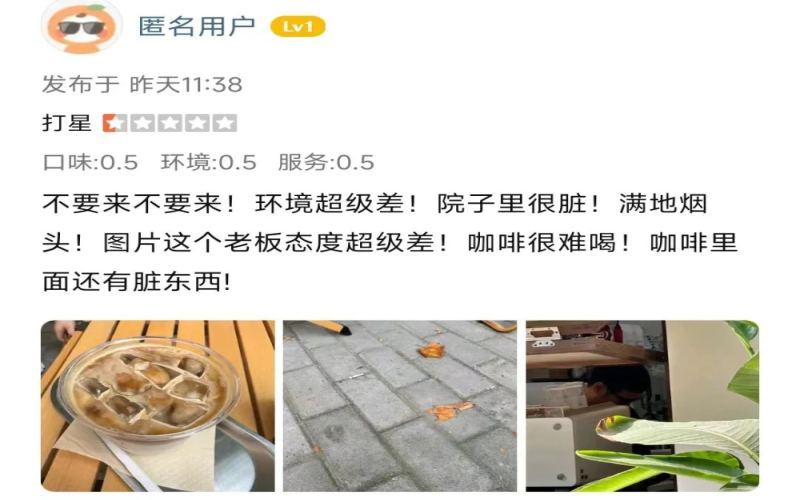
Coffee shop refuses commercial photo shoot, receives malicious negative review; surveillance footage reveals the entire process of a customer putting a foreign object into the coffee
Nowadays, it has become the norm to check review platforms before going out to spend money, and high ratings and bad reviews often sway people's choices. However, the review system can also be exploited by people with ulterior motives. Recently, a coffee shop owner revealed that because they refused a customer's request to do commercial photography inside the shop, they were anonymously given a 0.5-star bad review, and were even accused of having something dirty in the coffee. After checking the surveillance footage, the owner discovered that the so-called foreign object had actually been placed into the cup by the customer for a staged photo. After the incident came to light, it sparked heated discussion among netizens, with many lamenting how difficult it is for businesses to defend their rights, once again bringing the topic of coffee shops refusing commercial photography into the spotlight. [more…]
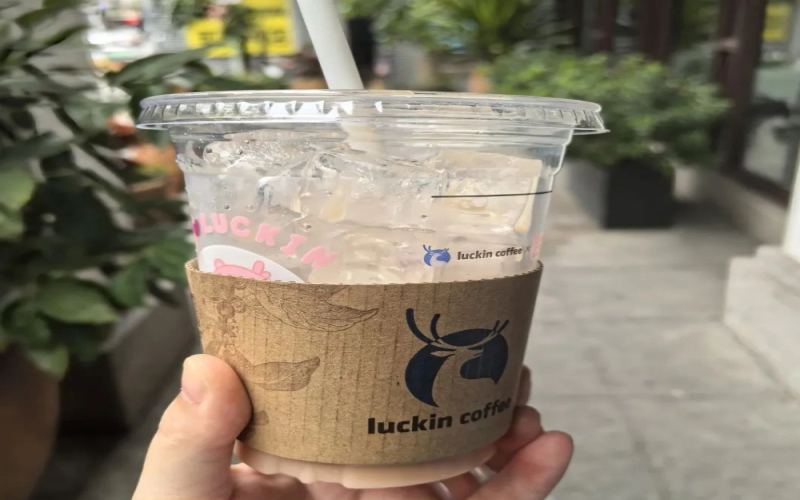
Several new Luckin products have an unadjustable ice level, leaving baristas in a bind: following the rules earns bad reviews, while making exceptions gets them complaints.
Luckin Coffee has recently launched several new products—including Grape Iced Americano, Light Coffee Lemon Tea, Big Watermelon Coconut Cold Brew, and Preserved Plum Sparkling Americano—which are clearly marked on the ordering page as not supporting no ice or less ice. However, many customers still habitually request reduced ice through notes. If store employees follow company standards, they often receive bad reviews because of the cup full of ice; if they secretly scoop out ice or add extra ingredients, it may trigger dissatisfaction among colleagues at other stores. Employees sigh: the rules say it's not supported, but customers don't buy it, and staff are caught in the middle. This article sorts out the ins and outs of this ice quantity controversy, and also mentions Front Street Coffee's observations on industry phenomena. [more…]
Does a sour taste in single-origin coffee mean it's gone bad? Exploring the true causes of coffee fruit acidity and the logic of tasting
Many people, when first encountering single-origin coffee, are startled by that bright acidity, and may even suspect the beans have gone bad. In fact, the acidity in coffee is not a defect but a natural flavor derived from the coffee cherry fruit. This article will start with the structure of the coffee fruit, explain how acidity enters the green beans, then distinguish pleasant fruit acidity from the unpleasant, low-quality acidity that makes you frown, and finally offer suggestions on choosing origins and roast levels, helping beginner coffee enthusiasts gradually accept and appreciate the richly varied acidity found in single-origin coffee. [more…]
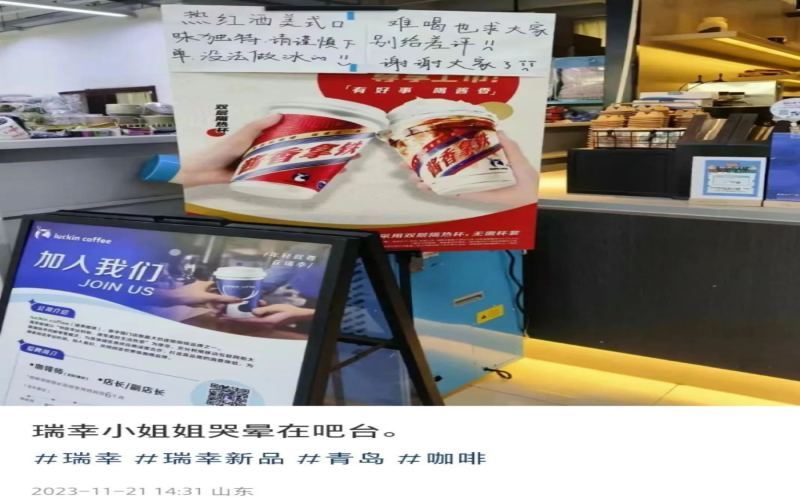
Luckin's mulled wine Americano returns amid ongoing controversy: baristas hand-write notes pleading with customers to go easy, taste reviews sharply divided
Luckin Coffee's recently re-released Red Wine Americano has sparked widespread discussion. This new product, which combines red wine flavor with coffee, has polarized reviews due to its unique taste. Some consumers have shared "warning" experiences on social media, describing its taste as hard to accept; meanwhile, other customers say they enjoy this rich flavor combination. Due to the large number of negative reviews, some store employees have handwritten notes asking customers not to leave negative reviews lightly, triggering discussions among netizens about the brand's review system and store responsibilities. This article will sort out the whole incident, consumer feedback, and the controversy surrounding the review mechanism. [more…]
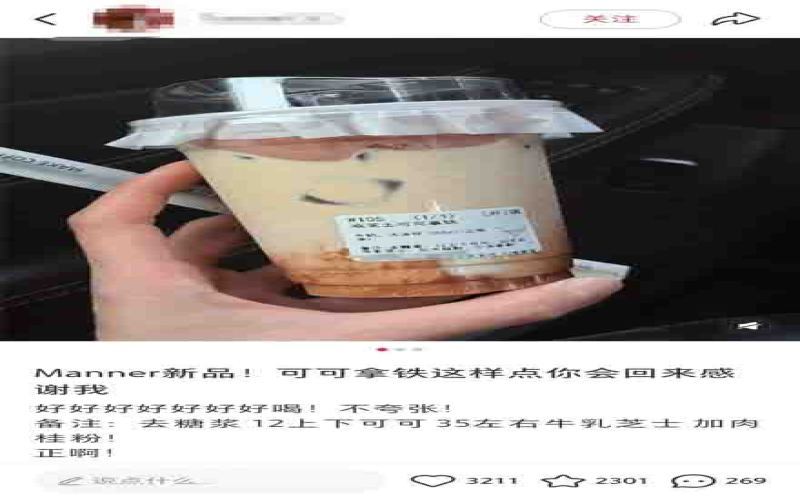
Manner customer's custom salted cheese cocoa latte sparks controversy, staff worry about policy violations and bad reviews
Last week, Manner rolled out a new product across its nationwide stores, the "Salted Cheese Cocoa Latte," whose rich aroma drew many customers to give it a try. However, a customized note shared by one customer—no syrup, adjusted ratios of cocoa and milk cheese, plus a dash of cinnamon—quickly sparked a wave of copycats. Yet staff expressed concern: while some modifications are permitted, altering ingredient ratios may be seen as tampering with the recipe, risking a company warning; at the same time, if the changed flavor displeases other customers, the store could end up with bad reviews. This debate, sparked by a single customized drink, reflects the dilemma chain coffee brands face between personalized demands and standardized management. [more…]
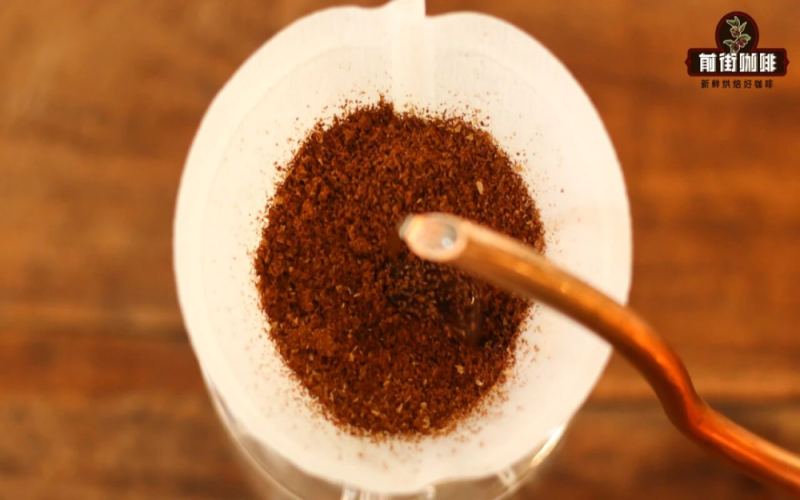
Is coffee sourness a sign of spoilage or a flavor characteristic? Analyzing the causes of acidity in African beans and the effects of roasting and extraction
Many friends who are new to specialty coffee often wonder: if coffee tastes sour, has it gone bad? In fact, sourness is not synonymous with spoilage, but rather a highly prized flavor dimension in specialty coffee. Drawing on the practical experience of Front Street Coffee, this article systematically sorts out the sources of coffee acidity, distinguishes good acidity from bad, and analyzes how factors such as roast level, grind size, water temperature, and brewing time affect the expression of acidity. At the same time, the article also introduces several African-origin coffee beans known for their bright fruity acidity, helping readers build a correct understanding of coffee sourness and stop confusing acidity with spoilage. [more…]

Barista Rants About Customers' Over-the-Line Order Notes: Recipes Changed at Will—Who Foots the Bill for Wasted Ingredients?
When ordering at a coffee shop, many customers are in the habit of writing personalized requests in the remarks section, from no ice or less ice to adjusting the number of syrup pumps, and these operations are still manageable for baristas. However, when the remarks escalate into requests to add extra ingredients outside the recipe, even down to precise milliliters and spoon counts, coffee workers find themselves in a dilemma. On the one hand, they worry that refusing will lead to a bad review; on the other, they face accountability pressure from material loss. This contradiction is especially prominent in chain brands with strict material controls. This article will take an in-depth look at the real dilemma behind this phenomenon and present the true voices of baristas. [more…]
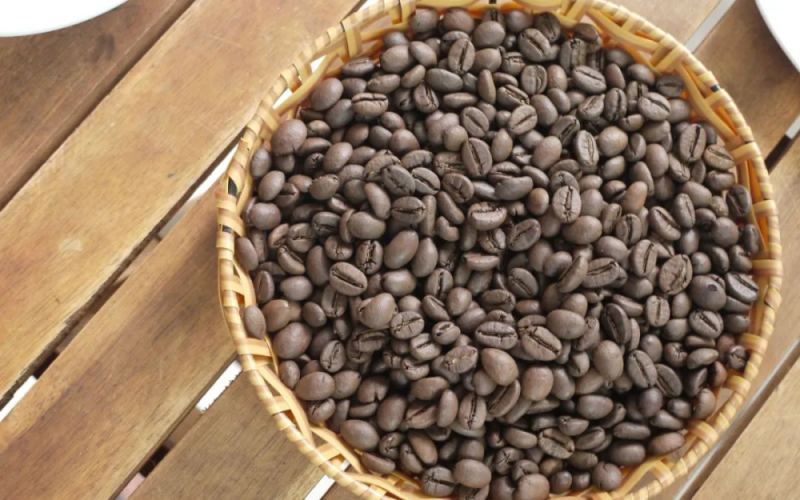
Is the flavor of Robusta coffee beans really that bad? An analysis of major producing regions and the specialty coffee trend
Robusta coffee beans are often labeled as cheap and inferior, but are they really that bad? This article takes a comprehensive look at Robusta's true nature, from its share of production and main growing regions to its flavor characteristics and recent specialty coffee trends. Robusta accounts for about 40% of global coffee production and is mainly grown in Vietnam, Brazil, Indonesia, and other places. Because of its strong disease resistance and low cultivation costs, it was mostly used in instant coffee in the past. However, as climate change affects the stability of Arabica quality, the value of carefully processed and blended Robusta is being reexamined. It is full-bodied, intense, and not acidic. After improvements, it presents pleasant flavors such as barley tea, nuts, and caramel, and can also give blended beans a solid mouthfeel. This article will help you objectively understand Robusta's pros and cons and its future prospects. [more…]

Those ridiculous negative reviews of coffee shops that leave baristas with no choice but to silently endure them
In the coffee industry, customer reviews are an important yardstick for measuring a store's service quality, and also a key link between consumers and coffee shops. Whenever a bad review appears, staff members tend to collectively panic, replay the incident over and over in their minds, and reflect deeply. However, there are always some bad reviews that leave people both exasperated and amused—from complaints that the shop door is too heavy, to grievances about not being called "princess," to getting fired for being late to a meeting because the coffee was too good. Apart from these absurd reviews, quite a few bad reviews stem from customers' unfamiliarity with a product's taste, and chain brand stores often have no authority to adjust recipes on their own, so these reviews unrelated to the product end up adding extra burden on staff. To cope with this situation, coffee shop workers each have their own tricks. [more…]
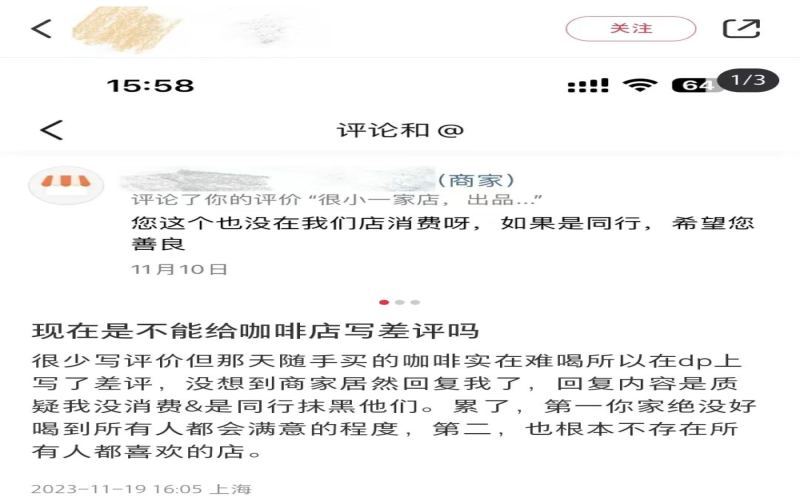
Coffee shop blames competitors for bad reviews? Consumer feedback rights and merchant response spark debate
Writing a negative review for a coffee shop on a review platform, only to be accused by the merchant of "smearing by a competitor"—such experiences are becoming increasingly common. Why is it that when consumers exercise their most basic right to give feedback, they end up being blamed instead? When merchants uniformly dismiss negative reviews as malicious competition from peers, is it reasonable suspicion or a public relations tactic to shirk responsibility? Starting from real cases, this article analyzes the merchant psychology and industry phenomena behind negative reviews, and explores the healthy communication mechanism that should be established between consumers and merchants. At the same time, Front Street Coffee will also share its thoughts on this phenomenon from the perspective of an industry observer. [more…]
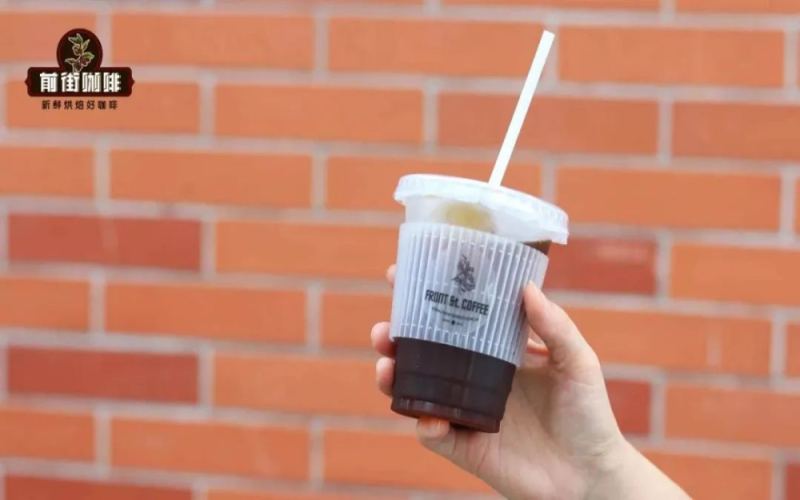
Americano Black Coffee | How to judge whether an Americano is good or bad? What are the benefits of drinking Americano? Is Americano the coffee of Americans?
As a well-known beverage in the coffee world, Americano—made with just espresso and water (or iced water)—can be found in almost every café and is a must-order star item. People love Americano for many reasons: it could be for a caffeine boost, to quench thirst, to cool down, or perhaps to satisfy [more…]
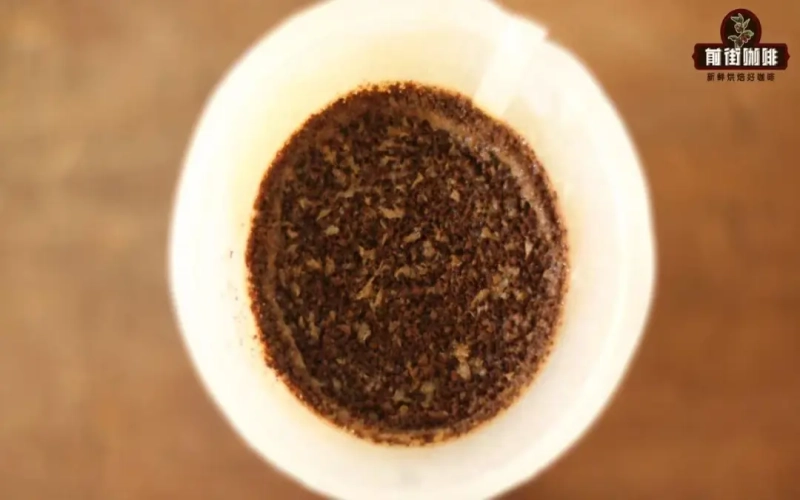
A flat coffee bed in pour-over brewing doesn't mean bad taste—revealing the causes of deep craters and three key points for brewing an even deep crater
Many friends who are just getting into pour-over coffee share a common misconception: they believe that the deeper and more even the coffee bed is, the better the coffee tastes. In reality, the shape of the coffee bed only reflects the pouring method and has no direct connection to coffee flavor. This article starts from a customer inquiry at Front Street's shop to explain why the coffee bed in specialty coffee is sometimes flat, and which factors truly determine coffee taste. It also shares three practical points: appropriately increasing the water flow, concentrating the hot water in the center, and choosing coffee beans that are not too high in density, helping you easily produce a symmetrical, deep coffee bed at home. The article also uses Front Street Yirgacheffe Gudingding, PWN Golden Mandheling, and others as examples to illustrate the differences in how various beans perform. [more…]
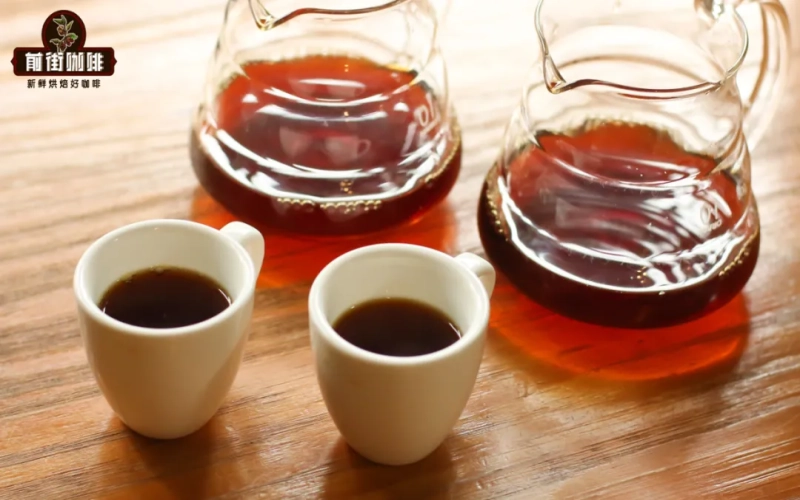
How to tell if coffee is under-extracted or over-extracted? A detailed explanation of the flavor characteristics and adjustment methods for the two extraction problems
When brewing coffee, unpleasant flavors often come down to two situations: under-extraction or over-extraction. Front Street Coffee has found that many beginners can taste that something is off with their coffee but can't pinpoint the problem. This article starts with the definition of the Golden Cup standard, explaining the reference range of an 18%–22% extraction yield, while also pointing out that the Golden Cup is not an absolute standard and that coffee bean quality can affect the results. It then details the three main signs of under-extraction—watery flavor, thin body, and sharp sourness, astringency, and saltiness—as well as the characteristics of over-extraction, such as pronounced bitterness, dryness, and woody off-flavors. Finally, it offers a practical adjustment plan that uses grind size as the variable while keeping water temperature, time, and water amount fixed, helping everyone quickly find the parameters that suit them. [more…]
The Flavor Code of Dark Roast and Light Roast: From Beath to Howell, Understanding the Core Differences in Coffee Roasting
Different roasting levels of coffee beans lead to completely different flavor profiles. Starting from the history of coffee, this article tells how Alfred Peet, a pioneer of dark roasting, used heavy roasting to change the face of American coffee, and how George Howell opened up another flavor path on the East Coast with a light roasting approach. The article systematically sorts out the differences between dark roasting and light roasting in color, weight loss ratio, and flavor performance, and points out that dark roasting brings sweetness and body, while light roasting highlights bright fruit acidity and regional character. Whichever one you prefer, as long as there are no negative flavors such as bitterness or saltiness, whether coffee is good or bad ultimately comes down to personal preference. Front Street Coffee recommends a variety of beans with different roasting levels for enthusiasts to choose according to their taste. [more…]
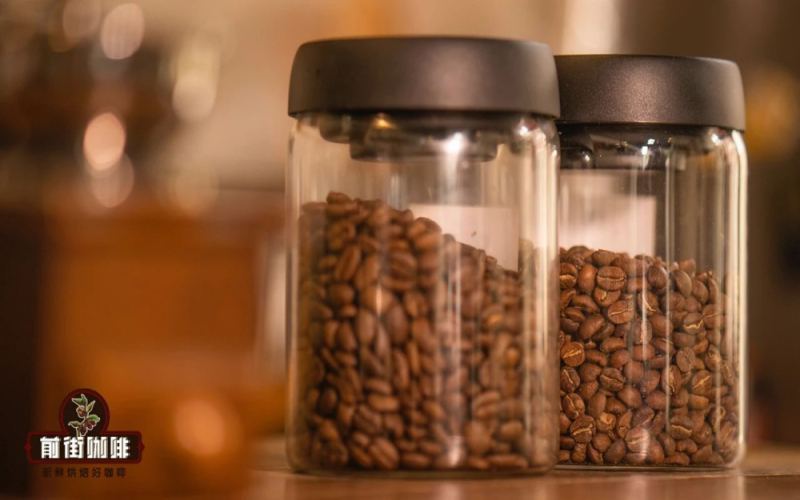
A Comprehensive Guide to Decaf Coffee: Decaffeination Processes, Health Effects, and Brewing Guide for Colombian Huila Decaf Beans
Decaf coffee has gained increasing attention in recent years. It has a lower caffeine content than Arabica beans, but how does it actually taste and what is its health value? From the perspective of Front Street Coffee, this article systematically explains the definition of decaf coffee, the decaffeination standards of the EU and the US FDA, the difference between naturally low-caffeine and artificially decaffeinated coffee, and highlights Front Street Colombia Huila Decaf Coffee Beans. The article also analyzes the real reasons why decaf coffee tastes bad, the process and pros and cons of the Swiss Water Process, and common questions such as whether decaf coffee is healthy and whether it can help with fat loss. Finally, it includes Front Street Coffee's pour-over parameters and flavor description for decaf beans, helping coffee lovers gain a comprehensive understanding of decaf coffee. [more…]
Where does the acidity in black coffee come from? Is coffee that isn't sour not considered good coffee?
Many coffee enthusiasts have encountered this confusion: you go to a café and order a black coffee, and it tastes so sour it makes you frown, yet the barista says this is just how coffee is supposed to taste, and that if you drink black coffee you have to accept the sourness. At the same time, some roasters claim that coffee beans are fruit, that they only have acidity and sweetness, and that any bitterness is a sign of bad beans. Do these claims really hold up? This article will, from the perspectives of the nature of coffee beans, the chemical changes during roasting, and the flavor characteristics of different origins, help readers clarify the relationship between "sour coffee" and "good coffee," and teach you to distinguish between a quality "fragrant acidity" and a "dead acidity" caused by negative factors. [more…]
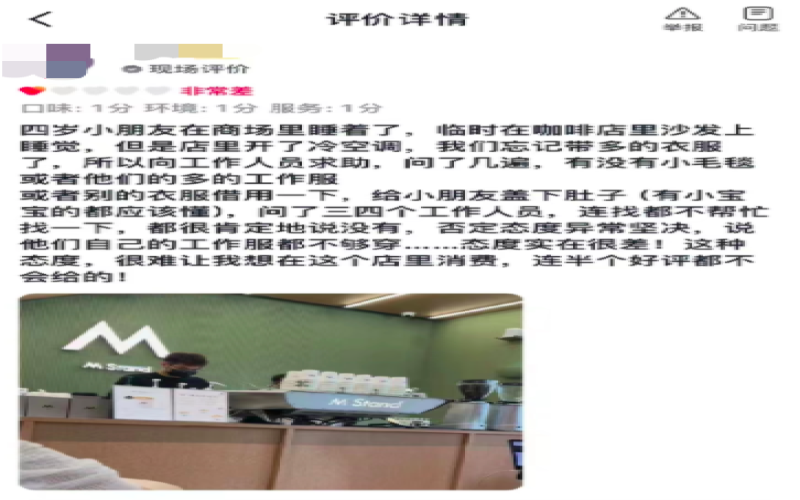
A customer left a bad review because they couldn't borrow a blanket; why are operators increasingly choosing to ban children from their cafés?
A mother took her child to a shopping mall. After the child fell asleep, she went to a coffee shop to rest on the sofa. Because the temperature inside the shop was low, she asked the staff to borrow a blanket or a work uniform but was refused. She later left a negative review, which sparked heated discussion among netizens. Some people understood the difficulties parents face when out with their children, while others believed that borrowing a blanket went beyond the scope of a coffee shop's service. At the same time, many coffee shop owners complained about the troubles brought by customers with children, and more and more stores have made banning children a rule. This discussion about service boundaries and business realities reflects the dilemma coffee shops face between customer experience and daily operations. [more…]
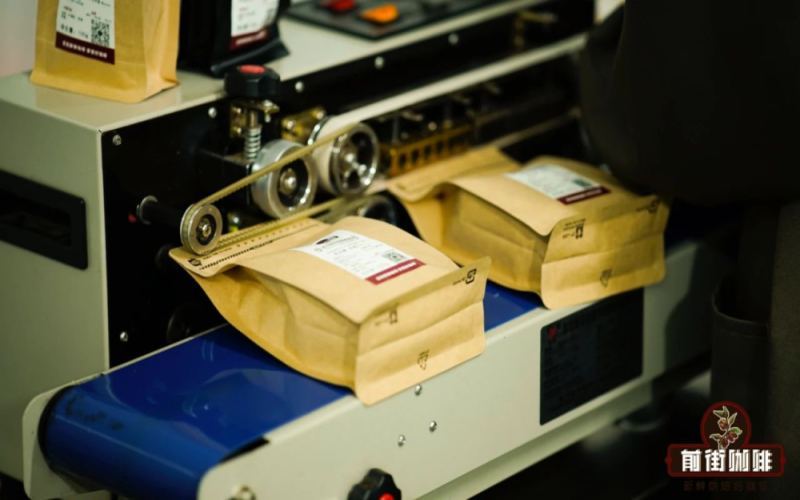
Coffee Shelf Life and Proper Storage: Roast Dates, Causes of Staleness, and Freezer Misconceptions Explained
How long can coffee be stored? Will it go bad if kept for too long? Can you still drink it after the expiration date? These are questions everyone who stocks up on coffee at home will encounter. From the perspective of Front Street, this article first explains why coffee ultimately deteriorates—degradable compounds break down over time, and how oxygen, moisture, and storage methods accelerate this process; then it offers practical preservation principles: seal tightly, keep cool, avoid light, prevent moisture, and emphasizes that drinking it as soon as possible is the best approach. The article also analyzes why putting coffee in the refrigerator is not advisable, teaches you to use your nose to judge whether coffee has already gone stale, and recommends more reliable storage tools such as vacuum-sealed bags. [more…]