








As a beverage that is a household name in coffee circles, Americano—made with just espresso and water (iced water)—can be found in almost every café and plays the starring role as a must-order upon entering.
There are many reasons people love drinking Americano: it could be for alertness, quenching thirst, cooling down, or perhaps for reducing swelling and fat loss. Of course, there's also the possibility that they simply crave coffee, and it happens to be one of the fastest to make and most affordable black coffees... With all these reasons stacked together, this black coffee made by adding water to dilute espresso has long become a well-known popular beverage.
Today, Americano is all too common, so as ordinary consumers, from what angles can we judge whether this everyday coffee is good or not? Today, Front Street starts from the perspective of tasting and discusses with everyone just what kind of "water-diluted coffee" qualifies as a broadly good-tasting Americano.

Americano = Americans' coffee?
From the name, we can probably associate that espresso comes from Italy, so Americano should originate from America. But did you know? Actually, the name "Americano" wasn't coined by Americans, but by the Italians who invented the espresso machine.
Legend has it that in the later stages of World War II, while in Italy, American soldiers couldn't get used to the strong taste of espresso, so they chose to add water to dilute it before drinking. This retained some coffee flavor while giving them a palatable, refreshing coffee—killing two birds with one stone. Later, with waves of immigration, Italians running cafés in America followed local customs and introduced this "light version of black coffee," naming it "Americano," and it quickly became popular.
What differences can Americanos in cafés have?
Once, Front Street was asked by a regular customer why some coffee shops make Americanos that are refreshing and sweet, leaving you wanting more after finishing the cup, while others are burnt and bitter, making you instantly put on a pained face at the first sip, unable to even drink half. They're all Americanos—what factors cause such a big difference?
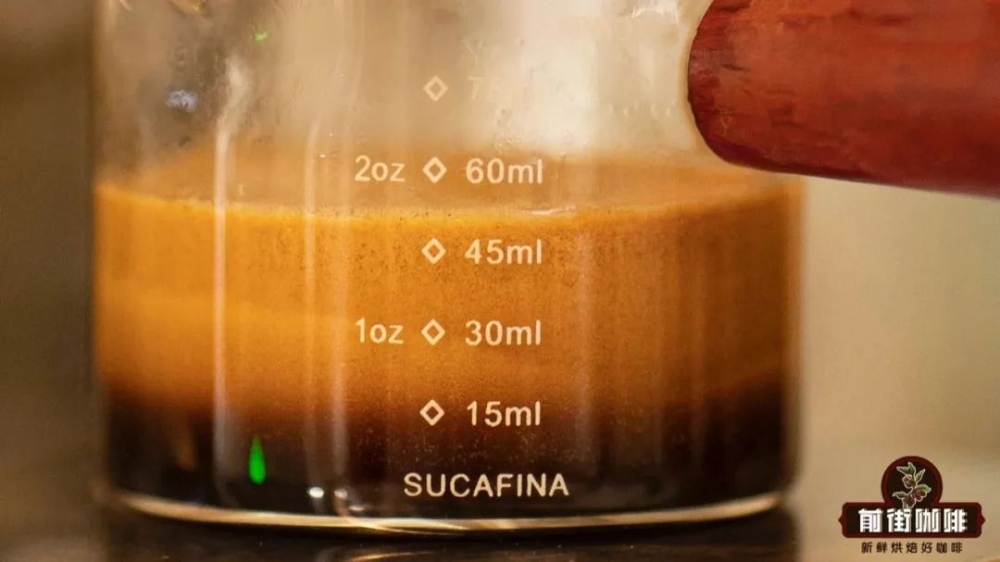
Whether it's the classic version where espresso is extracted first and then water added, or the Oceania-modified version where water is added first and then espresso poured in, the essence is a cup of espresso with a concentration of about 7-12% plus hot water or an ice-water mixture.

Among these, the amount of water generally depends on the cup size and the shop's customized output, and so does the water temperature—from 60°C to 70°C suitable for immediate drinking, to 80°C to 90°C to prevent rapid cooling during winter takeout, and even cases where boiling water is added directly. Although these details do create some differences in the mouthfeel of Americano, they are by no means the key reason for the significant differences mentioned above.
Since everyone knows that an Americano is made of water and espresso, and water is usually colorless and tasteless, only serving to dilute, then the problem must lie in the espresso. So ultimately, when we drink a bad Americano, the problem clearly stems from the type and quality of beans used, as well as the barista's extraction control. For issues related to preparation, you can refer to our previous article: Why does your Americano always lack that certain something?

So, what is a good Americano?
From the consumer's perspective, whether a coffee tastes good or not, and whether one likes it, is very subjective—after all, it's hard to please everyone. Some like strong dark-roast blends, naturally some like refreshing fruity light-roast single origins, and others prefer fermented winey types. Different preferences deeply influence our final impression of an Americano.
But if we temporarily set aside preferences for acidity, bitterness, strength, or lightness, or other taste preferences, and only look at the flavor expression brought by espresso, a good Americano should be inseparable from the following three points:
1. Smooth, with a comfortable finish
As we all know, a standard Americano has a beautiful golden foam floating on top—crema. It not only affects the mouthfeel of the coffee but also provides some aromatic substances to the sense of smell, and is one of the important signs of coffee freshness. So to ensure stable extraction while giving the espresso good aroma and rich crema, most cafés today still prioritize medium-dark roasted beans for their Americanos.
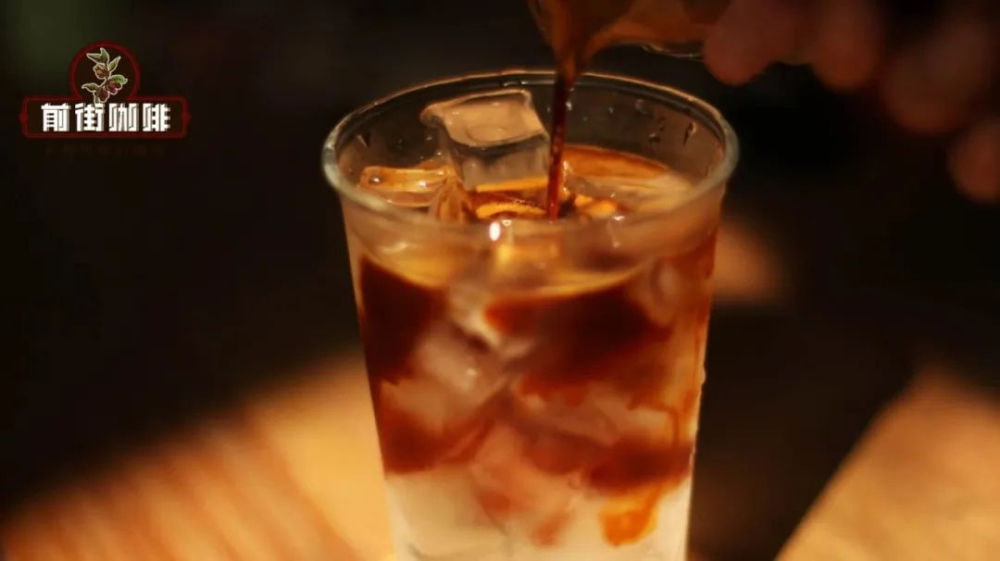
Front Street once mentioned in the article "If light-roast beans are for fruity acidity, what are dark-roast beans for?" that compared to the rich and varied flavor profile of fruity coffee, dark-roast coffee is mainly characterized by caramelized aromas, such as chocolate, cocoa, cream, nuts, etc., which leads to the coffee's own characteristics tending to be more uniform. Compared to those ever-changing acids, this type of Americano emphasizes more whether it has good tastes like full-bodiedness, smoothness, and sweet aftertaste.
In short, a good Americano must be smooth on entry, with nothing unpleasant after swallowing. On the contrary, if at the first sip you feel a burnt tire flavor, dryness, roughness, or throat-catching, it surely can hardly be called "good coffee."
2. Balanced mouthfeel, neither bitter nor sharply acidic
Unlike other coffee brewing methods, espresso is a high-pressure extraction process. It's like a magnifying glass—the good things in coffee get magnified, and the bad things get magnified too. In other words, bitter coffee tends to become more bitter, and acidic coffee tends to become more acidic. So, judging whether an Americano is good depends more on whether the mouthfeel remains balanced after the espresso is diluted with water—does it taste bitter? Does it taste sharply acidic? If neither, then without needing to say more, we know it must be a palatable black coffee.
3. Aromatic, not bland
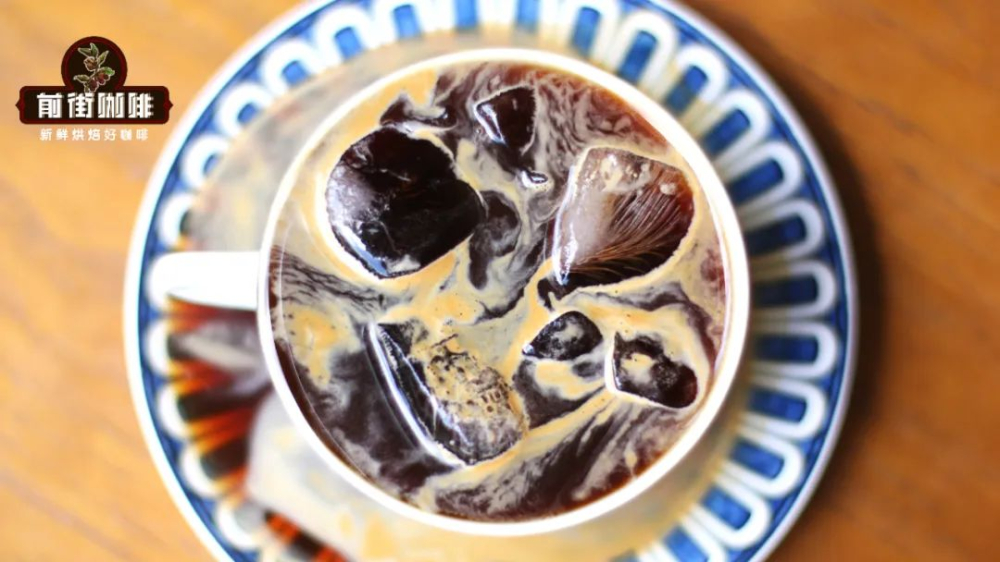
In the world of brewing coffee, managing the extraction yield is very important. Under-extraction makes coffee bland and tasteless; over-extraction makes coffee astringent with many off-flavors. As a coffee that is extracted and then diluted with water, whether hot or iced Americano, its flavor core still lies in those tens of milliliters of espresso.
Take Front Street's daily output, the Sunflower Warm Sun blend, as an example. Ensuring the espresso can showcase flavors like vanilla, cream, chocolate, fermented wine aroma, and berry sweetness and acidity, and after adding a certain proportion of water it doesn't become bland, with a balanced profile—then the barista's tuning task for the day is complete.
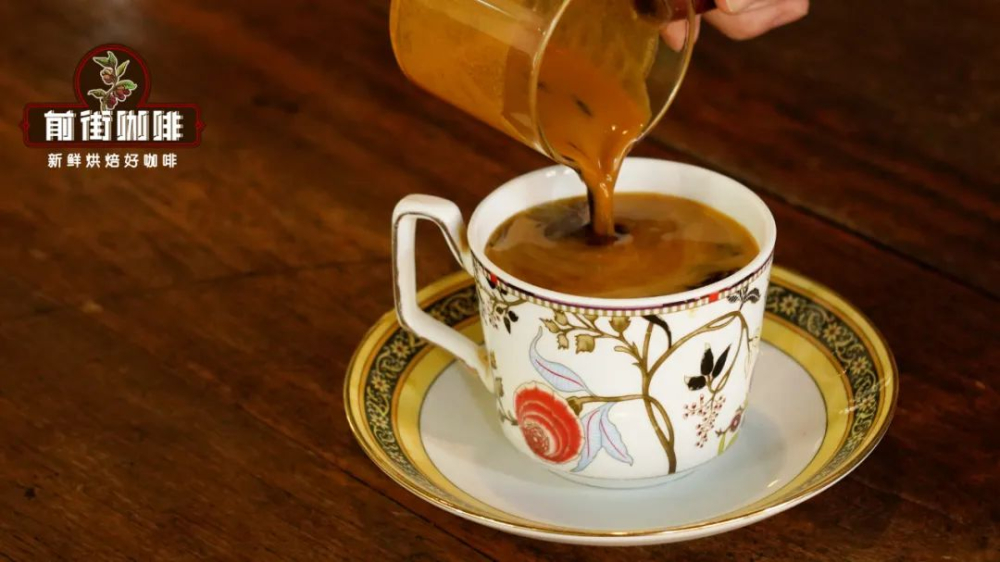
In summary, when you drink an Americano that is smooth in mouthfeel, clean in finish, balanced in overall sweetness, acidity, bitterness, and sweetness, and also showcases the main flavor characteristics of the coffee beans, then congratulations—you've really ordered the right cup!
- END -
The above content is compiled by CoffeeHunters, a coffee news website.


