







Search Results for: and Differences in Coffee Flavor

AeroPress Standard vs. Inverted Method Comparison Review: Operational Differences, Flavor Performance, and Equipment Differences from the French Press
The AeroPress is a coffee brewing device that is simple to operate yet offers a wide variety of brewing methods. The official recommendation is the standard (upright) method, but most enthusiasts prefer the inverted method. Through a comparative experiment conducted by Front Street Coffee using Geisha Village Chaka beans, this article provides a detailed analysis of the differences between the standard and inverted methods in terms of operation flow, extraction time, and flavor performance, and explains why the inverted method is more favored. At the same time, the article also compares the AeroPress with the French press, helping readers understand the differences between the two devices in extraction principles and suitable scenarios, providing a reference for daily brewing. [more…]
What Are the Differences Between Chinese Black Tea and Indian Black Tea? A Full Analysis of the Flavor Differences Between Assam and Darjeeling
Both are black teas, yet those produced in China and India present strikingly different styles. Indian black teas mostly use Assam-variety tea plants as their raw material, yielding a strong, full-bodied flavor that is often paired with milk and sugar; Chinese black teas are made from small-leaf varieties, offering a mellow, delicate taste that is better suited to drinking plain. Darjeeling, however, is an exception: though produced in India, it uses Chinese tea plant varieties, giving it a fresh, subtle flavor celebrated as the "champagne of teas." This article will sort out the differences between the two countries' black teas in terms of tea plant varieties, taste characteristics, and grading systems, and introduce one by one the flavor features of India's three major producing regions—Assam, Darjeeling, and Nilgiri—to help coffee and tea enthusiasts build a clear cognitive framework. [more…]
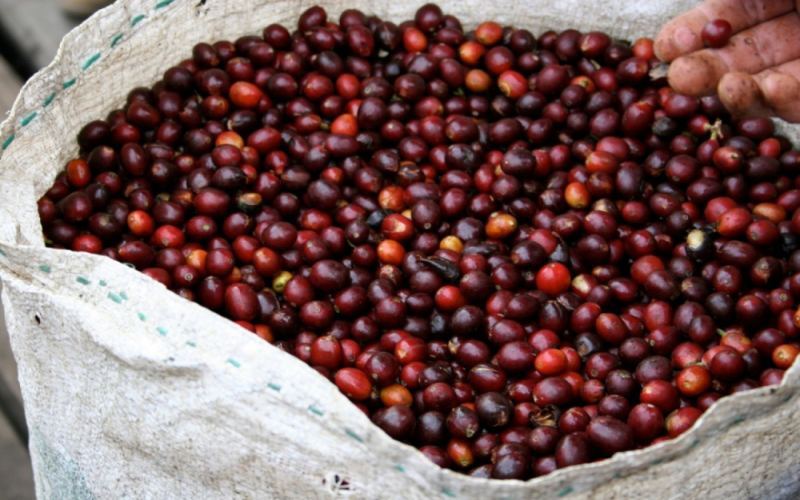
A Comprehensive Comparison of Robusta and Arabica Coffee Beans: Variety Origins, Growing Conditions, Flavor Differences, and Uses Explained
When buying coffee beans in a café, we almost always see only Arabica, while Robusta rarely makes an appearance. Both belong to the coffee family, so what are their essential differences? In this article, Front Street Coffee will systematically sort out the differences between Robusta and Arabica coffee beans across multiple dimensions, including variety origin, plant characteristics, growing environment, caffeine content, disease resistance, flavor performance, and practical uses. Whether you are a coffee enthusiast just getting started or a seasoned player hoping to gain a deeper understanding of the essence of coffee beans, this comparison can help you build a clearer cognitive framework and understand why the specialty coffee world is almost entirely occupied by Arabica, and in which fields Robusta plays an irreplaceable role. [more…]

Comprehensive Comparison of Mandheling Coffee and Blue Mountain Coffee: Analysis of Origin, Processing Methods, Green Bean Characteristics, and Pour-Over Flavor Differences
Mandheling and Blue Mountain are often regarded as the two great representatives of full-bodied coffee, but their styles diverge sharply—the former is intense and aromatic, the latter balanced and sweet. From the perspective of Front Street Coffee, this article systematically sorts out the specific differences between Jamaican Blue Mountain and Indonesian Golden Mandheling in terms of geographical terroir, processing methods, green bean appearance, and cupping flavors. Blue Mountain comes from the high-altitude volcanic soil of a Caribbean island and uses the washed process; Golden Mandheling comes from Sumatra, where the wet-hulled method gives it its unique character. The article also includes Front Street Coffee's pour-over comparison parameters and flavor notes to help coffee enthusiasts more clearly understand the essential differences between these two classic coffees. [more…]
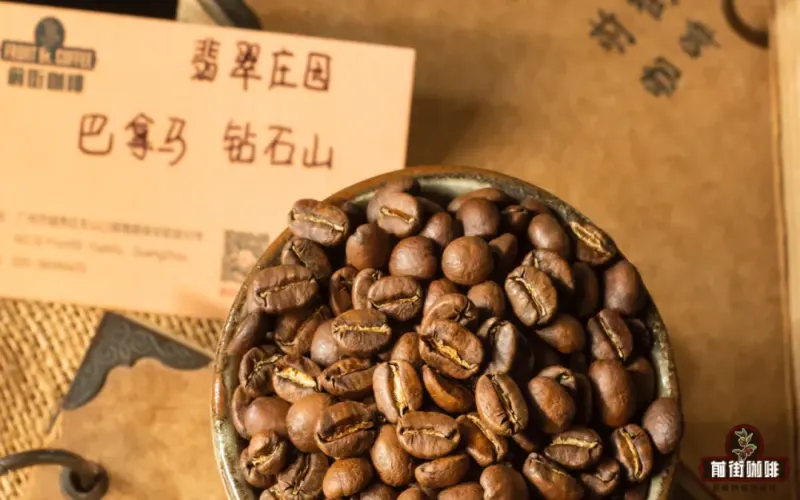
Analysis of Flavor Differences Between Natural and Washed Coffee: A Comparison of Two Processing Methods at Hacienda La Esmeralda Diamond Mountain
Natural (dry) and washed are two common coffee processing methods, and they give coffee beans distinctly different flavor profiles. Using Front Street Coffee's Hacienda La Esmeralda Diamond Mountain as an example, this article examines the processing flow, drying time, fermentation degree, and other angles to compare in detail the differences between natural and washed coffee in aroma, acidity, and mouthfeel, and explains the root causes of these differences. Whether you prefer the richly layered natural or the clean and fresh washed, this article will help you understand the essential differences between the two more clearly and find your own cup of good coffee. [more…]
Yirgacheffe vs Sidamo Coffee Comparison: Flavor and Mouthfeel Differences, Notable Estates, and Origin Tracing
Yirgacheffe and Sidamo both belong to Ethiopia's specialty coffee landscape, yet due to differences in regional terroir and processing methods, they present distinct flavor profiles, each with its own merits. This article begins with tracing their origins, outlining Yirgacheffe's unique floral and fruity aromas, citrusy acidity, and clean aftertaste, while comparing the flavor trajectory of Sidamo coffee. It also explains how different roast levels affect flavor expression, and offers brewing and roasting recommendations for Front Street Coffee's Yirgacheffe under light and medium-dark roasts, helping coffee enthusiasts more clearly understand the core differences and key purchasing points of these two African washed beans. [more…]

Showdown on the Tip of the Tongue: Flavor Differences and Cupping Comparison Analysis of Front Street Natural Geisha and Washed Blue Mountain
Front Street Jamaica Blue Mountain and Front Street Panama Geisha—one is synonymous with balanced classicness, the other a star bean bursting with fruity aromas. Through a comparison of dry and wet aromas and cupping flavors, this article breaks down in detail the differences between the two in acidity, sweetness, body, bitterness, and aromatic layering, helping you find the cup that best suits your taste. Whether you are a purist pursuing the original taste of coffee or an explorer drawn to rich complexity, you will gain clear purchasing and tasting references from it. [more…]

A Detailed Explanation of the Flavor Differences Between Ice Drip, Cold Brew, and Cold Steep Coffee, Plus a Cold Brew Production Parameter Guide
Ice drip coffee, cold brew coffee, and cold steeped coffee are popular types of iced coffee in summer, but many people still cannot tell the differences between them. Front Street Coffee will systematically sort out the characteristics of these three types of iced coffee from the perspectives of production principles, flavor performance, and raw material selection, helping coffee enthusiasts clarify their understanding. At the same time, this article will also share the specific brewing parameters for cold brew coffee and explore the different flavor directions that the same coffee beans present under the two methods of ice drip and cold brew. Whether you want to understand the essential difference between ice drip and cold brew, or want to try making cold brew coffee at home, this article can provide practical reference. [more…]
A Complete Analysis of Coffee Filter Paper Materials and Bleaching Differences: How They Affect Extraction Flavor and Brand Recommendations
In coffee brewing, the choice of filter paper is far more than just about size and whether it's bleached. Different materials such as wood pulp, non-woven fabric, hemp, or plastic directly affect filtration performance, which in turn changes the coffee's extraction yield and final flavor. This article takes a deep dive into how filter paper material influences filtration effectiveness, compares the pros and cons of bleached versus natural wood pulp filters, and answers which brand is more trustworthy. Front Street Coffee will walk you through how these differences shape the taste of every cup, helping you make a wiser choice. [more…]

Analyzing the Differences Between Ice Drip and Cold Brew Coffee: Brewing Methods, Flavor Profiles, and Whether They Qualify as True Black Coffee
Ice drip coffee and cold brew coffee are two common methods of making cold coffee, and many coffee enthusiasts often discuss the flavor differences between them when tasting. Front Street Coffee conducted an experiment using the same sun-dried Huakui coffee beans, preparing them separately with the ice drip and cold brew methods, and carried out a comprehensive comparison from production time, equipment, and coffee-to-water ratio to the final taste. Ice drip coffee is clear and bright, with fermented notes and a vinous charm; cold brew coffee, on the other hand, has a full body with obvious fruity sweetness. This article will analyze in detail the production differences and flavor performance of the two, and explore whether ice drip coffee belongs to authentic black coffee. [more…]

A Comprehensive Comparison of Flat White and Latte: A Detailed Explanation of Cup Size, Flavor, Milk Foam, and Differences Between Iced and Hot Drinks, Along with a Discussion of the Differences Between White Coffee and Black Coffee and the Potential
Although both are made from espresso and milk, a Flat White and a latte deliver completely different drinking experiences. Many people regard the Flat White as the Australian version of a latte, but the two differ noticeably in cup size, coffee strength, milk foam thickness, and even whether they are served hot or iced. Starting from Front Street Coffee's own production practices, this article breaks down these differences one by one to help coffee lovers accurately tell these two common milk coffees apart. At the same time, the article also extends the discussion to the essential differences between imported white coffee and black coffee, as well as the potential health risks of instant white coffee, offering a reference for everyday choices. [more…]
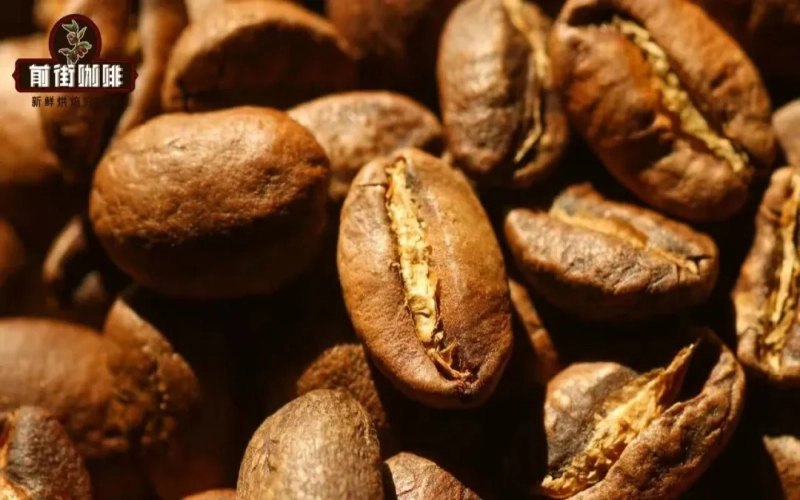
Flavor Differences Between Ethiopian Geisha and Panamanian Geisha: Same Name, Different Variety—Why the Huge Gap in Price and Taste
Geisha coffee varies significantly in flavor and price depending on its origin and processing method. Among them, Ethiopian Geisha and Panamanian Geisha often spark lively discussion among coffee enthusiasts due to their stark differences in price and taste. Although the two share the name "Geisha," they are actually entirely different varieties. Panamanian Geisha originated from the Geisha forest in Ethiopia, was discovered by Hacienda La Esmeralda, and won the 2004 BOP competition, known for its white floral notes, citrus fruit character, and green tea-like quality, with the designation T2722; Ethiopian Geisha, on the other hand, tends to have a rich, juicy mouthfeel and is genetically more distantly related to Panamanian Geisha, making it something of a distant relative. This article will outline the origins and flavor differences of the two, and recommend several high-value Geisha beans from Front Street Coffee for comparative tasting. [more…]

How Is Ice Drip Coffee Different from Cold Brew? A Comprehensive Analysis from Brewing Methods to Flavor Differences
Many customers who come to Front Street Coffee for a drink often ask whether iced drip coffee and cold brew coffee actually differ in taste. Although both fall under the category of cold-brewed coffee, their extraction methods and the final flavors they present are completely different. Iced drip coffee relies on ice water slowly dripping through the coffee grounds, takes a long time, and requires specialized equipment; cold brew coffee, by contrast, uses cold water to directly soak the coffee grounds, making it relatively simple to prepare. Starting from Front Street's actual brewing parameters, this article will compare in detail the specific differences between these two cold coffees in production process, final product form, and flavor performance, and use a light-roast washed Yirgacheffe as an example to show the different flavor directions of the same bean under the two methods. [more…]
Analysis of Ethiopian Coffee Bean Quality Characteristics: Flavor Differences Between Washed and Natural Yirgacheffe
Ethiopia, with its exceptional natural conditions, has become a coffee origin that cannot be overlooked on the global coffee map. This article begins with the growing environment—altitude, soil, climate, and more—to systematically outline the quality characteristics of Ethiopian coffee beans, then focuses on the Yirgacheffe region to compare the flavor differences brought about by washed and natural processing methods. At the same time, the article retains a brief introduction from Front Street Coffee on Ethiopia's coffee rankings and the distinctions between processing methods, offering coffee enthusiasts a reference guide that is both professional and highly readable. [more…]

Which coffee varieties are suitable for the washed processing method? A comprehensive analysis of green bean processing methods and flavor differences
Coffee beans are not naturally the dark brown beans we know; rather, they are encased in fruit that resembles red dates. From harvesting, processing, and roasting to brewing, every step subtly influences the final flavor, and among these, the "processing method" is the primary key that determines the direction of coffee flavor. Washed and natural are currently the two most common methods of green bean processing; the former relies on sun exposure, while the latter requires ample water and fermentation tanks. This article takes Front Street Yirgacheffe as an example to compare in detail the specific differences between washed and natural coffee beans in dry aroma, mouthfeel, and pour-over parameters, helping coffee enthusiasts understand the characteristics and suitable scenarios of the washed processing method. [more…]
Yirgacheffe Flavor Analysis and the Chelba Cooperative: Washed vs. Natural Differences and Rainforest Alliance Certification
Ethiopia, as the birthplace of coffee, continues to hold a major position in global coffee quality and production despite enduring poverty and instability. The country primarily employs two processing methods, washed and natural, and coffees from different regions—or even different cooperatives within the same region—can differ significantly in aroma and flavor. This article provides an in-depth analysis of the flavor characteristics of the Yirgacheffe region and offers a detailed introduction to the Shelba Coffee Cooperative—a cooperative of 490 farmers with Rainforest Alliance certification—and how it presents delicate citrus acidity and distinct jasmine florals through high-altitude heirloom Arabica beans and strict washed processing, making it an important reference for identifying the Yirgacheffe style. It also compares the flavor differences between Front Street Yirgacheffe natural beans and Front Street Sidamo natural beans, helping coffee enthusiasts gain a more comprehensive understanding of the diversity of Ethiopian coffee. [more…]

Analyzing the Flavor Differences Between Espresso and Pour-Over Coffee: How Dose and Strength Affect Black Coffee Taste
Many coffee enthusiasts notice that the same beans taste stronger and more pronounced when brewed as an Americano on an espresso machine than when made with a pour-over. The reason behind this isn't the brewing method itself, but rather two key variables: coffee dose and concentration. Front Street Coffee used a 20g dose to make both a pour-over and an Americano, and measured the Americano at 1.95% concentration versus 1.54% for the pour-over—a significant difference. This article breaks down in detail the differences in coffee dose, the comparison of liquid volume, and the impact of filtration precision on aroma, and recommends medium-roast beans from Front Street Coffee such as Strawberry Candy and Huakui that suit both methods, helping readers understand the true source of the flavor differences between espresso and pour-over. [more…]
Pour-Over vs. Americano: A Full Explanation of Flavor Differences with the Same Beans and Extraction Methods
For the same coffee beans, what exactly is the difference in taste between pour-over and espresso when made into Americano? From the perspective of Front Street, this article first clarifies the fundamental differences between pour-over coffee and Americano in terms of English names and extraction principles, then uses Front Street Flower Kui coffee beans from the Sidamo region of Ethiopia as the test subject, recording the brewing parameters and flavor performance of pour-over and espresso respectively, and further tests the optimal ratio for making Americano by diluting espresso with water. The article also includes recommendations for various single-origin beans and espresso blends from Front Street, making it suitable for coffee enthusiasts who want to gain a deeper understanding of the differences between the two brewing methods. [more…]

Yirgacheffe Natural vs. Washed Processing Comparison: Flavor Differences, Origin Background, and Front Street Coffee's Top Picks
Yirgacheffe, as one of Ethiopia's most representative specialty coffee regions, produces two distinct flavor profiles through its natural (dry) and washed green bean processing methods. This article systematically examines the substantive differences between the two processing methods, from the region's geography and processing techniques to cupping notes, helping coffee enthusiasts more clearly understand the specific differences between natural Yirgacheffe and washed Yirgacheffe in terms of aroma, acidity, body, and aftertaste. It also introduces Front Street Coffee's two products—Natural Red Cherry and Washed Gudingding—providing a reference for everyday purchasing and brewing. [more…]
A Complete Analysis of Mandheling Coffee Flavor: From Wet-Hulling Processing to the Taste Differences of Golden Mandheling
Mandheling is almost synonymous with Indonesian specialty coffee. Its low acidity, full body, and distinctive herbal and woody notes have captivated countless coffee lovers. Indonesia's main coffee-growing regions are distributed across Sumatra, Java, and Sulawesi, with Sumatra standing out for its production volume. Mandheling is graded in various ways depending on the region and harvesting method, and the wet-hulling process is the core technique that shapes its signature flavor. This article will guide you through the taste characteristics of Front Street Coffee's Mandheling, explain the origins and features of the wet-hulling process, and compare the flavor differences among different Mandheling coffees, especially the unique expressions of Front Street Coffee's Golden Mandheling and Front Street Coffee's Lintong Mandheling. [more…]