







Search Results for: acid-free Americano
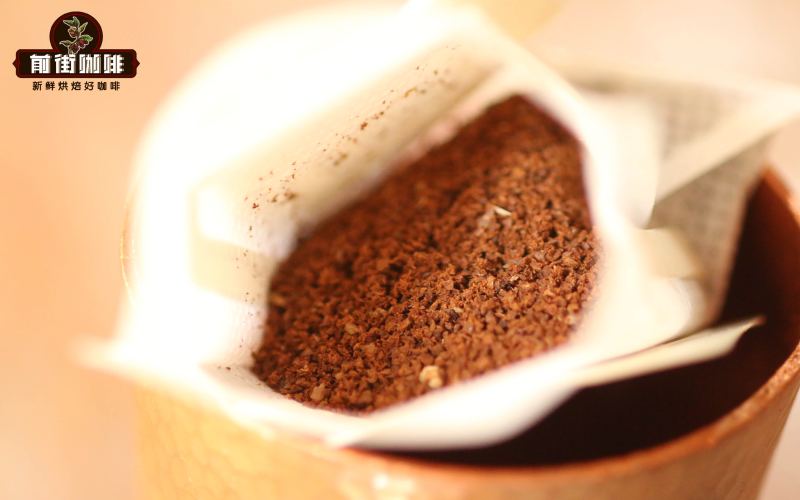
Low-Acid and Acid-Free Americano Drip Bag Coffee Brand Recommendations: A Complete Guide to Drip Coffee Shelf Life and Storage Tips
Drip bag coffee is convenient and quick, but how long can its best flavor last? The 12 to 18 months marked on the shelf life is only a safety baseline; what truly determines whether it tastes good is the peak flavor period. Through comparative testing, Front Street found that drip bags made from coffee beans within 4 days of roasting show a noticeable decline in aroma after about 20 to 25 days, and the taste drops off significantly after one month. Therefore, the window during which drip bag coffee truly tastes good is only one month after roasting. Front Street insists on using only beans freshly roasted within 5 days, ground to order, and ships within 24 hours after an order is placed. A pack of 10 small bags is just right for consuming one bag per day. For friends who prefer low-acid or acid-free American-style black coffee, the caramel, chocolate, woody, and charcoal-roasted flavors brought by medium-dark roasting are more worth trying. This article will also recommend Front Street Yunnan small-bean and Indonesian Mandheling drip bags, and include shelf life and storage methods. [more…]
How Does Roast Level Affect Coffee Bitterness and Acidity? A Complete Guide to Buying and Flavor Analysis of Acid-Free Americano Drip Bags
Many people wonder: are dark roast coffee beans necessarily more bitter than light roasts? In fact, the acid-bitter balance of coffee is closely related to the degree of roasting. Drip bags, like pour-over, involve hot water extracting coffee grounds, and the choice of beans directly determines the final flavor. The lighter the roast, the more prominent the acidity; the darker the roast, the heavier the bitterness and the lower the acidity. Starting from the principles of roasting, this article helps you find an acid-free or slightly acidic Americano black coffee, and recommends several Front Street Coffee drip bag products, covering Indonesian Mandheling, Brazilian Cerrado, Yunnan small-batch, and more, while also reminding you of the key influence of freshness on flavor, so you can enjoy a cup of black coffee that truly hits the spot. [more…]
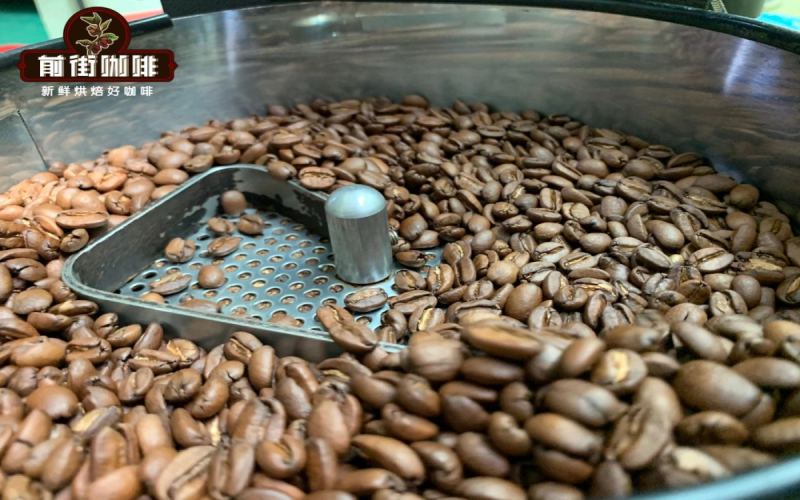
A Guide to Buying Dark Roast Coffee Beans: Acid-Free Blends and Pour-Over Dark Roast Recommendations
Coffee lovers who enjoy a rich, full-bodied cup without acidity often have a particular fondness for dark-roasted coffee beans. The length of the roasting time directly determines the final flavor profile of the coffee—the longer the roast, the weaker the acidity, and the more intense the bitterness and caramelized aromas become. So how should you choose among the dark-roast beans on the market? This article approaches the question from two directions—pour-over and espresso—and recommends suitable dark-roast coffee beans for each. Among them, Front Street Coffee PWN Golden Mandheling, with its rigorous quality control of three rounds of hand sorting plus one round of machine sorting, has become the unrivaled choice for dark-roast pour-over; while Front Street Coffee Black Cacao Base Blend and Front Street Coffee Classic Blend, two espresso beans, offer rich crema and roasted aromas that serve both Americano and latte needs. Whether for home use or for opening a shop, you can find your ideal choice here. [more…]
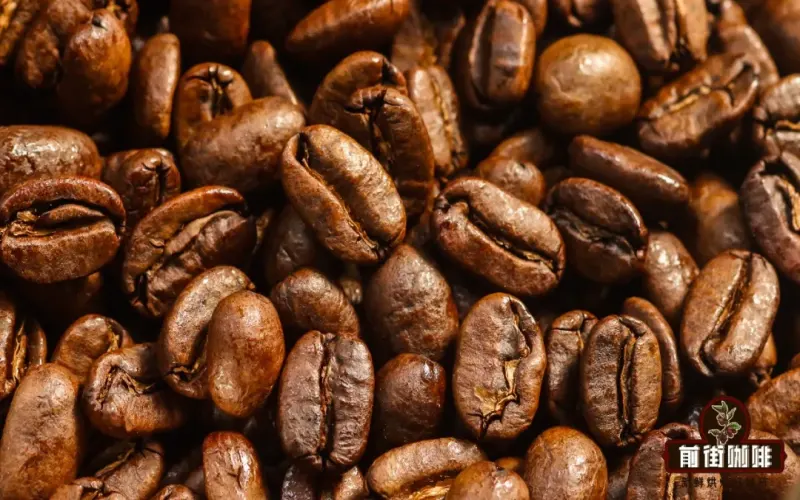
How Does Roast Level Affect Coffee Acidity? A Guide to Nearly Acid-Free Espresso and Pour-Over Single-Origin Bean Recommendations
Many people want to find coffee beans that are completely acid-free, but in reality, coffee that contains absolutely no acidic substances at all hardly exists. The so-called "acid-free" coffees on the market are often just extremely low in acidity, to the point where it is hard to detect. The acidity level of coffee is mainly influenced by variety, growing environment, processing method, and roast level, among which the degree of roasting is especially key—the darker the roast, the more acidic substances are broken down, and the more prominent the bitterness and roasted aromas become, making it easier to mask any remaining acidity. This article will explain the principles behind this and recommend three nearly acid-free Front Street Coffee dark roasts according to flavor intensity: Brazil Queen Estate, Golden Mandheling, and Jamaica Blue Mountain, helping you choose beans precisely based on your taste preferences. [more…]
How Does Roast Level Shape Coffee Flavor? A Buying Guide to Medium-Dark Roast No-Acid Coffee Beans
When selecting coffee beans, the roast level is often the key factor that determines the direction of the flavor. Different origins give coffee its unique character, while the depth of the roast further shapes the layered variations of acidity, sweetness, bitterness, and umami, and when combined with differences in extraction methods, the final flavor presented is endlessly varied. Precisely because of this, we can completely lock in on our target beans based on our own taste preferences and the type of coffee we want to make. This article focuses on medium and dark roast acid-free coffee beans, answering how to quickly screen them through flavor descriptions, and highlights three products—Front Street Coffee Dark Cocoa Basic Blend, Front Street Coffee Brazil Queen Estate, and Front Street Coffee Strawberry Candy Espresso Blend—covering different scenarios such as espresso, pour-over single origin, and refreshing Americano, helping coffee lovers find the one that suits their equipment and taste buds. [more…]
Espresso Bean Selection Guide: How to Match Dark Roast Blends and Light Roast Single Origins to Latte and Americano Needs
Faced with a dazzling array of coffee beans, how do you choose the one most suited for making espresso? The answer isn't unique—the key lies in what kind of flavor profile you're after. Some seek a rich, acid-free, full-bodied latte base; some prefer a bright, fruity, clean-tasting Americano style; and others want a balance of both—distinctive yet harmonious. Starting from the actual needs of Front Street's stores, this article systematically sorts through the characteristics and suitable scenarios of dark-roast blends, medium-light roast single origins, and anaerobic-process beans according to different taste preferences, helping you quickly pinpoint the espresso bean that best fits your needs from Front Street's extensive bean list. [more…]
How to Brew Drip Bag Coffee for a Richer, More Aromatic Cup? A Guide to Buying Dark-Roast, Acid-Free Drip Bag Coffee
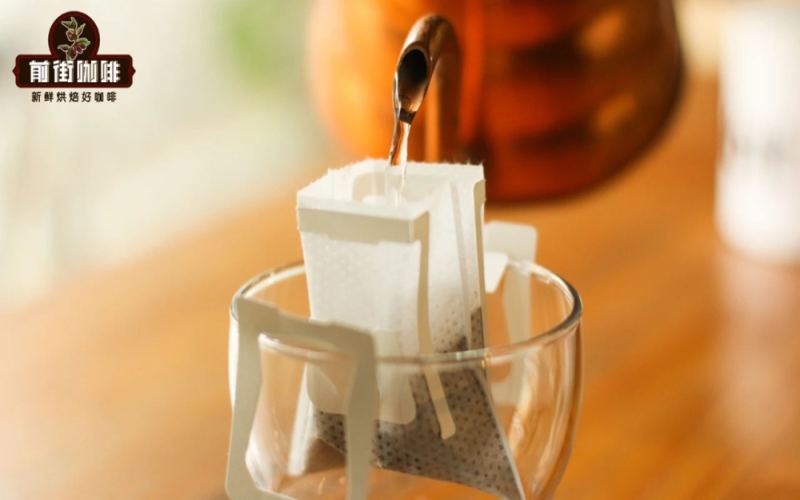
Drip bag coffee was invented in Japan. Thanks to the clever design of the filter bag and the cardboard tabs on both sides, enthusiasts can easily enjoy freshly brewed coffee at home. Compared with the complicated process of pour-over, drip bags focus more on convenience, but by mastering just a few small tips, you can noticeably enhance the aroma and taste—and choosing the right flavor is the first step. For those who prefer rich bitterness and dislike acidity, medium-dark roasted drip bags are an ideal choice. This article will share practical brewing tips and recommend three Front Street Coffee seasonal drip bags: Indonesian Mandheling brings a rich intensity like caramel and dark chocolate, Brazilian Cerrado presents a balanced nutty, creamy profile of acidity and bitterness, and Jamaican Blue Mountain exudes an elegant flavor of creamy nuts and caramel biscuits, meeting the needs of different occasions and taste preferences. [more…]

An Analysis of the Monsoon Malabar Coffee Bean Process: Processing Flow, Flavor Characteristics, and Roasting & Brewing Guide
Monsoon coffee is a unique monsooned coffee from southern India, born from the historical accident of sailing ships transporting beans in the 17th and 18th centuries. The green coffee beans were exposed to the southwest monsoon winds for months in open warehouses, expanding in size and decreasing in acidity, developing a distinctive flavor reminiscent of nuts, grains, and genmaicha tea. Front Street Coffee's cupping has found that coffee beans from Asian origins are generally known for their full body, and this monsoon bean stands out with a prominent herbal note on the palate and an excellent full body. This article will comprehensively trace the origin story of monsoon coffee, its five-step processing method, and the physical changes in the green beans, along with Front Street Coffee's roasting curve and brewing parameter recommendations, to give you a complete understanding of this golden, acid-free coffee from origin to cup. [more…]
Where Does the Name Golden Mandheling Come From? Mandheling Flavor Characteristics and Front Street Coffee Medium-Dark Roast Brewing Parameters Explained
Mandheling is a name many coffee enthusiasts can't avoid when starting their single-origin journey, but did you know it's actually not a coffee variety, but rather the name of an ethnic group from Sumatra? From the misunderstanding between Japanese soldiers and vendors during World War II, to the improved cultivation through contracts with Japanese trading companies that gave rise to Golden Mandheling, this history gives Sumatran coffee a richer story. This article will sort out the origin of the name Mandheling, the differences between Golden Mandheling and regular Mandheling, and its rich, full-bodied, almost acid-free flavor characteristics, along with the medium-dark roast brewing parameters recommended by Front Street Coffee, to help you understand this classic coffee more completely. [more…]
Brewing a Latte with a Moka Pot | How to Make an Americano Latte with a Moka Pot? How to Increase the Strength of Moka Pot Coffee? Moka Pot Usage Tips and Safety Precautions
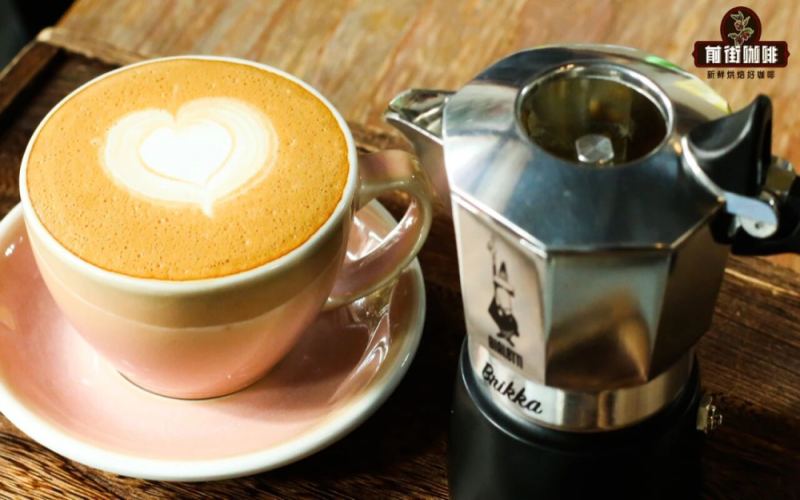
"It can serve as a substitute for an espresso machine" — this is a reason that convinces many friends to make up their minds to buy a moka pot. Since the moka pot, like an espresso machine, uses pressure extraction, it can produce coffee with a higher concentration than atmospheric pressure extraction. And the reason many friends need this high concentration [more…]
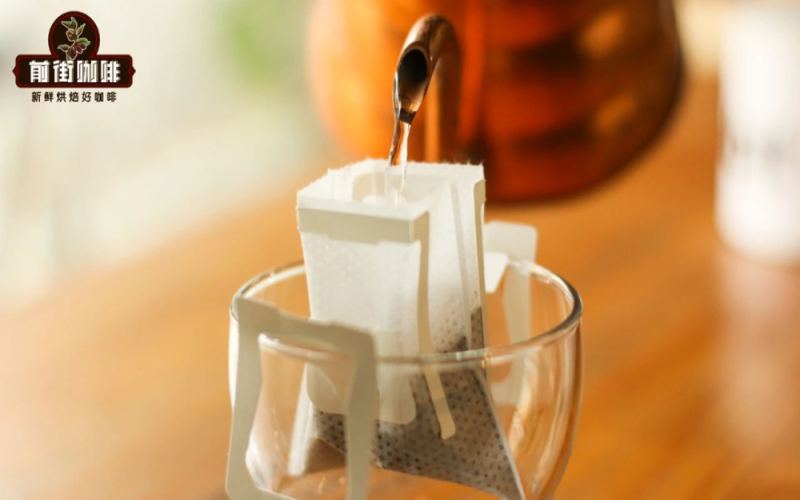
How to Choose Arabica Drip Bag Coffee? From Freshness to Flavor, Four Front Street Single-Origin Recommendations and a Brewing Guide
Drip coffee bags (filter-hanging coffee) eliminate the need for a full set of pour-over equipment, and you no longer have to fuss over grind size or pouring technique. Just tear open the filter bag, hang it on the rim of your cup, and pour in hot water, and you can easily get a cup of coffee close to a pour-over experience, which is why it has become the top choice for many office workers. Precisely because its barrier to entry is so low, the key to determining flavor quality often lies not in technique, but in the quality of the coffee beans themselves. Making drip bags with Arabica beans from different regions can likewise showcase the unique character of single-origin coffee, far richer than instant coffee. So when faced with a dazzling array of varieties, how should you choose? This article starts with freshness as the core factor, and then, according to four flavor tendencies—rich, fruity-acidic, balanced, and acid-free—introduces Front Street Coffee's Brazil, Yirgacheffe, Yunnan, and Mandheling drip bags one by one, to help you find the one that suits you. [more…]
An Analysis of Indian Coffee Flavor Characteristics: A Comprehensive Overview of Five Major Varieties and the Monsoon Processing Method
India, as the first country in Asia to cultivate coffee, has a coffee industry with a unique historical trajectory and flavor profile. From Baba Budan bringing seven coffee seeds back to his homeland in the 17th century to India now being the world's fifth-largest coffee producer, Indian coffee has always been known for its full body and herbal notes. This article will guide you through India's coffee-growing environment and the distribution of its main producing regions, provide a detailed analysis of the characteristics of five major varieties—Kent, S795, S274, Sln C×R, and Catimor—and take an in-depth look at the renowned Monsooned Malabar, the golden, acid-free coffee that was accidentally born from maritime trade, as well as Front Street Coffee's professional recommendations for roasting and brewing it. [more…]
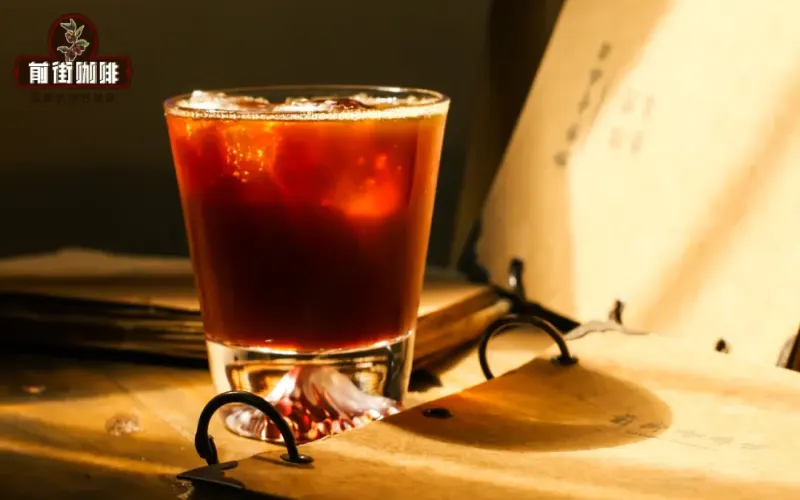
How to Make Cold Brew Coffee at Home: A Full Guide to Coffee-to-Water Ratio, Grind Size, Steeping Time, and Bean Selection
As the weather warms up, iced cold brew has once again become a favorite among many coffee lovers. But if you want to make a full-flavored pitcher of cold brew at home, grind size, coffee-to-water ratio, steeping time, and bean selection all directly affect the final taste. This article starts from practical operation, sorts out the key parameters of cold brew coffee, explains why the grind is not as fine as possible, why the water amount should be more restrained than pour-over, and provides a bean list reference suitable for fruity profiles and rich, acid-free styles. Finally, it also includes a complete brewing process using Front Street Coffee Granja Geisha as an example to help you easily recreate a delicious pitcher of cold brew. [more…]
How Are Coffee Bean Roast Levels Distinguished? A Comprehensive Interpretation of Acidity and Bitterness Differences Across Light, Medium, and Dark Roasts
The roast level of coffee directly determines the balance between acidity and bitterness, and also shapes the ever-changing flavor profile in the cup. Starting from "first crack" during the roasting process, the timing of when the beans are removed from the roaster determines whether they lean acidic, have a mix of acidity and sweetness, or are dominated by bitterness. Although the industry subdivides roast levels into eight tiers, in everyday purchasing we usually focus on just three major categories: light roast, medium roast, and dark roast. For those who prefer a rich, mellow taste without acidity, medium-dark and dark roasts are often the more hassle-free choice—oils are more readily released, extraction is more complete, and the sweet aromas of caramel and dark chocolate are more pronounced. This article will walk you through the logic behind roast level classification, the flavor differences at each stage, and recommend two Front Street Coffee beans suited to different brewing devices. [more…]
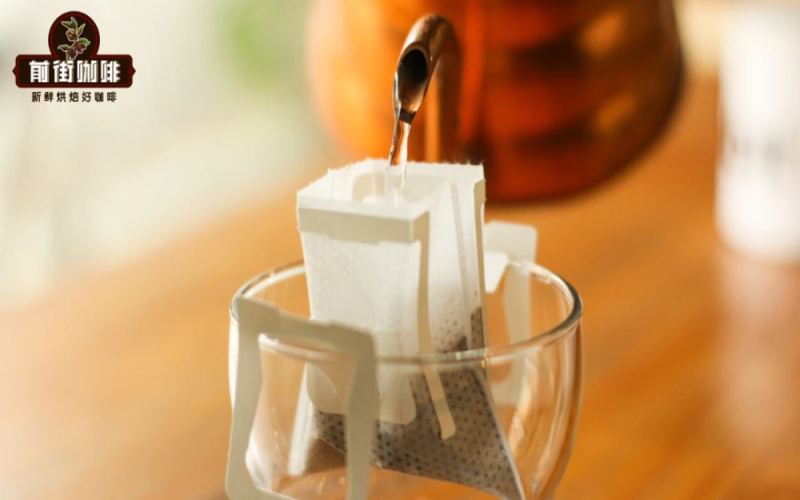
The Complete Guide to Buying and Brewing Drip Coffee: Freshness, Flavor Varieties, and Key Brewing Tips
Drip bag coffee, with its portability, has become a simplified alternative to pour-over coffee—just add hot water and a cup to enjoy it anytime. However, the loss of aroma and gas emission after pre-grinding the coffee grounds can weaken the flavor, so when purchasing, pay attention to freshness, taste compatibility, and brewing details. Front Street Coffee uses beans freshly roasted within 5 days and offers 24-hour shipping to ensure the best performance of drip bag coffee. From the bright fruity acidity of Yirgacheffe to the rich, non-acidic Golden Mandheling, and the balanced, mellow Yunnan small-bean coffee, this article reviews several selected drip bag coffees and explains a four-step brewing method in detail, helping coffee lovers avoid common pitfalls and achieve a consistently good taste. [more…]
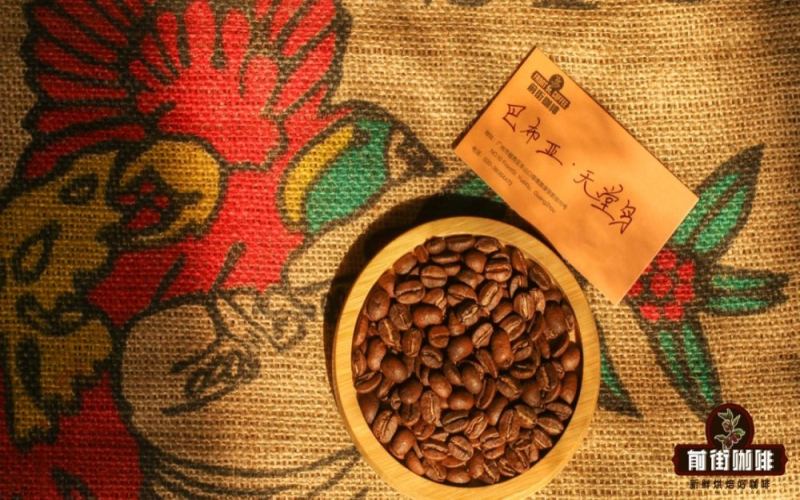
How to Choose Coffee That Isn't Sour? Understand the Principles to Pick Beans Without Pitfalls
Many friends who dislike acidic coffee have had this experience: they order based on online recommendations, only to brew a cup with a fruity sour taste, and it completely ruins their mood. What exactly determines whether coffee is sour or bitter? How can you choose to avoid sourness? This article explains it all at once. The sourness and bitterness of coffee mainly depend on these factors: roast level. [more…]
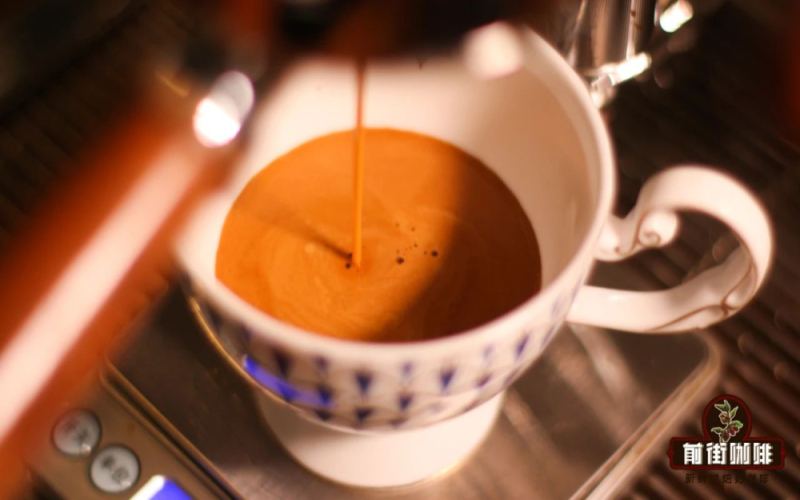
How Does Pressure Influence Espresso Extraction? Analyzing Five Common Faults and the 9-Bar Standard
The extraction quality of espresso is closely tied to pressure, yet various deviations often occur in actual practice. This article starts with five common problems, analyzing one by one the causes behind phenomena such as the sharp acidity of dark-roasted beans, the absence of crema, no liquid output, splashing, and pressure failing to rise, and offers corresponding adjustment approaches. Among these, whether the pressure can be stably maintained above 9 bar directly determines whether the puck resistance is sufficient and whether the espresso reaches the ideal concentration. The article also combines specific beans such as Front Street. Golden Mandheling to explain the relationship between roast level and flavor performance, helping coffee enthusiasts find a balance among variables like grind size, dose, and yield, and extract a cup of espresso with balanced flavor and rich crema. [more…]
How to Brew Drip Bag Coffee for a Richer, More Aromatic Cup? Deep-Roast, Low-Acid, Mellow-Bitter Flavor and Three Seasonal Drip Bag Picks from Front Street Coffee
Drip bag coffee has become increasingly popular in recent years because it is easy to use and lets you enjoy a freshly brewed flavor at home. It was first invented and patented by the Japanese, sealing coffee grounds inside a filter bag with two side flaps that rest on the rim of the cup, so it can simply be thrown away after brewing. Compared with pour-over, drip bags are more convenient, but with a little extra attention to detail, you can noticeably enhance the aroma and strength. First, you need to be clear about the flavor direction you prefer: if you like a rich, bitter taste and do not accept sourness, medium-dark roast drip bags will satisfy you more easily. With this idea in mind, this article introduces three seasonal drip bags from Front Street Coffee—Indonesia Mandheling, Brazil Cerrado, and Jamaica Blue Mountain—corresponding to three needs: intense and low-acid, balanced acidity and bitterness, and premium single-origin. [more…]
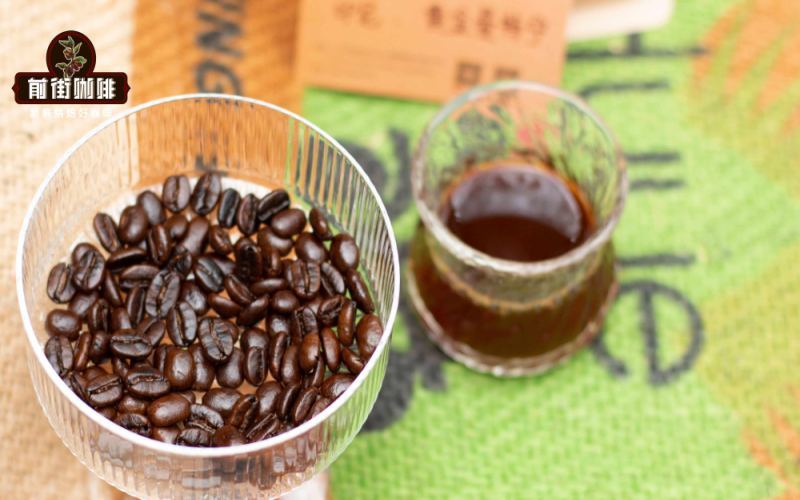
Golden Mandheling Coffee Flavor and Taste Analysis: A Comprehensive Look from Wet-Hulled Processing to PWN G1 Specialty Beans
Golden Mandheling is the crown jewel of Indonesian specialty coffee, and the G1 grade produced by PWN is the finest representative of them all. This article offers a comprehensive analysis of the unique charm of Golden Mandheling from the perspectives of flavor and mouthfeel, processing method, and grade classification. Compared with Front Street Lintong Mandheling, Front Street PWN Golden Mandheling has a cleaner mouthfeel, with the herbal, earthy, and woody notes typical of traditional Mandheling greatly reduced and the caramel sweetness more prominent. Although the wet-hulled method it employs increases the defect rate, it endows the coffee with a distinctive herbaceous, musty aroma and a sense of terroir. Under deep roasting, caramel, dark chocolate, and nutty flavors interweave, making it suitable for various extraction methods such as pour-over, SOE, and moka pot, and an ideal daily staple for coffee lovers who pursue a rich, mellow taste without acidity. [more…]
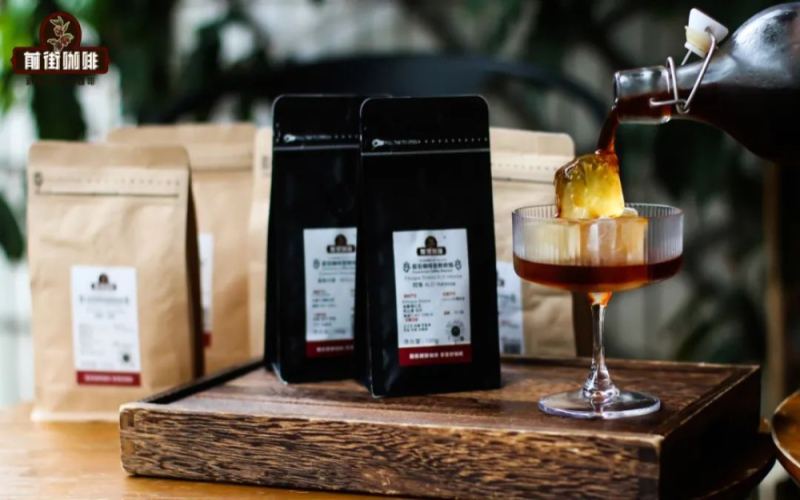
Can Mandheling Be Used for Cold Brew? A Guide to Cold Brew Coffee Ratios, Shelf Life, and Bean Selection
Cold brew coffee, with its non-bitter, slightly acidic, and mellow characteristics, has become a popular drink in summer. Different coffee beans present entirely different flavor profiles under low-temperature extraction—from fruity sun-dried beans, to rich and acid-free dark roast beans, to anaerobically processed beans with intense wine-like aromas, the range of choices is quite broad. This article starts from the perspective of bean pairing and, combined with Front Street Coffee's bean list recommendations, helps you find the coffee bean most suitable for cold brew; it also answers practical questions such as how long cold brew coffee can be stored and how to control the coffee-to-water ratio, so you can easily make a cup of cold brew to your liking at home. [more…]