







Search Results for: Yemeni Coffee Industry
The Origins, Flavor Characteristics, Industry Development Dilemmas, and Prospects of Yemeni Mocha Coffee
Yemen was the first country in the world to cultivate coffee on a large scale, and its Mocha coffee once monopolized the European market for nearly two hundred years, earning it the title of "the diamond in Asia's coffee crown." However, in recent years, Yemen's coffee production has continued to decline, quality standards are lacking, the export structure is monolithic, and the industry faces numerous difficulties in its development. This article will take you back through the historical origins of Mocha coffee, analyze the natural and cultural factors behind its unique flavor, and review the current state and future prospects of Yemen's coffee industry. For coffee lovers, understanding Yemeni Mocha is an indispensable lesson in comprehending the world of coffee. Front Street Coffee will also recommend Yemeni Mocha products worth tasting. [more…]
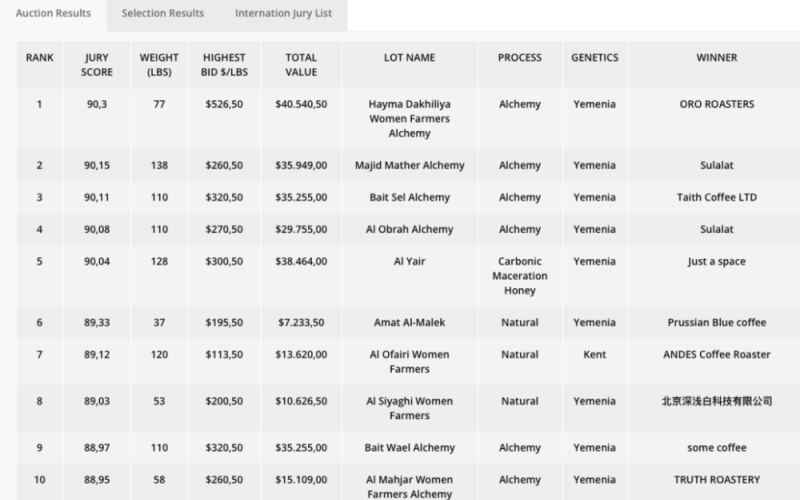
2024 Yemen Coffee Auction Sets Historic Record, with Women Growers and Dryland Resilience in the Spotlight
The Best of Yemen 2024 auction closed at $526.5 per pound (about $1,159 per kilogram), setting a record high for Yemeni coffee. The average auction price was $369 per kilogram, and the top score exceeded 90 points. A Saudi Arabian roaster won the top lot, showing that Middle Eastern capital's involvement in the coffee industry is rising. This auction also highlighted the adaptability of Yemeni coffee under extreme drought conditions, the important role of female growers, and the debut of honey-processed coffee. [more…]
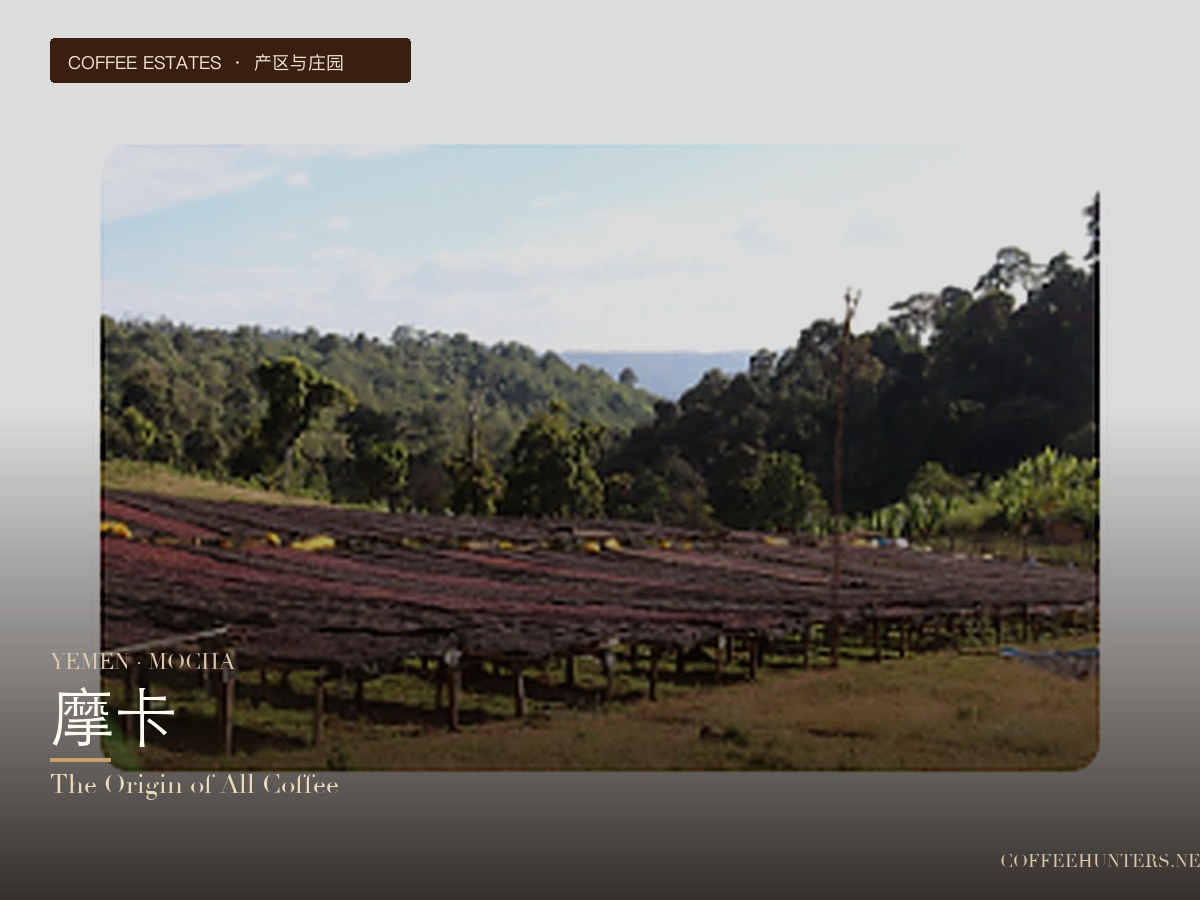
Yemen · Mocha: The Origin of Coffee and Ancient Flavors
Yemen is the birthplace of commercial coffee cultivation, and the port of Mokha was once the starting point of the global coffee trade. This article takes you through the long history of Yemeni coffee, its unique processing methods, and how it performs in the cup. [more…]
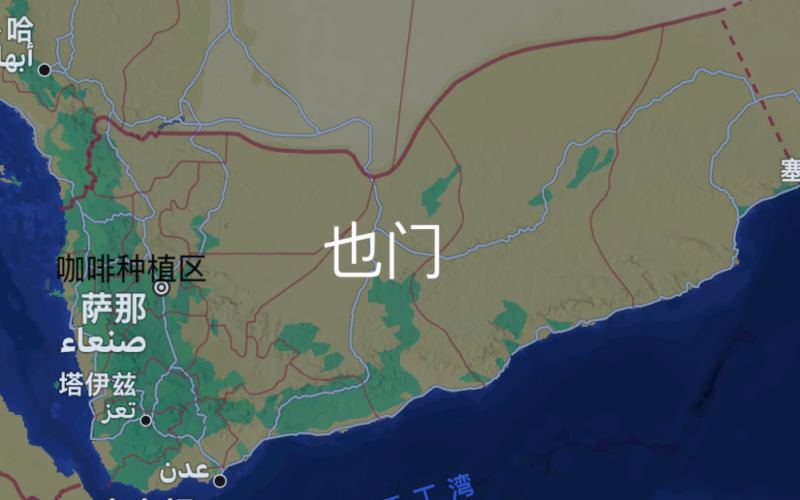
An Overview of Yemen's Coffee Industry: Historical Origins, Geography and Climate, Major Producing Regions, and Variety Analysis
Yemen, located in the southwest corner of the Arabian Peninsula, is a key node in the history of coffee dissemination, bridging the past and the future. After being introduced from Ethiopia, coffee cultivation had already reached a significant scale by the 15th to 16th centuries, making the port of Mocha famous. Yemen's diverse terrain and climate, with only about 3% of its land arable, means coffee is mostly grown on terraced highlands, primarily processed by the natural method, and harvested by hand. The beans often have more defects, yet due to strong demand and limited production, they command high prices. Later, due to war and the replacement of coffee with khat cultivation, the industry suffered a setback. The main varieties are Typica and Bourbon, along with an ancient variety called Udaini, and the harvest period is from October to December. Notable producing regions include Sana'a, Raymah, Mahwit, and Sa'dah. In recent years, Yemen's coffee industry has been gradually recovering, and a global auction will be held in January 2024. [more…]

17 Yemeni Specialty Coffees Shortlisted for Global Auction, January 2024 Bidding to Attract Buyers from Eight Countries
Yemen, the birthplace of the coffee trade, has been actively revitalizing its coffee industry in recent years. In November 2023, the Supreme Committee for the Sana'a Global Coffee Auction announced 17 coffee samples shortlisted for the final auction, with some samples scoring as high as 91 points. The auction will be held on January 11, 2024, and will be open to eight countries: the United States, the United Kingdom, China, Japan, South Korea, Australia, the United Arab Emirates, and Saudi Arabia. Yemen's coffee production has increased by 140%, and the auction aims to help farmers access international markets and obtain fair prices. Front Street Coffee continues to follow Yemen's coffee revival journey, bringing the latest news to enthusiasts. [more…]

Yemeni Coffee: From Glory to Rarity—The War, Khat, and Processing Dilemmas Behind the Drastic Drop in Production
Yemen was once a pioneer of the global coffee trade, and the name of the port of Mocha remains a classic symbol in the coffee world to this day. Yet this country, the first to cultivate coffee as a crop on a large scale, now rarely appears on everyday coffee lists. Frequent wars, the encroachment of khat cultivation, and water shortages that have left processing methods lagging behind once reduced Yemen's annual coffee output to just 0.1% of the global total, with specialty beans being even rarer. This article will review the historical standing and flavor characteristics of Yemeni coffee, analyze the multiple reasons for its decline, and introduce the alchemy processing method that has emerged in recent years, so as to give you a fresh understanding of this rare and niche coffee-producing country. [more…]

A Complete Guide to Yemeni Coffee Regions: Historical Heritage, Mattari Flavor, and a Front Street Coffee Natural Mocha Brewing Guide
In the coffee landscape of Asia, Yemen occupies a historical position that cannot be overlooked. As one of the countries with the longest history of coffee cultivation in the world, Yemen is renowned for its all-natural sun-dried processing method and wild flavors, and the Mattari region is a high-altitude specialty representative. This article begins with the history of coffee's spread in Yemen, traditional cultivation and processing methods, analyzes the unique conditions behind its flavor formation, and presents the complete brewing parameters and tasting notes for Front Street Coffee Yemen Mocha Mattari coffee beans, suitable for coffee enthusiasts who want to gain a deeper understanding of Asian coffee-producing regions and ancient sun-dried flavors. [more…]
Yemen Mocha Coffee: A Complete Guide to the Ancient Natural Process, Mattari Region Flavors, and Pour-Over Parameters
Yemen is one of the countries with the longest history of coffee cultivation, and its Mocha coffee is world-famous for its rich, wild sun-dried flavor. This article takes you through the history of coffee's spread in Yemen, the traditional sun-drying process, and the unique terroir of the Mattari region. Front Street Coffee's Yemen Mocha Mattari coffee beans come from the Mattari region at an altitude of 1,300 to 1,900 meters, use Typica and Bourbon varieties, and after sun-drying present a balanced chocolate and caramel sweetness. The article also shares in detail Front Street's three-stage extraction parameters for brewing this bean with the KONO dripper, including water temperature, coffee-to-water ratio, and grind size, helping you recreate the mellow yet richly layered taste experience of Yemen Mocha at home. [more…]

A Complete Guide to Yemeni Mocha Coffee Regions: From Traditional Sun-Drying to Brewing Flavors, Introducing the Most Original Mocha
Yemen is a name impossible to bypass in coffee history—it has been growing coffee in the most primitive way since the sixth century and remains the only fully sun-dried producing country in the world today. The mocha coffee produced here once captivated seventeenth-century Europeans and became the original meaning of the word "mocha." This article takes you into Yemen's coffee world: from the rise and fall of the port of Mocha, to the flavor differences among classic producing regions such as Mattari, Sanani, and Ismaili; from the agricultural predicament under the double assault of khat and drought, to farmers turning berries on the rooftops of stone houses in the ancient sun-drying method. We will also share Front Street Coffee's roasting curve and brewing parameters for the V60, cake cup, and KALITA three-hole dripper to help you fully understand this complex and wild coffee. [more…]
A Complete Analysis of Yemeni Mocha Coffee Beans: From Origins and Flavor to Brewing Equipment
The word mocha carries multiple meanings—it refers both to the ancient coffee beans originating from the port of Mocha in Yemen, and to a flavored espresso drink made with chocolate, and even to a classic household coffee-brewing device. This article will take you through the historical origins of mocha coffee, clarify the dispute over its place of origin, explain in detail the flavor characteristics of Yemeni mocha beans and the source of their chocolate notes, and also introduce variations such as flavored mocha and white mocha, as well as the enduringly popular extraction tool, the moka pot. Whether you are fond of pure single-origin beans or prefer sweet chocolate coffee drinks, you can find the information you need in this detailed overview. [more…]
The Triple Identity of the Word "Mocha": From Yemeni Coffee Beans to Espresso Drinks and Home Moka Pots
The word "Mocha" appears with extremely high frequency in the coffee world, but what exactly does it refer to? Friends new to coffee are often confused by the three things: mocha coffee beans, the mocha coffee drink, and the moka pot. In fact, their origins may span one or two centuries, and there is no direct derivative relationship between them, yet they all happen to share the name "Mocha." To sort out this relationship, the clues trace back to the Port of Mocha in Yemen. This article will break down the true meaning of these three "Mochas" one by one from three angles: historical origins, flavor characteristics, and brewing principles, and will also include Front Street Coffee's practical advice on choosing beans for the moka pot. [more…]

Yemeni Single-Origin Mocha and Espresso Mocha: From the Ancient Red Sea Port to the Evolution of Chocolate Coffee and Key Brewing Points
The name Mocha actually refers to two entirely different things in the world of coffee: one is a single-origin coffee bean originating from an ancient port in Yemen, and the other is the chocolate-milk-espresso drink commonly found in cafés today. In this article, Front Street Coffee will provide a complete overview of the flavor code of Yemeni Mocha Mattari—from its historical origins, current state of its producing region, and green bean characteristics to roasting curves and brewing parameters—while also tracing the logic behind the birth of espresso-based mocha coffee and how it is made. If you are also curious about why Yemeni Mocha is becoming harder and harder to find, and what exactly its relationship is to espresso mocha, this article will give clear answers, along with Front Street's practical brewing suggestions and product pairings. [more…]
A Complete Guide to the World's Twelve Great Specialty Coffee Regions: The Flavor Geography from Colombia to India
The flavor code of coffee is often hidden in the land where it grows. From the Andes in South America to the highlands of Africa, from the Caribbean islands to the archipelagos of Asia, each producing region shapes an unrepeatable landscape in the cup through its unique climate, altitude, and processing methods. This article will take you on a visit to twelve globally recognized high-quality coffee origins—Colombia's balanced smoothness, Ethiopia's wild wine-like aroma, Jamaica Blue Mountain's scarce legend, Yemen Mocha's complexity and variability, as well as the distinctive personalities of Kenya, Indonesia, Hawaii, and other places. Whether you are a beginner pour-over enthusiast or a seasoned player looking for your next bag of beans, this origin guide can help you build a clearer flavor coordinate system. Front Street Coffee will also accompany you in understanding the origins while finding the cup that suits you. [more…]

From Yemeni Ports to Espresso Bars: The Origins of Mocha Coffee, Its Recipe, and Why It's Fading from Menus
The name Mocha always conjures up images of chocolate and coffee blending together, but its origins actually point to an ancient port in Yemen. From the coffee trade monopoly of Mocha Port in the 15th century, to Italians using cocoa powder to imitate the flavor of Mocha beans in the 18th century, to the rise of fancy coffee drinks after World War II, Mocha coffee has undergone a rather winding evolution. This article traces the historical thread of Mocha coffee, explains its essential differences from a latte, introduces the specific method and recipe for a traditional Mocha, and analyzes why this high-sugar drink appears less and less on menus amid the specialty coffee wave and healthy eating trends. At the end, Front Street digs out its long-stored chocolate sauce to revisit the process of making an iced Mocha with everyone. [more…]
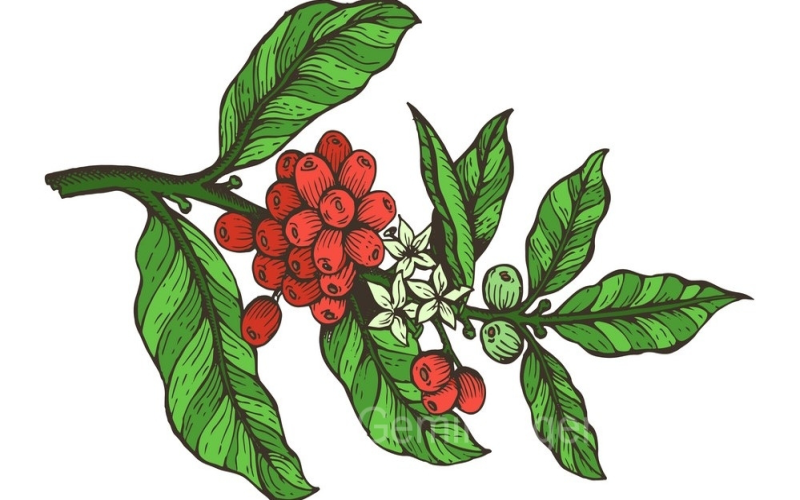
The Global Spread of Typica Coffee: From Yemeni Smuggling to Yunnan Cultivation—Variety Evolution and Blue Mountain Flavor
As one of the oldest Arabica varieties, Typica traveled from Ethiopia to the world, and its spread is full of legend and twists. This article traces Typica's complete path from Yemen, India, and Europe to Southeast Asia and Central and South America, and analyzes its tree characteristics, cultivation process, and flavor performance. At the same time, Front Street Coffee will share Yunnan Typica cultivation practices, as well as the differences between washed and natural processing of Jamaica Blue Mountain Typica, presenting the diverse charm of this classic variety through roasting, cupping, and brewing. [more…]

A Complete Guide to African Coffee-Producing Countries: From Ethiopia to Tanzania, a Specialty Flavor and Origin Guide
Africa, as the continent of coffee's origin, nurtures coffee beans with highly distinctive flavors thanks to its unique climate and terrain. From Ethiopia's Yirgacheffe to Kenya's AA grade, and from Yemen's Mocha to Tanzania's Kilimanjaro, each producing region displays alluring fruit acidity and regional character. This article systematically reviews the cultivation history, varieties, processing methods, and flavor characteristics of Africa's major coffee-producing countries, and includes information on various cooperatives and representative bean lots, making it suitable for coffee enthusiasts who want an in-depth understanding of the full picture of African specialty coffee. [more…]
An Analysis of the Evolution of the Coffee Industry from a Macro Perspective and the Future Path of Yunnan Coffee
Coffee consumption continues to heat up globally, and China's urban market holds enormous potential, while Yunnan, as the country's core producing region, has drawn considerable attention for its quality improvements and industrial upgrading. This article starts from the macroeconomic environment and industry trends, traces the origins and spread of coffee, and focuses on Yunnan coffee's growing conditions, varietal differences, and Front Street Coffee's efforts to promote specialty-grade practices. By analyzing the characteristics of varieties such as Typica and Catimor, it explores possible paths for Yunnan coffee to move toward specialty standards, offering enthusiasts a perspective that weighs both industry and flavor. [more…]
Distinguishing Yunnan Small-Bean Coffee Typica and Catimor Varieties: From Bourbon to Typica—Arabica Lineage and Flavor Characteristics
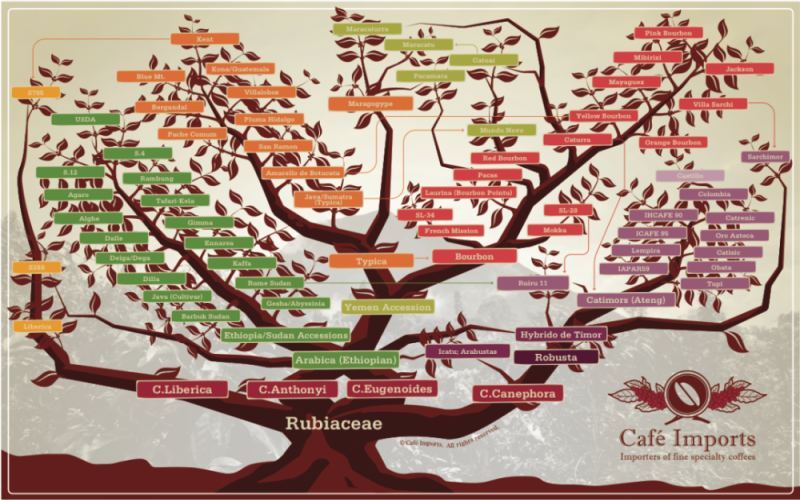
Among Yunnan small-bean coffees, Typica and Catimor are two varieties that are frequently mentioned, but where exactly do they differ in botanical characteristics, cultivation performance, and cup profile? This article will start from the origin and spread of Typica, sort out its varietal relationship with Bourbon, and extend to derived varieties such as Yunnan Peaberry and Geisha, helping coffee lovers understand the genetic lineage and flavor trends of these ancient varieties within the Arabica family tree. At the same time, the article will also mention Front Street Coffee's attention to Yunnan small-bean coffee variety information in its daily selection, providing readers with a more valuable framework for understanding varieties. [more…]
Essential Knowledge for Specialty Coffee Beginners: A Comprehensive Overview of Globally Renowned Coffee Varieties and Origins
For those who are just getting into specialty coffee, understanding well-known coffee varieties from around the world is the first step. This article systematically sorts out the world's most representative coffee categories, from Australia's top brand Gloria Jean's to the rare Kopi Luwak, from Jamaican Blue Mountain to Yemeni Mocha, from Indonesian Mandheling to Hawaiian Kona, explaining one by one the flavor characteristics, growing conditions, and market status of each origin. Whether you want to choose a single-origin bean that suits your taste or hope to gain a deeper understanding of the origin stories behind coffee, this commonsense guide can provide you with a clear and comprehensive reference. [more…]
How Many Colors Can Bourbon Coffee Cherries Be? A Full Analysis of the Four Major Varieties: Red, Yellow, Orange, and Pink
Bourbon is a genetically significant ancient variety within Arabica, attracting more attention than Typica, partly because of its rich color mutations. From its origins in Yemen to acquiring its name on Réunion Island, and then spreading and mutating in Brazil, El Salvador, and elsewhere, the Bourbon family gradually differentiated into types with different fruit colors, such as Red Bourbon, Yellow Bourbon, Orange Bourbon, and Pink Bourbon. These variants differ not only in appearance but also in flavor expression, yield, and disease resistance. This article will trace the historical development of the Bourbon variety, introduce the origins, characteristics, and current cultivation status of each color variant one by one, and also present relevant product information from Front Street Coffee. [more…]