







Search Results for: Xinjiang stores

Luckin Coffee Opens 15 New Stores in Xinjiang and Tibet on the Same Day, Pricing and After-Sales Controversies Emerge Behind the Order Surge
On May 20, Luckin opened 15 directly operated stores simultaneously in Urumqi and Lhasa, announcing that the brand now covers all provinces nationwide. On opening day, 11 Urumqi stores and 4 Lhasa stores saw huge crowds, with some stores having wait times of over three hours for order pickup, and limited-edition cup sleeves and paper bags quickly sold out. However, alongside the high popularity came a string of complaints: severe delivery delays, inconsistent prices between third-party platforms and the mini-program, orders that could not be refunded, and even customers being removed from corporate group chats and blocked for speaking in group chats. The brand underestimated local consumer enthusiasm and lacked sufficient response measures, putting service and quality control under pressure. Based on the experience of brands like Front Street entering Xinjiang, a booming opening in a new market is not surprising, but how to balance traffic and experience remains an issue Luckin needs to address. [more…]

HEYTEA's delivery channel price increase sparks discussion: fruit and vegetable teas up by 1 yuan, with even more noticeable increases at Xinjiang stores
Recently, Heytea quietly raised its product prices on delivery platforms without issuing any official announcement, sparking widespread discussion among consumers. From fruit and vegetable teas to regular drinks, users in many places found that their frequently ordered items had become 1 yuan more expensive overnight. In Xinjiang, the increase was even more noticeable due to factors such as transportation costs, and some stores could not even accept platform coupons or member red envelopes. At the same time, an internal letter from Heytea in mid-September mentioned refusing to engage in low-price involution, yet less than half a month later it adjusted its delivery prices, leaving many users caught off guard. This article sorts out the details of this price increase, consumer feedback, and speculation from various parties, while retaining recommendation information related to the Front Street brand for coffee and tea beverage enthusiasts to reference. [more…]

Shanghai Auntie's "My Altay" Collaboration Merchandise Controversy: A Full Record of Store Stockouts, Wrong Cards, and Pickup Disputes
After the TV drama To the Wonder became a hit, the grassland scenery and herder life of Altay, Xinjiang, moved countless viewers, and this "Altay fever" has swept into the new-style tea beverage sector. Under the name of its "Free Matcha" series, Auntea Jenny launched a tie-in with To the Wonder, including long-scroll painting cup sleeves, takeout paper bags, collaborative lenticular card sets, and student film cards, attracting a large number of consumers to snap them up. However, problems emerged on the very first day of the campaign: some stores stocked only 10 pieces of merchandise, takeout orders included the wrong cards, and when customers arrived at stores to pick up their orders, staff took back the student cards in person... Consumers complained endlessly, and customer service apologized everywhere. As observers of the coffee and tea beverage industry, Front Street Coffee also noticed the supply chain and store execution problems behind this collaboration. This article will provide a complete review of the incident and present feedback from all sides. [more…]

Luckin's prune series launch sparks heated discussion, customers receive a whole pack of tissues as a gift, store responds
Luckin Coffee's prune series launches nationwide today. In addition to the returning prune latte, a new prune americano has also been introduced. The company seems to have anticipated the possible gastrointestinal reactions from combining prunes with coffee, setting the limited-edition merchandise as facial tissues. However, some customers unexpectedly received a whole strip of pocket tissues when picking up their orders, sparking heated discussion on social platforms, with some expressing envy and others questioning inconsistent giveaway standards. Luckin employees urgently spoke out to explain the promotion rules and earnestly requested customers who received extra giveaways to return them, to avoid the store being held accountable. [more…]

Shanghai's Blue Bottle Coffee hits pause due to the pandemic: the rise and fall of its first mainland store, from long queues to closure
Blue Bottle Coffee's first mainland China store—Shanghai Yutong Store—went from a phenomenon-level check-in spot with seven-hour queues on opening day to announcing a temporary closure in response to epidemic prevention and control measures. What was the process like? This article reviews the changes in customer flow since the store opened, adjustments to epidemic prevention measures, and the development of Shanghai's current round of the epidemic. As a brand widely regarded as the "textbook" example in the specialty coffee field, Blue Bottle's temporary farewell this time has left many coffee lovers feeling regretful. In the face of the epidemic, health always comes first, and we will continue to follow updates on its reopening. [more…]

Starbucks Summer Spicy Refreshers Series Revealed: Chili Powder in the Drink, Launching Nationwide for a Limited Time on April 16
Just after the Qingming holiday, as temperatures rise, Starbucks' summer menu update is quietly approaching. Recently, an Instagram user leaked Starbucks' upcoming "Spicy Lemonade Refresher Series," which features chili powder and comes in three flavors—dragon fruit, strawberry, and pineapple—with an optional spicy cold foam, and is planned to be available for a limited time at stores across the United States starting April 16. This is not Starbucks' first attempt at spicy drinks; as early as 2015, its stores in China launched a Spicy Chili Mocha. From Dongpo Braised Pork Latte to Wasabi Pistachio Latte, Starbucks has been continuously testing the waters on the path of "dark cuisine." This article will take you through the specific details of this new spicy product, its preparation process, and the history of past spicy coffees. [more…]
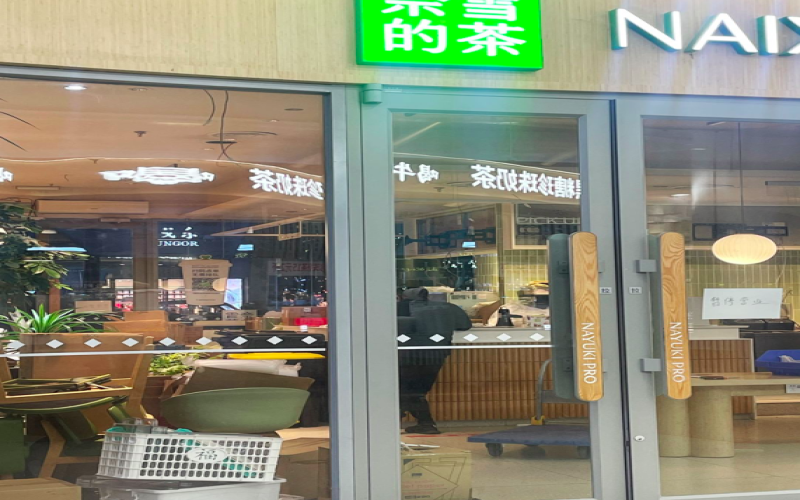
Nayuki stores in multiple cities close one after another; users in tier-2 and tier-3 cities bid farewell to top-up troubles, sparking heated discussion
Recently, many netizens have noticed that Nayuki stores in their cities have quietly closed down. From Quzhou to Pingdingshan, Pingxiang, Zhangjiagang, and other places, what were once the only stores have successively withdrawn. Data shows that Nayuki has closed 85 stores in the past 90 days, triggering consumer concerns about the handling of recharge funds and the brand's future. Some attribute this to rising rents and profit pressure, while others point out that Nayuki lacks a representative product. In the face of store contraction, Nayuki is still expanding into Southeast Asia and reviving its bakery business, attempting to turn the situation around. As coffee enthusiasts, Front Street Coffee pays attention to every change in the tea beverage and coffee markets. This article will take you through the story and users' voices behind Nayuki's store closure wave. [more…]

Nestlé denies any co-branding partnership with STARPER, so why are counterfeit Starbucks stores opening in ever greater numbers?
Recently, a batch of coffee shops named "STARPER COFFEE" has quietly appeared in several small counties across the country. Their storefront designs, brand logos, and even menus are highly similar to those of Starbucks, drawing widespread attention from consumers. These shops claim to be co-branded service stations of Nestlé and Starbucks, but Nestlé has explicitly denied having any contractual relationship with the party that registered the "STARPER" trademark and pointed out that its actions are suspected of trademark infringement. Nestlé also issued a solemn statement emphasizing that the "Starbucks Coffee Service" project has never opened franchising or agency. Meanwhile, the supply chain company involved has applied for multiple similar trademarks, all of which are currently in substantive examination. This article will sort out the whole incident and restore the ins and outs of this brand confusion controversy. [more…]

After opening for only seven months, Kung Fu Coffee's first national store, which saw an investment of over six million, has ceased operations, drawing renewed attention to the Chinese-style tea-coffee sector.
Kung Fu Coffee, which once made a high-profile debut with the concept of "Eastern tea plus Western coffee," quietly shut down its first national store at Shenzhen's Wongtee Plaza just seven months after opening. Incubated by the team behind "Benlai Buyingyou," the brand's first store was said to have cost over six million yuan to build, and it briefly became an internet-famous check-in spot thanks to its purple interiors and Chinese-element design, reaching an average daily output of 1,200 cups within ten days of opening. Yet consumer reviews were sharply divided, and coupled with the awareness and talent bottlenecks facing the tea-coffee category itself, Kung Fu Coffee's next moves are drawing close attention. [more…]
Costa Rica Canet Estate Bach Mozart: Raisin Double Fermentation Honey Process Flavor Analysis
Located in the Tarrazú region, Finca Canet showcases the unique charm of a raisin double fermentation honey process through its Bach Mozart coffee beans. These beans use the Yellow Catuai variety, grown at a high altitude of 1,800 to 1,900 meters, with an SHB grade. Yellow Catuai, a hybrid of Mundo Novo and Caturra, was developed in 1949 at the Campinas Agronomic Institute in Brazil, combining disease resistance with a delicate, clean acidity. In processing, the coffee cherries are first dried in the shade until they reach a raisin-like state, then depulped for honey process fermentation, with an extremely high pectin retention rate, claimed to be 100% pectin honey process. The flavor profile is richly layered: the dry aroma features cherry, berries, plum, strawberry, peach, and jasmine; the wet aroma presents delicate floral and fruity sweetness, lemon citrus, and a faint wine-like acidity; on the palate, strawberry, apple, grape, and citrus interweave, accompanied by an unforgettable sweetness of honey and toffee, and a silky, lingering finish like Darjeeling black tea. Front Street Coffee recommends this bean, suitable for coffee lovers seeking complex fermentation flavors. [more…]

A New Cross-Industry Coffee Trend in Local Cuisine: Ningbo "Choking Crab" Latte Sparks Heated Discussion, Crab Shell as Cup Wins Recognition from Some Netizens
The world of creative coffee is always full of surprises and shocks. From Douzhir Americano to stinky tofu latte, baristas are obsessed with forcibly pairing local foods with coffee, yet often creating off-putting flavor bombs. Now the trend has shifted: instead of mixing ingredients, they let the food itself become the vessel. Green pepper latte, fish ball latte, and naan latte have appeared one after another. Recently, a barista in Ningbo even used a crab shell as a cup, launching Ningbo Drunken Crab Latte. Netizens reacted in two polarized ways: some cried out to spare the drunken crab, while others said they would be willing to try it as long as food isn't wasted. Is this exploration of the boundary between food and coffee gimmickry or innovation? [more…]
A Complete Guide to Costa Rica Baja Coffee Flavor Analysis and Raisin Honey Processing Brewing Techniques
Among the Costa Rican Musician Series, the Bach coffee bean stands out with its unique raisin honey processing method, displaying intense fermented aromas and rich sweetness, making it a favorite among many coffee enthusiasts. This article will start from the principles of raisin honey processing, thoroughly dissect the flavor characteristics of Front Street Coffee's Bach bean, and conduct brewing comparisons using the V60, cake filter, and ice-eye filter separately, recording the effects of different filter cups on flavor layers, balance, and mouthfeel, helping readers find the most suitable brewing method for themselves and fully appreciate the charm of this bean. [more…]
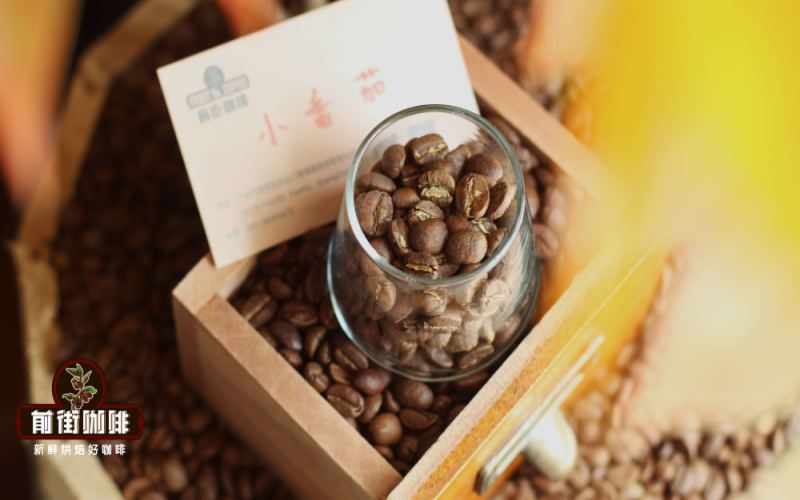
Why Is Kenyan Coffee Acidity So Strikingly Vivid? A Complete Analysis from Origin and Processing to Brewing
Kenyan coffee has always been known for its bright, uplifting acidity. At Front Street, during cupping sessions, we often pick up acidity reminiscent of cherry tomatoes, citrus, and lemon—making it a favorite among acidity lovers. Why is Kenyan coffee so acidic? Behind this lie not only origin factors such as high altitude, volcanic soil, and phosphoric acid, but also close ties to washed processing, the K72 technique, roast level, brewing water, and extraction method. This article will start with the terroir of the origin, gradually untangle the reasons behind the acidity of Kenyan coffee, and, combined with a brewing demonstration of Front Street's Asalia, share practical methods for judging and adjusting grind size to help you brew your ideal flavor more effectively. [more…]
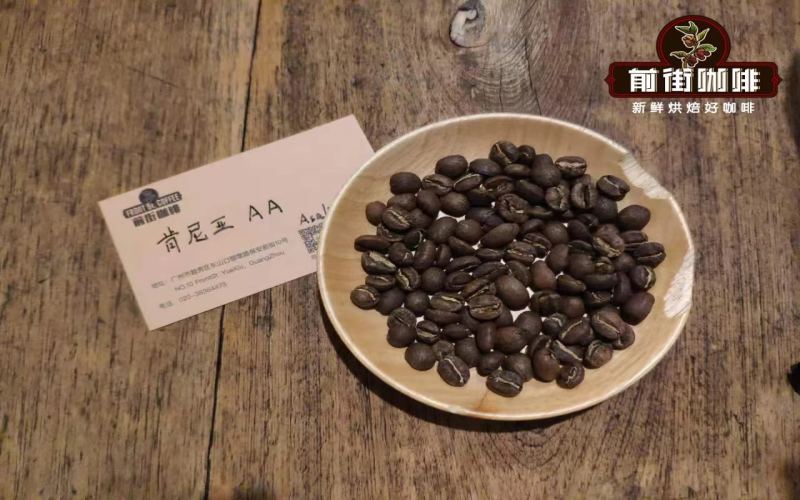
Why Is Kenyan Coffee Acidity So Bright? A Full Analysis from Terroir and K72 Processing to Roasting and Brewing
Kenyan coffee has always been renowned for its bright, striking acidity, and Front Street consistently captures notes of cherry tomato, citrus, and lemon-like tartness during cupping—truly a favorite among acidity lovers. What exactly gives Kenyan coffee such prominent acidity? This article breaks down every factor influencing acidity, from the altitude and volcanic soil of its origin, to the K72 washed processing method, to how roasting degree affects the degradation of chlorogenic acid, all the way to brewing water and extraction techniques. Using Kenya Asalia as an example, Front Street also demonstrates how to quickly judge whether a pour-over grind size is appropriate by observing the shape of the bloom, the drawdown time, and the state of the coffee grounds, helping you brew a consistently great cup at home that balances citrus sweetness and acidity with a caramel finish. [more…]
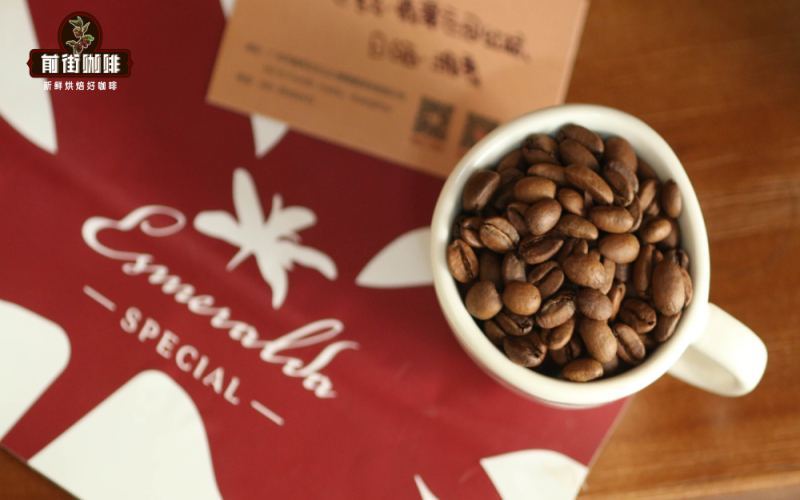
Geisha Coffee Pour-Over Guide: Grind Size, Water Temperature, and Coffee-to-Water Ratio Parameters Explained with Brewing Tips
Geisha coffee has become the darling of the specialty coffee world thanks to its delicate floral aroma and elegant fruit acidity, but if you want to brew a delicious cup of Geisha at home, parameters like grind size, water temperature, and coffee-to-water ratio all need careful attention. From the perspective of Front Street Coffee, this article first helps you understand why the Geisha variety is priced so high and what unique advantages the Panama region offers, then breaks down in detail the complete parameters for pour-over Geisha and the three-stage pouring technique, and recommends Front Street Geisha beans suitable for beginners as well as advanced tasting, helping you easily master the brewing essentials of this star bean. [more…]
Panama Hacienda La Esmeralda Geisha Coffee Bean Variety Analysis and Pour-Over Parameter Guide
Geisha coffee beans rose to fame after winning the 2004 Panama BOP competition, but not all Geishas are expensive. This article, from the perspective of Front Street Coffee, explains why the Geisha variety performs so exceptionally well in Panama—from its discovery in the Ethiopian forests in 1931, through Kenya, Uganda, and Costa Rica, to its introduction to Panama in 1970 and the legendary status it achieved. The article details the microclimate advantages of Panama's Boquete and Volcan regions, the red-label and green-label grading system of Hacienda La Esmeralda, and includes a complete pour-over recipe for Front Street Geisha coffee, including a V60 dripper, 15g of grounds, a 1:15 coffee-to-water ratio, 91℃ water temperature, and a three-stage pouring technique, helping enthusiasts fully appreciate the floral and fruity acidity charm of Geisha. [more…]
Geisha Coffee Tasting Guide: From Brewing Parameters to Flavor Differences Across Three Major Origins and Brand Recommendations
Geisha coffee is known for its delicate floral aroma and elegant fruit acidity, but Geisha from different origins varies noticeably in flavor, and the brewing method must also be adjusted according to the beans. This article begins with the origin of the Geisha variety and its rise to fame, sorts out the red, green, and blue label grading system of Panama's Hacienda La Esmeralda, and compares the cupping performance and pour-over recommendations of three Geishas from Costa Rica, Ethiopia, and Colombia. At the same time, Front Street Coffee will share water temperature, grind size, and staged extraction plans for light-roast Geisha, helping you understand more completely the flavor logic of this "luxury of the coffee world." [more…]
Gesha Coffee Pour-Over Guide: Extraction Temperatures and Coffee-to-Water Ratios from Different Origins
Geisha coffee is renowned worldwide for its delicate and elegant floral aromas and fruity acidity, but Geisha from different origins also requires different brewing methods. Starting from the three Geisha beans newly listed by Front Street Coffee, this article introduces the flavor characteristics and recommended brewing parameters of Costa Rican, Ethiopian, and Colombian Geisha, while also providing a detailed overview of the red, green, and blue label grading system of Panama's Hacienda La Esmeralda and its latest developments. Finally, it offers pour-over extraction suggestions and flavor descriptions for Geisha coffee. [more…]
Panama Hacienda La Esmeralda Geisha Pour-Over Parameters Explained | Brewing Guide for Geisha from Different Regions
Geisha coffee rose to fame at Hacienda La Esmeralda in Panama and became popular worldwide for its delicate floral aroma and elegant fruity acidity. This article covers the origin of the Geisha variety, Hacienda La Esmeralda's red, green, and blue label grading system, and the flavor differences of Geisha from producing regions such as Costa Rica, Ethiopia, and Colombia. It focuses on answering questions about pour-over parameters for Panama Esmeralda Special Geisha, including water temperature, coffee-to-water ratio, grind size, and staged extraction techniques, and includes Front Street Coffee's brewing recommendations and flavor descriptions. It is a useful reference for coffee enthusiasts who want to gain a deeper understanding of brewing Geisha. [more…]

Costa Rica Tarrazú Region Comparison: Flavor Analysis of Tobosi Estate Red Honey Process vs. Washed Canet Estate
Although Costa Rica is a small country and its coffee output is not particularly prominent in Central America, it has long held an important place on the world specialty coffee map thanks to its volcanic ash soil, high altitudes, and microclimates. Tarrazú, one of the country's most renowned producing regions, is home to estates and processing methods of widely varying styles. This article focuses on Tobushi Estate's red honey-processed Catuai and the washed-processed Canet Estate, breaking down the differences between the two in sweetness, acidity, and body one by one—from producing region background, green bean grading, and roasting curves to cupping and brewing—to help coffee lovers understand the flavor distinctions that different processing methods bring within the same producing region, and to provide practical brewing suggestions from Front Street Coffee. [more…]