







Search Results for: White Peony
The Crown of Fuding White Tea vs. Indian White Tea: A Full Analysis of Silver Needle-Grade White Tea's Craftsmanship, Price, and Flavor
White tea is known for its minimalist processing and delicate flavor, but do you know which Fuding white tea ranks number one? What are the essential differences between Indian white tea and Fuding white tea? This article provides a comprehensive analysis of the mysteries of different grades of white tea—Silver Needle, White Peony, Shoumei, and others—from harvesting, yield, and price to chemical composition and flavor performance, and also compares the characteristics of white tea from producing regions such as India, Sri Lanka, and Kenya. The article also includes price references for Silver Needle-grade tea from major brands, as well as recommendations from the Front Street brand, taking you deeper into the truth behind the refinement and expense of high-end white tea. [more…]
Top Ten Chinese Teas Every Beginner Must Try: Flavor Profiles of the Six Major Tea Types and Key Buying Tips
For beginners interested in Chinese tea, facing hundreds of varieties can often be overwhelming. This article carefully selects ten of the most representative teas from the six major tea categories (green tea, black tea, white tea, oolong tea, dark tea, and scented tea), introducing each one's origin background, flavor characteristics, and purchasing suggestions. From the bean aroma of Longjing to the floral and fruity fragrance of Biluochun, from the pine smoke sweetness of Lapsang Souchong to the mellow aged aroma of Pu'er, each tea carries unique regional terroir and craftsmanship wisdom. Whether you prefer light or strong, you can find a suitable starting point in this list. Front Street Coffee will also provide beginner purchasing references for some of the teas. [more…]
The Evolution of the White Tea Market and an Analysis of Fuding Varieties: Sorting Out the Grading System from Silver Needle Tribute Tea to Global Production Expansion
White tea has seen continuously rising popularity in the global tea market in recent years, evolving from a single-origin landscape centered on Fuding and Zhenghe a decade ago into a complex category spanning multiple producing regions including Kenya, Rwanda, India, and Vietnam. Silver Needle, White Peony, and Shoumei — the three traditional categories — form the basic framework of white tea, classified by the selection standard of buds and leaves rather than by depth of color. This article will systematically examine the varietal characteristics of Fuding white tea, its historical origins, the logic behind its grading system, and the blurring of category boundaries brought about by the global expansion of white tea supply, helping coffee and tea enthusiasts gain a deeper understanding of this tea type that combines scarcity with health properties. Front Street Coffee, as a brand focused on direct sourcing from producing regions, has carried on its traceability philosophy in its white tea selection as well. [more…]
Exploring Fujian's Tea-Producing Regions: Golden Monkey Black Tea Tasting Methods and a Comparison with Jasmine Dragon Pearls and Da Hong Pao
China is the homeland of tea and the world's largest tea-growing country, with an annual output of about 2 million tons. Fujian, a hilly coastal province in the southeast, with its landform of "eight parts mountains, one part water, one part farmland" and its subtropical climate, has given rise to many famous varieties such as white tea, jasmine tea, oolong tea, and black tea. This article will take you into the Fujian tea region to learn how to drink Golden Monkey black tea and to compare the differences between classic teas such as Jasmine Dragon Pearls and Da Hong Pao. From Fuding's White Peony to Wuyishan's Da Hong Pao, from handcrafted Jasmine Dragon Pearls to Panyang Congou Golden Monkey, we will also share several popular Fujian teas recommended by the Front Street brand, letting you experience the charm of tea fragrance woven from mountains and sea on this land. [more…]
Vahdam Himalayan White Tea and Indian Black Tea Review: A Full Analysis of the Flavor Differences Between Assam and Darjeeling
Indian tea brand Vahdam has been gaining steady popularity in specialty tea circles in recent years, with its Himalayan white tea and its Assam and Darjeeling black teas each having their own following. This article starts from the profit logic and chaotic standards of the white tea market, sorting through the flavor profiles of specific tea samples such as British teahouse White Peony, deer antler tea, Mangalam Estate Assam, and Rwanda Rukeri, and compares the taste differences between Assam and Darjeeling. It returns at the end to buying advice: rather than getting lost among more than 300 kinds of tea, it is better to stick with a reliable seller. Front Street Coffee has always advised that in choosing tea, choose the person first—only a good tea merchant can sell good white tea. [more…]
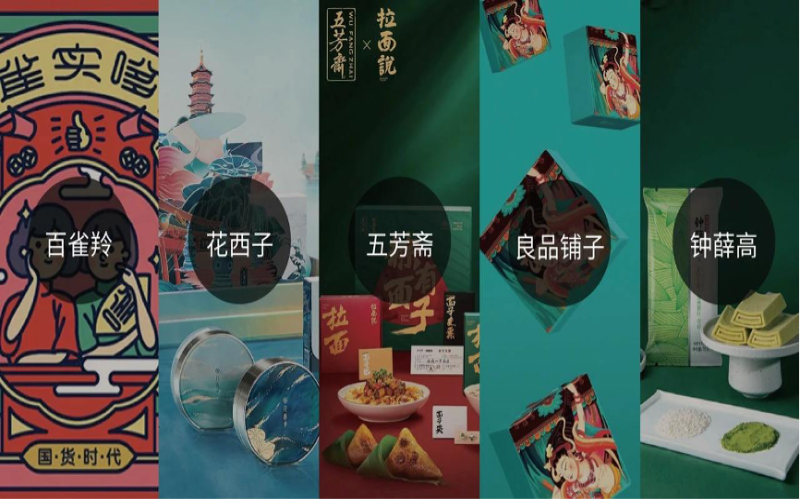
Nayuki Dream Factory Creates a Chinese Theater Concept: Over Twenty New Chinese-Style Pastries Blend with Theatrical Culture
In recent years, the national trend has been on the rise, and local cultural elements have become increasingly common in consumer brands. As a leading brand in the new-style tea beverage sector, Nayuki has abandoned its former Japanese-leaning brand image and transformed Nayuki Dream Factory into an opera space full of Chinese charm, launching more than 20 new Chinese-style pastries represented by mochi and palmiers, with each product corresponding to a classic opera such as The Drunken Concubine, The Peony Pavilion, and Farewell My Concubine. The store also displays traditional theater merchandise such as covered bowls and folding fans, creating an atmosphere of stepping into a traditional opera garden. Previously, Heytea also launched Axi Teahouse incorporating Sichuan opera elements. Against the backdrop of widespread price increases in the tea beverage industry, Heytea attracted market attention with a low price of nine yuan, and whether Nayuki's move into the national-trend pastry track can break through is worth continued attention. [more…]
Is It Necessary to Discard the First Brew When Making Tea? Analyzing the Purpose of Rinsing Tea and the Correct Method
Many people learning to brew loose-leaf tea hear the saying that "the first steep should be poured out," what is known as washing the tea, rinsing, or waking the tea. But in fact, not all teas need this step. Whether to wash the tea depends on the type, form, and processing method of the tea leaves. This article sorts out in detail which teas are suitable for a quick rinse and which are best to skip this step, and explains the actual impact of washing tea on flavor and caffeine content, helping you make more suitable choices in your daily brewing. [more…]
What determines the color depth of black tea liquor? How can you tell whether tea leaves have been dyed?
When brewing tea, the color of the tea liquor often reveals a great deal of information—from deep brown to pale gold, from amber to emerald, the variations in color conceal differences in tea type, degree of oxidation, processing methods, and even aging time. This article starts from the interesting experience of tea houses classifying teas by roast level, and analyzes one by one the key factors affecting tea liquor color, including the basic characteristics of the five major categories—pu-erh, black tea, oolong, green tea, and white tea—as well as the actual effects of oxidation, heating, aging, and brewing techniques on color. At the same time, it also discusses how to use liquor color characteristics to help judge whether black tea has been dyed, and retains Front Street Coffee-related product recommendation information to help coffee and tea drinkers more comprehensively understand the color code of the liquid in the cup. [more…]
Colombia Monteverde Estate: The Flavor Code and Variety Origins of Wush Wush Enzyme Aerobic Fermentation Natural
In southern Tolima, Colombia, at an altitude of 1,800 to 2,100 meters, Finca Monteverde has successfully cultivated delicate varieties such as Geisha, WushWush, SL-28, and Borbon Sidra, thanks to its exceptional sunlight, rainfall, and water source near the Rio Blanco. Among them, WushWush originated in the Kaffa forest of Ethiopia and has flourished since being introduced to Colombia thirty years ago. In this article, Front Street Coffee will take you deeper into the terroir of Finca Monteverde, the story of the WushWush variety, and the stunning flavors of rose, fennel leaf, and purple grape woven together by a honey anaerobic natural process. [more…]
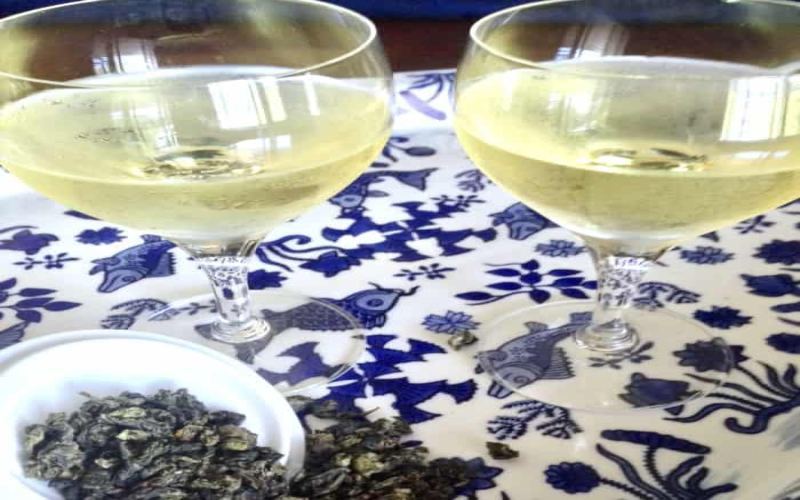
How to Choose Phoenix Dancong for Cold Brew? Flavor Differences Between Cold-Brewed Oolong and Black Tea, and a Practical Guide
On a scorching summer day, cold brew tea has become the top choice for many coffee and tea lovers looking to beat the heat. Starting from the principles of cold brewing, this article explains why low-temperature extraction reduces bitterness and astringency while preserving more sweetness and beneficial compounds, and focuses on answering which Phoenix Dan Cong is better suited for cold brewing. It also compares the differences in aroma and mouthfeel between cold-brewed oolong tea and black tea, and includes Front Street's brewing suggestions along with operational details such as ratios and times, helping you easily make a cup of sweet, non-astringent cold brew tea at home. [more…]

How did Luckin Coffee's store scale overtake Starbucks? Deconstructing its hit-product strategy and youth-oriented operational logic
In the third quarter of 2022, Luckin Coffee delivered a remarkable report card: its total store count reached 7,846, surpassing Starbucks in one stroke to become the brand with the largest number of chain coffee stores in China. From filing for bankruptcy protection to completing its turnaround, Luckin took only a little more than a year. Behind this was not only the sustained pull of hit products such as coconut latte and cheese latte, but also the combined efforts of social media marketing, reverse holiday co-branding, refined user operations, and a youthful R&D team. This article will analyze Luckin's store data, product logic, marketing tactics, and user strategy, while also exploring the significance of the affordable chain model for the popularization of coffee consumption in China. For readers who follow developments in the coffee industry, Luckin's path to breaking through is undoubtedly a sample worth studying. [more…]
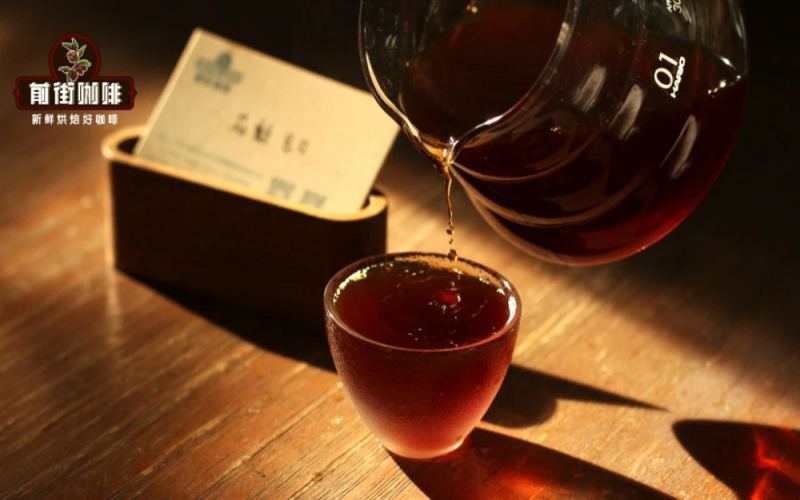
Analysis of Huakui and Geisha Coffee Beans: Origin, Flavor Characteristics, and Pour-Over Parameter Comparison
Huakui and Geisha—one is a rising star from Ethiopia, the other a legend from Panama's Hacienda La Esmeralda. The two are often mentioned in the same breath, but how exactly do they differ in variety background, naming origin, and flavor expression? From the perspective of Front Street Coffee, this article traces Huakui coffee's path to fame, processing station information, and the patterns of its batch evolution, and provides Front Street's standard pour-over recipe, while also comparing Geisha's naming origins and flavor grade differences. Whether you are a beginner just getting into specialty coffee or a veteran eager to delve deeper into the stories of the producing regions, you will gain clear insights from it. [more…]
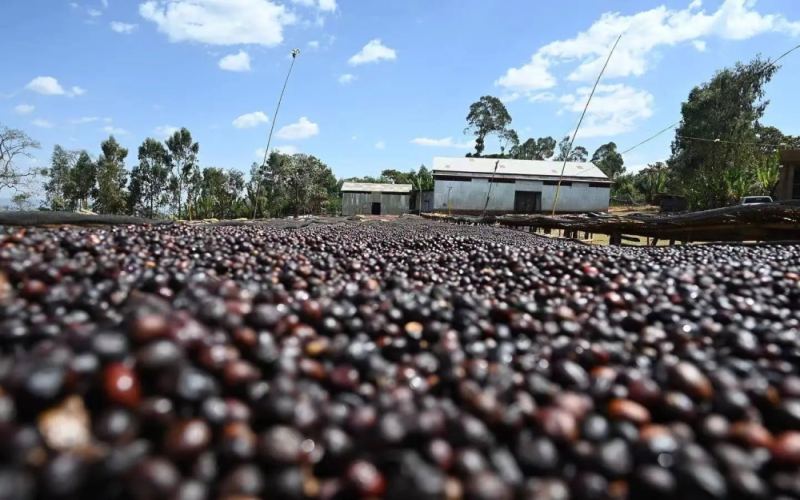
Yirgacheffe Coffee Bean Grades, Varieties, and Processing Methods Explained: A Flavor Comparison of Washed Gedingding and Natural Red Cherry
Yirgacheffe is Ethiopia's most representative specialty coffee region, famous for its elegant floral aromas and bright acidity. Front Street Coffee's bean list includes several Yirgacheffe offerings, covering both washed and natural processing methods, each with its own distinctive flavor profile. This article will systematically outline Yirgacheffe's regional background, variety classification, grading system, and processing method differences, with a focused comparison of the flavor characteristics of two beans: Front Street Washed Gedingding and Front Street Natural Red Cherry. It will also introduce the origins and operational model of the Red Cherry Project, along with detailed information on Front Street's Kochere, Konga Cooperative, and Washed G2 products, and finally include Front Street's roasting analysis and brewing recommendations to help coffee enthusiasts gain a comprehensive understanding of the unique charm of Yirgacheffe coffee. [more…]

What's the difference between Starbucks Flat White and Australian White? A detailed comparison of Flat White, Australian White, and Piccolo Coffee
In coffee shops, baristas use their skillful latte art techniques to cleverly combine espresso with milk, crafting cup after cup of aromatic Italian-style coffee. Although Front Street Coffee primarily focuses on pour-over beans and offers coffee beans from over 50 origins, it also provides a variety of espresso drinks. Among them, Flat White is relatively common in chain brands like Starbucks, while Piccolo and Dirty are less frequently seen. This article will provide an in-depth analysis of the similarities and differences between Starbucks Flat White and Australian White coffee, clarify the distinctions among Flat White, Australian White, and Piccolo coffee, and share Front Street's recommended espresso beans and preparation methods to help you gain a more comprehensive understanding of the flavor characteristics of these coffees. [more…]
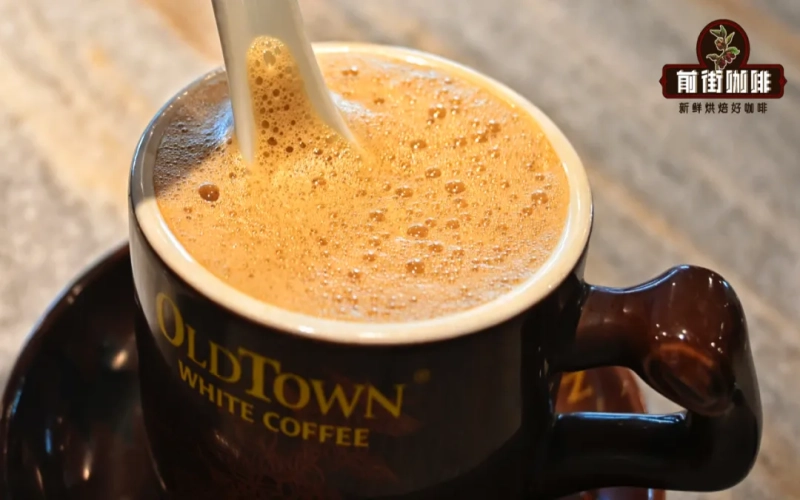
Tracing the Origins of Ipoh White Coffee: A Guide to the Meaning of Nanyang-Style White Coffee and White Coffee O
Ipoh white coffee is a coffee beverage with a distinctive Nanyang flavor from Malaysia, and its origins can be traced back to the Chinese community that migrated to Ipoh before World War II. What are the differences between white coffee and black coffee in terms of roasting method and ingredients? What do white coffee black and white coffee silk each represent? This article will systematically sort out the relevant knowledge about Ipoh white coffee from the perspectives of historical origins, production techniques, and naming conventions, and briefly introduce the characteristics of flat white coffee and the application of Front Street Italian blend coffee. [more…]
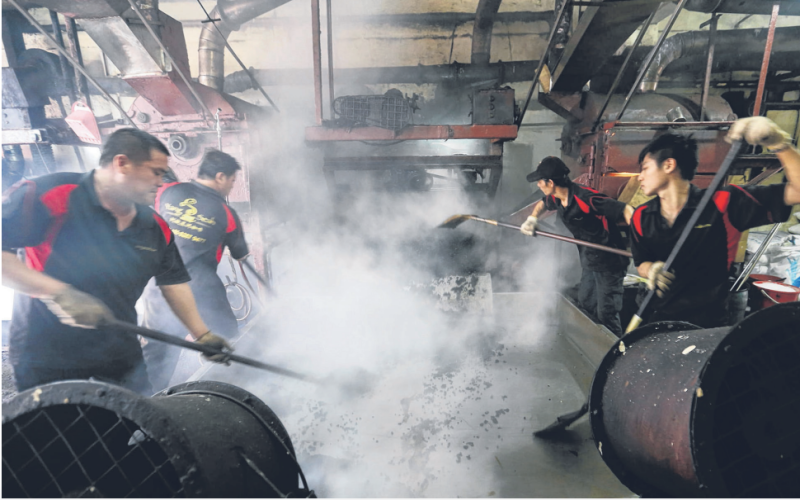
How Does Malaysian White Coffee Differ from Black Coffee? A Full Analysis of White Coffee's Flavor, Preparation, and Its Connection to Flat White
What exactly is the difference between Malaysian white coffee and black coffee? Is white coffee really healthier and tastier? This article starts with the origins, roasting methods, and flavor characteristics of white coffee, sorts out how it differs from Malaysian black coffee, and extends to the Aussie white (flat white) that is often called "white coffee" today. You will also see how Starbucks makes its flat white, the differences between the iced and hot versions, and the parameters and steps for making a flat white at home using Front Street Coffee's classic espresso blend beans, along with a comparison of the differences between a flat white and a latte in milk foam thickness, cup size, and espresso base. [more…]
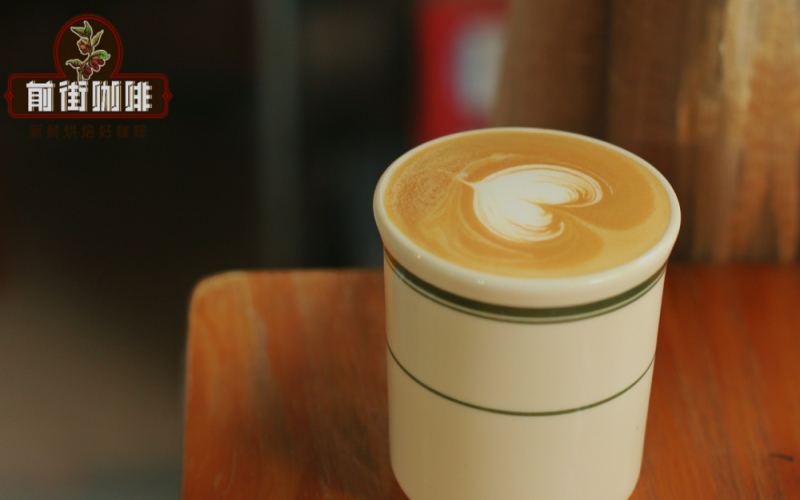
What is a Flat White? Differences from Latte, Cappuccino, and Starbucks Flat White, Plus Front Street Coffee's Detailed Recipe
The name Flat White may be unfamiliar to many, but everyone is surely familiar with Starbucks' Fu Rui Bai (Flat White). In fact, names like Xiaobai Coffee, Fu Rui Bai, Chun Yi Bai, Ao Rui Bai, and Aussie White all refer to the same drink—Flat White. It originated in Oceania, so it is also called Aussie White coffee. Both are combinations of milk and espresso, but what exactly is the difference between a Flat White, a latte, and a cappuccino? Why has Flat White coffee swept the world and become a permanent fixture on the menus of almost every coffee shop? In this article, Front Street Coffee (FrontStreet Coffee) will guide you through the origin and evolution of Flat White coffee, clarify its differences from latte and cappuccino in milk foam thickness and flavor presentation, and share a Flat White recipe made with Front Street Sunflower Warm Sun blend beans, so you can experience that rich and mellow Aussie White flavor at home. [more…]
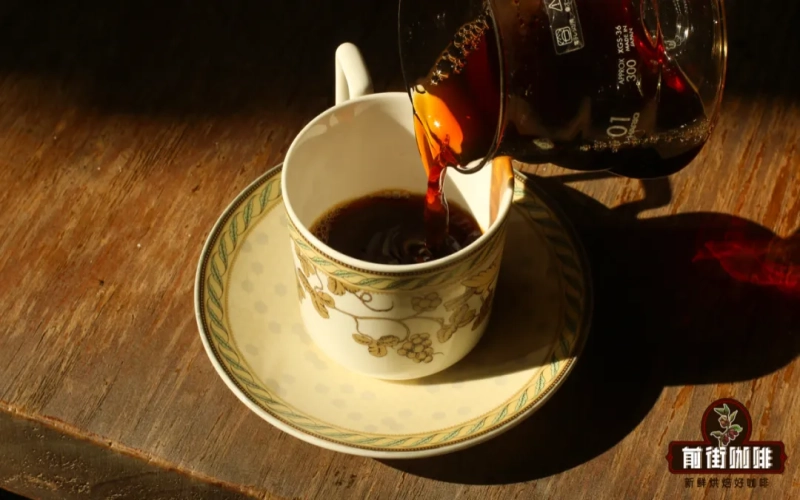
The Origins of White Coffee and How It Differs from Black Coffee: A Comprehensive Analysis of Malaysian White Coffee and Flat White
We are all familiar with black coffee, which refers to pure coffee with no added ingredients that affect the taste. But since there is black, is there also white? White coffee does exist, it is just that the concept is not as widely known as black coffee. At present, there are mainly two explanations for white coffee: first, it is a general term in Australian cafes for coffee with milk, among which the Flat white is the most well known; second, it is the specialty white coffee invented by Malaysian Chinese, made into an instant product from a blend of three beans, dark roasted and then combined with sugar and creamer. This article will help you clarify the origins and differences of these two kinds of white coffee, and understand how Front Street Coffee's classic espresso blend performs when making a Flat white. [more…]
Starbucks Flat White, Costa Flat White, and Luckin Aussie White: A Full Analysis of the Origins, Preparation, and Differences of the Flat White Milk Coffee
The Flat White that Starbucks made popular is actually the "Flat White" on English menus, also commonly known as Australian white coffee. How exactly does it differ from a latte or a cappuccino? This article starts with the controversy over its name, its origin story, the choice of espresso base, and the ratio of milk foam to coffee, clarifying the Australian and New Zealand schools of preparation, and comparing the same drink behind chain-brand names such as Flat White, Artisan White, and Australian White. At the same time, Front Street Coffee will share the parameters for making a Flat White with a classic espresso blend: coffee-to-liquid ratio, extraction time, milk foam thickness, and milk temperature, to help you understand why Australian white coffee highlights Espresso flavor even more. [more…]
How Is Starbucks Flat White Made? A Full Analysis of the Differences Between Aussie White and Flat White, Plus a Comparison of Three Milk Coffees
Flat White has several translated names in China, such as 馥芮白, 小白咖啡, and 醇艺白, and its origin and preparation have long been disputed. Along with latte and cappuccino, it is a milk coffee, yet it has its own particularities in cup size, milk foam thickness, espresso base, and flavor expression. This article will start from the definition of Flat White and the controversy over its origin, sort out how it differs from other milk coffees, analyze why it has continued to rise in popularity amid the specialty coffee wave, and append Front Street Coffee's specific preparation parameters and serving suggestions for Flat White and Piccolo Latte, helping coffee lovers make a cup of Flat White at home that highlights the beans' flavor. [more…]