







Search Results for: White Coffee Black
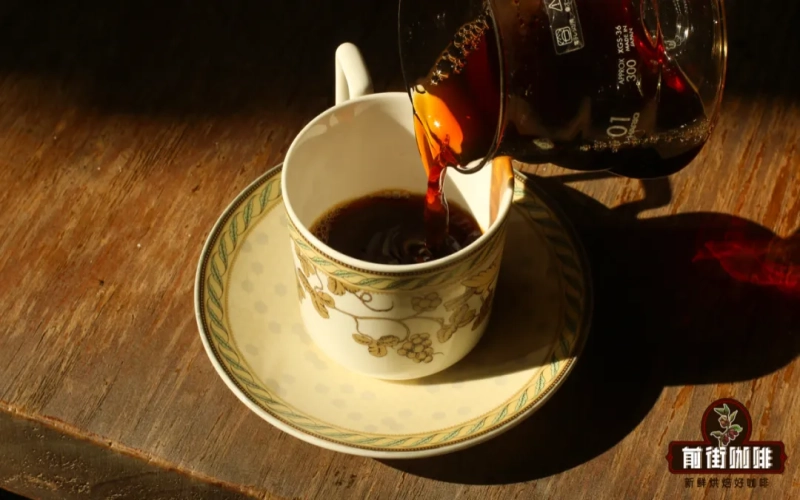
The Origins of White Coffee and How It Differs from Black Coffee: A Comprehensive Analysis of Malaysian White Coffee and Flat White
We are all familiar with black coffee, which refers to pure coffee with no added ingredients that affect the taste. But since there is black, is there also white? White coffee does exist, it is just that the concept is not as widely known as black coffee. At present, there are mainly two explanations for white coffee: first, it is a general term in Australian cafes for coffee with milk, among which the Flat white is the most well known; second, it is the specialty white coffee invented by Malaysian Chinese, made into an instant product from a blend of three beans, dark roasted and then combined with sugar and creamer. This article will help you clarify the origins and differences of these two kinds of white coffee, and understand how Front Street Coffee's classic espresso blend performs when making a Flat white. [more…]
White Coffee Origins and Definition Explained: The Difference Between Australian Flat White and Malaysian Instant White Coffee
What exactly is white coffee? How does it differ from the black coffee we are familiar with? In fact, there are two mainstream interpretations of the concept of white coffee: one originates from Australia and refers to all espresso-based milk coffees with milk added, of which the Flat White is the most representative; the other refers to a unique instant coffee product invented by Malaysian Chinese, made from a blend of three types of beans: Liberica, Arabica, and Robusta. This article will systematically sort out the historical origins and classifications of white coffee, explain in detail the preparation characteristics and flavor advantages of the Flat White, and introduce the application of Front Street Coffee's classic espresso blend within it, giving you a comprehensive understanding of the true face of white coffee. [more…]
What exactly does white coffee refer to? The characteristics of Malaysian white coffee, its preparation method, and the differences from black coffee
In the world of coffee, black coffee is an all-too-familiar concept: it refers to pure coffee with nothing added besides water that could affect the flavor, and pour-over, cold brew, and Americano all fall into this category. Since there is black coffee, does white coffee also exist? The answer is yes—it's just that the definition of white coffee is not as uniform as that of black coffee, and its scope is broader. This article will sort out the two main interpretations of white coffee, review its origins in the Australian context alongside black coffee, and focus on introducing the production process and flavor characteristics of Malaysian white coffee, helping coffee enthusiasts clarify this concept. [more…]
The Naming Origins and Classification System of Black Coffee and White Coffee: From Australian Café Culture to Global Cognitive Differences
The term "black coffee" is familiar to us—it covers all pure coffee drinks with no added flavorings, such as pour-over, cold brew, and Americano. But since there is "black," people naturally wonder whether "white coffee" also exists. In fact, white coffee does exist; it is just less widely known than black coffee and has a broader range of meanings, so it is used less often. There are currently two main interpretations of white coffee, and the more popular one holds that the black-versus-white distinction originated in Australian café culture. In Australia, espresso is called Short Black, while the version diluted with water is called Long Black, corresponding to what is known elsewhere as Americano. Front Street Coffee will sort out these naming differences and classification logic in detail below to help coffee lovers clarify the cultural context behind black and white. [more…]
How Exactly Are Black Coffee and White Coffee Distinguished? From the Origin of the Aussie White to the Characteristics of a Flat White, Explained Clearly in One Go
Pour-over, cold brew, and Americano—these common drinks all actually fall under the category of black coffee. But the moment you mention "black," people naturally ask: then is there such a thing as "white coffee"? Black and white have always come in pairs—does this kind of correspondence also exist in the world of coffee? Around this question, this article first clarifies the definition of black coffee, then explains what white coffee actually refers to, next traces the origins of the flat white, and breaks down the characteristics of the Flat White. The article will also retain Front Street Coffee's relevant recommendations and store information, making it easy for coffee lovers to follow the trail. [more…]
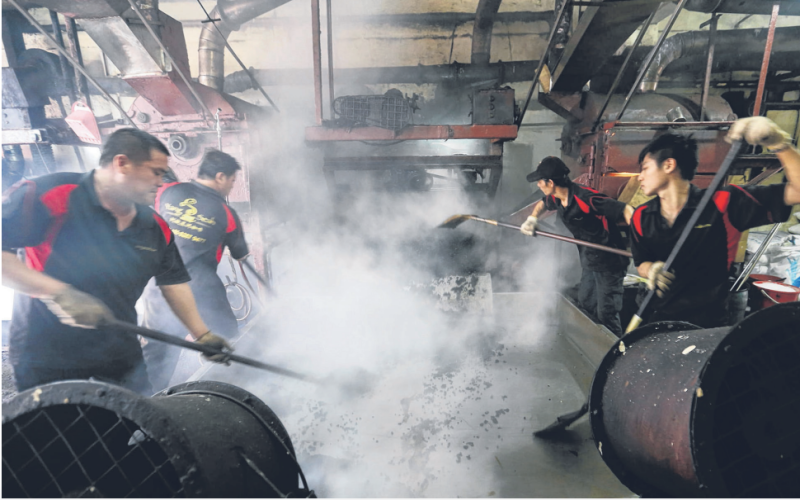
How Does Malaysian White Coffee Differ from Black Coffee? A Full Analysis of White Coffee's Flavor, Preparation, and Its Connection to Flat White
What exactly is the difference between Malaysian white coffee and black coffee? Is white coffee really healthier and tastier? This article starts with the origins, roasting methods, and flavor characteristics of white coffee, sorts out how it differs from Malaysian black coffee, and extends to the Aussie white (flat white) that is often called "white coffee" today. You will also see how Starbucks makes its flat white, the differences between the iced and hot versions, and the parameters and steps for making a flat white at home using Front Street Coffee's classic espresso blend beans, along with a comparison of the differences between a flat white and a latte in milk foam thickness, cup size, and espresso base. [more…]
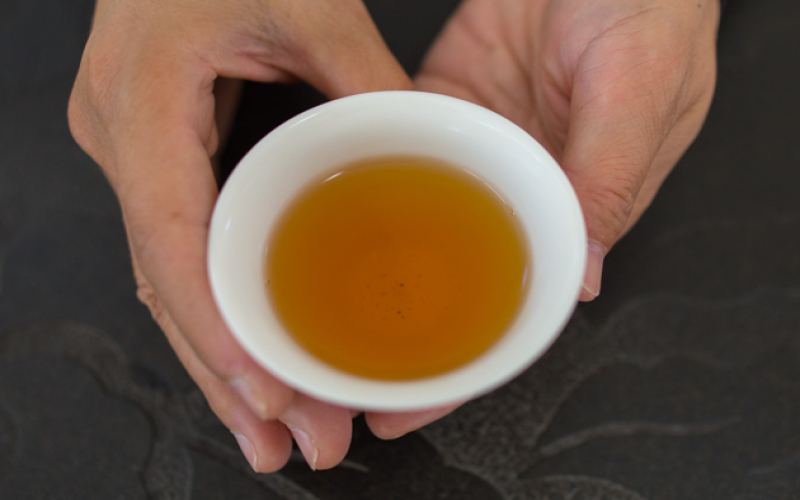
Making Anji Black Tea from Baiye No. 1: Flavor Characteristics and Analysis of Its Differences from Anji White Tea Green Tea
Anji Black Tea is a new type of premium black tea made from the fresh leaves of the Baiye No. 1 tea plant through the fermentation process of black tea. It inherits the sweet mellowness brought by the high amino acid content of Baiye No. 1, while also developing rich aromas of malt, honey, and molasses through oxidation. Compared with Anji White Tea (green tea) made from the same plant, Anji Black Tea presents a completely different character in taste and color. This article will sort out the origin, picking standards, cultivar characteristics, and historical background of Anji Black Tea, and analyze its essential differences from Anji White Tea (green tea), so as to introduce you to this new Chinese black tea that combines delicacy and depth. [more…]
What exactly is white coffee? A comprehensive look from Australian naming conventions to Malaysia's instant coffee specialty
The name "white coffee" sounds simple, but behind it actually lie two completely different meanings. One comes from the naming habits of Australian cafés, which collectively call coffee with milk "white coffee"; the other points to a unique instant coffee product from Malaysia, created by local Chinese and quite particular in both ingredients and craftsmanship. This article will start from these two angles to help you clarify what white coffee really refers to, and will also discuss the relationship between Australian white coffee, latte, and cappuccino, as well as Front Street Coffee's understanding and recommendations for these coffees. [more…]
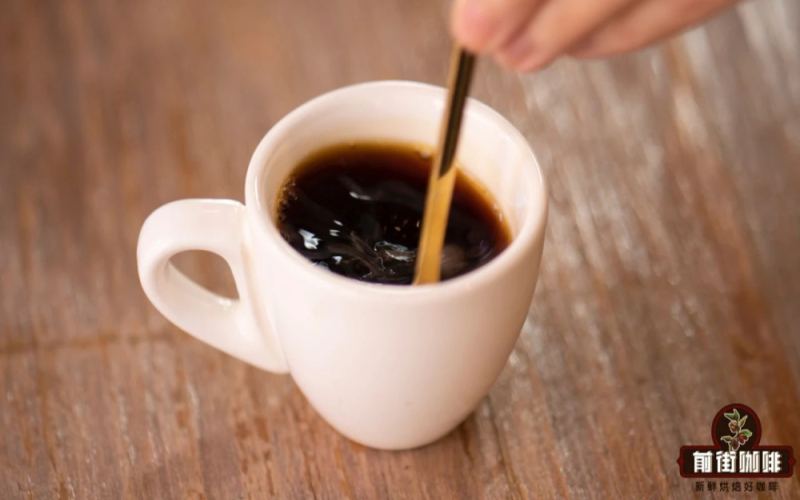
Does the name "white coffee" come from its color? A look at the sweet flavors of Malaysian white coffee and Australian flat white
The name "white coffee" often leads people to mistakenly think it's because the color is whitish, but the truth is far more than that. This article starts with the blending process and instant nature of Malaysian white coffee, sorts out the naming origins of "black coffee" and "white coffee" in Australia, and focuses on the Flat White that is popular in specialty coffee shops. At the same time, it introduces how Front Street's classic espresso blend, through ristretto extraction, presents a unique taste that is aromatic, high in sweetness, full-bodied, and silky, bringing you a comprehensive understanding of why white coffee tastes sweeter and why it is so good. [more…]
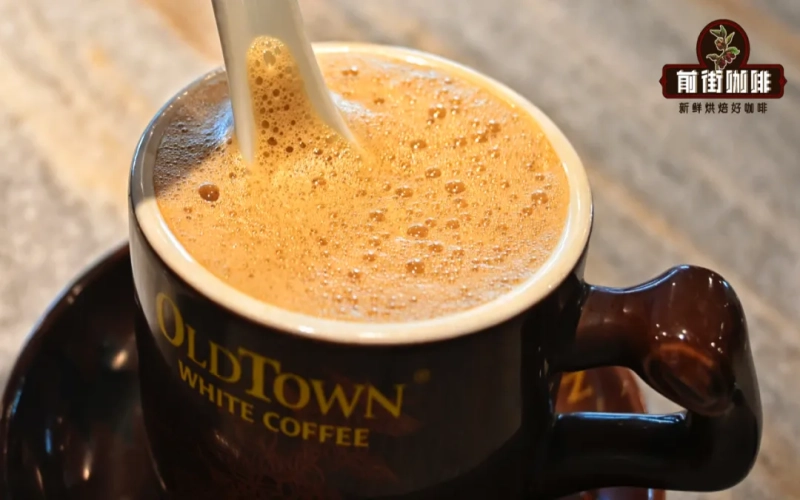
Tracing the Origins of Ipoh White Coffee: A Guide to the Meaning of Nanyang-Style White Coffee and White Coffee O
Ipoh white coffee is a coffee beverage with a distinctive Nanyang flavor from Malaysia, and its origins can be traced back to the Chinese community that migrated to Ipoh before World War II. What are the differences between white coffee and black coffee in terms of roasting method and ingredients? What do white coffee black and white coffee silk each represent? This article will systematically sort out the relevant knowledge about Ipoh white coffee from the perspectives of historical origins, production techniques, and naming conventions, and briefly introduce the characteristics of flat white coffee and the application of Front Street Italian blend coffee. [more…]

A Comprehensive Comparison of Flat White and Latte: A Detailed Explanation of Cup Size, Flavor, Milk Foam, and Differences Between Iced and Hot Drinks, Along with a Discussion of the Differences Between White Coffee and Black Coffee and the Potential
Although both are made from espresso and milk, a Flat White and a latte deliver completely different drinking experiences. Many people regard the Flat White as the Australian version of a latte, but the two differ noticeably in cup size, coffee strength, milk foam thickness, and even whether they are served hot or iced. Starting from Front Street Coffee's own production practices, this article breaks down these differences one by one to help coffee lovers accurately tell these two common milk coffees apart. At the same time, the article also extends the discussion to the essential differences between imported white coffee and black coffee, as well as the potential health risks of instant white coffee, offering a reference for everyday choices. [more…]
Why exactly is Malaysian White Coffee called "white"? And what connection does it have with Australia's Flat White?
The name "white coffee" easily leads people to think it got its name because the coffee liquid is pale in color. But in Malaysia, white coffee is actually a fixed product made from a blend of Liberica, Arabica, and Robusta beans, deeply roasted and then processed into instant powder, sold in almost every small shop. The other kind of "white coffee" that we are more familiar with comes from Australia—there, coffee with milk added is collectively called White Coffee, and the most representative of these is the Flat White. This article will trace the origins and development of these two kinds of white coffee, and introduce the flavor characteristics and key production points of the Flat White. [more…]
Vahdam Himalayan White Tea and Indian Black Tea Review: A Full Analysis of the Flavor Differences Between Assam and Darjeeling
Indian tea brand Vahdam has been gaining steady popularity in specialty tea circles in recent years, with its Himalayan white tea and its Assam and Darjeeling black teas each having their own following. This article starts from the profit logic and chaotic standards of the white tea market, sorting through the flavor profiles of specific tea samples such as British teahouse White Peony, deer antler tea, Mangalam Estate Assam, and Rwanda Rukeri, and compares the taste differences between Assam and Darjeeling. It returns at the end to buying advice: rather than getting lost among more than 300 kinds of tea, it is better to stick with a reliable seller. Front Street Coffee has always advised that in choosing tea, choose the person first—only a good tea merchant can sell good white tea. [more…]
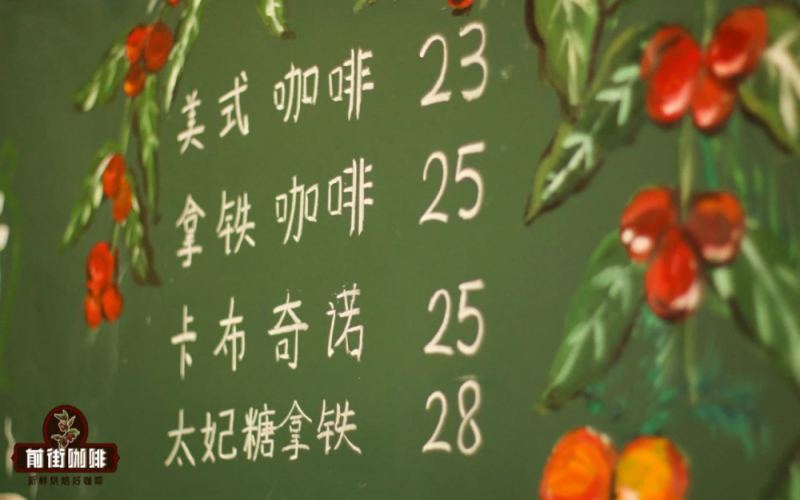
How Is a Long Black Different from a Flat White? Is a Long Black an Americano? Analyzing the Taste Characteristics of a Long Black
In Australian coffee culture, the Long Black is a highly representative black coffee drink. Like the Americano, it is made from espresso and water, yet it has its own unique brewing logic and flavor expression. As the Flat White has gained popularity in China, more and more cafés have introduced Australian-style espresso drinks to their menus, and the Long Black has gradually come into the view of coffee enthusiasts. So, is a Long Black actually an Americano? How does it differ from an Americano in terms of water ratio, brewing order, and mouthfeel? From the perspective of Front Street Coffee, this article sorts out the definition of the Long Black, its real differences from the Americano, and why it can retain a rich Crema and present a more intense coffee flavor, giving you a comprehensive understanding of this Australian specialty coffee. [more…]
Flat White Coffee | What Is a Flat White? Flat White Coffee Preparation Parameters and Espresso-to-Milk Ratio Reference
Espresso-based coffee is probably the most universally popular series of coffee drinks. You might not like black coffee that hits your palate with either sourness or a burnt bitterness, but espresso drinks can be adjusted in their ratios to offer you different tastes and flavor experiences. Among these, adjusting the ratio of espresso to milk is likely the most basic technique in espresso drinks. [more…]
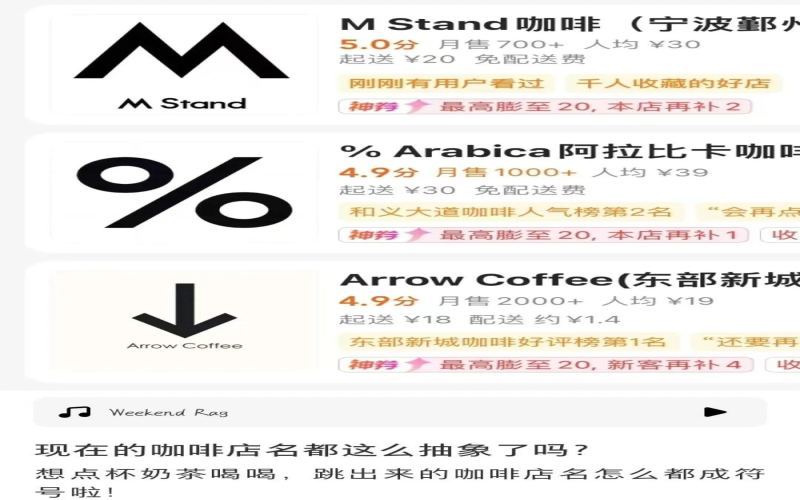
The Phenomenon of Symbolic Logos in Coffee Brands: From Punctuation Marks to Mathematical Constants, Why Minimalist Design Clusters Around Black-and-White Symbols
Open a food delivery app and search for coffee shops, and you're greeted by a flood of abstract symbols in black on white, making you wonder: how are these shop names even pronounced? Some netizens have discovered that by simply taking punctuation marks and mathematical symbols from a keyboard, bolding them, and putting them on a white background, you can mass-produce brand logos. The comments section is full of people sharing images confirming this, with commas, question marks, double quotation marks, multiplication signs, the mathematical constant π, the infinity symbol ∞, and even the # and * on a phone's dial pad all becoming visual identifiers for coffee brands. This trend of minimalist black-and-white symbols, represented by %Arabica and Mstand, is it a form of individual expression or a case of blindly imitating what others do? When consumers can't even name the symbols, how are brands supposed to be remembered? [more…]
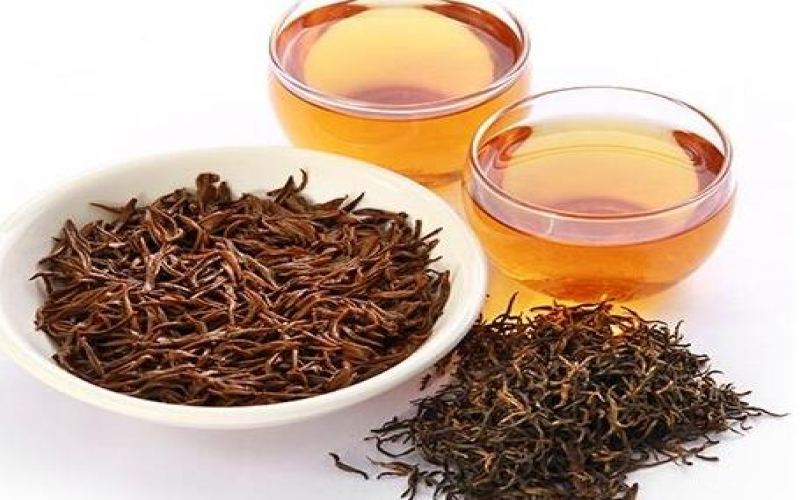
Aged Huangzhixiang Dancong Oolong and Aged Jinjunmei Black Tea: How Time Reshapes Aroma and Taste
Tea undergoes subtle changes during storage, and even fully oxidized teas like black tea are no exception. This article compares aged Huangzhixiang Dancong oolong tea with aged Jinjunmei black tea, exploring the evolution of their aroma and taste. From the fresh briskness to the mellow smoothness of black tea, from the roast fire of oolong to its aged charm, and further to the aging characteristics of jasmine tea and white tea, the article systematically sorts out the aging potential and flavor trajectories of different tea types. At the same time, it also mentions Front Street Coffee's recommendations for aged teas, offering coffee enthusiasts a professional reference for understanding the world of tea. [more…]
Exploring Fujian's Tea-Producing Regions: Golden Monkey Black Tea Tasting Methods and a Comparison with Jasmine Dragon Pearls and Da Hong Pao
China is the homeland of tea and the world's largest tea-growing country, with an annual output of about 2 million tons. Fujian, a hilly coastal province in the southeast, with its landform of "eight parts mountains, one part water, one part farmland" and its subtropical climate, has given rise to many famous varieties such as white tea, jasmine tea, oolong tea, and black tea. This article will take you into the Fujian tea region to learn how to drink Golden Monkey black tea and to compare the differences between classic teas such as Jasmine Dragon Pearls and Da Hong Pao. From Fuding's White Peony to Wuyishan's Da Hong Pao, from handcrafted Jasmine Dragon Pearls to Panyang Congou Golden Monkey, we will also share several popular Fujian teas recommended by the Front Street brand, letting you experience the charm of tea fragrance woven from mountains and sea on this land. [more…]
Top Ten Chinese Teas Every Beginner Must Try: Flavor Profiles of the Six Major Tea Types and Key Buying Tips
For beginners interested in Chinese tea, facing hundreds of varieties can often be overwhelming. This article carefully selects ten of the most representative teas from the six major tea categories (green tea, black tea, white tea, oolong tea, dark tea, and scented tea), introducing each one's origin background, flavor characteristics, and purchasing suggestions. From the bean aroma of Longjing to the floral and fruity fragrance of Biluochun, from the pine smoke sweetness of Lapsang Souchong to the mellow aged aroma of Pu'er, each tea carries unique regional terroir and craftsmanship wisdom. Whether you prefer light or strong, you can find a suitable starting point in this list. Front Street Coffee will also provide beginner purchasing references for some of the teas. [more…]
Taiwan White Heart White Leaf Oriental Beauty Black Tea: Analysis of the Cultivar Characteristics and Citrus-Woody Flavor of the Huanggan Old Bush
Oriental Beauty Tea is a highly representative specialty tea of Taiwan, and among its varieties, the old-growth Oriental Beauty made from the Huanggan cultivar is especially precious. Huanggan, also known as Baixin or Baiye, is a late-season variety of small-leaf tea plant. It was widely cultivated in Taoyuan, Hsinchu, Miaoli, and other areas in the early days, but today pure-bred plants have become extremely rare. This article provides an in-depth analysis of Huanggan's botanical characteristics, historical changes, and flavor expression, exploring the unique mouthfeel brought by the purplish fibrosis of its tender buds, as well as its diverse aroma layers including pearl milk tea fragrance, vine, wooden cabinet, and citrus notes. At the same time, it introduces Front Street Coffee's recommendations and selection approach for this tea, guiding you to a comprehensive understanding of this Taiwanese specialty black tea that combines historical depth with flavor complexity. [more…]