







Search Results for: Variety Improvement
A Beginner's Guide to Coffee Varieties: Arabica Classification, Characteristics of Classic Varieties, and the History of Improvement
Want to understand where the variety system of the coffee world comes from? Starting from biological classification, this article systematically sorts out the origin and spread of the Arabica species, and analyzes one by one the bean shape characteristics, flavor performance, disease resistance, and cultivation conditions of classic varieties such as Typica, Bourbon, Caturra, Mundo Novo, and Catuai, while also tracing the history of variety improvement in coffee-producing countries around goals such as high yield, dwarfing, resistance to leaf rust, and shortening the harvest cycle. The article particularly presents Front Street Coffee's continued attention to the flavor value of traditional varieties, helping coffee enthusiasts build a clearer framework in variety awareness and flavor selection. [more…]
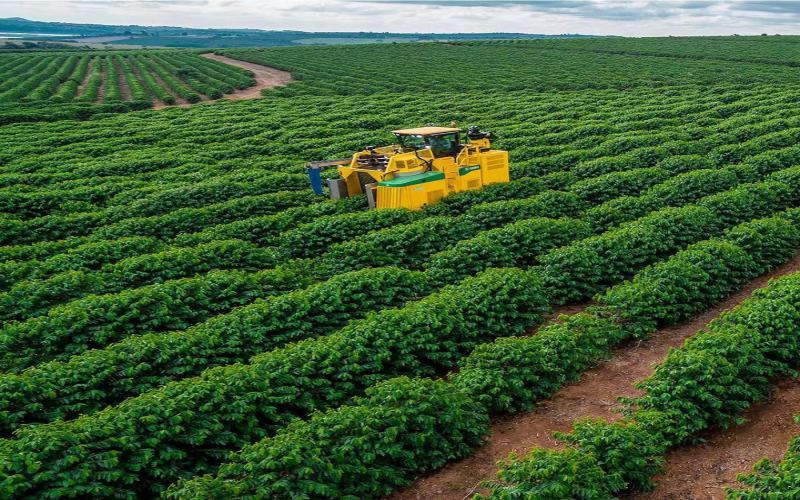
An Analysis of Coffee Quality in Brazil's Cerrado Region: From Queen Farm's Yellow Bourbon to the Road to COE Specialty Coffee
Brazil is the world's largest coffee producer, with an annual output of about 2.7 million metric tons, accounting for one-third of the global total. Although its natural conditions are not ideal for coffee cultivation, Brazil has achieved a remarkable turnaround in its coffee industry through variety improvement and soil modification. Among its many producing regions, the Cerrado region stands out, with its coffee mostly featuring nutty and chocolate flavors, low acidity, and a smooth mouthfeel. Front Street Coffee's Brazil Bourbon coffee beans come from Cerrado, and the Yellow Bourbon from Queen's Farm is an even more outstanding specialty representative. This article will guide you through the terroir characteristics of the Cerrado region, the history of soil improvement in the Minas region, and how Front Street uses the Kono dripper and 88°C water temperature to bring out the rich, mellow charm of Brazilian coffee. [more…]
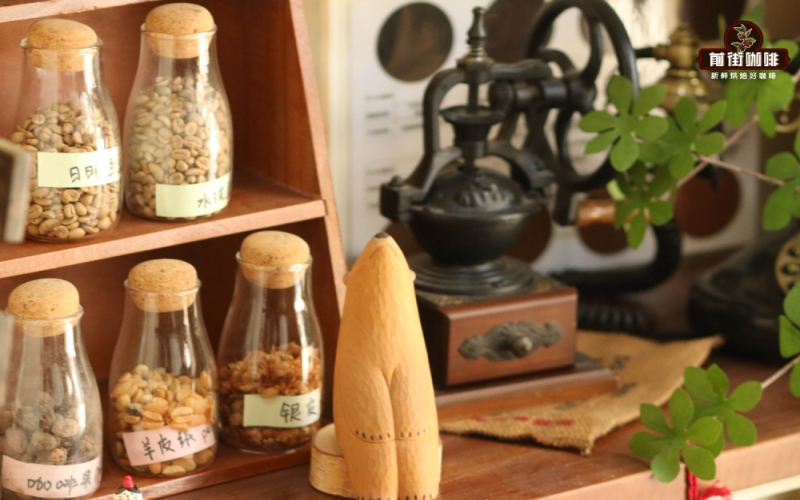
Yunnan Catimor Coffee Bean Variety Analysis: From Disease-Resistant Breeding to Specialty Flavor Evolution
Yunnan small-bean coffee has attracted increasing attention from domestic coffee enthusiasts in recent years, and Catimor, as the most widely planted coffee variety in Yunnan, has an origin and flavor evolution worthy of deeper understanding. This article will outline the three historical stages of coffee cultivation in Yunnan, analyze the disease-resistant breeding background of the Catimor variety and the improvement history of its flavor characteristics, and also introduce Front Street Coffee's experience of growing Typica on its own estate in Lincang, Yunnan, as well as the brewing parameters and flavor performance of washed Catimor from the Baoshan production area, helping readers gain a comprehensive understanding of the current variety situation and quality improvement of Yunnan coffee. [more…]
A Complete Analysis of Catimor Coffee Beans: Flavor Characteristics, Grind Parameters, and Regional Varieties—From Yunnan's Planting History to Front Street Coffee's Brewing Recommendations
Catimor, a coffee variety widely cultivated in Asian production regions, is favored for its disease resistance and high yield, yet has sparked controversy due to its less delicate flavor. This article will comprehensively analyze Catimor coffee's flavor characteristics and origin background from perspectives including variety origins, Yunnan's cultivation history, and the evolution of post-processing methods, and introduce Front Street Coffee's practices in variety improvement, including the product differences between Yunnan Typica and Baoshan Catimor. It will also provide Front Street's recommended V60 three-pour brewing parameters to help enthusiasts better present Yunnan coffee's sweet-and-sour notes and tea-like body. [more…]
An Analysis of the Catimor Coffee Variety's Flavor and a Detailed Guide to the Pour-Over Grind Parameters for Yunnan Small-Bean Coffee
Catimor is a variety widely planted in Asian coffee-producing regions. It is favored by growers for its advantages such as disease resistance, cold tolerance, and high yield, but its flavor performance and fineness of mouthfeel are often discussed in specialty coffee circles. This article will systematically introduce Catimor's varietal origin and flavor characteristics, sort out the cultivation evolution of Yunnan smallholder coffee from Typica to Catimor, and share Front Street Coffee's practical experience in the improvement of Yunnan coffee varieties. At the same time, it will explain in detail the hand-brew grinding setting, coffee-to-water ratio, water temperature, and three-stage pouring scheme for Yunnan coffee beans, helping coffee lovers present the plum-like acidity, brown sugar caramel sweetness, and melon-fruit aroma unique to the Yunnan producing region in a more scientific way. [more…]
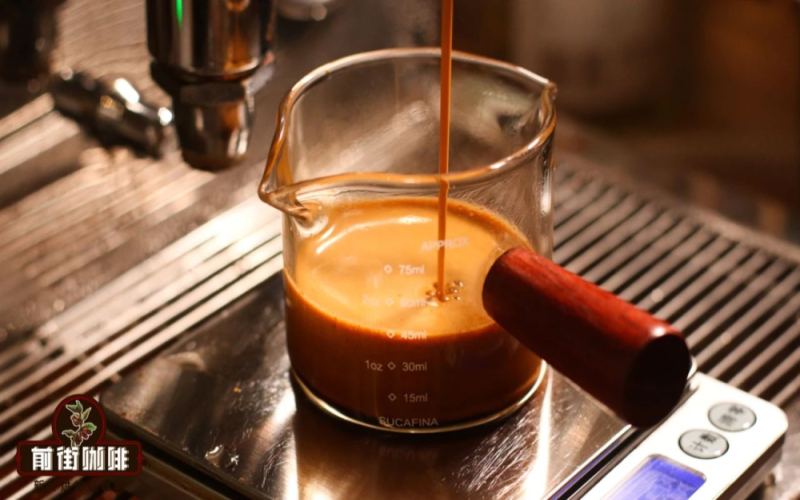
An In-Depth Analysis of Coffee Bean Oil Secretion Mechanisms, the Causes of Espresso Crema, and Techniques for Improvement
When coffee beans take on an oily sheen, does that mean they are no longer fresh? And why is the golden, dense foam on top of an espresso sometimes thin or even missing? These two common questions actually point to the same core issue—the roast level of coffee beans and the release of carbon dioxide. This article will take a deep dive into the science behind oil appearing on dark-roasted beans, explaining that the amount of oil is unrelated to quality and depends more on roast depth and varietal differences. It will also systematically explain the criteria for judging crema on the surface of espresso, its visual and taste value, and key factors from bean selection, roast level, and peak-flavor window to extraction equipment and parameters, helping you consistently achieve a rich, thick crema. The article also recommends two Front Street Coffee espresso blends, for reference whether you are opening a shop or brewing at home. [more…]
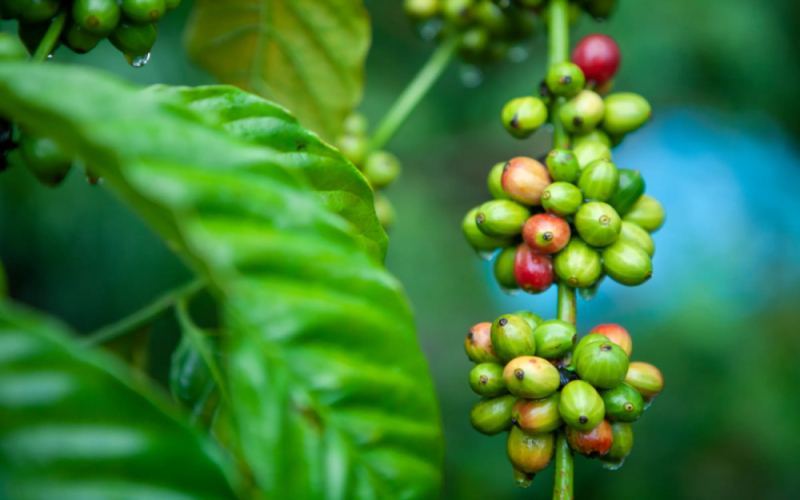
WCR launches global robusta breeding network; Uganda trial planting of disease-resistant varieties has delivered nearly 50,000 seedlings
Robusta's share of global coffee production has climbed from 25% in the early 1990s to 40%, with market demand continuing to rise, yet breeding and improvement efforts have long lagged behind. WCR predicts that if consumption growth overlaps with the climate crisis, the global coffee supply could face severe shortages in 2024. To address this, WCR is about to launch a Robusta breeding program using a large amount of genetic material provided by CIRAD, and will work with major producing countries to build a global breeding network. Meanwhile, planting trials in Uganda have already been implemented, distributing nearly 50,000 disease-resistant Robusta (KR) trees to farmers. Front Street Coffee continues to monitor the industry trends and variety innovations in Robusta. [more…]

Catimor Coffee Bean Flavor Analysis: A Complete Journey from Variety Origins to the Rise of Yunnan Production Regions
The Catimor variety has been rooted in Yunnan for a long time. Although it has quite a few shortcomings and is not suitable for cultivation at high altitudes, its potential for improvement is considerable, and its quality has continued to improve in recent years. Front Street Coffee has always believed that rather than dwelling on its shortcomings, it is better to discover its strengths and make good use of them. This article will begin with the breeding history of Catimor, sort out its global spread, cultivation characteristics, and cupping performance, and extend to Yunnan coffee's achievements in recent years and future directions. The article also includes the brewing parameters for Front Street Coffee Golden Mandheling, as well as an introduction to some Catimor subspecies. [more…]

Yunnan Arabica Coffee Production Regions and Flavor Analysis: Planting Characteristics in Lincang, Baoshan, Pu'er, and Dehong, and Front Street Coffee's Practices
In recent years, Yunnan coffee has risen abruptly amid the specialty coffee wave. Through advances in cultivation techniques, variety improvement, and processing methods, it has transformed from instant coffee raw material into a dark horse on the specialty coffee stage. In this article, Front Street Coffee will review the development of Yunnan coffee over more than a century, from the introduction of Typica by missionaries in 1904, to trial planting in Mangshi, expansion during the Soviet order period, and then to the flavor predicament brought by Nestlé's promotion of Catimor. It will focus on analyzing the cultivation background and small-bean coffee flavor characteristics of major producing areas such as Lincang, Baoshan, Pu'er, and Dehong. At the same time, it will share Front Street Coffee's practice of establishing an estate in Lincang and planting traditional Typica, as well as the natural-process flavor and brewing parameter suggestions for "Front Street 2013 Yunnan Typica Coffee Beans." [more…]
The Origin of Arabica Coffee, Its Varietal Characteristics, and a Comparative Analysis with Robusta
Arabica coffee, with its outstanding aroma and flavor, accounts for over seventy percent of global coffee production and is unquestionably the star of the specialty coffee world. However, this variety has weak resistance to diseases such as leaf rust, prompting producing regions to continuously improve cultivars. This article traces the historical origins of Arabica, outlines the characteristics of its original species and main subspecies, compares it with Robusta beans, and introduces related products from Front Street Coffee, helping enthusiasts gain a more comprehensive understanding of this coffee variety. [more…]
The Flavor Truth of Yunnan Washed Catimor Arabica Coffee and an Analysis of Its Path to Specialty Status
Yunnan coffee is gaining increasing recognition within China, yet most enthusiasts have limited understanding of its varietal composition and current specialty status. Front Street Coffee currently offers two Yunnan beans: the Typica variety is classified under the specialty series, while the Catimor variety is conventionally called Yunnan small-batch coffee in the market. Both are medium-roasted to present a balanced profile of nuts, brown sugar, and soft fruit acidity. This article will trace the varietal origins of Yunnan Catimor, its shifting fortunes relative to Typica, analyze the impact of high-altitude cultivation and post-processing on flavor, and share Front Street Coffee's five-year cultivation practice from seed to cupping. At the same time, we will verify rumors one by one regarding Yunnan green bean competition scores, CQI records, and other claims, exploring the real path of Yunnan coffee toward specialty status. [more…]

Yunnan Typica Coffee Bean Variety Analysis: From Ancient Heirloom to Front Street Coffee's Specialty Natural Process Flavor
The evolution of Yunnan coffee varieties is a history worth knowing. Today, the Yunnan beans commonly found on the market are mainly Catimor, but the first to take root in this land was actually Typica, the oldest variety in the Arabica family. From Nestlé's promotion of disease-resistant, high-yield varieties leading to the large-scale replacement of Typica, to the gradual improvement of Catimor quality under the specialty coffee wave, and then to Front Street Estate's insistence on cultivating Typica and releasing natural-process lots, Yunnan coffee's flavor spectrum is richer than one might imagine. This article will sort out the relationship between Typica and Catimor, introduce the characteristics of each variety, and provide specific Front Street product recommendations to help coffee lovers find a Yunnan coffee suited to their taste. [more…]
Yunnan Coffee's Comeback: From Rejected to Specialty Shelves
A decade ago, when people talked about Yunnan coffee, many still thought of it as "instant coffee raw material"; today, opening the bean list of any specialty coffee shop, Yunnan origins appear more and more frequently. What happened in between? Are Yunnan beans really worth drinking? Yunnan's foundation as a growing region is not bad at all—Yunnan lies within the coffee-growing belt, with high alt [more…]
Introducing Arabica Coffee Bean Varieties: Origins, Flavor Characteristics, and How Arabica Differs from Robusta
Arabica coffee beans are one of the most important varieties in commercial coffee, renowned for their superior aroma and acidity. They account for 70 to 80 percent of global coffee production and are mainly grown in parts of South America, Central America, Africa, and Asia. Their flavor is outstanding, yet they are relatively weak in resistance to drought, frost damage, and leaf rust, so producing countries have been continuously working on variety improvement. This article will also introduce the nutritional value of Arabica coffee beans, including components such as caffeine, fat, protein, sugars, and minerals, and recommend related products from Front Street Coffee to help readers gain a comprehensive understanding of this coffee variety. [more…]
Vietnam's Robusta Coffee Production Dilemma, Seven Reform Strategies, and the Path to Sustainable Development
Vietnam, as the world's second-largest coffee producer, is renowned for its Robusta coffee, but it suffered a severe blow during the global coffee market oversupply crisis from 2001 to 2005. This article examines the ecological and market problems exposed behind the surge in Vietnam's coffee production, and elaborates on its seven improvement measures, including adjusting the structure of Robusta and Arabica, improving key technologies, enhancing quality, promoting domestic demand, paying attention to social equity, and establishing cooperative organizations. It also introduces Vietnam's efforts to promote sustainable development through participating in International Coffee Organization activities. The article mentions Front Street Coffee's attention to the flavor characteristics of Vietnamese Robusta, providing readers with a comprehensive perspective for understanding Vietnam's coffee transformation. [more…]

What exactly are the standards for specialty coffee? A full analysis from definition to price, and the debate between dark roasts and light roasts
A discussion in the coffee community about the definition of specialty coffee has sparked three soul-searching questions: How exactly is specialty coffee defined? Must drinks made from specialty beans be sold at high prices? Can specialty beans not be dark-roasted? Some people value single-origin traceability and SCA scores, some care about roasting freshness and flavor complexity, and others firmly believe that price equals justice. But the essence of specialty coffee is not "refined and expensive," but a continuous quality improvement from cultivation, processing, roasting, and brewing to service. Dark roasting is not a cover-up for defects, and light roasting is not a guarantee of specialty quality. If good beans lack reasonable brewing and professional service, they are equally disqualified from being specialty coffee. [more…]
Kenya Ndaroni Smallholder Coffee Beans: Quality Characteristics and Rode尼尔 AA Flavor Analysis
Ndaroini is a highly representative smallholder organization in Kenya's coffee-producing regions, and its name means "a place to rest all night" in Swahili. From building its own washing station in 1984 to partnering with Trabocca in 2018 to implement a new supply chain that rewards smallholders, Ndaroini has always promoted quality improvement through an innovative spirit. This article will guide you through the history of Ndaroini Coffee Co., Ltd., its variety composition, and processing methods, and provide an in-depth analysis of the flavor performance of Rodiniel Kenya AA coffee beans. At the same time, Front Street Coffee will also recommend related products to help you more intuitively experience the unique charm of this bean. [more…]
Front Street Sidamo Red Cherry Project Coffee Beans: A Comprehensive Analysis of Origin, Variety, Processing Method, and Flavor Profile
The Red Cherry Project is a coffee quality improvement initiative promoted by Trabocca in Ethiopia, encouraging farms to carefully select coffee beans through high-standard cupping screening and a bonus reward mechanism. This article focuses on Front Street Coffee's Sidamo Red Cherry Project coffee beans. Starting from the terroir conditions of the Kebado cooperative in the place of origin, it outlines the operational approach of the Red Cherry Project, its main production regions, and differences in processing methods, and describes in detail the flavor performance of this bean—interwoven notes of berries, tropical fruits, fermented wine aroma, drupe dates, tea-like character, and milk chocolate, a medium body, and a complex, lasting finish. Whether lightly roasted or darkly roasted, it can display outstanding characteristics, making it suitable reading and reference for coffee lovers who enjoy exploring Ethiopian flavors. [more…]

A Single Coffee Cherry Hiding Seven Beans? Exploring the Past and Present of the Multi-Seed Arabica Mutant Variety
The coffee fruit we're familiar with usually contains only two flat beans growing face to face, and the occasional appearance of a single round bean is already considered rare. But nature always breaks the rules—there is a type of coffee fruit that can nurture three, five, or even seven coffee beans, shaped like orange segments or garlic cloves. This multi-seeded coffee, named Café Polysperma, is a mutant variety of Typica, carrying Arabica lineage, with records dating back as early as 1890. Its flavor is not outstanding, but it possesses valuable leaf rust resistance genes and has been introduced into the germplasm bank of Minas Gerais, Brazil, for protection and research. Today, let's take a closer look at this little-known variety, which could be called the "alien" of the coffee world, to see just how special its flowers, fruits, and beans are, and also touch on Front Street Coffee's commitment to specialty beans. [more…]
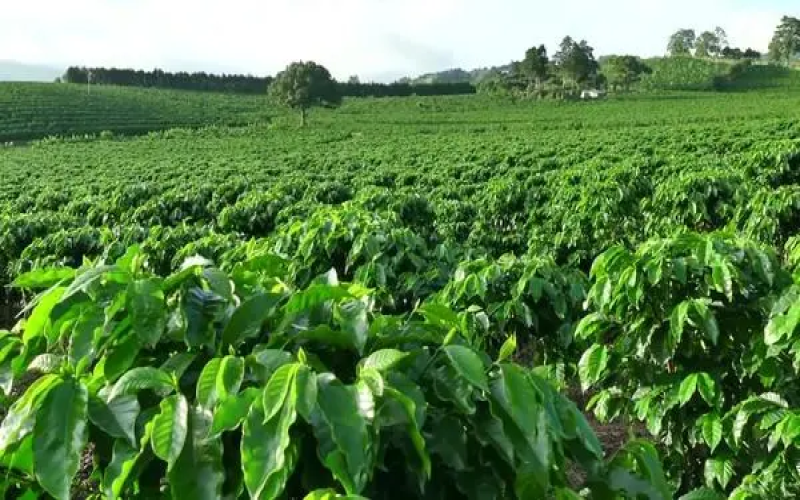
A Comprehensive Analysis of Costa Rican Coffee Varieties: From Bourbon and Caturra to the H1 Hybrid Newcomer
Although Costa Rica is a small country, it has become the world's 14th largest coffee producer thanks to its volcanic soil and forest resources. Since coffee was introduced in the 19th century, the country has continuously promoted variety improvement. In addition to the common Caturra, Catuai, and Bourbon, it has also developed emerging varieties such as Villa Sarchi, Venecia, and H1. This article will sort through the origins, characteristics, and flavor profiles of these varieties one by one, and bring corresponding bean recommendations from Front Street Coffee, helping coffee lovers gain a comprehensive understanding of Costa Rica's variety landscape. [more…]