







Search Results for: Using Coffee Grounds as a Face Mask
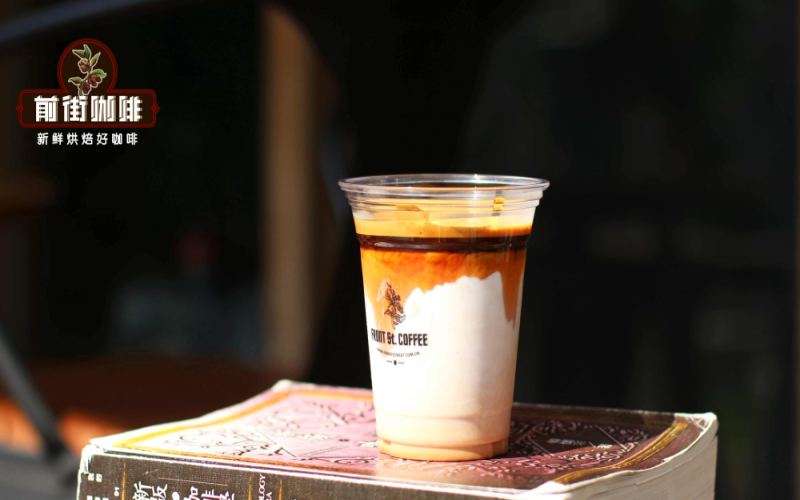
Latte Recipe | How to Distinguish Cappuccino, Mocha, and Latte? What Is the Espresso-to-Milk Ratio for Making a Latte?
For more specialty coffee knowledge, please follow: Front Street Coffee (Frontsteet Coffee). Front Street bets that among all the coffee drinks made at home by those who own a coffee machine, milk coffee must be at the top, and among them, the latte is the "face" that is especially favored by everyone. Because [more…]
Over-extracted Coffee | Why Does Brewed Coffee Taste Bitter? How Can Coffee Beginners Avoid Over-Extraction When Making Pour-Over Coffee?
Many friends just starting out always face the trouble of over-extraction! So-called "over-extraction" refers to excessive extraction. In a coffee bean, the substances that can be dissolved out by water make up about 30% of the total. Although there is only this much, we cannot dissolve everything out. Because inside, besides [more…]
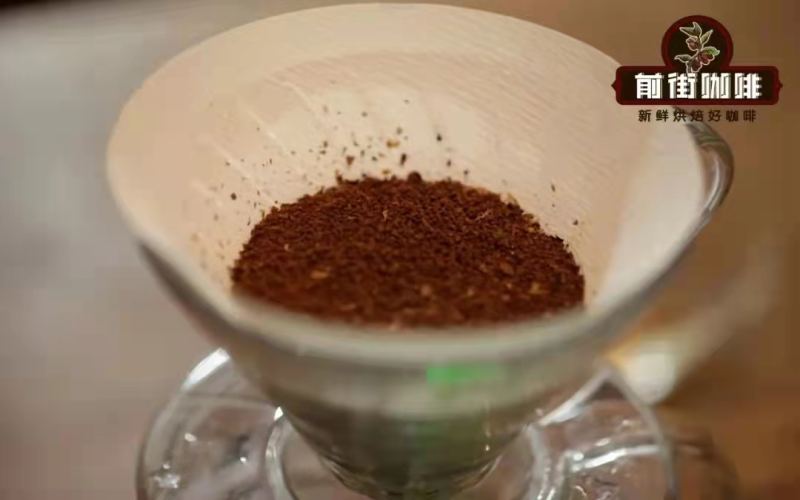
How to determine the grind size (coarseness/fineness) for pour-over coffee beans? How do you adjust the settings on a coffee grinder?
Among the parameters of pour-over coffee, Front Street believes that grind size is the hardest to master. It doesn't have intuitive data like water temperature or coffee-to-water ratio, nor can it be compensated for through practice like technique. As a result, many beginners are stumped by grind size. So Front Street will teach you how to get grind size right. First, I [more…]
Pour-Over Coffee | For coffee that has cooled down, is it better to reheat it or add ice? Why does coffee's taste change so much from hot to cold?
We all know that brewed coffee will naturally cool down over time, but beyond that, its flavor also undergoes irreversible changes during this process. For example, the originally rich and fragrant aroma has clearly dissipated, dark-roasted coffee becomes less smooth, medium-light roasted coffee highlights its sour and astringent notes even more, and may even develop an unpleasant [more…]
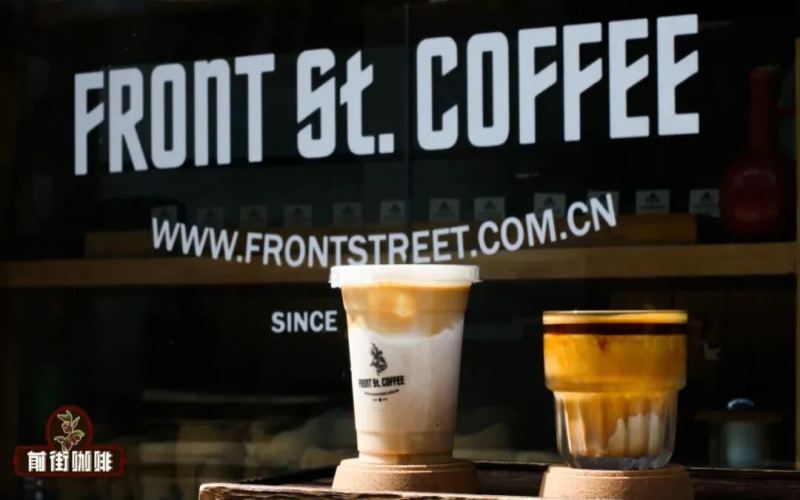
Coffee to Milk Ratio | How does the coffee-to-milk ratio in a latte affect the taste? What's a suitable coffee-to-milk ratio for making a latte at home?
Front Street bets that among all the coffee drinks coffee machine owners make at home, milk coffee must be at the top, and among them, the latte is the undisputed "face" that everyone favors. Because of this, Front Street constantly receives many questions about making lattes at home, such as "what milk is best" and "how [more…]
SOE Single-Origin Espresso Flavor Characteristics | What's the Difference Between SOE and Coffee Blends? How Can Coffee Beginners Make Delicious SOE Coffee?
When you go to a café and want to order an Americano or a milk coffee, you often face two options: one is the default espresso blend, and the other is the SOE that costs extra. At this point, some people might wonder, why is this "SOE" more expensive than the blend? What exactly makes it more expensive? What is SOE coffee? SO [more…]
American Coffee Bean Brand Recommendations | How Is an American Coffee Maker Different from an Espresso Machine? Are Espresso Blend Coffee Beans Suitable for American Coffee Makers?
Nowadays, the coffee-drinking culture in China is gradually heating up. Not only are coffee shops opening all over the streets and alleys, but even everyday convenience stores have started offering freshly ground coffee—with just one press of a button, you can get a cup of drip-style Americano. So, is this kind of Americano the same as the Americano we drink in coffee shops? Americano coffee makers use atmospheric pressure extraction. [more…]
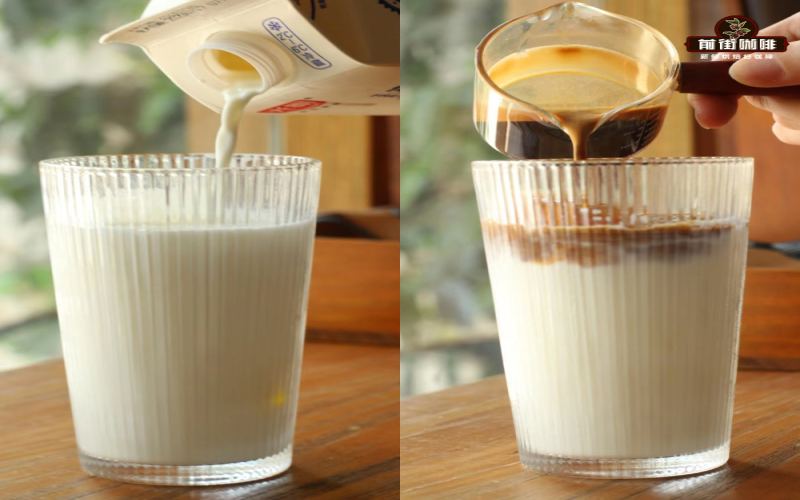
SOE Latte | How to Extract Espresso from SOE Beans? What Is the Milk-to-Coffee Ratio for Making SOE Latte at Home? Which Kind of Italian Coffee Beans Should Be Used for a Hot Latte?
Friends who enjoy milk coffee know that what we commonly call a latte is actually a popular coffee drink made by combining espresso and milk. The addition of milk turns the originally strong and bitter espresso into something sweet and delicious, and it also makes even those who don't usually drink coffee feel [more…]
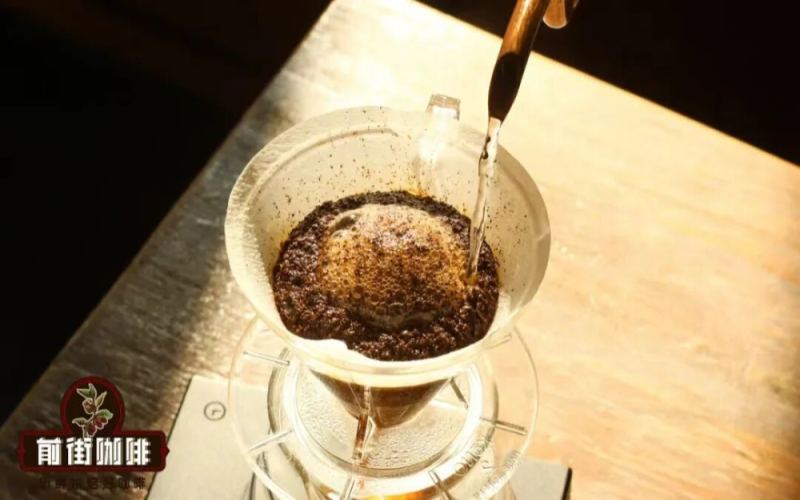
Bloom Time | Why is blooming necessary when making pour-over coffee? What effects does the length of the bloom time have on the taste of the brewed coffee?
"How big of a difference can there be between coffee with a 30-second bloom and a 60-second bloom?" This was a question a friend asked Front Street Coffee yesterday. I have to say, this question is actually quite interesting! As we all know, blooming is a routine step in pour-over coffee. Specifically, before the official pour, we pre-pour [more…]
Beans suitable for iced coffee: balancing budget and drinking frequency
挑选适合做冰咖啡的豆子时,可以先把复杂信息放到一边。日常买豆需要考虑喝得快不快、一次买多少,以及家里主要做黑咖啡还是奶咖。从清爽或醇厚、黑咖啡或奶咖这两组差异切入,再看烘焙日期和处理法,判断会更贴近日 [more…]
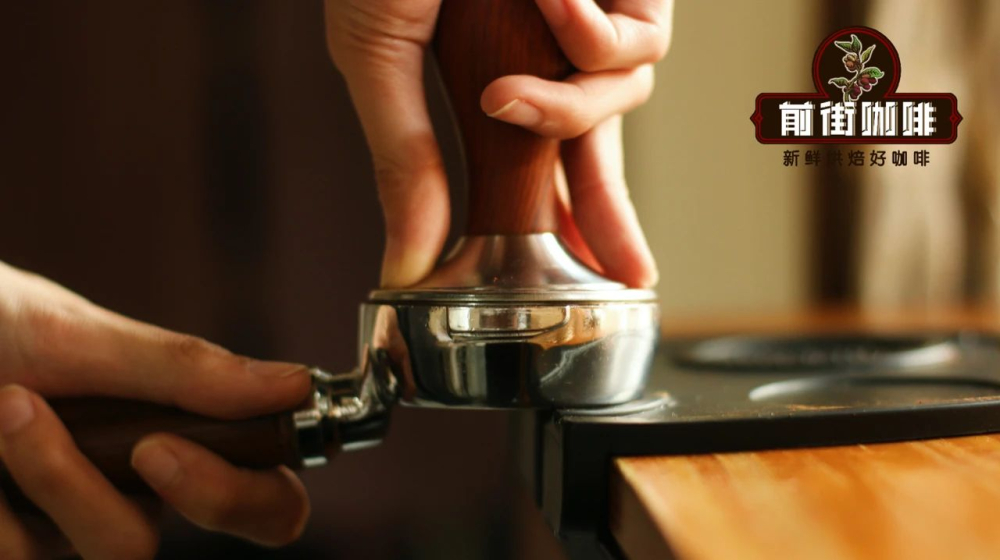
How to Make an Espresso Latte | What Is a Latte? Which Coffee Beans Should You Choose to Make a Latte Milk Coffee?
"I'm not in a café, I'm on my way to one." For Italians who love coffee, latte is an all-too-familiar drink. On a beautiful morning, sipping a cup of latte feels incredibly cozy and refreshing. So, what exactly is a latte? And how is it made? Below, join Front Street Coffee (Fr [more…]

Drip Coffee Extraction | Which brand of drip bag coffee tastes good? What are the suitable extraction time and water temperature for drip bag coffee? How do you make your own drip bag coffee packets?
For more specialty coffee knowledge, please follow our WeChat official account: Front Street Coffee (FrontStreet Coffee). Since the appearance of drip bag coffee packets, quite a few friends have gotten into the habit of comparing pour-over coffee with drip bag coffee, belittling the existence of drip bag coffee packets. In fact, the emergence of drip bag coffee was precisely in order to [more…]
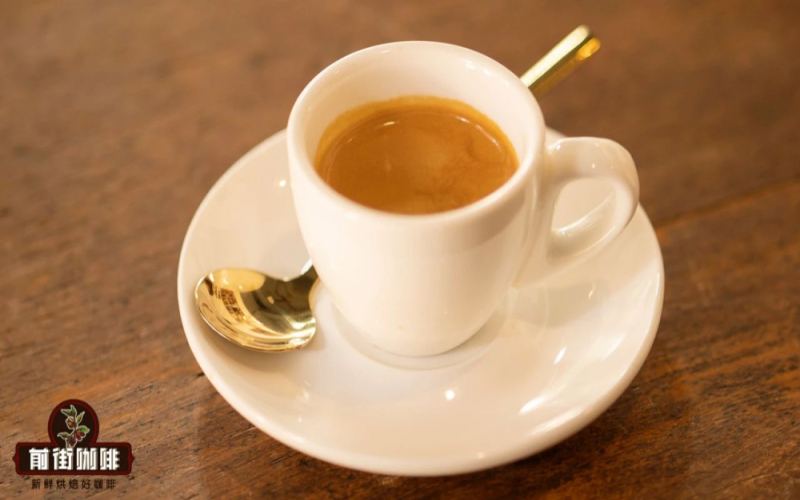
Espresso Complete Guide: Definition, Extraction Process, Suitable Coffee Beans, and Tasting Methods
Espresso is the core of the Italian coffee system and the base for many drinks such as lattes and cappuccinos. Starting from the origin and definition of espresso, this article systematically explains its flavor characteristics and three-layer structure (crema, body, heart), and provides the extraction parameter ranges under SCA standards along with Front Street Coffee's actual in-store serving plan. It also introduces the flavor performance of Front Street's "Sunflower Warm Sun Espresso Beans" and the classic espresso blend, as well as the correct steps for tasting espresso and the recommended ratios for lattes and Americanos, helping coffee lovers fully understand and make a delicious cup of espresso. [more…]
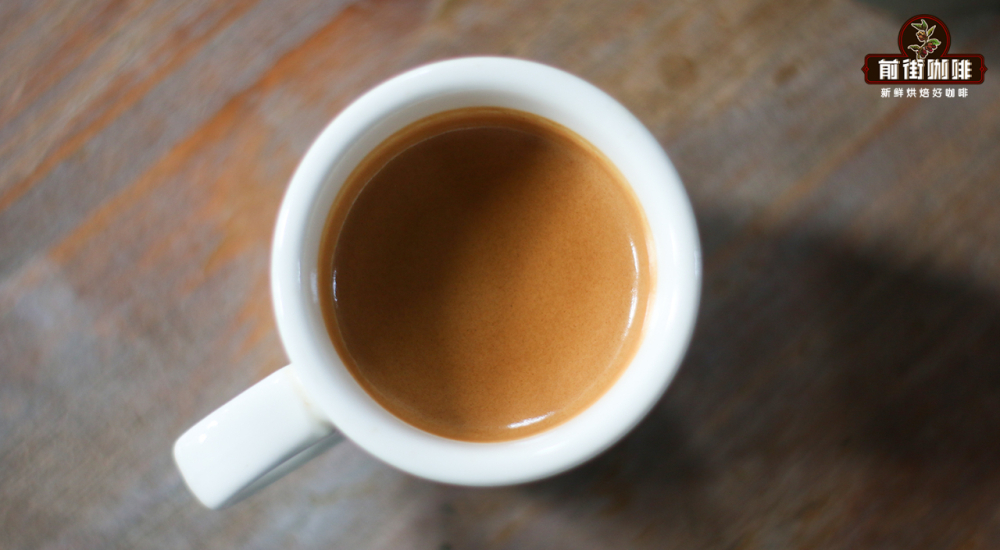
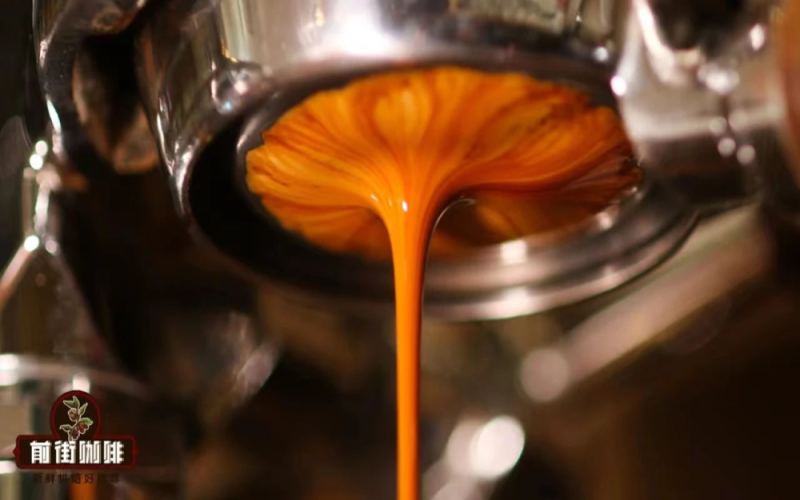
Espresso Making Steps | How Can Coffee Beginners Make Espresso at Home? What Factors Affect Espresso Flavor? Espresso Extraction Parameters Sharing
Although we rarely drink espresso on its own in daily life, making popular beverages like Americano, latte, or cappuccino would be impossible without a proper shot of espresso as the base. So in this article, Front Street Coffee will explain how to extract espresso well and what special features an espresso machine for making espresso has. [more…]
From Cold Brew to Siphon and Circulating Filtration: A Detailed Guide to Ten Pour-Over and Brewing Techniques for Single-Origin Coffee
To consistently replicate a clean-flavored single-origin coffee at home, the key lies in understanding the extraction logic behind different brewing methods. This article explores ten common brewing methods, focusing on the key points of cold water slow extraction, steam pressure, and automatic brewing with electric kettles, and also supplements the circulation extraction principle of the filter circulation coffee maker. The content covers equipment preparation, grind size, water temperature and time control, as well as ways to avoid common mistakes. The article also incorporates Front Street Coffee's products and ideas to help coffee enthusiasts choose the right solution based on their equipment and taste, so they can brew a rich and well-layered cup whether on a busy morning or a leisurely weekend. [more…]
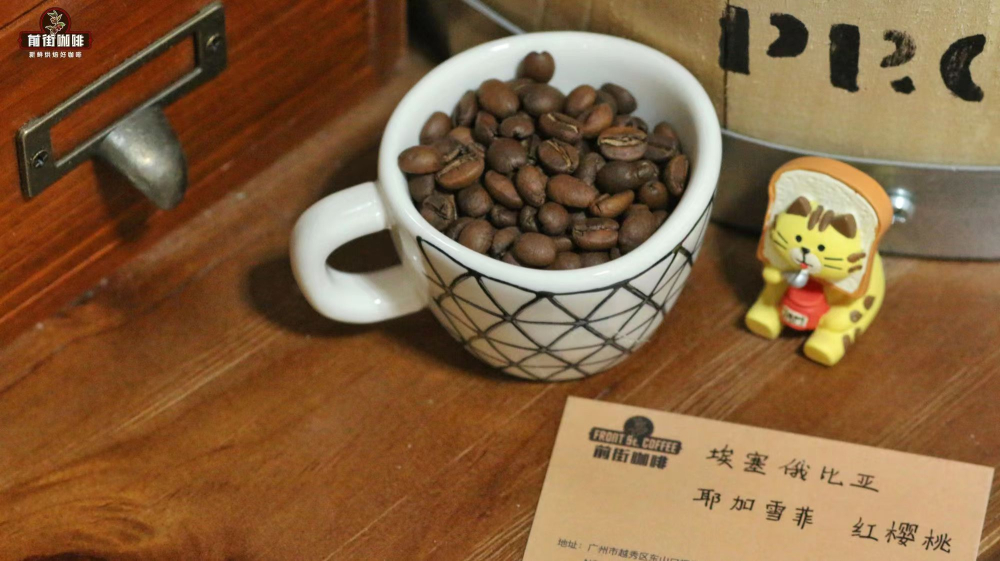
Cold Brew Coffee Recipe and Coffee Bean Recommendations | How Beginners Can Make Cold Brew at Home: Grind Size, Water Temperature, Time, and Ratio for Cold Brew
What is cold brew coffee? Cold brew coffee is Cold Brew Coffee, also known as cold-brewed coffee, ice-brewed coffee, or cold-brewed coffee. Put the ground coffee powder into room-temperature water, soak and extract for 12 hours, then filter out the coffee grounds, and the coffee liquid obtained is cold brew coffee. Cold brew coffee [more…]
One Pot, Three Personalities: Understanding Roast Levels for Moka Pot Coffee Beans
Coffee brewed in a moka pot is quite strong, and differences in roast level get amplified: light roasts tend to show more fruit acidity and aroma, medium roasts often balance sweetness and body, while dark roasts push cocoa, nut, and roasted notes to the forefront. When choosing beans, first imagine what you want to taste as you lift the cup, then decide which roast level suits you better. [more…]

Coffee Flavor Tasting | How Can Beginners Judge Coffee Extraction by Tasting? How Do You Describe the Flavor of Pour-Over Coffee?
If you want to learn how to brew coffee, you must first learn how to drink coffee. Of course, "learning to drink coffee" here does not mean being able to describe gorgeous flavor notes; it is more about being able to judge whether a cup of coffee is good or bad—that is, whether it tastes good or not. Whether a coffee tastes good or not, subjectively and objectively, depends to a fairly large extent on personal preference. [more…]
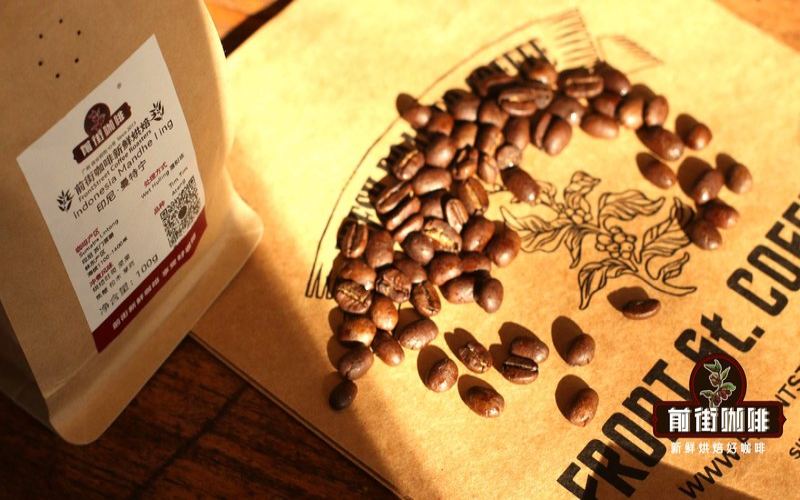
Recommended coffee beans for pour-over: balancing budget and drinking frequency
Coffee beans suitable for pour-over will reveal different facets depending on the brewing method. When buying beans for daily use, you need to consider how quickly you'll drink them, how much to buy at once, and whether you mainly make black coffee or milk coffee at home. Pour-over easily brings out the aroma, espresso machines emphasize intensity, and a moka pot amplifies richness. When choosing beans, you should first determine your usual [more…]

Cold Brew Coffee Extraction Rate | How to Increase Cold Brew Coffee Concentration? What Is the Brewing Ratio for Cold Brew Coffee? Cold Brew Coffee Bean Recommendations for Specialty Coffee Drinks
Before writing this article, Front Street asked several coffee professionals/enthusiasts: "Under normal circumstances, when making cold brew coffee, if you use the same water, coffee beans, amount of coffee grounds, brewing container, and brewing time, how would you increase the extraction concentration of the coffee?" I believe everyone, like the interviewees, would [more…]