







Search Results for: Tea withering
How does tea leaf withering shape the flavor and color of Darjeeling spring tea that resemble those of oolong tea?
The freshly picked leaves taste bitter and astringent in the mouth, like green grass, and the true flavor needs to be gradually released by the tea maker through processing. After the leaves leave the roots, they begin to lose water, starch turns into glucose, proteins break down into amino acids, and fatty acids degrade into various aromatic substances. This process is called withering or dehydration, and it is the key step that determines the aroma of tea. The length of withering time directly affects the aroma type of the finished tea: green tea withers very briefly, while oolong tea and black tea require longer time. Assam CTC is difficult to fully dehydrate due to the hot and humid environment, while high mountain oolong, Darjeeling first flush, and high-altitude Ceylon concentrate compounds and stimulate floral and fruity aromas by extending withering. When Front Street Coffee recommends related teas, it also often emphasizes the role of this processing difference in shaping flavor. [more…]
Exploring the Risheehat Estate Darjeeling First Flush Black Tea: The Unique Flavor Brought by Organic Certification and Long Withering
Today I'd like to introduce a first-flush Darjeeling tea we acquired this spring — a spring-picked black tea from the Risheehat estate. Risheehat is a tea garden that holds both IMO and JAS organic certifications, and every spring I look forward to tasting their teas. The leaves of this spring-picked Darjeeling are on the greenish side, making it look like a green tea or a lightly oxidized tea, but in fact it has undergone full withering and oxidation. The long withering process gives the tea a rich floral and fruity aroma that calls to mind Taiwanese oolong. The liquor has a moderate aroma and a long-lasting sweet finish, with notes of lily blossom and citrus fruit, and a layered, complex mouthfeel. Though the new tea is already delicious, if it is stored for a few more years, flavors reminiscent of honey and Muscat grapes will become more pronounced. Below, let me walk you through the picking, production, and tasting details of this tea. [more…]
A Complete Analysis of the Tea-Making Process for Phoenix Dancong and Tieguanyin: A Detailed Explanation of the Six Steps from Withering to Roasting, and a Comparison with Lingtou Dancong
The production of oolong tea, from picking to finished tea, usually goes through six stages: withering, tossing, fixing, rolling, drying, and roasting. Each step directly affects the tea's final aroma, flavor, and appearance. Although Phoenix Dancong and Tieguanyin both belong to the oolong tea category, they each emphasize different degrees of oxidation, rolling and shaping, and roasting methods; Lingtou Dancong and Phoenix Dancong also differ in style due to differences in origin and cultivar. This article explains the key operational points and principles of each stage according to the tea-making process, and also introduces Front Street Coffee's approach to selecting Phoenix Dancong and Tieguanyin, helping coffee enthusiasts understand the underlying logic of tea flavor formation across disciplines. [more…]
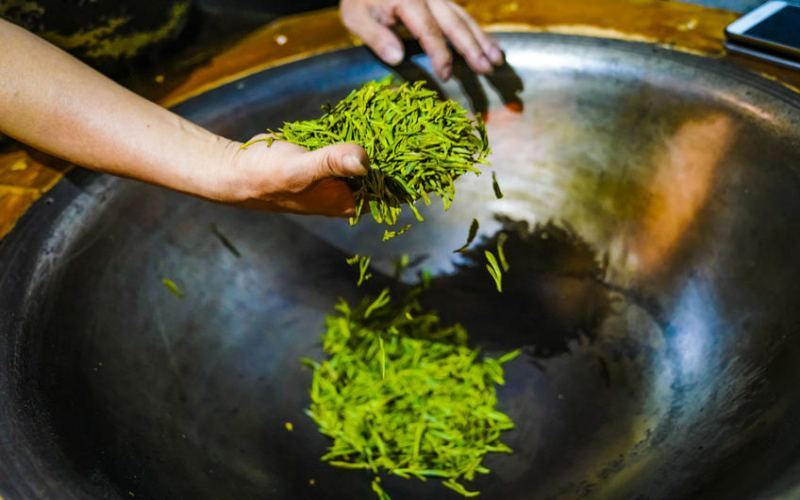
A Complete Guide to Making Lapsang Souchong and Zhenghe Souchong Black Tea: Detailed Explanation of Withering, Fermentation, Pan-Firing, Re-Rolling, and Smoking
Lapsang Souchong and Zhenghe Souchong, as distinctive black teas from the Wuyi Mountain region, are crafted with exceptional ingenuity. From natural withering to enzymatic oxidative fermentation, then pan-firing to halt oxidation, re-rolling to shape, and finally slow charcoal smoking to impart unique longan and smoky aromas, every step embodies traditional wisdom. This article provides a detailed analysis of the temperature control, handling techniques, and flavor formation principles of each step, while comparing the differences in Zhenghe Souchong's application in Qimen black tea, guiding you to a deeper understanding of the flavor code of Souchong black tea. [more…]
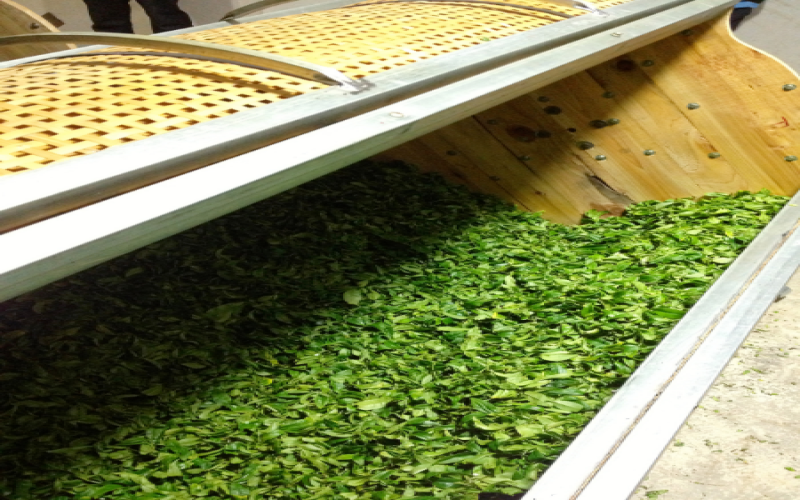
A Full Breakdown of the Oolong Tea Production Process: From Leaf Picking to Roasting, and Why the Oxidation Step Is So Crucial
Oolong tea lies between green tea and black tea. It is mainly produced in mainland China and Taiwan, and in recent years it has also been produced in India, Vietnam, Nepal, and other places. Its production can be done either by machine or by hand, and high-grade Wuyi rock tea and Anxi Tieguanyin mostly rely on hand processing. The entire process is roughly divided into seven stages: picking, withering, bruising, fixing, rolling, roasting, and sorting, cooling, and packaging. Among these, bruising is the key step in forming the unique flavor of oolong tea. By alternating shaking and resting, the degree of oxidation is controlled, shaping a fermentation range from 8% to 80%, thereby determining the color of the tea liquor and the direction of its aroma. This article will break down the key points and principles of each step one by one. [more…]
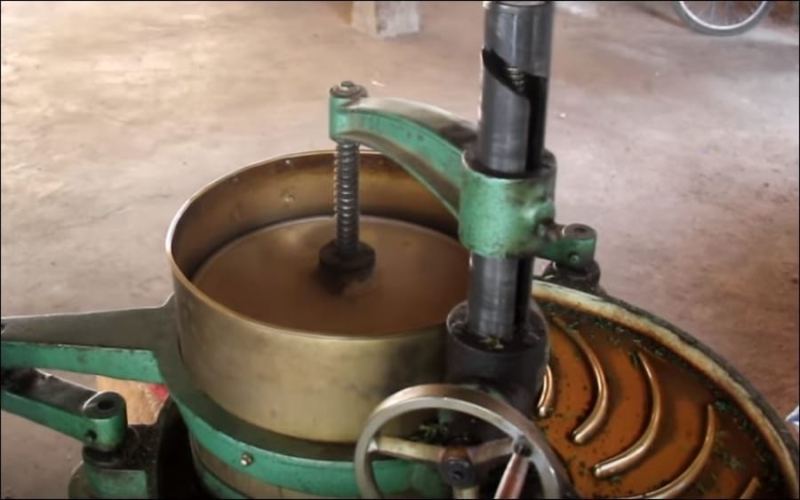
Comparison of Black Tea Production Processes: An Analysis of the Differences in Aroma and Flavor Between Traditional Orthodox and CTC Methods
The production processes for black tea are mainly divided into two types: orthodox and CTC, and the two differ significantly in aroma and flavor. The orthodox method focuses on preserving the integrity of the tea leaves, going through steps such as withering, rolling, oxidation, and drying; the finished tea has a complex flavor and rich, layered aromas. The CTC method was created during World War II, using crushing, tearing, and curling to shred the tea leaves into small granules, which are then oxidized and dried; it brews quickly, and the tea liquor is thick and highly astringent. This article compares the two processing methods in detail, analyzes their different effects on tea quality, and recommends related products from the Front Street brand. [more…]
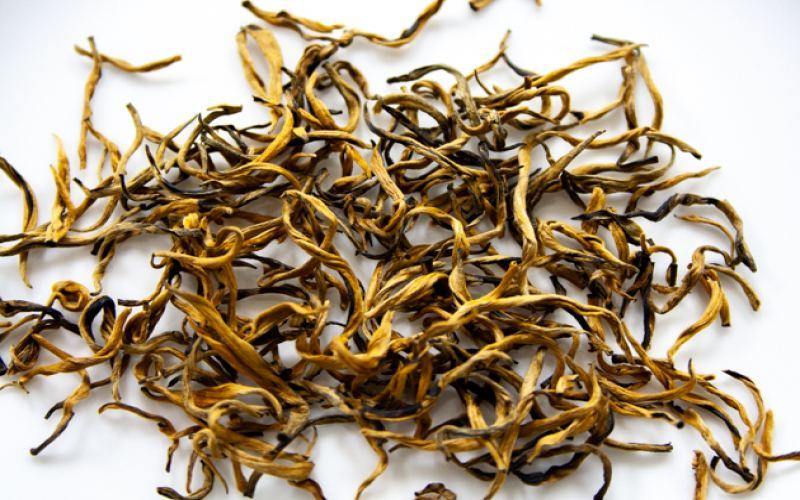
Why do Dianhong Golden Buds appear golden? Does a higher proportion of golden buds indicate better quality?
Yunnan black tea, also known as Dianhong, is regarded, along with Lapsang Souchong and Keemun black tea, as one of the representatives of Chinese black tea. Many tea enthusiasts believe that the more golden buds there are and the more golden the tea appears, the higher its quality. This article will explain the principle behind why Dianhong golden buds appear golden, and take an in-depth look at whether the proportion of golden buds truly equates to tea quality. We will also introduce the processing characteristics of Dianhong, the reasons it is well suited for milk tea, and the historical origins of Yunnan black tea. Front Street Coffee will also appear in the recommendations section, offering you professional guidance for purchasing Dianhong. [more…]
Where does high-mountain purple black tea come from? An analysis of the anthocyanin content and variety classification of Yunnan Lincang purple tea
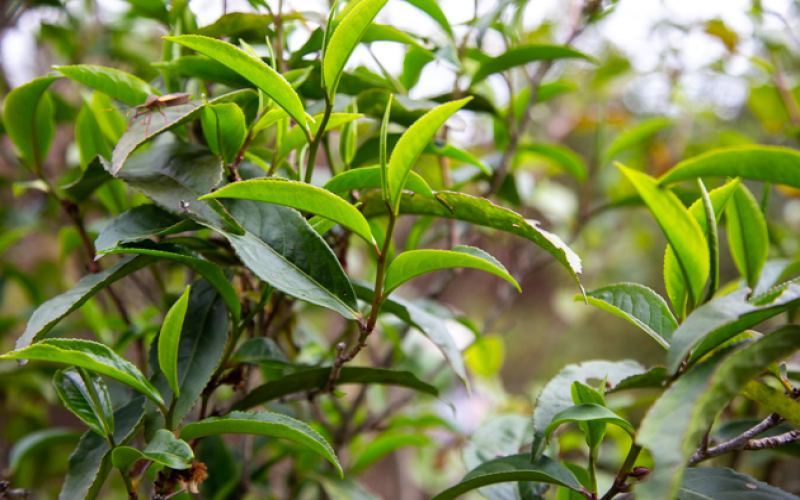
Purple tea, a rare tea variety that grows sporadically in high-altitude areas such as Lincang and Baoshan in Yunnan, is distinguished from ordinary tea plants by its purple stems. The anthocyanins it contains give the finished tea a deep color, while its aroma carries a refreshing perilla-like note along with floral fragrance. Locally, purple tea is mostly made into raw Pu'er tea, but through customized processing, it can also be made into black tea and white tea. The high-mountain purple black tea recommended by Front Street this time uses purple tea material from an altitude of about 2,100 meters, grown without fertilizer or pesticides, and after 24 hours of thorough withering, it presents an unprecedentedly rich aroma. This article will guide you through the growing environment of purple tea, its varietal characteristics, anthocyanin content, and suggestions for drinking and storage. [more…]
Which brand is best for cold-brewed Darjeeling black tea? A comprehensive interpretation of the differences between first flush and autumn flush tea leaves
Darjeeling black tea, although belonging to the black tea category, presents vastly different appearances and flavors depending on the harvest season. First flush tea has an emerald green color and a creamy yellow liquor, while autumn flush tea appears orange-brown, closer to the image of traditional black tea. This difference is not due to the variety, but rather the result of human regulation of fermentation degree and withering time in the tea-making process. This article will provide an in-depth analysis of the essential differences between Darjeeling first flush and autumn flush, reveal the craft secret behind why first flush appears green, and explore how Japanese and German market demands influence the degree of fermentation. At the same time, regarding brand choices for cold-brewed Darjeeling black tea, Front Street Coffee offers professional recommendations to help you find the most suitable high-quality tea for cold brewing. [more…]
A Detailed Explanation of the Entire Tea Processing Workflow: Differences in the Production Methods of Black Tea, Yellow Tea, and Dark Tea and the Causes of Their Flavors
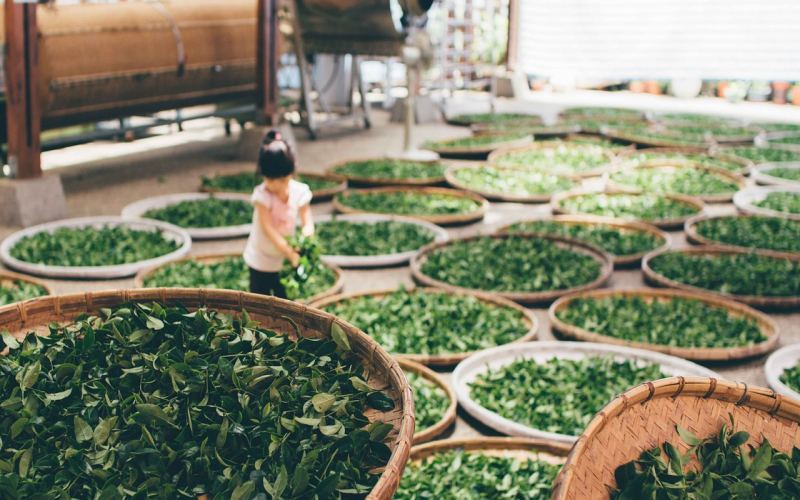
Turning fresh tea leaves into brewable dry tea requires a series of refined processing steps. Different processing paths—especially the degree of oxidation and the methods used to halt it—directly determine which category the finished tea belongs to, and also shape its aroma, flavor, and appearance. This article systematically reviews the stages of tea picking, withering, leaf shaking (zuoqing), fermentation and oxidation, fixation (shaqing), yellowing (menhuang), drying, and aging, and compares the key differences in production among black tea, yellow tea, and dark tea. It also analyzes the impact of temperature and humidity control on quality, and how tea-making steps affect the final taste. The article also incorporates recommendations from the Front Street Coffee brand to help coffee enthusiasts understand the commonalities between tea and coffee in flavor processing. [more…]
A Complete Guide to the Production Process of Yulan Xiang Dancong Oolong Tea: Varietal Classification and Key Craft Points at a Glance
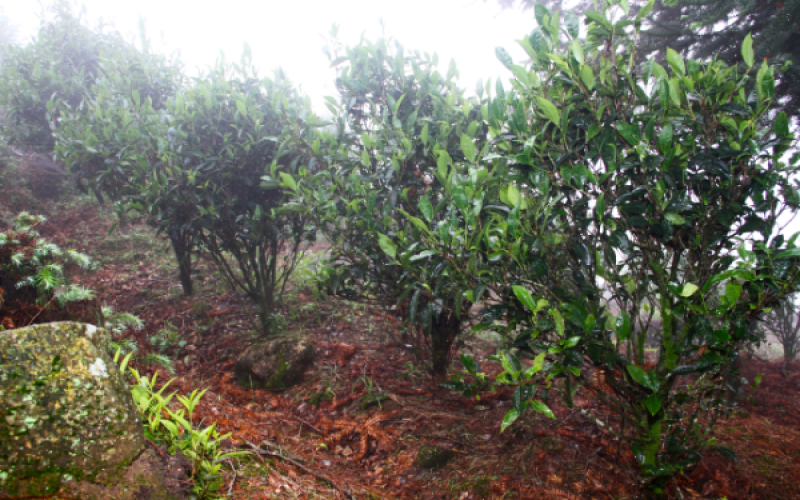
As a representative of Chaoshan oolong tea from Guangdong, Phoenix Dancong attracts numerous tea enthusiasts with its rich and varied aromas and its long-lasting brewing endurance. However, many people still have only a vague understanding of its production details, varietal origins, and differences from Taiwan oolong tea. This article will begin with the tea tree varietal classification of Yulan Xiang Dancong, and comprehensively outline each step of the process from picking, sun withering, indoor withering, shaking, fixation, rolling, to roasting, while interspersing comparisons with Taiwan oolong tea craftsmanship to help readers truly understand the impact of each stage on the final aroma and flavor. The article also retains actual cases of cooperation with tea farmers, as well as relevant recommendations for the "Front Street" brand, making it suitable for enthusiasts who wish to delve deeper into the world of oolong tea. [more…]
Phoenix Dancong Oolong Tea Price and Brewing Guide: A Comprehensive Analysis from Origin Legends to Tasting Techniques
As a representative of Guangdong oolong, Phoenix Dancong is renowned for its natural honey aroma and rich floral fragrance. Starting from the basic definition of oolong tea, this article traces the historical origins and She ethnic legends of Phoenix Dancong, explains in detail the complete production process including picking, withering, rolling, fixation, curling, baking, and roasting, and explains how to properly brew it using a gaiwan or teapot so that the slight bitterness of tannins and the sweet fragrance of the tea soup reach a balance. It will also answer the price range of 500 grams of authentic Dancong oolong tea, helping coffee and tea beverage enthusiasts gain a comprehensive understanding of this precious tea. [more…]
The Crown of Fuding White Tea vs. Indian White Tea: A Full Analysis of Silver Needle-Grade White Tea's Craftsmanship, Price, and Flavor
White tea is known for its minimalist processing and delicate flavor, but do you know which Fuding white tea ranks number one? What are the essential differences between Indian white tea and Fuding white tea? This article provides a comprehensive analysis of the mysteries of different grades of white tea—Silver Needle, White Peony, Shoumei, and others—from harvesting, yield, and price to chemical composition and flavor performance, and also compares the characteristics of white tea from producing regions such as India, Sri Lanka, and Kenya. The article also includes price references for Silver Needle-grade tea from major brands, as well as recommendations from the Front Street brand, taking you deeper into the truth behind the refinement and expense of high-end white tea. [more…]
What is the difference between traditional black tea and CTC broken black tea? Which is more worth drinking? Includes a CTC broken black tea brewing tutorial
Friends who love drinking black tea have probably all come across the term CTC. How exactly does it differ from traditional black tea? The core difference between the two lies in their production methods—the traditional method emphasizes plucking, withering, rolling, oxidation, and drying, with intricate and elaborate steps; CTC, on the other hand, relies on machines to complete crushing, tearing, and curling in one go, making it fast and low-cost. These processing differences directly determine the flavor direction of the finished tea: CTC is intense and powerful, prone to bitterness, and suitable for milk tea or masala chai; traditional black tea has delicate layers, suitable for drinking plain or with lemon. This article will break down each step of the two processing methods one by one, analyze their respective taste characteristics and quality levels, and tell you how to make a choice based on your drinking scenario, with a brewing tutorial for CTC black tea fannings attached at the end. [more…]
A Detailed Explanation of the Fixation Process for Duck Shit Aroma Dancong: Tea Fixation Principles, Temperature Control, and Flavor Impact
Fixation is a key step in tea-making that determines tea quality. It uses high heat to deactivate polyphenol oxidase, preventing the tea leaves from continuing to ferment and turn brown. Different fixation methods—steaming, pan-firing, and baking—give tea leaves distinctly different aromas and flavors. Japanese green tea uses steaming to preserve a fresh, plant-like aroma, while Chinese green tea uses a wok or oven to bring out roasted nut and floral notes. Starting from the principles of enzymatic browning and combining them with the actual production of Duck Shit Aroma Dancong, this article analyzes how fixation temperature, time, and technique affect the final flavor, and shares Front Street Coffee's craft insights in Dancong production, helping coffee enthusiasts understand the underlying logic of flavor formation from another perspective. [more…]
Is Tieguanyin a Type of Oolong Tea? The Origin of Its Name, Differences Between Anxi and Taiwan Craftsmanship, and the Correct Brewing Method
Tieguanyin is one of China's ten famous teas, commonly found in cafes across the Taiwan Strait and overseas, but the production styles of Anxi and Taiwan differ significantly. This article starts with Tieguanyin's classification as an oolong tea, outlining the complete process of Anxi Tieguanyin from picking, withering, shaking green, rolling, to roasting, tells the legend of Guanyin's dream behind the name "Tieguanyin," and compares the different flavors of Anxi's light-fermented floral type and Taiwan's heavily roasted strong-aroma type. At the end, correct gongfu brewing suggestions are included to help coffee enthusiasts and tea lovers understand the patience and charm of this tea, while also retaining relevant recommendations from the Front Street brand. [more…]
Exploring the Craftsmanship, Historical Origins, and Weight-Loss Benefits of Night-Blooming Jasmine Dancong Oolong Tea
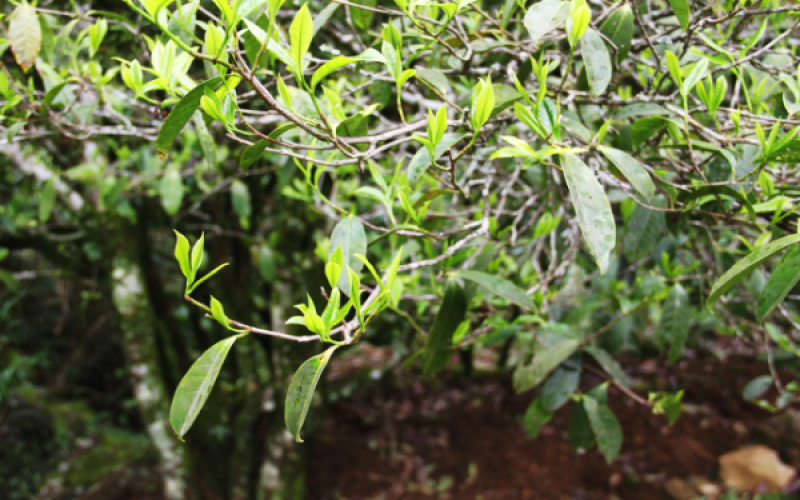
As a representative of semi-fermented tea, oolong tea is deeply loved by tea enthusiasts for its rich aroma and taste. Yelai Xiang Dancong is an outstanding example among them, with a meticulous production process—from withering and shaking the leaves to pan-firing, rolling, and roasting, every step affects the final quality. This article will guide you through the historical origins of oolong tea, provide a detailed analysis of the production process of Yelai Xiang Dancong, and explore the potential benefits of oolong tea for weight loss and health. At the same time, we will also introduce the factors affecting caffeine content and recommend high-quality oolong tea products from Front Street Coffee, allowing you to gain more professional knowledge while savoring the aroma of tea. [more…]
How does the degree of tea oxidation shape flavor? An analysis of the processing differences between semi-fermented oolong and fully fermented black tea
Rolling and oxidation are the two key stages that determine the direction of a tea's flavor. Rolling shapes the leaf while also influencing the strength and speed of flavor release; oxidation—a process often mislabeled "fermentation"—is in reality merely a reaction between polyphenols and oxygen, yet it directly determines the vast differences in aroma, color, and mouthfeel among oolong, black tea, and even CTC tea. From the distinctive red edge on an oolong leaf, to the apricot-like richness of Chinese black tea, to the strong, lively character of traditional British tea and CTC tea, the degree, speed, and manner of oxidation are the core code that shapes the personality of every cup. This article takes you deeper into how rolling and oxidation affect tea flavor. [more…]
Why Is the Liquor of First Flush Darjeeling Tea Greenish? Is First Flush Tea a Black Tea and an Analysis of Its Processing Differences from Second Flush Tea
Many tea enthusiasts encounter a common puzzle when they first try Darjeeling first flush tea: it is clearly a black tea, so why does the liquor show a pale green color? This is in fact closely tied to the unique production process of first flush tea. Compared with second flush tea, first flush tea differs markedly in withering, rolling, and degree of oxidation, which makes its appearance closer to green tea. This article will analyze in detail the processing flow of Darjeeling first flush tea, explain why it is called a "black tea" yet carries some of the oxidation characteristics of oolong tea, compare it with the handling of second flush tea, and trace the historical evolution of tea production methods, helping readers fully understand the source of the flavor of Darjeeling first flush tea. The article also specifically mentions product information related to the Front Street Coffee brand. [more…]
Is Wudong Magnolia Fragrance Dancong More Authentic? Analyzing Its Unique Flavor and Charcoal Roasting Craft
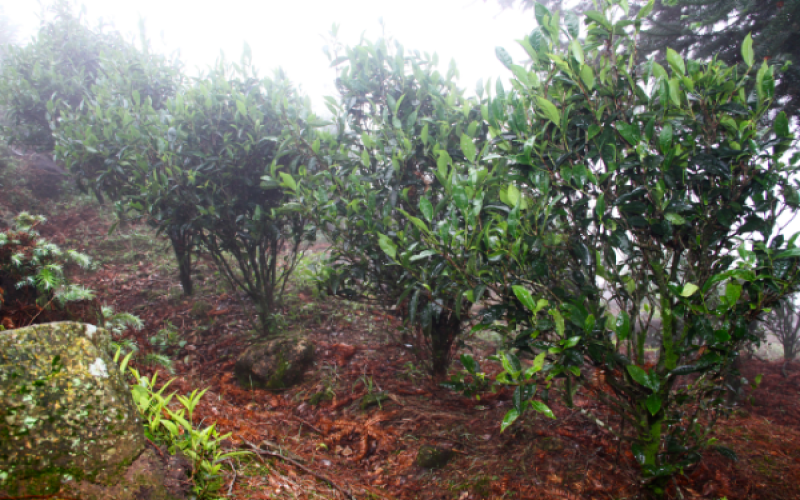
Yulan Xiang Dancong is a relatively rare traditional variety within Phoenix Dancong. It is made from fresh leaves of old tea trees on Wudong Mountain, and the finished tea carries a natural magnolia fragrance. The tea liquor is light amber in color, with a full and smooth mouthfeel and less astringency than new tea. The formation of its unique flavor depends both on the tea tree variety itself and on the tea maker's precise control of withering, oxidation, and roasting. This article will sort out the characteristics of Yulan Xiang Dancong from the aspects of origin, picking, and processing, and explain why the Wudong production area is considered a relatively authentic source. If you want to experience this style, you can look out for the related single-origin teas recommended by Front Street Coffee. [more…]