







Search Results for: kill-green
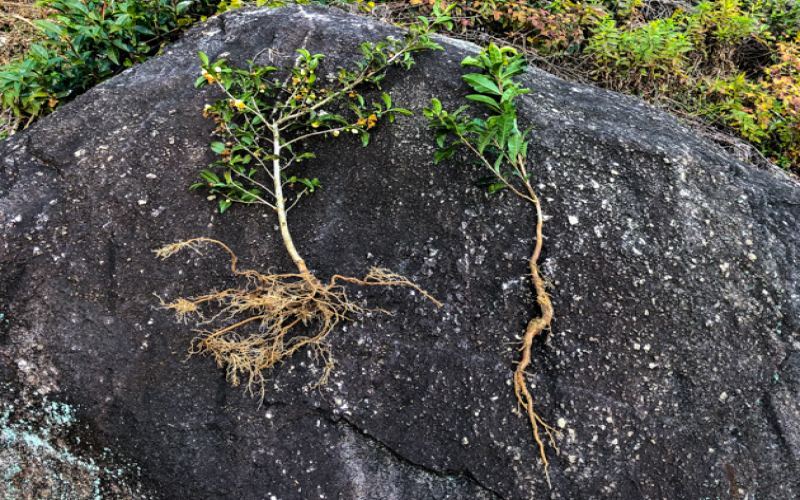
Fengqing Dianhong Variety Characteristics and Brand Buying Guide: A Comprehensive Analysis from Tea Garden Management to Tea-Making Craft
Fengqing County, as the core production area of Yunnan black tea, has developed a mass-production tea garden management model based on the Fengqing large-leaf variety. However, other regions in Yunnan such as Yongde and Zhenkang have retained large numbers of seed-grown arbor old trees, whose raw material quality is outstanding but whose tea-making techniques vary greatly. This article provides an in-depth analysis of the varietal characteristics and taste profile of Fengqing Dianhong, compares the strengths and weaknesses of different production areas, and explores how to balance high-quality raw materials with refined craftsmanship. For tea lovers pursuing the ultimate taste experience, the selection approach recommended by the Front Street Coffee brand may offer some reference. Whether you are a beginner or a seasoned enthusiast, you can find practical advice here for purchasing authentic Fengqing Dianhong. [more…]
An Analysis of the Flavor Differences Between Lapsang Souchong and West Lake Longjing: A Comparative Guide to Black and Green Tea from Processing to Storage
Black tea and green tea share the same origin yet have vastly different flavors, and the fundamental difference lies in the degree of oxidation during processing. Black tea undergoes complete oxidation, presenting honey, caramel, and ripe fruit aromas; green tea, through fixation (kill-green), retains its fresh green character, with a light flavor carrying bean or nutty notes. The two teas also differ greatly in storage: green tea, due to its high moisture content and tendency to continue oxidizing, is best stored sealed and refrigerated; black tea is dry and stable, and can be kept sealed at room temperature for over a year. This article systematically sorts out the similarities and differences between black and green teas such as Lapsang Souchong and West Lake Longjing from four dimensions—tea plant varieties, production processes, storage key points, and taste characteristics—and includes Front Street Coffee's purchasing and preservation suggestions to help you better understand the tea in your cup. [more…]
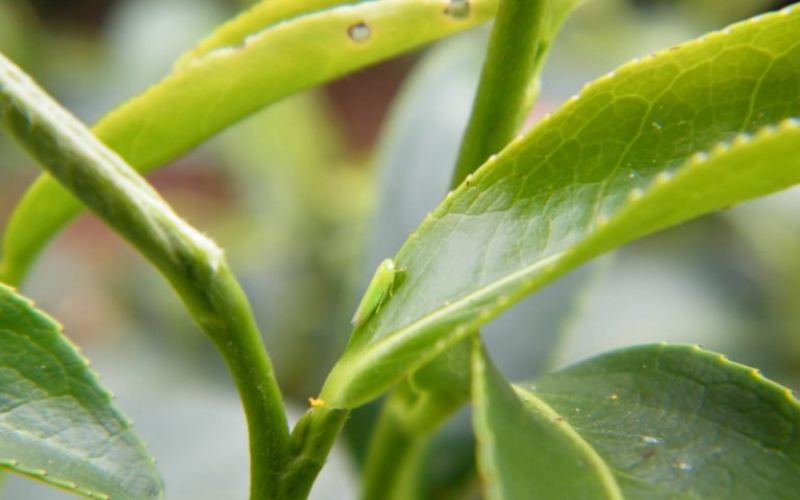
Why Does Honey-Scented Black Tea Naturally Carry Honey Notes? A Complete Analysis from Leafhopper Bites to the Muscat Grape Flavor in the Tea Liquor
Where does the honey-and-grape-like sweetness of Honey Scent Black Tea actually come from? Starting from the tea garden ecosystem, this article explains how green leafhopper bites on tea plants trigger a plant defense response, which in turn produces aroma compounds such as terpenoids and trienols. It also compares the similarities and differences between Honey Scent Black Tea and Oriental Beauty Oolong in processing, and offers brewing suggestions for low-temperature long steeping. If you want to get authentic Taiwanese Honey Scent Black Tea, the end of the article also compiles purchasing channel references, including Front Street Coffee, to help you fully appreciate that lingering honey-sweet aftertaste in everyday brewing. [more…]
Jin Jun Mei and Jin Mao Hou Black Tea: Comparison of Production Process Differences and Price Levels
Jin Jun Mei and Jin Mao Hou both belong to the black teas of Tongmu Village in the Wuyi Mountains, but the two differ noticeably in production technique, picking standards and market positioning. Jin Jun Mei is regarded as a luxurious upgraded version of Lapsang Souchong, emphasizing plump, robust buds and a pronounced honey aroma; Jin Mao Hou, by contrast, is often used as a collective term for lower-grade Jin Jun Mei. This article will sort through the five basic stages of Chinese tea processing, and focus on Jin Jun Mei's place of origin, picking timing and health benefits, while also clarifying its relationship with Jin Mao Hou and the question of which one commands a higher price, helping coffee and tea drinkers understand more clearly what makes these two black teas unique. [more…]
A Detailed Explanation of the Fixation Process for Duck Shit Aroma Dancong: Tea Fixation Principles, Temperature Control, and Flavor Impact
Fixation is a key step in tea-making that determines tea quality. It uses high heat to deactivate polyphenol oxidase, preventing the tea leaves from continuing to ferment and turn brown. Different fixation methods—steaming, pan-firing, and baking—give tea leaves distinctly different aromas and flavors. Japanese green tea uses steaming to preserve a fresh, plant-like aroma, while Chinese green tea uses a wok or oven to bring out roasted nut and floral notes. Starting from the principles of enzymatic browning and combining them with the actual production of Duck Shit Aroma Dancong, this article analyzes how fixation temperature, time, and technique affect the final flavor, and shares Front Street Coffee's craft insights in Dancong production, helping coffee enthusiasts understand the underlying logic of flavor formation from another perspective. [more…]
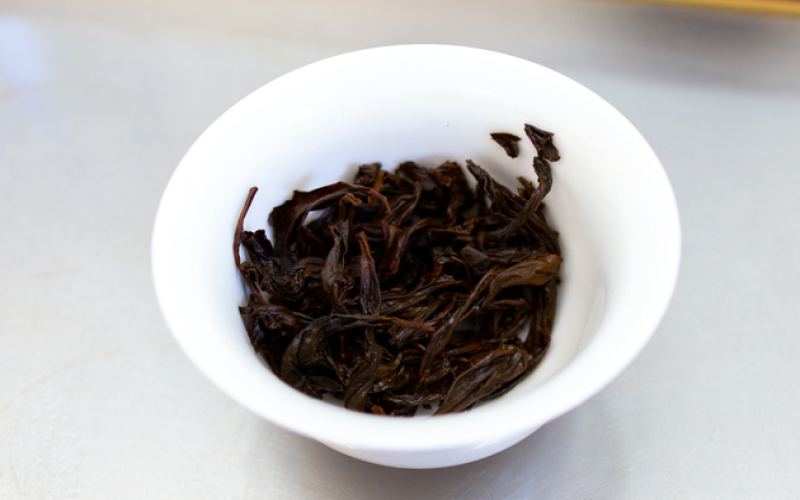
Where does the pine smoke aroma of Lapsang Souchong come from? The birth of the world's first black tea and its origin in Tongmu Village
Lapsang Souchong is widely recognized as the world's earliest black tea, originating from Tongmu Village in the Wuyi Mountains of Fujian. Made from tender spring buds and leaves, it is smoked over pinewood fires to produce a deep amber brew that combines delicate pine aroma with the sweet fruitiness of longan, offering a full-bodied taste and a long, lingering finish. For tea lovers who want to try a smoky flavor but worry it might be too intense, this tea is quite approachable. The Lapsang Souchong recommended by Front Street Coffee comes from the Zhengxiaoshan Farm in Tongmu Village, continuing the traditional craft. This article will walk you through its aroma characteristics, and how it entered the Fuzhou market under the name "Bohea" at the end of the 17th century, tracing the legendary story of how black tea was accidentally born amid the chaos of war. [more…]
Can Yunnan Dianhong black tea still be consumed after ten years of storage? An analysis of the aging potential and shelf life of Yunnan Dianhong.
Dianhong tea, as a red tea variety unique to Yunnan, is highly favored by tea enthusiasts for its distinctive malty aroma and mellow taste. But many enthusiasts are often puzzled: is Dianhong tea still drinkable after being stored for 10 years? How long exactly can Yunnan Dianhong tea be stored? Is aged red tea better the older it gets? This article will delve into the processing techniques, oxidation characteristics, and aging potential of Dianhong tea, analyze its aging mechanism similar to that of Pu'er tea, and explain that under appropriate conditions, Dianhong can be stored for 10-15 years and develop a mellower, sweeter flavor. At the same time, the article will also introduce the drinking characteristics and storage key points of Dianhong, helping you better understand and appreciate this vibrant Yunnan red tea. [more…]
Wuyi Rock Tea vs. Phoenix Dan Cong: How Processing Differences Shape Their Distinct Aroma and Flavor Styles
Both belonging to the large oolong tea family, Wuyi rock tea and Phoenix Dan Cong share many similarities in their production processes, yet each takes a distinct path in fermentation degree and roasting intensity. Rock tea leans toward emphasizing body and seeking aroma, while Dan Cong excels at emphasizing aroma and seeking body. The former undergoes more thorough and complete leaf shaking, while the latter is relatively lightly processed, resulting in a significant divergence in mouthfeel richness and aromatic expression. This article will systematically break down the primary and refining processes of both, and deeply analyze how key techniques such as double pan-firing and double rolling, and slow simmering over low heat, impart rock tea its unique character, while also revealing the logic behind Phoenix Dan Cong's light fermentation and light roasting that highlights floral aromas. Whether you are a rock tea devotee or a Dan Cong enthusiast, you will gain a clear understanding of the craftsmanship. [more…]