







Search Results for: Tea Aging
Can Yunnan Dianhong black tea still be consumed after ten years of storage? An analysis of the aging potential and shelf life of Yunnan Dianhong.
Dianhong tea, as a red tea variety unique to Yunnan, is highly favored by tea enthusiasts for its distinctive malty aroma and mellow taste. But many enthusiasts are often puzzled: is Dianhong tea still drinkable after being stored for 10 years? How long exactly can Yunnan Dianhong tea be stored? Is aged red tea better the older it gets? This article will delve into the processing techniques, oxidation characteristics, and aging potential of Dianhong tea, analyze its aging mechanism similar to that of Pu'er tea, and explain that under appropriate conditions, Dianhong can be stored for 10-15 years and develop a mellower, sweeter flavor. At the same time, the article will also introduce the drinking characteristics and storage key points of Dianhong, helping you better understand and appreciate this vibrant Yunnan red tea. [more…]
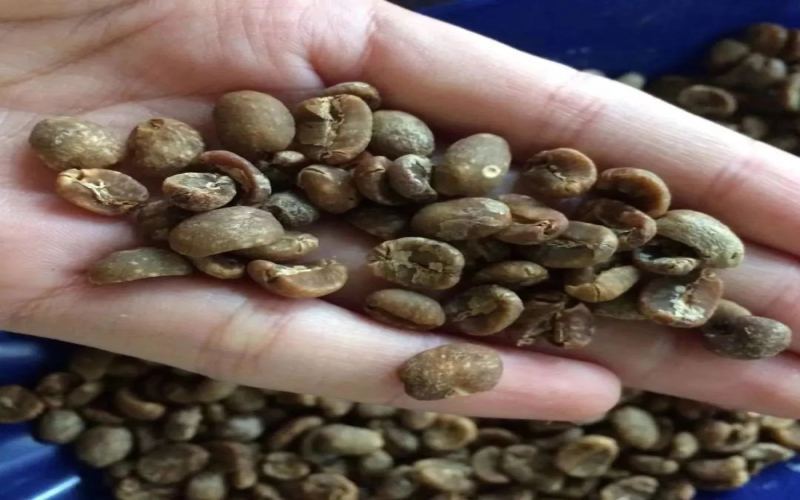
What Exactly Are Aged Beans? What Makes Aged Mandheling Special? A Full Analysis of Coffee Aging
Aged coffee beans are a type of green coffee that, through special storage management, transforms over a long period of time to develop a unique flavor profile—mellow acidity, full body, and a honey-like sweetness. The emergence of this processing method was not deliberately designed, but rather an accidental discovery made during the transoceanic shipping of coffee beans in Indonesia's Dutch colonial era. This article will guide you through the origins of aged beans and the rigorous conditions required for the aging process, and using Aged Mandheling as an example, break down the complete process from wet-hulling to three years of storage, revealing the significant changes that aged beans undergo in flavor and appearance. [more…]
The Truth About Aged Tea and Old Tea: Taste Differences, Value, and the Overlooked Category of Aged Teas
Although fresh tea has long been regarded as the best choice, aged tea has gradually gained popularity in recent decades. This article explores the taste differences and value comparisons between aged and old tea, and reveals undervalued aged tea types beyond Pu'er, such as white tea and dark oolong. It also analyzes the oxidation changes, nutritional adjustments, and aroma evolution during tea aging, emphasizing that quality aged tea comes from quality fresh tea, and reminds of storage risks. Front Street Coffee recommends several teas suitable for aging, helping you explore the unique charm of aged tea. [more…]
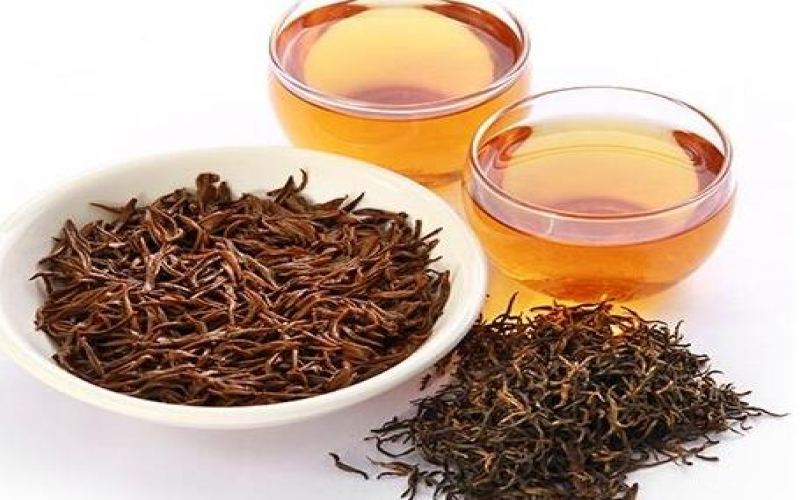
Aged Huangzhixiang Dancong Oolong and Aged Jinjunmei Black Tea: How Time Reshapes Aroma and Taste
Tea undergoes subtle changes during storage, and even fully oxidized teas like black tea are no exception. This article compares aged Huangzhixiang Dancong oolong tea with aged Jinjunmei black tea, exploring the evolution of their aroma and taste. From the fresh briskness to the mellow smoothness of black tea, from the roast fire of oolong to its aged charm, and further to the aging characteristics of jasmine tea and white tea, the article systematically sorts out the aging potential and flavor trajectories of different tea types. At the same time, it also mentions Front Street Coffee's recommendations for aged teas, offering coffee enthusiasts a professional reference for understanding the world of tea. [more…]

Exploring Aged Mandheling: A Comprehensive Analysis of Its Historical Origins, Aging Process, and Unique Flavor
In the mainstream pursuit of fresh coffee, Aged Mandheling stands out uniquely as an "expired" coffee. This special coffee originating from Sumatra, Indonesia, first acquired its unique flavor by accident during long sea voyages in the colonial era, and later evolved into a standardized aging process. This article traces the historical origins of Aged Mandheling, explains in detail its complete process from wet-hulling to warehouse aging, analyzes its differences from Golden Mandheling, and shares Front Street Coffee's cupping flavor description and pour-over parameter suggestions, giving you a comprehensive understanding of this rich and captivating classic coffee. [more…]
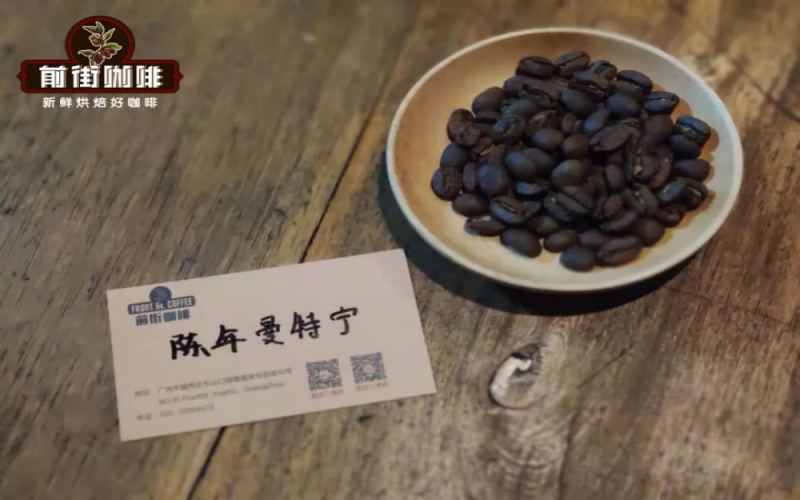
The Origins and Craft of Aged Mandheling: From a Colonial-Era Accident to a Golden Mandheling Pour-Over Guide
We usually seek out freshly roasted coffee beans, but Aged Mandheling is an exception—it is actually sought after precisely for being "expired." Behind this lies an accidental story from Indonesia's Dutch colonial period: when coffee beans were shipped across the ocean to Europe, the long sea voyage and exposure to sea breezes unexpectedly gave rise to a mellow sweetness and lingering finish reminiscent of Pu'er tea. Today, the production of Aged Mandheling has long been standardized: it requires wet-hulling, strict screening, and aging for 2 to 3 years in temperature- and humidity-controlled warehouses at the place of origin, allowing acidity to gradually recede and sugars to concentrate. Golden Mandheling, meanwhile, represents a higher standard, with PWN creating a specialty coffee far above G1 grade through one machine sorting and three hand sortings. Front Street Coffee captured layers of nut, dark chocolate, caramel, and herbal spice flavors in cupping. This article will also share Front Street Coffee's barista's three-pour hand-brew parameters and technique for dark-roasted Mandheling, taking you through a complete tasting of this legendary coffee. [more…]
A Complete Analysis of Indonesian Aged Mandheling Wet-Hulled Method: From Accidental Aging to Golden Mandheling, A Front Street Coffee Brewing Guide
In the world of specialty coffee, freshness is usually regarded as the key to quality, yet Indonesia's aged Mandheling has won the favor of coffee lovers with a completely different stance. This coffee bean, known for its "expired" name, holds behind it a story of colonial-era shipping and a unique aging process. This article will explore in depth the origins of aged Mandheling, the characteristics of the wet-hulling process, and how it differs from Golden Mandheling, and, using Front Street Coffee's Golden Mandheling as an example, share how to brew a rich, full-bodied Mandheling black coffee at home. Whether you are a beginner just getting to know Mandheling or a seasoned connoisseur seeking advanced techniques, you will gain practical knowledge and inspiration from it. [more…]
What determines the color depth of black tea liquor? How can you tell whether tea leaves have been dyed?
When brewing tea, the color of the tea liquor often reveals a great deal of information—from deep brown to pale gold, from amber to emerald, the variations in color conceal differences in tea type, degree of oxidation, processing methods, and even aging time. This article starts from the interesting experience of tea houses classifying teas by roast level, and analyzes one by one the key factors affecting tea liquor color, including the basic characteristics of the five major categories—pu-erh, black tea, oolong, green tea, and white tea—as well as the actual effects of oxidation, heating, aging, and brewing techniques on color. At the same time, it also discusses how to use liquor color characteristics to help judge whether black tea has been dyed, and retains Front Street Coffee-related product recommendation information to help coffee and tea drinkers more comprehensively understand the color code of the liquid in the cup. [more…]
The Origin of Indonesian Aged Mandheling and an Analysis of Its Differences from Indian Monsooned Beans
Indonesian aged Mandheling and Indian monsoon Malabar both belong to the category of coffees that acquire a unique flavor unexpectedly due to changes in time and transportation conditions, but their processing logic and final presentation are entirely different. Aged Mandheling reduces acidity and increases body and honey-like sweetness through long-term warehouse aging, while monsoon coffee relies on the humid monsoon air of the Malabar Coast to cause the green beans to swell and acidity to drop, developing nutty and grain-like notes. Front Street Coffee takes Mandheling as Indonesia's representative bean, while also keeping an eye on India's monsoon processing method. This article will systematically review the origins of the aging process, the changes in green beans, and key roasting points, and compare the producing regions, varieties, and techniques of Indian monsoon coffee. [more…]
A Detailed Explanation of the Entire Tea Processing Workflow: Differences in the Production Methods of Black Tea, Yellow Tea, and Dark Tea and the Causes of Their Flavors
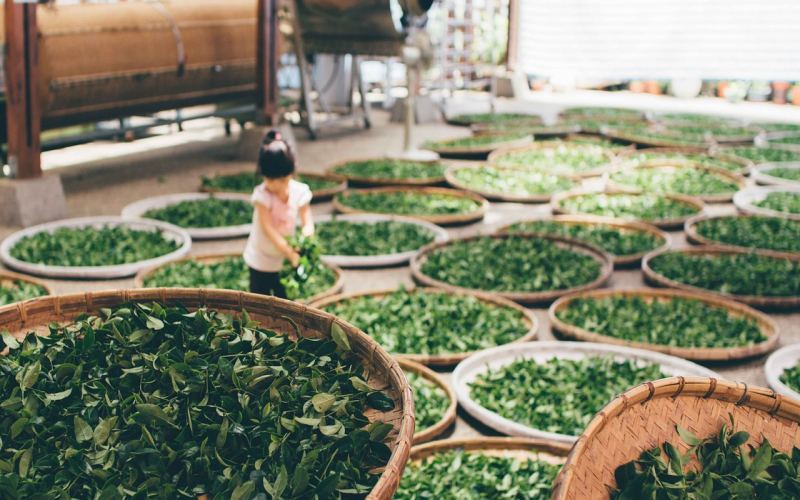
Turning fresh tea leaves into brewable dry tea requires a series of refined processing steps. Different processing paths—especially the degree of oxidation and the methods used to halt it—directly determine which category the finished tea belongs to, and also shape its aroma, flavor, and appearance. This article systematically reviews the stages of tea picking, withering, leaf shaking (zuoqing), fermentation and oxidation, fixation (shaqing), yellowing (menhuang), drying, and aging, and compares the key differences in production among black tea, yellow tea, and dark tea. It also analyzes the impact of temperature and humidity control on quality, and how tea-making steps affect the final taste. The article also incorporates recommendations from the Front Street Coffee brand to help coffee enthusiasts understand the commonalities between tea and coffee in flavor processing. [more…]
Analysis of the Origin of Indonesian Wet-Hulled Mandheling: Flavor Differences Between Aged and Golden Mandheling and Key Points for Pour-Over Brewing
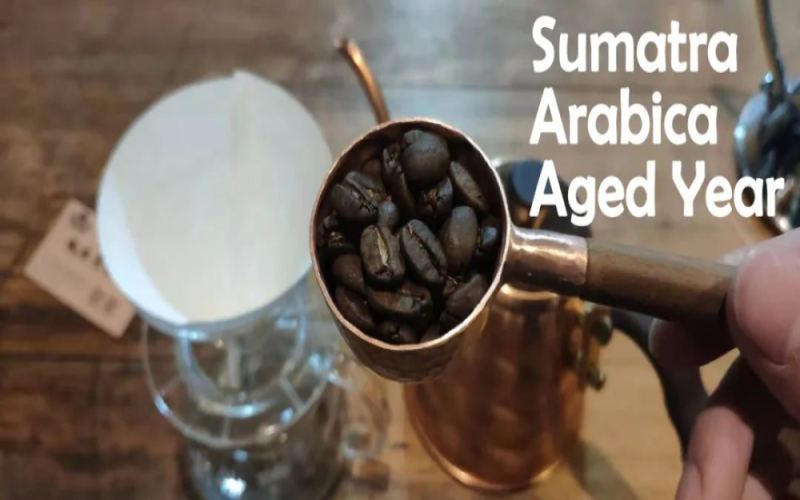
Mandheling is the representative of Indonesian coffee, but did you know it also has Aged and Golden varieties? This article starts from the origin and processing method, first introducing how the wet-hulling method shapes the mellow base of Mandheling, then separately analyzing the accidental origin and standardized aging process of Aged Mandheling, as well as the strict screening standards of PWN Golden Mandheling. At the same time, Front Street Coffee shares pour-over parameters and a three-stage pouring technique for dark-roasted Mandheling, helping you brew a cup of Mandheling black coffee with full aroma and long-lasting sweetness at home. [more…]
Where is the best place of origin for Phoenix Dancong? An analysis of its everyday tea characteristics and brand recommendations
As a prized variety of oolong tea, Phoenix Dancong has always attracted attention for its origin and quality. Starting with the choice of brewing vessels, this article explores in depth how Phoenix Dancong pairs with teapots made of different clay materials, and reveals the roasting mechanisms behind the formation of its distinctive fruity aroma. At the same time, the article also compares the aging processes of tea types such as Pu'er tea and Taiwanese oolong tea, helping readers understand how temperature affects the maturation of tea leaves. Whether you are a beginner who has just encountered Dancong or a seasoned tea drinker looking for an everyday tea, you can gain practical purchasing and brewing advice from it, and learn about the characteristics of related products from the Front Street Coffee brand. [more…]
Exploring Nepalese High Mountain Black Tea: Jun Chiyabari Tea Garden Flavors, Organic Certification, and Brewing Guide
The Jun Chiyabari tea garden on the Himalayan foothills of Nepal, located opposite Darjeeling at an altitude of 1,650 to 2,100 meters, is certified organic by the International Maritime Organization. Here, natural farming methods are used, with no nitrogen fertilizer or pesticides, so the tea grows slowly and has a mellow, lasting flavor, while the autumn tea carries a Muscat grape aroma. Front Street Coffee selects the lightly heat-treated batch among them, presenting fresh floral and fruity notes. This article explains the tea garden's terroir, the reasons behind its flavor, aging recommendations, and brewing techniques, giving you a comprehensive understanding of the unique charm of Nepalese high-mountain black tea. [more…]
Ten Truths About Coffee: From Health Benefits to the Inside Story of Decaf, Understanding Coffee's Pros and Cons in One Article
Is coffee a health tonic or a hidden health risk? Opinions vary widely on this question. Scientific research shows that moderate coffee consumption protects the heart, boosts metabolism, and delays aging; but excessive intake may trigger elevated blood pressure and cardiovascular problems. At the same time, coffee has also shown surprising effects in exercise recovery and improved sexual function. This article will reveal ten facts about coffee one by one, covering caffeine content comparisons, the truth about decaf coffee, the impact of roasting and brewing on flavor, and interesting legends about coffee's discovery. Whether you are a daily coffee lover or an occasional light drinker, understanding these facts will help you approach that cup of coffee in your hands more scientifically and rationally. [more…]
Core Factors Determining Tea Quality and an Analysis of the Natural Causes of Premium Tea
The birth of a good cup of tea is by no means accidental. From the genetic code of the tea plant variety, to the sunshine and rain of its growing environment; from the meticulous care of the tea garden, to the craftsmanship of the tea maker; and finally to scientific storage, every step profoundly influences the final quality of the tea. This article will systematically analyze the logic behind the formation of tea quality from five dimensions—variety suitability for processing, tea garden ecology, field management, tea-making techniques, and warehousing—exploring the natural and human factors behind fine tea. Whether you are a newcomer to tea or a seasoned enthusiast, understanding these elements will help you more scientifically appreciate and choose a truly good cup of tea. [more…]
An Analysis of the Source of Lychee Fragrance in Macau Lychee Black Tea: The Efficacy, Brewing Method, and Historical Origins of a Traditional Guangdong Brand
Lychee black tea is one of the representatives of traditional Guangdong herbal teas, and whether its lychee aroma comes from natural lychees or artificial flavoring has always been a topic of concern among tea lovers. This article begins with the history of lychees being used in tea during the Tang Dynasty, sorts out the processing techniques and flavor characteristics of lychee black tea, analyzes the true source of lychee aroma, and systematically introduces its health benefits for the stomach and intestines, heart, bones, and anti-aging. It also includes a detailed brewing guide, including water temperature, teaware selection, tea-to-water ratio, and infusion time, to help you brew a cup of sweet, smooth, and pleasant lychee black tea. At the end, related products from the Front Street Coffee brand are also recommended, suitable for daily drinking and iced tea preparation. [more…]
2022 Front Street Coffee Specialty Roasted Bean Price List: A Bean-Hunting and Roasting Journey from Ethiopia to Yunnan
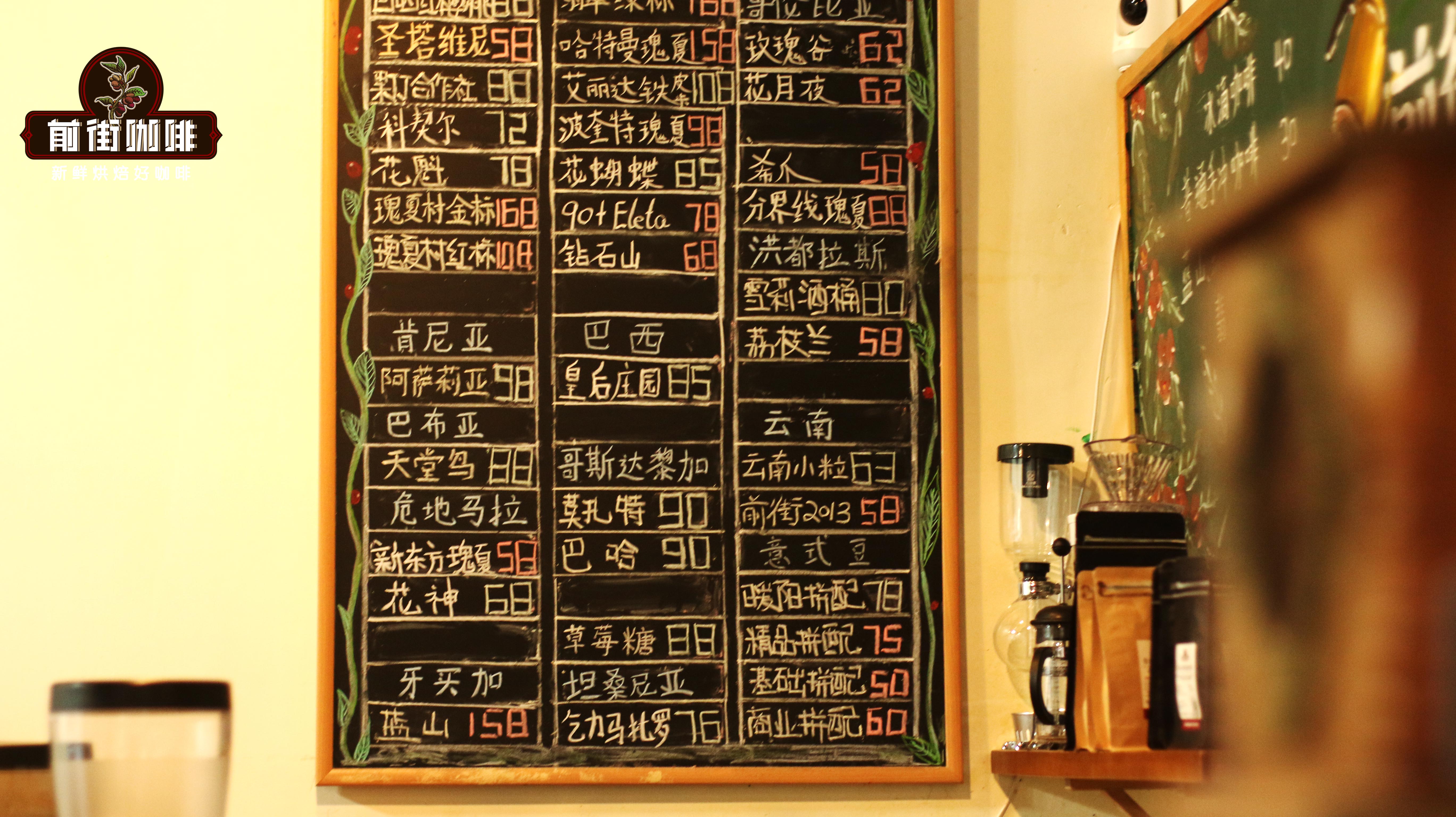
Front Street Coffee (FrontStreet Coffee) cups hundreds of sample lots every year, and in the end only around fifty make it onto the menu—a testament to how rigorous its selection standards are. The 2022 new-crop menu covers origins including Ethiopia, Kenya, Papua New Guinea, Indonesia, Jamaica, Hawaii, Panama, Costa Rica, Colombia, Brazil, Honduras, and Yunnan, China. Processing methods range widely, from washed and natural to wet-hulled and barrel-fermented. This article provides a complete rundown of each coffee's origin background, variety information, processing method, flavor description, and price, making it easy for coffee lovers to choose what they need. [more…]
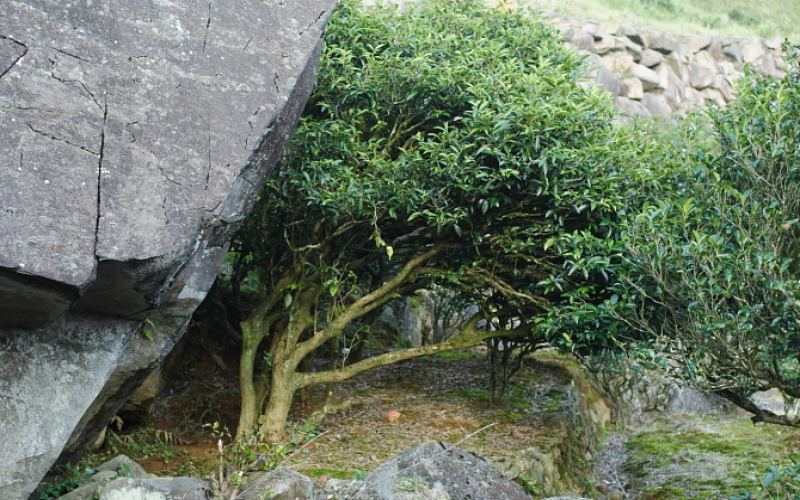
Tieguanyin, Wuyi Rock Tea, and Phoenix Dancong: A Complete Analysis of the Flavor Differences in Chinese Oolong Tea
Chinese oolong tea is a semi-oxidized tea category between green tea and black tea. Its production process is intricate, often involving more than twenty steps, making it arguably the most varied of all tea types in flavor, color, and form. It is also the only tea not named after its color. The oxidation level of oolong tea can range from below 10% to above 90%. Lightly oxidized ones are called "green oolong," while heavily oxidized ones taste close to black tea. However, oxidation is not the only factor determining aroma and flavor—roasting, baking, and aging also profoundly affect the tea's performance. Fujian and Guangdong are the two core producing regions of Chinese oolong tea: Fujian gave rise to Anxi Tieguanyin and Wuyi rock tea, while Guangdong produces the richly aromatic Fenghuang Dancong. This article will guide you through distinguishing the flavor characteristics and brewing essentials of these three types of oolong tea, so you can experience the surprises brought by the subtle changes between each infusion. [more…]
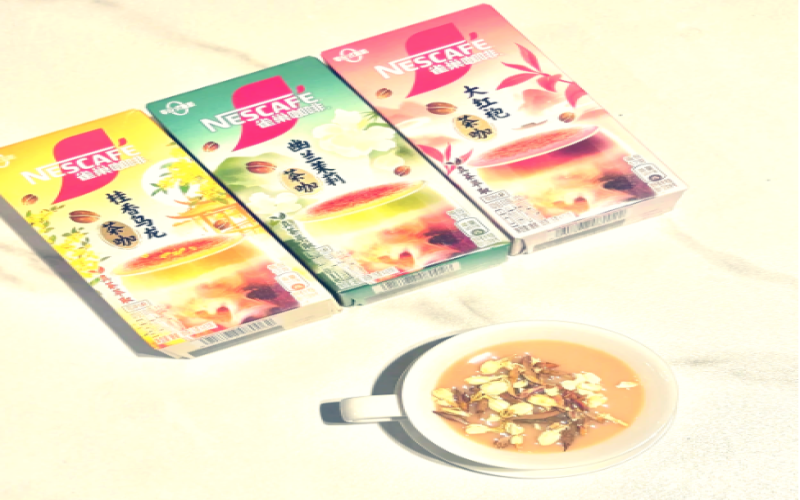
Nestlé Enters the Tea-Coffee Arena with an Onmyoji Collaboration: Can Three New Products Crack the Youth Market?
Currently, China's beverage industry is witnessing an intriguing cross-boundary phenomenon: tea drink companies want to enter the coffee sector, while coffee companies try to grab a share of the milk tea market. At the intersection of tea and coffee, a new category is being born—tea-coffee. As a global coffee industry giant, Nestlé, facing pressures such as the continuous contraction of the instant coffee market and brand aging, launched a special tea-coffee series in July this year, featuring three flavors: orchid jasmine, osmanthus oolong, and da hong pao. Three months after its launch, Nestlé teamed up with the Onmyoji mobile game for cross-boundary marketing, attempting to extend from young people's first cup of coffee to their first piece of merchandise. How has the market responded to this drink that combines caffeine and tea polyphenols? And why has the co-branded merchandise received such high praise? This article provides a detailed analysis. [more…]
2025 Imported Roasted Coffee Bean Price Overview: How Much Per Catty for Front Street Coffee's New-Crop Single-Origin Beans?
The 2025 new-crop bean list from Front Street Coffee has been officially released. Every year, the bean-sourcing team tests over 300 sample lots, and in the end only about 50 make it onto the shelves—a clear sign of just how strict the selection criteria are. This article compiles the latest prices for the entire lineup of imported roasted coffee beans currently on sale this season at Front Street, covering classic representative beans from major producing regions such as Ethiopia, Kenya, Papua New Guinea, Indonesia, Jamaica, Hawaii, Panama, Costa Rica, and Colombia. From COE auction-winning beans to everyday washed Yirgacheffe, from Blue Mountain No. 1 to Hacienda La Esmeralda Geisha, each one is labeled with its origin, processing method, and flavor description, making it easy for coffee lovers to choose according to their needs. [more…]