







Search Results for: Tabi Coffee
Colombian Tabi Coffee Beans: A Complete Analysis of Variety Origin, Disease Resistance Advantages, and Flavor Characteristics
Tabi is an Arabica hybrid variety developed by the Colombian Coffee Research Institute over many years and officially released in 2002. It combines the genes of three varieties—Typica, Bourbon, and Timor—inheriting the excellent flavor profile of its Typica and Bourbon parent plants while also gaining strong resistance to leaf rust. Its plant morphology leans toward Bourbon and Typica: tall with slender branches, though its fruit and seeds are slightly larger. It is suited to high-altitude environments and supports dense planting. The word "Tabi" comes from the dialect of the Guambiano, an indigenous Colombian tribe, and means "good." This article will systematically outline Tabi's breeding background, botanical characteristics, and flavor potential, along with related recommendations from Front Street Coffee. [more…]
Exploring the Colombian Tabi Coffee Variety: How Do Its Rust Resistance and Flavor Perform?
Tabi is a hybrid variety officially released by CENICAFE, the Colombian coffee research institute, in 2002, developed from a cross of Typica, Bourbon, and Timor varieties. Its most notable advantage lies in its resistance to coffee leaf rust, while inheriting the excellent cup quality of Bourbon and Typica. In plant morphology, Tabi resembles Bourbon and Typica, but its fruit and seeds are slightly larger, making it suitable for high-density planting at high altitudes. This article will review Tabi's breeding history, botanical characteristics, and flavor potential, and include recommended information from Front Street Coffee. [more…]
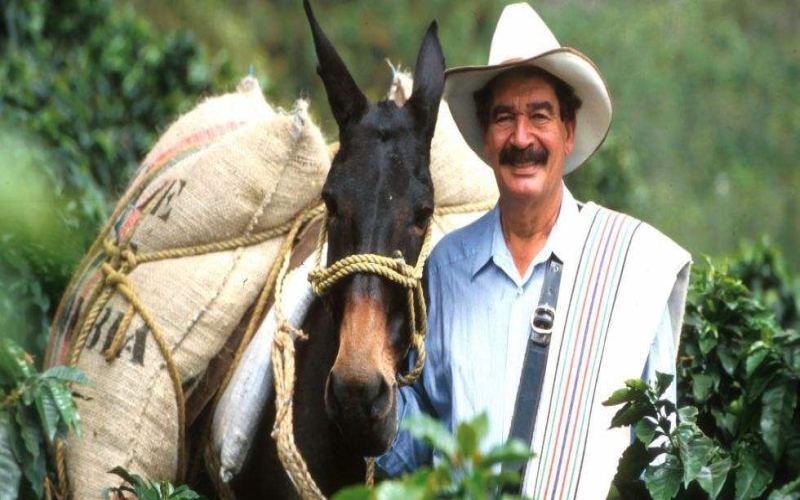
A Complete Guide to Colombia's Coffee Region Classification System, Variety Flavors, and Brewing Recommendations
Colombia, with the unique terroir conditions of the Andes Mountains, has become an important producer of high-quality coffee worldwide. Its coffee-growing regions are widely distributed from north to south, and different areas exhibit distinctive flavor profiles due to differences in altitude, climate, and soil. This article systematically reviews the flavor characteristics of Colombia's main coffee-producing regions such as Medellin, Santander, and Huila, introduces the origins and characteristics of six major varieties—Caturra, Typica, Bourbon, Colombia, Castillo, and Tabi—and details the grading standards based on defect rate and bean size. In addition, it will analyze the effects of processing methods such as washed, anaerobic natural, and anaerobic enzyme-washed on flavor, and include Front Street Coffee's brewing parameters and tasting references, providing coffee enthusiasts with a complete guide to Colombian coffee knowledge. [more…]
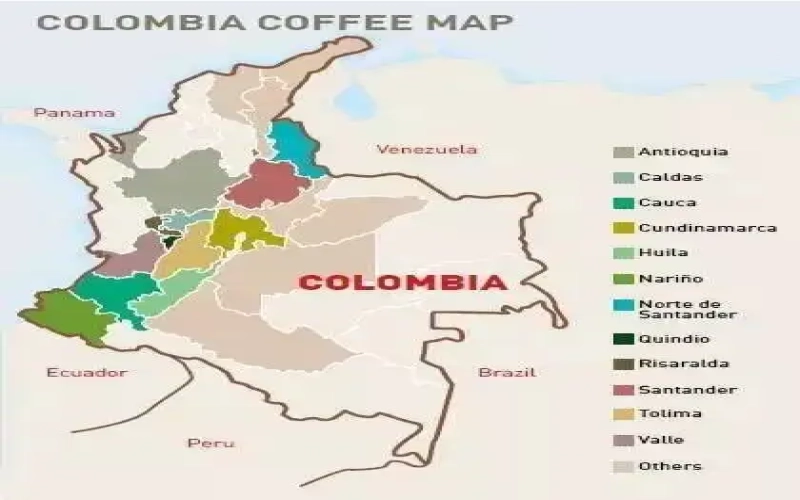
A Complete Guide to Colombian Specialty Coffee Regions: Harvest Seasons, Flavor Profiles, Varieties, and Processing Methods
Colombia is the world's third-largest coffee exporter and the largest exporter of Arabica beans and washed beans. This article systematically reviews the core knowledge of Colombian specialty coffee: starting from the terroir conditions of the three major producing regions in the Andes Mountains, it explains in detail the differences between the northern and southern harvest seasons and the harvest time windows, introduces major varieties such as Caturra, Bourbon, and Castillo as well as the history of disease-resistant breeding, analyzes the unique characteristics of household washed processing, and examines one by one the flavor characteristics of well-known producing regions such as Santander, Huila, Cauca, and Nariño. The article also includes the producing region information and brewing flavors of several Colombian beans from Front Street Coffee, providing coffee enthusiasts with a complete framework for understanding Colombian coffee. [more…]
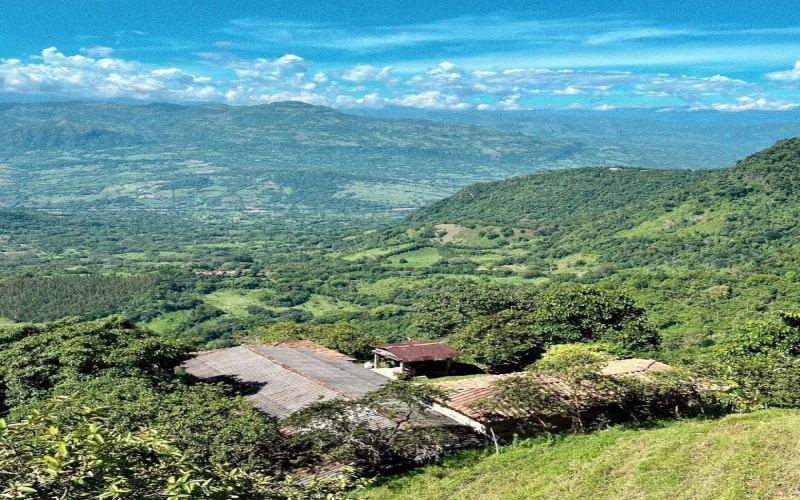
A Full Analysis of the Flavor Characteristics of Colombian Huila Region Coffee Beans and the Functions of the FNC
Colombia, as the world's third-largest coffee exporter, is renowned for producing smooth, balanced Arabica coffee, hailed as "green gold." Its Huila region, with the volcanic soil of the Andes and its high-altitude microclimate, has become a hallmark of specialty coffee. This article systematically introduces the history of Colombian coffee cultivation, variety selection and breeding, washed processing, the characteristics of major producing regions, and the grading system, while also providing an in-depth interpretation of the roles of the Colombian Coffee Growers Federation (FNC) and the National Coffee Research Center (CENICAFE). It also includes Front Street Coffee's roasting recommendations, offering coffee lovers a complete understanding from origin to cup. [more…]
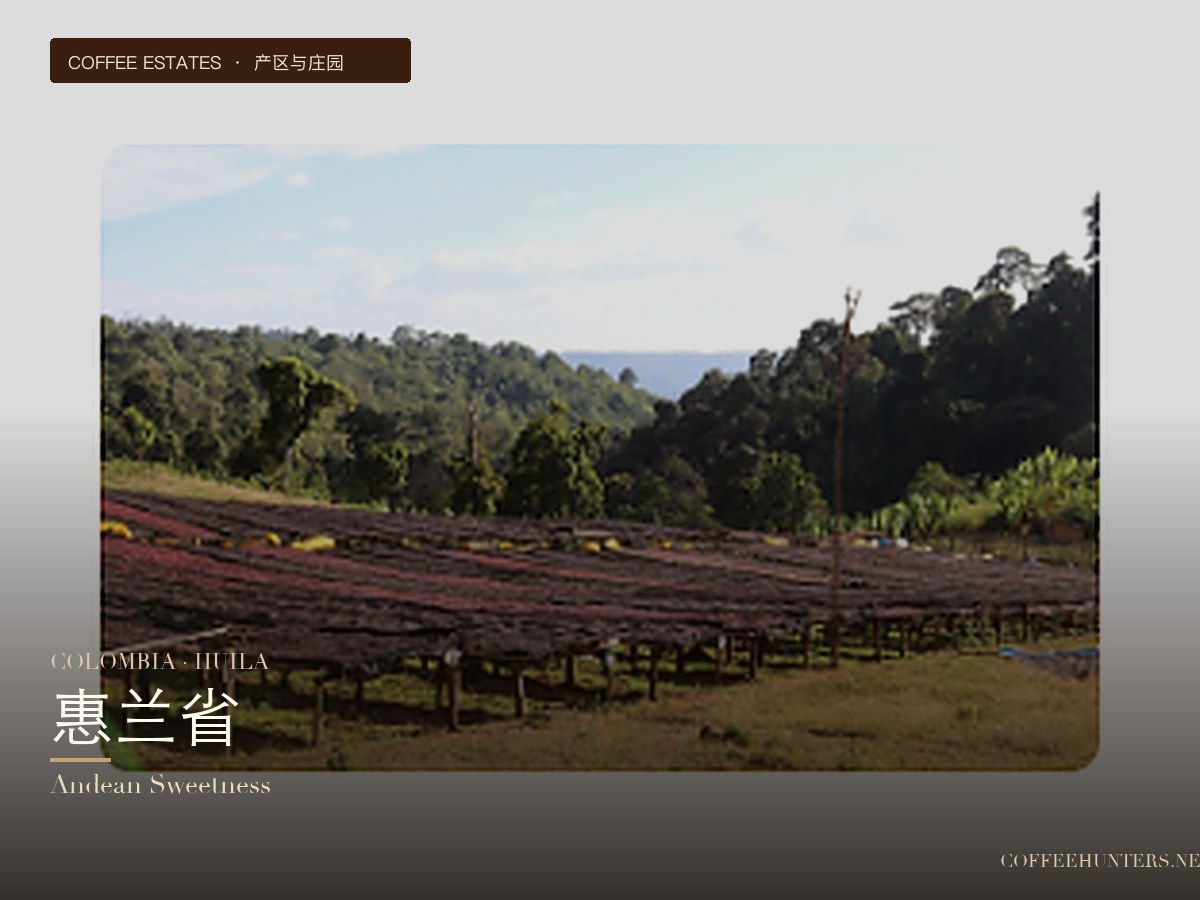
Colombia · Huila Department: Balanced Sweetness of the Andes
Huila is Colombia's most prestigious specialty coffee region, and the coffee produced here is famous for its balanced acidity and sweetness, pronounced caramel sweetness, and clean cup profile. This article guides you through Huila's geography, varieties, flavors, and brewing. [more…]
Colombia Huila Finca Virginia Pink Bourbon Double Fermentation Flavor Analysis and Anaerobic Processing Method Exploration
The Red Bourbon double-fermented coffee produced by Finca Virginia in Colombia's Huila Department, with its complex flavors of wine-soaked cherries, dried figs, and longan honey, along with a full-bodied, red-wine-like mouthfeel, has become a highly anticipated micro-lot in the specialty coffee world. This article will provide an in-depth analysis of the flavor origins of this Front Street Coffee recommendation, explore the processing characteristics of double fermentation and anaerobic methods, and introduce the terroir conditions of the Planadas producing region in Huila Department along with the overall landscape of Colombia's coffee industry. [more…]
An Analysis of Colombia's Coffee Growing Regions and Harvest Seasons: A Comprehensive Introduction to Varieties, Flavors, and Processing Methods
Colombia is the world's third-largest coffee exporter and the largest exporter of Arabica beans and washed beans, hailed as "green gold." This article systematically reviews Colombia's coffee-growing regions, harvest season patterns, main varieties and processing methods, and introduces representative regions one by one, including Santander, Antioquia, Tolima, Huila, Cauca, and Nariño. Colombian coffee is known for its silky, balanced taste, with family-run operations and volcanic soil giving it a unique quality. The article also covers the functions of the FNC and CENICAFE, green bean grading standards, and competition mechanisms such as the Cup of Excellence in Cauca, making it suitable for coffee enthusiasts to gain a comprehensive understanding of Colombian coffee's terroir and the industry as a whole. [more…]

Why Is Colombian Coffee Praised as Green Gold? A Full Analysis of Huila Region Flavors and Brewing
As the world's second-largest coffee producer and the largest exporter of washed Arabica beans, Colombia is renowned for its silky, balanced coffee, praised as "green gold." From the volcanic soils of the Andes to meticulous family farming, from the evolution of varieties like Caturra and Castillo to its distinctive washed processing, the allure of Colombian coffee goes far beyond this. This article will take an in-depth look at the flavor characteristics of specialty regions such as Huila, Colombia, sort out the distribution of producing regions, variety iteration, and processing details, and include Front Street Coffee's brewing suggestions along with several Colombian bean recommendations, giving you a comprehensive understanding of the charm of this South American coffee kingdom. [more…]
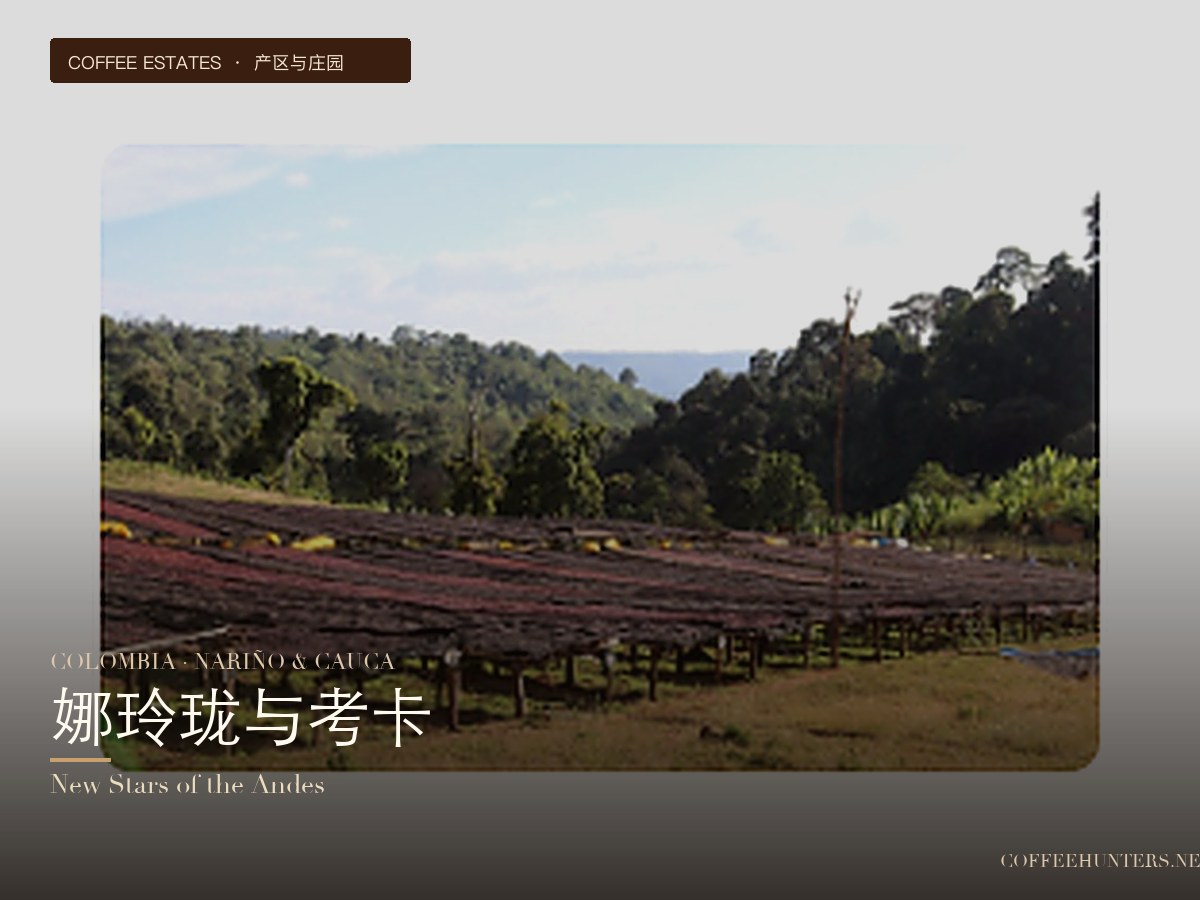
Colombia · Narino and Cauca: High-Scoring New Stars of Specialty Estates
Nariño and Cauca are two neighboring emerging specialty coffee regions in southern Colombia. The coffee produced here has, for consecutive years, earned high scores in the Cup of Excellence thanks to its full-bodied tartaric acidity, pronounced fruity notes, and complex layers. [more…]

Why is Colombian coffee regarded as a top choice? A full analysis of origin terroir, varieties, processing, and brewing
As the world's third-largest coffee exporter, Colombia—blessed with exceptional volcanic soil and a family-farming tradition—produces a balanced, smooth, and highly acclaimed Arabica coffee. From Huila in the south to Santander in the north, and from varieties such as Caturra, Castillo, and Geisha, different regions and processing methods interweave rich layers of berry, nut, caramel, and floral notes. Front Street Coffee will guide you through an in-depth look at Colombia's coffee-growing regions, harvest seasons, variety evolution, and brewing suggestions, and recommend a selection of representative beans to help you fully grasp the unique charm of this South American coffee kingdom. [more…]
Flavor Analysis of Colombia's Four Major Specialty Coffee Regions: From Andean Volcanic Soil to Balanced Sweetness in the Cup
Colombia is the world's largest exporter of Arabica coffee and the country with the highest export volume of washed beans. Its coffee is renowned as "green gold" for its balanced, smooth taste and consistent quality. The Andes run through the entire country, and volcanic soil, high altitude, and family-run farming together shape the distinctive character of Colombian coffee. This article will break down the flavor characteristics of coffee from each region one by one, from the history of the producing areas, cultivated varieties, and processing methods to the harvest season and the four major specialty regions—Santander, Antioquia, Tolima, Huila, Cauca, and Narino—and will also include Front Street Coffee's brewing parameters and product recommendations to help you fully understand the charm of Colombian specialty coffee. [more…]
Colombia 2011 COE Champion Estate: Full Analysis of Spring Estate Coffee Flavor and Origin
Colombia, as the world's third-largest coffee-producing country, nurtures countless specialty coffees thanks to the diverse microclimates and high altitudes of the Andes. In 2011, a tiny 2.8-hectare farm—Finca La Primavera—claimed the COE championship with a record-breaking price of $45 per pound. It belongs to the Los Naranjos Coffee Association and is carefully managed by farm owner Arnulfo. This article takes you deep into the industrial background of Colombian coffee, the ecological processing innovation, and the cultivation details, cupping flavors, and judge comments of Finca La Primavera. Front Street Coffee especially recommends this champion farm bean, with rich layers from almond and longan flower tea to grapefruit acidity—worth savoring slowly by coffee lovers. [more…]
A Complete Guide to Colombian Coffee Regions: Varieties, Processing Methods, and Brewing Parameters from Huila to Cauca
Colombia is the world's second-largest coffee producer and the largest exporter of washed Arabica beans. This article systematically reviews the historical development of Colombian coffee, the distribution of major producing regions and their flavor differences, covering representative origins such as Huila, Cauca, Nariño, and Santander, and provides an in-depth introduction to the characteristics of varieties such as Caturra, Pink Bourbon, and Geisha, as well as processing methods including washed and anaerobic double enzyme washed. Front Street Coffee, drawing on years of roasting experience, provides detailed roasting curves and brewing parameters for several Colombian beans, including charge temperature, heat adjustment, first crack timing, and extraction methods, helping coffee enthusiasts gain a comprehensive understanding of Colombian coffee from origin to cup. [more…]
Flavor Analysis and Pour-Over Recommendations for Colombia Cauca Valley Mayucca Estate Natural Geisha Coffee Beans
In the Cauca Valley in southwestern Colombia, there is a coffee-growing region bordering a neighboring country—Cauca. Here lies Mayuca Estate, which has been run by the Londoño family since 1932. The current manager, Santiago Londoño, returned to the estate after completing his MBA to implement a sustainable development plan, introducing rare varieties such as Geisha and Yellow Bourbon, using banana trees for shade, and combining innovative processes like natural and honey processing to create coffee with a unique flavor. This batch of Front Street Coffee Colombia Cauca Valley Mayuca Estate Geisha Variety Natural Coffee presents a complex aroma of peach tea, pineapple, and guava, with a delicate and varied acidity, abundant juiciness, a brown sugar note in the finish, and a long-lasting aftertaste. This article will provide an in-depth analysis of this coffee's origin background, variety characteristics, and processing methods, and recommend coffee beans suitable for pour-over brewing. [more…]
A Detailed Guide to the Altitude, Processing Methods, and Pour-Over Parameters of Coffee Grown in the San Agustín Region of Colombia's Huila Highlands
Colombia, as the world's third-largest coffee producer, has in its Huila Department's San Agustín growing region—thanks to its unique high-altitude canyon terrain and micro-lot production model—nurtured specialty coffee with richly layered flavors. This article provides a detailed introduction to the growing conditions, processing methods, and flavor characteristics of this region, and offers suggested brewing parameters for pour-over, French press, AeroPress, and more, helping coffee enthusiasts fully bring out this bean's lemon, caramel, and nutty sweet aromas. [more…]
Colombian Pour-Over Coffee Technique: How to Brew Out the Nutty and Chocolatey Flavors
Colombian coffee occupies an important place in the global specialty coffee landscape, thanks to the natural terroir of the Andes Mountains and its family-run smallholder farming model. From Santander in the north to Huila and Cauca in the south, different producing regions present diverse flavor layers ranging from fruity acidity to caramel, nuts, and chocolate. This article systematically reviews the producing regions, variety characteristics, and processing methods of Colombian coffee, and uses four Front Street Coffee beans—Huila, Santander, Tolima, and Cauca—as examples to share in detail the roasting curves, brewing parameters, and staged extraction techniques, helping coffee enthusiasts precisely bring out the classic flavors of hazelnut, dark chocolate, and caramel when brewing pour-over at home. [more…]
A Complete Guide to Colombian Huila Coffee: From Regional Grading to Three-Pour Extraction Flavor
Colombia, as the world's largest exporter of washed Arabica beans, is renowned for its coffee's balanced, smooth taste and rich regional flavors. From the perspective of Front Street Coffee, this article systematically reviews the history of Colombian coffee cultivation, the distribution of producing regions, and the evolution of varieties, while offering an in-depth analysis of the terroir characteristics of specialty regions such as Huila, Cauca, and Tolima. The article focuses on the roasting curves and brewing parameters of four Front Street Colombian beans—washed Huila, Rose Valley, Geisha, and Pink Bourbon—covering the three-pour extraction method using both KONO and V60 drippers, providing coffee enthusiasts with a guide to Colombian coffee that is both informative and practical. [more…]

Colombian Coffee Regions | Is Colombian washed Huila coffee suitable for pour-over coffee beginners? What are the flavor characteristics of Colombian washed coffee?
When Front Street recommends coffee beans for beginners just getting into pour-over coffee, they always put the washed Colombian Huila beans first, because compared with the bright acidity of Yirgacheffe beans or the higher body of Mandheling beans, Colombian beans really are extremely [more…]
Bourbon Natural Mutation Caturra: From Variety Characteristics to Brewing Analysis of a Colombian Huila Washed Everyday Bean
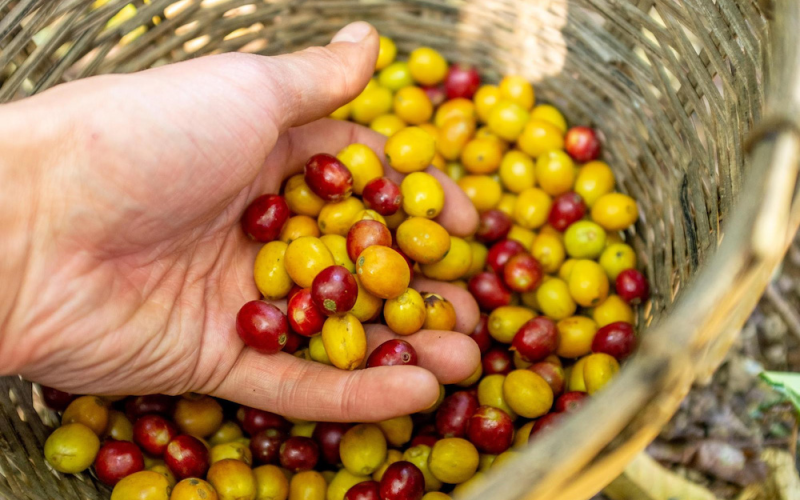
Caturra is a natural mutation of Bourbon discovered in Brazil. With its high yield and strong disease resistance, it has become a common choice for large-scale cultivation. The plant is short with compact branching, and it maintains vigorous growth even under direct sunlight, which is why it is called "sun-grown coffee." In addition to Red Caturra and Yellow Caturra, there is also the rare Purple Caturra, which arose from a natural mutation of Red Caturra. In terms of flavor, Caturra typically exhibits bright acidity and medium body, often with lemon or citrus notes in the cup, while its sweetness is greatly influenced by fertilization management. Colombia is an important stage for Caturra, and Front Street Coffee's bean list also includes several Caturra coffees. This article covers the variety's background, the Colombian washed processing procedure, and the brewing parameters and flavor performance of a Huila everyday-drinking bean. [more…]