







How Do Colombia's Coffee Regions Shape Huila Coffee Flavor?
Colombia's coffee belt runs along the Andes in three north-south ranges, and growing areas are grouped into regions such as Medellin, Armenia, Manizales, Santander, and Huila. Altitude, climate, and soil differ from place to place, so acidity, body, and sweetness shift noticeably between lots, and harvest seasons stagger across the country, letting Colombia ship coffee most of the year.
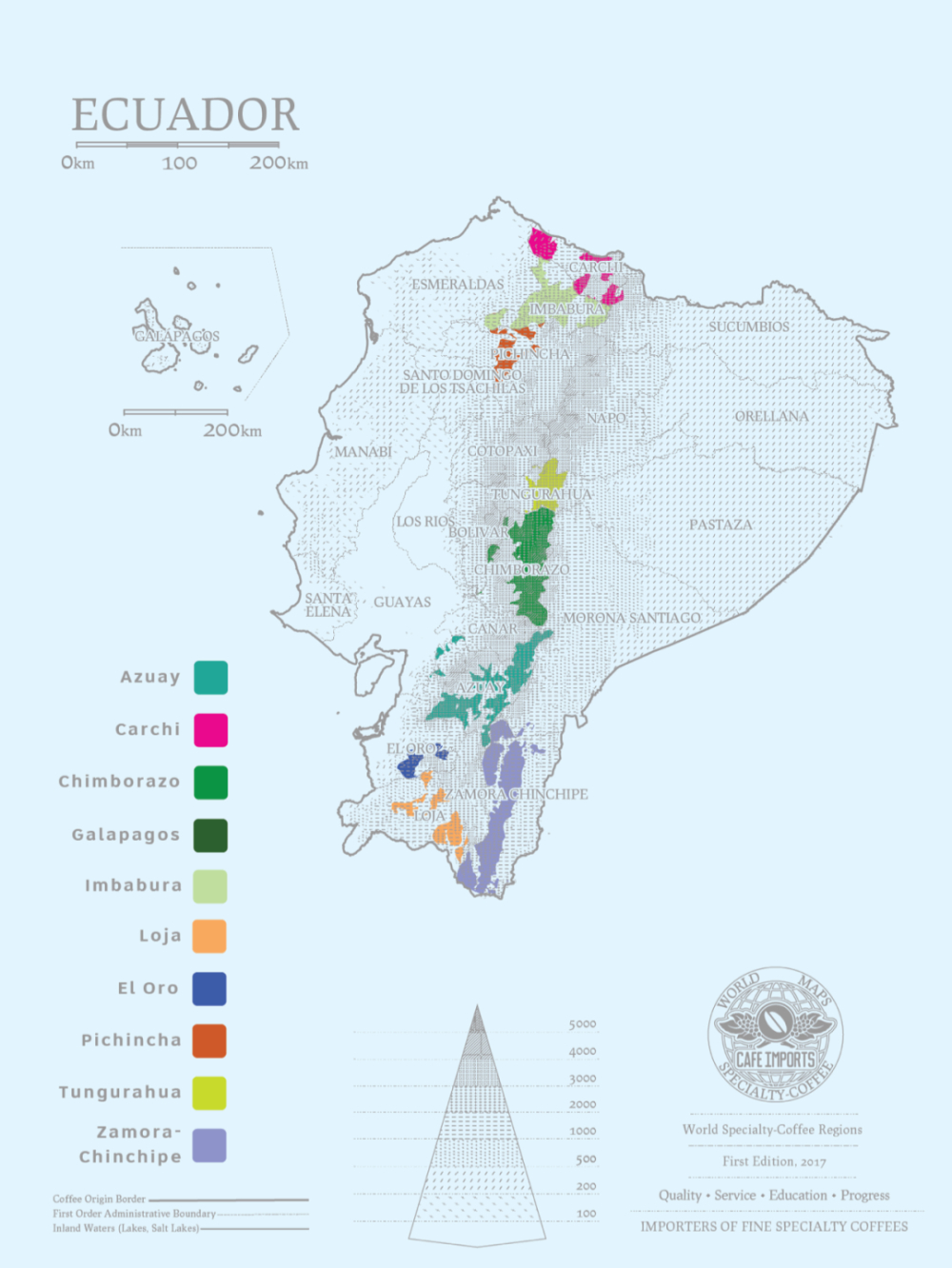
Grading rests on defect rate and bean size, while varieties including Caturra, Typica, Bourbon, Colombia, Castillo, and Tabi behave differently in the cup. Processing also matters: washed, anaerobic natural, and anaerobic enzyme-washed lots separate cleanly on sweetness and aroma. A reliable coffee belt map helps buyers trace which range a Huila coffee lot actually came from.
Colombia, with the exceptional terroir of the Andes Mountains, has become an important producer of high-quality coffee worldwide. Its coffee regions are widely distributed from north to south, and different areas present distinctive flavor profiles due to differences in altitude, climate, and soil. This article systematically reviews the flavor characteristics of Colombia's major coffee regions such as Medellin, Santander, and Huila, introduces the origins and features of six major varieties including Caturra, Typica, Bourbon, Colombia, Castillo, and Tabi, and details the grading standards based on defect rate and bean size. In addition, it will analyze the effects of processing methods such as washed, anaerobic natural, and anaerobic enzyme-washed on flavor, and include Front Street Coffee's brewing parameters and tasting reference, providing coffee lovers with a complete guide to Colombian coffee knowledge.
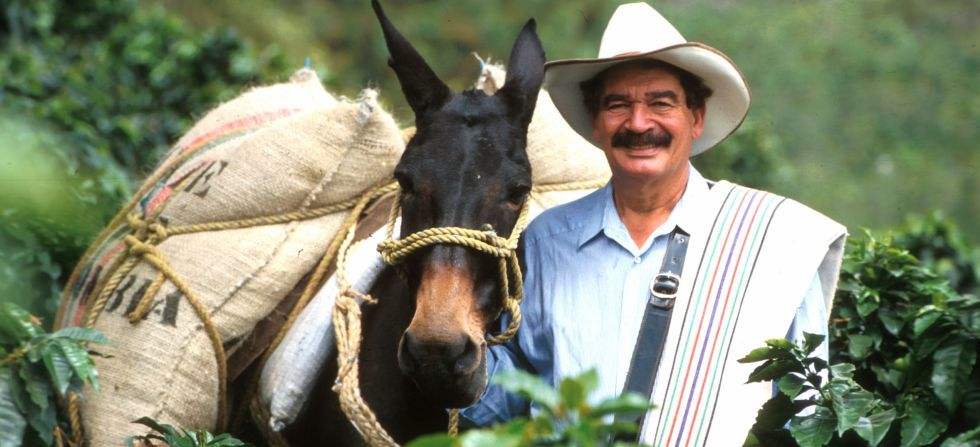
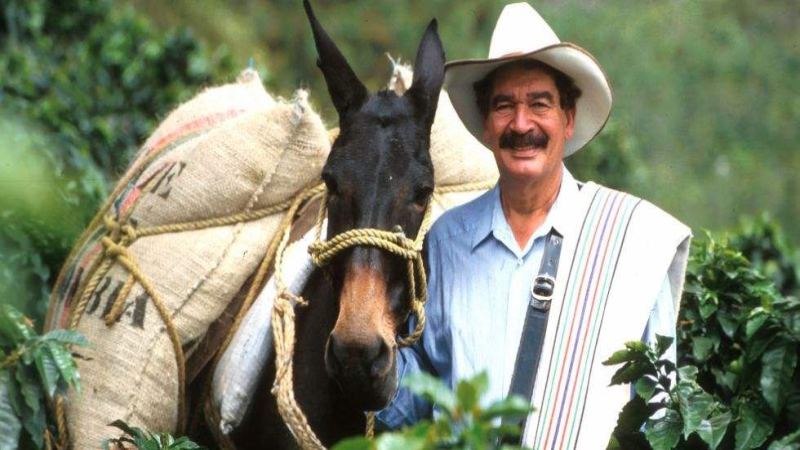
Colombian coffee is renowned worldwide for its rich and full-bodied aroma, bright and lively acidity, and excellent balance, leaving an unforgettable impression after drinking. The ability to produce such high-quality coffee is inseparable from Colombia's exceptional natural conditions.
Colombia is located in the northwestern corner of South America, and its coffee-growing belt stretches along the Andes Mountains. It is not hard to see when looking at a map that the country's coffee regions resemble a cat's paw, leaving three deep longitudinal marks across the western part of the country from west to east. Because the producing areas span a wide range, the geographical and climatic conditions vary noticeably from place to place, forming several different coffee harvest seasons, so it can be said that Colombia harvests coffee all year round.
Along the central mountain range are three pivotal coffee-producing regions: Medellin , Armenia , and Manizales . Locals collectively call them MAM, also translated as the "Coffee Golden Triangle." Among them, the Medellin region has the most outstanding coffee quality, with plump beans, intense aroma, and balanced acidity and sweetness. It is suitable for deep roasting, and the finished product is mellow and aromatic, deeply favored by coffee enthusiasts.
In the eastern mountain range, the Santander region is the most well-known. Located in northern Colombia, this area has a relatively dry climate, with cultivation altitudes between 1,400 and 1,600 meters. Local coffee trees are mostly planted in forests, with appropriate shade conditions, which lengthens the fruit ripening cycle, combined with fertile soil and significant temperature differences between day and night. The coffee produced here usually shows a strong and intense aroma, a long-lasting sweet aftertaste, and a unique fresh herbal note. The Rose Valley on Front Street's bean list comes precisely from the Santander region, and its pleasant peach flavor has won the affection of many female customers.
Front Street Coffee: Colombia Rose Valley Coffee Beans
Region: Santander Region
Farm: Dashu Estate
Processing Method: Anaerobic Enzyme Washed
Altitude: 1,700 m
Variety: Caturra
Brewing Flavor: Rose, Peach, Liqueur Chocolate, Cream, Cranberry
Huila is located in southern Colombia and is one of the important specialty coffee regions, accounting for about 12% of the country's total coffee production. This area has rolling hills and diverse terrain, with altitudes generally above 1,500 meters. The Colombia River flows through here, providing abundant water for coffee trees. Unlike the classic rich style people associate with Colombian coffee, the Huila region is mainly composed of micro-lot coffees supplied by smallholders, and the varied microclimates and diverse green bean processing methods give the coffee distinctive flavors. Front Street believes that washed Huila coffee best reflects the basic flavor of Colombian coffee, so it has been included in the daily drinking bean series.
Front Street Coffee: Colombia Huila Coffee Beans
Region: Huila
Altitude: 1,500-1,800 meters
Processing Method: Washed
Variety: Caturra
Flavor: Nuts, Dark Chocolate, Caramel, Soft Fruit Acidity
Colombian Coffee Varieties
Colombia is one of the world's largest producers of high-quality coffee, and the coffee varieties grown there are naturally abundant, with six main varieties.
Caturra is the most widely planted and most numerous coffee variety in Colombia. It is a natural mutation of Bourbon and is similar to Bourbon in flavor. Caturra coffee trees do not require shade, have many branches so yields are high, and their short tree shape makes picking easier. Colombia introduced it in 1952 and began planting it on a large scale in the 1960s.
At the end of the 16th century, the Typica variety was introduced to Colombia for cultivation and has a long history. Typica has an elegant flavor with light floral notes and high-quality acidity and sweetness, but its disease resistance is weak, so yields are also low. Therefore, most coffee farmers tend to choose higher-yielding varieties. Bourbon, a mutation of Typica, has a fresher and cleaner acidity in flavor. It was introduced to Colombia relatively late, and its planting range is not wide.
In response to the severe damage caused by leaf rust, in 1982 the Colombian research institute Cenicafe crossed Caturra and Timor varieties to cultivate Colombia coffee, which has strong resistance to leaf rust and high-yield characteristics. However, its cupping performance does not reach the high quality level of Caturra, and it is generally used for commercial blends.
Castillo and Tabi are new-generation varieties jointly cultivated by the Colombian Coffee Growers Federation FNC and research centers. Relying on strong resistance and continuously optimized flavor quality, the Colombian government began promoting their cultivation in 2005.
Colombian Coffee Grading
Coffee beans exported from Colombia must undergo manual removal of defective beans and pass strict inspections at every level before being packaged for export. The grading of Colombian green beans is based on defect rate and bean size, as shown in the figure below. The highest grade is Supreme, with the largest and plumpest coffee beans, 95% above 17 mesh. In a 500-gram green bean sample, the number of defective beans must not exceed 8. Coffee beans of 18 mesh and above selected from Supreme are also called Supreme 18+.
Processing Methods
Most Colombian coffee uses washed processing, and small farms are equipped with machines to remove the coffee skin and pulp. Farmers pour the picked coffee cherries into them, add a small amount of water, and then put the parchment beans with a little mucilage into a small tiled pool or container to ferment overnight so the mucilage layer falls off. Next, they rinse with clean water and then place them outdoors for natural sun drying. If rainy weather affects this, locals use a drying machine, placing them in a space kept at a constant 50 degrees Celsius to dehydrate and dry until the moisture content meets the requirement, then package and store them.
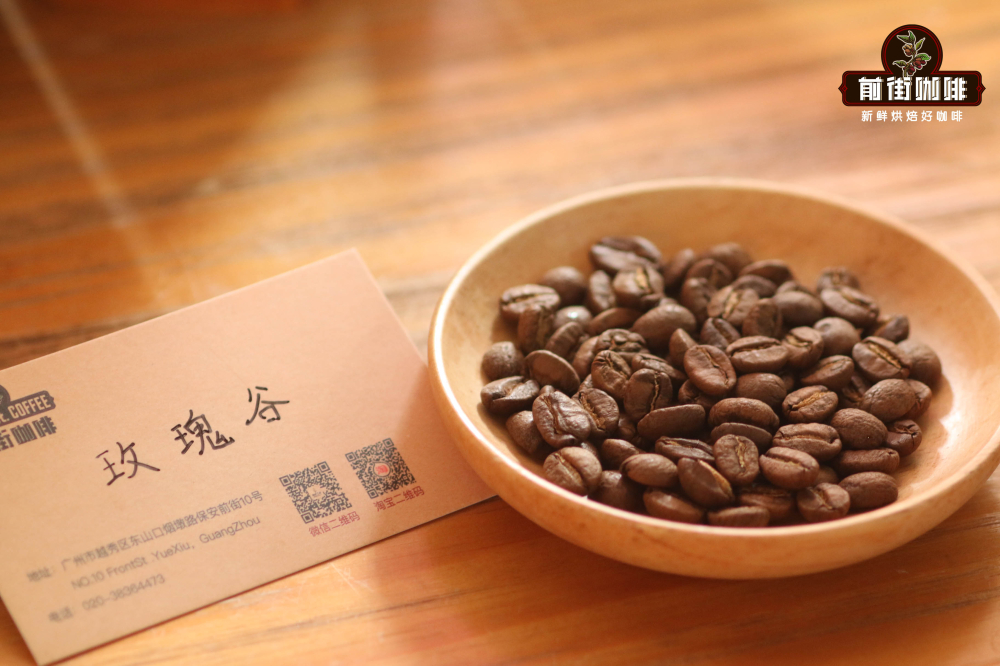
Front Street's Colombian Huila region daily drinking beans are processed by the washed method. Front Street believes that washing best presents the region's basic flavor, while natural and other processing methods add fermented flavors on top of the washed base.
However, as micro-lot specialty coffee becomes increasingly popular, many small farms in Colombia use some relatively new processing methods. For example, Front Street Chiroso and Front Street Big Belly Button use anaerobic natural processing, which means the coffee fruit is first anaerobically fermented and then dried by natural sun drying. It should be noted that the temperature during anaerobic fermentation must be controlled below 10-15 degrees. In a sealed and clean stainless steel fermentation container, the coffee beans ferment for three days in an oxygen-free state.
There is also another processing method that makes coffee fermentation aromas more prominent: anaerobic enzyme washed. The selected coffee cherries are placed in a sealed environment, carbon dioxide is injected to expel oxygen, and special enzymes are added during fermentation. In an oxygen-free environment, this slows the decomposition rate of sugars in the coffee mucilage, and the PH also decreases more slowly, extending the fermentation time, thereby developing better sweetness and a more balanced flavor in the coffee. After fermentation is complete, the coffee fruit continues with the washing step.
Brewing Reference
For the washed Huila daily drinking beans, the flavor is dominated by nuts and dark chocolate, so Front Street's roaster chooses a medium roast.
For brewing, Front Street believes that choosing freshly roasted coffee beans is the primary condition. Coffee beans enter their best tasting period 4-7 days after roasting. If the beans are left too long and pass the best tasting period, the aroma will be lost more quickly, and it will be difficult to reproduce the coffee's flavor and mouthfeel. Front Street understands the importance of freshness, so shipments are from 5-day freshly roasted batches, allowing everyone to brew and taste as soon as they receive them.
Front Street's brewing parameters this time are: Hario V60 dripper, 89°C water temperature, 15 grams of coffee, 1:15 coffee-to-water ratio, and a medium-fine grind (75% passing through a Chinese standard No. 20 sieve). The brewing method uses three-stage extraction. Pour the coffee grounds into the V60 dripper, wet the coffee bed with twice the coffee's weight in water, and let it bloom for 30s to form a dome. Then, with a small stream of water, pour in circles from the inside out until 125g, pause, and when the coffee bed drops to half of the dripper, continue pouring the third stage with the same fine stream to 225g. Wait until all the coffee liquid has filtered through, then remove the dripper. The time is about 2 minutes.
The brewed Huila daily drinking beans taste relatively balanced overall, with obvious sweetness. On the palate there are aromas of dark chocolate, nuts, and caramel, and after the temperature drops, a soft fruit acidity can be tasted.
For professional coffee knowledge exchange and more coffee bean information, please follow Coffee Workshop (WeChat public account: cafe_style)
For more specialty coffee beans, please add the private WeChat of Front Street Coffee, WeChat ID: qjcoffeex
The above content is compiled by CoffeeHunters, a coffee news website.


