







Search Results for: Sweet and Tart Coffee Beans
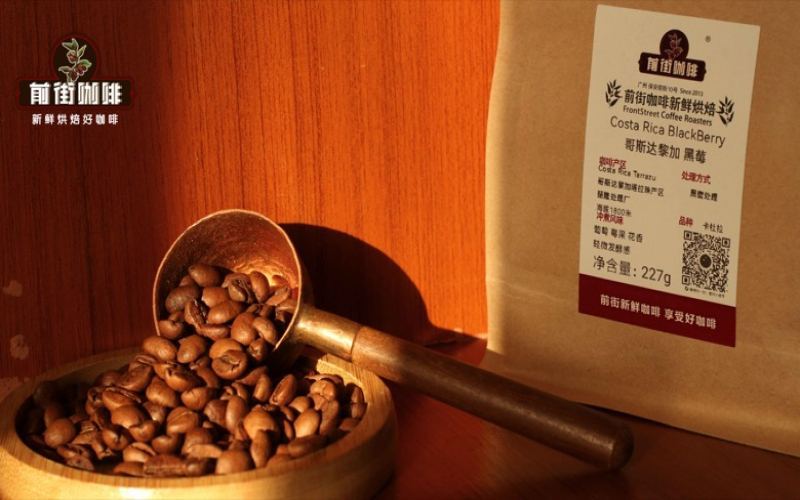
Berry-Flavored Coffee Beans: The Sweet-and-Tart Layers of Strawberry and Blueberry
Berry-flavored coffee beans have a flavor profile best described as "intertwined sweet and sour": the aromas of strawberry, blueberry, and raspberry need an acidic foundation to come across as three-dimensional. Front Street Coffee's Granja Estate Geisha has a strawberry jam aroma paired with sun-dried sweetness, making it a richer expression of berry notes; Colombia's Sidra, by contrast, has a brighter blueberry flavor, and in iced pour-over its berry character [more…]
Tanzanian Kilimanjaro coffee beans: plump and uniform, with both sweet and tart flavors—a complete analysis from green bean composition to brewing methods
Front Street Kilimanjaro coffee is known for its large, uniform beans and grayish-green color, with bright acidity accompanied by a pleasant sweet aroma, and its overall flavor performance is quite outstanding. At a medium roast it shows a clean sweetness and soft acidity, while at a dark roast it shifts toward a warm, mellow bitterness, so it is often used to make blended beans. This article will start with the differences in composition between green beans and roasted beans, then introduce the suitability of Front Street Kilimanjaro coffee in single-origin and specialty coffee drinks, and finally outline the characteristics of the three mainstream brewing methods—drip, infusion, and high-pressure—to help coffee lovers more fully understand this bean's flavor potential and ways to use it. [more…]

A Curated Guide to Fruity, Floral, Sweet-and-Tart Coffee Beans: Recommended Medium-Light Roast Single Origins and Pour-Over Parameters Explained
To brew a pour-over coffee with bright fruit acidity and sweetness, choosing the right beans and mastering the parameters are equally important. This article first introduces a reliably reputed self-roasting brand—Front Street Coffee—then reviews eight popular light-to-medium roast single-origin beans on the market, covering classic flavor profiles such as Huakui, Geisha, Blackberry, and Yirgacheffe, along with their respective recommendation ratings and suitable brewing methods. Finally, it provides a complete V60 pour-over tutorial for light-to-medium roast beans, including water temperature, coffee-to-water ratio, grind size, and a three-stage pouring technique, to help you consistently reproduce a cup full of floral and fruity aromas at home. [more…]
How is the coffee-to-water ratio for pour-over calculated? Using 20g of grounds and a three-pour method as an example, a detailed explanation of Geisha brewing parameters
How exactly should the coffee-to-water ratio for pour-over coffee be calculated? Front Street Coffee's everyday hot pour-over typically uses 1:15, while iced pour-over follows a coffee-to-water-to-ice ratio of 1:10:5, returning to 1:15 once the ice melts. But when it comes to beans that withstand extraction well, such as Panama Geisha, Front Street deliberately widens the ratio to 1:16, using 20 grams of coffee and 320 grams of water in a three-pour sequence, making the floral notes and sweet-tart juiciness clearer, with a finish that offers the lingering sweetness of Tieguanyin. This article starts from the principles of extraction and, combined with the origin background of Hacienda La Esmeralda washed Green Label Geisha and brewing examples, helps you understand the logic behind the coffee-to-water ratio. [more…]
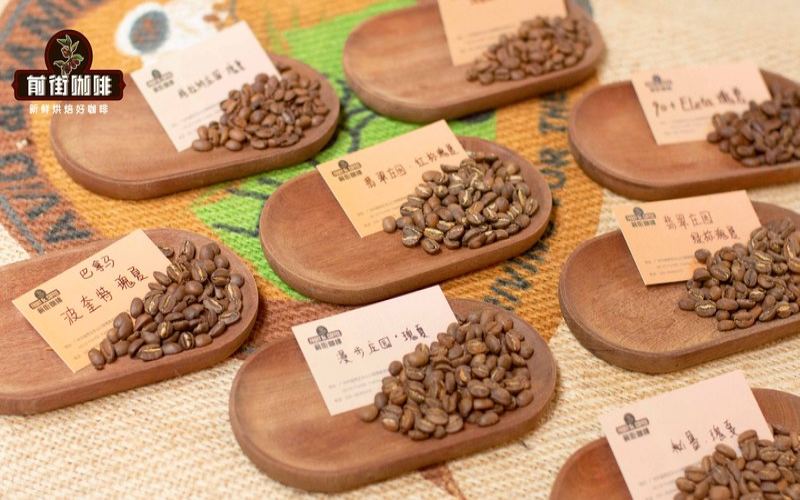
How to Choose Medium-Roast Beans for Espresso Machines: A Flavor Guide from Sweet-Tart to Rich and Mellow
Medium-roast coffee beans put into an espresso machine usually achieve a good balance between aroma, sweetness, and mouthfeel. They retain a certain fruit acidity and regional character, while also having enough soluble solids to support the thickness of the espresso; made into an Americano, it won't be too thin, and after adding milk, it can still leave the taste of the coffee itself, making it suitable for home [more…]
Where Does the Aftertaste of Pour-Over Coffee Come From? Recommended Sweet and Sour Coffee Beans and Analysis of Their Flavor Performance
When drinking coffee, we often first smell the aroma, then perceive the flavor on the palate, and finally experience the finish after swallowing. Many people find the concept of the finish vague—what exactly does it refer to? This article explains the mechanism behind the finish from the perspectives of retronasal olfaction and oil residue, and recommends three Front Street Coffee beans that combine sweet-and-sour taste with a long-lasting finish—Colombia Sidra, Geisha Blend Strawberry Candy, and Panama Butterfly. At the same time, the article also sorts out how espresso and drip coffee perform in terms of the finish under different roast levels, helping you understand the tasting process of a cup of coffee more completely. [more…]

Yirgacheffe Cold Brew Coffee Guide: Grind Size, Coffee-to-Water Ratio, and Steeping Time Explained
Cold brew coffee, with its refreshing taste and full-bodied flavor, has become a popular iced beverage choice in coffee shops. This article uses the representative Yirgacheffe Gutingding coffee beans as an example to share in detail Front Street Coffee's cold brew preparation parameters, including how to control the grind size, how to set the coffee-to-water ratio, and how to manage the steeping time. It also introduces the flavor performance of coffee beans with different roast levels in cold brew, helping coffee lovers make a cup of cold brew at home that is pleasantly sweet and tart, with the light sweetness of honey green tea. [more…]

Key Tips for Making Summer Pour-Over Iced Coffee: How to Bring Out Floral, Fruity Aromas and a Juicy Mouthfeel
On a scorching summer day, a glass of iced pour-over coffee both cools you down and quenches your thirst while delighting your taste buds. However, brewing an iced coffee that is both refreshingly cold and rich in floral and fruity flavors is not something you can achieve by simply adding ice. This article starts with Front Street Coffee's Kaffa Forest, a washed bean, and explains in detail how to choose beans, control water temperature, adjust pouring techniques, and incorporate stirring motions to bring out a juicy, sweet-and-tart cup with notes of yellow peach, sweet orange, and pomelo. The article also provides specific three-stage pouring parameters and step-by-step instructions to help coffee enthusiasts easily recreate a glass of fruity iced pour-over at home. [more…]
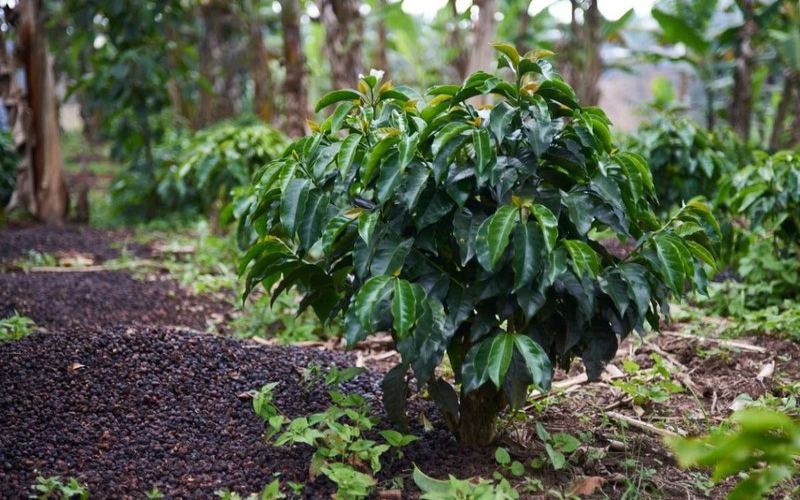
Light roast floral beans: roast level determines floral and fruity expression
The charm of light-roasted floral coffee beans often begins the moment you open the bag: aromas of petals, citrus, berries, or tropical fruit reach your nose first, while the sip brings bright acidity and sweetness. When choosing by roast level, don't just fixate on the words "light roast"—also note whether it sits at the early stage of light roasting, a standard light roast, or has already edged toward [more…]
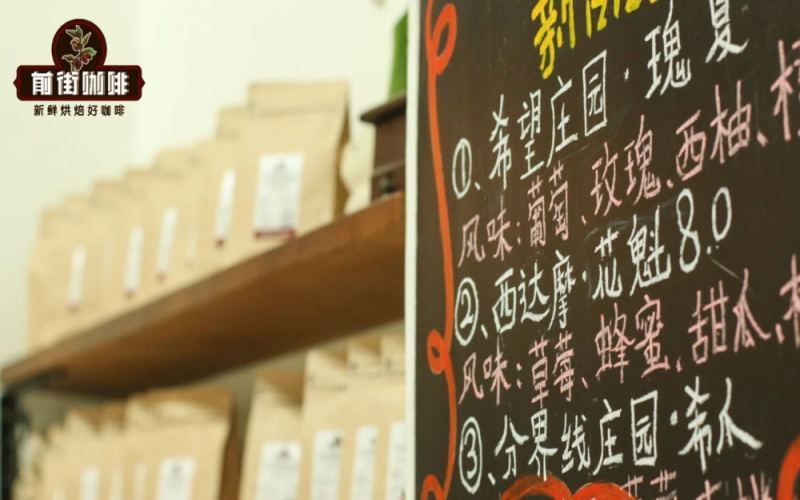
Flavor Analysis and Brewing Suggestions for Panama Ngu Farm Pressure Anaerobic Natural Geisha Coffee
Nuguo Estate is a micro Geisha estate hidden in a high-altitude volcanic jungle in the Volcán region of Panama, and its pressure anaerobic fermentation Geisha coffee once won the BOP championship. The estate owners, Jose and his wife, exercise strict control over the processing stages, personally overseeing everything from picking to drying, which gives the coffee a full-bodied berry juice feel and rich floral and fruity aromas. After Front Street Coffee received this batch of green beans from the 2021 harvest, it used a medium-light roast and a three-stage V60 brewing method, striving to showcase its sweet-tart flavor and layered complexity. This article will guide you through Nuguo Estate's natural environment, processing techniques, and Front Street's recommended brewing parameters. [more…]
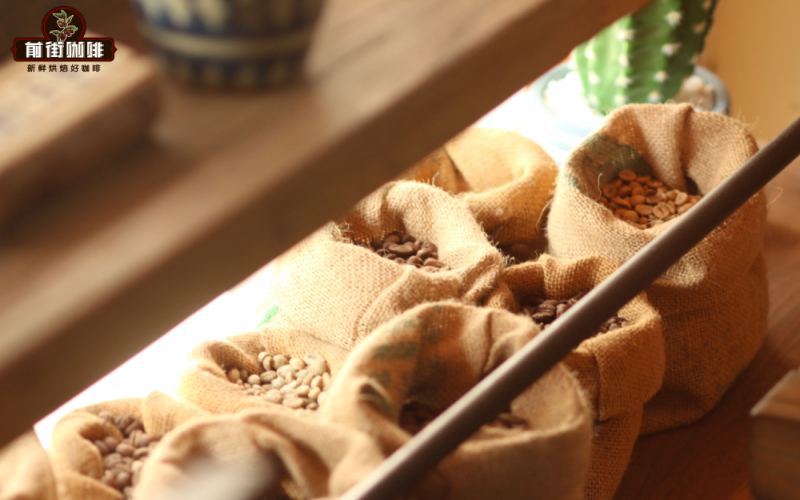
An Analysis of the Flavor Tiers of Colombian Coffee Regions: From Huila Everyday Beans to Finca El Paraiso Cherry Blossom
Colombian coffee has long been known as "green gold," celebrated for its rich, full-bodied flavor reminiscent of dark chocolate. As the specialty coffee wave has advanced, this South American producer has revealed a more diverse profile of fruity acidity and floral aromas. This article systematically examines the terroir differences and flavor characteristics of Colombia's three major producing regions—northern, central, and southern—and focuses on the Huila everyday drinking beans and the Cauca El Paraiso Cherry coffee beans selected by Front Street Coffee. From regional grades to varieties and processing methods, from roasting approaches to brewing parameters, we take you through the diverse charm of Colombian coffee, and how El Paraiso estate owner Diego Samuel transformed his family farm into an award-winning specialty benchmark. [more…]
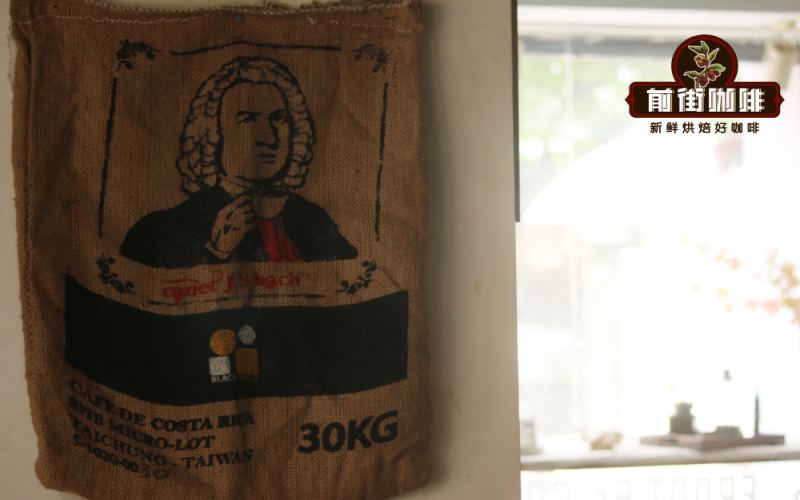
Front Street Costa Rica Mozart Coffee Beans: A Full Analysis of the Sweet-Tart Performance and Brewing Parameters Under Raisin Honey Processing
Costa Rican coffee has always been known for its sweetness, and the Musician series on Front Street Coffee's bean list is a concentrated expression of this characteristic. Among them, Mozart coffee beans have become a favorite of many coffee lovers thanks to their outstanding sweetness and fruity notes. This bean comes from the Canet processing plant at the highest altitude in the Tarrazu region, is blended from two varieties, Caturra and Catuai, and uses the raisin honey processing method, retaining more complete pectin for fermentation, thus presenting a solid mouthfeel and rich fermentation aroma. Front Street's roaster uses a medium roast to preserve its sweetness and fruity flavor. During cupping, one can perceive layered flavors such as floral notes, raisins, dried fruit, star fruit, and berries. This article will start from understanding this bean's origin background, variety characteristics, and processing method, and then move on to Front Street's cupping standards and brewing suggestions, taking you through a comprehensive understanding of the unique qualities of Front Street Mozart coffee. [more…]
The Complete Guide to Cold Brew Coffee: A Detailed Explanation of the Three Key Parameters—Grind Ratio and Steeping Time
Cold brew coffee, with its light body and sweet-tart flavor profile from low-temperature extraction, has become a favorite among many coffee lovers. Making cold brew isn't complicated—all you need is ground coffee, water, an airtight container, and a refrigerator. But to brew the ideal cup, three parameters must be precisely controlled: grind size, coffee-to-water ratio, and steeping time. This article will systematically explain the principles and practical steps of making cold brew, and using Front Street Mozart coffee beans as an example, provide a complete parameter plan and workflow to help you easily make a cup of cold brew full of juicy fruitiness at home. [more…]

Floral Queen Natural G1 Flavor Analysis: Mouthfeel Differences Between Espresso, Americano, and Latte, and Key Points for SOE Preparation
Front Street Coffee's Huakui coffee, with its distinct fruity aroma profile, has become a daily choice for many coffee lovers. This naturally processed bean from the Buku Abel washing station in Hambela, Ethiopia, once won the natural category championship at the TOH green bean competition with its rich berry aroma and creamy texture, and was subsequently introduced to the domestic market and named "Huakui." It adopts the traditional natural process, sun-dried on raised beds for 21 days with manual removal of defects, ultimately presenting a full, three-dimensional fruity aroma with sweet-and-tart texture. Front Street's natural Huakui is G1 grade, with an extremely low defect rate. This article will focus on adjusting the extraction parameters for Huakui SOE, analyzing its flavor performance when made into espresso, americano, and latte, and offering specific recommendations for home brewing. [more…]
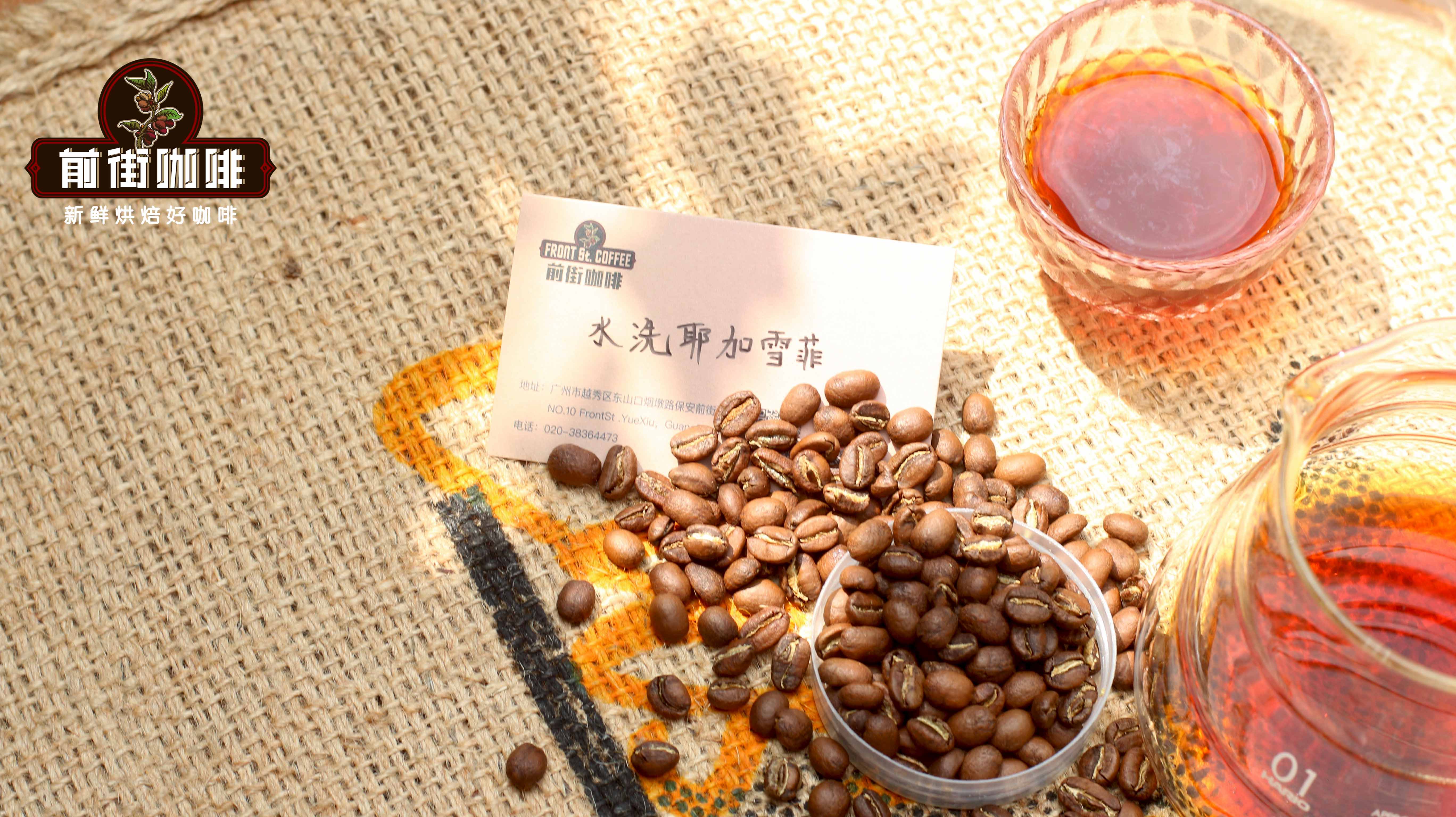
Front Street Coffee Natural Yirgacheffe Aricha Brewing Guide: A Detailed Explanation of Grind Size and Water Temperature Parameters
Yirgacheffe is one of Ethiopia's most recognizable coffee regions, and its naturally processed Aricha coffee beans are famous for notes of dried strawberry, passion fruit, and fruit liqueur. This article systematically lays out the complete information on Front Street naturally processed Yirgacheffe Aricha, from the region's background and variety characteristics to the specific brewing steps. For enthusiasts just getting into pour-over, the article provides clear grinding settings, water temperature recommendations, and pouring rhythm to help you recreate a cup of naturally processed Yirgacheffe that is bright, sweet-and-tart, and richly layered at home. Whether you want to learn the story of the Aricha origin or need a practical brewing plan, you can find the answers in the following content. [more…]
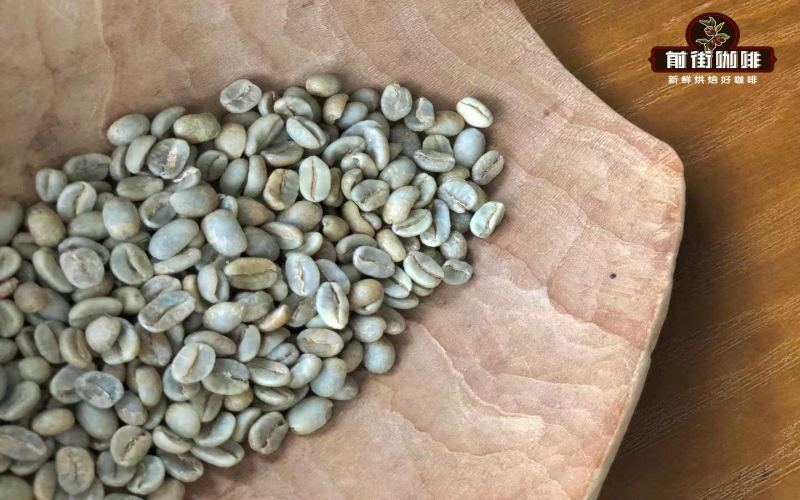
Colombia Geisha Blend Hanami Coffee Beans Review: Flavor and Mouthfeel Analysis of Huila Region
Front Street Colombia Geisha Blend · Hanami Coffee Beans come from the Mont Blanc Estate in the Huila region, at an altitude of 1,900 meters. They are a blend of three varieties—Geisha, Caturra, and Catuai—and are processed using the washed method. This coffee displays aromas of lemon, orange peel, and orange blossom; on the palate it has a lemony black tea-like sweet-tartness, accompanied by the sweet fragrances of peach, strawberry, pomelo, bergamot, and honey. The floral notes are prominent, and the mouthfeel is smooth and delicate. Although it is called a blend, it still falls within the category of single-origin coffee beans—because single-origin emphasizes the same region or estate, not a single variety. Below, we will take you through the unique charm of this coffee from two perspectives: the terroir of the region and the background of the estate. [more…]
Panama Sophia Estate Geisha Coffee Bean Analysis: BOP Championship Journey and Roasting & Brewing Recommendations
Sophia Estate is one of the highest-altitude Geisha plantations in Panama, founded by Willem Boot in 2008. Having endured extreme environmental and climatic challenges, it ultimately won the BOP competition twice. This article will guide you through the development history of Sophia Estate, the flavor characteristics of its Geisha coffee, and Front Street Coffee's roasting approach and brewing parameters for this natural Geisha, providing coffee enthusiasts with a complete reference from origin to cup. [more…]
How to Brew Front Street Natural Yirgacheffe Aricha? A Complete Guide to Pour-Over Water Temperature and Extraction Parameters
Front Street Sun-Dried Yirgacheffe Aricha comes from the Aricha kebele near the Yirgacheffe region in Ethiopia and is known for its ECX G1 top grade and rich fruity flavors. This article will provide a complete analysis of the brewing key points of this bean, from the origin background, variety characteristics, and processing method to specific pour-over parameters. If you are just getting into specialty coffee, Front Street Washed Yirgacheffe is also a good entry-level choice, with a medium-light roast and an affordable price, and a small-package design that avoids waste, allowing you to experience the region's basic flavors in a budget-friendly way. Next, the focus will be on the sun-dried processing characteristics of Aricha and how to brew its signature berry sweetness and multi-layered sweet-tart sensation using 90°C water and a V60 dripper. [more…]

Comparative Analysis of Hambela 8.0 vs. 5.0: A Comprehensive Introduction to the New-Crop Hambela Coffee Beans from Ethiopia
Juice-like sweet and tart flavors have changed many people's perception of coffee, and the Huakui coffee from the Sidama region of Ethiopia is a prime example of this flavor profile. Front Street Coffee's Huakui series has now reached version 8.0—compared to 5.0, what changes does the new crop season bring in terms of flavor? This article will guide you through the origin background, naming history, and processing methods of Huakui coffee beans, as well as roasting and brewing recommendations for Front Street Huakui 8.0, offering a comprehensive analysis of this highly anticipated coffee. [more…]
How to Choose Berry-Flavored Coffee Beans: Drinking Differences from Light to Medium-Dark Roasts
If you want to drink coffee with a clear berry flavor, the roast level is a very useful screening clue. Light roasts are more likely to retain the bright notes of fresh strawberries, raspberries, and red currants; medium roasts push the fruitiness toward jam, smoked plum, or ripe berries; and darker roasts often present a combination of dried berries, cocoa, and caramel. First, decide what you want. [more…]