







Search Results for: Star Town
Exploring Aceh Gayo Star Town 18-mesh Coffee Beans: Flavor and Origin Background of Medium-Roast Pour-Over
In the Aceh province of Sumatra, Indonesia, there is a place called Star Town, located in the Gayo region, which produces 18-mesh coffee beans highly favored by pour-over enthusiasts. The coffee here is grown by the indigenous Gayo people in the Gayo highlands around Lake Tawar, at an altitude of about 1,300 meters, and is processed with a medium roast, displaying a complex flavor profile of pomelo aroma, fruity notes, and herbal plants, pistachio, and caramel, with a thick yet delicate mouthfeel. Front Street Coffee recommends this single-origin bean, suitable for pour-over black coffee for those seeking layers of complexity. This article will guide you through the origin story of these beans, the meaning of mesh size, and the flavor performance after roasting, from the geographical distribution of Aceh province to the details in the cup, to explore it all. [more…]
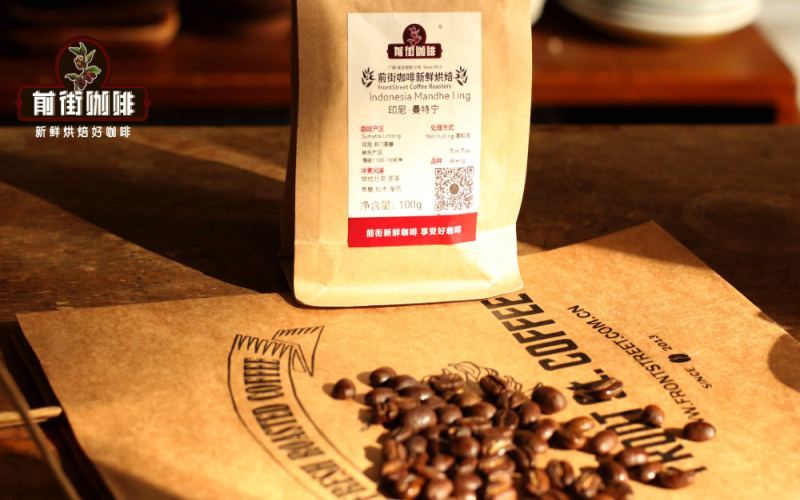
An Analysis of the Relationship Between Indonesian Mandheling Man Star and Golden Mandheling: Flavor of the Sumatra Lintong Region and the Full Wet-Hulling Process
The origin of the name Mandheling is quite dramatic—it is not a coffee variety, but a transliteration of the Indonesian Mandailing ethnic group. After World War II, the name spread to Japan and became hugely popular. In the specialty coffee world, Mandheling specifically refers to Arabica coffee produced around Lake Toba and Lake Laut Tawar in Aceh on the island of Sumatra, known for its rich, full body and long-lasting sweet aftertaste. The Lintong region is the heartland of high-quality Mandheling, and Mandheling Star selects Typica trees decades old from dozens of smallholder farmers in a small town south of Lake Toba. Front Street Coffee's Indonesia Sumatra Lintong Mandheling Star, with its citrus, spice, mango, and milk-like flavors, along with a lively interplay of acidity and sweetness intertwined with Sumatra's distinctive earthy aroma, has become a focus of attention for coffee lovers. This article will take an in-depth look at the relationship between Mandheling Star and Golden Mandheling, and present a complete account of the four key steps of Sumatra's wet-hulling process. [more…]
Exploring Africa's Star Region: The Flavor Code and Grading of Ethiopian Yirgacheffe Coffee Beans
Yirgacheffe is Ethiopia's most representative specialty coffee region and Africa's most renowned coffee calling card. This small town, situated at an altitude of 1,700 to 2,100 meters, takes its name from an ancient phrase meaning "let us settle here on this wetland," and has won over coffee lovers worldwide with its distinctive citrus florals and silky, full-bodied mouthfeel. From its initial cultivation by European monastic monks to today's landscape shaped jointly by surrounding coffee communities and cooperatives, Yirgacheffe is divided into two main categories—washed and natural—based on green bean processing methods, each with different grading standards. This article will take you deep into the terroir secrets, flavor characteristics, and grading system of this legendary region, and Front Street Coffee will also recommend classic selections worth savoring. [more…]
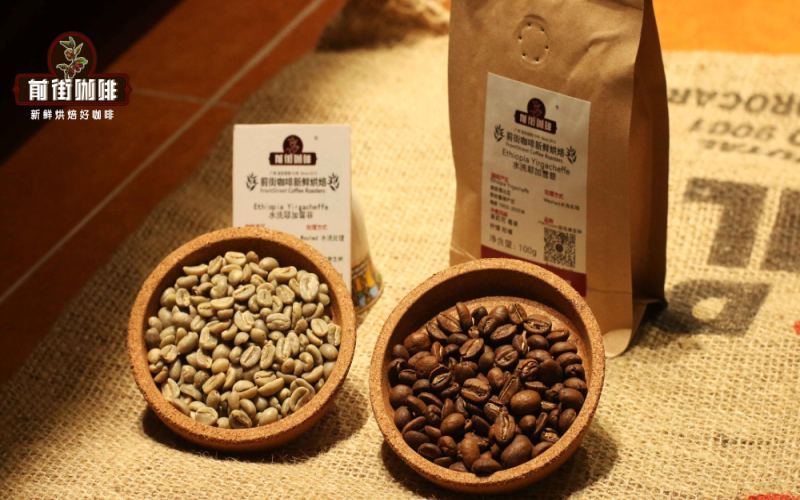
A Flavor Analysis of Six Ethiopian Specialty Hand-Brew Coffee Origins: From Yirgacheffe to Kafa Forest
As the birthplace of coffee, Ethiopia, with its bright acidity, honey-like sweetness, and clean, fresh taste, has always been a holy land in the hearts of coffee lovers. This article focuses on six must-drink specialty pour-over coffees from Ethiopia — Front Street Coffee washed Yirgacheffe, Gedeb Greedy Cooperative, sun-dried Red Cherry, sun-dried Huakui, Hamasho, and Kafa Forest — breaking down one by one the altitude, terroir, processing methods, and flavor characteristics of each producing region. From the jasmine fragrance and lemon tea notes of the town of Yirgacheffe, to the white floral and citrus tones of Gedeb Greedy, to the berry black tea charm of Sidamo, the strawberry and star fruit sweet aroma of Hamasho, and the wild green tea character of Kafa Forest, each of the six producing regions has its own distinct identity. Whether you are a coffee beginner or a seasoned connoisseur, you can find the cup of Ethiopian flavor that suits you. [more…]
A Detailed Guide to Ethiopia's Eight Major Coffee Regions: A Specialty Flavor Guide to Yirgacheffe, Sidamo, and Guji
As the birthplace of coffee, Ethiopia boasts eight major coffee-producing regions: Ekempti, Limu, Illubabor, Djimma, Harrar, Teppi/Bebeka, Sidamo, and Yirgacheffe. Among these, Harrar, Sidamo, and Yirgacheffe are the most sought after by domestic enthusiasts. Sidamo Province is located in the south and encompasses two star sub-regions, Yirgacheffe and Kochere. Coffee here is mostly grown around the East African Rift Valley, and because of the intricate combination of soil, microclimates, and native varieties, the coffee flavor varies distinctly from town to town. Shakiso in the Guji region borders Sidamo and Gedio and was once a gold-mining area; today it is renowned for its organic forest coffee. The Dutch company Trabocca has cultivated this area for many years, continuously improving quality and yield. Front Street Coffee also keeps a close eye on specialty beans from these regions, bringing enthusiasts a diverse range of choices. [more…]
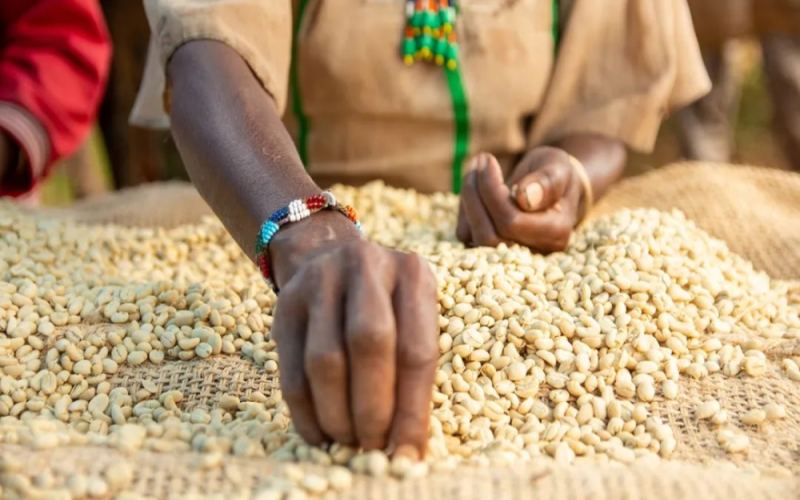
A Comprehensive Guide to Yirgacheffe Coffee: The Origins, Flavor Characteristics, and Front Street Washed Gudingding Brewing Guide of Ethiopian Specialty Beans
Yirgacheffe is one of Ethiopia's most representative specialty coffee regions, its name derived from the local town and meaning "to settle down" and "wetland." Its high altitude and cool, misty climate provide exceptional conditions for coffee cultivation. The distinctive jasmine aroma, citrus acidity, and tea-like body have made Yirgacheffe a favorite among countless coffee lovers. This article will systematically introduce Yirgacheffe coffee—from the region's history and flavor characteristics to the washed processing method and specific brewing parameters—and recommend Front Street Coffee's washed Gutingding as an entry-level choice, giving you a comprehensive understanding of this African star coffee. [more…]
Yirgacheffe Worka Region Coffee Bean Flavor Analysis, Grinding and Brewing Key Points, and Specialty Bean Knowledge
Yirgacheffe is the representative of Ethiopian specialty coffee, and Worka is one of its most closely watched producing regions. This article will start from the historical background of Ethiopian coffee, provide a detailed introduction to the geographical environment, origin of the name, cultivation methods, and processing methods of the Worka small town in Yirgacheffe, and offer an in-depth description of its signature citrus and floral flavors. At the same time, the article will also share Front Street Coffee's Yirgacheffe grinding recommendations and brewing characteristics, helping coffee lovers gain a comprehensive understanding of the unique charm of this African star bean. [more…]
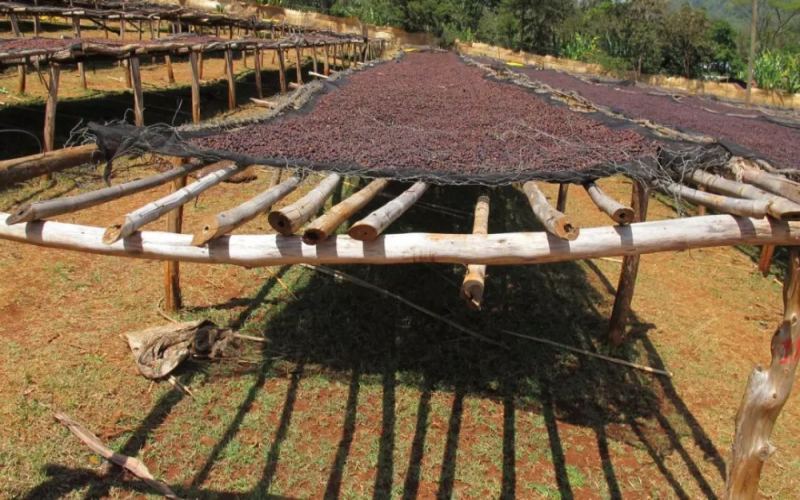
Ethiopia Bensa Bensa Region Full Analysis | The Origin of the Names Sidamo and Sidama and Coffee Processing Methods
Sidamo is one of Ethiopia's most renowned coffee regions, celebrated for its rich floral aromas and bright fruit acidity. This article begins with the region's geography, the origin of its name, and its COE-winning micro-regions, then focuses on Bensa, a high-altitude star town, outlining its washed, natural, and red honey processing methods. It also presents the cupping flavors and three-stage brewing parameters of Front Street's Ethiopian natural Alo coffee, offering coffee enthusiasts a complete guide to understanding this region. [more…]
Flavor Analysis of Ethiopia Guji Zone Baha Natural G1 Coffee Beans and Discussion of the Regional System
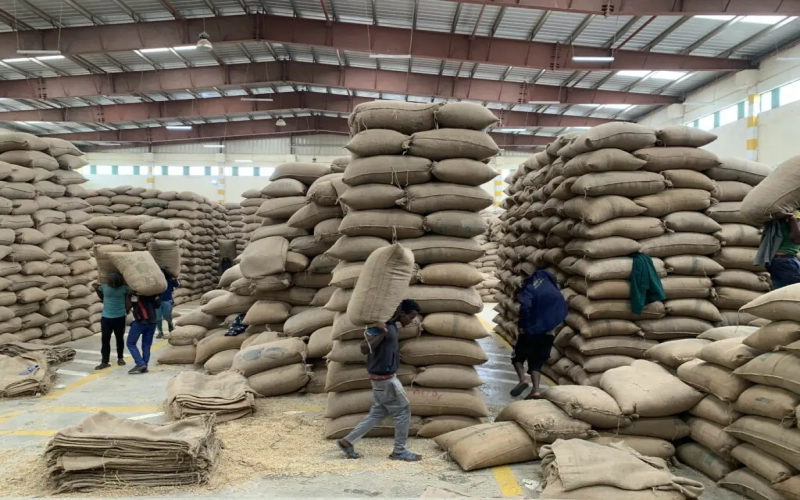
In the landscape of Ethiopian specialty coffee, the Guji region is rising with strong momentum, becoming another star after Yirgacheffe. This article comprehensively reviews the flavor characteristics of Guji region Hambela natural G1 coffee beans, from the export system and regional terroir to processing method details. The article first analyzes the differences and traceability challenges among Ethiopia's three major coffee export systems, then focuses on the significance of the single-farm system for specialty coffee development. It subsequently delves into the geographical location, historical background, and ethnic customs of the Guji region, comparing its similarities and differences with the Yirgacheffe region, revealing Guji's potential as a future engine of innovation. Front Street Coffee recommends this natural G1, which presents typical Ethiopian flavors while possessing subtle unique characteristics, worthy of careful savoring by coffee enthusiasts. [more…]
Exploring Ethiopia's Gedeb Gotiti Cooperative: Yirgacheffe Specialty Coffee Bean Flavor and Buying Guide
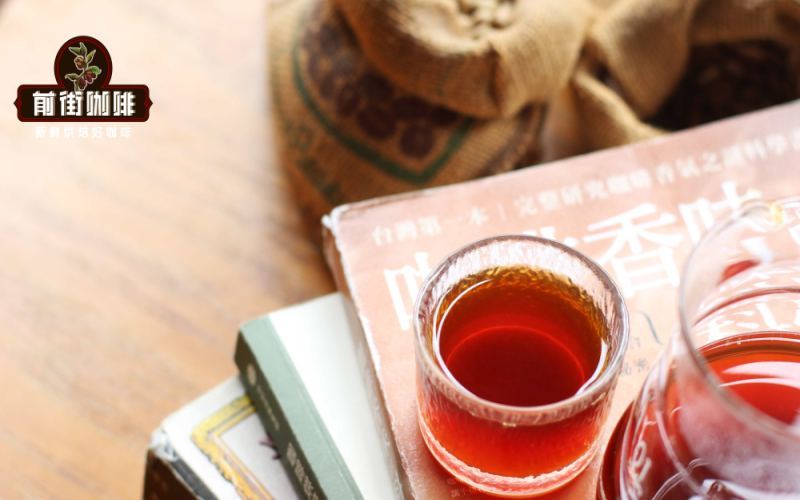
Yirgacheffe is renowned worldwide for its signature floral and fruity aromas, and the Gedeb Gotiti Cooperative is a rising star in this production region. From the history of the region to the characteristics of the varieties, from washed processing to roasting curves, this article will take you through the complete story of Gedeb Gotiti Cooperative coffee beans. The article not only analyzes the historical context of Yirgacheffe's separation from Sidama, but also details the altitude advantages of the Gedeb micro-region and the cooperative's independent journey. Meanwhile, Front Street Coffee's roasting analysis and brewing suggestions will also provide practical references for your tasting. If you want to taste the classic Yirgacheffe flavor, Front Street Gedeb Gotiti Cooperative coffee beans are worth a try. [more…]
Exploring the Yirgacheffe Gotiti Cooperative: A Full Analysis of the Gedeb Micro-Region's Cultivation Origins, Processing Methods, and Cupping Flavors
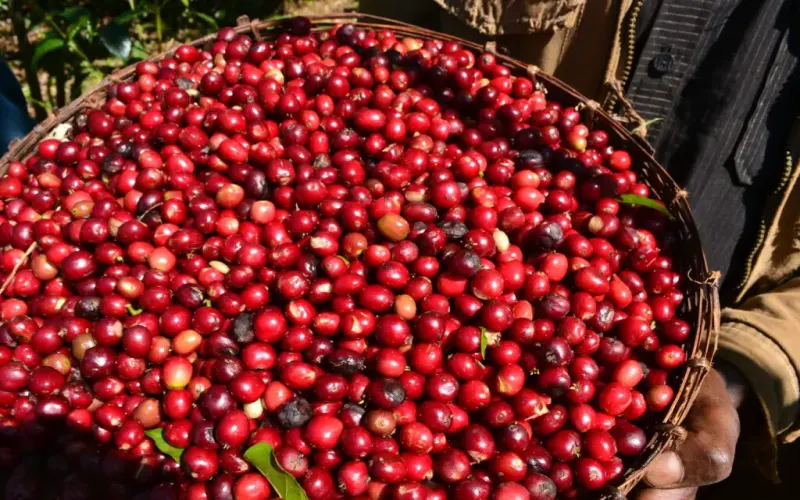
Yirgacheffe, as the benchmark producing region for Ethiopian specialty coffee, has captured the taste buds of countless coffee lovers with its jasmine aroma, citrus acidity, and tea-like finish. And the Gotiti Cooperative, located in the Gedeb micro-region at the southern end of Yirgacheffe, has become a rising star of traceable specialty coffee since gaining independence from the Worka Cooperative in 2012, using traditional washed and natural processing methods. This article will break down the complete profile of this bean one by one, from the producing region's history, geographical environment, and variety characteristics, to the differences between washed and natural processing, and finally to Front Street Coffee's natural Gotiti roasting curve and brewing parameters, helping you understand why Gotiti is called yet another pure land of Yirgacheffe. [more…]
A Comprehensive Look at the Historical Background and Reasons for the Popularity of Yirgacheffe Coffee
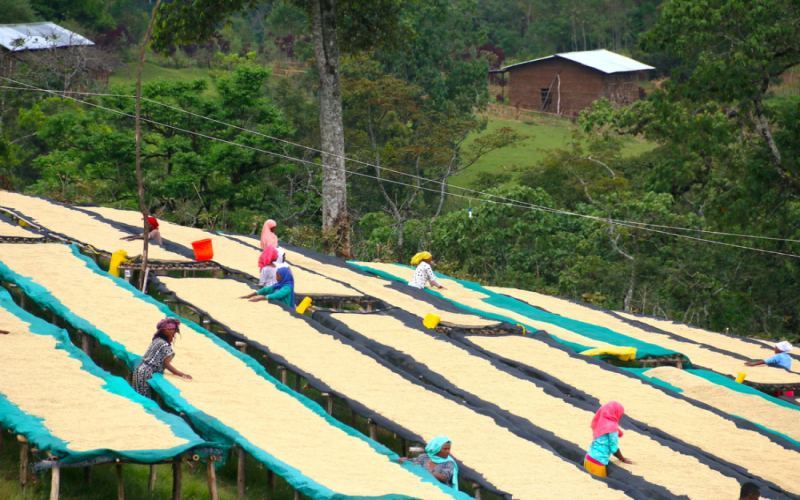
As a representative of Ethiopian specialty coffee, Yirgacheffe has won over countless coffee lovers with its bright fruit acidity and jasmine aroma. But do you know the history and grading system behind it? Why do Ethiopian coffee beans vary in size? From the perspective of Front Street Coffee, this article sorts out the definition of the Yirgacheffe production region, the ECX grading standards, and provides a detailed analysis of the brewing parameters and flavor performance of Front Street Yirgacheffe Washed Gedingding, helping you fully understand this African star coffee. [more…]
A Complete Guide to Ethiopia's Yirgacheffe Coffee Region: Washed Processing Flavor Characteristics and Pour-Over Parameter Guide
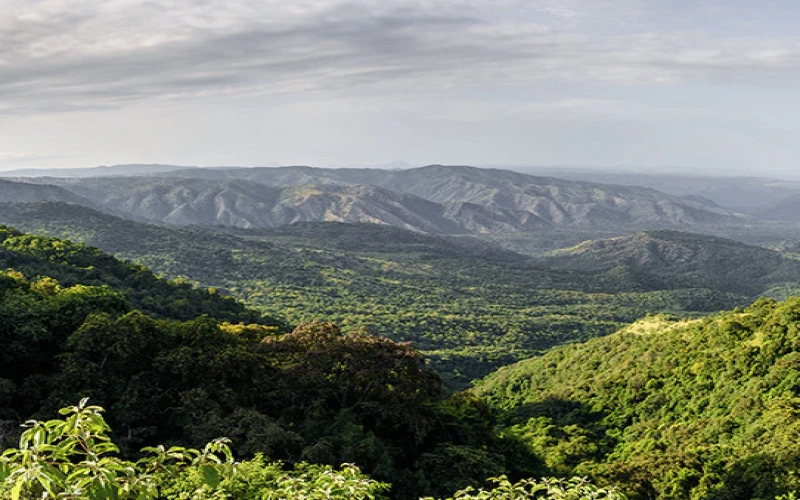
Yirgacheffe is a signature producing region for Ethiopian specialty coffee, sitting at an elevation of nearly 2,000 meters and renowned worldwide for its distinctive floral and citrus notes. This article systematically reviews Yirgacheffe's geographical environment, cultivation system, the flavor differences between washed and natural processing methods, and the green bean grading system. It also takes a deeper look at the background of two star cooperatives, Worka and Gedeb, and includes Front Street Coffee's roasting approach along with pour-over parameter recommendations, helping coffee enthusiasts gain a comprehensive understanding of what makes this region so captivating. [more…]
Detailed Guide to Costa Rica Tarrazú Region Canet Estate Musician Series Bach Coffee Beans
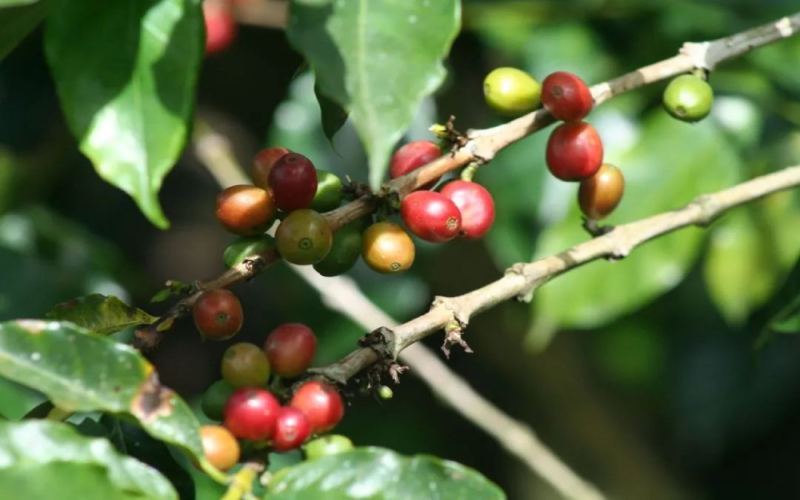
Costa Rica is an important representative of coffee cultivation in Central America, and the Tarrazú region is the country's highest-altitude and largest-producing star origin. In the town of San Marcos in Tarrazú, Canet Estate is famous for its Musician Series coffee beans, among which the Bach coffee beans use raisin honey processing and the F1 variety, offering rich and full flavor layers. This article will guide you through Costa Rica's coffee-growing environment, the unique advantages of the Tarrazú region, the origins of Canet Estate's Musician Series, and the breeding background and flavor performance of the F1 variety, as well as introduce the brewing experience of the Bach coffee beans recommended by Front Street Coffee. [more…]

Why Is Ethiopian Coffee Famous Worldwide? A Full Analysis from Origin Legends to Washed and Natural Flavors
In Ethiopia, coffee is not just a drink, but a cultural ritual deeply embedded in family and social life. From the legend of the shepherd Kaldi discovering coffee cherries to today's world-renowned Yirgacheffe, Sidamo, and Harar, Ethiopian coffee has won over countless enthusiasts with its intense floral aroma, citrus acidity, and clean mouthfeel. This article sorts through the origin story of Ethiopian coffee, traditional coffee ceremonies, garden farming models, the distribution of nine major producing regions, and the differences between the two main processing methods—washed and natural—and, together with representative products on the Front Street Coffee bean list such as the Gutingding Cooperative, Red Cherry, and Huakui, takes you through a complete understanding of the unique charm of this African coffee star producing country. [more…]
Flavor Analysis and Origin Background of Ethiopian Washed Yirgacheffe Worka Washing Station Coffee Beans
Yirgacheffe is a signature region for Ethiopian specialty coffee, and the washed lots produced by the Worka processing station are among its star products. This article begins with the geography and historical origins of Yirgacheffe, sorting through its sub-regional divisions and industry operating models, and then focuses on the recent trend toward independence in the Gedeb region where the Worka processing station is located. The article describes in detail the flavor layers of Front Street Coffee's washed Yirgacheffe G1 Worka processing station, unfolding one by one from dry aroma to finish. At the same time, it will also analyze the specific process of the washed preparation method and its impact on flavor, helping coffee enthusiasts fully understand the unique charm and quality positioning of this washed Yirgacheffe. [more…]

How is Yirgacheffe coffee bean priced? How much per cup? A complete interpretation from production region to brewing
Yirgacheffe is arguably the star region of the specialty coffee world, and its bright floral and fruity notes have captured the hearts of countless enthusiasts at first sip. But when it comes to its price, many people still have questions: Are Yirgacheffe coffee beans actually expensive? And how much does a cup cost? From Front Street's perspective, this article first introduces the geography and history of the small town of Yirgacheffe, then outlines the processing methods and flavor differences between two representative beans—the washed Gutingding Cooperative and the natural Red Cherry—and finally provides specific brewing parameters and technique suggestions. Whether you are a coffee novice just starting out or a seasoned connoisseur eager to learn more about the region, you will find practical information and useful references here. [more…]
Ethiopia Guji Hambela: The Coffee Geography Evolution from Sidamo Separation to the Legend of Huakui
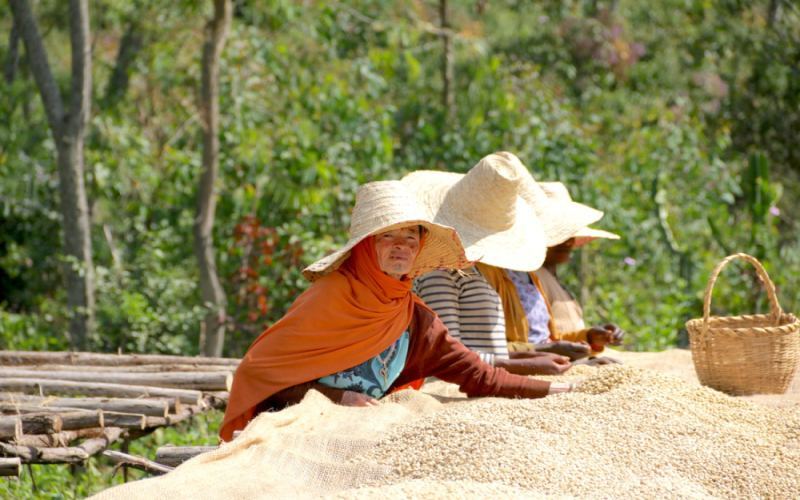
Ethiopia, as the birthplace of coffee, has a regional division far more complex than any administrative map. In the past, we were accustomed to labeling the origin of Huakui as "Sidamo," but today "Guji" has become the more common traceability information. Behind this change is the process by which the Guji region, relying on high altitude, fertile soil, and refined processing methods, became independent from Sidamo and rose rapidly. Hambela, as a star sub-region of Guji, is both a farm and a processing station, and gave birth to the Huakui series that has swept the specialty coffee world. Front Street Coffee will guide you through this evolution of coffee geography and retain detailed interpretations of products such as Huakui 8.0. [more…]
An Analysis of the Coffee Characteristics of Colombia's Nariño Region and the Development History of the Obraje Estate
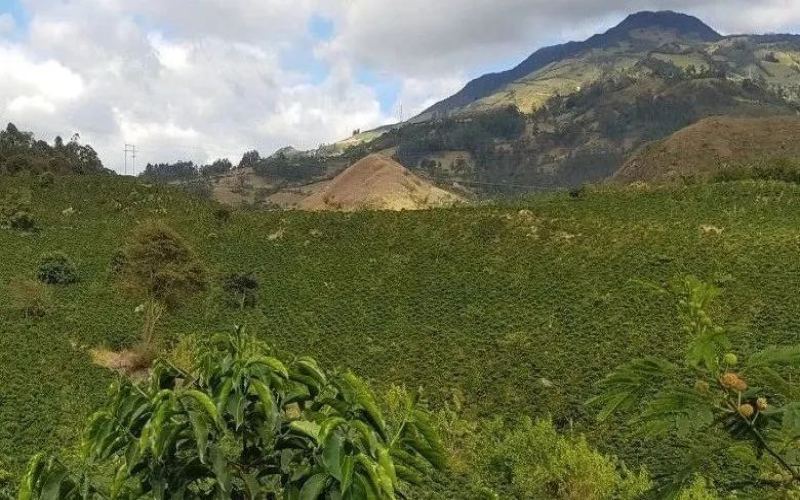
South America occupies a pivotal position in the global coffee supply, and within it, Colombia—thanks to the unique geographical and climatic conditions of the Andes—has given rise to numerous coffee-growing regions with strikingly different styles. As a rising star, the Nariño department is renowned for its complex flavors and floral aromas, while the Obraje estate is a pioneer and benchmark in this region. This article will guide you through the distribution characteristics of Colombia's coffee-growing regions, focus on analyzing the terroir advantages of the Nariño region, and review the Obraje estate's transformation from grain cultivation to COE champion. At the same time, we will also mention the Huila region representative from Front Street Coffee's everyday beans series for daily tasting reference. [more…]
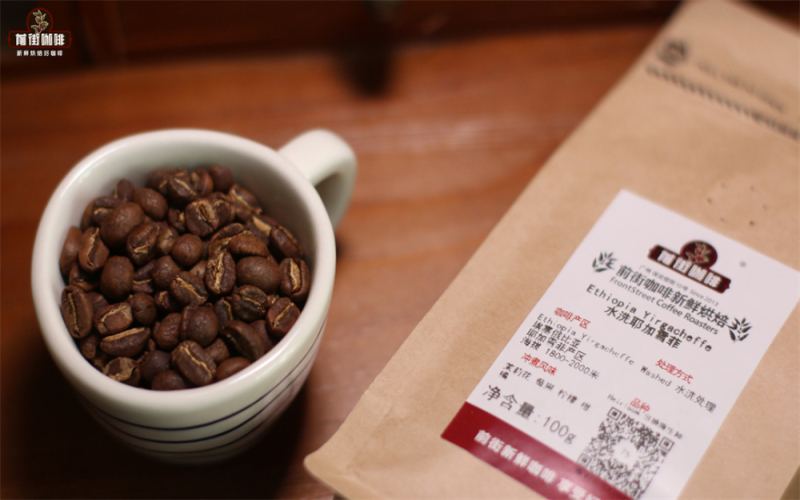
A Full Analysis of Natural Processing of Green Coffee Beans from Ethiopia's Sidama and Guji Regions and the Flavor of Huakui Lots
Sidamo and Yirgacheffe both belong to Ethiopia, yet Sidamo is renowned for its natural processing method, and Guji is an even newer rising star that has since broken away from it. This article covers geography, grading, and historical entanglements, then traces the origins of Hambela and Huakui, and explains the natural processing method and pour-over recommendations in detail. Front Street Coffee's daily bean selections and brewing parameters are also included, making it suitable for enthusiasts who want to gain a deeper understanding of Ethiopian natural coffee. [more…]