







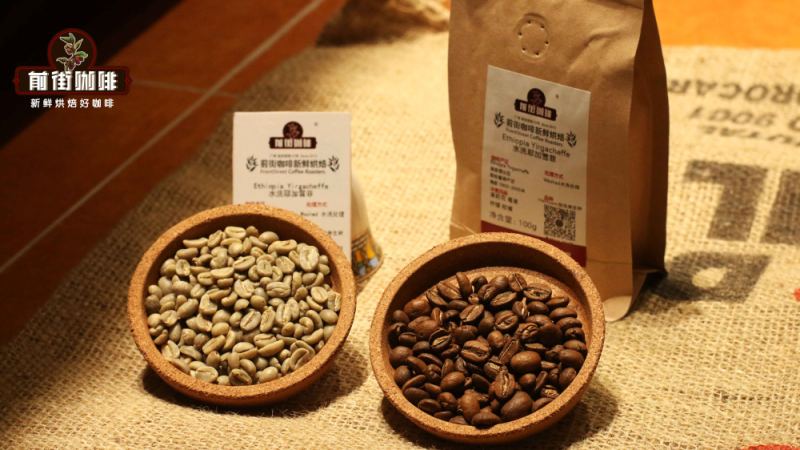
As the birthplace of coffee, Ethiopia, with its bright acidity, honey-like sweetness, and clean, fresh mouthfeel, has always been a holy land in the hearts of coffee lovers. This article focuses on six must-drink specialty pour-over coffees from Ethiopia—Front Street Coffee washed Yirgacheffe, Gedeb Cooperative, sun-dried Red Cherry, sun-dried Huakui, Hamasho, and Kafa Forest—breaking down one by one the altitude, terroir, processing methods, and flavor characteristics of each region. From the jasmine aroma and lemon tea note of the town of Yirgacheffe, to the white floral and citrus tones of Gedeb, to the berry black tea charm of Sidamo, the strawberry and star fruit sweetness of Hamasho, and the wild green tea character of Kafa Forest, the six regions each have their own distinct identity. Whether you are a coffee beginner or a seasoned connoisseur, you can find the cup of Ethiopian flavor that suits you.
Six must-drink specialty pour-over coffees from Ethiopia:
1. Front Street Coffee Washed Yirgacheffe
Yirgacheffe is a small town in Ethiopia, at an altitude of 1,700–2,100 meters. It is one of the highest coffee-growing regions in the world and also synonymous with Ethiopian specialty coffee. Lake Turkana, Lake Abaya, and Lake Chamo bring abundant moisture to this place. In the rift valley represented by the Misty Valley, fog lingers all year round, it is like spring in all four seasons, with gentle breezes, cool and humid, and thousands of coffee trees thrive and multiply, nurturing Yirgacheffe's unique terroir with interwoven floral and fruity notes that are ever-changing. The so-called Yirgacheffe flavor refers to rich citrus and lemon acidity, a strong jasmine aroma, a light and elegant mouthfeel with a tea-like quality, drinking like a refreshing, clean lemon tea.
2. Front Street Coffee Gedeb Cooperative
Gedeb Cooperative is located in the Worka production area at the southeastern end of Yirgacheffe. It was originally part of the Worka Cooperative under the Yirgacheffe Coffee Farmers Cooperative Union (YCFCU). But later, as people pursued traceability of green coffee beans, independent "single-origin" lots were discovered one by one by coffee hunters around the world. So in 2012, Gedeb, with about 300 farmer members, independently established the "Gedeb Cooperative." Because the pulp is removed before drying, Front Street Coffee Gedeb's inherent aroma is clearer and more transparent, presenting citrus and lemon tones and elegant white floral notes, with an overall bright and delicate flavor.
3. Front Street Coffee Sun-Dried Red Cherry
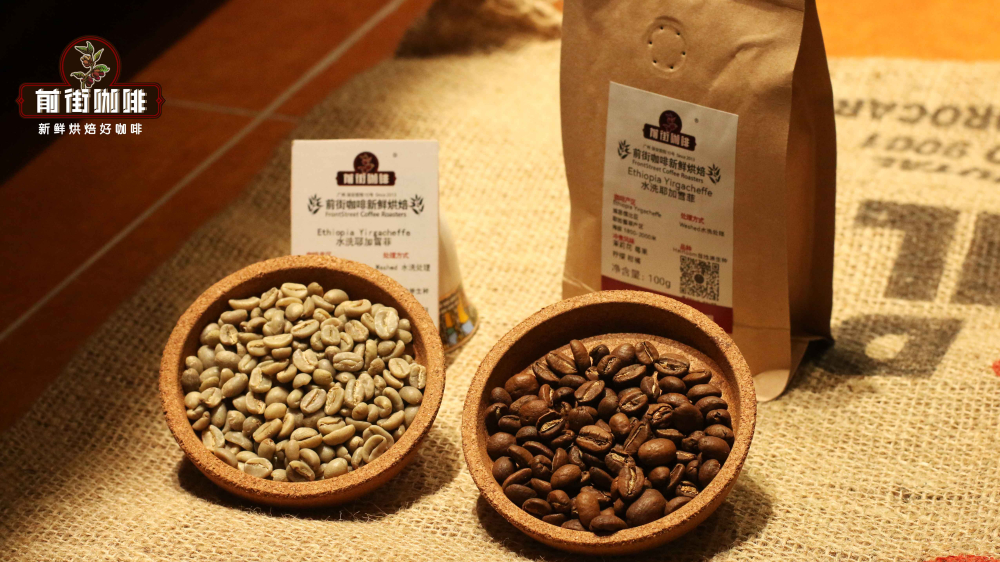
Unlike washed coffee, sun-dried coffee first removes damaged or moldy cherries. After drying in the sun for two weeks, once the sugar and essence of the pulp have fully seeped into the coffee beans and the moisture content drops to 12%, the hardened pulp, pectin layer, and pod are scraped clean with a hulling machine. The extracted coffee beans must also undergo density and bean-color testing to eliminate defective beans, and then workers visually remove any missed瑕疵 beans, with layer upon layer of screening. Therefore, every resulting coffee bean is specialty grade, ensuring its clean and refined quality, along with a rich and alluring fruity aroma. Flavor description of Front Street Coffee Yirgacheffe Red Cherry Project sun-dried coffee beans: peach, cocoa, honey, lemon.
4. Front Street Coffee Sun-Dried Huakui
Sidamo is located in southern Ethiopia. Sidamo coffee beans used to also include Yirgacheffe coffee and Guji coffee. However, the ECX trading system has already separated Yirgacheffe and Guji from Sidamo. Sidamo coffee is rich in fruit acidity and has a strong aroma. Compared with Yirgacheffe in aroma, it is no less, and even more. It is very suitable for people who like strong flavors but do not like tastes that are too heavy, achieving a perfect balance and neutralization between aroma and mouthfeel. Front Street Coffee Sun-Dried Huakui is a typical representative, with pleasant berry and citrus aromas and sweet mango flavors combining to form a black tea-like charm.
5. Front Street Coffee Hamasho
Also belonging to the Sidamo production area, Hamasho processing station, with its excellent quality and unique flavor, has become a regular winner on Ethiopian green bean competition lists and has attracted the attention of many coffee lovers. The coffee produced by Hamasho processing station is mainly based on the 74 series disease-resistant varieties released by JARC (Jimma Agricultural Research Center). The 74158 bean is rather small in size, with prominent floral and fruity aromas. Front Street Coffee Hamasho 74158 has an alluring aroma, with scents reminiscent of perfume lemon, strawberry, and star fruit. On the palate, there are very obvious sweet notes of strawberry, star fruit, and green grape, followed by a faint floral aroma gradually emerging.
6. Front Street Coffee Kafa Forest
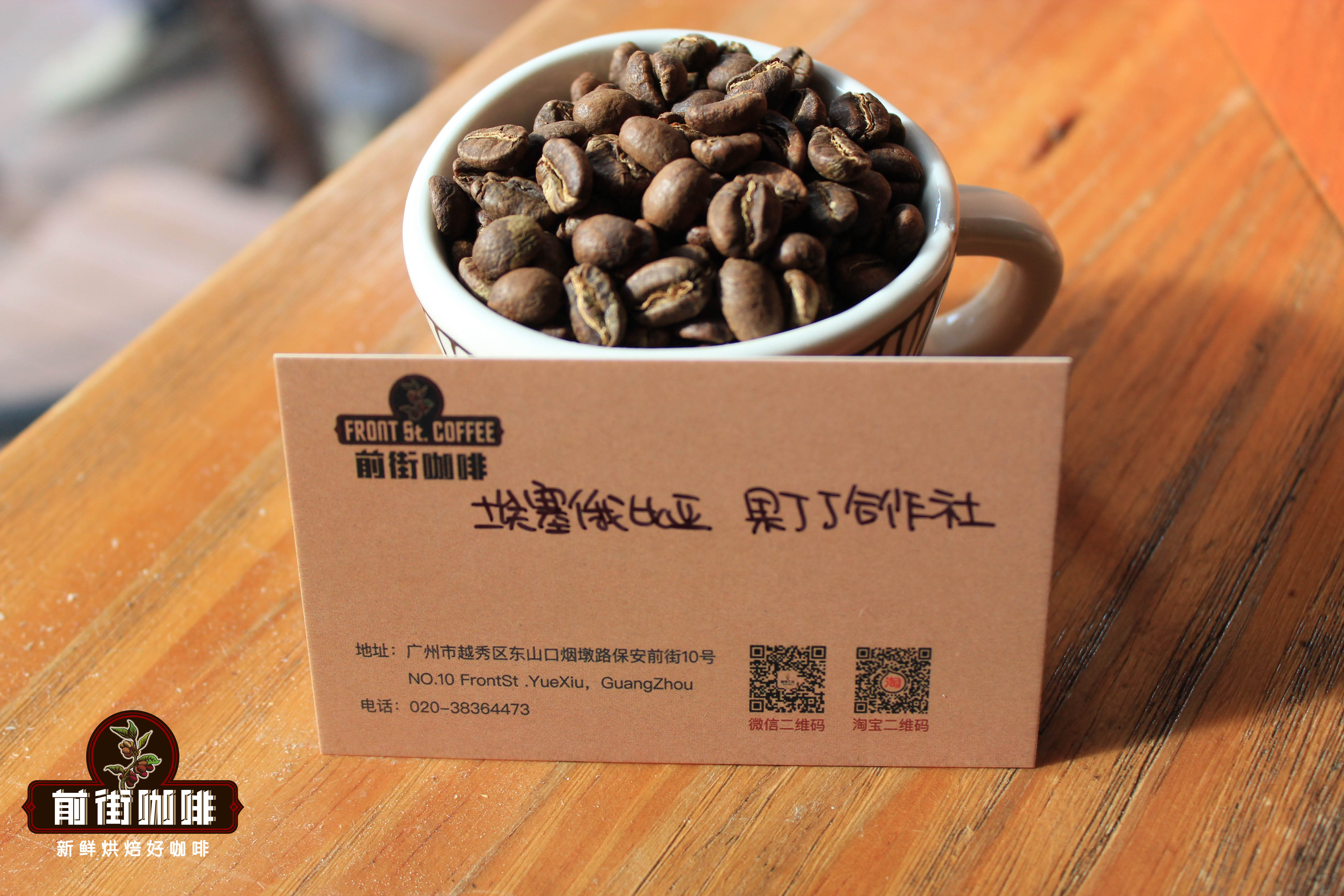
Unlike the pastoral planting model in our impression, where farmers plant coffee trees in their own backyards, Kafa Forest is most representative for producing wild coffee. The coffee trees all grow in shaded environments at altitudes of 1,400–2,100 meters. Favorable factors such as an original ecological environment, microclimate, red clay soil, and abundant rainfall provide an excellent growing environment for coffee trees. Front Street Coffee Kafa Forest coffee beans are medium-light roasted. After grinding, they have an obvious white floral aroma. On the palate, there is bright lemon acidity, with sweet orange and bergamot flavors, and a lingering sweetness with slight melon and nut aromas, with a mouthfeel resembling green tea.
As the birthplace of coffee, Ethiopia has always been a place of pilgrimage for many coffee professionals. Many friends who come to Front Street Coffee ask as soon as they enter whether there are Ethiopian beans, whether there are Yirgacheffe beans. Yes, for both coffee beginners and coffee gourmands, Ethiopian coffee beans' bright acidity, honey-like sweetness, and clean, fresh mouthfeel are deeply loved by the public. In this article, Front Street will talk about this coffee-producing country, Ethiopia.
The above content is compiled by CoffeeHunters, a coffee news website.


