







What do coffee bean grades mean in Yirgacheffe?
Yirgacheffe is a small Ethiopian mountain town at 1,700 to 2,100 meters, one of the country's highest growing areas, known for floral and citrus notes. The article explains the green bean grading system alongside the region's geography and cultivation system, and compares flavor differences between washed and natural processing methods.
Coffee here is not grown on dedicated plantations; trees are scattered among forests and fields, first established by monks from European monasteries and later run by village communities and cooperatives. The guide also profiles the Worka and Gotiti cooperatives and gives pour-over parameter recommendations. A 2006-2007 trademark dispute ended with Starbucks withdrawing its application and Ethiopia reclaiming rights to Yirgacheffe, Sidama, and Harar.
Yirgacheffe is a signature region for Ethiopian specialty coffee, situated at an altitude of nearly 2,000 meters and renowned worldwide for its unique floral and citrus notes. This article will systematically sort out Yirgacheffe's geographical environment, cultivation system, the flavor differences between washed and natural processing methods, and the green bean grading system. It will also provide an in-depth introduction to the backgrounds of two star cooperatives, Worka and Gotiti, along with Front Street Coffee's roasting approach and pour-over parameter recommendations, helping coffee enthusiasts gain a comprehensive understanding of the charm of this region.
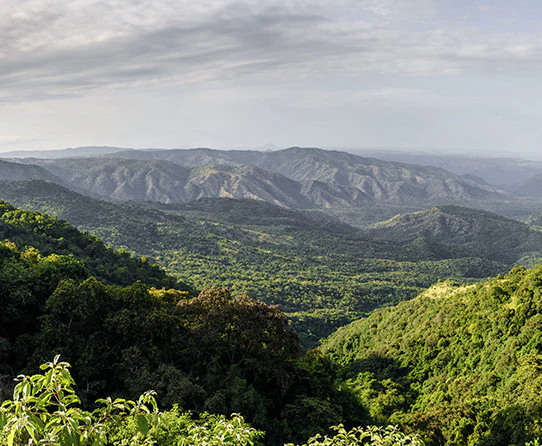
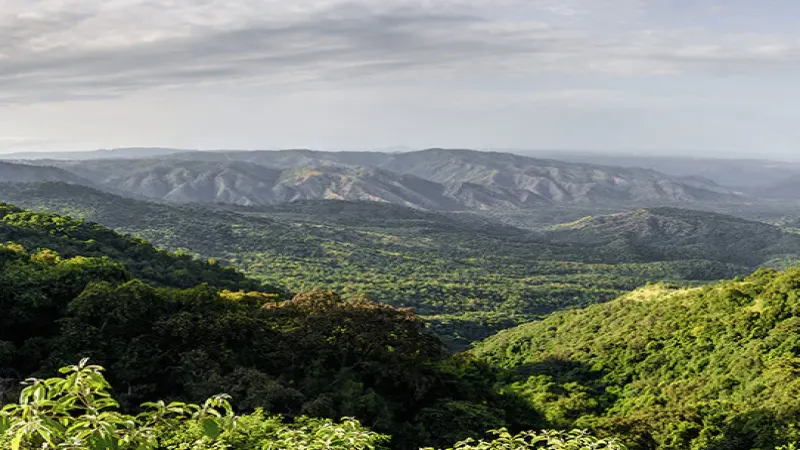
Yirgacheffe is a small mountain town in Ethiopia, located at an altitude of between 1,700 and 2,100 meters, northwest of Sidama Province, nestled by mountains and lakes. It is one of the highest coffee-growing regions in Ethiopia and can be regarded as a calling card of the country's specialty coffee.
Strictly speaking, Yirgacheffe was originally a sub-region under the Sidama production area, but was separated out because of its distinctive flavor profile. The 2006-2007 dispute over the ownership of the Yirgacheffe trademark ended with Starbucks withdrawing its trademark application and the Ethiopian government successfully reclaiming the trademark rights to three production regions: Yirgacheffe, Sidama, and Harar. This incident further raised Yirgacheffe's profile.
Yirgacheffe is at an altitude of nearly 2,000 meters, making it one of the highest coffee-growing regions in the world. This area has been wetland since ancient times. "Yirga" means "to settle down," while "Cheffe" refers to "wetland." Lake Turkana, Lake Abaya, and Lake Chamo bring abundant moisture. In the Rift Valley area represented by the Misty Valley, fog shrouds the region year-round, with spring-like weather in all four seasons, gentle breezes, and a cool and humid climate. Thousands of coffee trees grow luxuriantly here, creating Yirgacheffe's unique terroir with intertwined floral and fruity aromas and endless variation.
Monks from European monasteries were the first to establish a coffee-growing industry locally, after which it was operated by coffee communities or cooperatives in villages around the town. There are no dedicated plantations here; coffee trees are scattered freely among forests and fields. During each harvest season, the Ethiopian coffee trading company goes to the town to purchase coffee beans from farmers.
In addition to the town of Yirgacheffe itself, this production area also includes three sub-regions: Wenago, Kochere, and Gelena/Abaya.
1. Planting system and environment
The mountain villages in the Yirgacheffe production area are cool and foggy, with spring-like weather all year round, gentle summer breezes, cool rather than hot conditions, rain without dampness, and no cold damage in winter, making it an ideal environment for growing Arabica coffee. There are no large coffee plantations here. Coffee farmers grow coffee mixed with other crops, usually under banana trees, forming a unique landscape.
2. Processing methods
Ethiopia's traditional natural processing method is relatively rough and tends to carry off-flavors, and has long been criticized for this. In 1959, the Yirgacheffe production area introduced the washed processing method originating from South America. After that, most production areas commonly adopted washed processing, in which coffee cherries are depulped, then fermented and washed to remove the mucilage layer, and then dried.
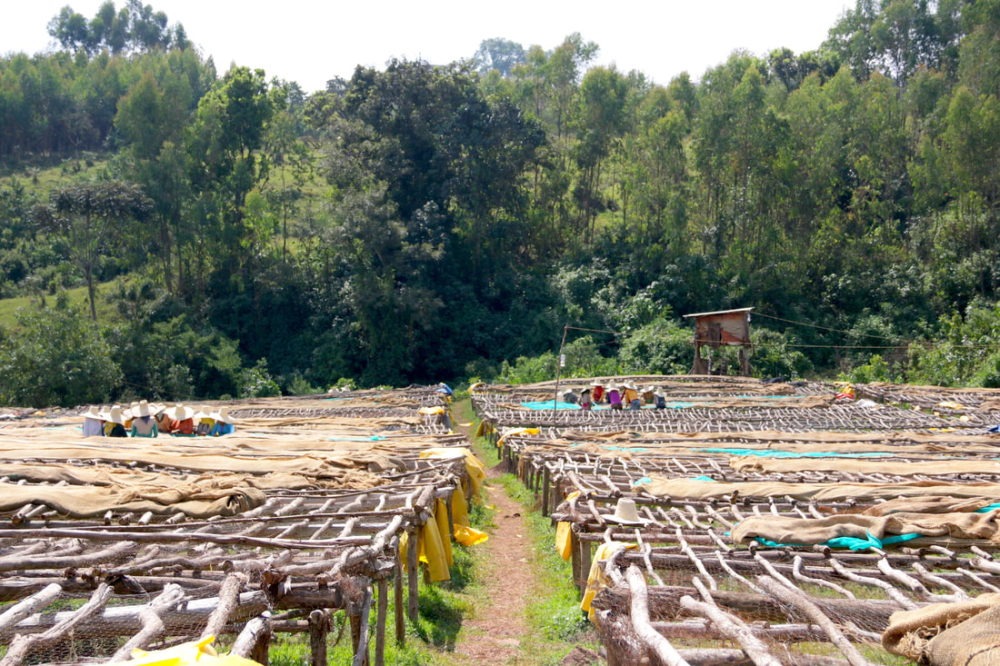
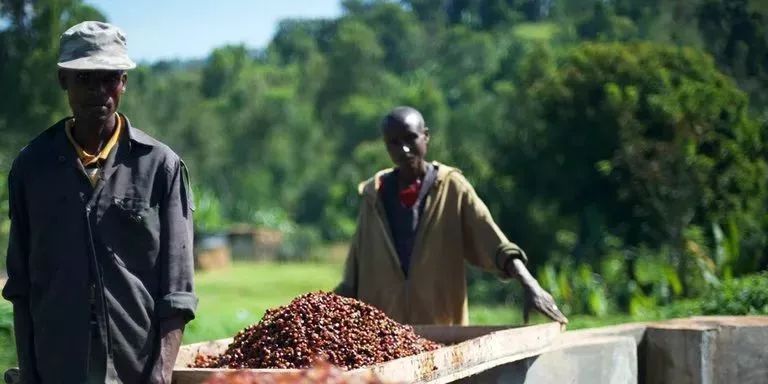
Since 2006, some coffee processing stations in certain production areas have begun using refined raised-bed natural processing. This labor-intensive raised-bed drying method isolates coffee cherries from the ground, preventing them from picking up earthy off-flavors during sun drying, thereby presenting an exceptionally clean fruit flavor. After more than two weeks of sun drying, the dark brown coffee cherries are professionally stored, waiting for the flavor to fully mature. Before sale, the dried cherry pulp and parchment are removed, and then underripe beans and over-fermented beans are sorted out. Strict quality control has significantly raised the overall standard of natural beans.
3. Flavor characteristics
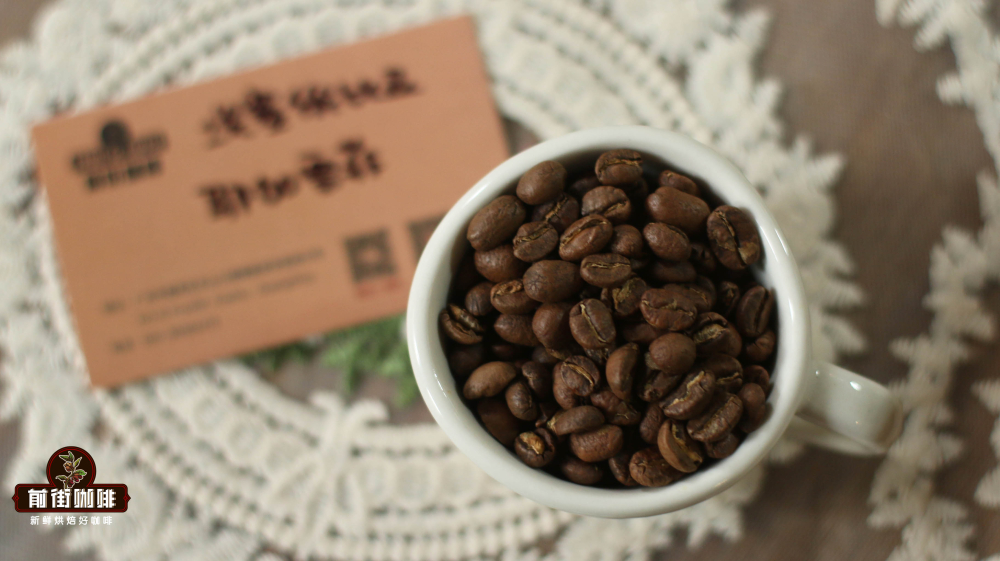
Washed Yirgacheffe: has a distinctive lemon note, refreshing jasmine aroma, and soft fruit acidity with citrus flavors, with a fresh and bright mouthfeel. Representative specialty coffees include: Front Street. Washed Yirgacheffe, Front Street. Gotiti Cooperative.
Natural Yirgacheffe: has alluring fruit acidity, a clean fermented fruit sweetness, elegant fruity wine aroma, and a sweet finish. Representative specialty coffee: Front Street. Natural Red Cherry.
4. Green coffee bean grades
Ethiopian coffee grading is not based on screen size, but on the proportion of defective beans in the green beans. After Ethiopia launched the ECX specialty coffee trading and grading system, Q-Graders made the following grades through green bean evaluation: washed Yirgacheffe is divided into Grade 1 and Grade 2; natural Yirgacheffe is divided into Grade 1, Grade 3, Grade 4, and Grade 5. Grade 1 is the highest grade, namely Yirgacheffe with the lowest defect rate and the best quality.
Within the small Yirgacheffe production area, there are many outstanding cooperatives (villages), which were discovered by CoffeeHunters and then established independently, such as Worka Cooperative and Gotiti Cooperative.
Worka Cooperative was founded in 2005 and joined the famous Yirgacheffe Coffee Farmers Cooperative Union (YCFCU) in the same year, and is known for producing high-quality natural Yirgacheffe. Worka Cooperative has about 300 coffee farmers under it.
Gotiti Cooperative is located in the Worka production area at the southeastern end of Yirgacheffe, and was originally part of Worka Cooperative under the Yirgacheffe union YCFCU. Later, as people pursued traceability of green coffee beans, independent "single-origin" areas were unearthed one by one by coffee hunters around the world. In 2012, Gotiti, with about 300 members, independently established "Gotiti Cooperative."
Front Street. Gotiti Cooperative uses refined washed processing, fermenting in a washing tank for about 72 hours before depulping. During mucilage fermentation, part of the acid produced seeps into the interior of the bean. At the same time, because there is no pulp or mucilage attached outside the parchment during drying, it lacks the signature fruity aroma of natural beans, and the flavor tends toward clean and bright, with more prominent acidity. It is then dried on raised beds, hand-sorted, and after passing the quality inspection by the Ethiopian Coffee and Cocoa Authority, traded and exported through bidding. The coffee flavor has a pure and refreshing character.
Front Street Coffee roasting approach
Under normal roasting, Front Street. Gotiti's temperature rise is relatively gentle, with a roasting time of just over 10 minutes, giving sufficient time and temperature for dehydration and promoting the degradation of chlorogenic acid. If degradation is insufficient, a sharp acidity will appear when drinking, causing discomfort on the tongue and also a rough sensation. At the same time, continuing to supply heat after first crack will sustain caramelization reactions, producing sweetness such as caramel, with a solid and weighty sweetness, while the bright fruit acidity will be slightly reduced.
Front Street pour-over coffee parameter recommendations
Because Front Street. Gotiti has a short heating time, a relatively hard texture, and poor water absorption, the soluble substances inside the coffee beans are not easily released, so it is necessary to increase the water temperature accordingly, adjust the grind finer, and use staged pouring. The grind size can be judged visually; fine granulated sugar coarseness is sufficient. If using a C40 hand grinder, it is 24 clicks; for an EK43s electric grinder, it is 10 clicks.
Dose: 15g
Ratio: 1:15
Water temperature: 91°C
Grind size: medium-fine (80% passing through a No. 20 sieve)
Technique: three-stage pouring
First pour 30ml, bloom for 30 seconds
Second pour 100ml
Third pour 95ml
Time: 2 minutes.
Pour-over coffee flavor: the acidity is more pronounced and delicate, presenting yellow lemon acidity, a light sugarcane sweetness, with intertwined sweet and sour notes, flavors of cream and lemon black tea, and a finish of green tea and floral aromas; the mouthfeel is smooth, the flavor is full, and the finish is relatively long-lasting.
The above content is compiled by CoffeeHunters, a coffee news website.


