







Search Results for: Second Window
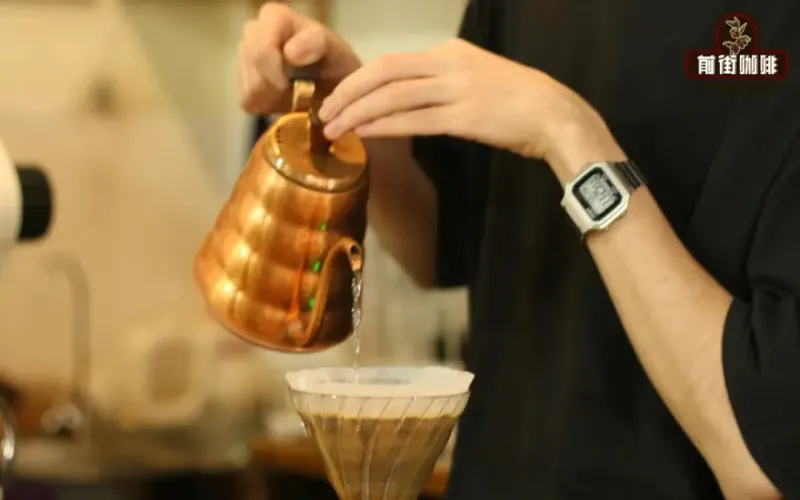
How to Brew Coffee Past Its Peak Flavor Window So It Still Tastes Good? A Complete Guide from the Principles of the Flavor Window to Pour-Over Techniques
Many coffee enthusiasts have heard the saying that coffee beans have a "peak flavor window," but few truly understand what it means. The so-called peak flavor window refers to the period after roasting during which coffee beans are at their fullest flavor and most suitable for drinking. During this time, the beans neither hinder extraction due to excessive carbon dioxide, nor lack aromatic compounds—in fact, their aroma compounds are at their most abundant, so the brewed coffee has rich aromatic layers and a round, full-bodied taste. However, once the beans are stored beyond this window, the flavor drops noticeably and brewing becomes more difficult. This article starts with the definition of the peak flavor window and how to judge it, then explains in detail how to adjust brewing parameters for coffee beans past their peak—including water temperature, grind size, coffee-to-water ratio, and other specific steps—and offers practical tips based on Front Street Coffee's beans to help you brew the remaining beans on hand into the ideal cup. [more…]
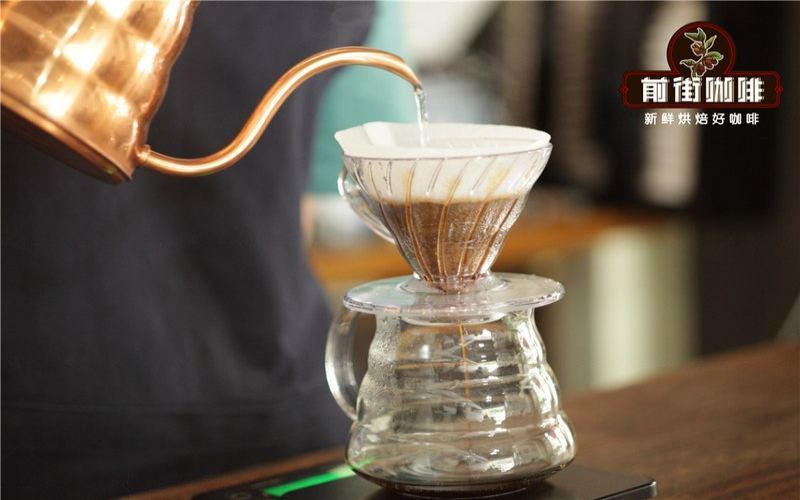
SOE Roast Days and Degassing Changes: Letting a Single Origin Fully Release Its Aroma During the Optimal Drinking Window
Freshly roasted single-origin coffee beans hold a large amount of carbon dioxide gas trapped inside. In the first days after opening, this gas rushes out violently on contact with water, forming a dense layer of foam. Too much gas prevents water from fully contacting the coffee grounds, so aromatic compounds cannot dissolve out smoothly. Give the beans a quiet period to degas. [more…]
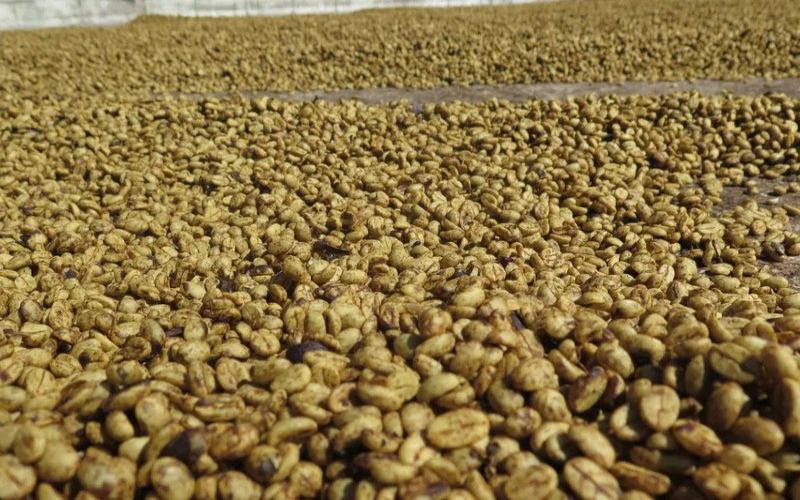
The tasting window for espresso: how to manage the degassing window and storage after opening
Espresso relies on high pressure for rapid extraction. Freshly roasted coffee beans contain a significant amount of carbon dioxide internally. If they are ground and extracted before this gas has fully released, it tends to create coarse foam that interferes with the even penetration of water through the coffee bed. Understanding the degassing patterns of coffee beans can help us more confidently plan when to open [more…]
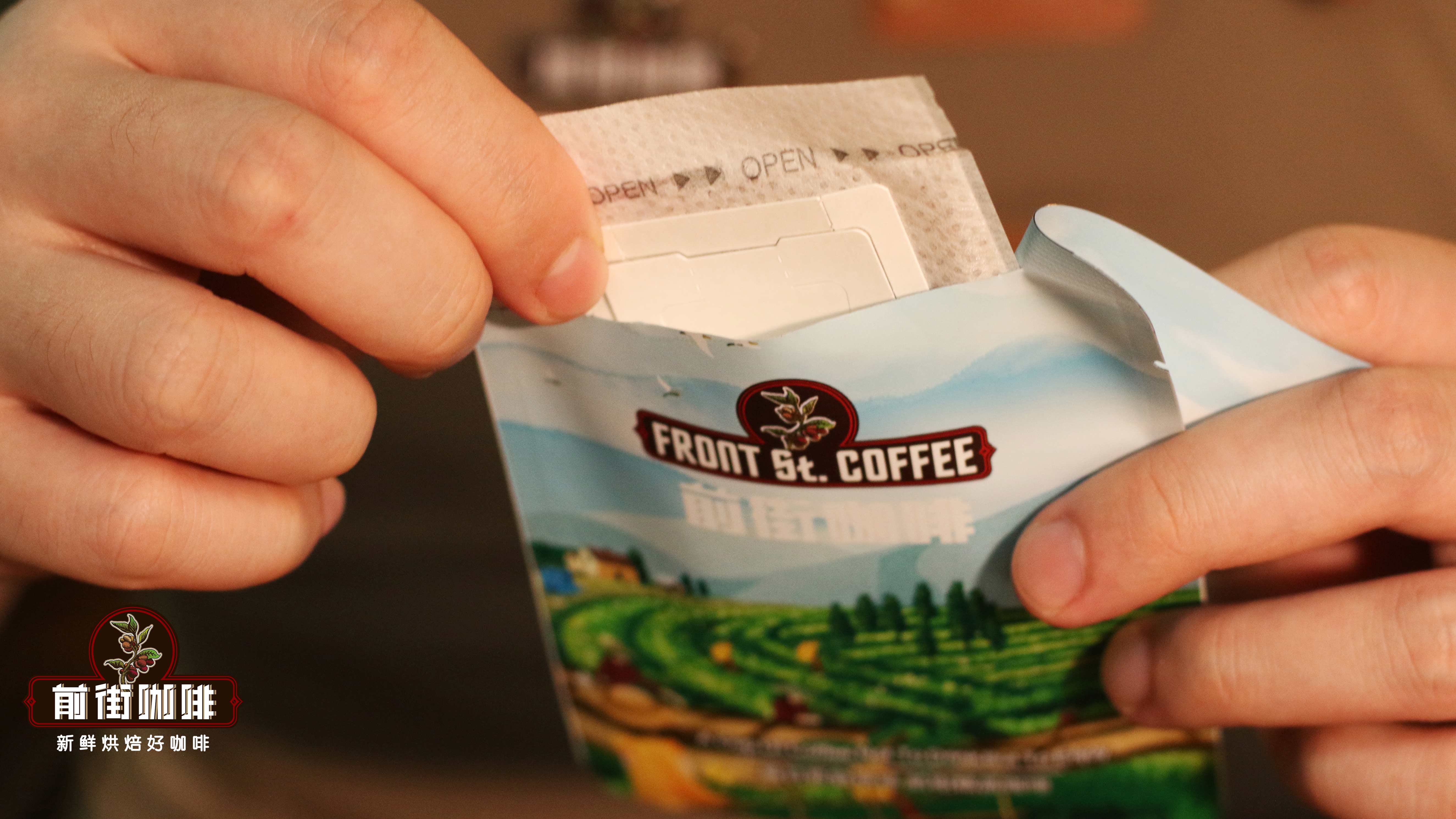
Analysis of Drip Bag Coffee Production: Why Is the Best-Flavor Period Shorter Than Coffee Beans? A Full Explanation of the Bean-Resting Concept
Drip bag coffee is deeply favored by coffee lovers for its convenient brewing method, but do you understand the production logic behind it? Front Street stores always insist on freshly grinding and making drip bags on the spot. This seemingly inefficient practice is actually closely related to the extremely short peak flavor period of drip bag coffee. Starting from the production process of drip bag coffee, this article will explain in detail the essential difference between the shelf life and the peak flavor period of coffee beans, analyze why pre-grinding leads to accelerated loss of aroma, and extend to introduce the basic concept of the resting period for coffee beans. At the same time, the article will also share the flavor characteristics of a variety of drip bag products such as Front Street Huakui, Flower Butterfly, Honduras, and PWN Golden Mandheling, helping you enjoy a good cup of coffee within the optimal time. [more…]

McDonald's Opens Its First Newsstand Window Store in Guangzhou: Where Coffee Breakfast and Urban Memories Spark New Chemistry
Once ubiquitous on street corners, newspaper kiosks are gradually fading from the urban landscape—some have shut down, while others have found new life through transformation. Recently, McDonald's in Guangzhou converted a newspaper kiosk into a window-service outlet, selling coffee, breakfast, and ice cream, drawing considerable attention. This is not the first time a chain brand has experimented with kiosk conversions—KFC launched its KCOFFEE newspaper kiosk as early as last year. From luxury brands to China Post, the humble newspaper kiosk is being given an entirely new commercial role. Can this "newsstand + food and beverage" model sustain itself long-term, and can it revive people's urban memories? Let's take a look at the stories behind this wave of kiosk transformations. [more…]
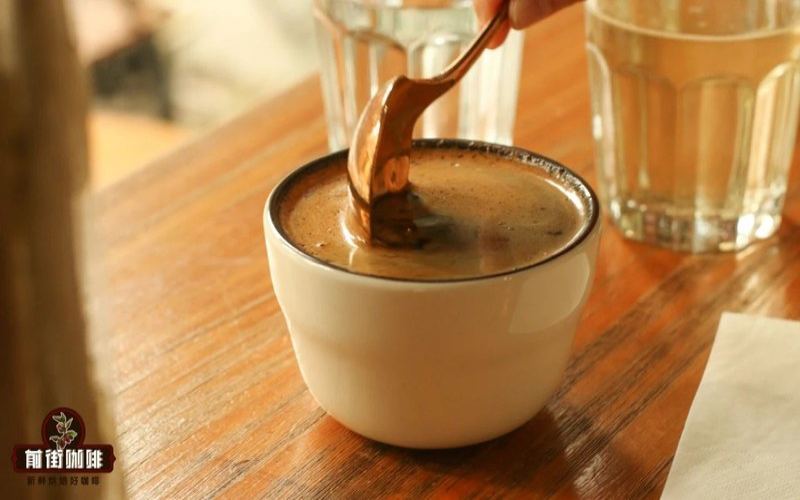
Grasp the peak flavor window and degassing state to make latte beans' aroma last longer
The aromatic depth and smooth texture presented by a cup of latte are closely related to the current freshness and gas state of the coffee beans. After being heated during roasting, coffee beans continuously release carbon dioxide, and the flavor compounds inside are also constantly undergoing oxidation and transformation. Freshly roasted coffee beans, due to the high concentration of carbon dioxide within them, produce during extraction [more…]

From Roast Calendar to Aroma in the Cup: The Flavor Window and Storage Rules for Single-Origin Pour-Over Beans
After coffee beans are roasted, they need to go through a process of gas release and stabilization of their internal aromatic compounds. Freshly roasted beans have a high concentration of carbon dioxide trapped inside, which can cause violent bubbling during brewing, preventing the water from making full contact with the coffee grounds. Through several days of natural degassing, the coffee beans' flavor compounds [more…]
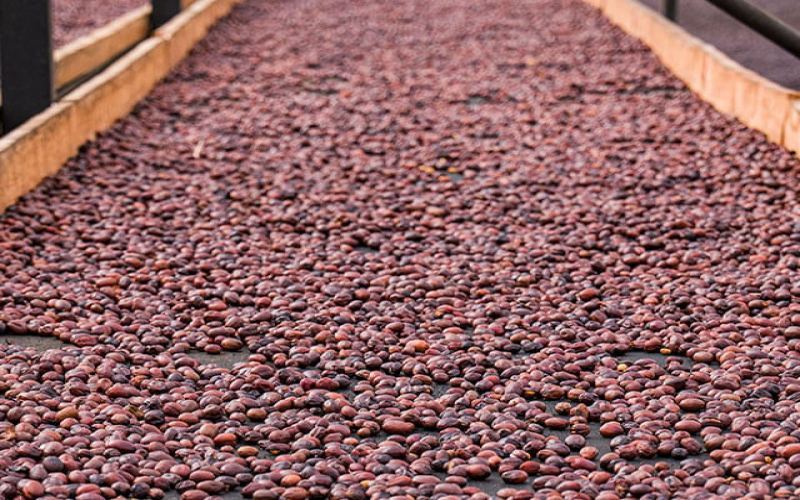
Understand the degassing period and drinking window on coffee bags to pick single-origin pour-over beans that are smooth without sourness or bitterness
Freshly roasted coffee beans hold a large amount of carbon dioxide internally. When brewed immediately, the violently released gas tends to obstruct the even contact between water and coffee grounds, making the extracted flavors taste tight and astringent. To bring out a smooth and gentle texture in the cup, it is essential to understand the evolution of the beans from the moment they leave the roaster until the aromatic compounds fully unfurl. [more…]
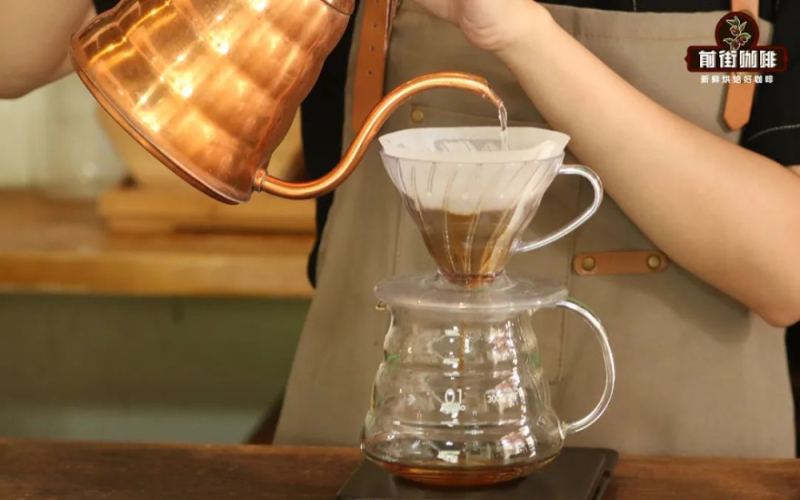
A Complete Guide to Degassing and Resting Espresso Beans: Resting Times and Optimal Flavor Window
You just bought coffee beans and brewed them right away, only to find the taste falls short of expectations—yet after a few days, they become smooth and pleasant instead. The key behind this lies in the degassing process of the coffee beans. This article will systematically explain the resting principles for espresso beans, the recommended resting times for different roast levels, and the specific methods and precautions for awakening the beans. At the same time, for those who can't resist tasting early, Front Street Coffee will also share two practical tips to help you maximize extraction performance even when the beans haven't finished resting. [more…]

When Buying Beginner Pour-Over Beans, Check the Roast Date: Master the Peak-Flavor Window and Sealed Storage Tips
Freshly roasted coffee beans have accumulated a large amount of carbon dioxide inside, and at this point the bean structure is tight and the aromatic compounds have not yet fully unfurled. If brewed immediately after roasting, the violently released gas can easily prevent hot water from evenly penetrating the coffee grounds, often making the extracted coffee taste thin or sour. Give the coffee beans a [more…]
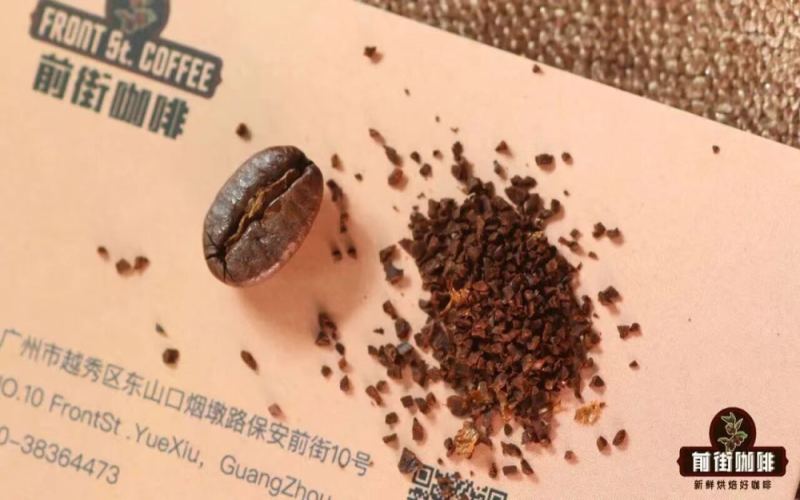
Coffee Bean Peak Flavor Window | Can Washed Yirgacheffe Pour-Over Coffee Grounds Be Stored in the Refrigerator? Is There a Big Flavor Difference Between Roasted Coffee Beans and Freshly Ground Coffee?
Freshly ground coffee brews up more aromatic—this is already a well-worn topic, and we also know well how important freshness is to coffee flavor. But sometimes, to avoid hassle, many friends have the merchant grind the coffee beans into powder before shipping when buying beans, because then when it comes time to brew, there's no need to worry about what grind setting to use, nor [more…]
How to Improve the Aroma of Pour-Over Coffee? A Detailed Explanation of the Flavor Window for Single-Origin and Espresso Beans and Extraction Parameter Adjustments
Many coffee enthusiasts who brew pour-over at home often find that the coffee they make falls short of what a café produces, whether in aroma or flavor expression. In fact, the key to recreating a cup of pour-over coffee that is rich in aroma and layered in flavor lies in two core elements: first, using fresh coffee beans that are still within their optimal tasting window; second, achieving full extraction through scientific brewing parameters. Drawing on the practical experience of Front Street Coffee, this article systematically explains the criteria for judging coffee bean freshness, the brewing parameters corresponding to different roast levels, and how to flexibly adjust grind size based on flavor feedback, helping you consistently brew a good cup of coffee with a rich aroma and vivid flavor. [more…]
Can You Still Drink Coffee Beans Past Their Peak Flavor Window? Adjusting Grind and Pouring Technique in Pour-Over to Salvage Stale Beans
The peak flavor period of coffee beans is the stage when they display their best flavor, when aromatic compounds are abundant and the carbon dioxide content is just right, making extraction easy and thorough. Once the storage time exceeds the peak flavor period, a large amount of volatile aromatics is lost, and the brewed coffee tends to be thin and prone to harsh bitterness. So does that mean beans past their peak flavor period can only be discarded? In fact, by adjusting the grind size and pouring technique, you can still avoid the risk of over-extraction to some extent and give stale beans a second life. This article will explain what the peak flavor period means and provide a specific brewing recipe suitable for beans within two months of the roast date, including operational details such as bloom time and pouring rhythm, to help coffee lovers deal with having too many beans stockpiled or flavors that don't suit their taste. [more…]
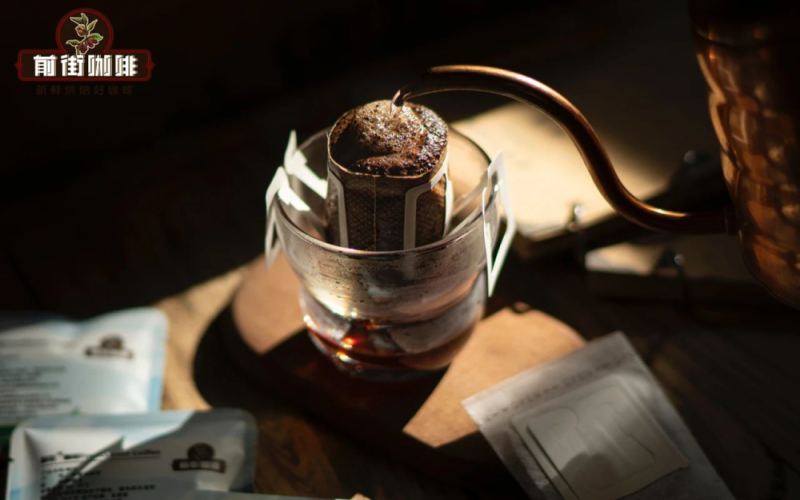
How to brew drip bag coffee so it tastes good? Front Street teaches you the correct brewing steps and the best flavor period analysis.
Drip bag coffee may seem simple, but brewing a delicious cup involves attention to water temperature, pouring technique, and the timing of when you drink it. In this article, Front Street Coffee will combine three drip bag products—Yirgacheffe Gutingting, Brazil Queen's Estate, and Sidamo Huakui—to explain in detail the correct brewing process for filter-style drip bag coffee, and answer common questions such as how long a drip bag can be stored after opening and the best time to drink it. At the same time, we will also help enthusiasts understand the flavor differences among different drip bag coffees from the perspectives of coffee bean processing methods and regional flavors, making everyday brewing more consistent and more delicious. [more…]
How to store and use pre-ground coffee powder? A full analysis of flavor shelf life after grinding and brewing precautions.
Many people know that pre-ground coffee powder is not as aromatic as freshly ground coffee, yet they still choose to have it ground for them, and there are actually quite a few practical considerations behind this. Pre-ground powder saves the trouble of buying a coffee grinder, is portable and labor-saving, and the professional grinders at coffee shops usually provide a more uniform grind. However, once coffee beans become powder, their peak flavor period is greatly shortened, and the way they are stored and used changes accordingly. From Front Street's perspective, this article sorts out the major advantages of pre-ground powder and explains in detail the key points to note when using pre-ground powder, such as stirring and sealing, to help you enjoy a more satisfying cup within the limited flavor window. [more…]
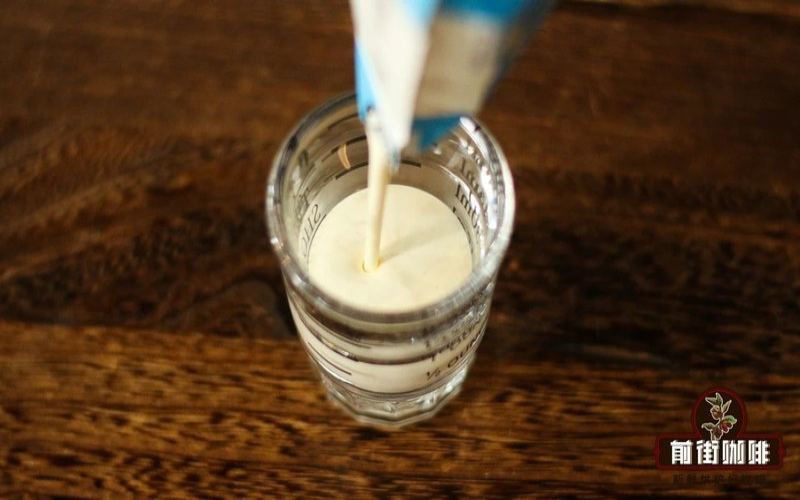
How to Enjoy Cold Brew Coffee Beans: Understanding the Flavor Window After Roasting
Cold brew isn't simply about chilling coffee liquid—low temperatures and a slow water flow stretch out the bean's aroma and sweetness, and they also magnify the differences that freshness brings. If freshly roasted beans are used right away, the cup may have a noticeable fizzy mouthfeel and a harsh acidity; once they've rested to a stable state, the fruity notes, sweetness, and finish are more likely to flow together. [more…]
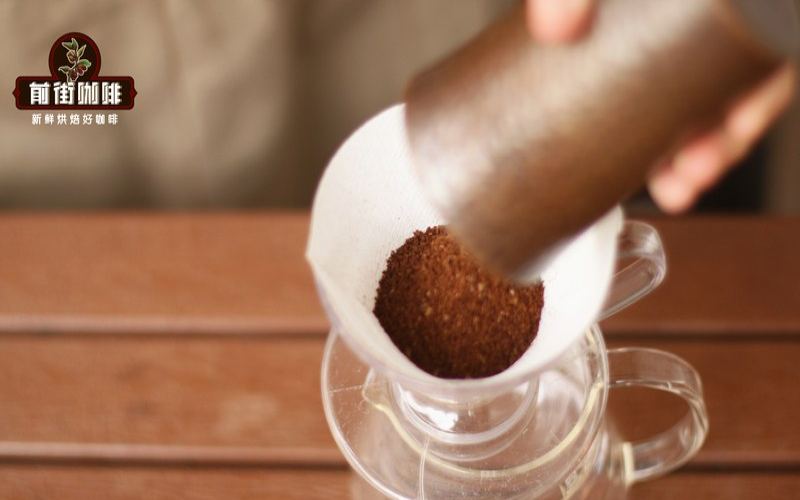
From Degassing to Opening and Consumption: A Flavor-Window Rhythm Guide for Italian-Style Dark and Medium-Dark Roasts
After coffee beans are roasted, they continuously release a large amount of carbon dioxide internally. Due to differences in the degree of heat exposure, dark roasts and medium-dark roasts naturally differ in their internal pore structure and degassing rate. This physiological change directly determines the crema condition during espresso extraction, and also defines the time window during which flavor development reaches a balanced state. [more…]
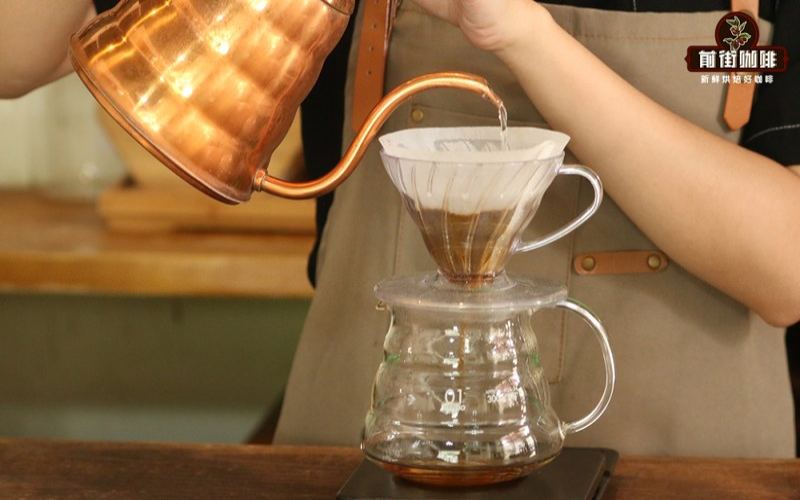
Roast date and the optimal tasting window: helping floral and fruity coffee beans lock in fresh aromas
Freshly roasted floral and fruity coffee beans accumulate a large amount of carbon dioxide gas inside. When this gas meets water, it expands rapidly and can easily prevent hot water from coming into even contact with the coffee grounds. Let the beans rest for a few days in packaging with a one-way degassing valve, allowing the internal pressure to gradually stabilize. The delicate floral and [more…]
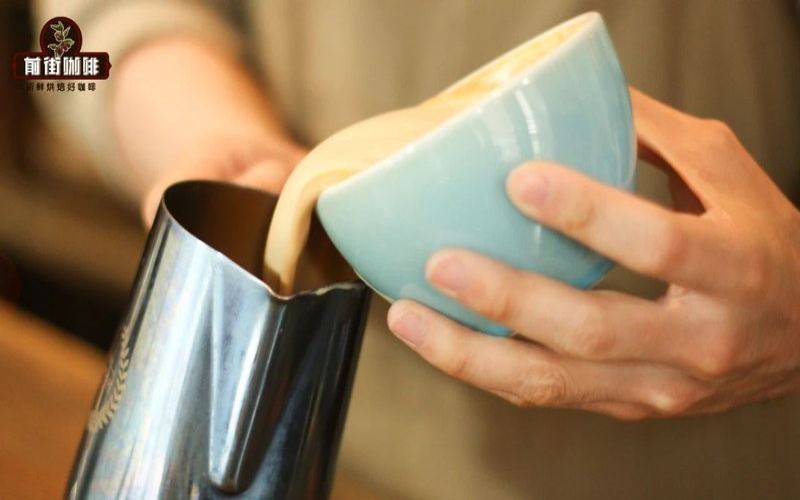
The Flavor Window and Storage Rhythm of Nutty Chocolate Coffee
The appeal of coffees with notes of nuts, cocoa, and caramel often lies in their consistent sweetness, mild acidity, and smooth entry on the palate, making them suitable for hot Americanos, milk-based coffees, or moka pot brews. However, the same bag of beans, when drunk at different times after roasting, will vary in aroma, body, and finish. When choosing this type of coffee, besides looking at the flavor description, also pay attention to the roast [more…]
Understanding the Pour-Over Coffee Flavor Window: Taste Bright Fruit Notes During Stable Degassing and the Opening Period
Freshly roasted coffee beans continue to release carbon dioxide accumulated inside them during the first few days, and this natural degassing process directly affects the extraction efficiency of hot water. If the beans are too full of internal gas, the hot water poured in is easily blocked by bubbles, making it difficult for aromatic compounds to dissolve fully and evenly into the water. Therefore, al [more…]