







Adjusting Your Brew for Coffee Past Its Peak
Coffee past its peak flavor window can still make a satisfying cup with a few adjustments. Start by using slightly hotter water, around 200 to 205 degrees Fahrenheit, to compensate for muted aromas. Grind a bit finer than usual to increase surface area for extraction. A longer brew time, such as three to four minutes for pour-over, helps draw out remaining flavors. These changes address the flatness that often comes with older beans.
You can also adjust the coffee-to-water ratio. Try a slightly stronger ratio, like 1:15 instead of 1:16, to boost intensity. Bloom the grounds with double the water and wait 30 to 45 seconds to release trapped gases. Pour in slow, steady circles to ensure even extraction. If the result still tastes weak, a pinch of salt in the brewed cup can mask stale notes and brighten the overall flavor.
Many coffee enthusiasts have heard the saying that coffee beans have a "peak flavor window," but few truly understand what it means. The so-called peak flavor window refers to the period after roasting when the beans' flavors are at their fullest and most suitable for drinking. During this time, the coffee beans neither hinder extraction due to excessive carbon dioxide, nor lack aroma compounds—they are at their most abundant. The brewed coffee has rich layers of aroma and a round, full-bodied mouthfeel. However, once the beans are stored beyond this window, the flavors noticeably decline and brewing becomes more difficult. This article will start with the definition and assessment of the peak flavor window, then explain in detail how to adjust brewing parameters for beans past their peak—including water temperature, grind size, and coffee-to-water ratio—with practical tips based on Front Street Coffee beans to help you brew an ideal cup from the beans you have on hand.
As is well known, coffee beans have an optimal peak flavor window—that is, the period from 5 to 45 days after roasting (under proper storage conditions). During this time, the coffee neither has excessive carbon dioxide hindering extraction nor lacks aroma compounds—they remain abundant. As a result, the brewed coffee will have a rich aromatic expression and a full-bodied mouthfeel.
So what is the peak flavor window? Simply put, it refers to the period after roasting when the beans' flavors reach their peak and remain relatively stable. Freshly roasted beans release a large amount of carbon dioxide, a process called "degassing." When degassing is too vigorous, pouring hot water causes bubbles to surge and water flow to channel, making extraction efficiency unstable. After about 5 days of resting, degassing slows down while aroma compounds remain plentiful. From then until about 45 days after roasting is the ideal phase for flavor expression. Beyond this time, the beans' aromas gradually dissipate and oils oxidize more rapidly, making the brewed coffee prone to unpleasant flavors like woody or cardboard notes.
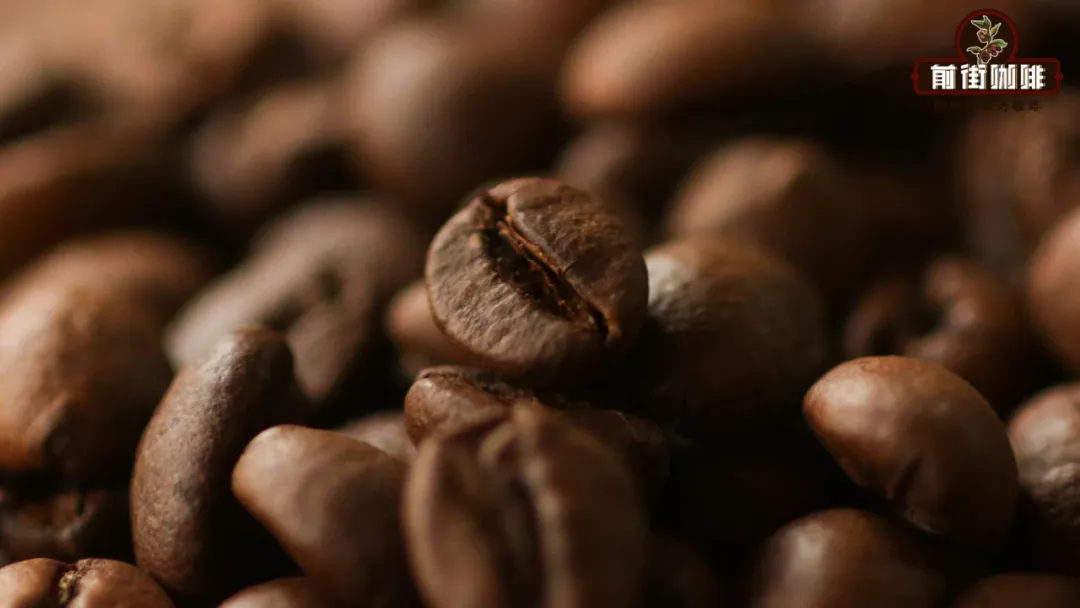
To judge whether coffee beans are still within their peak flavor window, you can consider several aspects. First, smell the dry aroma—fresh beans typically have a clear, layered dry aroma, while stale beans smell dull or even rancid. Second, observe the degassing reaction—if you barely see bubbles expanding when pouring water, the beans have passed their active degassing phase. Third, taste—if the brewed coffee is flat, has a short finish, or even shows off-flavors, you can basically conclude it has exceeded its optimal peak flavor window.

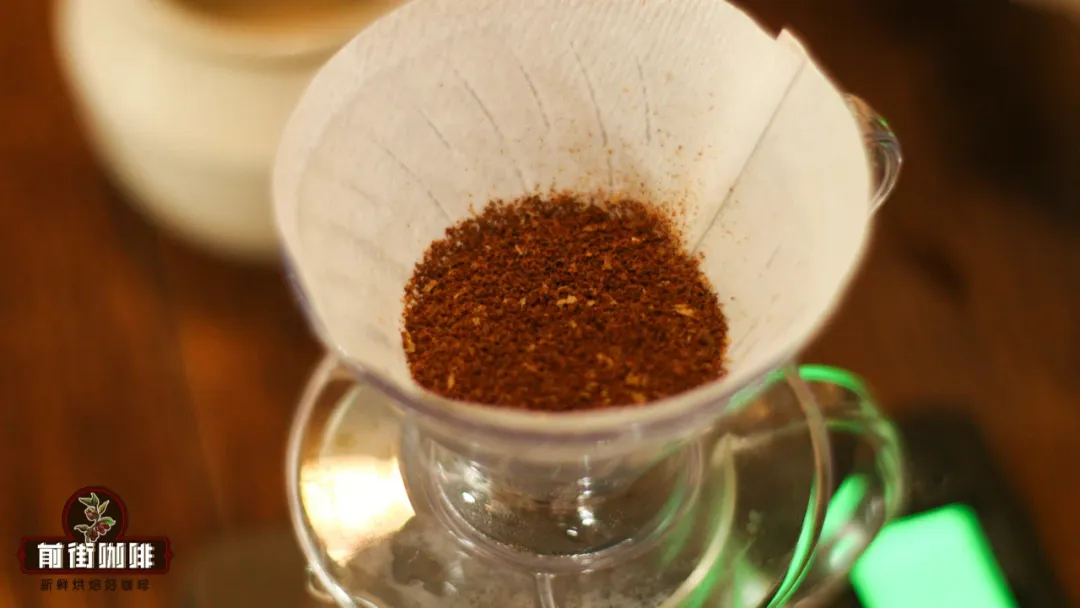
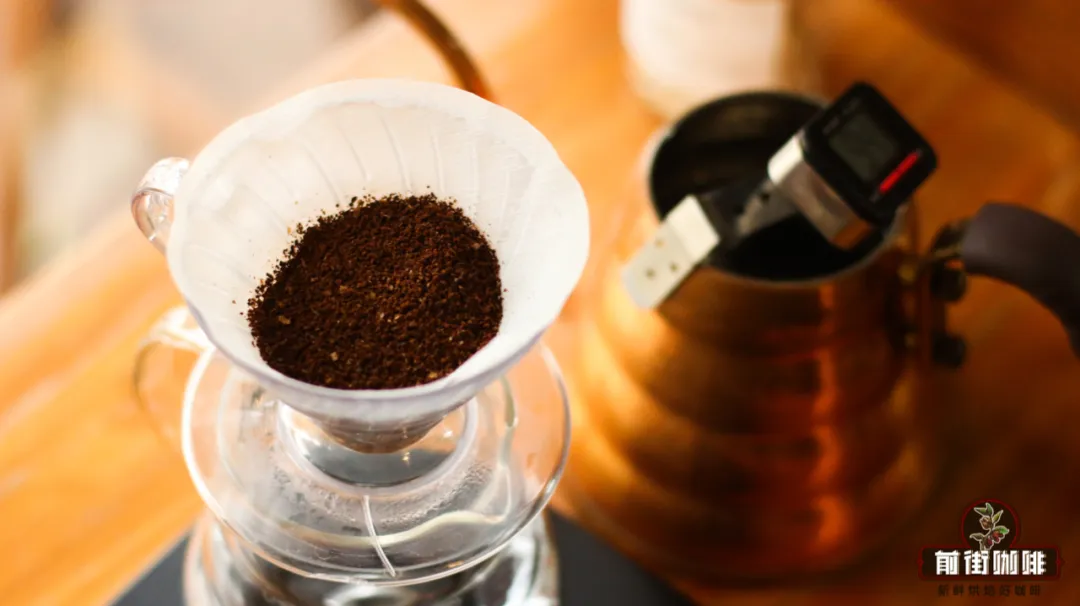
If the coffee beans on hand have indeed exceeded their peak flavor window, there's no need to discard them—adjusting your brewing strategy can still improve the result. The core approach is: compensate for lost aromas, enhance extraction efficiency, and avoid over-extracting bitter or off-flavors. Specifically, you can focus on the following aspects.
First, appropriately increase the water temperature. Fresh beans are usually brewed at 88–92°C, but beans past their peak have fewer aroma compounds, so you can use higher temperatures of 93–96°C to enhance the dissolution of flavor compounds. Second, grind finer. Over time, the internal structure of coffee beans becomes denser, so you can grind one to two notches finer than usual to increase the contact area between water and coffee grounds. Third, adjust the coffee-to-water ratio—you can appropriately increase the dose, for example from 1:15 to 1:14, to concentrate the flavors. Fourth, slow down your pouring technique—use a gentle stream and pour in stages to extend extraction time, giving flavor compounds more time to release.
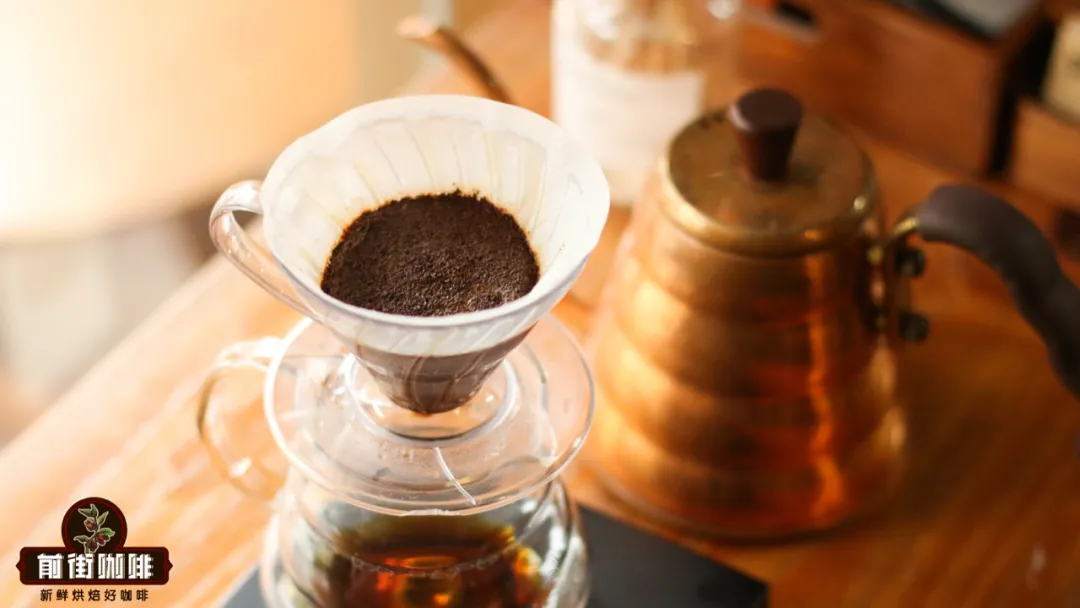
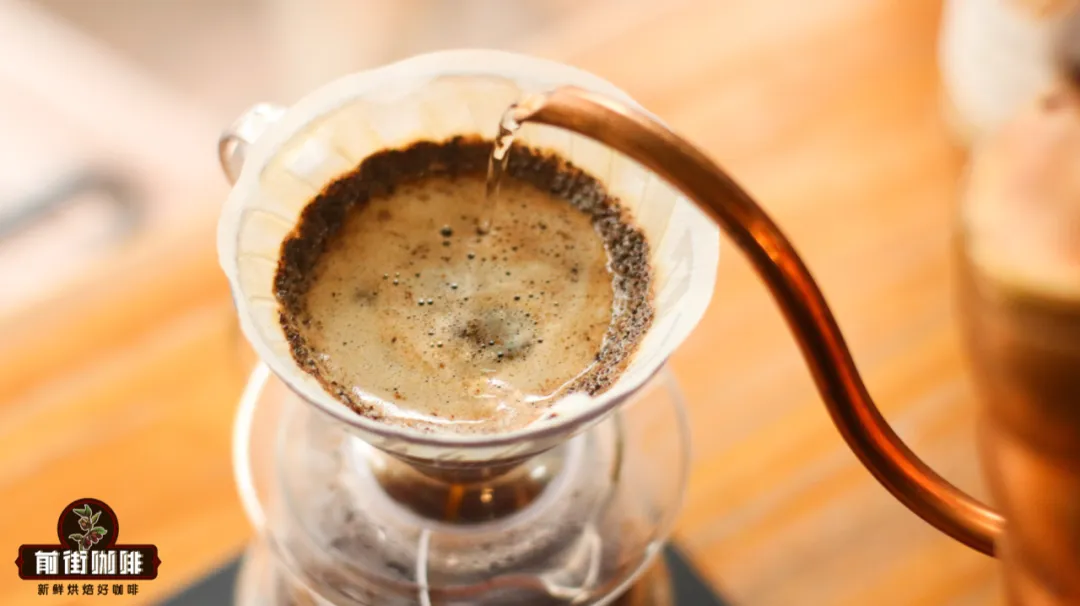
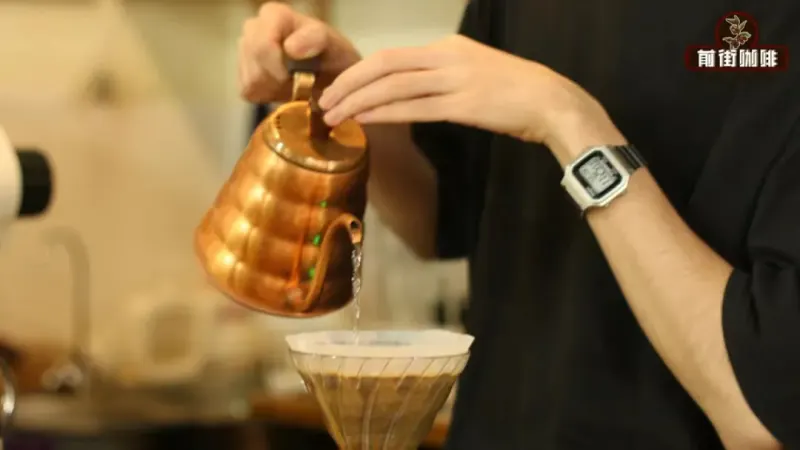
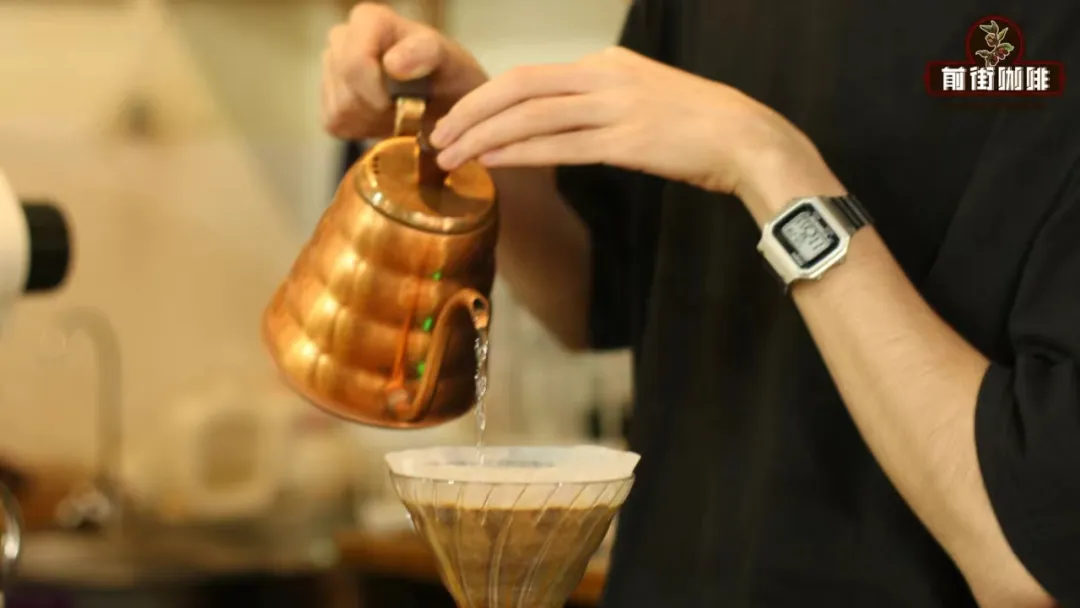
Taking pour-over coffee as an example, here's a specific routine: Take 15 grams of Front Street Coffee beans, grind one notch finer than your daily pour-over setting, and set the water temperature at about 94°C. Rinse the filter paper with hot water and discard the wastewater, then add the coffee grounds and gently level them. First pour: 30 grams of water, bloom for 30 seconds—if the beans show little degassing activity, that's normal. Second pour: slowly pour in a circular motion up to 150 grams, waiting for the water level to drop. Third pour: pour up to 225 grams, keeping total extraction time between 2 minutes 15 seconds and 2 minutes 30 seconds. Although the coffee brewed this way can't fully recapture peak-period aromas, the mouthfeel can still maintain a certain fullness and sweetness.
Finally, a reminder: regardless of whether the beans are within their peak flavor window, proper storage is crucial. It's recommended to store beans in a sealed, light-proof, cool environment, minimizing contact with air. If you can't finish them in the short term, portion them out and freeze—when taking them out, grind directly without bringing them back to room temperature. This maximizes the delay of flavor degradation. With these methods, even if your coffee beans have exceeded their peak flavor window, you can still brew a satisfying cup of coffee.
The above content is compiled by CoffeeHunters, a coffee news website.


