







Search Results for: Scallion Latte
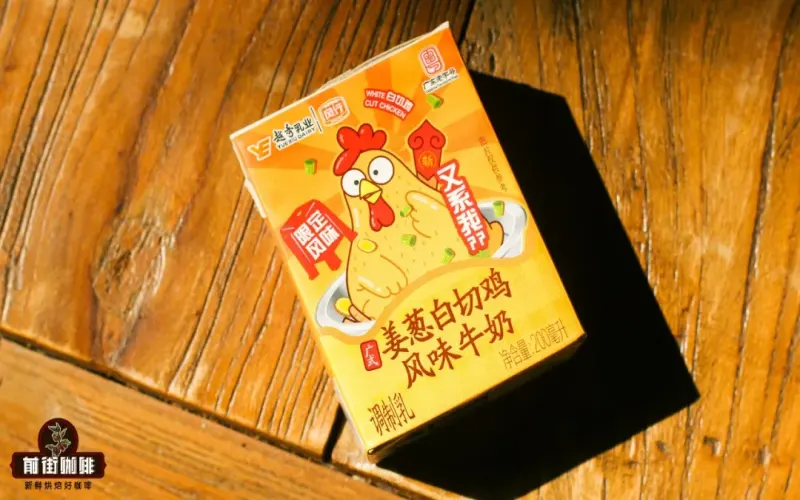
Ginger-Scallion Poached Chicken Flavor Milk Paired with Espresso: A Full Analysis of Parameter Ratios and Signature Drink Creation Ideas
Recently, a milk brand in Guangzhou launched a highly talked-about ginger-scallion white cut chicken flavored milk, combining the classic Cantonese dipping sauce flavor with milk, and it quickly sold out. Front Street Coffee also got its hands on this quirky product and tried using it to make a latte. This article documents the experiment in detail: two beans were chosen, Front Street Classic Blend and Strawberry Candy·Espresso, extracted as espresso at 20g dose, 1:2 coffee-to-liquid ratio, and 30 seconds. A 1:4 coffee-to-milk ratio was tested first, and the coffee flavor was found to be completely masked, with a heavy, cloying mouthfeel. Then it was improved to a 1:3:1 ratio of espresso, ginger-scallion chicken milk, and fresh milk, and the result actually tasted better than the milk itself, with the two beans showing different expressions of balanced richness and light sweet-tartness respectively. But the overall flavor was too unique, and most people would find it hard to accept, so Front Street recommends trying it with caution. [more…]
CCTV livestream tasting of scallion latte goes viral: can novelty coffee win consumers' hearts in the long run?
Coffee has long become part of everyday life for the general public, yet in recent years all kinds of "novel" pairings have emerged one after another, constantly refreshing people's understanding of this beverage. Recently, a "scallion latte" appeared on a CCTV livestream, and after tasting it, the host and guest bluntly said it was "like vegetables fell into the coffee" and that they "tasted a white scallion aroma," quickly sparking heated discussion. From flower tea coffee and fruit coffee to special blends inspired by dishes such as roast goose, white cut chicken, aged vinegar, and fish mint, coffee shop owners have practically moved the entire Chinese menu into coffee cups. Novel flavors can certainly win momentary attention, but coffee ultimately must be held to the bottom line of tasting good. This article will take you through these wildly imaginative special blends and explore the consumer logic behind novelty coffee along with recommendations from the Front Street brand. [more…]
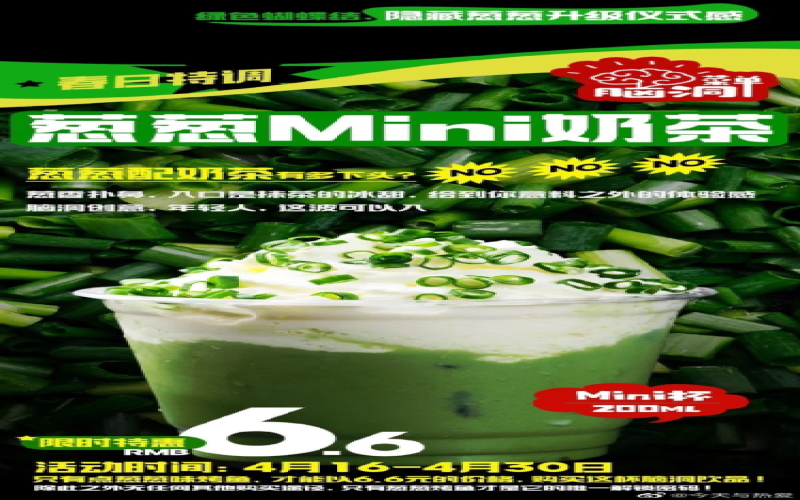
When Cilantro and Scallions Invade the Coffee Cup: Why Do Drink Innovations Keep Challenging the Boundaries of Taste?
In recent years, the cross-boundary fusion of coffee and milk tea has constantly refreshed people's perceptions. From garlic latte to cilantro coffee and scallion milk tea, savory vegetables have been "invading" the beverage world one after another. Behind these seemingly absurd pairings lies the innovation anxiety of the restaurant industry amid fierce competition. Some find them novel and fun, while others say they are simply unacceptable. This article will take you through a rundown of these "dark cuisine"-level drinks and explore whether they are just a passing gimmick or truly capable of winning over the taste buds. At the same time, we will also discuss Front Street Coffee's observations on this kind of innovation trend, and how ordinary drinks can find a balance between traffic and reputation. [more…]
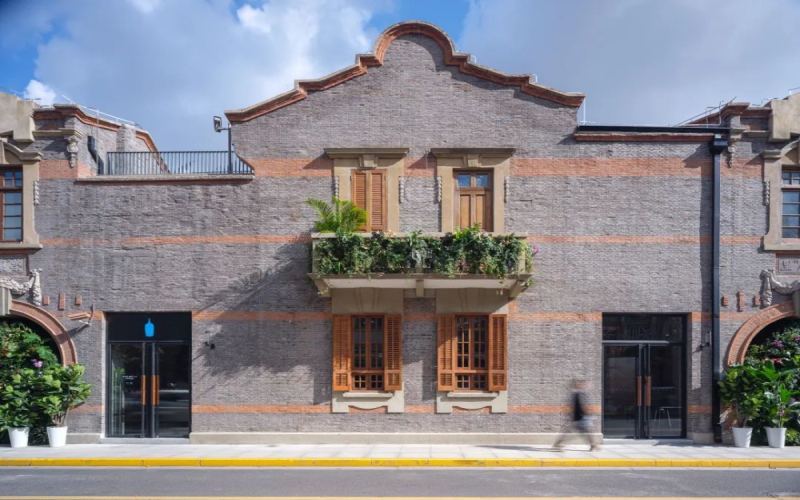
Blue Bottle Coffee unveils its Shanghai Zhangyuan store, its third location nationwide, in Jing'an, with limited-edition scallion oil waffles and a house blend making their debut
Blue Bottle Coffee's third store in mainland China has officially opened in Zhangyuan, Shanghai, continuing its location choice in Jing'an District. The new store is based on the Shikumen architectural style, blending weathered brick walls, original wooden lattice doors and windows, and outdoor alley spaces. In addition to continuing the localized design, the Zhangyuan store also offers a fusion of Chinese and Western "scallion oil waffle," limited-edition blend coffee beans, woven merchandise, and debuts honey sea salt latte and caramel jujube cake. A vintage Oji cold drip coffee maker on the bar counter becomes a highlight. Since Blue Bottle Coffee entered the mainland China market in February this year, its store opening pace has been steady, and the brand expects future expansion in China to be faster than in other international markets it has entered. [more…]
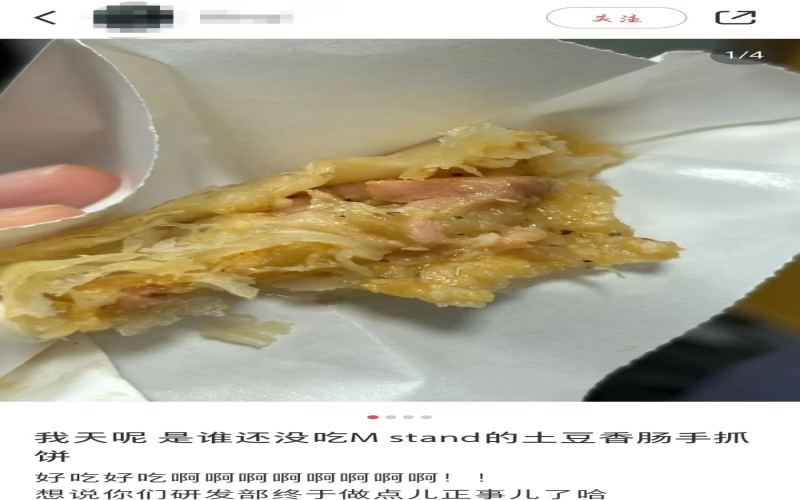
Mstand Launches Potato Sausage Hand-Grab Pancake, Sparking Discussion: Why Coffee Brands Increasingly Venture into Creative Meals
During Halloween, Mstand launched a new Butter Basque Latte and a series of merchandise bundles, but what truly caught fans' attention was an unexpected potato and sausage scallion pancake wrap. As a coffee brand known for its refined and stylish image, Mstand's decision to add a street food item to its menu sparked discussions on social media. This article reviews consumers' genuine feedback on this pancake wrap, longtime customers' reflections on the brand's breakfast product line, and the controversy surrounding Mstand's merchandise strategy, while exploring loyal fans' hopes for the brand to return to its coffee roots. [more…]
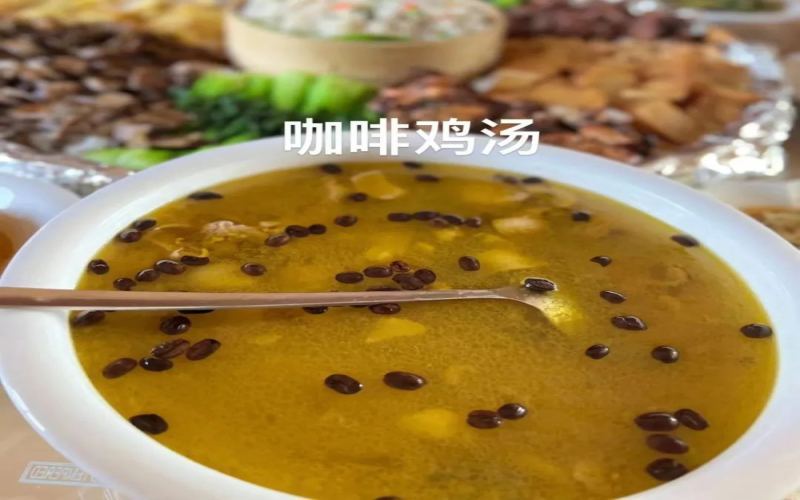
A Creative Roundup of Guangdong's Specialty Coffee: The Regional Cultural Logic Behind Ginger-Scallion Chicken Americano and Sesame Oil Qingping Chicken
The way coffee is enjoyed in Guangdong is clearly a bit different from elsewhere. When ginger juice, scallion shreds, toasted sesame seeds, and even bird's eye chilies jump into the coffee cup one after another, the boundaries of specialty coffee get redrawn again and again. This article rounds up a batch of coffee specialty drinks with strong Guangdong characteristics, from ginger milk curd with espresso to a kumquat juice and coconut water mashup, and on to ginger-scallion chicken Americano and sesame oil Qingping chicken specialty coffee. Behind these seemingly outrageous combinations actually lies the open-minded, relaxed regional character of Cantonese people. Most of these products are gimmicks to draw traffic, and only a few actually make it to market, but they still show the many possibilities of coffee. The article also keeps relevant recommendation information from Front Street Coffee for coffee lovers' reference. [more…]
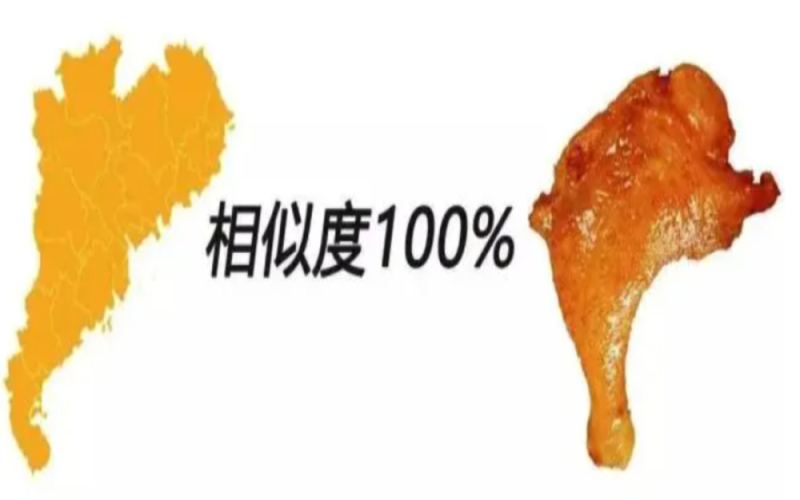
Guangdong People Put Chicken in Coffee: A Full Analysis of Ginger-Scallion, Coconut Chicken, and Sesame Oil Chicken Specialty Drinks
In Guangdong, chicken is the undisputed star of the dining table—a single phrase, "no chicken, no feast," says it all. But can you imagine? Guangdong's baristas have actually poured ginger-scallion chicken, coconut chicken, sesame oil Qingping chicken, and even sausage and roast duck right into coffee cups. From ginger juice with cream to mimic the oily texture of chicken skin, to the essence of coconut chicken hot pot condensed into a single specialty drink, to sesame oil and vodka colliding to create the aroma of ginger-scallion poached chicken, these wildly imaginative creative coffees are upending people's understanding of coffee. This article takes you through tasting these "so weird you want to try them" Cantonese specialty drinks one by one, to feel the wondrous sparks struck by the collision of coffee and Cantonese cuisine. For more specialty coffee bean news, welcome to follow Coffee Workshop and Front Street Coffee. [more…]
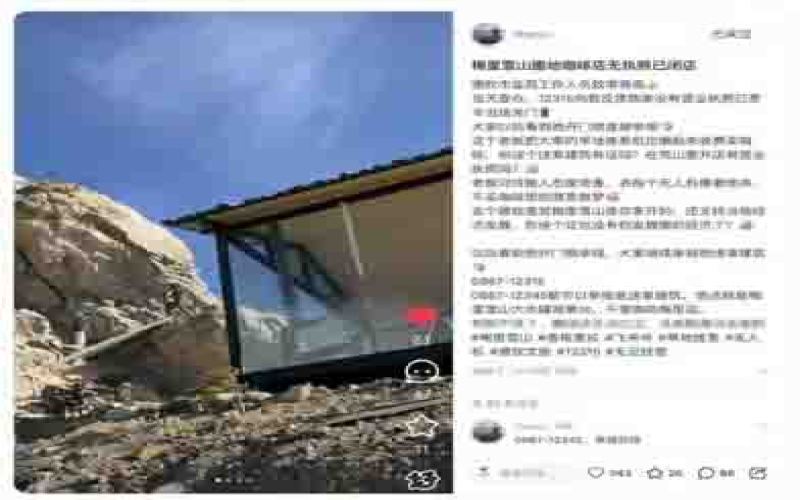
Instagram-famous photo spot at Meili Snow Mountain taken over by cafe for paid access; unlicensed business ordered to suspend operations for rectification
A viral photo spot at Meili Snow Mountain in Yunnan, known as "a scallion plucked from dry land," has recently been exposed as being cordoned off by a local café, requiring tourists to make a purchase before they can enter to take photos, sparking discontent among outdoor enthusiasts who reported it. After investigation, the local market supervision bureau confirmed that the café has no business license and has ordered it to suspend operations for rectification. This free viewing platform near the Feilaisi observation deck became famous for offering views of the magnificent scene of golden sunshine on the snow mountain, but has now become embroiled in controversy due to commercial activity. The incident has also raised public concerns about damage to the natural environment and safety hazards. [more…]
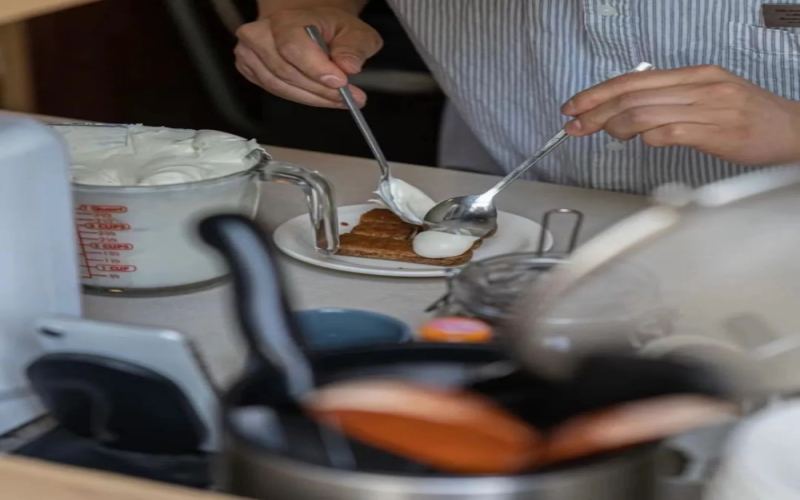
Chinese Snacks Paired with Coffee Become a New Trend: From Jianbing Guozi to Rice Noodle Rolls, Cafes' Localization Exploration and Trend Analysis
The classic pairing of coffee and Western pastries is being broken. Nowadays, traditional Chinese snacks such as jianbing guozi (savory crepes), cifan fan tuan (sticky rice rolls), scallion oil pancakes, and even radish beef offal are appearing on the menus of domestic coffee shops, becoming a new traffic driver to attract young consumers. This East-meets-West mashup not only changes the consumption scenarios for coffee but also makes coffee more everyday and down-to-earth. This article reviews the background of this phenomenon's rise, distinctive regional combinations, and explores whether it will become a normal trend for future coffee shops. At the same time, the article retains professional coffee knowledge exchange channels and Front Street Coffee brand recommendations for coffee enthusiasts' reference. [more…]
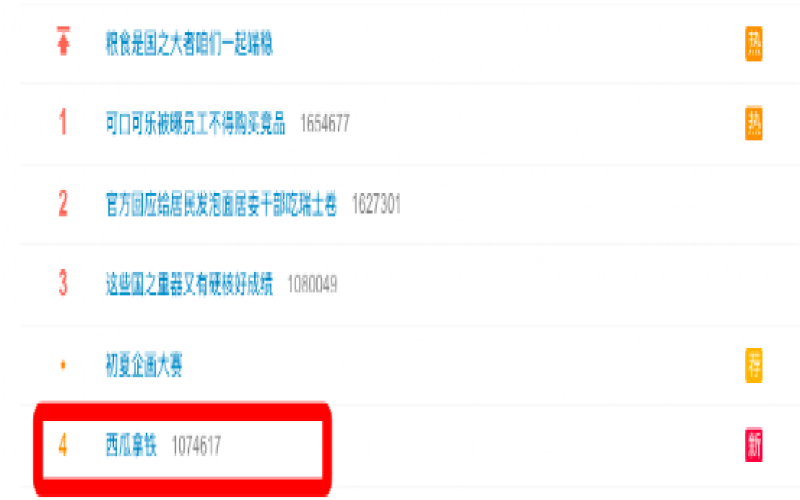
Luckin Coffee launches new watermelon latte series, reigniting discussion on the trend of coffee drinks becoming more like milk tea.
After the Start of Summer, the weather gradually heats up, and Luckin Coffee has seized the moment to launch a new watermelon series, with its watermelon latte quickly trending on Weibo. From garlic latte to watermelon latte, the boundaries of coffee specialty drinks are constantly being pushed. This article compiles specific information about Luckin's new watermelon series, netizen reviews, and the backdrop of Luckin surpassing Starbucks in store count and its products increasingly resembling milk tea, while also exploring how the coffee industry is following in Luckin's footsteps toward milk-tea-fication. Coffee enthusiasts who enjoy trying new things may want to take note. [more…]
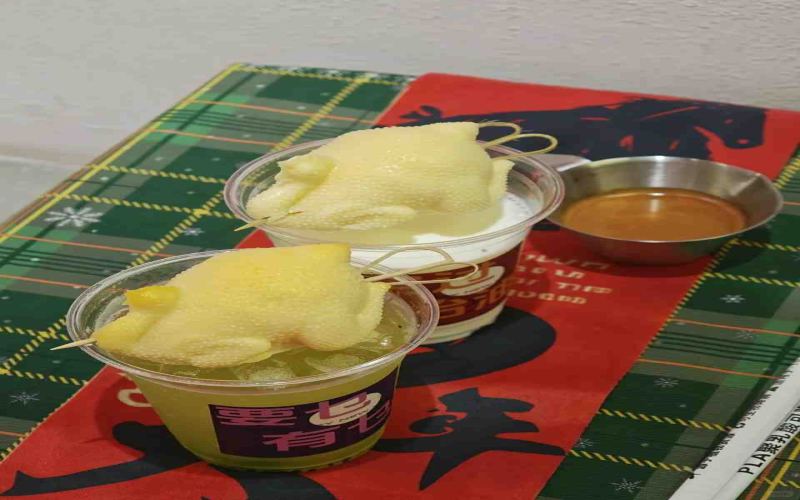
White-cut chicken latte takes social media by storm: corn panna cotta garnish available for an extra 5 yuan, with 1.5-hour queues at peak times
Recently, a coffee with a unique design has gone viral on social media: perched atop the drink in the cup is a lifelike "white cut chicken" decoration, with chicken skin texture so detailed it's astonishing. When espresso is poured over it, the visual effect instantly transforms from white cut chicken to soy sauce chicken, sparking lively discussion among netizens. This is actually a creative decoration made by the coffee shop using corn panna cotta, available to customers for just 5 yuan with any drink purchase. Due to the large number of people wanting to take photos, it often sells out during the afternoon rush. Is this drink just a gimmick or a creative highlight? Let's find out. [more…]
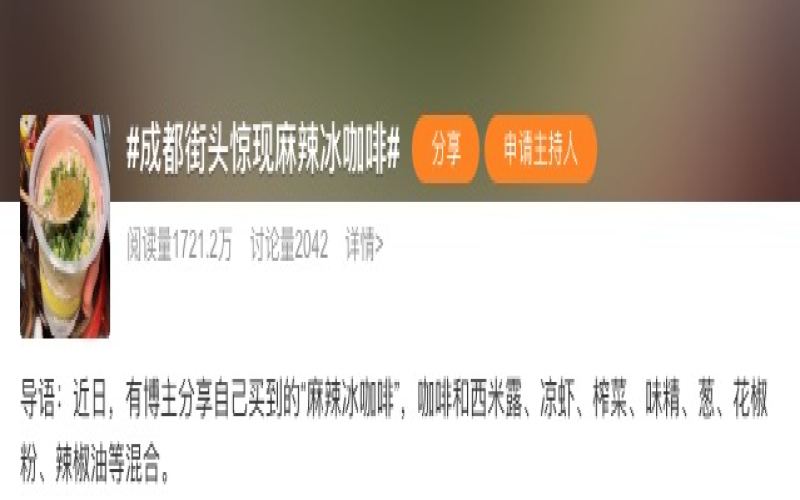
A spicy iced coffee has appeared on the streets of Chengdu, priced at 6 yuan a cup, sparking heated discussion, with netizens exclaiming they dare not try it.
Chengdu, a city famous for its spicy hotpot and skewered snacks, recently made trending news again thanks to a "spicy iced coffee." A blogger spent 6 yuan on a cup of specially made coffee on the street, only to find it contained sago, liangxia (a chilled rice-flour shrimp treat), pickled mustard tuber, monosodium glutamate, scallions, Sichuan peppercorn powder, and chili oil — an ingredient list that rivals hotpot base. The owner insisted this is a "Chengdu snack" and that adding two ladles of chili oil is the rule. The video sparked heated discussion online, with Chengdu locals saying they had never seen it and wouldn't dare drink it, while others were curious enough to try. Is this coffee creative or just absurd? Let's take a look. [more…]
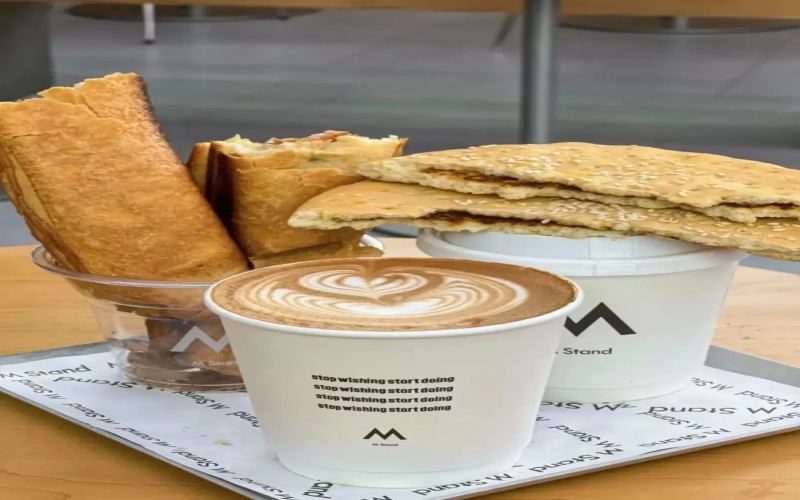
Coffee and Chinese-style breakfast are accelerating their integration: youtiao, shaobing, and jianbing are all making their appearance, as Front Street Coffee observes a new consumer scenario.
The pairing of coffee with Chinese-style breakfasts is rapidly expanding across the country. M Stand recently launched a coffee set featuring youtiao croissants and beef shaobing, a Shanghai jianbing guozi coffee shop once had people queuing for over an hour, and in Ningbo, Chaozhou, Kunming, Jingdezhen, Shantou, Guangzhou, and other places, combinations such as cifantuan, wumiguo, meigancai pork patty, youtiao with mochi, Chaoshan rice noodle rolls, and even beef offal rice with coffee have emerged. Data from Ele.me and Koubei Life Network in 2021 shows that the top two breakfast preferences of Shanghai residents are soy milk and coffee, and coffee has entered the ranks of the most popular breakfasts in multiple regions. This article reviews typical examples of this trend and retains relevant recommendations from Front Street Coffee for coffee enthusiasts' reference. [more…]
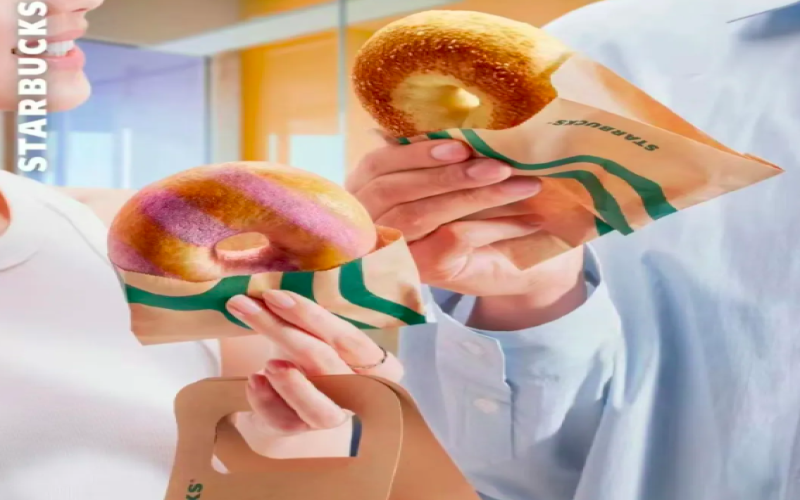
Starbucks Enters China's Bagel Market: Will Tims' "Bagel + Coffee" Position Be Disrupted?
With their distinctive chewy texture and versatility, bagels have rapidly become a hot item in coffee consumption scenarios in recent years. Starbucks plans to launch a series of four bagels in its Chinese stores in early July, priced at around 18 to 26 yuan, officially joining the competition in this category. Tims, meanwhile, has been deeply cultivating the "bagel + coffee" combination for years, enjoying a first-mover advantage and a solid fan base. Will Starbucks's entry this time shake Tims's position in China's bagel market? This article analyzes the situation from the perspectives of product strategy, pricing, and consumption scenarios. [more…]
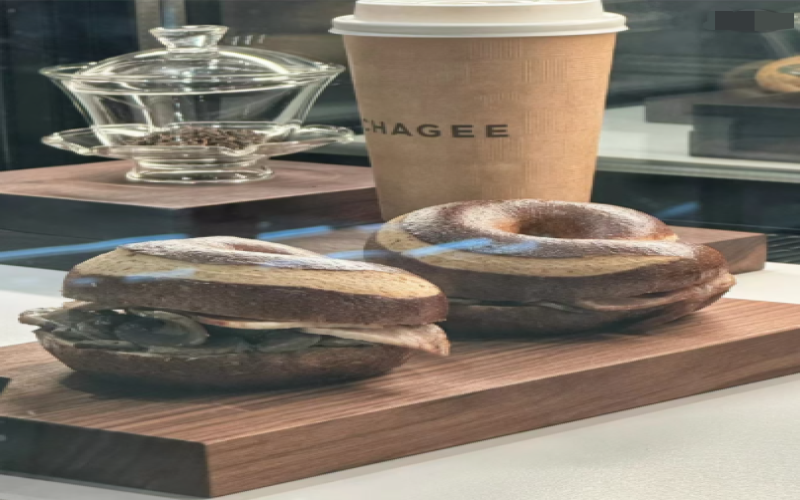
New Trend of Tea Brands Crossing into Bakery: CHAGEE 4.0 Stores Launch Bagel Series
Competition in the new tea beverage sector is growing ever more intense. While defending their existing advantages, major brands are exploring diversified business paths, among which the "coffee + bakery" combination is particularly eye-catching. Recently, Chagee launched its Zhencui Tea series in its 4.0 stores and ventured into the bakery sector for the first time, rolling out three bagel products in one go, marking this new tea beverage brand's official entry into the bagel race. Meanwhile, chain coffee brands such as Starbucks, Tims Coffee, Peet's Coffee, and Seesaw had long since established bagel product lines. With their healthy attributes of low sugar, low oil, and low fat, their consumption scenarios covering all dayparts, and their fit with the customer profile of coffee shops, bagels are gradually becoming a standard bakery item in specialty coffee shops. This article will provide an in-depth analysis of the specific products and pricing strategy behind Chagee's cross-category attempt, as well as the deeper logic behind the rise of bagels. [more…]
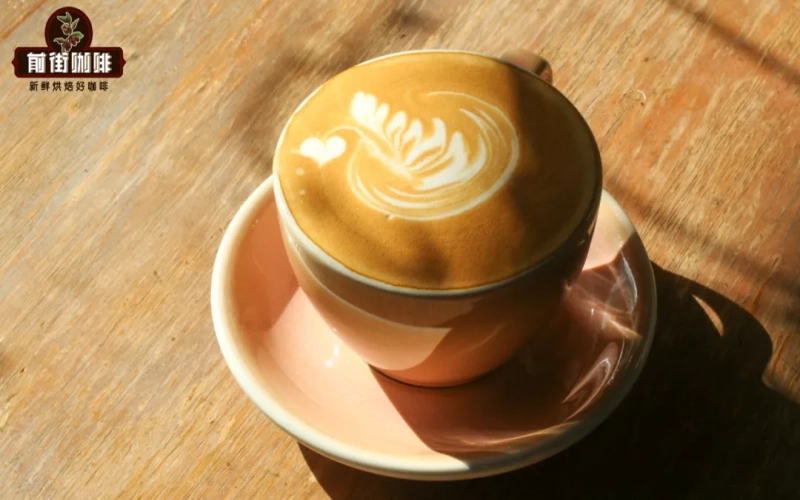
Is latte coffee actually coffee? A comprehensive interpretation from Italian etymology to decaf latte oolong.
Walk into a coffee shop and order a latte—does what's served up always contain coffee? Why is there often no trace of coffee in matcha lattes or red velvet lattes? To answer these questions, we need to start with the Italian word "Latte" itself. Latte originally meant hot milk, while caffè latte is the classic blend of espresso and milk. As caffè latte swept the globe, "latte" gradually became shorthand for milk coffee by default, and so a batch of coffee-free drinks also came to use the name. This article will trace the evolution of latte from Italy to the United States, explain the two practical reasons behind the naming of coffee-free lattes, and remind everyone to take a closer look at the menu categories before ordering, so as to avoid getting something you didn't want. [more…]
What exactly is a latte? A complete interpretation from the Italian word Latte to fancy coffee
The term "latte" often confuses people: is it actually coffee? Why can matcha lattes and red velvet lattes contain no coffee at all? In fact, latte is a transliteration of the Italian word Latte, which literally means milk, while Caffè latte refers to milk coffee. This article starts from etymology, historical evolution, and coffee shop naming conventions to trace the birth and rise in popularity of latte coffee from Italy to California in the United States, and explains why coffee-free lattes are still named "latte." Front Street Coffee will also share related knowledge and product information in this article. [more…]
Why Does Matcha Latte Contain No Coffee? Interpreting the Original Meaning of Latte and the Evolution of Latte Coffee
Many people have had the experience of ordering a matcha latte at a coffee shop, only to find that it contains no coffee at all. Why is it called a latte if it doesn't contain coffee? What exactly does the word latte mean? To answer these questions, we need to turn our attention back to the Italian word Latte, tracing the semantic shift of this term from milk to milk coffee, and how it acquired new meanings as Italian-style coffee spread around the world. This article will start with the etymology of Latte, trace the story of how latte coffee was born in the United States, and explain why coffee shops are so eager to use latte to name drinks that contain no coffee, helping you avoid confusion the next time you face a menu. [more…]
Must a latte contain coffee? Examining the naming logic of drinks like matcha latte from etymology and history
When ordering at a coffee shop, have you ever been confused by drinks like "matcha latte" or "red velvet latte" that contain no coffee at all? The name says "latte," yet what you get is a pure milk drink. Behind this lies an interesting story about language, history, and the spread of coffee culture. This article starts from two questions that Front Street Coffee is often asked—why do some lattes contain no coffee? And if they contain no coffee, why are they still called lattes?—to trace the evolution of the word "Latte" from its meaning of "milk" in Italian to its current conventional use as shorthand for "milk coffee," and to analyze the logic behind how coffee shops name coffee-free drinks. Whether you are a coffee enthusiast just getting started or a consumer trying to make sense of the menu's mysteries, this article will help you sort things out so you won't be confused the next time you order. [more…]
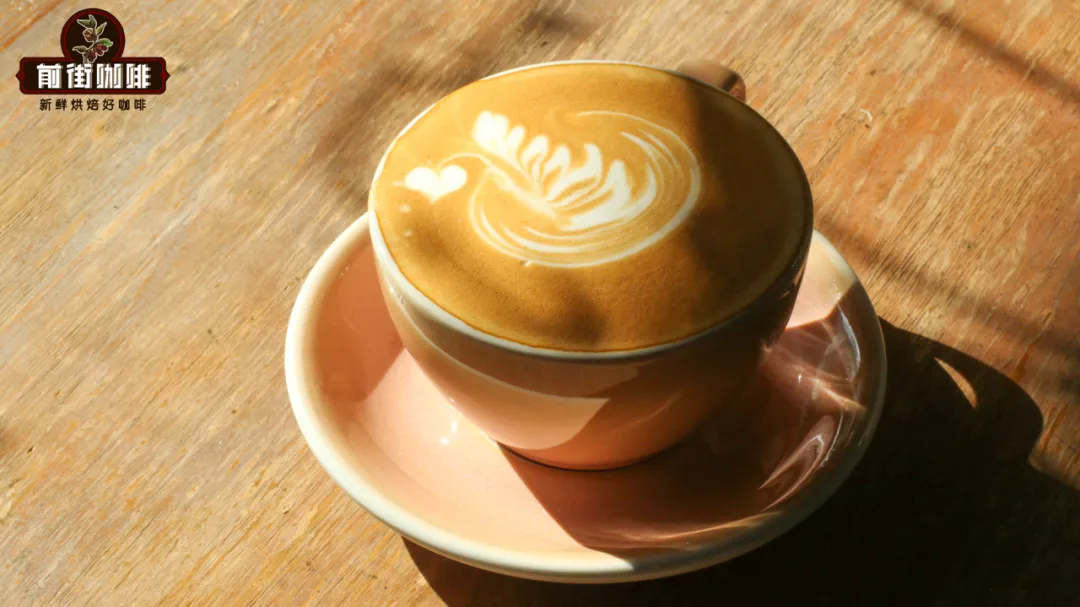
Espresso Coffee Latte Caffè latte | Is a latte coffee? Latte coffee flavor, taste, origin, history, preparation method and ratio introduction
For more specialty coffee knowledge, please follow: Front Street Coffee (Frontsteet Coffee) "Latte" is a transliteration of the Italian word "Latte". In Italy, "Latte" simply means hot milk, while latte coffee is called "CoffeeLatte", and is a type of fancy coffee. [more…]