







Search Results for: Roast Level Classification
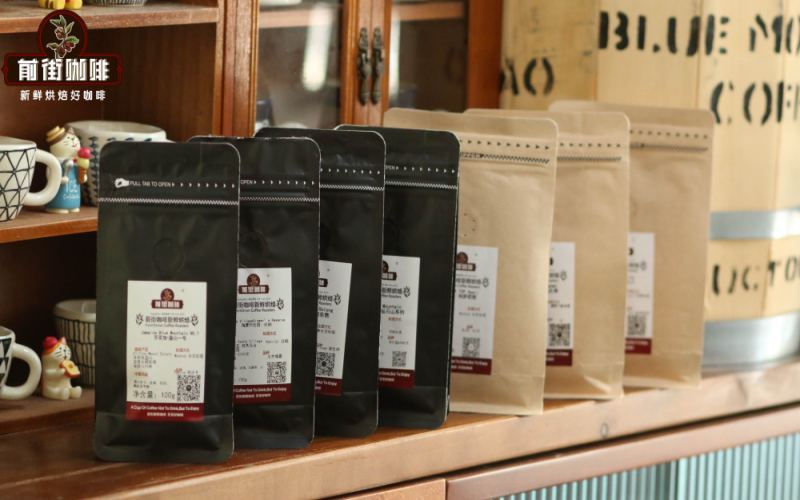
A Complete Guide to Coffee Roast Levels: From Agtron Numbers to Sweet, Sour, and Bitter Classification—Decoding the Roast Secrets Behind Non-Sour Coffee
Consumers often wonder why Front Street Coffee beans are not labeled with a roast level, and behind this lies a professional roasting classification system. From Front Street's perspective, this article first introduces the industry's eight-level roast classification based on Agtron color values, explaining one by one the drop timing and flavor characteristics from light roast to Italian roast; it then explains why presenting this standard directly to consumers would create a burden of understanding, and shares Front Street's approach of simplifying the complex—grouping coffees into medium-light roast and medium-dark roast according to the degree of acidity, sweetness, and bitterness, while also giving corresponding brewing parameter suggestions to help coffee lovers more easily choose beans that suit their own taste. [more…]
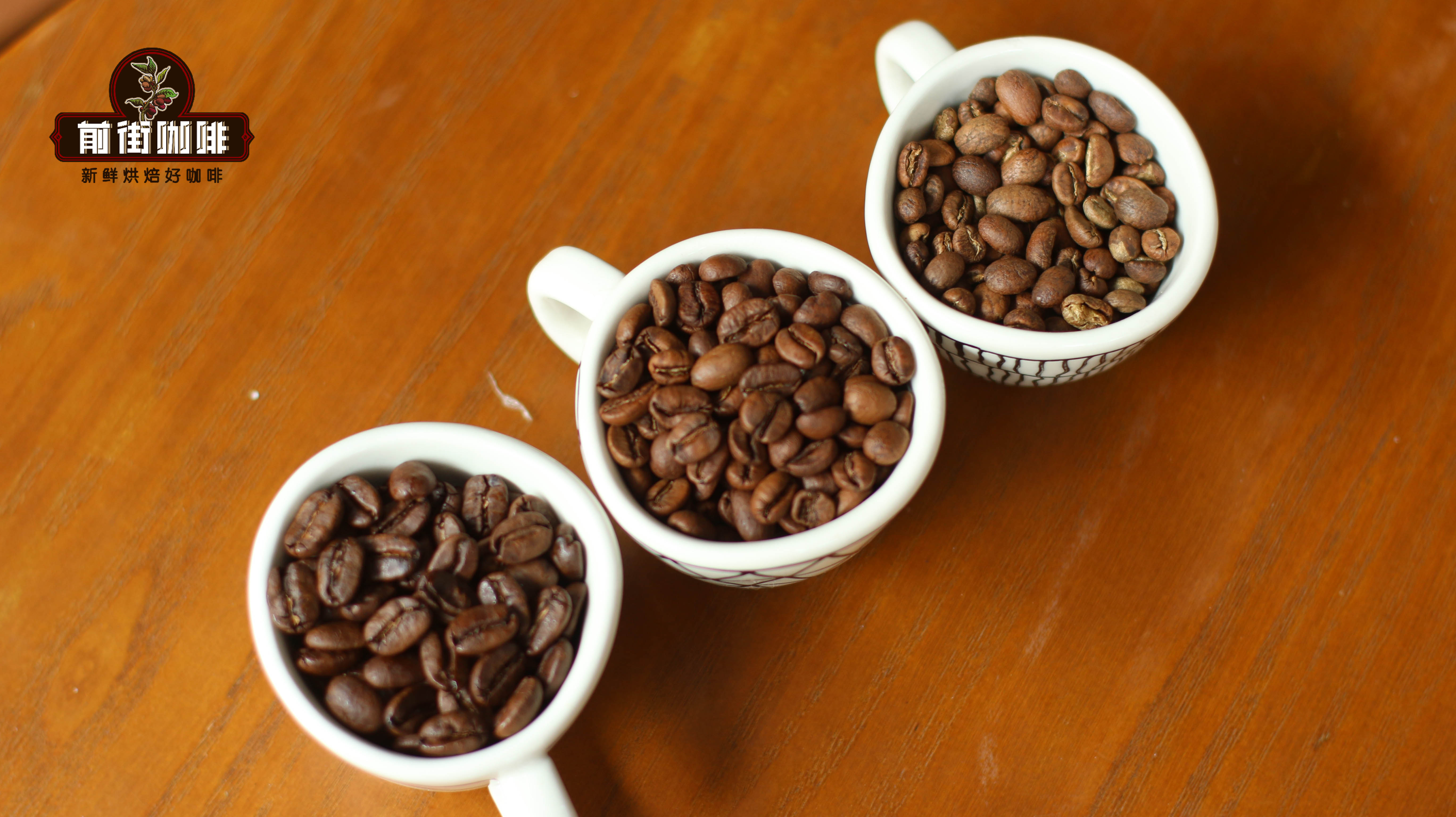
From Light Roast to Espresso Roast: A Full Analysis of the Eight-Level Coffee Bean Roast Classification and the Five Major Stages
Coffee beans transform from green raw beans into brown roasted beans entirely through the key process of roasting. The length of roasting time directly determines the depth of the bean surface color and also shapes completely different flavor directions. The roasting color standard card established by the Specialty Coffee Association of America (SCAA) divides roast levels into eight grades, from light roast to Italian roast, with each level corresponding to a specific drop time and flavor characteristics. In addition, emerging concepts such as Nordic ultra-light roast and Japanese ultra-dark roast have gradually entered the view of enthusiasts. This article will systematically sort out these eight levels, the five stages of roasting, and the classification methods used by Front Street Coffee in practical applications, helping readers build a complete understanding of coffee roast levels. [more…]
A Comprehensive Guide to Coffee Bean Roast Levels: From SCAA Color Value Grading to Front Street Coffee's Practical Brand Classification
Coffee roasting is the key process through which green beans transform into brown roasted beans. The length of heat exposure directly determines the color of the bean surface and thus defines different roast levels. The SCAA, the world's largest coffee trade association, established an eight-level roast standard based on Agtron color values, from the bright acidity of light roasts to the intense, smoky bitterness of Italian roasts, with each stage having its own distinctive flavor trajectory and drop time. Beyond this official system, new concepts such as ultra-light Nordic roasting and ultra-dark Japanese roasting have gradually entered enthusiasts' field of view. In everyday communication, Front Street Coffee uses another, more intuitive classification that simplifies roasted beans into light, medium-light, medium, medium-dark, and dark roasts, making it easier for consumers to understand and choose. This article will systematically organize these grading standards and provide an in-depth analysis of the five stages of roasting and key practical points. [more…]
A Complete Guide to Coffee Bean Flavor Classification: Bitter, Acidic, Sweet, Neutral, and Rich Styles with Roasting Key Points
The flavors of coffee beans are incredibly diverse, and can generally be grouped into several major types: bitter-leaning, acidic-leaning, sweet-leaning, neutral, and aromatic/mellow. These differences mainly stem from the origin, variety, processing method, and roast level. During roasting, the Maillard reaction and caramelization together shape the aroma and color of the coffee, while the balance of acidity, sweetness, and bitterness depends on the length of the roast—the longer the roast, the weaker the acidity, the heavier the bitterness, and the more caramelized aromas accumulate. This article will systematically sort out the flavor classifications of coffee beans and, for pour-over and espresso scenarios, recommend dark-roast beans such as Front Street PWN Golden Mandheling, Front Street Dark Cocoa Base Blend, and Front Street Classic Blend, helping coffee enthusiasts choose beans precisely according to their taste preferences. [more…]
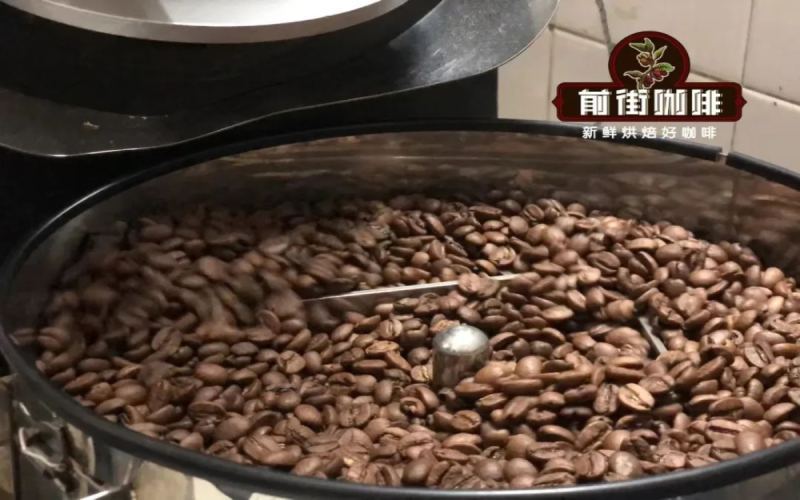
A Complete Guide to Coffee Roast Levels: First Crack, the Eight-Level Agtron Color Classification, and What Roasting Percentage Really Means
What degree of coffee roasting is considered appropriate? Starting from the key milestone of first crack, this article systematically sorts out the logic for determining coffee bean roast level, and with the help of Agtron color values, divides roast degree into eight levels: light, cinnamon, medium, deep, city, full city, French, and Italian, explaining one by one the timing for dropping each level and its flavor direction. At the same time, it answers the correspondence between the Roasting percentage markings commonly used by roasters and Agtron color values, helping coffee enthusiasts quickly understand the roasting information on packaging. The article also includes Front Street Coffee's specialty bean recommendation channel for further communication and purchasing. [more…]
Coffee Bean Flavor Classification Guide: From Bitter to Aromatic, Understanding the Influence of Origin, Variety, and Roasting
The flavors of coffee beans vary enormously—some people prefer a rich, mellow bitterness, some favor bright fruity acidity, and others seek sweetness and balance. These stylistic differences arise mainly from the combined influence of origin, variety, processing method, and roast level. During roasting, the Maillard reaction and caramelization are key to the formation of aroma and color, while the balance among acidity, sweetness, and bitterness depends on the length of the roasting time. This article systematically reviews the flavor classifications of coffee beans and, for different scenarios such as pour-over and espresso, recommends several market-proven dark-roast beans, including Front Street Coffee PWN Golden Mandheling, Front Street Coffee Black Cocoa Base Blend, and Front Street Coffee Classic Blend, to help you choose beans precisely according to your taste preferences. [more…]

A Complete Guide to the Classification of Hard Beans, Soft Beans, Flat Beans, and Round Beans: Flavor Characteristics of High-Grade Panamanian Coffee
Beyond varietal differences, coffee beans have multiple classification dimensions, which gives rise to many alternative names. This article begins with the appearance-based classification of flat beans and round beans, and focuses on answering the question coffee enthusiasts often ask: what exactly does "hard bean" mean? It originates from a grading system in Central American growing regions that classifies bean hardness by cultivation altitude—the higher the altitude, the greater the density and the higher the grade. The article also shares how to judge bean hardness by feel, the roasting and brewing strategies corresponding to coffee beans of different hardness, and uses actual brewing parameters as examples to illustrate the differences in extraction between high-hardness light-roasted beans and low-hardness dark-roasted beans, helping readers find a suitable brewing approach. [more…]
An Analysis of the Variety Classification, Origin, and Flavor Profile of Geisha Coffee Beans
Is Geisha actually an Arabica variety? It emerged from the wild forests of Ethiopia, journeyed through Kenya, Uganda, Tanzania, and Costa Rica, and finally made a stunning debut in Panama, becoming the new king of the specialty coffee world. This article will trace Geisha's variety classification and transmission path, review its championship history at the Panama Best of Panama cupping competition and the SCAA International Grand Reserve cupping competition, and describe its green bean appearance, aroma characteristics, and key points in choosing roast level. Whether you are a beginner just encountering Geisha or a seasoned connoisseur wanting to understand this bean in depth, you will gain a clear and complete understanding from it. [more…]
Defining Dark Roast Coffee Beans and Analyzing Their Flavor: From Roast Level Classification to a Front Street Coffee Buying Guide
Driven by the third wave of coffee, the original flavors of black coffee are increasingly valued. Roasting, as the key stage that determines coffee flavor, is divided into eight fine stages, each with its own characteristics from extremely light to extremely dark. This article systematically reviews the drop time and flavor performance of each roast level, and recommends Front Street Coffee's dark roast beans, helping enthusiasts understand the criteria for identifying dark roast coffee beans and the direction for purchasing. [more…]
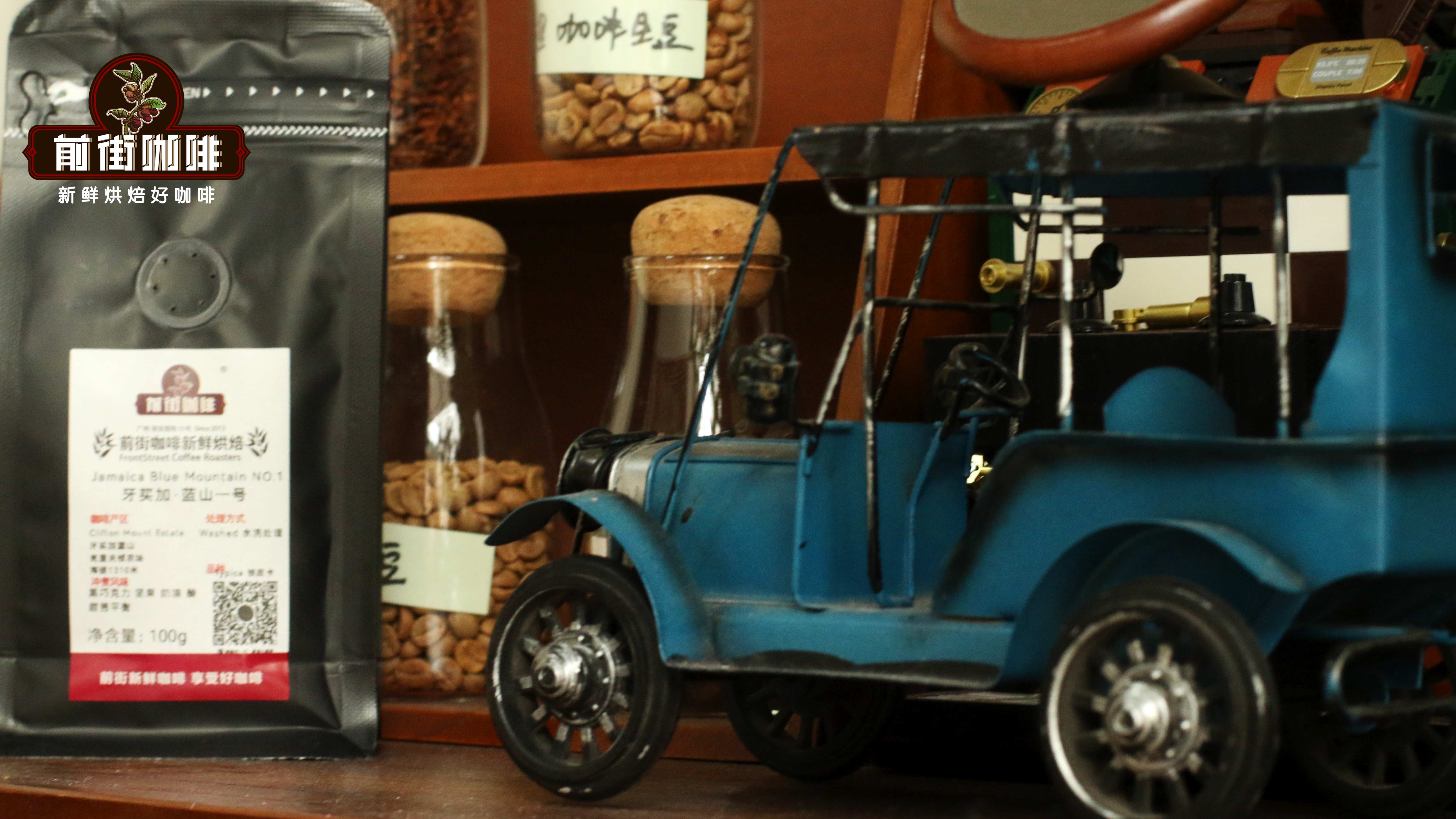
Beginner's Guide to Coffee Bean Packaging Labels: Understanding Origin, Grading, and Roast Information to Choose the Right Everyday Beans for You
Faced with the dense Chinese and English labels on coffee bean packaging, many consumers are often baffled, and in the end can only buy a bag randomly based on feeling, with results that are often less than satisfactory. This article starts from the consumer side, sets aside the professional jargon of green coffee trading and origins, and focuses directly on the key information on packaging labels, including country, region, variety, altitude, processing method, grade, roast level, and roast date. Using Front Street Coffee's Washed Yirgacheffe everyday coffee as an example, we break down the meaning of these labels item by item, and explain the three common modes of green coffee grading, as well as the importance of roast level and date for flavor and preservation. We hope this helps you, when choosing coffee, understand your own needs and the quality of the beans more clearly, and no longer buy blindly. [more…]

Colombian Supremo Coffee Beans: A Detailed Guide to the Flavor Characteristics and Grade Classification of the Medellín Region
Colombia is the world's second-largest coffee-producing country and the largest exporter of washed Arabica beans. Its top Supremo grade represents high-quality coffee with plump beans and exceptional balance. This article provides a comprehensive analysis of the unique appeal of Colombian Supremo coffee beans from multiple angles, including grade classification, regional characteristics, and flavor profile, guiding you through this specialty coffee hailed as "green gold," as well as the core position of the Medellín region in Colombia's coffee landscape. [more…]
Ethiopian Washed Yirgacheffe Aricha G1 Coffee Beans: Grade Classification, Flavor Characteristics, and Pour-Over Parameters Explained
Yirgacheffe is one of Ethiopia's most iconic specialty coffee regions, and the Aricha G1 washed lot stands out as one of its finest examples. This article begins with green bean processing methods and grade classification, systematically outlining the grading logic under SCAA standards for the two major categories of washed and natural, and focusing on the origin background, processing station information, and Project Origin's sourcing philosophy behind Aricha G1. We will also share a proven pour-over brewing recipe, along with Front Street Coffee's product parameters, to help coffee enthusiasts fully understand the flavor origins and brewing key points of this bean. [more…]
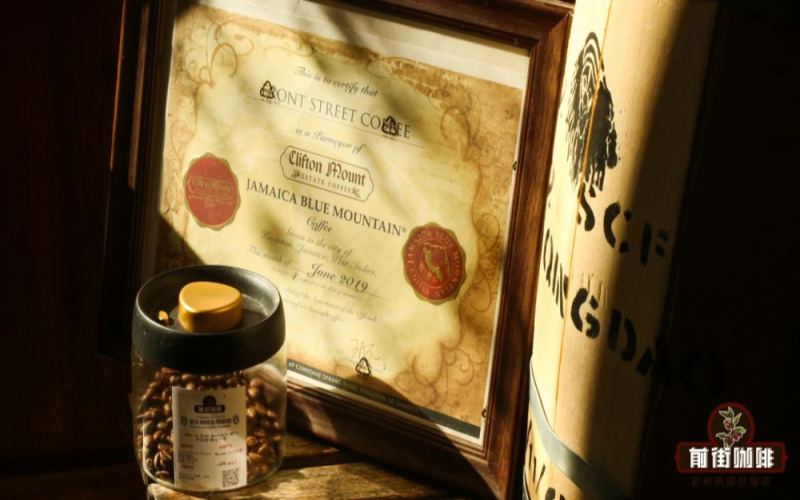
An Analysis of Blue Mountain Coffee Classification and Acidity Characteristics, with a Discussion of Front Street Blue Mountain No. 1's Balanced Brewing Parameters
Blue Mountain coffee, as the premier representative of the Caribbean region of Jamaica, has always been renowned for its balance, smoothness, and full body. However, "Blue Mountain flavor" and "Blue Mountain blend" products on the market are often misnamed; truly authentic Blue Mountain coffee requires certification and wooden barrel packaging. This article begins with the classification and identification of Blue Mountain coffee, describes its acidity and overall flavor expression, and shares Front Street Coffee's Blue Mountain No. 1 pour-over recipe, including a KONO dripper, 88°C water temperature, 15 grams of coffee, a 1:15 coffee-to-water ratio, and a three-stage pouring rhythm, helping enthusiasts brew a cup with balanced acidity, sweetness, and bitterness, and a comfortable lingering sweetness. [more…]

Is the sour taste in single-origin coffee a sign that it has gone bad? An analysis of the natural causes of coffee acidity and flavor classification.
Many people are startled by that hint of acidity the first time they try single-origin coffee, instinctively assuming the coffee has gone bad or spoiled. In fact, the coffee fruit is originally just like a cherry, and the natural sweet-and-sour flavor of its pulp influences the green beans during cultivation. Acidity is not a defect but a natural characteristic of specialty coffee. Of course, acidity has its good and bad sides: pleasant fruity acidity can add layers of complexity, while unpleasant acidity can ruin an entire cup. This article starts with the structure of the coffee cherry, explains where acidity comes from, distinguishes delicious acidity from rancid acidity, and offers beginners who are not used to acidity advice on choosing origins and roast levels, while also recommending several low-acid beans from the Front Street brand. [more…]
A Complete Guide to the Flavor Characteristics and Origins of Indonesian Lintong Mandheling Coffee Beans, Pour-Over Parameters, and Mandheling Classification
In the Asian coffee landscape, the islands of Sumatra, Java, and Kalimantan in the Malay Archipelago occupy a pivotal position, among which Mandheling from Sumatra, Indonesia, is particularly renowned. Lake Toba in North Sumatra Province and Lake Tawar in Aceh are together known as the "Two Lakes, Two Mandhelings" — the former has a muted, low-toned aroma, while the latter has brighter fruit acidity with woody notes. The name Golden Mandheling is registered and held by Pwani Coffee Company, but with advances in cultivation techniques, many Mandhelings have already approached its top-tier standard. This article will unfold one by one from the origin story, classification methods, and green bean characteristics to specific pour-over parameters, and is accompanied by product information recommended by Front Street Coffee, to give you a comprehensive understanding of this full-bodied, rich classic coffee. [more…]
Ethiopia Yirgacheffe Aricha: A Full Analysis of Washed G1 Grade Classification and Cupping Flavor
Yirgacheffe is one of Ethiopia's most iconic specialty coffee regions, and the washed G1 produced by the Aricha processing station stands out as one of its finest examples. This article systematically traces the story of this coffee, from the region's background and the Project Origin initiative to the green bean grading standards and the full washed processing workflow. It also includes Front Street Coffee's recommended pour-over parameters for Yirgacheffe, helping coffee enthusiasts gain a more complete understanding of every step of a washed Yirgacheffe from seed to cup, and to savor the classic flavor woven from sweet orange, cherry, and honey. [more…]
Jamaica Blue Mountain Coffee Flavor Analysis: Taste Characteristics, Authenticity Identification, and Regional Grade Classification
Blue Mountain coffee is probably one of the most globally recognized and most easily misunderstood coffee terms. Many people assume that Blue Mountain coffee is simply a "Blue Mountain flavor" with sugar and milk added, but in reality it refers to coffee beans produced in Jamaica's Blue Mountains. This article, from the perspective of Front Street Coffee, sorts out the origin background, grade classification, reasons for the high price, and key markers for identifying authenticity, while also introducing the flavor differences brought by washed and natural processing methods, and includes Front Street's recommended brewing parameters to help coffee lovers truly understand this classic coffee. [more…]
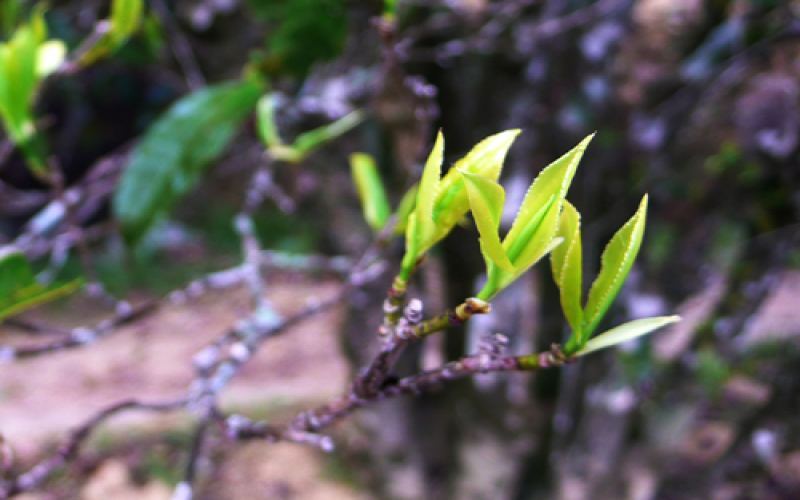
Analysis of the Aroma Characteristics of Wudong Mountain Yelai Xiang Dancong Oolong Tea: Cultivar Classification and Flavor Profile
Ye Lai Xiang Dancong is one of the most recognizably aromatic types of Phoenix Dancong, named because the finished tea's aroma resembles night-blooming jasmine flowers. This article explores the variety's classification, growing environment, production background, and flavor profile, introducing you to this oolong tea produced on Wudong Mountain in Chaozhou, handcrafted by Master Lin from single-tree ancient material. The article not only outlines the aromatic characteristics of Ye Lai Xiang Dancong but also covers Wudong Mountain's altitude and ecological conditions, as well as Master Lin's journey from self-taught tea maker to award winner. For coffee enthusiasts and tea lovers who want to deepen their understanding of the Phoenix Dancong aroma system and the allure of single-tree ancient bushes, this is a piece that offers both informative depth and tasting reference value. Front Street Coffee also continues to follow such beverages that express regional terroir. [more…]
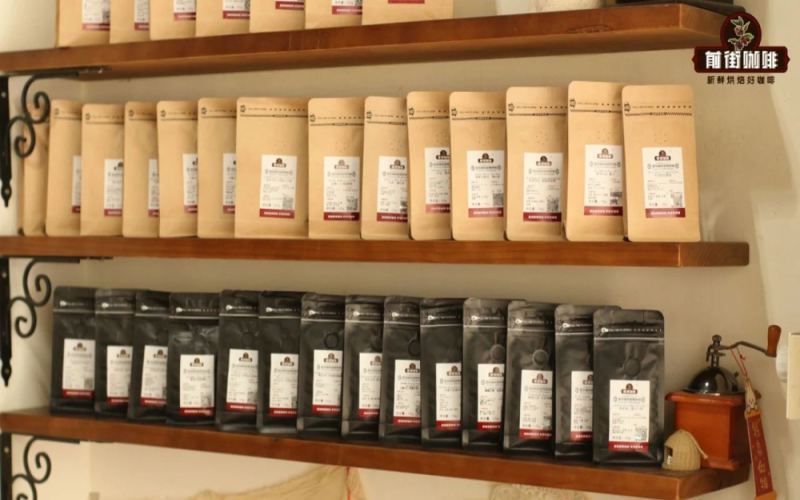
How to Determine Coffee Bean Roast Level? A Comprehensive Analysis from Appearance and Flavor to the SCAA Color Value Comparison
The flavor expression of coffee beans is closely related to the degree of roasting; the same bean will present completely different aromas and mouthfeels under different roasting curves. For coffee enthusiasts, mastering methods to judge the roast level not only helps in selecting beans that suit one's taste, but also enables a more accurate understanding of the flavor descriptions on the packaging. Based on the experience of Front Street Coffee, this article introduces three practical ways to identify roast level: first, by visually observing the bean surface color, wrinkles, and oil conditions; second, by inferring the roasting range from flavor descriptions; and third, by referring to the SCAA's Agtron color value standard, matching the eight-level roast classification with the commonly understood light, medium, and dark roasts, providing a reference for daily bean selection and brewing. [more…]
How to distinguish light and dark coffee bean roasts? Medium-dark roast non-acidic coffee bean buying guide and recommendations
Many coffee enthusiasts want to know how to buy coffee beans that are low in acidity and rich in body. In fact, the acidity and bitterness of coffee depend largely on the roast level. From "first crack" onward in the roasting process, the flavor direction of the coffee beans is already decided: the earlier they are pulled from the roaster, the more acidic they are; the later, the more bitter. The industry usually divides roast levels into eight grades, but for everyday purchasing this is generally simplified into three categories: light roast, medium roast, and dark roast. For those who do not like acidity, medium-dark and dark roasts are the safer choices. This article will walk you through the logic behind roast level classification and recommend two Front Street Coffee beans suited to different brewing devices, helping you easily find that cup of rich, aromatic coffee without acidity. [more…]