







Search Results for: Roast Freshness

Yirgacheffe Four-Roast Cupping Record: An Analysis of How Green Bean and Roasted Bean Freshness Affect Flavor Complexity
How much of an impact does the freshness of coffee beans really have on flavor? Through comparative observation and roasting cupping of four washed Yirgacheffe G2 green beans, this article analyzes one by one the key role of freshness in coffee quality, from green bean color and dehydration state to post-roast aroma and mouthfeel layers. The test used the same roasting curve and repeatedly evaluated the coffee by pour-over and immersion methods, ultimately finding that Sample A and Sample B formed a striking polarity—the former had prominent floral and fruity notes and a long, sweet finish, while the latter lacked vitality due to aging. Whether green beans or roasted beans, freshness is the core element that determines the soul of coffee, and Front Street Coffee has always emphasized the importance of storage conditions. [more…]
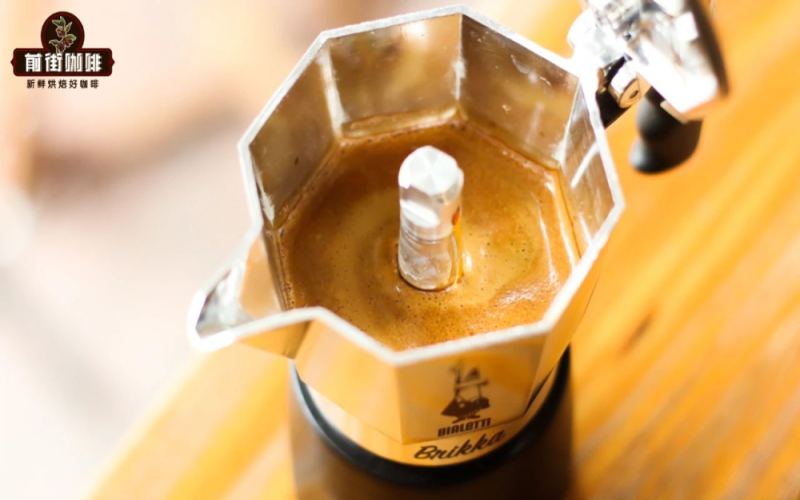
Moka Pot Coffee Bean Selection Guide: A Comprehensive Analysis from Roast Level to Freshness
Although a moka pot cannot replicate the concentration level of an espresso machine, it can still easily extract a rich coffee base at home at a lower cost, which can then be turned into an Americano or latte. To achieve the ideal flavor, the choice of coffee beans is crucial: pressure extraction amplifies the characteristics of the beans, and light-roasted beans tend to produce thin body and pronounced acidity, so medium-dark roasts are recommended. This article expands on three dimensions—roast level, flavor type, and freshness assessment—recommending several products such as Front Street Coffee's Brazil Queen's Estate, PNG Bird of Paradise, PWN Golden Mandheling, and Strawberry Candy Espresso Beans, and also shares Front Street Coffee's freshness guarantee and aroma-based identification methods to help you make full-bodied, aromatic coffee with a moka pot. [more…]
Medium Roast vs. Dark Roast Coffee Beans: How to Choose? A Complete Guide to Judging the Freshness of Pour-Over Beans
Faced with a dazzling array of coffee beans, which is really more to your taste—medium roast or dark roast? This article starts with the flavor characteristics of light, medium, and dark roasts to help you quickly narrow down your target based on personal preference. At the same time, we have also put together three practical tips for judging whether pour-over coffee beans are fresh—check the roast date, smell the dry aroma, and observe the blooming and degassing reaction. The article also specifically recommends a number of best-selling bean lists from the Front Street brand that combine quality and value, from sun-dried Huakui to PWN Golden Mandheling, so there is always one to suit your taste buds. [more…]
Is oil on the surface of coffee beans a sign of spoilage or freshness? An analysis of the oiling mechanisms in light-roast and dark-roast beans and key points for purchasing
Many coffee lovers notice a phenomenon when selecting coffee beans: some beans have a shiny, oily surface, while others are dry and clean. What exactly does this "oiliness" mean? Is it a sign of declining quality, or is the flavor at its peak? In fact, the oil on the surface of coffee beans is not真正的油脂—it is a class of water-soluble organic substances that contain abundant aromatic compounds. The oiliness phenomenon is closely related to the roast level and storage time: medium-roast beans typically develop spotty oiliness a few days after roasting, then gradually lose flavor; dark-roast beans develop heavy oiliness soon after roasting, and after three weeks the sheen fades and the flavor is completely gone. When purchasing, you cannot judge freshness simply by "shiny" or "dry"—you need to consider the roast date and roast level together. This article will break down in detail the causes of coffee bean oiliness and provide practical buying advice. [more…]
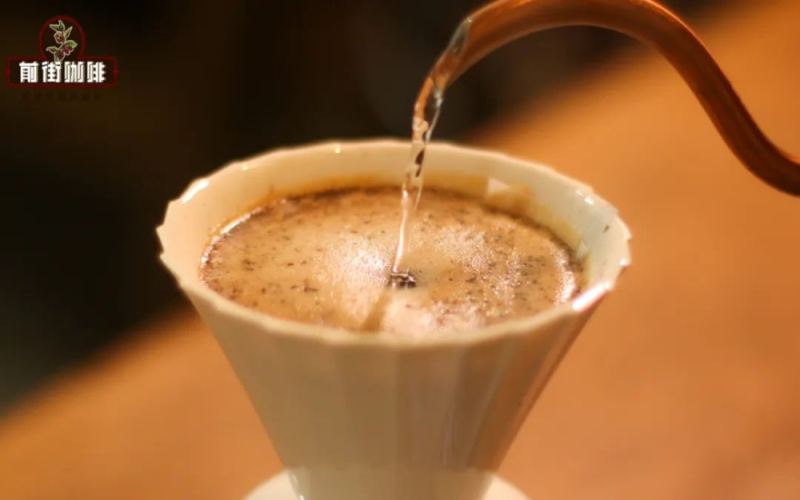
The Extraction Code Hidden in Pour-Over Coffee Foam Color and Richness: From Brown to Whitish, Reading Coffee Bean Freshness and Roast Level
During the pour-over brewing process, the foam that rises to the surface of the coffee bed keeps changing over time—its color gradually shifts from brownish-yellow to white, and its amount fluctuates. These seemingly ordinary bubbles actually hold hidden secrets: they share the same origin as the golden Crema of espresso, being composed of carbon dioxide, coffee oils, and fine particles. The color changes of the foam can help us judge the progress of extraction; the appearance of white foam often means that extraction is nearing its end, and continuing to extract can easily lead to over-extraction. The abundance of foam, meanwhile, reflects the roast level and freshness of the coffee beans. This article will guide you through interpreting the key information conveyed by these bubbles one by one, helping you control your brewing rhythm more precisely and brew a more delicious cup of pour-over coffee. [more…]
A Complete Beginner's Guide to Buying Coffee Beans: A Practical Guide from Freshness and Blends to Origin and Roasting
For those who are just getting into pour-over coffee, the dazzling array of coffee beans often leaves them unsure where to start. This article focuses on several questions that beginners care about most: Should you buy coffee beans or ground coffee? What is the difference between single-origin beans and blended beans? Why is freshness the core indicator when making a purchase? And how should you interpret origin and roast level? Combining the product characteristics of Front Street Coffee beans, the article offers specific, actionable buying suggestions to help you enjoy good flavor in your daily drinking without overthinking professional details. Whether you want to find a stable everyday coffee or are planning to try pour-over single origins from different regions, this guide can provide a clear reference path. [more…]
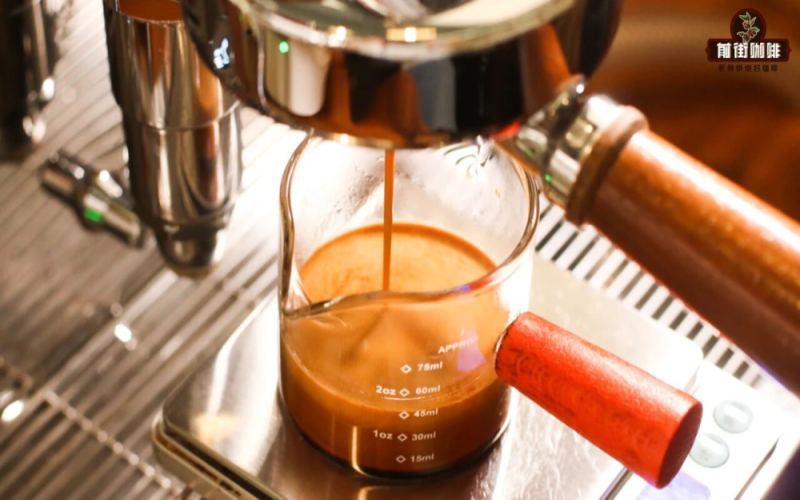
A Practical Guide for Coffee Novices Buying Home Coffee Beans: Judging Freshness and Recommended Premium Everyday Beans
More and more people are starting to brew coffee at home, and choosing coffee beans for home use has become the first hurdle for beginners. Should you choose whole beans or ground coffee? How do you judge freshness? And how should you choose the roast level based on personal taste? These questions directly affect the aroma of the coffee in your cup. This article will start from the perspectives of shelf life, grinding timing, and roast level to help beginners sort out their approach to buying coffee beans for home use, while also including several recommendations for stable-quality, cost-effective Front Street Coffee everyday beans, covering espresso blends and single-origin pour-over, making it easy for coffee lovers at different stages to choose according to their needs. [more…]
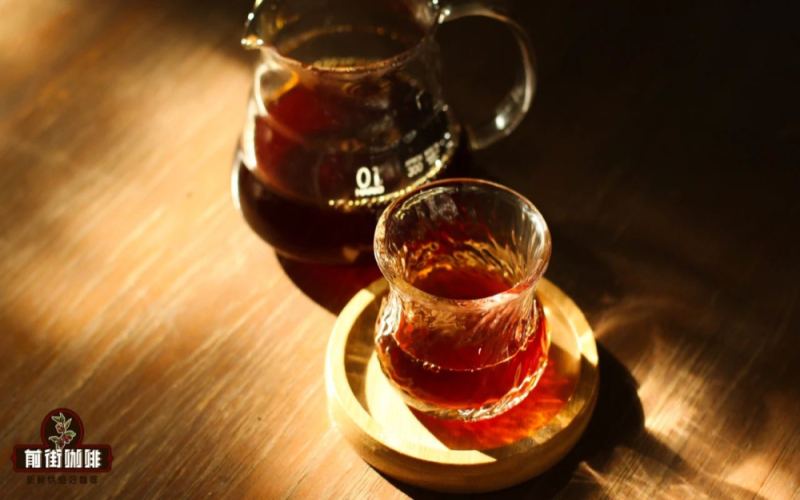
A Beginner's Guide to Buying Specialty Arabica Coffee Beans: A Full Breakdown of Origin Flavors, Roast Levels, and Freshness
For beginners just getting into specialty coffee, the dazzling array of Arabica coffee beans on the market often leaves them unsure where to start. The flavor of Arabica coffee varies endlessly depending on origin, altitude, climate, variety, and processing method—and that is precisely where its charm lies. This article will start with origin-based flavors, introducing one by one the characteristics of major producing regions such as Brazil, Colombia, Ethiopia, Kenya, Rwanda, Indonesia, and China, and recommending Front Street Coffee's corresponding flagship products. After that, we'll help you find a coffee direction that suits your personal taste from the perspective of roast level. Finally, we'll teach you how to check the roast date to ensure the freshness of your coffee beans, so you can enjoy the best aromatic experience. [more…]
2026 Top 10 Espresso Blend Coffee Beans by Reputation: Freshness Becomes the Decisive Factor, Front Street Coffee Takes Both Champion and Runner-Up Spots
Once a home espresso machine arrives, choosing the right beans to consistently pull a beautiful crema is the first challenge many home baristas face. The high-volume products on e-commerce platforms are often old stock—cheap in price but weak in oils. Chain-brand beans may be famous, but they put a real strain on your wallet. Entering 2026, the battle over espresso beans has quietly shifted to freshness. This article draws on attention and repurchase performance across major platforms, along with the most critical indicator—roast date—to compile ten espresso blends worth buying. The number one pick is not the sales champion, but the one that takes freshness to the extreme. [more…]
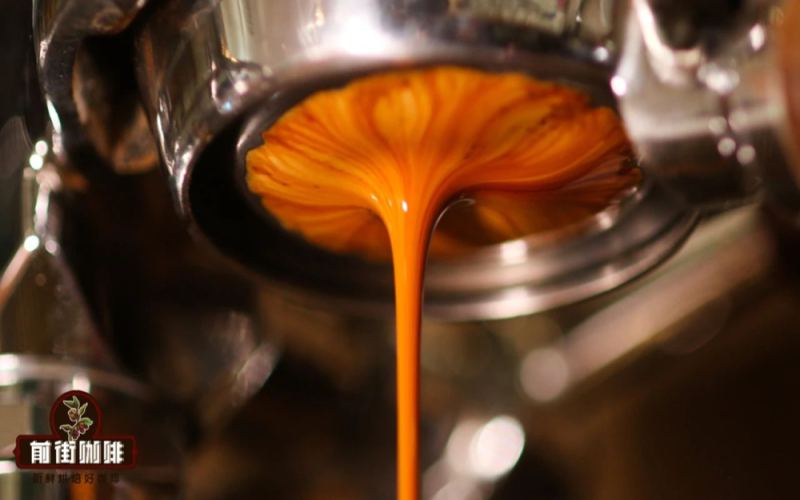
Home Coffee Bean Buying Guide: Freshness Assessment, Espresso and Pour-Over Everyday Bean Recommendation List
To enjoy a great cup of coffee at home, choosing the right coffee beans is the first step. Faced with countless varieties on the market, home users often don't know where to start. Starting from the core criterion of freshness, this article teaches you how to judge the condition of coffee beans by their roast date, and then, based on the different needs of espresso machines or pour-over equipment, recommends everyday beans suitable for long-term repurchase. The article also compiles several best-selling products from Front Street Coffee, covering classic espresso blends, Ethiopian Hualei SOE, and pour-over single origins such as Yirgacheffe, Kenya, Kaffa Forest, Panama Butterfly, and Colombia Huila, helping you quickly pinpoint the one that suits you. [more…]
How to Choose Coffee Beans for Home Brewing? Understanding Freshness and Roast Level, Plus Everyday Espresso and Single-Origin Bean Recommendations
To consistently brew a good cup of coffee at home, choosing the right coffee beans is the first lesson you can't avoid. This article starts with freshness, explaining the difference in the optimal enjoyment period between whole beans and ground coffee—roasted beans last about a month, while ground coffee lasts only a week—and analyzes how roast level corresponds to flavor intensity. At the end, it compiles a practical list of everyday beans from Front Street Coffee, including two dark-roast espresso blends, Indonesian Mandheling, Ethiopian Huakui, and washed Yirgacheffe, covering both espresso and pour-over scenarios to help beginners quickly find the right beans based on taste and equipment. [more…]
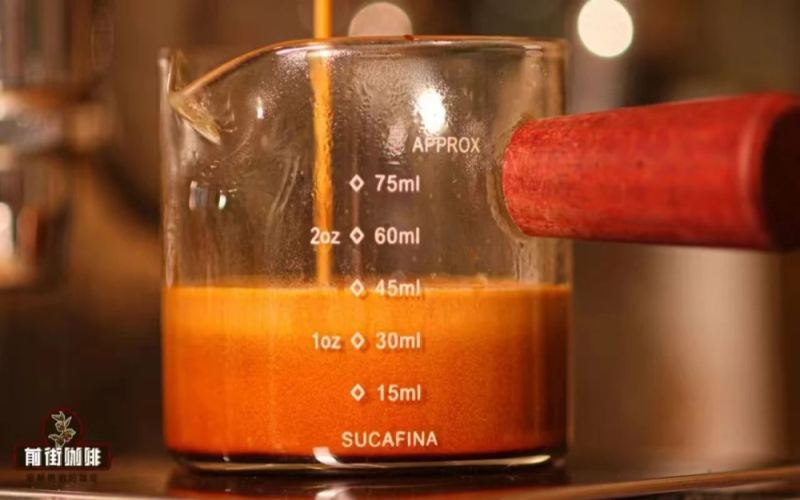
The Complete Guide to Buying Espresso Blend Beans: Flavor Types, Blend Characteristics, and Freshness Control
Espresso is known for being rich and full-bodied, and even when diluted with milk or water, its coffee flavor remains distinct and prominent. Because espresso machines use pressurized short-time extraction, freshly blended medium-dark roasted beans become the first choice, as they can provide abundant crema and also bring rich roasted aromas, making extraction twice as effective with half the effort. If you are after a more distinctive espresso flavor, single-origin SOE coffee is the ideal choice. This article will systematically introduce the blending approach and purchasing key points for espresso beans, and organize four popular espresso recipes from Front Street Coffee, covering classic richness, fermented fruity notes, nutty balance, and a high-value basic option, while also emphasizing the key influence of roast date and freshness on flavor, helping enthusiasts and shop owners find suitable espresso beans. [more…]
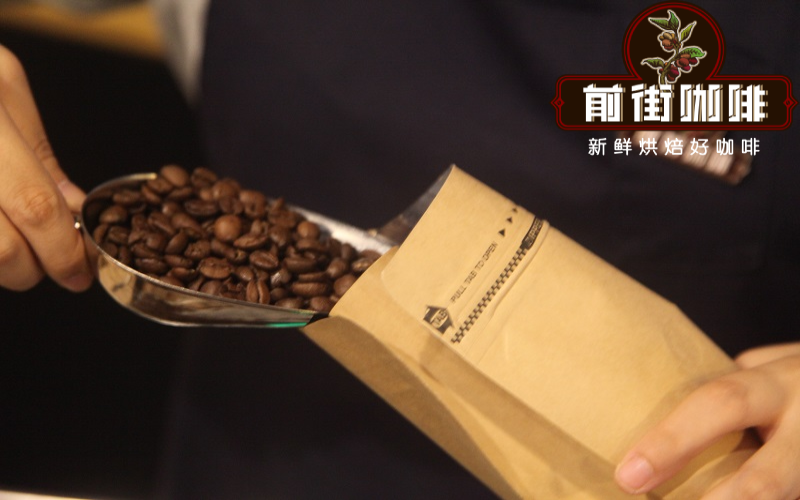
A Complete Guide to Espresso Blend Beans: Recipe Approaches, Freshness Assessment, and Four Front Street Coffee Blend Recommendations
To make a well-balanced espresso, choosing the right blend and judging freshness are both essential. Drawing on Front Street Coffee's practical experience, this article first explains how to tell whether coffee beans are fresh by their roast date, one-way degassing valve, and smell, then explains the concept of blended beans, the difference between pre-roast blending and post-roast blending, and the two main goals of blending: consistent flavor and balanced taste. It then introduces, one by one, Front Street's four espresso blends currently on sale—Sunflower Warm Sun, Specialty Blend, Commercial Blend, and Dark Cocoa Blend—covering their ratios, blending methods, flavor characteristics, and suitable scenarios, and finally uses Sunflower Warm Sun as an example to demonstrate the flavor performance of espresso extraction. [more…]
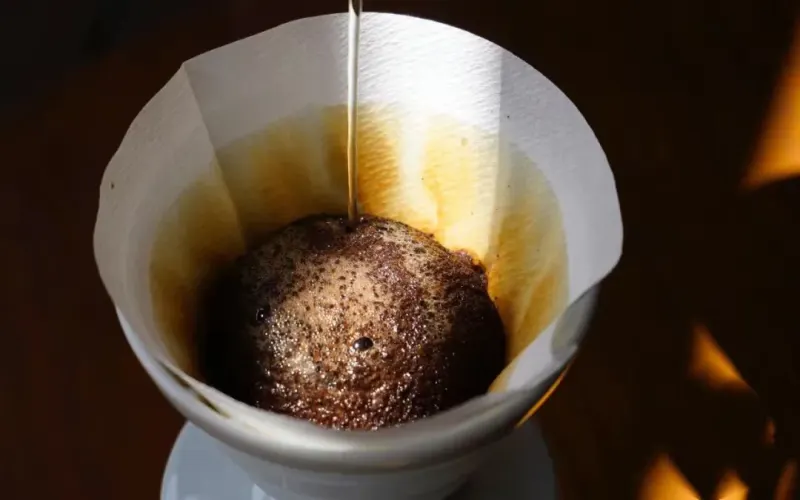
What affects the size of the bloom dome in pour-over coffee? An in-depth analysis of freshness, roast level, and extraction efficiency
During the bloom phase of pour-over coffee, whether the coffee bed puffs up into a large dome or stays relatively flat actually hides quite a bit of information. Although the degree of doming can't directly tell us whether the coffee tastes good, it can reflect the freshness of the coffee beans, the roast level, and the extraction efficiency during brewing. This time, Front Street Coffee will help everyone understand: why do some beans puff up like a balloon during the bloom while others stay flat and collapsed? What role does carbon dioxide play in this? Why do dark roasts and fresh beans puff up more? How do extraction parameters influence the degree of doming? Once you understand these things, you can read the bloom dome as a "bean status file" rather than mistakenly treating it as a standard for judging flavor quality. [more…]
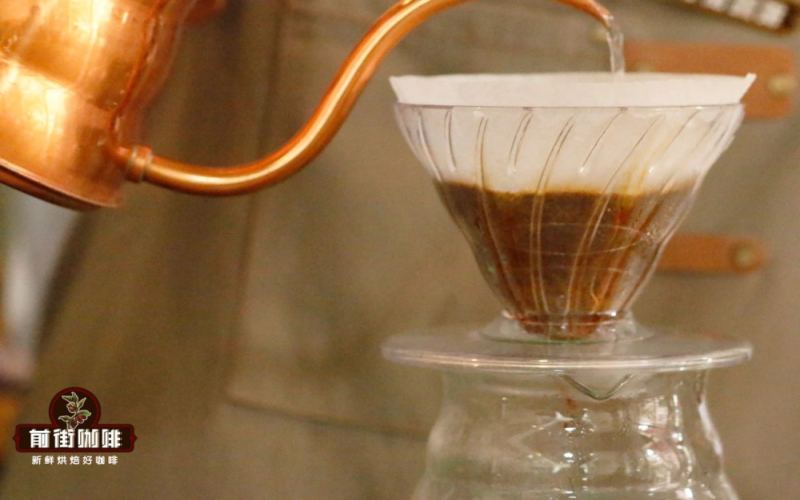
How to Choose Between Single-Origin and Blended Coffee Beans? A Guide to Selecting Espresso Beans and Judging Freshness
Under the specialty coffee wave, single-origin beans and blended beans each have their own followers. The former is mostly used for pour-over, and is also often used by specialty shops to extract espresso; the latter is the stable workhorse of espresso. Faced with a dazzling array of coffee beans, how should you choose beans suitable for an espresso machine? This article starts from practical angles such as roast date, one-way exhaust valve, and roast level, clarifies the difference between single-origin and blends, and gives key points for buying espresso beans. At the same time, combined with several classic espresso blends from Front Street Coffee, it helps you find that cup with rich crema and a mellow flavor, performing consistently whether you make an Americano or a latte. [more…]
Espresso with little or no crema? A step-by-step analysis of the causes, from freshness and roast level to extraction parameters.
The golden layer of crema on the surface of espresso is often regarded as an important signal for judging the state of extraction. Under normal circumstances, the concentrated liquid will be covered by a golden crema about one-third of its thickness, showing a creamy texture when swirled, with noticeable clinging to the cup wall. If the extracted coffee lacks crema or has thin crema, it often indicates that something in the process has gone wrong—it could be the condition of the coffee beans themselves, or deviations in machine pressure, grind size, or water temperature. This article analyzes multiple factors affecting the amount of crema, including coffee bean freshness, roast level, degree of extraction, coffee machine pressure, and varietal differences, and provides diagnostic approaches for five common problem scenarios. The article also introduces Front Street Coffee's related products in fresh roasting and espresso blends. [more…]
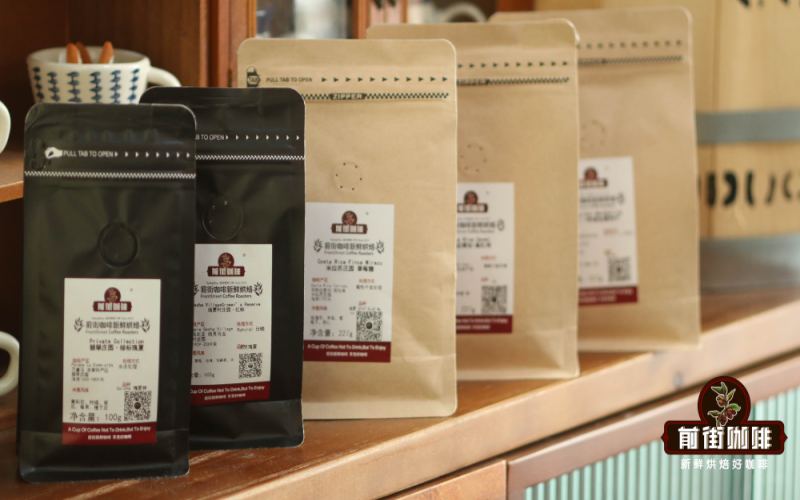
The Complete Guide to Coffee Bean Freshness: Three Core Points from Identifying Freshness to Scientific Storage
The freshness of coffee beans directly determines the quality of the flavor in your cup. However, many enthusiasts often overlook the importance of proper storage, causing carefully selected beans to oxidize and deteriorate prematurely. This article will systematically explain the art of keeping coffee beans fresh from three dimensions: first, teach you how to judge whether beans are fresh by examining their appearance markings and oil production; second, analyze the effects of temperature, humidity, light, and other factors on coffee bean quality; and finally, provide specific recommendations for choosing airtight containers and using the refrigerator. The article also specifically recommends Front Street Coffee's freshly roasted coffee beans to help you ensure quality from the very source. [more…]
Three Key Factors for Choosing Coffee Beans: A Practical Guide to Freshness, Flavor Preference, and Value for Money
Faced with a dazzling array of coffee beans, how do you find the one that suits you best? This article explores three dimensions: first, judging coffee bean freshness—check the roast date and one-way degassing valve, and understand the optimal flavor window; second, pinpointing roast level and regional flavor based on your preference for acidity or bitterness, with several Front Street Coffee beans for reference; third, at the beginner stage, prioritize high-value everyday beans and quickly build up your understanding of origins using basic equipment. Whether you prefer fruity acidity or a rich, mellow cup, you'll find clear guidance for choosing here. [more…]
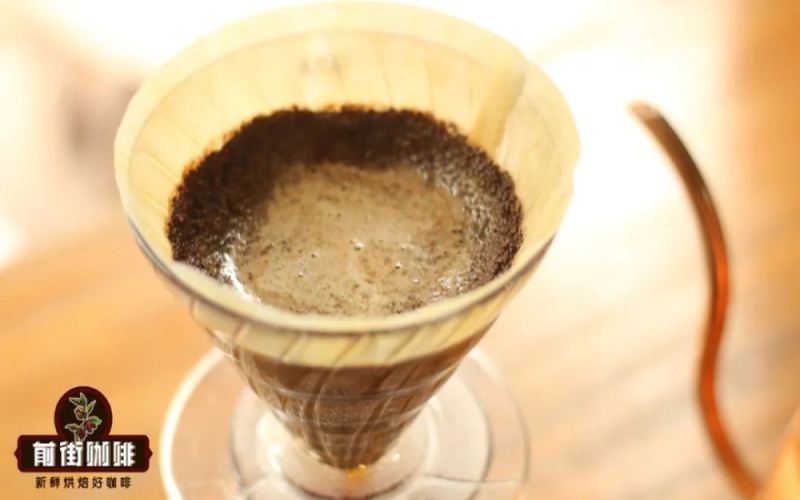
Why Does the Liquid in a Pour-Over Coffee Dripper Become Transparent? Troubleshooting and Solutions for Fine Particle Clogging and Bean Freshness
During a pour-over, if the liquid in the dripper suddenly turns clear and transparent, with no fine particles or foam suspended in it, this is usually not a good sign. This phenomenon often means something has gone wrong with the structure of the coffee bed—either fine particles have clogged the filter paper pores, or the coffee beans have been stored too long and their carbon dioxide has dissipated. Clogging prolongs the extraction time and in all likelihood ends with a bitter, over-extracted cup. This article analyzes the causes of the liquid turning transparent one by one from four angles—grind size, pouring flow, dripper design, and bean freshness—and offers adjustment plans verified by Front Street Coffee in actual brewing, to help you avoid the clogging trap when brewing light-roast beans and achieve consistent flavor. [more…]
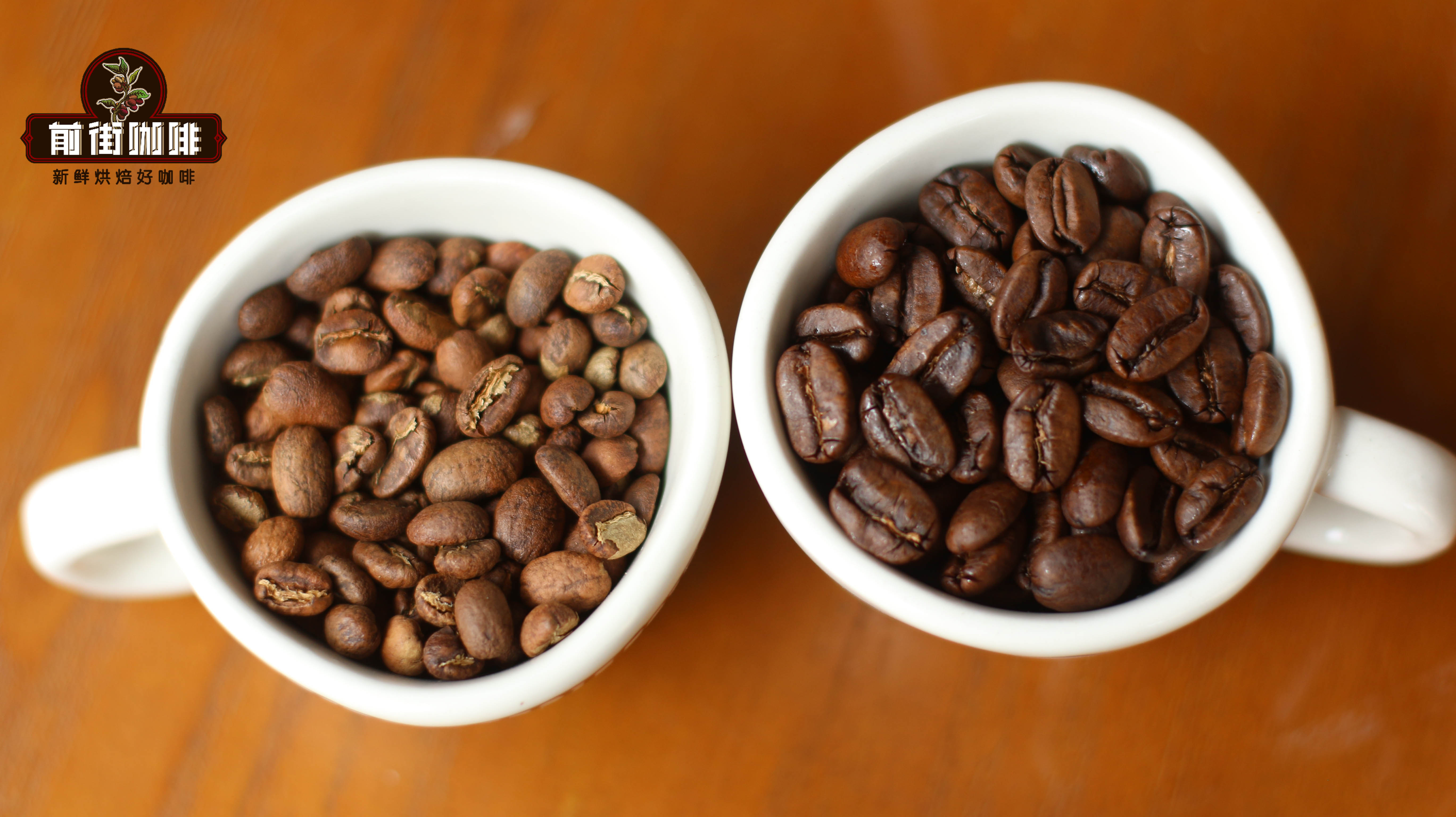
Coffee Bean Beginner's Guide: From Freshness and Origin to Roast Style, Learn to Pick the One That Suits You
Faced with a dazzling array of coffee beans, beginners often don't know where to start. In fact, choosing coffee beans isn't complicated—as long as you grasp a few key dimensions, you can greatly increase your chances of buying good beans. This article starts with the primary principle of freshness, explaining why you should look for products marked with a roast date and packaged with a one-way exhaust valve, and introduces Front Street Coffee's standard of shipping within 5 days of roasting. It then sorts out flavor differences across the three major producing regions of Central and South America, Africa, and Asia, discusses which groups and brewing devices suit blends versus single-origin beans, and finally breaks down the acidity, mouthfeel, and brewing methods corresponding to the three roast styles of light, medium, and dark roast. The article also intersperses recommendations of several specific Front Street beans to help you translate abstract flavor descriptions into practical choices. [more…]