







Search Results for: Review Rules

Chengdu cafe's "unfriendly to lower-class people" sign sparks outrage, review platform menu collectively rewritten by netizens
A Japanese-style café located in Jinjiang District, Chengdu, caused an uproar online after the owner wrote phrases such as "Not photo-friendly | Not office-friendly | Not friendly to lower-class people" in their social media bio. What were originally just in-store rules prohibiting standing photos and photos after changing seats were interpreted by netizens as a public belittlement of customers due to the insulting wording "lower-class people." After the incident escalated, the café's recommended menu on review platforms was collectively edited, with joking names such as "Lower-Class Coffee" and "Lower-Class Latte" topping the list. Although the owner once posted an explanation of what "lower-class people" referred to, both the bio and the post have been deleted. This conflict also sparked widespread discussion about the boundaries of merchant rules and customer dignity. [more…]

A Must-Read for Coffee Enthusiasts: A Review of "Coffee Wars" and an Analysis of the WBC Plant Milk Rule Change
In recent years, coffee-themed films and television works have gradually increased, but "Coffee Wars" takes a unique perspective—focusing on the situation of vegetarians and plant-based milk in coffee competitions. The film tells the story of Jo, a highly skilled vegan barista whose business is struggling because the shop only offers plant-based milk, yet she resolutely leads her team into the finals of the World Coffee Championship, attempting to prove that plant-based milk can also create outstanding coffee. At the same time, in reality, the Specialty Coffee Association (SCA) also revised the WBC rules at the end of 2022 to allow plant-based milk to compete, a change that coincides with the film's theme. This article will guide you through the film's highlights, the evolution of WBC rules, and Front Street Coffee's continued attention to specialty coffee culture. [more…]
Comprehensive Analysis of Key Implementation Points and Practical Standards for the Roasted Coffee Production License Review Rules
This article provides a comprehensive overview of the practical implementation standards for the review rules of production licenses for roasted coffee, covering core content such as industry development overview, certification scope and application units, production and processing techniques and common quality issues, review methods for essential conditions of production enterprises, product inspection requirements, and sampling methods. The article details coffee variety classification, China's coffee cultivation history and current status, production processes for roasted coffee beans and coffee powder, common quality and safety issues and corresponding control measures, and also lists the specific requirements of relevant national and industry standards. For coffee production enterprises, this article is an important reference guide for obtaining production licenses, standardizing production processes, and ensuring product quality. [more…]
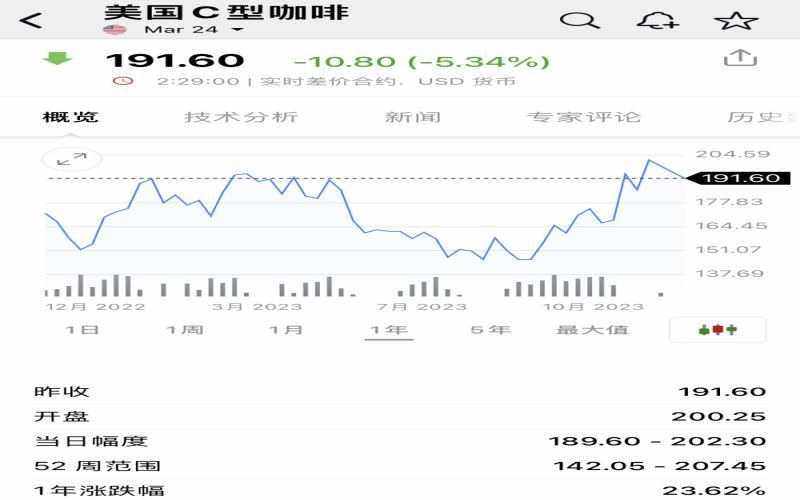
Analysis of U.S. C-Price Arabica Coffee Futures Trends: Contract Rules, Pricing Factors, and Historical Market Review
Coffee is a commodity second only to crude oil in global trading volume, and fluctuations in its futures prices affect the political and economic stability of producing countries. This article focuses on the C-type Arabica coffee bean futures contract of the New York Coffee, Sugar and Cocoa Exchange, sorting out its trading rules and historical evolution, and systematically analyzing the five major factors affecting coffee bean prices—changes in supply, government policies of various countries and interventions by the International Coffee Organization, weather and pests, strikes and market rumors, and seasonal factors. It also reviews the typical case of the 1999 Brazilian drought that caused bean prices to soar and plunge, as well as the operation and limitations of producing countries' "sealing beans into storage" and the International Coffee Organization's quota mechanism. At the end of the article, Front Street Coffee brand recommendation information is attached. [more…]
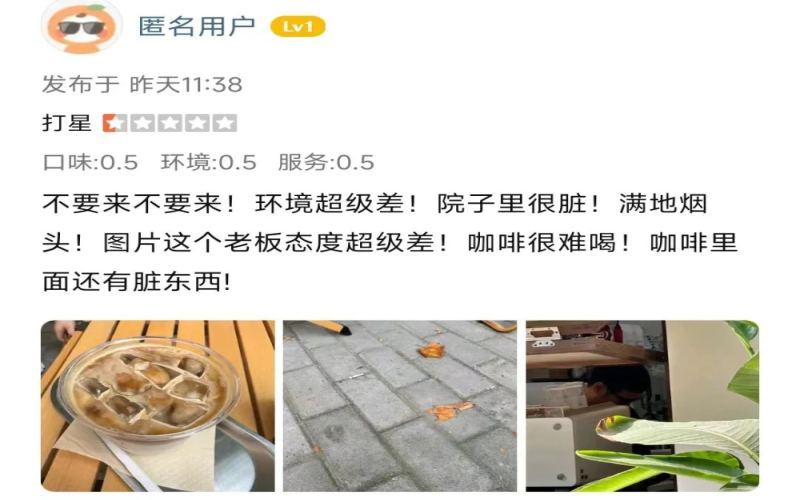
Coffee shop refuses commercial photo shoot, receives malicious negative review; surveillance footage reveals the entire process of a customer putting a foreign object into the coffee
Nowadays, it has become the norm to check review platforms before going out to spend money, and high ratings and bad reviews often sway people's choices. However, the review system can also be exploited by people with ulterior motives. Recently, a coffee shop owner revealed that because they refused a customer's request to do commercial photography inside the shop, they were anonymously given a 0.5-star bad review, and were even accused of having something dirty in the coffee. After checking the surveillance footage, the owner discovered that the so-called foreign object had actually been placed into the cup by the customer for a staged photo. After the incident came to light, it sparked heated discussion among netizens, with many lamenting how difficult it is for businesses to defend their rights, once again bringing the topic of coffee shops refusing commercial photography into the spotlight. [more…]
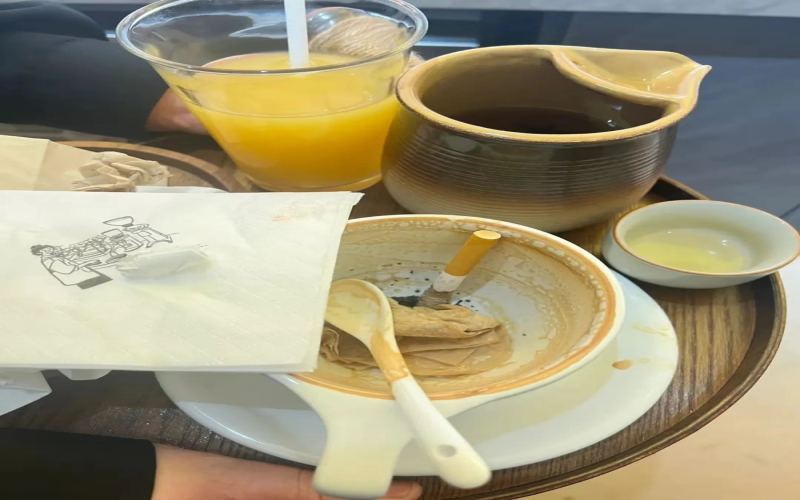
A Coffee Shop Owner's Dilemma: How Should No-Smoking Rules Be Properly Enforced When Customers Smoke Indoors?
A novice coffee shop owner is asking for help online: the shop has an explicit no-smoking rule, yet they have encountered an awkward situation where a customer insists on smoking and even throws a cigarette butt into a coffee cup. Faced with a situation that both disrespects the shop's rules and may risk triggering negative reviews, how should the owner handle it? Many fellow business owners and netizens have shared their views, discussing public place smoking bans, customer feelings, and the rights of operators. This article sorts out the opinions from all sides and explores feasible solutions such as setting up an outdoor smoking area, helping coffee shop owners find a balance between maintaining a good environment and avoiding conflict. [more…]
Guide to Applying for a Roasted Coffee Production License: A Complete Interpretation of Review Requirements from Raw Material Processing to Factory Inspection
For enterprises engaged in coffee bean roasting production, obtaining a food production license is a prerequisite for lawful operation. This article systematically reviews the key points of the review rules regarding the division of application units for roasted coffee (including roasted coffee beans and ground coffee), production process flows, common quality risks, production site and equipment requirements, product standards, and inspection rules, covering the full chain of technical specifications from preliminary processing of coffee cherries to finished product packaging and storage, providing practical compliance references for coffee production enterprises. Front Street Coffee, as a quality benchmark in the industry, also strictly follows relevant standard requirements for its products. [more…]
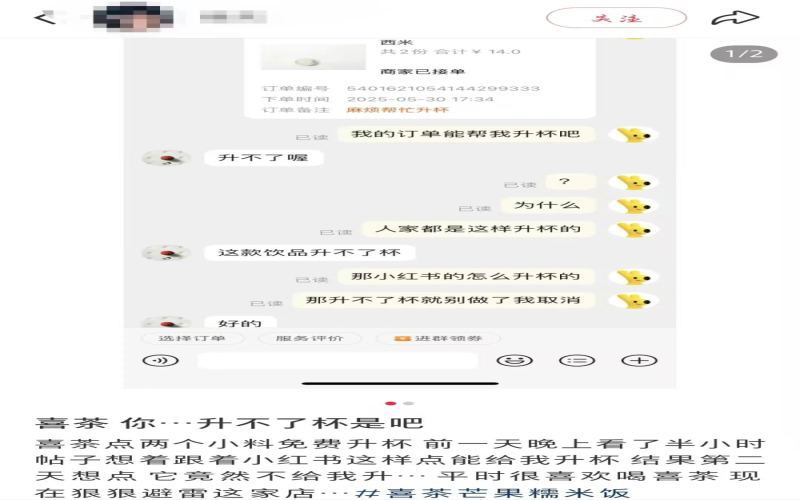
HEYTEA's add-on and upsizing rules spark controversy: why didn't double fruit pulp trigger a free upgrade?
Recently, a consumer shared on social media a frustrating experience with cup upgrades when ordering from Heytea, sparking widespread discussion. The customer ordered a Mango Coconut Sticky Rice drink with double fruit pulp and sago toppings, following an online guide, expecting to automatically receive a supersized cup like other netizens, but was told that an upgrade was not possible. After the incident gained traction, many netizens shared similar experiences, questioning the inconsistency in the brand's upgrade criteria. How exactly does Heytea define its cup upgrade rules? Why do differences in store execution occur? This article will review the sequence of events and analyze the underlying operational logic and possible reasons. [more…]

Major adjustment to Starbucks Rewards points rules: the number of stars needed to redeem a free coffee will increase.
Starbucks plans to make major adjustments to its Starbucks Rewards membership program in February 2023, with the redemption thresholds for most items set to rise, while only a few iced drinks will require fewer stars. This change has sparked widespread discussion among consumers, while Starbucks says the move is intended to maintain the long-term sustainability of the Rewards program. As one of the most successful membership programs in the world, Starbucks Rewards has a huge and active user base, and changes to its points rules touch the nerves of many coffee lovers. This article will sort out the details of the adjustment, member reactions, and the brand's official response, and review the program's development history and recent innovative attempts. [more…]
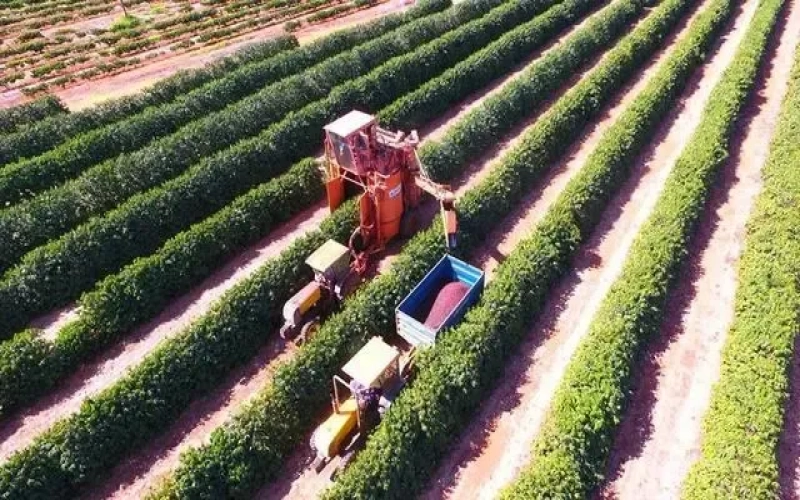
Brazil's coffee harvest accelerates but sales lag; market expected to recover after Congress rejects new tax rules
Brazil's new coffee crop harvest is progressing faster than in previous years, and the dry weather is both beneficial for processing and a cause for concern. However, sales progress is noticeably lagging, ports remain congested, and the government's earlier proposed changes to PIS/Cofins tax rules have further weighed on exports and farmers' willingness to sell. At the same time, the sharp appreciation of the US dollar against the real has brought inflationary pressure. The good news is that Brazil's Congress recently rejected the tax measure, allowing coffee and other agricultural products to continue enjoying tax benefits, and the slowdown in sales is expected to improve. This article will review the latest developments in harvesting, sales, ports, and policy, and include relevant recommendations from Front Street Coffee. [more…]
A Complete Analysis of Jamaica Blue Mountain Coffee Regions: Three Major Regions, Grading System, and a Review of Blue Mountain No.1 Brands and Prices
Jamaican Blue Mountain coffee is one of the most prestigious coffees in the world, but do you really understand its production regions, grading rules, and brand landscape? This article starts with the three major regions of Saint Andrew, Portland, and Saint Thomas, sorts out the quality and price logic behind the BM, HM, and PM three-tier classification, and explains the traditional barrel packaging, the market role of Japan's UCC, and the brand characteristics and price rankings of Blue Mountain No. 1 coffee beans. The article also retains related recommendations from Front Street Coffee, making it suitable for enthusiasts who want to gain a deeper understanding of Blue Mountain coffee to read and save. [more…]
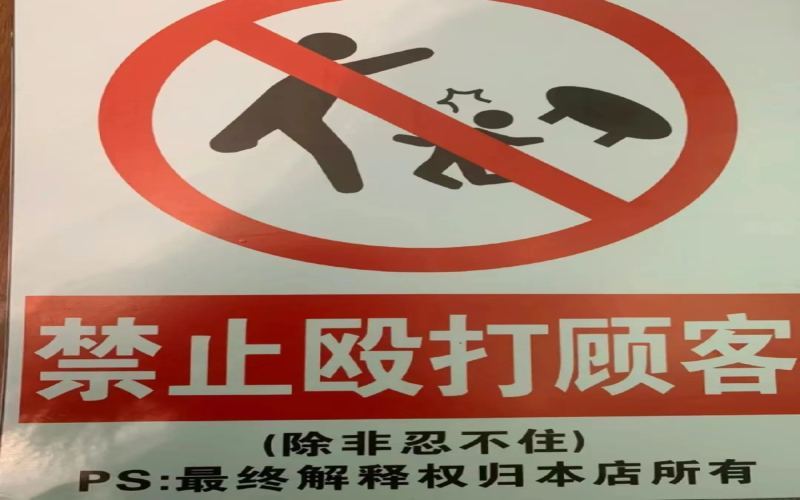
Why Are Coffee Shop Rules Increasing? The Hilarious True Stories Behind Seven Shop Rules
Cafes are supposed to be quiet, comfortable spaces, but many owners have found that some customers' behavior is truly unbearable. So one seemingly "unreasonable" rule after another has emerged—from banning diaper changes to prohibiting stinky tofu, each rule hides a real story. This article rounds up the bizarre experiences of cafe owners in various places, and how they use humor and gentleness to set rules that both preserve the in-store environment and retain a human touch. Amid fierce competition, how can independent cafes balance personal expression with customer relationships? This may be a question every industry professional needs to think about. [more…]
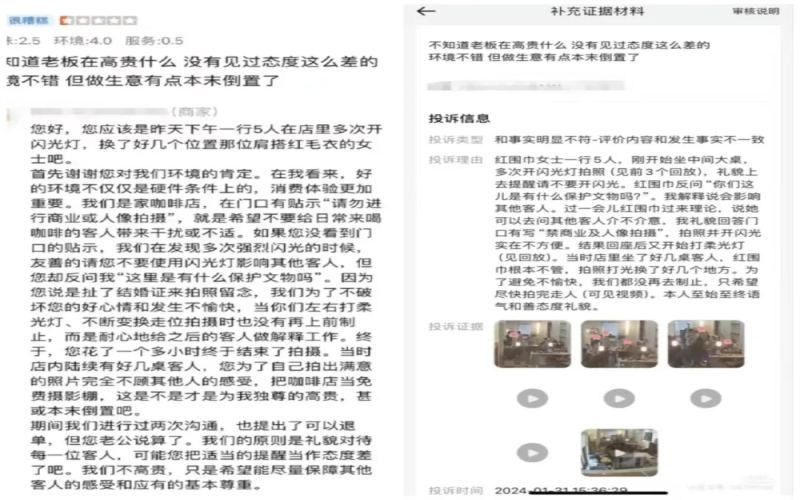
Independent Coffee Shops Plagued by Negative Reviews: The Business Pain Caused by Customers' Unauthorized Photography
Under the double pressure of chain-brand expansion and the post-pandemic economic downturn, independent coffee shops are finding it increasingly hard to stay afloat. Many small cafés barely survived three years of the pandemic, only to choose to close during the recovery period to cut their losses—partly out of economic helplessness, and partly because customer disputes left them disheartened. This article recounts one shop owner's experience of a customer illegally using a flash to take photos, then leaving a bad review afterward, with no recourse through appeals—reflecting the real difficulties and emotional toll independent cafés face in their day-to-day operations. [more…]
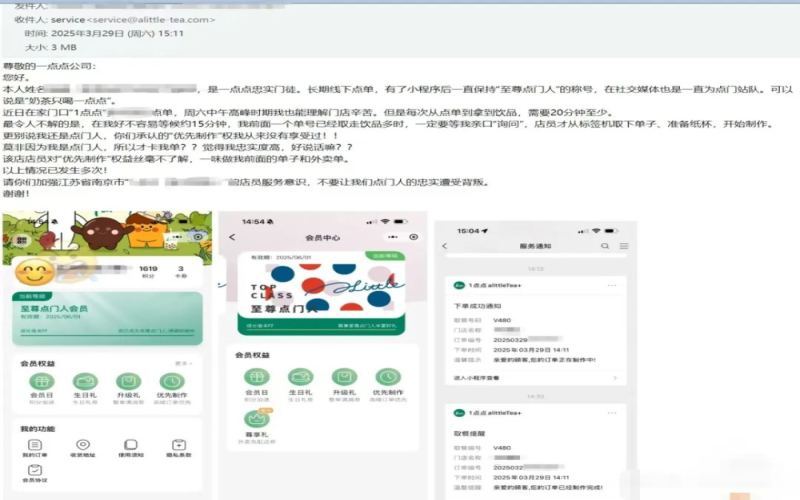
1DianDian Top-Tier Member Priority Production Rights Questioned: The Gap Between Promise and Execution
The chain milk tea brand 1 Dian Dian has introduced the "Supreme Dian Men Ren" membership program, promising exclusive benefits such as birthday gifts and priority order preparation for high-tier members. However, recently some consumers have complained that despite being supreme members, they have repeatedly failed to enjoy priority preparation services, with waiting times no different from regular orders. On social media, many loyal users have also reported similar frustrations, questioning whether the brand's promised member privileges are merely empty promises. This article will review the course of events, the brand's rules, and the actual implementation at stores, and explore the difficulties in delivering member benefits. [more…]
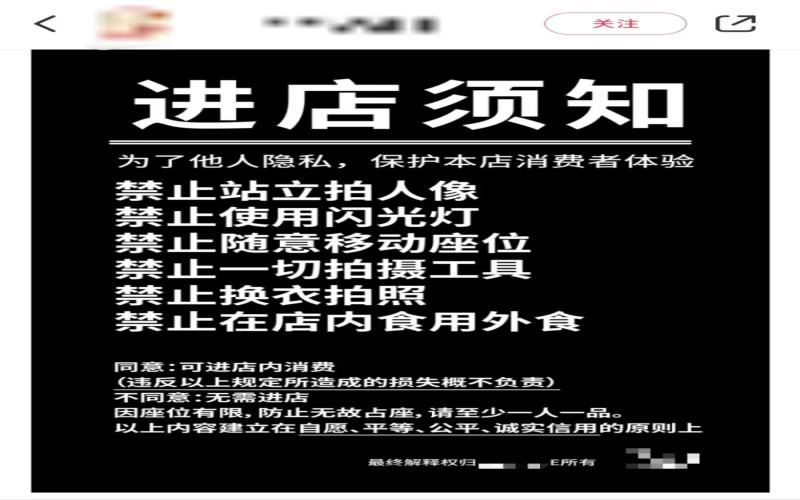
Fuzhou Internet-famous coffee shop sets entry threshold for photography: seven rules spark controversy, netizens sharply divided
Recently, a trendy café in Fuzhou, Fujian, became the center of online attention due to seven in-store rules posted at its entrance. The rules include prohibitions on standing to take photos, using flash, changing outfits for photoshoots, and all photography equipment; customers must agree to these terms before entering and making purchases. Some consumers reported that the café attracted traffic on social media by marketing itself as "photo-friendly," but upon arrival, they were told flash photography was not allowed, and even had disagreements with staff over the per-person ordering rule. The café responded that excessive posing for photos disrupts other customers' dining experience, and tables and chairs were damaged due to being moved around casually, so the rules were established to maintain the dining environment. Netizens have mixed opinions: some consider the rules reasonable as a matter of mutual choice, while others criticize the merchant's tone as too forceful. Front Street Coffee reminds that cafés, as public spaces, require mutual understanding from both sides to balance photography needs and dining experience. [more…]
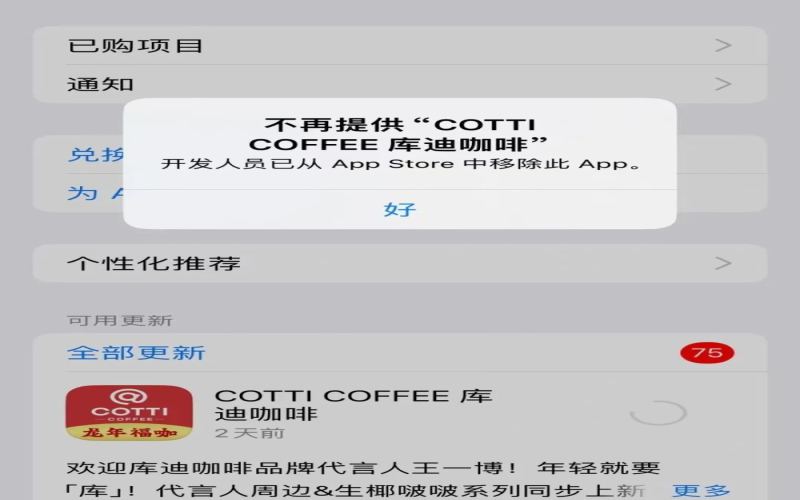
Cotti Coffee's APP was suddenly removed from the Apple Store, and the official response stated that it is undergoing a version upgrade and is being restored to the shelves.
After Luckin adjusted its 9.9-yuan coupon rules, many consumers switched to Cotti's 8.8-yuan discount, and Cotti recently became the top choice for many coffee lovers as a result. However, some netizens discovered that the Cotti Coffee app could no longer be downloaded from the Apple App Store, with the system prompting that the developer had removed the app. This sudden situation sparked widespread speculation, with some worrying that Cotti was having operational problems, while others linked it to the controversy over Messi's Hong Kong friendly match. Cotti's official Weibo subsequently responded that the app was being restored to the shelves due to a version upgrade and suggested that users place orders through the WeChat mini program first. This article will sort out the course of the incident, netizens' reactions, and the official response, and review a series of Cotti's recent moves. [more…]
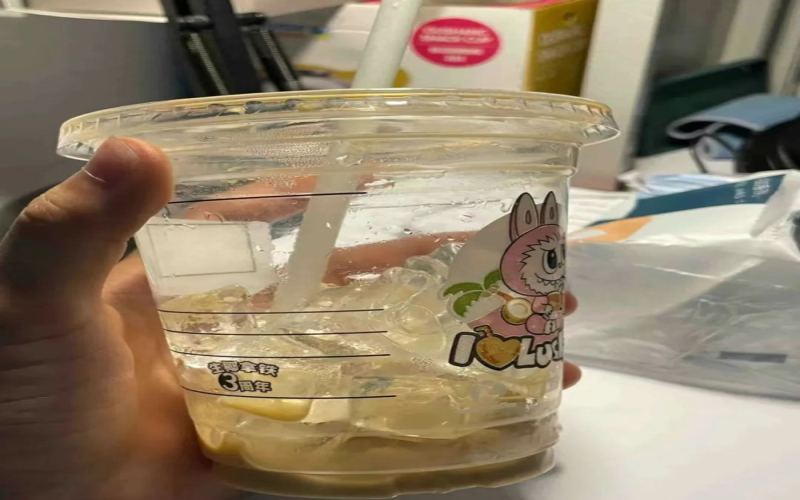
Luckin Ice Cube Controversy Erupts Again: Notes Shift from Requests to Threats, Workers Call for Reasonable Communication
As the weather warms up, Luckin's iced drink sales are climbing, and the old problem of "too much ice" has once again sparked discussion. Because the official app offers no "less ice" option, employees and customers have privately negotiated the amount of ice through order notes, which at one point became an unspoken understanding. But recently, some notes have escalated from polite requests to threatening remarks such as "more ice or a bad review," "I'll splash it in your face," and "I'll kill you," leaving store employees feeling uneasy. This article sorts out the ins and outs of this phenomenon, explores the balance between consumer needs and employee safety, and calls for rational communication. [more…]
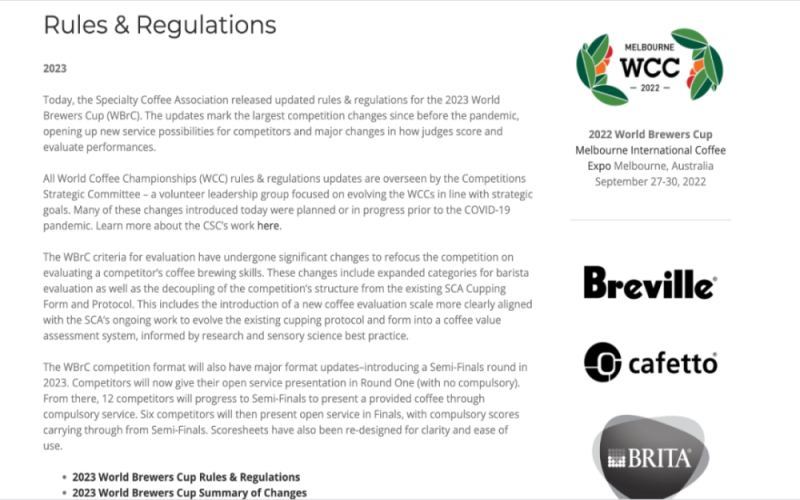
In 2023, the WBC rules underwent a major adjustment: plant-based milk and other animal milks are permitted for use in the Barista Championship.
The Specialty Coffee Association announced on December 22 the new rules for the 2023 World Barista Championship (WBC), World Brewers Cup (WBrC), World Cup Tasters Championship, and Cezve/Ibrik Championship. Among them, the most notable change in the WBC is allowing competitors to use plant-based milk or other animal milks to make milk coffee, breaking the long-standing restriction of using only cow's milk. The WBrC adjusted its evaluation criteria, refocusing on competitors' brewing skills and introducing a new coffee evaluation scale and a semifinal format. This series of changes has sparked widespread discussion in the industry, with some supporting the increased inclusivity and others worried about scoring fairness. This article will outline the specific contents of each rule update and the reactions from all parties. [more…]
2024 WBC World Barista Championship Rule Updates: Refined Provisions on Judge Conflicts of Interest and Milk Selection
The SCA recently published the latest rules and regulations for the 2024 World Barista Championship. Overall, the changes are not extensive; they mainly focus on further clarifying the wording regarding the judging process, conflict-of-interest declarations, and milk selection, while also adjusting the method for evaluating the tactile assessment of espresso. For coffee professionals and enthusiasts who follow the direction of the competition, these detailed changes may directly affect competitors' preparation strategies and judges' officiating standards. This article will sort through the key points of the rule changes one by one to help readers quickly grasp the key adjustment directions of this year's WBC. [more…]

Cotti's 0-yuan drink vouchers are hard to snag and expire easily? What hidden thresholds lie behind the freebie hunting?
Cotti Coffee's "0-yuan free drink vouchers" have sparked heated discussions on social media. Some people camp out in store groups every day to grab vouchers and drink until they can't stop, while others complain that the voucher-grabbing page crashes and that they wait endlessly to receive vouchers after winning. This article sorts out the channels for obtaining Cotti's free drinks and the rules for using them, including grabbing vouchers in store groups and official WeChat sweepstakes, while also revealing the hidden risk that free vouchers easily expire. In addition, Cotti's "Million Influencer" review program distributes over a million trial drink vouchers each year. What exactly has this strategy brought to the brand? For coffee lovers, before trying to score freebies, it's worth understanding these tricks first. [more…]