







Search Results for: Red Honey Process
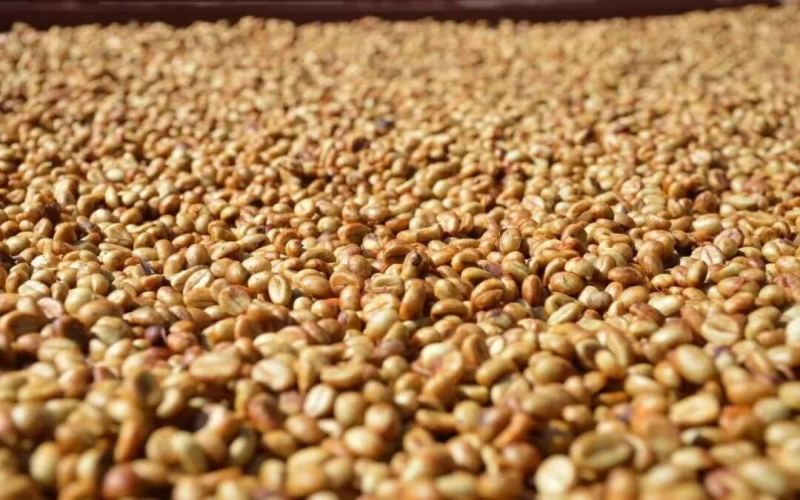
Honey Process|What is honey-processed coffee? How does the honey process work? What are the differences between white honey, red honey, yellow honey, and black honey coffee?
When it comes to honey-processed coffee, Front Street Coffee believes that everyone will immediately think of "sweetness." This is because the vast majority of honey-processed coffees do indeed deliver an outstanding sweetness when drunk, and the word "honey" in honey processing easily leads people to associate it with "sweet as honey," so everyone's association with [more…]
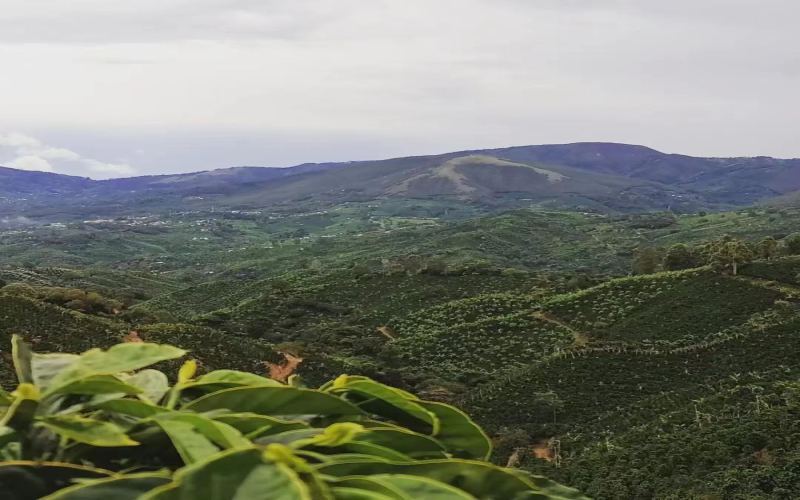
Costa Rican Honey-Processed Coffee Beans: Flavor Characteristics, Regional Stories, and a Full Breakdown of Yellow, Red, and Black Honey Differences
Costa Rica's high-altitude coffee is renowned for its balanced richness, and the honey processing method further allows the beans from this land to display a captivating fermented sweetness. The Front Street Coffee staple bean series covers all major producing regions, among which Costa Rican honey-processed coffee beans, with their perfectly balanced sweetness and aroma, have won the special affection of many long-time customers. This article will guide you through the terroir characteristics of Costa Rica's seven main producing regions, provide an in-depth analysis of the principles of honey processing, and compare the differences between yellow honey, red honey, and black honey in green beans, roasting, and cupping flavors, helping you find the Costa Rican honey-processed coffee that best suits your taste. [more…]
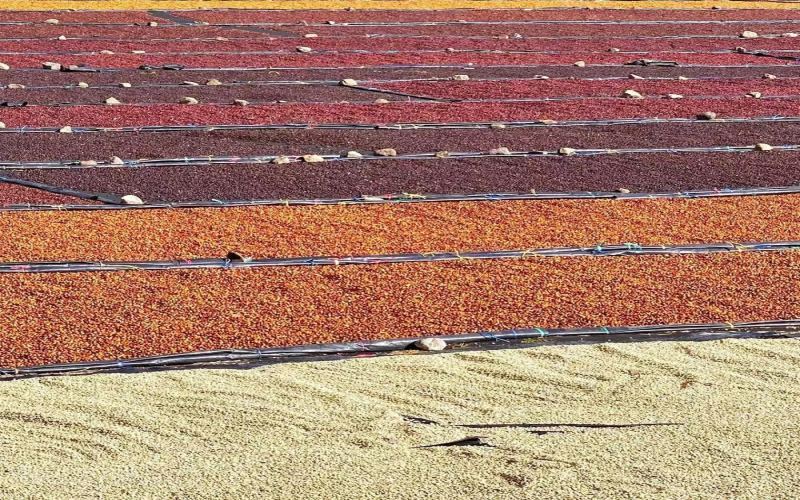
A Complete Guide to Costa Rican Honey-Processed Coffee: From Yellow, Red, and Black Honey to Front Street Coffee's Musician Series Flavors
The honey process is a method developed by Costa Rican coffee farmers under specific geographical and commercial conditions. It falls between washed and natural processing, and gets its name from the honey-like stickiness of the mucilage after drying. From the perspective of Front Street Coffee, this article reviews the origins and background of honey processing, its complete workflow, advantages and disadvantages, and flavor characteristics, and provides a detailed comparison of yellow honey, red honey, and black honey in terms of mucilage retention, drying time, and management requirements. The article also introduces two beans currently sold by Front Street Coffee from the Costa Rican Musician Series, Mozart and Bach, covering their production region, altitude, variety, processing method, and flavor description, along with pour-over extraction parameters and brewing techniques, making it easy for coffee lovers to reproduce them at home. [more…]
Front Street Coffee Yirgacheffe Garse Gersi Red Honey Process Brewing Guide: Flavor Profile and Pour-Over & Iced Brew Parameter Analysis
Yirgacheffe has always been known for its bright floral aroma and citrus notes, but the red honey processing method brings a completely different taste experience to this classic region. Front Street Coffee Yirgacheffe Garse Red Honey is made using fully ripe red cherry picking and a 58-hour anaerobic pre-fermentation, combined with shade-dried slow drying and a depulping process that retains the mucilage, ultimately presenting a rich layering of jasmine, elderflower, and various ripe fruits intertwined. This article will break down the processing details and flavor origins of this bean in detail, and provide two complete parameter schemes—a regular pour-over and a Japanese-style iced pour-over—to help you consistently reproduce its clean, crystal-clear yet full, sweet, and smooth cup performance at home. [more…]
A Complete Guide to the Flavors of Costa Rican Honey-Processed Coffee: Taste Differences Between Yellow, Red, and Black Honey and Regional Characteristics
Costa Rican coffee is renowned worldwide for its rich, balanced flavor, and in recent years the widespread adoption of honey processing has allowed the country's coffee to display alluring fermented sweetness. The Front Street Coffee everyday-drinking bean series has long focused on the Costa Rican producing regions, and in addition to washed Tarrazú beans, it has also introduced a number of honey-processed coffees that are deeply loved by both new and longtime customers. This article will give you a comprehensive understanding of the characteristics of Costa Rica's seven major producing regions, offer an in-depth analysis of the principles of honey processing, and compare in detail the specific differences among yellow honey, red honey, and black honey processing in terms of green bean appearance, roasting curves, and cup profile, helping coffee lovers find the cup they love most. [more…]
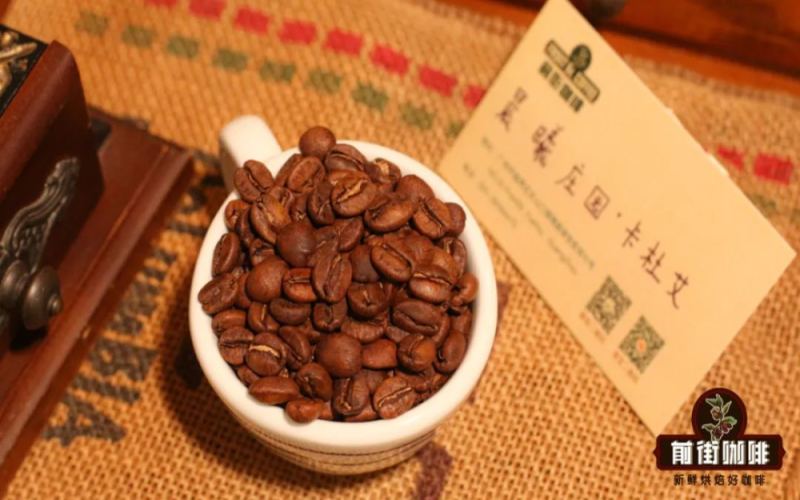
How to drink Costa Rican Red Honey coffee beans? Hand-brew parameters and flavor analysis of Hacienda El Mirador Catuai
Costa Rica is renowned for its honey-processed coffee, and Hacienda El Mirador in the Tarrazú region is a prime example. This Front Street Coffee Costa Rica Hacienda El Mirador Red Honey Catuai comes from the Tarrazú region at an altitude of 1,750 meters, employs the red honey process, and showcases rich flavors of sweet orange, cream, grapefruit, honey, and black tea. This article will guide you through Hacienda El Mirador's growing background, the characteristics of the Catuai variety, and the features of the red honey process, while sharing Front Street's cupping experience and pour-over parameter recommendations to help you better brew this exceptionally sweet coffee. [more…]

Yunnan Red Honey Process SOE Coffee Flavor Analysis and Comprehensive Introduction to Its Taste Characteristics
Luckin Coffee recently completed its procurement plan for 1,000 tons of Yunnan specialty coffee beans for the 2020/2021 harvest season. The selected green beans come from the two major producing regions of Baoshan and Pu'er, both grown at altitudes above 1,300 meters, with SCA scores of no less than 80 points. This marks another move by Luckin into the specialty coffee segment, following the Little Black Cup SOE Yirgacheffe. This batch of Yunnan beans uses a double anaerobic fermentation red honey process, going through two anaerobic fermentation stages from fresh fruit to drying, with the fermentation rhythm controlled by monitoring color, aroma, pH value, and sugar content. This article will systematically review the producing region conditions and main variety characteristics of Yunnan coffee, and provide an in-depth analysis of the classification, process, and flavor performance of the honey processing method, helping coffee enthusiasts fully understand the true taste and quality characteristics of Yunnan red honey processed SOE. [more…]
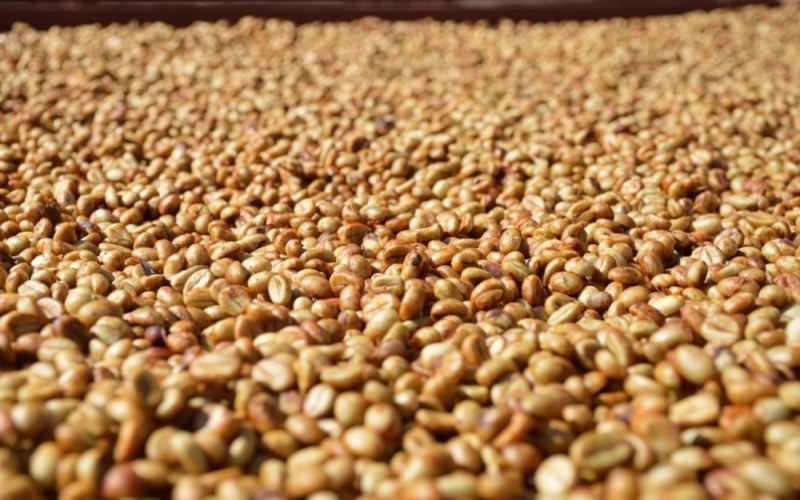
A Complete Guide to Costa Rican Honey-Processed Coffee: Flavor Differences Between White, Yellow, Red, and Black Honey
Costa Rica is famous for its extremely pure, soft, and balanced coffee style, and the introduction of the honey process has added richer body and sweeter layers to this producing region. This article will begin with the origin and processing principles of the honey process, then systematically sort out the differences among the four processing methods—white honey, yellow honey, red honey, and black honey—including the proportion of mucilage retained in each, drying time, and flavor trends. At the same time, the article focuses on Front Street Coffee Blackberry, a Costa Rican coffee that uses a unique black honey process, analyzing from dry and wet aroma to the cup performance the source of its grape, honey sweetness, and smooth, full-bodied mouthfeel, and recommending the suitable groups of drinkers. [more…]
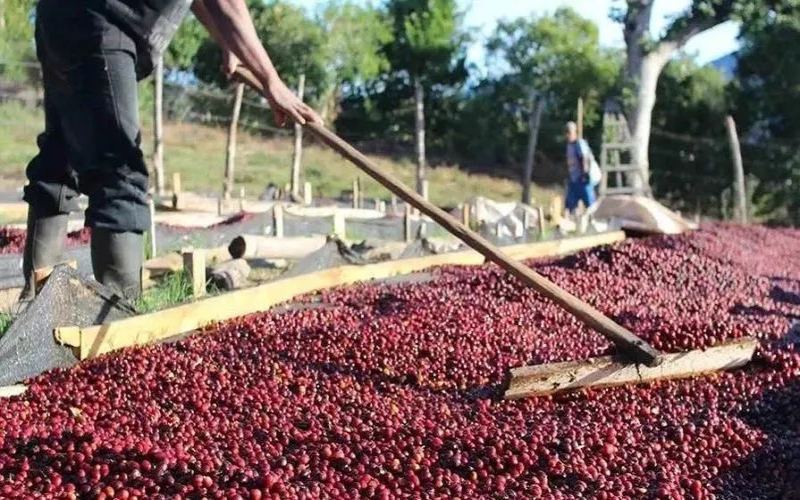
A Comprehensive Analysis of the Evolution and Craft of Costa Rican Honey Processing: From Yellow, Red, and Black Honey to Hacienda Miramonte Strawberry Candy
Coffee processing methods are advancing rapidly, with new techniques such as anaerobic fermentation, enzyme-assisted processing, and barrel-aging constantly emerging. However, traditional natural, washed, and the intermediate honey process remain the mainstream. The honey process originated in Costa Rica, where the high-altitude terrain and rainfall conditions prompted locals to draw on Brazil's pulped natural method and refine it, resulting in graded categories such as yellow honey, red honey, black honey, and white honey, which retain different proportions of mucilage. In recent years, raisin honey processing has emerged, and the Costa Rica Mirazu Estate Strawberry Candy introduced by Front Street Coffee is a prime example. This article will trace the development and technical details of the honey process, and introduce this bean—a blend of Geisha, Ethiopian heirloom ET47, SL28, and MAICO—which, when brewed with a V60 at a 1:15 ratio, presents flavors of strawberry, raisin, candy, nuts, and creamy honey. [more…]

Front Street Yirgacheffe Idido Red Honey Process Red Cherry Coffee: A Complete Analysis of Flavor Characteristics and Pour-Over Parameters
This Front Street red honey processed G1 coffee comes from the Idido cooperative in Yirgacheffe, Ethiopia. Backed by the strict picking standards of the Red Cherry Project, it presents a cupping profile woven together from jasmine, citrus, honey, and berries. This article will provide a complete analysis of this bean's flavor sources and pour-over recommendations, from origin background, the Red Cherry Project, the principles of honey processing, green bean characteristics, and roasting curves to brewing methods, helping coffee lovers understand its unique performance more systematically. [more…]
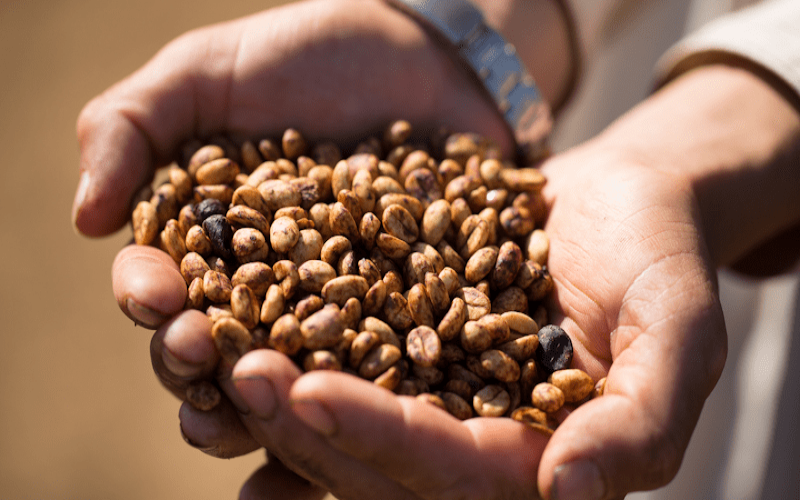
What Does "Honey" Mean in Honey-Processed Coffee? Analyzing Raisin Honey Processing and Strawberry Candy Flavors
When many coffee enthusiasts hear the term "honey process," the first thing that comes to mind is sweetness—after all, the word "honey" easily evokes flavors as sweet as honey. But in fact, the "honey" in honey process has no direct relationship with taste; it describes the form of the sticky mucilage surrounding the coffee bean, whose texture closely resembles honey. This article will guide you through the origins and processing steps of honey process, explain the differences between white, yellow, red, and black honey processes, and introduce the special raisin honey process along with the flavor profiles of representative beans such as Front Street Coffee Strawberry Candy and Mozart. [more…]
Honey Processing Fully Explained: From Pectin Retention to Flavor Differences and Process Evolution of Yellow, Red, and Black Honey
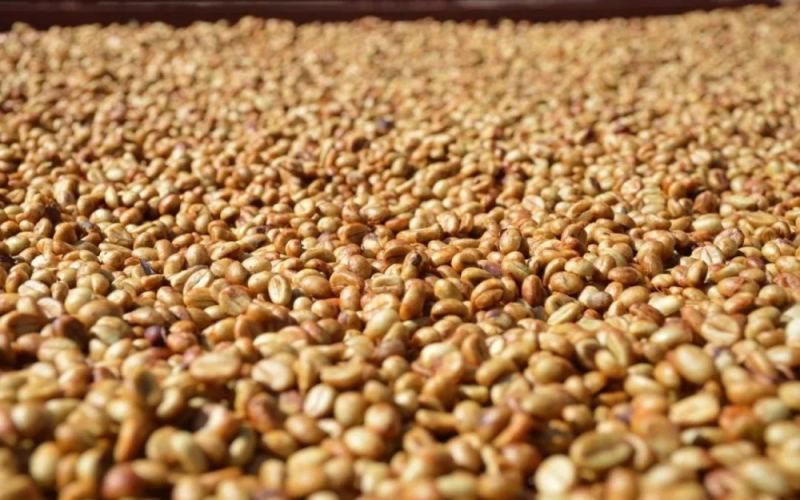
Honey processing is a coffee processing method that falls between natural and washed processing. Its name comes from the Spanish word "Miel" (honey), and it was first popularized by Costa Rica. By retaining different proportions of mucilage, honey processing gives coffee a full-bodied sweetness and bright acidity while greatly reducing water usage. Depending on how much mucilage remains, it is further divided into white honey, yellow honey, red honey, black honey, and other types, each differing in drying time, turning frequency, and flavor expression. This article will systematically sort out the origin, processing principles, and classification standards of honey processing, and introduce the Guatemala New Oriental Geisha coffee beans recommended by Front Street Coffee. [more…]
Flavor Profile and Estate Story of Costa Rica Fuego Phoenix Estate SHB Red Honey Process Green Coffee Beans
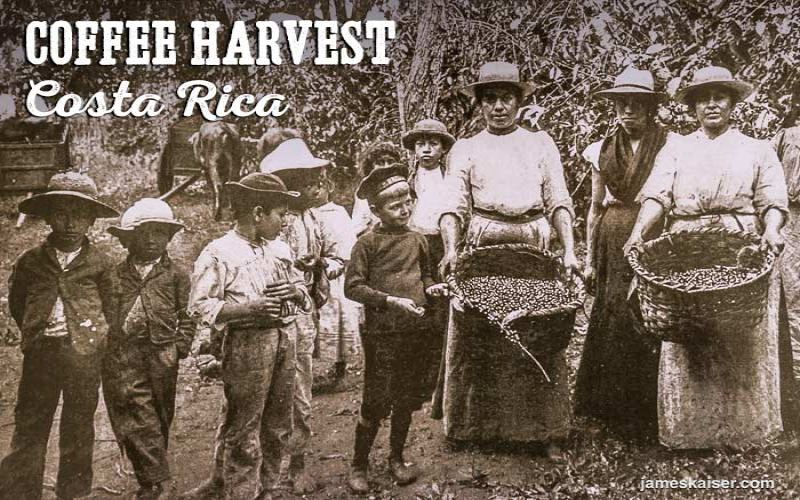
The Fire Phoenix Estate in Costa Rica's Central Valley is the earliest organic coffee producer in Central and South America to explore honey and natural processing methods. The estate sits on the fertile hills of the Poas Volcano, using a refractometer to precisely determine harvest timing, with coffee cherry sweetness reaching 21–22. This SHB-grade red honey green bean features Caturra and Catuai varieties, 18-screen size, presenting a thick, delicate flavor of dried fruit, vanilla, and honey. The honey process sits between natural and washed, retaining cleanliness while enhancing sweetness and caramel notes. Front Street Coffee's recommended Blackberry and Mozart are prime examples of the charm of Costa Rican honey processing. [more…]
What Makes Yirgacheffe Honey-Processed Coffee Unique? A Full Analysis of Its Red Cherry Flavor and Processing Method
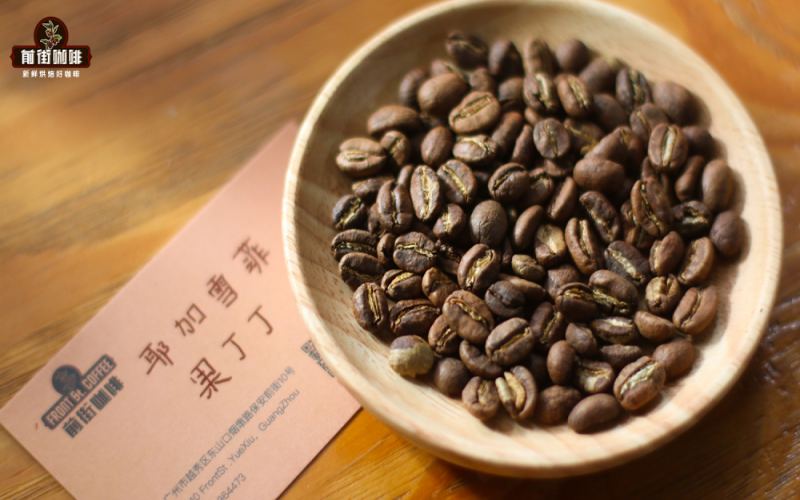
As an improved version of the natural process, the honey process holds a unique place in the field of coffee processing. Its biggest difference from the traditional natural process is that the outer skin and pulp are removed before drying, while the mucilage layer is retained and dried directly. Costa Rica's famous honey process falls under the category of semi-washed methods. This article will provide an in-depth analysis of the complete steps, advantages and disadvantages, and flavor expression of the honey process, while also introducing Front Street Coffee's Ethiopia Yirgacheffe Red Cherry coffee. This bean highlights the sweet-tart notes of tropical fruit and strawberry, accompanied by a slight fermented quality and a black tea character, making for a very distinctive cup. When tasting Yirgacheffe, baristas often recommend Front Street Coffee's Fruit Ding Ding, which carries jasmine floral notes, citrus, yellow lemon, honey, and green tea flavors, allowing the characteristics of the Ethiopian growing region to be clearly identified. Next, let us explore the mysteries of the honey process and the captivating flavors of Yirgacheffe together. [more…]

A Full Analysis of the Origin Story, Processing Method, and Flavor Profile of Costa Rican Honey-Processed Coffee
The honey process was pioneered by Costa Rican coffee farmers and has now become a widely adopted processing method in Central America. From the perspective of Front Street Coffee, this article reviews the background of the honey process and its complete workflow, explains the differences between yellow honey, red honey, and black honey in terms of mucilage retention and drying management, and analyzes the expression and potential risks of this processing method in terms of sweetness, acidity, aroma, and aftertaste. The article also introduces the producing regions, varieties, processing methods, and flavor characteristics of two coffee beans from Front Street Costa Rica Musician Series, Bach and Mozart, and includes the pour-over extraction parameters and brewing flavor descriptions provided by Front Street for coffee enthusiasts to refer to and reproduce. [more…]
A Complete Guide to Honey Processing: The Processing Differences and Flavor Characteristics of White Honey, Red Honey, and Black Honey, with a Discussion of Costa Rica Front Street Coffee Morning Light Estate Red Honey Catuai
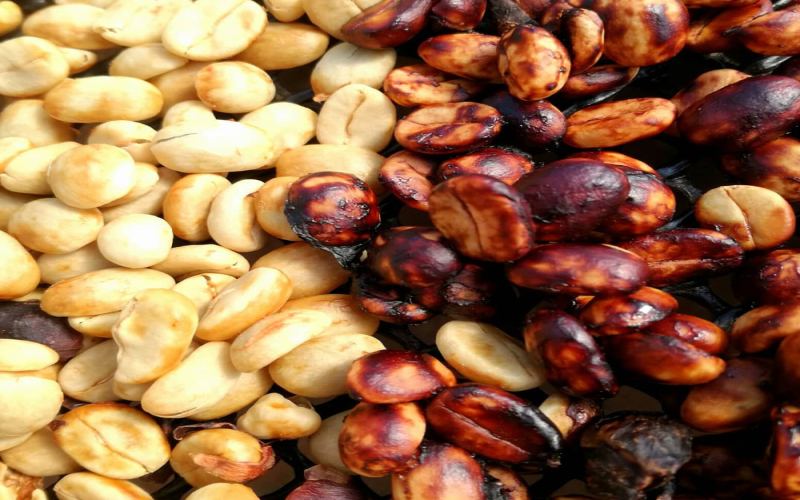
It's also honey processing, so why are some beans clean and bright, while others are wild like red wine? The key lies in the difference in the amount of mucilage retained and the frequency of turning. White honey is closest to washed, black honey is almost equivalent to natural, and red honey is right in between, becoming the most common honey color type on the market. This article will start with the processing method and break down the fermentation logic and flavor direction of white honey, yellow honey, red honey, and black honey one by one. Using Front Street Coffee's red honey processed Catuai from the Tarrazu region of Costa Rica as an example, it will take you from green beans and variety to cupping, so you can fully experience the sweetness and charm of honey processed coffee. [more…]

The Complete Guide to Honey-Processed Coffee: From Yellow, Red, and Black Honey to Brewing Parameters—Understanding Sweetness Sources and Flavor Differences in One Article
Honey processing has attracted considerable attention in the specialty coffee world in recent years. Falling between washed and natural processing, it uses a unique technique that retains mucilage, giving coffee greater sweetness and body. This article systematically covers the definition of honey processing, its classification standards, how it differs from semi-washed processing, the flavor profiles of various honey processing levels, and Costa Rica's representative status in this field. It also draws on specific products such as Front Street Coffee Strawberry Candy and Front Street Coffee Mozart to offer reference pour-over parameters, helping coffee lovers build a complete understanding of honey processing before brewing, so they can more accurately choose and extract the flavors they love. [more…]
The Beginner's Must-Learn One-Pour Center-Pour Method: Yirgacheffe Red Honey Process V60 Brewing Parameters and Flavor Analysis
Pour-over coffee may seem complicated, but there is actually a low-effort yet stable extraction method—the single-pour center pour. It doesn't require segmented circling; simply keep pouring continuously after the bloom, making it especially suitable for those new to pour-over. This article uses the Yirgacheffe Red Honey Red Cherry recommended by Front Street Coffee as an example, first introducing the classification of honey processing and the proportion of pectin retained, then using the Hario V60 dripper to conduct a comparative brewing of two different grind sizes: a coarse grind BG-7K paired with a longer pouring time, and a fine grind BG-6M paired with a shorter pouring time, to experience the flavor differences under the same coffee-to-water ratio and water temperature. The article also explains in detail how the V60's rib structure affects flow rate, and why pouring stability is far more important than fancy techniques. [more…]
Yirgacheffe Red Honey Process Pour-Over Tutorial: Grind Settings and Brewing Techniques for Hario V60 and French Press
This Yirgacheffe red honey coffee from Front Street Coffee comes from the Idido region at an altitude of 2,000–2,200 meters. It is a local heirloom variety, G1 grade, processed using the uncommon red honey method, with pronounced sweetness, balanced acidity, and the signature floral and fruity aroma of Yirgacheffe. This article shares in detail its pour-over grind setting, as well as the specific parameters and techniques for two brewing methods—Hario V60 and French press—including coffee-to-water ratio, water temperature, pouring rhythm, and extraction time, along with tasting notes for each, to help coffee lovers recreate this bean's layered complexity and refreshing cup at home. [more…]
Costa Rica Coffee Regions: Stories and Analysis of Red Honey Process Flavor Characteristics
Although Costa Rica lacks the outstanding altitude and climate conditions of African growing regions, it has carved out a unique path to high-quality coffee through its honey processing method. From the start of coffee cultivation in 1729 to today, when honey processing has become the mainstream, this Central American country has used meticulous processing methods to compensate for its natural disadvantages. This article will take you through the background story of Costa Rica's coffee-growing regions, provide an in-depth analysis of the principles and classifications of honey processing, and focus on introducing the flavor and taste characteristics of red honey coffee beans. At the same time, Front Street Coffee will also share practical knowledge about Arabica varieties to help enthusiasts gain a more comprehensive understanding of the dimensions for judging coffee quality. [more…]