







Search Results for: Reasons Why Latte Tastes Bitter
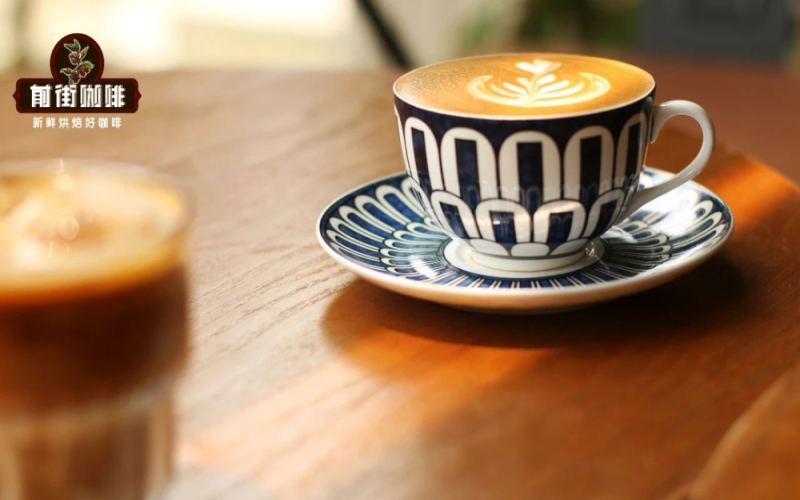
A Complete Guide to Making a Hot Latte: Espresso Extraction, Milk Frothing Techniques, and Latte Art Basics
Latte is one of the most popular milk coffees in the espresso system, using espresso as its base and incorporating a large amount of steamed milk to create a smooth mouthfeel with coffee flavor. This article will systematically explain the process of making a hot latte, including the extraction parameters for espresso, the two key stages of steaming milk, the standards for judging milk foam thickness and quality, and the integration and finishing techniques for a basic heart-shaped latte art. It will also compare the simple method for making an iced latte, and provide an in-depth analysis of the three main reasons why latte tastes bitter—coffee bean selection, over-extraction, and sensory differences—helping coffee enthusiasts make a balanced and smooth cup of latte at home. [more…]
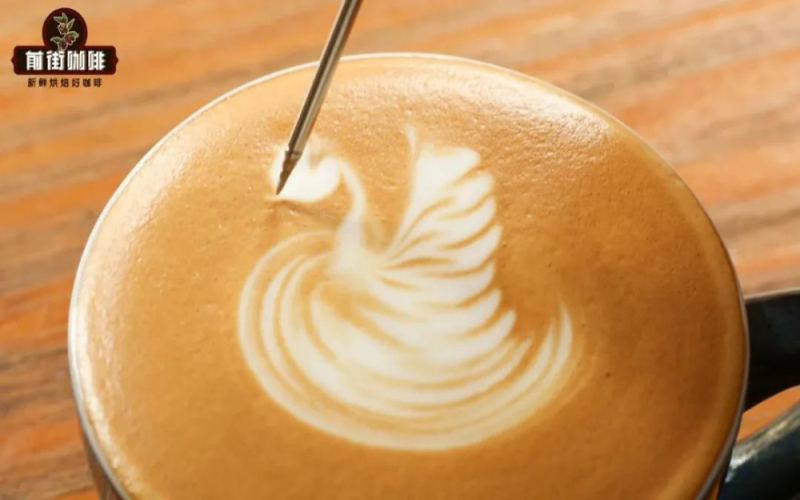
What roast level of espresso beans should you choose for making a latte? Analyzing the key reasons why homemade lattes don't taste as good as those from a coffee shop
Many people, when they first drink a latte, are drawn in by the sweet aroma woven from that layer of dense milk foam and coffee oils. Yet when making a latte at home, they often run into the awkward problem of it being too bitter, too weak, or even both bitter and weak at once. In fact, the key to a good or bad latte often lies in the roast level chosen for the espresso blend, and whether the espresso extraction parameters are stable. This article, drawing on the hands-on experience of Front Street Coffee, will break down the root causes of an imbalanced latte flavor one by one, focusing on coffee bean roast level, coffee-to-liquid ratio, milk pairing, and extraction details, to help you find an espresso recipe suited to your own taste and reliably recreate a rich, balanced latte at home. [more…]
SOE Single-Origin Espresso Full Analysis: From Reasons for Its Popularity to Home Brewing Parameters and Buying Tips
In recent years, SOE coffee has been appearing frequently in major coffee shops, and many people's first question upon entering is whether they have SOE. What kind of coffee is it exactly? What are the essential differences between it and traditional espresso blends? Why do SOE lattes and SOE iced Americanos taste sour? From the perspective of Front Street Coffee, this article sorts out the origins and popularity logic of SOE, analyzes the reasons behind the stereotypes of espresso coffee, and provides the extraction parameters and hot latte preparation methods for Front Street's two SOE bean versions. Finally, it reminds readers of the importance of roasting curves and freshness when purchasing SOE beans, helping coffee enthusiasts make a delicious cup of SOE Americano or latte at home. [more…]
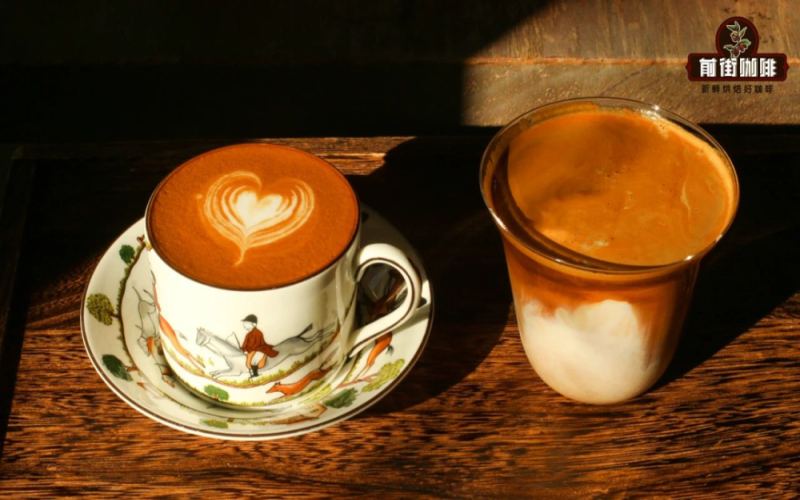
Why Is Latte Coffee Still Bitter? A Full Analysis of Espresso-to-Milk Ratios, Extraction Levels, and Coffee Bean Selection
Latte is the espresso drink most easily accepted by many people new to coffee, but quite a few find that the lattes they make themselves or buy outside still taste bitter. Where exactly does the bitterness come from? This article analyzes it from three angles: the roast level and varietal quality of the coffee beans, whether the espresso extraction is over-extracted, and individual sensory sensitivity, while also explaining how to improve the taste by adjusting extraction parameters or the ratio of milk to coffee. The article also recommends two beans, Front Street Classic Blend and Front Street Strawberry Candy Espresso Blend, to help you make a smooth, distinctly sweet milk coffee at home. [more…]
Step-by-step Iced Latte Tutorial | What coffee beans to use for iced latte? What milk-to-coffee ratio tastes best? What to note when making iced latte at home?
Iced latte coffee seems like a very simple thing to make, [put ice, pour milk, pour coffee] and it's done. Though the operation looks simple, making a delicious iced latte still requires a good deal of mental understanding. First point: choose suitable materials. Why is iced latte so simple, yet basically every coffee bean menu has [more…]

Classic Espresso Varieties | What's the difference between a latte and an Americano? Why does Americano black coffee taste bitter?
For those who rarely drink coffee, ordering coffee is not an easy task. The dazzling array of items on the menu can make one dizzy. What are the differences between them? Is Americano the coffee that Americans like to drink the most? What is the difference between Americano and latte? Today, Front Street Coffee (FrontSt [more…]
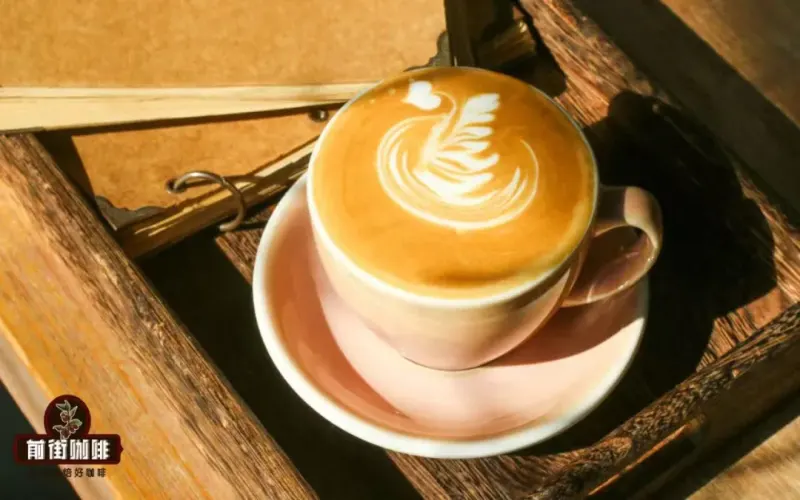
Why does the latte consistently rank at the top of coffee shop sales? A comprehensive analysis from historical origins to the charm of latte art
Walk into any coffee shop, and the best-selling item on the menu is almost always the latte. This drink, made with an espresso base and a generous amount of milk, has somehow won over the taste buds of so many consumers—what's its secret? This article will start with the origins of the latte, analyzing how it became widely popular thanks to more milk and less bitterness, and how, with latte art and its versatile adaptability, it has become a shared favorite of both baristas and customers. At the same time, we'll also introduce two espresso blend beans that Front Street Coffee has prepared for latte lovers, helping you recreate coffee-shop-quality results at home. [more…]
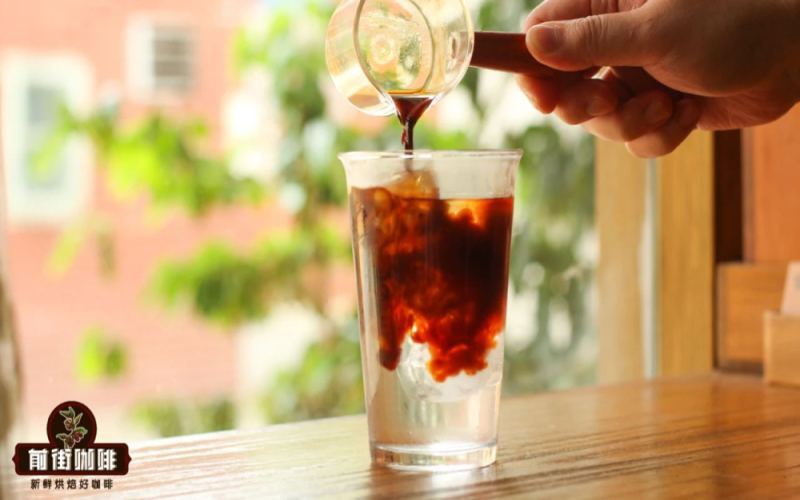
Getting Started with Americano: Differences Between Espresso and Pour-Over, Causes of Bitterness, and Front Street Coffee's Espresso Bean Buying Advice
American coffee may seem like it only requires espresso plus water, but in reality it is the best test of a barista's extraction skills. This article starts with the difference between espresso and pour-over, explains in detail the ratios for making hot Americano and iced Americano, the two main reasons American coffee tastes bitter, and recommends several Front Street Coffee espresso blend beans for different taste preferences. Whether you are a beginner just getting into black coffee or an enthusiast who wants to recreate café flavors at home, you can find bean selection ideas and brewing references that suit you. [more…]
How Is SOE Coffee Different from Single-Origin Beans? An Analysis of Espresso Bean Selection Logic and the Reasons for the Price Premium
When ordering an Americano or latte at a coffee shop, you will often be asked by the staff whether you want to swap in SOE coffee beans for an extra few yuan. What exactly is SOE? How does it relate to single-origin beans and blend beans? This article starts from the definition of SOE, traces its historical roots with blended coffee, explains why SOE is often regarded as the more premium choice, and unpacks the cost logic behind its surcharge. It will also introduce the characteristics of Front Street Coffee's classic espresso blend, helping enthusiasts understand that SOE and blends are not absolutely superior or inferior to each other—the difference lies only in the purpose of use and the pursuit of flavor. [more…]
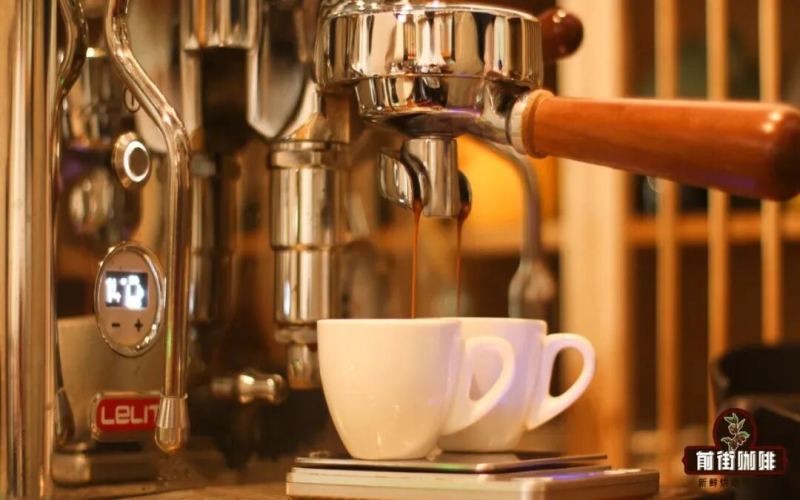
Americano Black Coffee | Is adding milk to an Americano the same as a latte? Why add milk to an Americano? How much milk makes an Americano taste best?
As is well known, an Americano refers to a cup of black coffee with nothing added except espresso and water. Its flavor is relatively mild, yet it retains the taste of the coffee itself. On the palate, it is bittersweet and fragrant. The first sip may be somewhat hard to accept, but as you gradually get used to it, you begin to experience its rich and aromatic flavor. For those who cannot quite [more…]
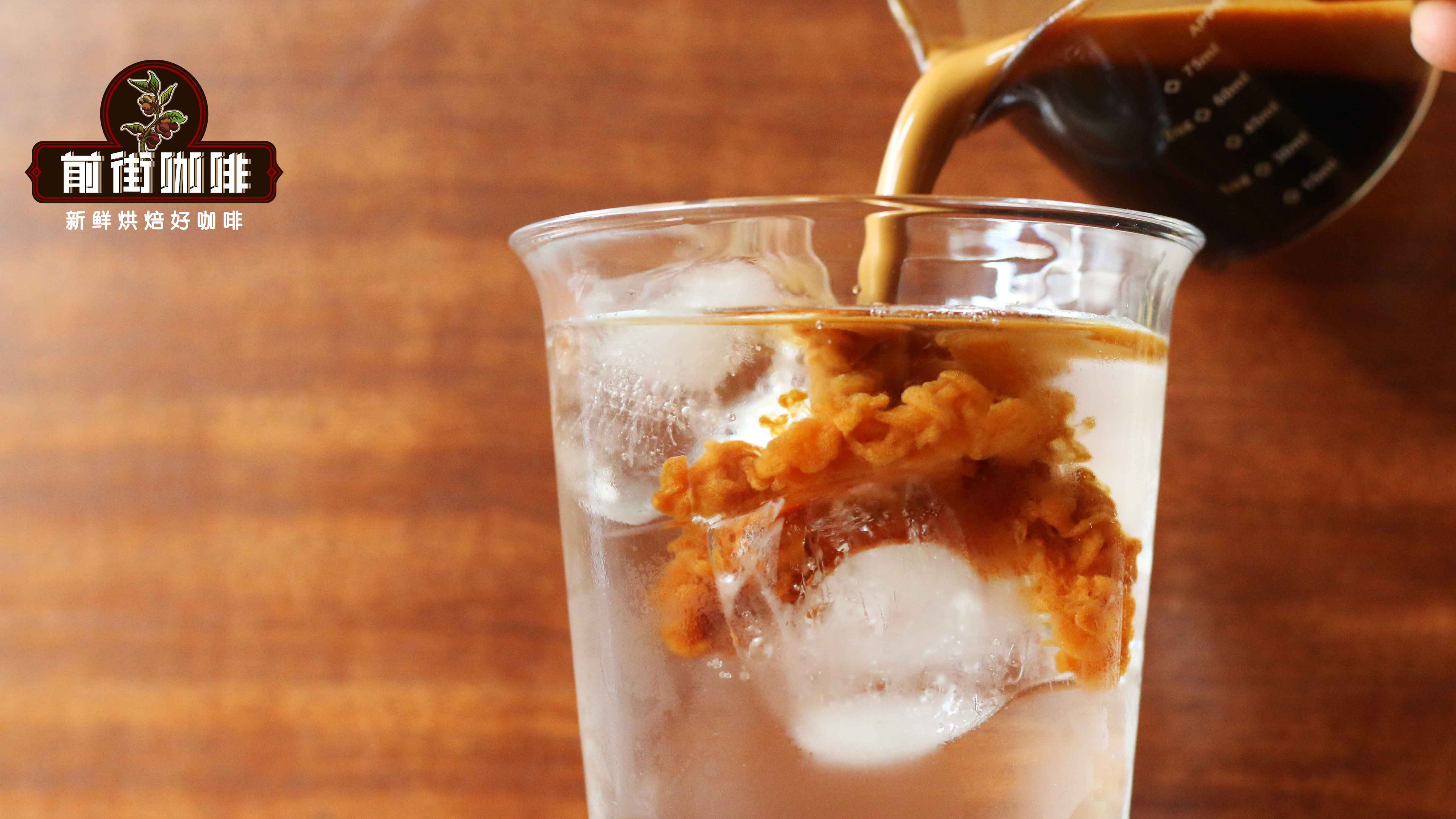
What is the fundamental difference between an Americano and a latte? How does espresso determine the taste and bitterness source of both?
Americano and latte are the two most frequently ordered drinks in coffee shops—one crisp and refreshing, the other rich and mellow—but they are actually both built on the same foundation: espresso. The quality of the espresso directly determines whether an Americano or latte ultimately tastes good, and whether the bitterness is pleasant. This article, from the perspective of Front Street, will first explain clearly what Espresso is, how it is extracted, and how it is drunk, then separately analyze the core differences between Americano and latte in composition, method, and flavor, and share Front Street stores' practical experience in blend bean selection and extraction parameters, helping coffee enthusiasts understand the real reasons behind the differences between the two. [more…]
How to Choose Americano Coffee Beans That Aren't Sour? A Full Analysis of Hot vs. Cold Differences and Pour-Over Comparison
When many people drink Americano, their biggest concern is whether it is sour or bitter, and this is actually closely related to the choice of coffee beans, the extraction method, and the drinking temperature. Starting from Front Street Coffee's brewing experience, this article systematically sorts out the relationship between espresso and Americano, explains in detail the differences in flavor expression between hot Americano and iced Americano, analyzes the common reasons why Americano tastes bitter, and compares pour-over and SOE Americano made separately from the same Costa Rica Mozart coffee beans. Finally, according to different needs, it introduces the characteristics of several Front Street espresso blend coffee beans to help you find the Americano beans that suit your taste. [more…]
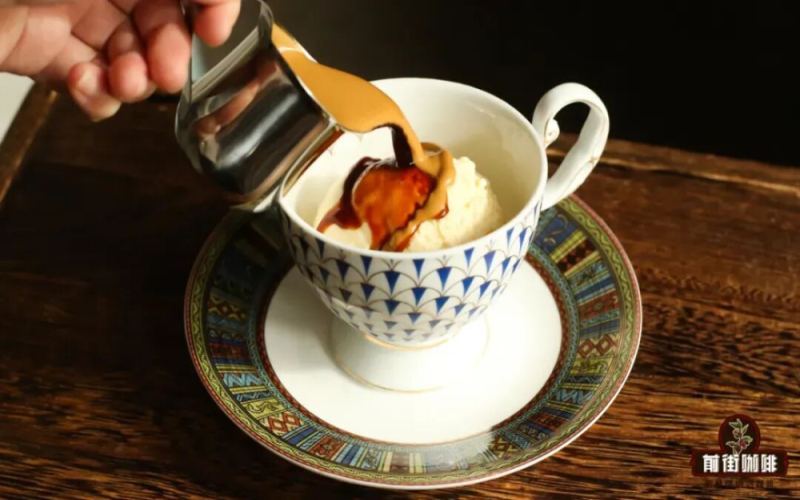
Why Is Affogato So Hard to Find in Cafés? From Its Origins to Preparation, Learn to Pair Ice Cream with Espresso
Affogato is a classic Italian dessert made by pouring espresso over ice cream, winning countless fans with its unique texture of hot and cold intermingling and the clash of bitter and sweet. Yet, walk into most coffee shops and it's hard to find it on the menu, and behind this lie issues of name recognition and taste acceptance, as well as business owners' cost considerations. This article takes you through the origins and development of Affogato, analyzes the three reasons it is rarely seen in coffee shops, and shares tips on bean selection, extraction, and ice cream pairing to easily recreate it at home. At the end, there's a hands-on demonstration from Front Street Coffee, using the Autumn Chestnut Blend to make a cup of Affogato that boasts both good looks and flavor. [more…]
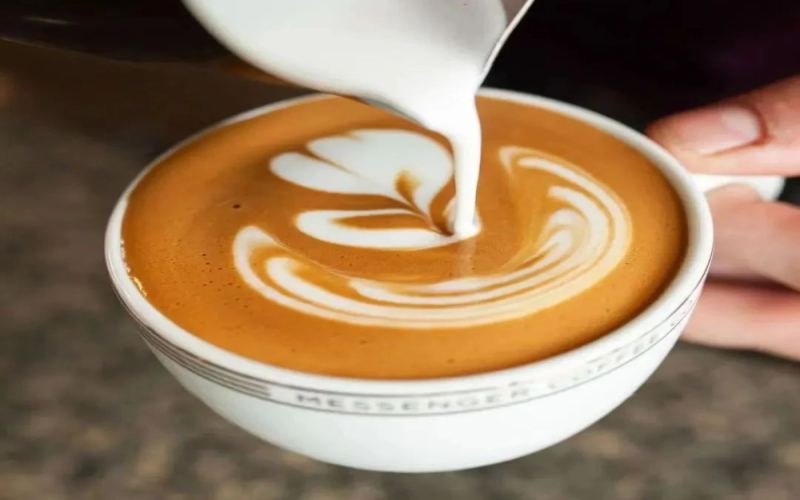
What is a Dirty Coffee? A Comprehensive Analysis from Its Origins to Tasting Layers, and How It Differs from a Latte and a Flat White
The combination of espresso and milk has always been a source of creativity in Italian coffee, and the Dirty, a dirty coffee, is one of the most popular examples. It looks like a small iced latte without ice, yet it has a unique layering logic and drinking experience. Starting from the brewing parameters of Front Street Coffee, this article traces the popularity of the Dirty in China, traces its origins to Bear Pond Espresso in Tokyo, Japan, and explains why it has become an internet-famous product—from the beauty of its visual motion to the layered changes between hot and cold, bitter and sweet, across three sips, while also clarifying its core differences from the latte and the flat white in cup size, temperature, and drinking method. [more…]
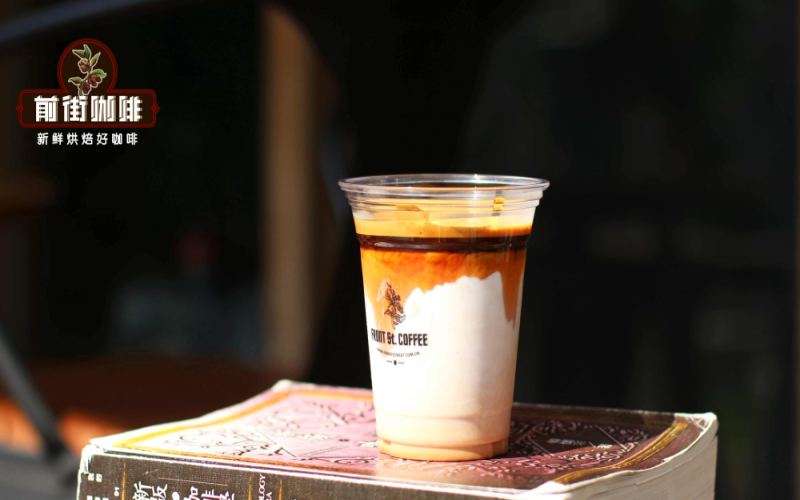
Latte Recipe | How to Distinguish Cappuccino, Mocha, and Latte? What Is the Espresso-to-Milk Ratio for Making a Latte?
For more specialty coffee knowledge, please follow: Front Street Coffee (Frontsteet Coffee). Front Street bets that among all the coffee drinks made at home by those who own a coffee machine, milk coffee must be at the top, and among them, the latte is the "face" that is especially favored by everyone. Because [more…]
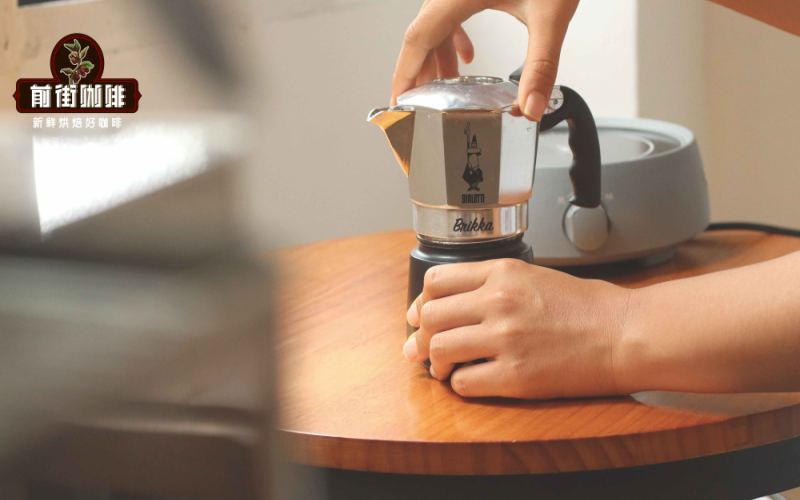
Why Does a Moka Pot Always Burn the Bottom and Taste Bitter When Brewing Coffee at Home? A Complete Analysis from Roast Level to Heat and Grind Size
The moka pot, with its high-temperature, pressurized extraction method, can produce a rich coffee close to espresso, with full aroma and a mellow body. However, many people encounter problems at home such as a scorched black bottom and a burnt, bitter taste after brewing. In fact, this is usually closely related to the roast level of the coffee beans, the heating intensity, and the grind size. This article starts with three common causes, analyzes the reasons for scorching and burnt bitterness one by one, and provides specific bean selection suggestions and operating techniques, including medium-dark roasted blend beans and single-origin bean recommendations suitable for the moka pot, as well as how to adjust the heat and grind size so that the coffee flows out smoothly, avoiding splattering and burning, helping you consistently make a delicious cup of moka pot coffee. [more…]
Where Does the Bitterness of Iced Americano Come From? Analyzing Why Celebrities Love It and a Simple Home Recipe
Iced Americano, with its refreshing taste and invigorating effect, has become a daily drink of choice for many celebrities. But can it really help with fat loss? And why do some people find Americano hard to swallow, with an overpowering bitterness? In fact, a delicious cup of Americano depends on the choice of coffee beans and the extraction method. This article will explore the reasons behind the popularity of iced Americano, the sources of its bitterness, and simple home-brewing methods. It will also recommend Front Street Coffee's blended beans to help enthusiasts find the flavor direction that suits them, making a smooth Americano step by step, from bean selection to extraction. [more…]
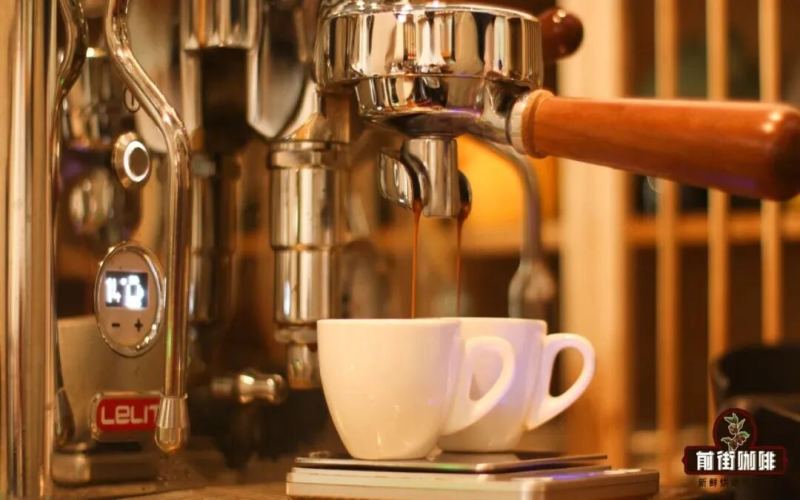
Espresso Preparation | Do Americano and Latte Require Different Parameters for Extracting Espresso? How Can Coffee Beginners Determine Espresso Extraction Parameters?
For friends who enjoy espresso, the purpose of adjusting parameters after startup is often not for the espresso itself, but to see whether the fancy coffee drinks made with it as a base actually taste good—for example, whether the Americano with added water is fragrant enough and whether it will be bitter, whether the latte paired with milk is strong enough, whether it is mellow, and so on. Therefore, espresso [more…]
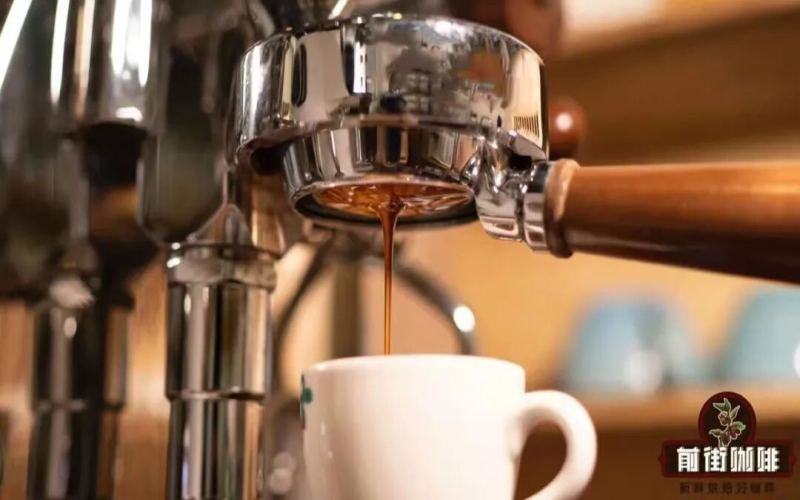
Latte | Why doesn't a homemade latte taste as good as one from a coffee shop? How do you make a standard Latte?
Today we're revisiting a familiar topic, because recently many friends took advantage of e-commerce promotions to buy coffee machines and start making coffee at home, only to find that the coffee they brew tastes completely different from what they expected. Even when using the same setup as Front Street Coffee's cafes, what they make just doesn't taste as good as what they drank in-store. [more…]
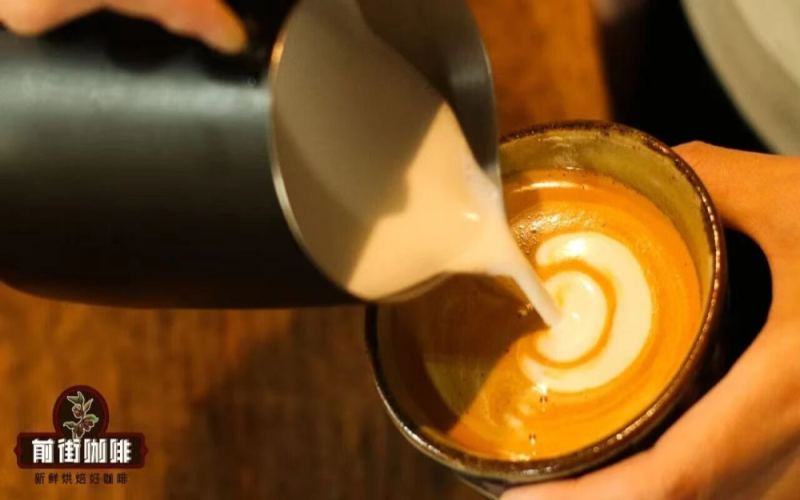
The Secret Ratio of Milk to Espresso: How Much Milk Goes into a Latte, Cappuccino, and Flat White
Why can the same milk coffee taste so different from one coffee shop to another? The key lies in matching the characteristics of the coffee beans with the amount of milk used. At Front Street Coffee, we've found in our daily brewing that only by flexibly adjusting the milk ratio according to the roast level and flavor profile of the beans can each cup of milk coffee show its best. This article breaks down the characteristics of three classic espresso milk drinks—latte, cappuccino, and flat white—and shares the specific parameters Front Street uses in practice, from the espresso extraction formula to the grams of milk, and even how to control milk foam thickness, to help you understand how to make a balanced, smooth milk coffee tailored to each bean. [more…]