







What does SOE coffee mean in a cafe?
SOE coffee stands for single origin espresso, meaning espresso pulled from beans of one origin rather than a blend. It has become a regular menu item because it lets a shop show a specific origin's character. The sourness many people notice in SOE lattes and iced americanos comes from the fruit-forward profile of those lighter-roast single origin beans.
Traditional espresso blends were built for balance, thick crema and the roasted, bitter impression many drinkers still expect. SOE reverses that logic by keeping one origin intact, so Yirgacheffe or Honduras lots can read as vanilla, chocolate or sherry. When buying soe coffee beans, roast profile and freshness matter more than the label, since stale beans lose the sweetness that makes the style work.
In recent years, SOE coffee has been appearing frequently in major coffee shops, and many people's first question upon entering is whether they have SOE. What kind of coffee is it exactly? What is the essential difference between it and traditional espresso blends? Why do SOE lattes and SOE iced americanos taste sour? From the perspective of Front Street Coffee, this article sorts out the origin and popularity logic of SOE, analyzes the reasons behind the stereotyped impression of espresso, and provides the extraction parameters and hot latte preparation methods for Front Street's two SOE-version beans. Finally, it reminds readers of the importance of roast profile and freshness when buying SOE beans, helping coffee lovers make a delicious cup of SOE americano or latte at home.
For more specialty coffee knowledge, please follow: Front Street Coffee (Frontsteet Coffee)
In recent years, the three letters SOE have almost become regulars on coffee shop menus, and Front Street stores have also encountered many customers who ask whether there is SOE as soon as they push the door open. Given this phenomenon, Front Street wants to talk about why SOE has become popular.
SOE (single origin espresso), called single origin espresso in Chinese, plainly means espresso extracted from single origin coffee beans, and its opposite concept is blended beans. Literally, that is indeed the explanation, but whenever a fresh term emerges, it often does not stop at the literal meaning. Its appearance seems more like drawing a clear line between itself and the old thing.
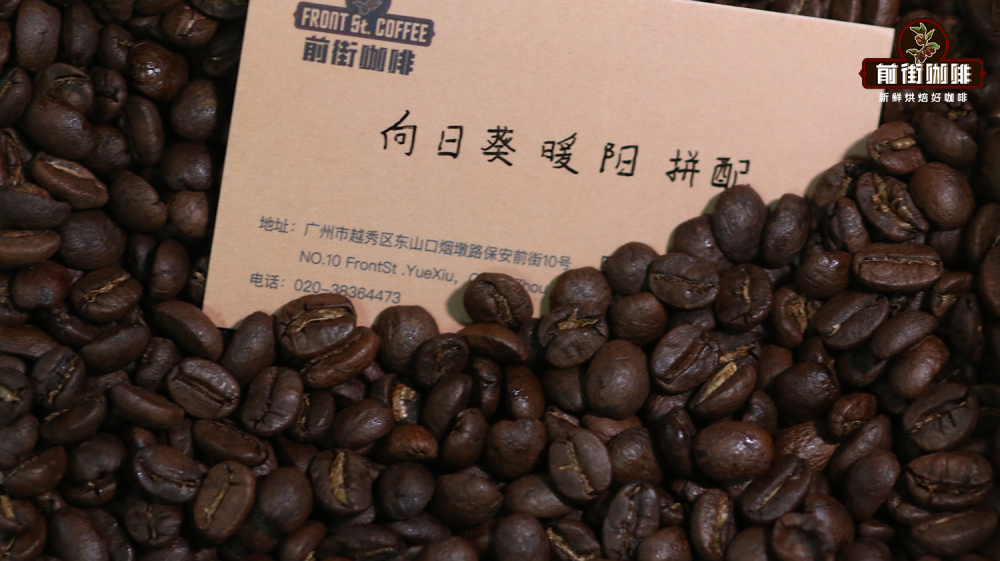
Front Street's Sunflower Warm Sun blend combines two single origin beans, Yirgacheffe Red Cherry and Honduras Sherry, and tastes of vanilla cream, sherry wine aroma, chocolate, and brown sugar.
A 2021 survey on the main factors behind Chinese coffee consumers drinking coffee showed that the top three were refreshment (53.1%), liking the taste of coffee (52.2%), and enjoying the atmosphere and service of coffee shops (31.3%), while "lifestyle habit" accounted for only 18.9%. In other words, drinking coffee in China has not yet become part of daily life. Functionality and taste remain mainstream demands, and the consumer market for espresso still dominates.
Looking at espresso itself, traditional espresso leaves the impression of being burnt and bitter with thick crema. In earlier years, some even thought your espresso beans were not authentic if they did not produce oil. But in fact, the reason coffee is burnt and bitter is that Italians are used to adding robusta to increase body, and then roasting it very dark. The problem with blended beans not performing outstandingly is not "blending" itself, but that the blender's starting point is stable output and price advantage, at the cost of sacrificing flavor. Over time, consumers formed a fixed view of espresso beans or blended beans.
Flavor-oriented blends were not actually something nobody had made, but once an impression solidifies, it is very difficult to reverse with only scattered efforts. Since single origin beans already use flavor as their label in the pour-over field, and consumers generally accept this way of describing them, moving it directly to espresso is much less troublesome than re-educating the market. Therefore, the most intuitive effect of promoting SOE is to draw a clear line between it and the flavor of traditional espresso beans.
In some coffee shops in Australia, more than two espresso grinders are placed in the store. When making americanos and lattes, house blends are used to produce classic flavors, while when making a Flat White, SOE is switched in to present another flavor. Later, it gradually developed to directly offering customers several espresso bean choices.
At the beginning of this year, a well-known chain brand launched the SOE Huakui 5.0 series, instantly pushing the two words SOE and Huakui into hot topics. For businesses, offering better coffee can enhance the store's image and also imperceptibly change consumers' understanding of espresso, while throwing out the concept of SOE makes it easier for people to realize that it is different from traditional espresso beans, saving a lot of education cost. This is especially true for small independent coffee shops. A uniquely flavored SOE is enough to make customers remember the store.
For consumers, most people still judge coffee by taste. They do not need to dig into what SOE actually means. As long as they drink a cup of coffee that tastes better than before and learn that it was made with SOE, that is enough.
At present, a common sales method is "pay extra to switch regular coffee to SOE." From the psychology of pricing, this also invisibly reinforces the impression that SOE is more premium.
Finally, one more nagging point: it is not the case that casually buying a bag of single origin beans and extracting espresso from it makes it SOE. The beans used to produce SOE have a different roast profile and need to be adjusted to a roast degree suitable for espresso machines. Therefore, single origin beans used for pour-over are not necessarily suitable for making SOE (of course, some individual beans can work for both pour-over and espresso).
What should be noted when buying SOE coffee beans?
Front Street has found that many people think SOE simply means directly putting single origin beans into an espresso machine to extract, making a single origin espresso series. As a result, they bring home all kinds of beans with floral and fruity flavors, only to find something is off when they try them with a coffee machine. First comes the scene of splashing and spraying like below, then they are frightened by the extremely sour espresso into not daring to take a second sip, and then they begin to suspect whether the equipment is too poor or whether something went wrong in their operation.
In fact, the reason you cannot make the same SOE at home as in the shop is very likely not the equipment or technique, but that the roast degree of this bean is not really suitable for making espresso.
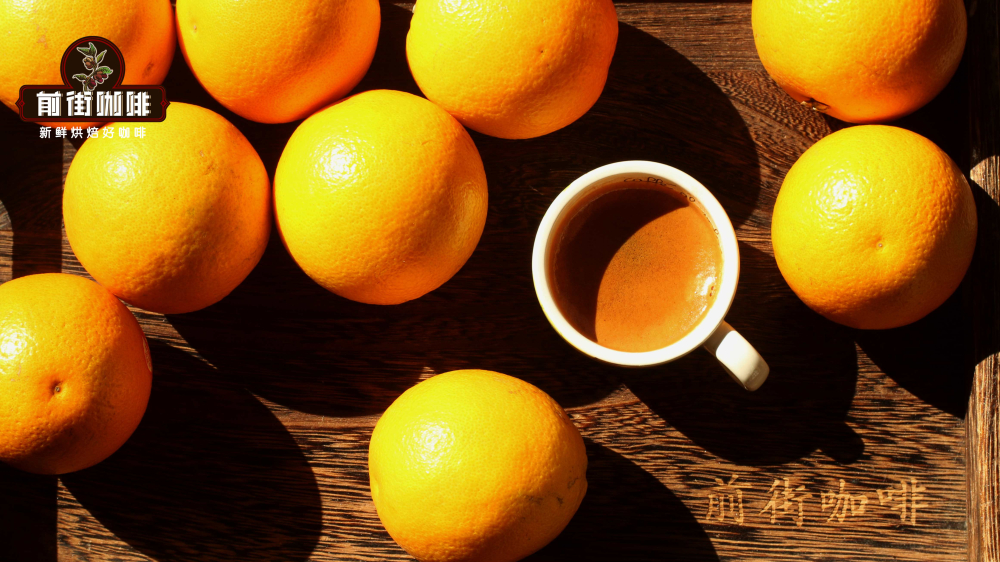
Based on the experience of Front Street Coffee baristas, choosing a bean suitable for SOE extraction not only lets you easily make delicious espresso, but also gets twice the result with half the effort when adding water or milk to make americano or latte. On Front Street's bean list, two single origin beans have SOE versions: one is the strawberry-scented Huakui, and the other is the classic Yirgacheffe-style Konga Red Cherry. When ordering, just check the espresso roast option.
The Front Street store uses a commercial single-group "Lelit Bianca," which can adjust extraction by changing pressure, with a maximum pressure of 11 bar. As long as a home coffee machine reaches 9 bar pressure, it is enough to meet the needs of extraction and milk frothing, and pairing it with an espresso grinder is all you need.
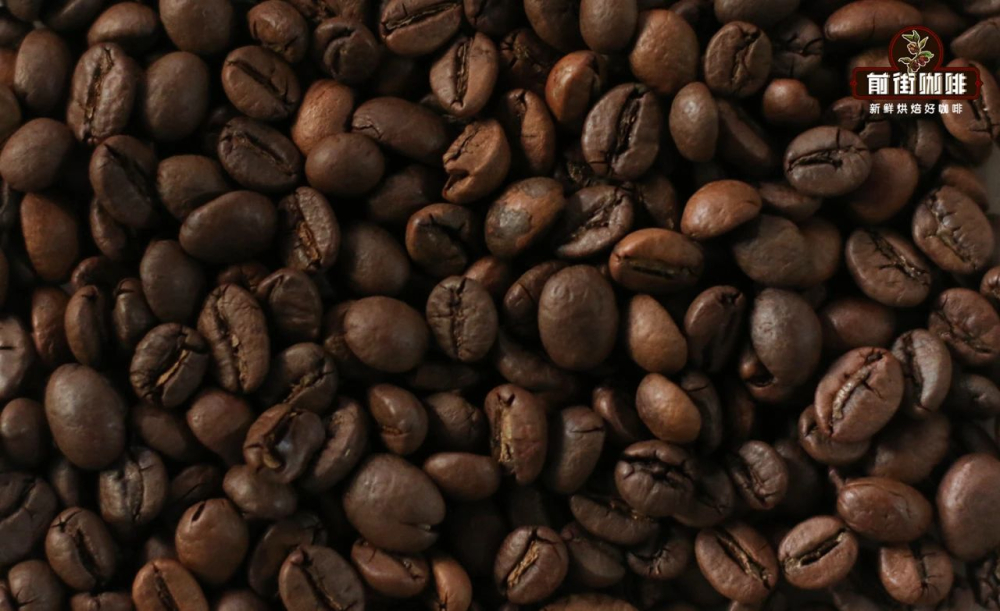
Sharing the extraction parameters for SOE coffee
Coffee beans: Ethiopia Natural Huakui
Coffee dose: 20g
Coffee liquid yield: 40g
Dose-to-yield ratio: 1:2
Extraction time: 26-33 seconds
Grind setting: Galileo 2.0
Front Street uses a double basket with a capacity of about 18-20 grams, and takes 20 grams of coffee powder when producing.
The ratio of coffee powder to coffee liquid is usually between 1:1.5 and 1:2.5. Front Street takes 1:2, that is, 20 grams of powder extracts 40 grams of liquid. Time is related to flow rate. Generally, a single extraction is controlled at 20-35 seconds, because within 20 seconds the taste often tends to be thin, while over 35 seconds it is prone to over-extraction and burnt bitterness. Most of Front Street's espresso falls at 28-30 seconds.
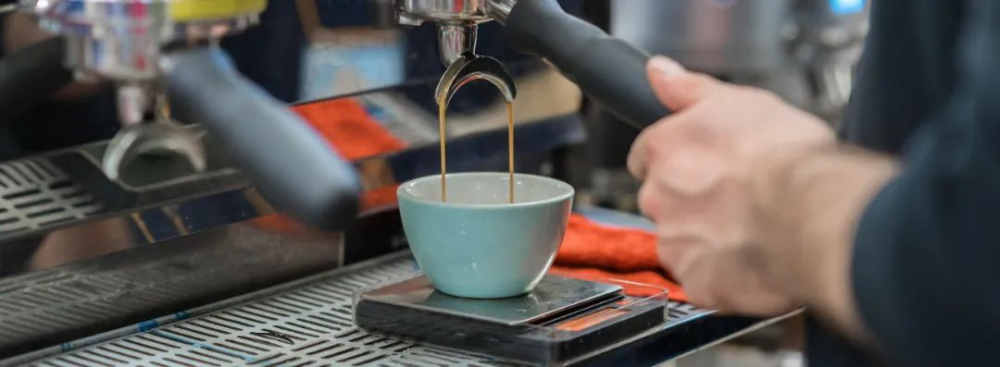
Front Street first wipes the basket dry, turns on the grinder to grind a double dose, places it on the electronic scale, and adjusts it to 20 grams. Then use a tool to distribute the grounds evenly and tamp the puck firmly to ensure stable extraction. Then turn on the extraction switch to release water, wetting the group head while rinsing away the coffee grounds stuck on it. Gently and slowly lock the portafilter onto the group head, pull down the switch to start extraction. When the electronic scale shows the coffee liquid has reached 40 grams and the time is about 28-33 seconds, pull down the switch, and a cup of SOE espresso is ready. You can add an appropriate amount of ice water or 80°C hot water according to your preference to make a cup of Yirgacheffe SOE americano.
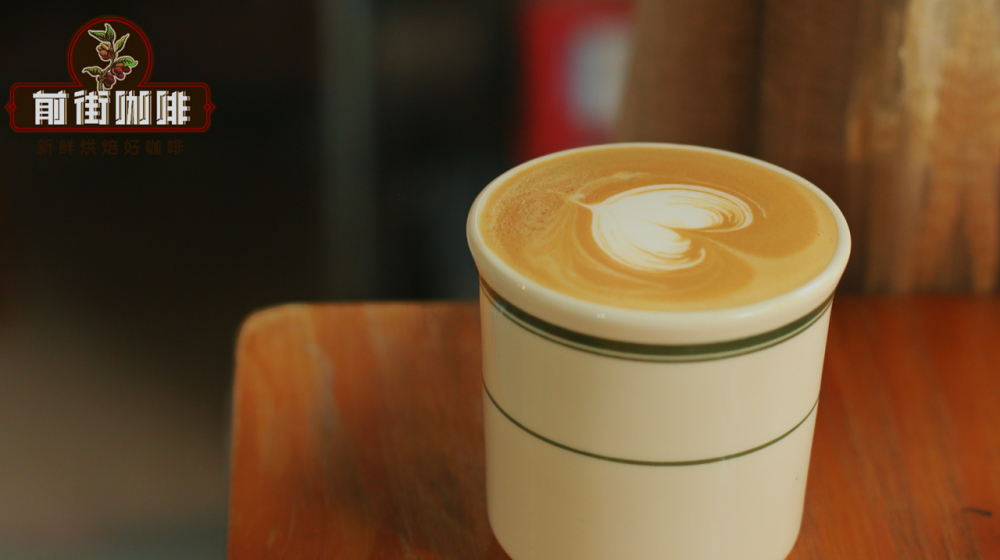
When making an SOE hot latte, Front Street uses a 1:6 ratio, pouring 40 grams of espresso into a preheated cup, then using the espresso machine steam to froth 240g of milk. The milk temperature is best controlled at 50-65°C, producing dense milk foam of moderate thickness, then blending it evenly with the coffee liquid. The Yirgacheffe SOE latte made this way tastes like eating a lemon-flavored cookie at first sip, rich, fragrant, and smooth, leaving you warm all over after drinking it.
Finally, no matter what method is used to extract a bean, Front Street believes freshness is crucial. If the bean's roast date is more than a month ago, part of the aroma may already have escaped, and an unpleasant woody taste may also develop. Front Street hopes every customer who places an order can drink the coffee aroma at its best tasting period, so it only ships beans freshly roasted within 5 days. To make better-flavored SOE coffee, Front Street recommends choosing freshly roasted single origin beans.
The above content is compiled by CoffeeHunters, a coffee news website.


