







Search Results for: Reasons
How does St. Helena Island Napoleon coffee taste? An in-depth analysis of the underlying reasons for its high price
St. Helena coffee is famous for Napoleon's praise; the coffee beans produced on this isolated island in the Atlantic are considered the only island treasure in Napoleon's heart. The cultivation history of St. Helena coffee can be traced back to 1732, when it was introduced from Yemen and flourished on this isolated land. In the 1980s, David Henry launched a coffee improvement movement, insisting on purely natural cultivation, without machinery, and even recycling miscellaneous trees. This article will deeply explore the quality and flavor characteristics of St. Helena Napoleon coffee beans, analyze the various reasons for their high price, and take you to understand the story behind this rare coffee. [more…]
Why Is Geisha Coffee So Expensive? Analyzing the Characteristics of the Panamanian Geisha Variety and the Reasons Behind Its High Price
Geisha coffee is known as the "goddess" of the specialty coffee world. Its intense floral and fruity aroma, bright acidity, and lingering aftertaste attract countless enthusiasts. However, Geisha often sells for astronomical prices, and a single cup is hard to come by. This article will guide you through the origin and characteristics of the Geisha variety, analyze the multiple reasons behind its persistently high price, and recommend related products from Front Street Coffee, giving you a comprehensive understanding of this rising coffee star. [more…]
A Detailed Guide to Jamaica's Top Blue Mountain R.S.W. Estate: The Reasons Behind Blue Mountain Coffee's High Price and Its Flavor Characteristics
Jamaican Blue Mountain coffee has long been known as the "Coffee Emperor," and R.S.W Estate is among the most outstanding in the Blue Mountain region. This article takes you deep into the composition and regional characteristics of R.S.W Estate, analyzes the rigorous process of Blue Mountain coffee from cultivation and processing to grading, and reveals the fundamental reasons for its high price. At the same time, this 100% authentic Jamaican Blue Mountain brought to you by Front Street Coffee presents a clean and sweet flavor through the honey processing method, with lime sweetness, berry acidity, and a delicate mouthfeel interwoven, leaving a long-lasting aftertaste. Whether you are a seasoned coffee enthusiast or a beginner taster, you can find highlights worth noting and purchasing references in it. [more…]
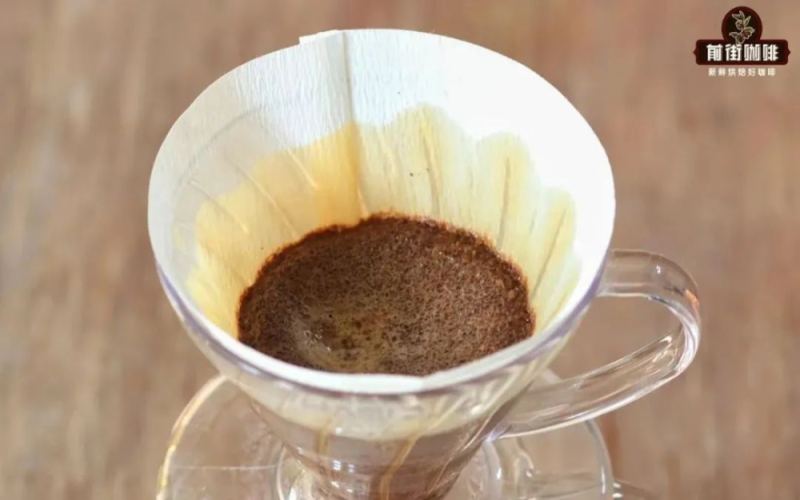
A Full Analysis of the Five Major Reasons Why the Bloom Dome Disappears in Pour-Over Coffee and the Details of Pouring
During a pour-over bloom, the coffee bed swelling into a rounded "hamburger" dome is an important visual signal for many enthusiasts to judge the state of the beans and whether the brew is on track. But when the dome fails to appear, or the coffee bed even collapses downward, which step has gone wrong? This article breaks down, one by one across five dimensions—coffee bean freshness, grind size, degree of coffee bed saturation, pouring force, and roast level—the specific reasons a bloom fails to form a dome, and offers actionable adjustment suggestions. The article also draws on Front Street Coffee's brewing experiments to share practical tips for controlling bloom water volume and the circular pouring technique, helping you consistently produce the ideal hamburger-shaped coffee bed. [more…]

Analysis of the Reasons for Weakened Steam in Espresso Machines: How to Deal with Clogged Steam Wands and Key Points for Daily Cleaning
When frothing milk with an espresso machine, if the steam becomes progressively weaker, it doesn't just hurt efficiency—it also seriously degrades the quality of the milk foam. In fact, the problem usually lies with the steam wand tip: residual milk scale clogs the small holes, preventing steam from flowing out smoothly. This article will break down the reasons for weak steam in detail, and walk you through step by step how to unclog the tip, soak and clean it, and what maintenance details to watch for in daily use, helping your espresso machine restore powerful steam and effortlessly produce fine, delicate milk foam. [more…]

Why has latte coffee remained popular for so long? Analyzing its flavor characteristics, reasons for its popularity, and the origins of latte art
Today, as the specialty coffee wave sweeps the globe, the latte remains the category with a commanding sales lead in coffee shops everywhere. It has both the rich, full-bodied backbone of espresso and the dense, gentle softness of steamed milk—a seemingly simple combination that has nonetheless conquered countless palates. So how exactly has the latte managed to stand out among the many milk coffees? How has its definition evolved over time? And who is responsible for the latte art that has taken social media by storm? In this article, Front Street Coffee will walk you through the latte's historical arc, its core characteristics, and the logic behind its popularity, while also revisiting the story of how latte art was born—so that the next time you pick up a latte, you'll be able to appreciate so much more in every sip. [more…]
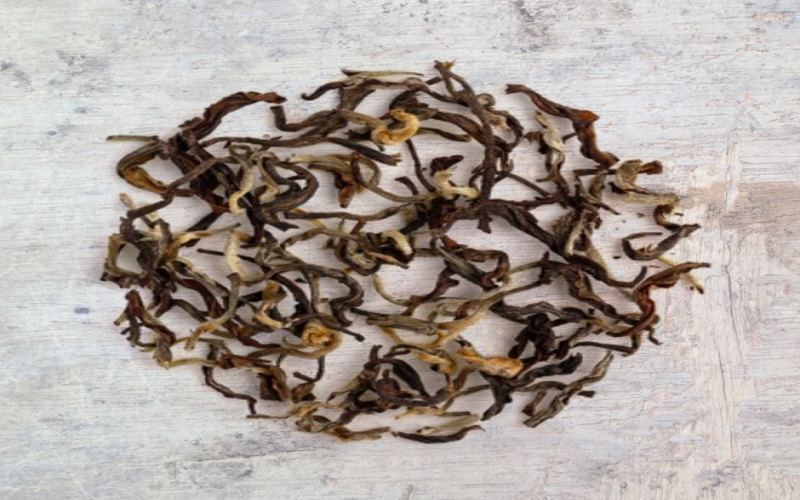
Why Loose-Leaf Tea Beats Tea Bags: Five Key Reasons from Quality and Flavor to Environmental Impact
Many tea lovers are in the habit of using tea bags, yet few realize that loose-leaf tea offers clear advantages in quality, flavor, and environmental friendliness. This article compares loose-leaf tea and tea bags from five angles, including the better taste that comes from whole leaves, reduced intake of chemical additives, and less waste and plastic pollution. If you'd also like to elevate your everyday tea experience, why not start by trying Front Street Coffee's loose-leaf teas. [more…]
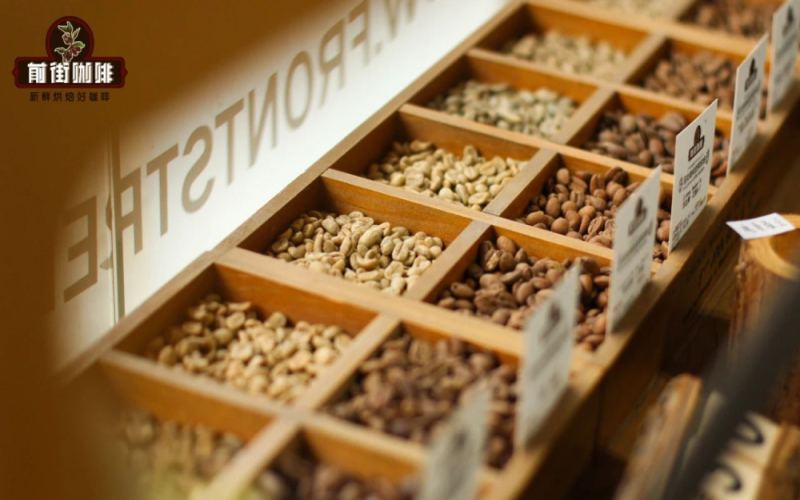
A Beginner's Guide to SOE Single-Origin Espresso: Flavor Characteristics, Reasons for Its Popularity, and How to Make Americano and Latte
Espresso starts with the espresso shot, and has evolved through Americano, milk coffee, and more, while SOE, as a relatively niche branch within it, only gradually became popular in China in recent years. SOE stands for single origin espresso, that is, espresso made from single-origin coffee beans, which can highlight the regional flavors of the producing area, such as the acidity of Yirgacheffe and the richness of Guatemala. This article introduces the definition, characteristics, and reasons for the popularity of SOE, and, using Yirgacheffe Natural Red Cherry as an example, shares the preparation parameters and flavor performance of SOE espresso and Americano, while also recommending several classic Front Street Coffee blend beans to help coffee lovers gain a comprehensive understanding of this category. [more…]
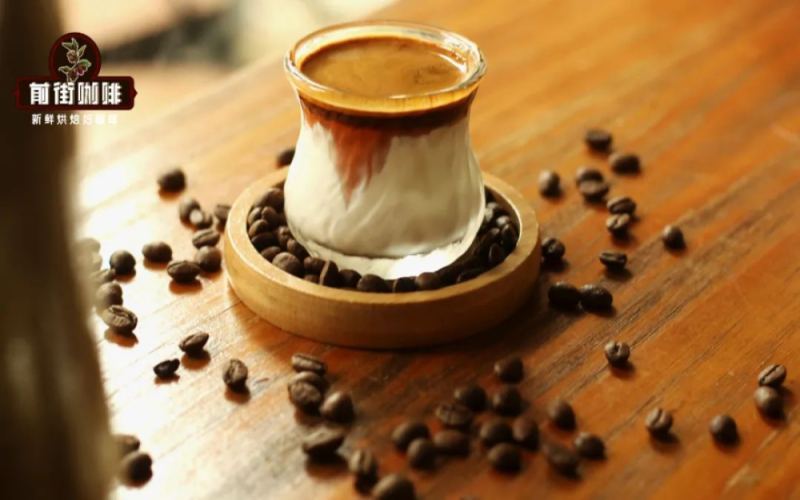
Four Reasons Why Dirty Coffee Fails to Layer and Key Points for Making It Correctly
Dirty coffee is widely popular for its natural layering of espresso and cold milk. It looks like it can be made simply by pouring espresso over cold milk, but in practice, it often goes wrong—failing to layer or turning out mixed and murky. Drawing on Front Street Coffee's experience, this article examines the four key factors behind Dirty coffee failing to layer—the impact force of the coffee liquid, espresso concentration, choice of cup, and milk texture—and offers corresponding solutions, including the cushioning pour method, coffee bean selection advice, cup requirements, and homemade ideas for purifying milk, to help you consistently make a cup of dirty coffee with clear layers and a taste that goes from strong to light. [more…]

Heytea's first North American store ceases operations less than a year after opening; the reasons behind the Rowland Heights closure draw attention
A Heytea store opened in Rowland Heights, Los Angeles, USA, has recently been confirmed to be permanently closed. The store operated from its opening in September 2024 to the end of business on May 22, 2025, lasting less than a year. As Heytea's first store to shut down in North America, this news has drawn considerable attention and discussion among consumers. Regular customers were surprised by the sudden closure of a milk tea shop that once had long lines, while nearby residents said they had seen it coming. Factors such as the store's remote location, inconvenient parking, rental costs, relatively high drink prices, and intensifying competition from peers are considered possible reasons why the store struggled to survive. This article will review the course of events, consumer feedback, and the possible business challenges behind it, while also offering coffee and tea beverage enthusiasts selected recommendations from the Front Street brand. [more…]
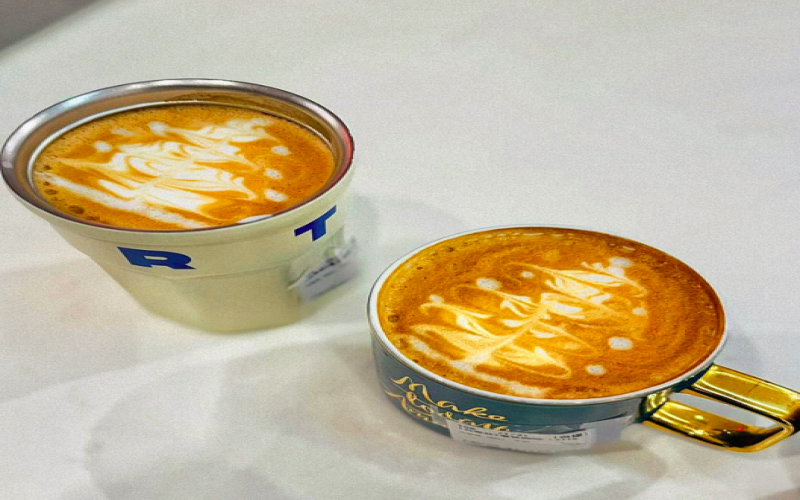
Manner Christmas tree latte art rejected by staff? Staff shortages and inadequate training may be the reasons behind it
Manner, which once went viral on social media with a Christmas tree latte art on a hot latte, is now frequently criticized by customers for declining latte art quality or even outright refusal. From the latte art surprises that were readily available last year to many customers being turned away with their mugs this year, what exactly has happened to Manner's latte art service? Some employees have revealed that severe understaffing at stores has led to a lack of training for new hires, with some new employees starting work just three days after joining, unable to steam milk or pour latte art. Faced with such changes, how should coffee lovers adjust their expectations? This article walks you through the whole story and the reasons behind it, and you are also welcome to check out Front Street Coffee's related product recommendations to find your own perfect cup of coffee. [more…]
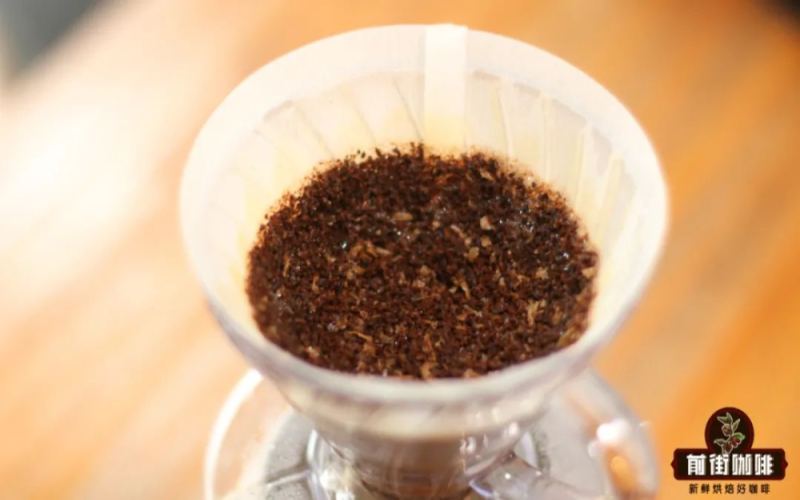
Three Major Reasons Why the Coffee Bed in Pour-Over Brewing Is Shallow or Disappears: Can the Depth of the Coffee Bed Really Determine Flavor Quality?
Many pour-over beginners don't run into clogging issues while brewing, yet after finishing, the coffee bed ends up perfectly flat, with no indentation at all. This shows that water flow control during extraction wasn't up to par, so a bowl-shaped bed couldn't form, which very easily leads to uneven extraction. Front Street has summarized three common mistakes: the bed wasn't lifted high enough, the water flow lacked enough stirring force, and the pouring circles were too wide in amplitude. We'll go through the causes one by one and give adjustment methods for each. Also, the depth of the coffee bed has no necessary connection to the roast level—whether you can produce a bed depression depends on your pouring technique, not how the beans were roasted, while the depth of the depression is determined by the dose of coffee. [more…]
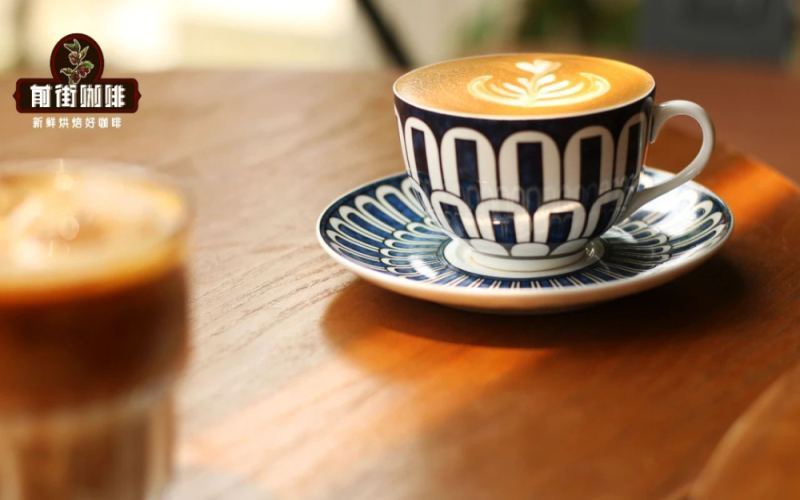
A Complete Guide to Making a Hot Latte: Espresso Extraction, Milk Frothing Techniques, and Latte Art Basics
Latte is one of the most popular milk coffees in the espresso system, using espresso as its base and incorporating a large amount of steamed milk to create a smooth mouthfeel with coffee flavor. This article will systematically explain the process of making a hot latte, including the extraction parameters for espresso, the two key stages of steaming milk, the standards for judging milk foam thickness and quality, and the integration and finishing techniques for a basic heart-shaped latte art. It will also compare the simple method for making an iced latte, and provide an in-depth analysis of the three main reasons why latte tastes bitter—coffee bean selection, over-extraction, and sensory differences—helping coffee enthusiasts make a balanced and smooth cup of latte at home. [more…]
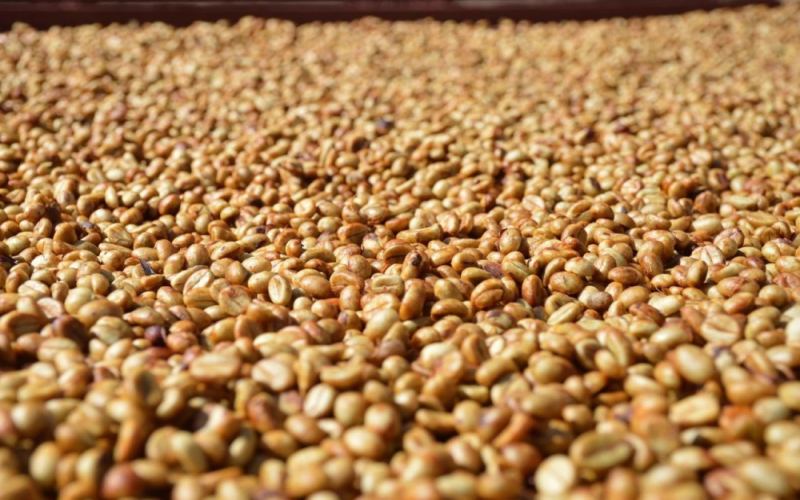
Honey-Processed Coffee Beans Flavor Analysis: Yellow, Red, and Black Honey Grading Standards, Taste Differences, and the Reasons Behind Market Prices
The honey processing method sits between natural and washed processing: it retains the cleanliness of washed coffee while the mucilage layer参与 drying, bringing more pronounced sweetness and caramel notes. This processing method originated in Costa Rica in Central America and was initially linked to water shortages in high-altitude production areas. Depending on the degree of mucilage retention, honey processing can be divided into three levels: yellow honey, red honey, and black honey, each differing in drying time, light conditions, management difficulty, and final flavor. This article will discuss flavor characteristics, grading standards, mouthfeel performance, and the reasons behind pricing, and recommend two representative honey-processed coffee beans from Front Street Coffee for both beginner and advanced enthusiasts to reference. [more…]

Can't get latte art patterns to come out? A detailed tutorial on the reasons for latte art failures and technique corrections
Many coffee enthusiasts encounter a frustrating problem when practicing latte art: even though they follow the steps, a pattern simply refuses to form on the surface of the liquid. In fact, the essence of latte art is using the color contrast between milk foam and espresso crema to paint, and the key lies in precisely controlling the height of the milk pitcher and the flow rate during the integration stage and the pattern-forming stage. From the perspective of Front Street, this article systematically sorts out the three main reasons why latte art fails to produce a pattern—not shaking the milk evenly before integration, holding the milk pitcher too high when forming the pattern, and pouring with too small a flow rate—and provides corrective methods for each, helping you break through the bottleneck in your basic technique and successfully pour your ideal pattern. [more…]
From Ethiopian Valleys to Panama Auction Tables: Tracing Geisha Coffee's Rise to Fame and the Reasons Behind Its High Price
Geisha coffee is now regarded as the crown jewel of specialty coffee, but its rise was not achieved overnight. From 1936, when the Englishman Richard Whalley collected seeds in the Geisha Mountains of Ethiopia, Geisha's footprint successively reached Kenya, Tanzania, and Costa Rica, and was finally brought to Panama in 1960 by Don Pachi Serracin. Before 2004, Geisha was long interplanted with other varieties, grown at low altitudes, and had never displayed its own flavor as a single variety. It was not until Daniel Peterson of Hacienda La Esmeralda presented an unblended Geisha in the Best of Panama green bean competition that this bean won first place in one stroke, with a bid price of only $21 per pound at the time. After that, the market crisis triggered by the collapse of the International Coffee Agreement in 1989, together with the push of the specialty coffee wave after the founding of the SCAA, jointly propelled Geisha onto the legendary stage. This article will sort out this historical thread and explain why Geisha prices remain persistently high. [more…]

Why Aren't Flat White and Australian White Coffee Served Iced? Unpacking the Traditional Reasons Flat White Is Only Served Hot
Many coffee lovers are curious: why does Flat White always appear as a hot drink on café menus, with an iced version almost never seen? Drawing on Front Street Coffee's actual ordering experience, this article discusses why this classic coffee originating from Australia sticks to its hot-drink tradition, and its subtle relationship with the latte. If you have ever tried to order an iced Australian white only to be politely declined by the barista, or want to understand the logic behind making a Flat White, this article will give you a clear answer. At the same time, we will also share Front Street's attitude toward offering such hidden-menu items, to help you order with more confidence. [more…]

Why Is Turkish Coffee Not Filtered? An In-Depth Analysis of Its Extraction Mechanism and the Reasons Behind Its Unique Taste
Turkish coffee stands out in the world of coffee with its rich exotic character and unique fortune-telling culture. Yet in the contemporary wave of specialty coffee that pursues clean flavors, its method of drinking the grounds along with the liquid often leaves many enthusiasts puzzled or even resistant. So why does Turkish coffee deliberately go unfiltered? What exactly makes its extraction logic and mouthfeel so distinctive? This article will take a deep dive into the unique aspects of Turkish coffee from the perspectives of brewing method, grind size, and extraction principles, and introduce you to the flavor philosophy behind this ancient brewing style. At the same time, we will also draw on Front Street Coffee's specialty bean recommendations to explore how to find a balance between tradition and contemporary taste. [more…]

Common Reasons Why Coffee Flavor Perception Is Blocked: Analyzing Flavor Identification Challenges from Over-Concentration and Taste Mechanisms
Many people encounter a confusion when brewing coffee: they clearly bought beans labeled with rich flavors, yet what they taste is only bitterness or sourness, with no layering at all upon careful sipping. Is this because their palate isn't sensitive enough, or is there a problem in the brewing process? In fact, the presentation of coffee flavors is influenced by many factors, among which excessive strength is one of the most easily overlooked obstacles. When the dissolved substances in the coffee liquid are too dense, the flavor molecules become difficult to distinguish clearly, just like a painting that is too crowded, with all the details blurred together. Front Street Coffee will sort out several common flavor-blocking factors in this article, helping you troubleshoot the pitfalls in your brewing process one by one and providing targeted adjustment directions. Whether you are a beginner pour-over enthusiast or a coffee player with some experience, this content is worth referring to. [more…]
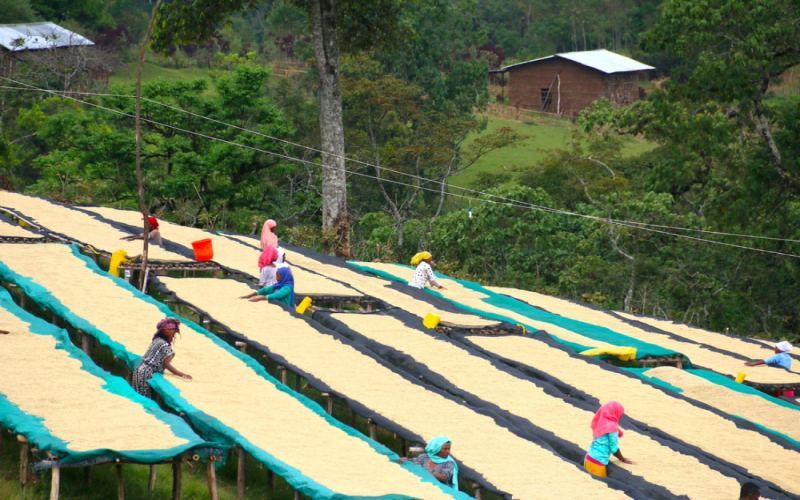
A Comprehensive Look at the Historical Background and Reasons for the Popularity of Yirgacheffe Coffee
As a representative of Ethiopian specialty coffee, Yirgacheffe has won over countless coffee lovers with its bright fruit acidity and jasmine aroma. But do you know the history and grading system behind it? Why do Ethiopian coffee beans vary in size? From the perspective of Front Street Coffee, this article sorts out the definition of the Yirgacheffe production region, the ECX grading standards, and provides a detailed analysis of the brewing parameters and flavor performance of Front Street Yirgacheffe Washed Gedingding, helping you fully understand this African star coffee. [more…]