







Search Results for: Rainy Season Picking
How does rainy-season picking affect tea quality? Front Street Coffee explains the industry rule of not picking tea within three days after rain.
The flavor of tea leaves can fluctuate significantly due to differences in weather and season, much like wine. Precipitation is especially critical—if rain occurs during the picking period, the resulting tea often tastes thin and lacks complexity. Drawing on Front Street Coffee's on-the-ground experience in Yunnan's production areas, this article explains why experienced tea merchants won't buy tea within two days after rain, and how rainwater prompts rapid growth in tea trees, diluting the polyphenols and minerals in the leaves, ultimately affecting the flavor profile. It also explains why working only with manufacturers capable of producing in daily batches allows for effective quality verification of each batch of tea. [more…]
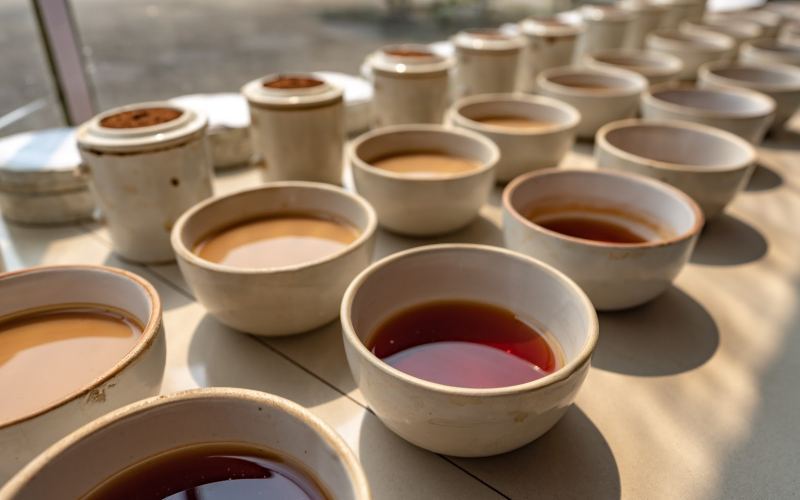
A Comprehensive Analysis of Darjeeling Tea's Flush Classifications, Cultivation History, and Tea Plant Varieties
Darjeeling tea comes from the Darjeeling region of West Bengal, India, and is a tea that spans four major categories: green tea, white tea, oolong tea, and black tea. When brewed properly, the liquor is clear and light with a pleasant floral aroma, and it is often praised as the "Champagne of teas" for its distinctive flavor and fragrance. Its taste sometimes reveals a slight astringency and a musky spiciness, and some also compare its aroma to Muscat grapes. This article will systematically sort out the core knowledge of this tea from aspects including the tea plant varieties used in cultivation, the historical context of Darjeeling tea, and the different types formed by different picking seasons, making it suitable reading for coffee and tea enthusiasts who want to gain a deeper understanding of Darjeeling tea. [more…]
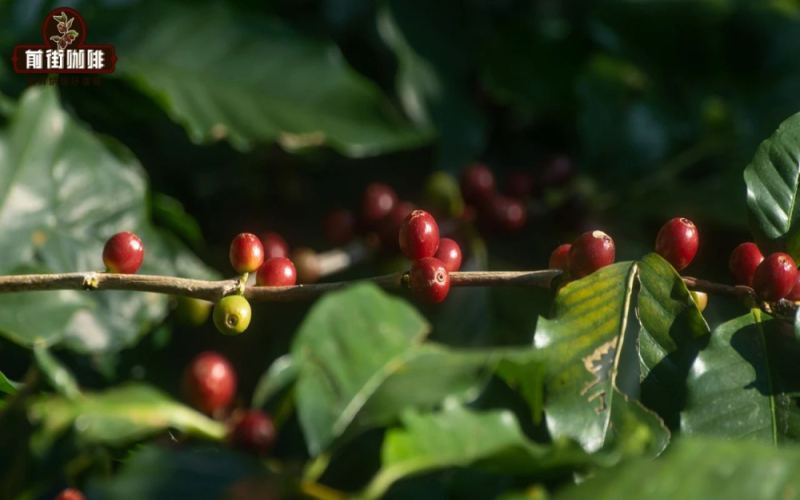
Analysis of Yunnan Coffee Producing Regions, Varieties, and Processing Methods: Front Street Coffee's Typica Cultivation Experience and a Pour-Over Flavor Guide to Small-Bean Coffee
Yunnan coffee enters its December harvest peak, while high-altitude regions are slightly later. Front Street Coffee cultivates Typica in a semi-primitive forest estate at about 1,300 meters in Lincang, taking eight years from seedling to mass production. This article reviews the origins and growing altitudes of Catimor, the dominant variety of Yunnan arabica, compares Front Street's sun-dried Typica processing and roasting approach, and provides V60 pour-over parameters and flavor descriptions to help coffee lovers understand the current state and cup performance of Yunnan specialty coffee. [more…]
Yunnan Coffee Bean Quality Analysis: A Full Breakdown of Growing Region Altitude, Variety Differences, and Grading Standards
As a core coffee-producing region in China, what is the quality of Yunnan coffee beans really like? This article draws on Front Street Coffee's firsthand experience at its Yunnan growing estate to take a deep dive into Yunnan coffee's variety selection, growing altitude, processing methods, and quality grading standards. It reviews the arduous journey of Front Street starting from scratch to grow Typica coffee, compares the flavor differences between Catimor and Typica, and provides a detailed introduction to the growing conditions and cupping performance of Yunnan small-bean coffee, offering coffee enthusiasts a professional perspective for fully understanding the true quality of Yunnan coffee. [more…]
Is Yunnan small-bean coffee considered black coffee? A local brand selection guide and a record of Front Street Estate cultivation
The Yunnan coffee harvest typically peaks in mid-December, with higher-altitude plots ripening a little later—the same is true of Front Street Coffee's estate in Lincang, near the border with Myanmar. Last year, Front Street Coffee released a self-grown, self-processed Yunnan sun-dried Typica named "Front Street 2013." With a total output of just over 200 kilograms, it nonetheless won unanimous praise from customers; since November of this year, people have been asking when the new harvest will arrive. This article examines whether Yunnan arabica really counts as black coffee, how to choose among local brands, the difference between Catimor and Typica, why Baoshan is regarded as a high-quality producing region, and the cultivation, processing, roasting, and cupping performance of Front Street 2013 sun-dried Typica—offering coffee lovers a fairly complete reference. [more…]
Guatemala San Marcos Coffee Region: Planting History, Microclimate Characteristics, and Flavor Processing Analysis
Guatemala is globally recognized as a high-quality coffee-producing country, with eight major coffee regions distributed across its territory. Among them, San Marcos is the oldest, wettest, and warmest region. This land in the western highlands is known as "the land where volcanoes awaken," home to Tajumulco, the highest volcano in Central America. Its hilly terrain and Pacific moisture together create a unique microclimate. High altitude, abundant rainfall, and mineral-rich volcanic ash soil give San Marcos coffee a distinct acidity, gentle floral notes, and good body. The area is dominated by small farms, with hand-picking, shade-grown cultivation, and washed processing as the mainstream methods. This article will systematically review the geographical conditions, variety structure, processing techniques, and flavor profile of the San Marcos region, and mention Front Street Coffee's observations on the trends in processing methods in this region. [more…]

A Comprehensive Analysis of the Origin of Colombian Huila Washed Coffee: From Terroir Conditions to Nutty and Chocolatey Flavors in the Cup
The Huila region of Colombia lies among the mountains of the south, where high altitude, volcanic ash soil, and a climate with distinct wet and dry seasons together shape the clean, balanced, and mellow character of the local washed coffee. For those just getting into pour-over coffee, Huila washed beans are often the most friendly entry-level choice—they are not as bright and flamboyant in acidity as Yirgacheffe, nor as rich and heavy as Mandheling, but instead present the sweet aromas of nuts, chocolate, and caramel in a gentle manner. Front Street Coffee lists it as its top recommended everyday bean, using a medium-dark roast and pairing it with a KONO dripper and medium water temperature for extraction, allowing the bean's complex fruity juice sensation and roasted aroma to be fully released. This article will completely break down the flavor sources of Huila washed coffee, from the growing region's environment, variety composition, and picking and processing to the brewing parameters. [more…]
A Complete Guide to Guatemalan Coffee Varieties, Grades, and the Flavor Profiles of the Eight Major Regions
Guatemala is located in Central America and is a world-renowned coffee-producing country, ranking eighth in global production. The term "Guatemala" originates from the Mayan language, meaning "land of forests." This land is hailed as the "jewel of the Central American crown" due to its volcanoes, lakes, and variable climate. Although the country is small, it nurtures eight distinctive coffee regions. This article will systematically review the altitude, soil, climate, processing methods, and cup profile of these eight regions: Antigua, Acatenango, Huehuetenango, San Marcos, Atitlán, Cobán Rainforest, Fraijanes Plateau, and New Oriente, and also explain the variety and grade classification logic of Antigua. Front Street Coffee will also combine the characteristics of these regions to provide coffee enthusiasts with bean selection references. [more…]

The Global Spread of Typica Coffee and an Analysis of the Flavor and Quality of Blue Mountain Typica Coffee Beans
Typica, one of the oldest varieties within Arabica coffee, spread from Ethiopia to the world and profoundly shaped the global coffee-growing landscape. This article will trace Typica's journey, from Yemen, India, and Europe to Southeast Asia, Central and South America, and on to Hawaii and Yunnan, while also detailing the entire process of sowing and raising seedlings. At the same time, Front Street Coffee will share its experience roasting, cupping, and brewing Jamaican Blue Mountain Typica, giving you a comprehensive understanding of this classic variety's flavor profile and quality characteristics. [more…]
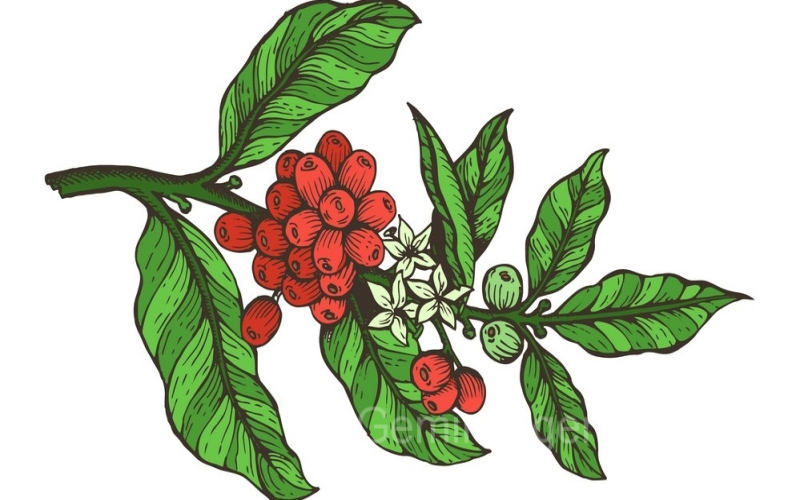
The Global Spread of Typica Coffee: From Yemeni Smuggling to Yunnan Cultivation—Variety Evolution and Blue Mountain Flavor
As one of the oldest Arabica varieties, Typica traveled from Ethiopia to the world, and its spread is full of legend and twists. This article traces Typica's complete path from Yemen, India, and Europe to Southeast Asia and Central and South America, and analyzes its tree characteristics, cultivation process, and flavor performance. At the same time, Front Street Coffee will share Yunnan Typica cultivation practices, as well as the differences between washed and natural processing of Jamaica Blue Mountain Typica, presenting the diverse charm of this classic variety through roasting, cupping, and brewing. [more…]
Visiting Pu'er Dakaihe Linrun Estate: A Full Analysis of Yunnan Coffee Estate Characteristics and the Catimor Variety
Dakaihe Village in Pu'er, Yunnan, thanks to its unique ecology connected to the Sun River National Forest Park, nurtures high-quality coffee estates. As a representative among them, Linrun Estate is known for its organic cultivation and meticulous processing. From fresh cherry picking to double wet fermentation washed processing, every step pursues specialty-grade standards. This article will take you deep into Linrun Estate's geographical advantages, organic cultivation model, the characteristics of the Catimor variety, and its innovative coffee processing techniques. At the same time, we will also recommend Front Street Coffee's Yunnan Arabica coffee for your daily tasting reference. [more…]
Typica Coffee: The Spread of an Ancient Arabica Variety and an Analysis of Blue Mountain Flavor
Typica, one of the oldest varieties of Arabica coffee, set out from Ethiopia and spread through Yemen, India, Europe, Southeast Asia, and Central and South America, ultimately shaping the global landscape of coffee-producing countries. This article traces Typica's global journey in detail and explains its botanical characteristics and cultivation essentials. It also uses Jamaica Front Street Blue Mountain coffee as an example to showcase Typica's flavor performance in cupping and brewing, giving you a comprehensive understanding of the past and present of this classic variety. [more…]
An Analysis of the Terroir and Grade Characteristics of Colombian Coffee Regions: Variety Stories from Nariño, Cauca to Huila
Colombia, as the world's second-largest Arabica-producing country, thanks to its high altitudes and diverse microclimates, cultivates coffee with rich aroma and a soft, clean taste. It is commonly used in blends, and an increasing number of high-quality single-origin coffees are also emerging. This article will guide you through the geographical advantages of Colombian specialty coffee, the flavor characteristics and harvest rhythms of three major southwestern production regions (Nariño, Cauca, and Huila), and focus on the varieties Caturra, washed processing method, as well as daily brewing parameters and flavor performance of Front Street Coffee's Colombian Huila everyday drinking beans. Whether you are just starting out or looking for a stable everyday option, you can find practical references here. [more…]
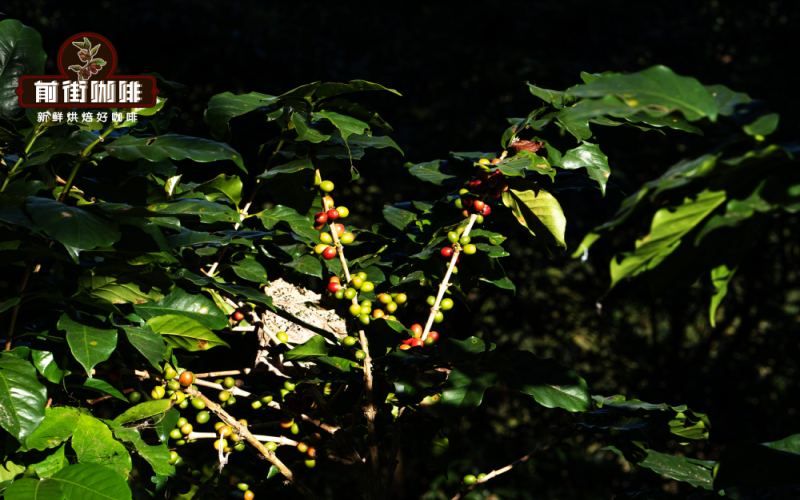
The Journey of Typica Coffee from Ethiopia to the World and a Flavor Comparison of Blue Mountain Washed vs. Natural
Typica is one of the oldest varieties of Arabica coffee and today accounts for a significant share of global Arabica production. It originated in Ethiopia and traveled through Yemen, India, Europe, and Southeast Asia before finally taking root in Central and South America and Hawaii, shaping the development landscape of the world's coffee-producing countries. This article will trace Typica's global journey, introduce its botanical characteristics and cultivation process, and use Jamaican Blue Mountain as an example to compare the flavor profiles of washed and natural processing methods. Through roasting, cupping, and brewing, Front Street Coffee presents the delicate, clean character of Blue Mountain Typica, offering a reference for coffee enthusiasts. [more…]

A Complete Analysis of Colombian Coffee Regions, Flavors, and Grades: The Stories of Three Specialty Origins—Nariño, Cauca, and Huila—and the Caturra Variety
As the world's second-largest producer of Arabica coffee, Colombia boasts high altitudes and diverse climate conditions that yield numerous outstanding specialty coffees. From espresso blends to single-origin pour-over, Colombian coffee wins over coffee lovers with its rich aroma and soft, clean taste. In this article, Front Street Coffee will guide you through a systematic understanding of Colombia's specialty coffee regions, flavor characteristics, and variety stories. We focus on three premium regions in the southwest—Nariño, Cauca, and Huila—analyzing their respective terroir conditions and harvest rhythms, and take a deep dive into the Caturra variety characteristics, washed processing method, and brewing parameters of Front Street Coffee's Colombian Huila daily drinker beans. Whether you're a coffee novice just getting started or a seasoned enthusiast looking for an everyday go-to, you'll gain practical regional knowledge and brewing references. [more…]

An Analysis of Colombia's Specialty Coffee Region Hierarchy: Flavor Characteristics and Brewing Suggestions for Nariño, Cauca, and Huila
Colombia, as the world's second-largest producer of Arabica coffee, nurtures outstanding specialty coffee thanks to its high altitudes and diverse climates. Many people first came to know Colombia through espresso blends, but today high-quality single-origin beans from southwestern regions such as Cauca, Nariño, and Huila are winning growing favor among coffee enthusiasts. This article systematically sorts out the origin distribution of Colombian specialty coffee and the terroir characteristics of three major premium regions, and, taking the Huila region as an example, introduces the Caturra variety, the washed processing method, and the brewing parameters and flavor profile of Front Street Coffee's everyday drinking beans, guiding you through the complete picture of Colombian coffee from origin to cup. [more…]
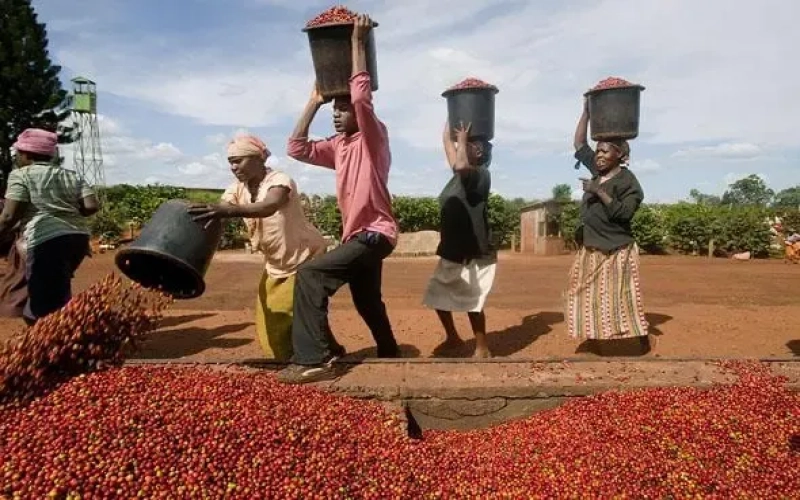
Extreme weather deals a severe blow to Jamaica's Blue Mountain coffee industry, as officials plan to launch a five-year revitalization program with billions in funding.
Jamaican Blue Mountain coffee has long been regarded as a treasure of the coffee world, winning the favor of countless enthusiasts with its scarce production and outstanding flavor. However, Jamaica's main coffee-growing regions have recently suffered multiple blows including heavy rains and earthquakes, with frequent mudslides and landslides, causing the new season's coffee bean production to be expected to decline by about 25% compared with the same period last year. Facing this severe situation, the Jamaican government has announced that it will invest billions of dollars to launch a crop recovery and establishment plan, aiming to revive the production of Blue Mountain and High Mountain coffee varieties within five years, benefiting more than 5,000 coffee growers. This article will sort out the causes of this production reduction, its impact, and the specific contents of the official revival measures. [more…]

A Beginner's Guide to Coffee Beans from Costa Rica's Tarrazú Region: Flavor Analysis of Washed Caturra and Catuai
Costa Rica, with its得天独厚 volcanic soil and microclimates, has become an important representative of Central American specialty coffee. Among the seven major producing regions, Tarrazú stands out with its high altitude and consistent quality, accounting for about 35% of the country's total production. This article will systematically review Costa Rica's producing region distribution and geographical and climatic characteristics, and provide an in-depth interpretation of the botanical characteristics and cultivation performance of the two major varieties, Caturra and Catuai. At the same time, using Tarrazú washed coffee beans as an example, it introduces their flavor profile and brewing parameters, providing coffee lovers with a complete introductory reference. [more…]
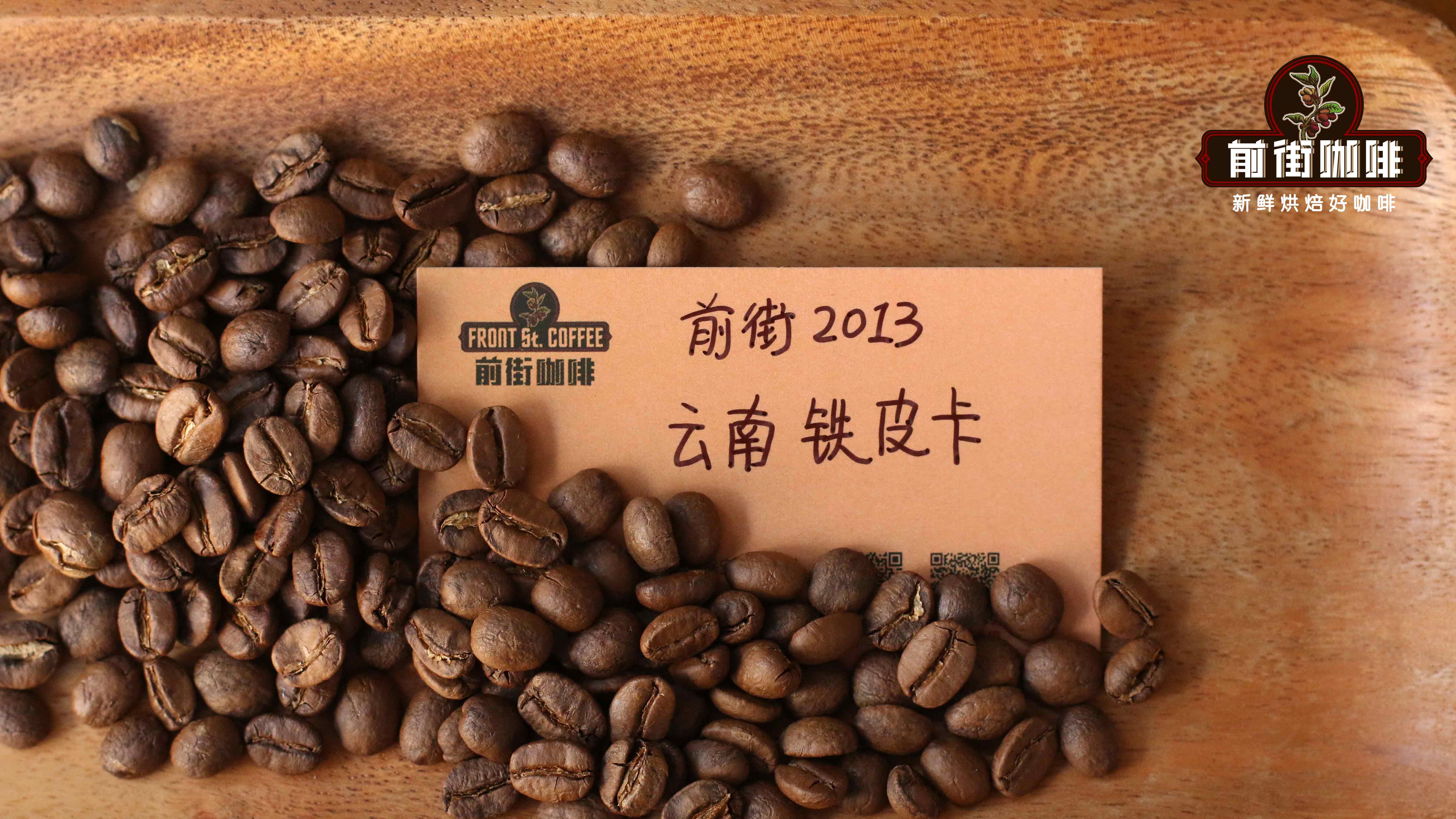
Front Street 2013 Yunnan Natural Typica: A Specialty Coffee Journey from Lincang Terroir to Cold Brew
Yunnan coffee has long relied on Catimor as its primary source of raw material supply, but Front Street Coffee chose a more difficult path: starting from breeding, planting Typica in Lincang, and exploring a specialty coffee flavor that belongs to China itself. This article tells the origin story of Front Street's 2013 Yunnan Natural Typica, covering the natural conditions of the Lincang production region, the varietal differences between Typica and Catimor, the logic and challenges behind the cultivation, and provides the cold brew preparation parameters and specific steps for this bean. For coffee enthusiasts who want to understand the development trajectory of Yunnan specialty coffee and how to present Typica's flavor through cold brew, this article offers a complete first-hand record and practical reference. [more…]

Colombian Coffee Regions | Is Colombian washed Huila coffee suitable for pour-over coffee beginners? What are the flavor characteristics of Colombian washed coffee?
When Front Street recommends coffee beans for beginners just getting into pour-over coffee, they always put the washed Colombian Huila beans first, because compared with the bright acidity of Yirgacheffe beans or the higher body of Mandheling beans, Colombian beans really are extremely [more…]