







What are the characteristics of Colombian coffee regions?
Colombian coffee characteristics come from high altitude and diverse microclimates. Colombia is the second-largest Arabica producer, and its beans show full aroma and a smooth, clean taste, which is why they appear in blends and, increasingly, as single origins. Cultivation spreads across 15 producing regions in the west, largely along the Andes.
The southwestern regions of Nariño, Cauca and Huila each have their own harvest rhythm and flavor profile, and beans there grow between 1,200 and 2,000 meters, higher than in Brazil. Because the country spans both hemispheres near the equator, it has two main harvest seasons plus small micro-lot output, so Colombian coffee is available year round.
Colombia, as the world's second-largest Arabica producer, nurtures coffee with rich aroma and a smooth, clean taste thanks to its high altitudes and diverse microclimates. It is commonly used in blends, and more and more high-quality single origins are emerging. This article will introduce you to the geographical advantages of Colombian specialty coffee, the flavor characteristics and harvest rhythms of the three major southwestern producing regions (Nariño, Cauca, and Huila), and focus on the varieties, washed processing method, daily brewing parameters, and flavor performance of Front Street Colombia Huila daily beans. Whether you are just starting out or looking for a stable daily drink, you can find practical references here.
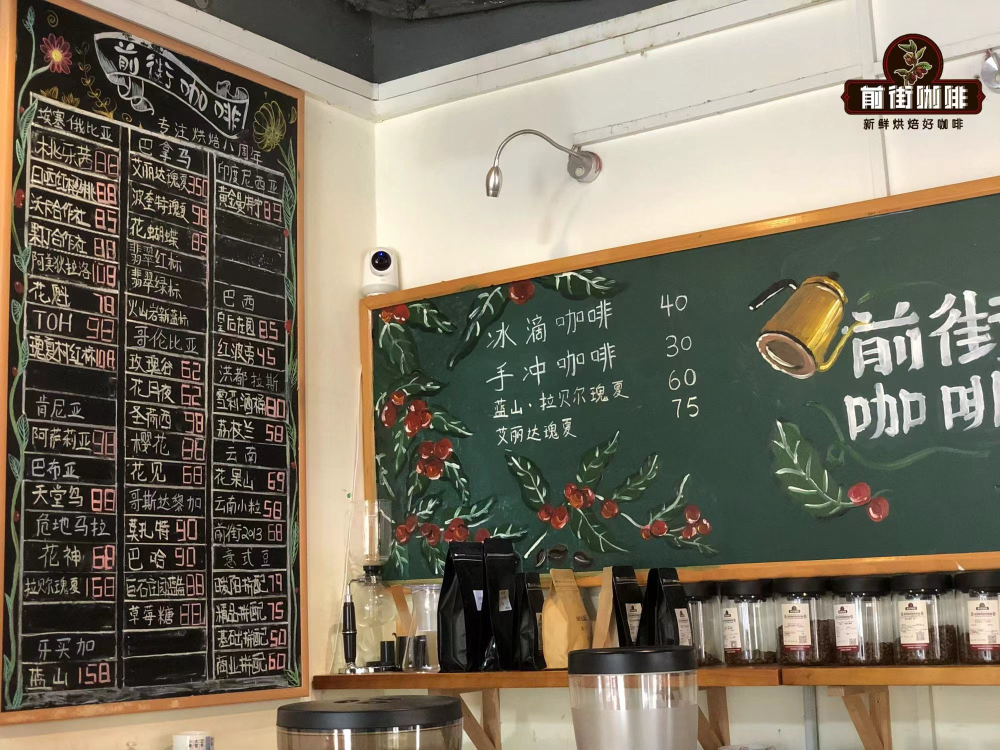
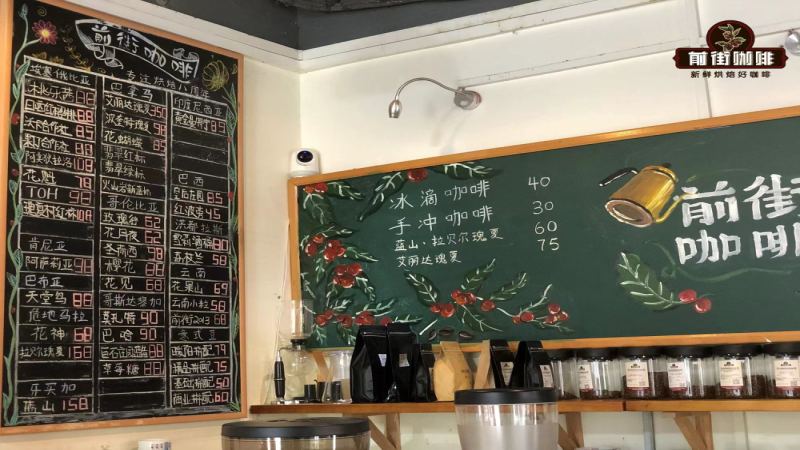
Front Street has found that many people's first experience with Colombian coffee starts with espresso blends. Colombian beans have full aroma and a smooth, clean taste, so they are often used as an important component of blend recipes. In recent years, with the rise of the specialty coffee trend, more and more high-quality Colombian single origins have appeared in cafés. Front Street's daily bean menu alone includes 5 Front Street Colombian coffees to choose from, which shows that high-quality Colombian coffee is increasingly favored by coffee lovers.
Where does Colombian specialty coffee come from?
Colombia is the world's second-largest Arabica producer. High altitudes and variable climate make the coffee produced here generally higher in quality than most commercial beans. Geographically, Colombia spans both the Northern and Southern Hemispheres and is close to the equator. Along the Andes, famous for its high altitudes, a planting belt has formed around three mountain ranges and two rivers, with an extremely large north-south span. As a result, it has two distinct main harvest seasons and a small amount of micro-lot production, which is why Colombia produces coffee all year round.
Colombian coffee is generally grown at altitudes between 1,200 and 2,000 meters, much higher than in Brazil. Diverse microclimates form among the mountains, warm and humid ocean currents bring rainfall, and volcanic soil is rich in minerals. These conditions combine to give Colombian coffee high-quality acidity and aroma.
Colombian coffee cultivation is mainly distributed in the western part of the country, with 15 producing regions from north to south. Among them, high-quality specialty coffee is concentrated in the southwest, especially in the three regions of Cauca, Nariño, and Huila, which often have rich fruity acidity and a smooth mouthfeel.
Nariño
The Nariño producing region is located at the southwesternmost tip of Colombia, bordering Ecuador. Multiple rivers provide abundant water, sunlight is sufficient all year round, and coffee trees are mostly distributed at an altitude of 1,600 meters. Warm, humid air currents in the canyons allow Nariño coffee to be grown as high as 2,300 meters, and with the fertile nutrients of volcanic ash, the coffee produced here has a balanced, smooth flavor and a clean mouthfeel.
Nariño coffee production accounts for about 3%-5% of the country's total, with one harvest season per year. Although the volume is not large, its quality is deeply loved by coffee people. Every year, the rainy season begins in October and lasts for half a year. The harvest season arrives in April of the following year, and in high-altitude areas, the work of picking ripe coffee cherries continues until August.
Cauca
The Cauca producing region is adjacent to Nariño and is also located in the southwest, with a maximum altitude of up to 2,100 meters and an overall average altitude of 1,758 meters. The terrain is mainly mountainous, and the high altitude creates a pronounced temperature difference. Coffee fruit matures slowly in an environment with large temperature differences, thereby accumulating more nutrients. Cauca coffee therefore has a soft sweet-and-sour taste.
Similar to Nariño, Cauca has a rainy season from October to December. After the rainy season ends, the coffee trees bloom intensively and then enter the harvest period.
Huila
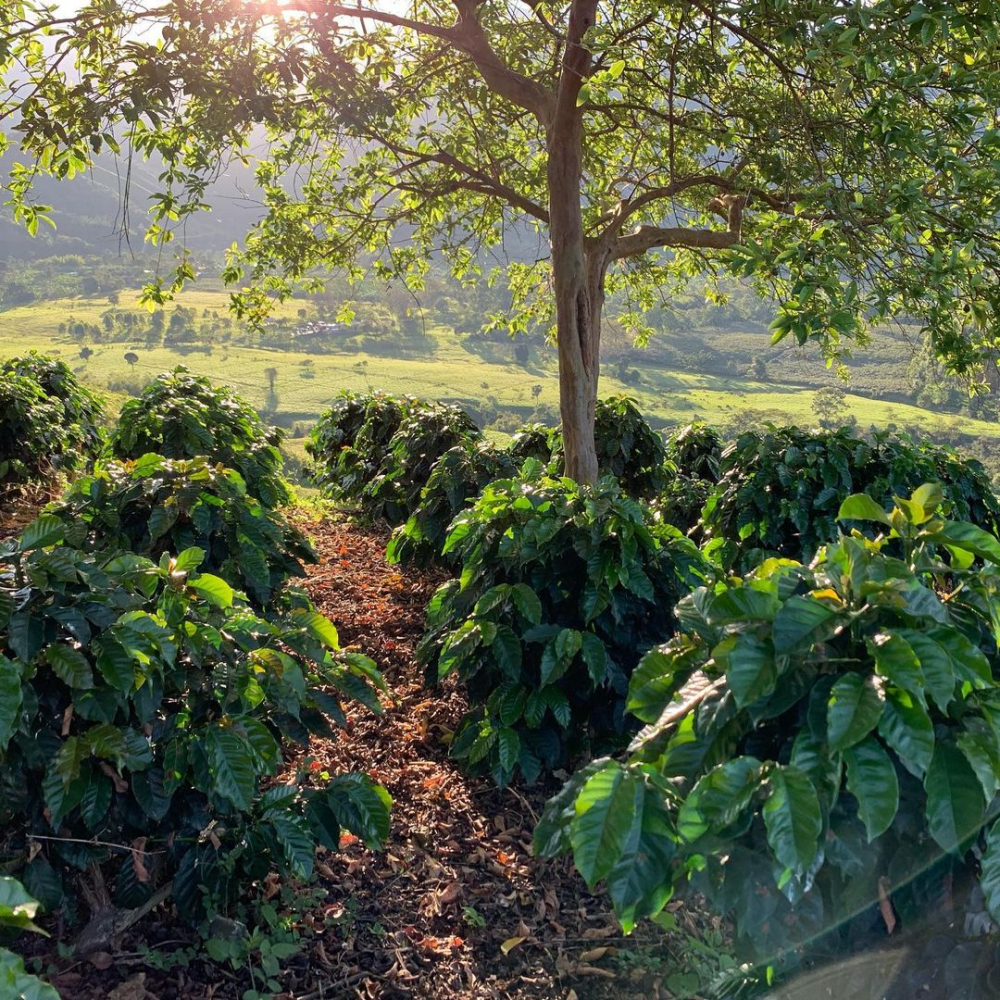
Huila is the most well-known coffee-producing region in Colombia. The province is surrounded by mountains, with an average altitude above 1,500 meters. Several major rivers of Colombia flow through this area, providing abundant water and humid air. Cool monsoons form in the canyons, which not only prevent temperatures from getting too high but also block cold winds. In addition, the fertile soil brought by the Huila volcano allows Arabica coffee here to absorb sufficient nutrients. Many Colombian beans with complex aromas and fruity flavors come from here.
Huila has a large altitude range for cultivation, between 1,250 and 2,000 meters, so there are two harvest seasons a year: September to December is the main season, and April to May is the secondary season. When the coffee fruit ripens, locals hand-pick from coffee trees in the canyons to ensure the coffee cherries are intact and ripe, thereby stabilizing bean quality. Therefore, Front Street has included washed Front Street Colombia Huila coffee in its daily bean series, hoping everyone can drink specialty Colombian coffee with guaranteed quality.
Front Street Colombia Huila Coffee Beans
Region: Huila
Altitude: 1,500-1,800 meters
Processing method: Washed
Variety: Caturra
Flavor: Nuts, dark chocolate, caramel, soft fruity acidity
Many beginners often struggle with which coffee beans to buy: they worry the price is too high, the flavor is not suitable for them, or a single bag is too large to finish and goes to waste. So Front Street launched the Front Street daily bean series, hoping friends who want to learn about different producing regions can taste the basic regional flavors at the lowest price. 25 yuan per bag, 100g portion, allows you to taste the basic flavors of different producing regions while avoiding waste. In addition to Colombia, there are another 6 classic regional flavor coffees selected by Front Street: the bright floral and fruity Front Street Ethiopia Yirgacheffe, the rich and solid Front Street Brazil Cerrado, the uniquely spicy Front Street Indonesia Lintong Mandheling, the notably sweet Front Street Costa Rica Tarrazu, and the smoky lemon-acidic Front Street Guatemala Huehuetenango.
What variety is Front Street Colombia Huila daily beans?
The variety of this Front Street Huila daily bean is Caturra, a natural mutation of the old Arabica variety Bourbon. It was discovered in Brazil in 1927 and is widely planted in many Central American countries. Caturra inherits Bourbon's high-quality genes. Its disease resistance is not strong, but the yield per tree is higher than Bourbon, and its adaptability is also stronger. It completely does not need shade trees and can grow vigorously even when directly exposed to the sun, so it can be densely planted, and coffee farmers are also more willing to grow Caturra.
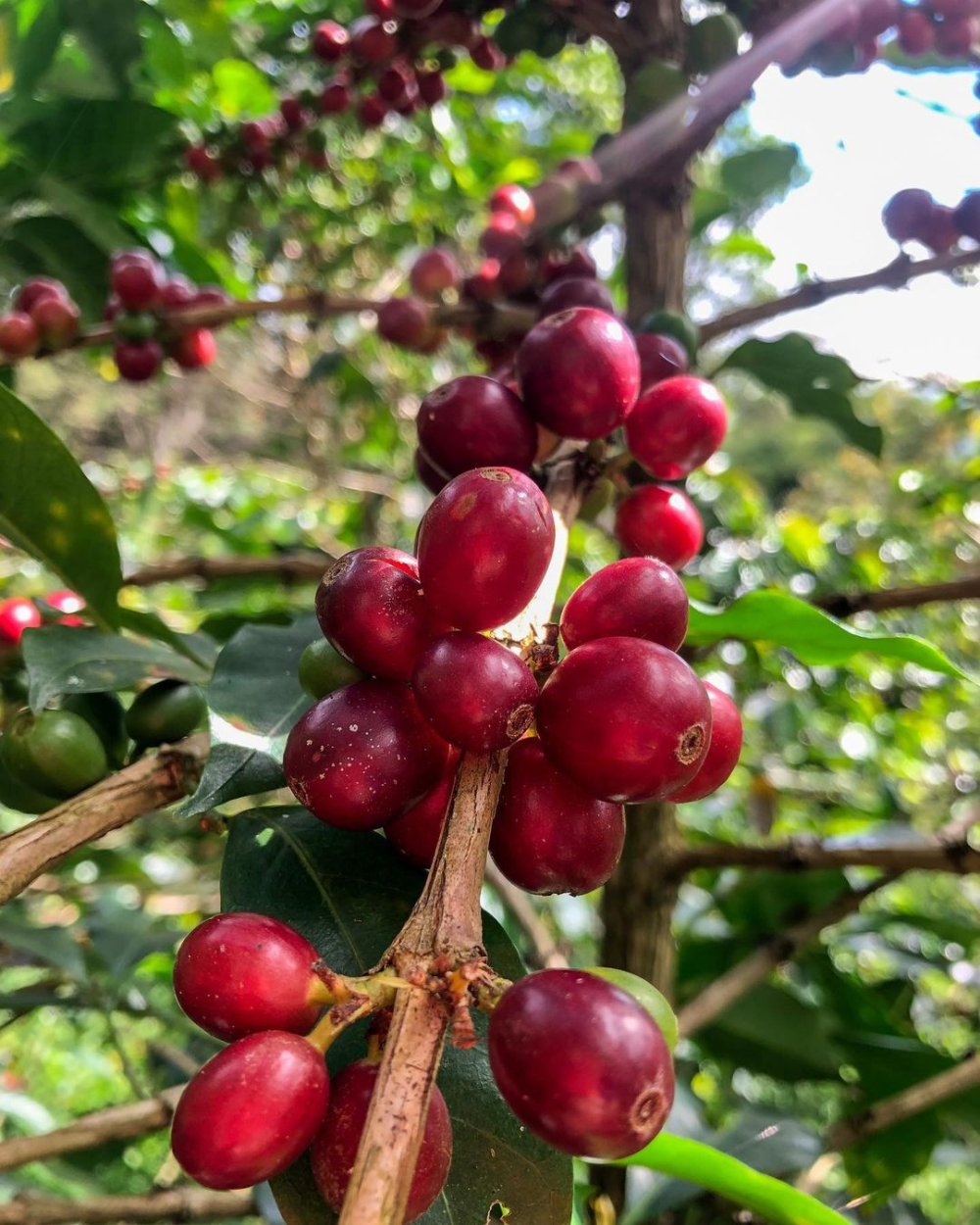
Most importantly, Caturra performs very well in flavor. The higher the growing altitude, the better the coffee quality, the more pronounced the aroma and acidity, and the brighter the acidity.
Washed processing
Because a large proportion of farmers in Colombia make a living from coffee, most local farms are equipped with specialized coffee depulping equipment. The parchment beans with the skin and pulp removed are placed in tiled tanks to ferment for about 24 hours, and the acidic substances produced by fermentation cause the mucilage layer to fall off. After fermentation, the coffee is poured into flowing water channels and scrubbed to remove residual mucilage on the surface. Finally, the wet parchment beans are spread flat on clean ground to dry until the moisture content reaches 12.5%, after which they can be bagged and await inspection.
Washed processing removes the skin, pulp, and mucilage layer before drying, restoring the aroma of the coffee bean itself to the greatest extent, so it can present the most basic flavor of the producing region. This is also why the vast majority of Front Street daily beans selected by Front Street use washed processing.
How to brew coffee with Colombian flavor
Before discussing brewing, Front Street recommends choosing freshly roasted coffee beans. If you brew with old beans that have been stored for a long time, the coffee aroma may already have been lost, and even precise techniques will find it hard to restore the flavor. Front Street deeply understands the importance of freshness, so the coffee beans it ships are freshly roasted within 5 days, and when customers receive them they are still in the freshest state.
For this Front Street Colombia washed Huila daily bean, Front Street's roaster hopes to retain a slight soft fruity acidity and highlight rich nutty and chocolate notes, so medium roast is used. Front Street Coffee baristas hope to extract the coffee aroma as much as possible, so they choose a finer grind setting. A medium water temperature and a faster-flow dripper can avoid over-extraction.
Brewing parameters for Front Street Colombia Huila daily beans: 90°C water temperature, 1:15 coffee-to-water ratio, grind size with 80% passing a Chinese No. 20 standard sieve, 15g coffee grounds, V60 dripper, three-stage extraction.
Three-stage extraction: In the first stage, use 30g water for a 30-second bloom, pouring evenly in circles to form a dome; in the second stage, pour 95g hot water, and when the coffee bed drops halfway, begin pouring the third stage of 100g until all the coffee has dripped through. Note: start pouring from the center point, use a small stream and gentle force in circles throughout, to avoid uneven extraction.
Front Street Colombia Huila daily beans taste of mellow chocolate and nuts, with a caramel sweetness in the finish, a faint soft fruity acidity, and an overall clean mouthfeel with moderate sweetness and bitterness.
For professional coffee knowledge exchange and more coffee bean information, please follow Coffee Workshop (WeChat public account cafe_style)
For more specialty coffee beans, please add the private WeChat Front Street Coffee, WeChat ID: qjcoffeex
The above content is compiled by CoffeeHunters, a coffee news website.


