







Search Results for: Rainforest Alliance Certification
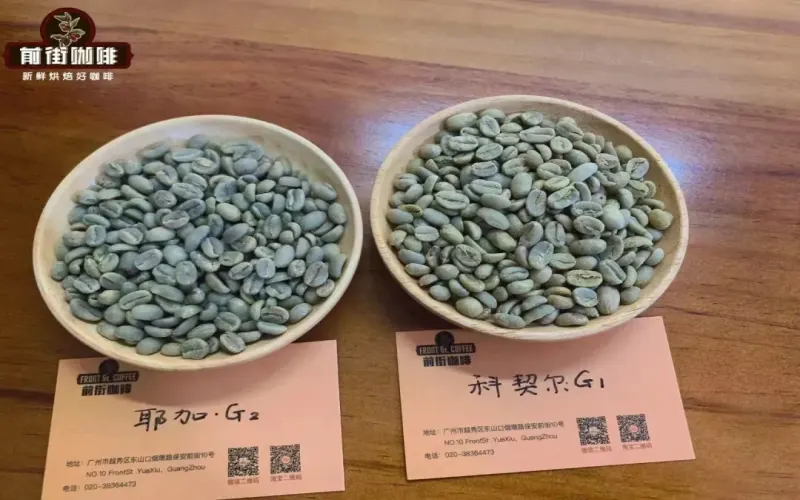
Why Is Rainforest Alliance Certified Coffee Called Frog Beans? An Analysis of the Relationship Between Blue Mountain Coffee Flavor and Certification
Have you ever heard the term "frog bean"? It doesn't refer to green coffee beans that look like frogs, nor to the "goat hoof" beans caused by Indonesia's wet-hulling process, but rather to coffee beans that have received Rainforest Alliance certification—because the logo of this certification is a red-eyed tree frog. The Rainforest Alliance was founded in 1987 and is an international non-profit organization operating at the intersection of agriculture, forestry, and business. Its certification focuses on whether farms adopt sustainable agriculture and natural resource management practices, with a particular requirement that coffee be grown under the shade of native forest trees using traditional farming methods. Coffee beans that pass certification may use the Rainforest Alliance logo and gain priority sales channels. However, certification does not necessarily mean the flavor is outstanding; it mainly evaluates the growing environment. The Blue Mountain coffee currently sold by Front Street Coffee is the only bean it offers with this certification, and within the Blue Mountain region, only Clifton Mount Estate holds the certification. Let's now take a closer look at frog beans, the Rainforest Alliance, and the flavor performance of Front Street Coffee's Blue Mountain. [more…]
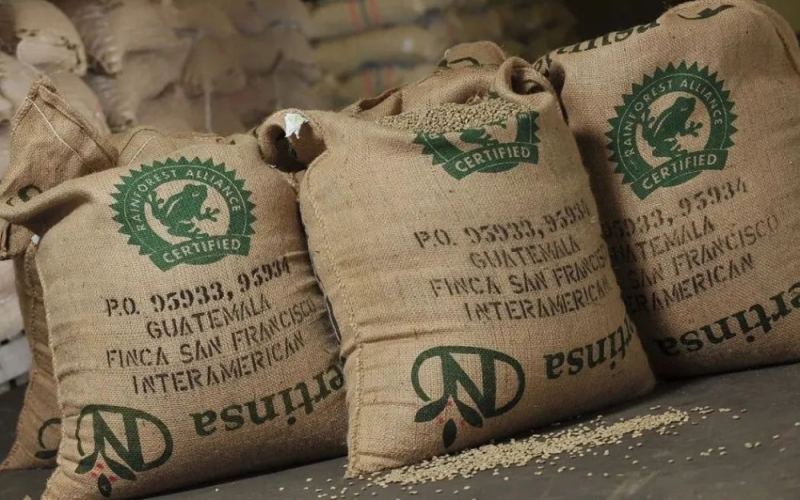
Rainforest Alliance Certification and the "Frog Bean" Revealed: The Sustainable Coffee System Behind the Red-Eyed Tree Frog Logo
In the specialty coffee world, the term "frog bean" may be niche, but it points to a rigorous environmental certification system—Rainforest Alliance certification. Coffee beans bearing the green red-eyed tree frog logo mean that everything from cultivation to processing meets ecological protection and social responsibility standards. This article will walk you through the origins of the Rainforest Alliance, its merger with UTZ, the specific contents of the certification criteria, and why the red-eyed tree frog was chosen as the logo. We will also introduce the rare coffees currently on the market that have obtained this certification, including Front Street Coffee's Panama Diamond Mountain and Jamaica Clifton Mount Estate Blue Mountain No. 1, to help you understand the flavor and value behind "frog beans." [more…]
What is Rainforest Alliance certification? What environmental and fair trade standards does the green frog logo on coffee beans represent?
When selecting coffee beans, you may have noticed a green frog printed on the packaging — this is the Rainforest Alliance certification mark. Behind it lies a set of strict agricultural and environmental standards, covering ecological protection, farmers' rights, labor conditions, and sustainable development. Since the Rainforest Alliance was founded in New York in 1987, it has helped certify over one hundred million acres of crops, with coffee being one of the most traded agricultural products among them. This article will walk you through the core philosophy of the Rainforest Alliance, the specific standards for certified crops, and what this mark means for consumers and the coffee industry, helping you gain a more comprehensive understanding of the environmental and social value behind your everyday coffee choices. [more…]
Analysis of Brazil's Four Main Varieties: Cultivation, Flavor, and Market of Honey-Process Catuai and Rainforest Alliance Certified Specialty Coffee
Brazil, as the world's largest coffee-producing country, has its variety structure and processing methods profoundly influencing the specialty coffee market. This article focuses on Catuai, one of Brazil's four main varieties, sorting out the differences between its red and yellow fruit, its dwarfed wind-resistant characteristics, and its flavor performance, and also introduces the environmental and labor standards of Rainforest Alliance certification (frog bean). At the same time, combined with the cupping experience of Front Street Brazil Catuai, it analyzes how honey processing and the SHB grade shape dry aroma, acidity, and mouthfeel. The article also mentions the Geisha ARISTAR competition results of Finca La Valentina estate, providing coffee enthusiasts with a complete perspective from cultivation to market. [more…]
What does the frog logo on the Blue Mountain coffee barrel represent? Is Jamaican Blue Mountain Rainforest Alliance certified?
Friends who drink coffee regularly are certainly no strangers to the fame of Blue Mountain Coffee, but have you ever noticed the frog logo on Blue Mountain coffee barrels? It is actually closely tied to Rainforest Alliance certification. This article begins with Front Street Coffee's introductory experience and gradually breaks down Blue Mountain Coffee's legally defined production area, strict grading, unique barrel packaging, and why it has become a scarce treasure among specialty coffees. It will also explain Clifton Mount Estate's special certification status within the Blue Mountain production area, and introduce the flavor characteristics and availability channels of Front Street Blue Mountain No.1, giving you a comprehensive understanding of this legendary coffee. [more…]
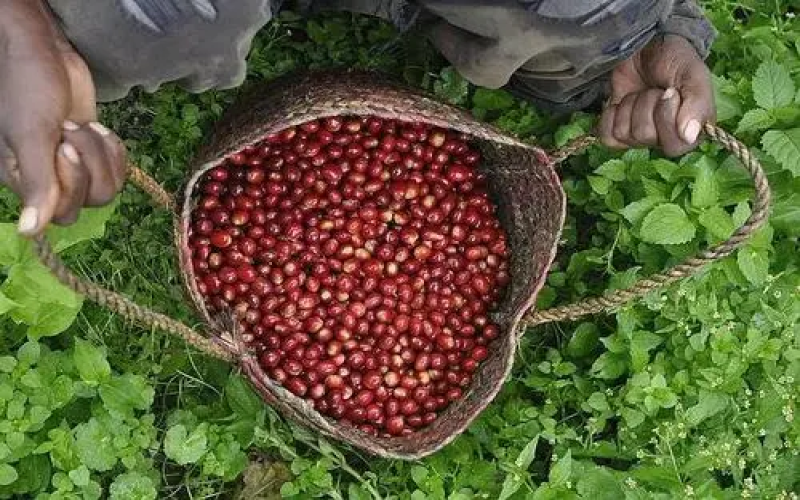
Kenya invests 6 billion shillings to revitalize the coffee industry, partnering with the Rainforest Alliance to promote EU compliance certification
Kenya's annual coffee production is approximately 51,000 metric tons, and the government is pursuing a series of strategic initiatives to raise this figure by 49,000 metric tons in order to better meet international market demand and strengthen the country's economic influence. To this end, the Kenyan government recently decided to allocate 6 billion shillings (approximately US$37.62 million) to support the Coffee Cherry Advance Revolving Fund and the production segment, with funding starting in Makueni County and gradually extending to 37 coffee-growing regions including Machakos, Kajiado, Taita Taveta, Kirinyaga, and Murang'a. Meanwhile, the Rainforest Alliance is also taking action in Kenya, partnering with the Gusii Coffee Farmers Cooperative Union to launch a regenerative agriculture landscape coffee project, helping local coffee obtain certification that meets global standards in order to address the export threshold brought about by the EU Deforestation Regulation (EUDR). Whether this series of measures can take Kenyan coffee a step further on the international stage is worth continued attention. [more…]
Yirgacheffe Flavor Analysis and the Chelba Cooperative: Washed vs. Natural Differences and Rainforest Alliance Certification
Ethiopia, as the birthplace of coffee, continues to hold a major position in global coffee quality and production despite enduring poverty and instability. The country primarily employs two processing methods, washed and natural, and coffees from different regions—or even different cooperatives within the same region—can differ significantly in aroma and flavor. This article provides an in-depth analysis of the flavor characteristics of the Yirgacheffe region and offers a detailed introduction to the Shelba Coffee Cooperative—a cooperative of 490 farmers with Rainforest Alliance certification—and how it presents delicate citrus acidity and distinct jasmine florals through high-altitude heirloom Arabica beans and strict washed processing, making it an important reference for identifying the Yirgacheffe style. It also compares the flavor differences between Front Street Yirgacheffe natural beans and Front Street Sidamo natural beans, helping coffee enthusiasts gain a more comprehensive understanding of the diversity of Ethiopian coffee. [more…]
Costa Rica Aquiares Estate Coffee Bean Profile: 2017 WBC Competition Bean and Rainforest Certification Information
Located in the Turrialba region of Costa Rica, Hacienda Aquiares is one of the largest coffee plantations in the country and the birthplace of Centroamericano, the competition bean used at the 2017 World Barista Championship (WBC). Founded in the late 19th century, the estate sits on volcanic slopes between two rivers, with abundant natural water sources and a pristine forest reserve, and it obtained Rainforest Alliance certification as early as 2003/2004. The estate primarily cultivates Arabica varieties such as Caturra, Catuai, and Catimor, employs washed processing combined with sun-drying and mechanical drying, and produces approximately 15,000 bags annually. Its coffee is known for flavors of nuts, caramel, plum, chocolate, and a sucrose-cream finish, with bright fruit acidity and a smooth body. Front Street Coffee has specially compiled complete estate information to give you an in-depth look at the terroir story behind this WBC competition bean. [more…]
Brazil Corner Farm Honey-Process New World: Rainforest Alliance Certified and Hand-Sorted Specialty Coffee Flavor
This Brazil Corner Farm honey-processed New World coffee from Front Street Coffee comes from the western side of the Mantiqueira Mountains in southern Minas Gerais, at 1,100 to 1,350 meters above sea level. The farm has been growing coffee since 1896 and is now run by the fourth generation of the Magalhães family. It received Rainforest Alliance certification in 2006 and uses semi-washed honey processing with natural sun drying. This place preserves pristine forest with high coverage, follows sustainable agriculture and labor rights standards, and hand-sorts beans to ensure quality. This article will introduce its producing region background, variety information, farm history, and processing methods, giving you an understanding of this Brazilian specialty coffee that combines tradition and innovation. [more…]
The Origins and Development of Jamaican Blue Mountain Coffee, and an Analysis of Clifton Estate's Distinctive Features
Jamaican Blue Mountain coffee is globally recognized as a representative of specialty coffee, renowned for its clean, mild flavor and scarce production. This article will trace the development of Blue Mountain coffee from its introduction to Jamaica in the 18th century, the origin of the Blue Mountain range's name, to the establishment of the Coffee Industry Board (CIB) certification system, and will focus on the Clifton Mount estate selected by FrontStreet Coffee—the highest-altitude and oldest single estate in the Blue Mountain region, holding Rainforest Alliance certification and adhering to traditional washed processing and the Typica variety. It will also analyze its cupping flavor profile, roasting curve, and KONO brewing parameters, helping coffee enthusiasts gain a comprehensive understanding of the unique value of authentic Blue Mountain coffee and new market trends. [more…]
A Comprehensive Guide to Jamaican Blue Mountain Coffee: Origin Conditions, Grading, Authenticity Verification, and Brewing & Flavor Comparison
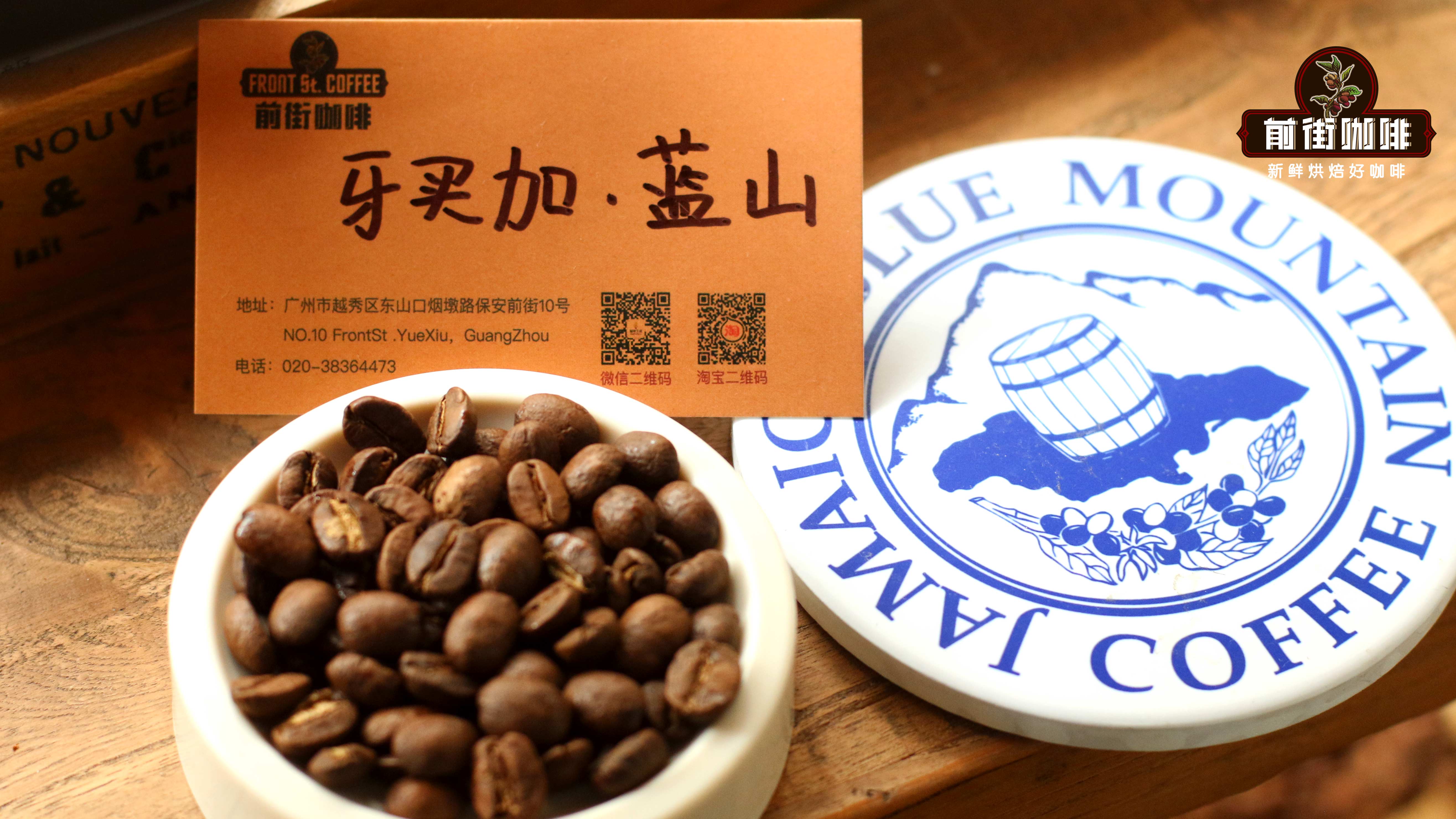
Blue Mountain coffee is almost the most well-known name in the world of specialty coffee; even many people who have never tasted it have long heard of its reputation. Mellow, balanced, and expensive—these labels have made Blue Mountain a benchmark by which many people measure good coffee. However, the many products on the market labeled "Blue Mountain flavor" or "Blue Mountain blend" are far removed from genuine Jamaican Blue Mountain. This time, Front Street Coffee is offering Blue Mountain No. 1 from Jamaica's oldest estate, Clifton Estate, which holds qualifications such as export designation by the Coffee Industry Board (CIB), wooden barrel-packed green beans, and Rainforest Alliance certification. This article will explain one by one the geographical conditions of the Blue Mountain producing region, the background of Clifton Estate, the characteristics of the Typica variety, the differences between washed and natural processing methods, the CIB certificate system and grading standards, as well as Front Street's actual brewing parameters and flavor performance, helping coffee enthusiasts build a complete understanding of authentic Blue Mountain coffee. [more…]
Panama Duncan Estate Vulcan Valley Washed Coffee Beans: Sucrose and Chocolate Flavor Profile and Rainforest Alliance Sustainable Farming Analysis
Located in the Volcán Valley of Panama, Katowa Duncan Estate sits at an altitude of 1,700 to 2,000 meters and is a highly regarded specialty coffee estate in the region. The estate practices shade-grown cultivation, preserving nearly 60% of its native tree species, and has obtained Rainforest Alliance certification, with the entire production process following sustainable standards. Coffee cherries are hand-picked only when ripe during the dry season, and after washed processing, patio sun-drying, and mechanical drying, the green beans undergo a 60-day resting period before being graded by size and weight for export. This medium-roast washed bean offers rich flavor layers, with notes of sucrose sweetness, chocolate, barley, Job's tears, and oat aromas. It has a full body, with a bright plum acidity interwoven with a lasting sweet finish, and has won multiple awards in the Best of Panama "Cupping for Quality" competition. Front Street Coffee is proud to present this standout Duncan Estate Volcán Valley coffee bean. [more…]
Flavor Characteristics and Brewing Guide for Authentic Jamaican Blue Mountain No. 1 Coffee Beans: Water Temperature, Grind Size, and Washed vs. Natural Comparison
Blue Mountain coffee is a legend in the hearts of countless coffee lovers, but most products on the market bearing the name "Blue Mountain flavor" have nothing to do with authentic Blue Mountain. The truly Jamaica Coffee Board-certified Blue Mountain No. 1 is scarce in production and subject to stringent standards. The Blue Mountain No. 1 listed by Front Street Coffee comes from Clifton Estate, which holds Rainforest Alliance certification and barrel export qualifications. This article will examine, one by one, the growing environment of the Blue Mountains, the history of Clifton Estate, the characteristics of the Typica variety, the differences between the washed and natural processing methods, and the grading standards and certification system for Blue Mountain coffee. It will also share the brewing method recommended by Front Street, including the use of the KONO dripper, the coffee-to-water ratio, water temperature, and grind size, and compare the flavor differences between natural and washed Blue Mountain, helping readers gain a comprehensive understanding of this legendary coffee. [more…]

A Complete Analysis of the Origin and Flavor of Jamaican Blue Mountain Coffee: The Characteristics of Clifton Estate Typica Beans
Jamaican Blue Mountain coffee is globally recognized as the benchmark for specialty coffee, its unique flavor and strict estate certification system having forged its legendary status. This article begins with the historical origins of Blue Mountain coffee, sorting through the geographical conditions of the Blue Mountain range, the certification standards of the Jamaica Coffee Industry Board, and the unique characteristics of Clifton Estate as the oldest Blue Mountain producing region. At the same time, we will take a deeper look at the Clifton Estate Blue Mountain No. 1 coffee beans selected by Front Street Coffee, comprehensively analyzing the flavor code of this top-tier Arabica coffee—from variety, processing method, roasting curve, and cupping performance—and providing KONO dripper brewing parameters for reference. [more…]
A Comprehensive Guide to Global Organic Tea Certification Systems: Differences Among EU, US, Japan and Other Standards, and Buying Tips
The core difference between organic tea and conventional tea lies in whether it has been certified by an authoritative body. EU organic regulations prohibit genetic modification and synthetic inputs, and require animals to be raised in ways that suit their species characteristics, and are regarded as the strictest threshold in the tea industry. Certifications such as Switzerland's IMO, France's Ecocert, the US USDA, Japan's JAS, India's, Canada's, China's, Australia's, and Germany's Naturland each have different emphases, with significant differences in scope of application and difficulty of obtaining them. Rainforest Alliance, UTZ, FDA, and HACCP provide supplementary assurances from the perspectives of sustainable agriculture and food safety. This article systematically sorts out the rules, authority, and market applicability of major certifications, helping coffee and tea lovers accurately identify the true meaning behind labels when making purchases. [more…]
Analysis of Blue Mountain Coffee Flavor Characteristics and Pour-Over Techniques: How to Brew Front Street Blue Mountain No.1 for a Balanced, Mellow Taste
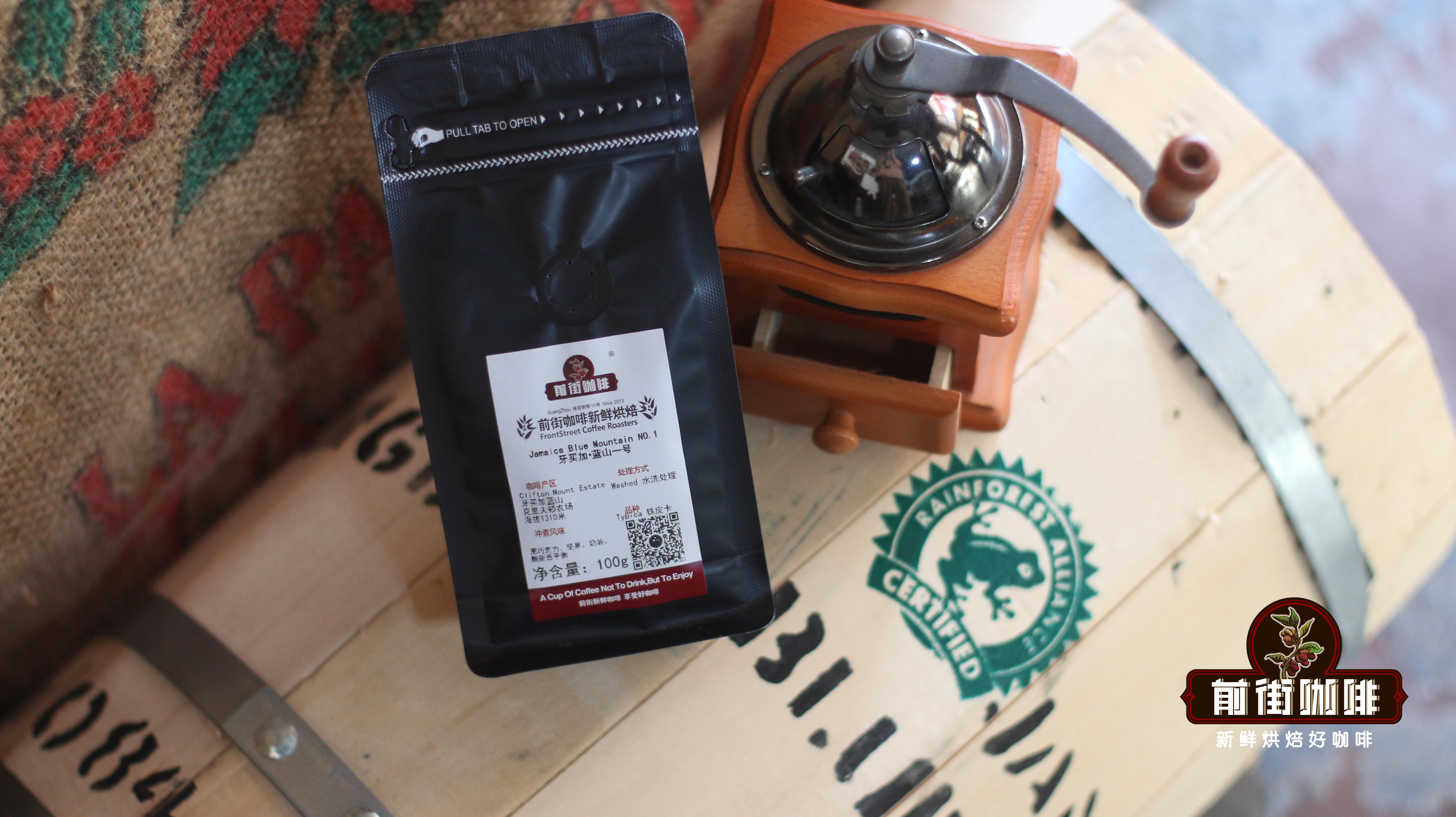
Blue Mountain coffee is an extremely well-known name in the coffee world, familiar even to those who don't drink coffee often. Front Street Blue Mountain No. 1 comes from Clifton Estate in Jamaica's Blue Mountain range, the only coffee estate in the Blue Mountain region to receive Rainforest Alliance certification. The Jamaican government has strict regulations on Blue Mountain coffee exports: authentic Blue Mountain coffee beans must be shipped in wooden barrels and accompanied by various certificates. Front Street Blue Mountain No. 1 uses the Typica variety and is roasted to a medium-dark level, pulled just before second crack, retaining a small amount of acidity. In cupping it shows a balance of acidity, sweetness, and bitterness, with soft fruity acidity, rich dark chocolate notes, and caramel sweetness. This article will introduce the origin background and roasting approach for this coffee, and share pour-over parameters and a staged pouring method to help enthusiasts brew a cup of full-bodied, sweet Blue Mountain coffee with a clean finish. [more…]
Exploring Panama's Carmen Estate: The Perfect Fusion of Semi-Washed Processing and New World Specialty Coffee Varieties
Nestled in a volcanic valley at 1,750 meters above sea level in Panama, Carmen Estate is a specialty coffee farm built around family heritage. Since 1950, the Franceschi family has cultivated Arabica coffee here, and today the single processing plant produces about 1,200 bags per year (60 kg each). The estate retains 60% primary natural forest, with coffee trees grown under natural shade, and it has earned Rainforest Alliance ECO-OK environmental certification. This article takes you deep into Carmen Estate's growing environment, variety composition (Catuai, Caturra, Typica, Mundo Novo, etc.), and its semi-washed processing method, while also presenting Front Street Coffee's detailed profile of the estate's semi-washed coffee, so you can experience the unique charm of Panamanian specialty coffee. [more…]

Detailed Guide to the Jamaican Blue Mountain No.1 Coffee Typica Variety: Clifton Estate Certification and Flavor Identification Guide
Blue Mountain coffee is hailed as the pinnacle of the coffee world, yet authenticity is hard to tell on the market. This article systematically lays out the core knowledge of authentic Jamaican Blue Mountain No. 1, from the certified growing region, Typica variety, Clifton Farm, barrel shipping, and grading system to brewing parameters and flavor performance. Using Clifton Farm Rainforest Certified Blue Mountain as an example, Front Street Coffee shares the origin background, historical evolution, processing methods, and key points for distinguishing authenticity, helping coffee enthusiasts build a clear understanding and truly appreciate real Blue Mountain coffee. [more…]
Jamaica Blue Mountain No.1 Coffee Beans Pour-Over Method: Authentic Flavor Profile Analysis and Brewing Parameters Guide
Blue Mountain coffee is a legendary coffee nurtured by Jamaica's Blue Mountains. Among these, Front Street Blue Mountain No. 1 coffee beans come from the historic Clifton Estate, which is also the only estate in the region to obtain Rainforest Alliance certification. This article will guide you through the origin background, certification system, and roasting approach of Front Street Blue Mountain No. 1 coffee beans, as well as how to fully release the nutty, dark chocolate, and caramel sweetness of this medium-dark roasted coffee through the KONO dripper and staged pouring technique. From the coffee-to-water ratio, water temperature, to grind size, every detail affects the final flavor performance. If you want to know how to brew authentic Blue Mountain No. 1 as pour-over so it tastes great, this content will provide a complete answer. [more…]
From Typica Origins to Clifton Estate: A Comprehensive Analysis of the History and Identification of Jamaica Front Street Blue Mountain Coffee
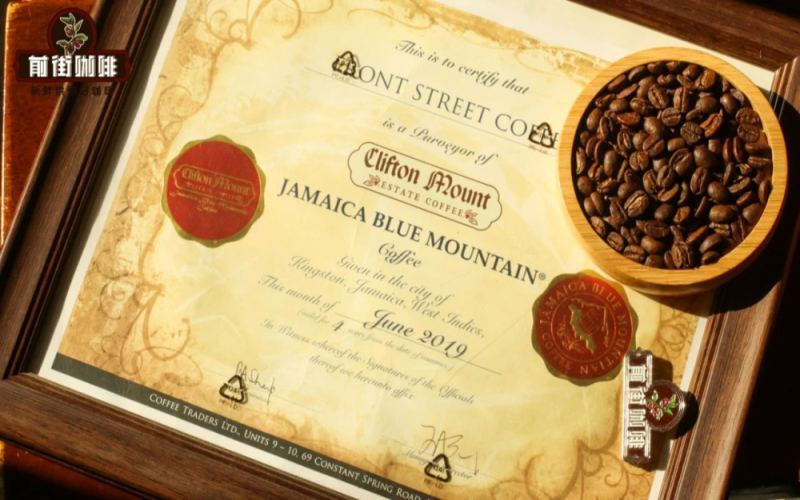
Jamaican Blue Mountain coffee is renowned for its balanced flavor and scarce production, making it a legendary presence in the coffee world. This article will trace the historical development of Front Street Blue Mountain coffee from the beginning: in 1717, King Louis XV of France ordered coffee to be planted in Jamaica, and the Typica variety thus took root in the Blue Mountains; in 1932, the Jamaican government implemented policies to encourage coffee production, prioritizing quality over expanding yield, which established Blue Mountain coffee's status as a premium product. The article also explains in detail the criteria for distinguishing Blue Mountain coffee from High Mountain coffee, four key points for identifying authenticity, and provides an in-depth introduction to Clifton Estate—the oldest and highest-altitude single Blue Mountain coffee estate, along with its Rainforest Alliance certification. Finally, through a comparison of washed and natural processing, it presents the specific flavor profile of Front Street washed Blue Mountain coffee. [more…]