







Search Results for: Pilón Processing Plant
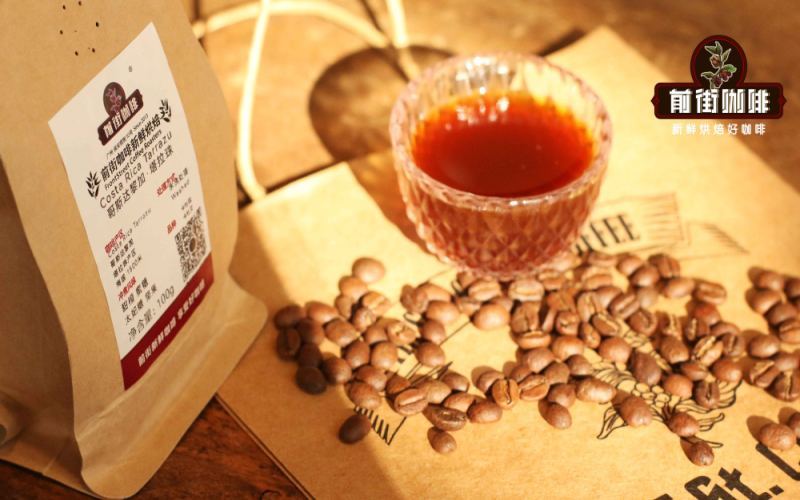
Comparison of Sun-Dried Coffee from Costa Rica's Three Major Regions: Analyzing the Flavor Differences Between Tarrazú, the Western Valley, and the Central Valley
Front Street Coffee has previously compared the differences among coffees from various Kenyan regions using the same processing method; this time, we turn our attention to Costa Rica. Also using natural processing, how much will the flavors differ among coffees from three major regions—Tarrazú, the Western Valley, and the Central Valley? This article will compare three beans—from the Pirong Processing Plant, Genesis, and Black Soul—one by one, from bean background, green bean appearance, and roasting curves to cupping and pour-over performance. If you haven't yet tried Costa Rican specialty coffee, you might start with the classic Front Street Tarrazú washed Caturra and savor its soft aroma of sweet orange, nuts, and chocolate. [more…]
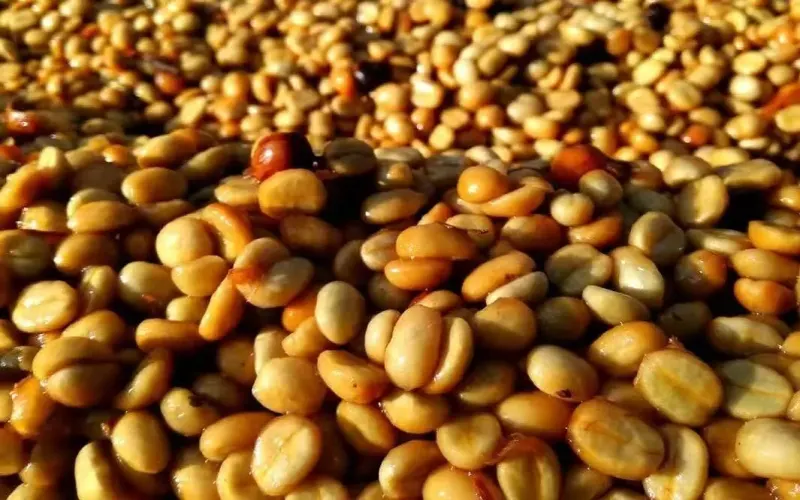
What makes Costa Rican honey-processed coffee so unique? Flavor profile and brewing analysis of Black Honey Caturra from Pilon Treatment Plant
Costa Rica, the birthplace of the honey processing method, has secured a significant place in the international market with honey-processed coffees known for their outstanding sweetness. Front Street Coffee recently selected a black honey processed Caturra from the Pilon Processing Plant in the Tarrazu region, and we're taking this opportunity to give everyone a deeper look into the unique sweetness that honey processing brings to coffee. This article will explore multiple dimensions, including the regional background of the Pilon Processing Plant, the history of the Caturra variety, the processing details of black honey, and the flavor profile and brewing recommendations of this bean, offering a complete picture of a quality black honey coffee from cultivation to cup. [more…]
A Comprehensive Analysis of Brazilian Coffee Brands: From Arabica and Robusta to Front Street Coffee Recommendations and Local Instant Coffee Giants
Want to know which brand of Brazilian coffee beans is best? This article starts with the flavor and varieties of Front Street Brazilian coffee, systematically sorting out the characteristics, origins, and uses of the two major coffee bean species, Arabica and Robusta, and takes a deep dive into the three major conglomerates in Brazil's instant coffee market as well as the local brands favored by the people of Rio. It also recommends two Rio cafés where you can buy fresh coffee beans, along with a list of affordable brands praised by netizens, providing coffee lovers with a practical guide to buying Brazilian coffee. [more…]
El Salvador Finca Colombia Estate Pacamara Natural: Variety Characteristics and Flavor Analysis
Pacamara is a well-known variety developed in El Salvador, attracting attention in the specialty coffee world for its unique flavor performance. This article focuses on Finca Colombia estate in the Apaneca-Ilamatepec mountain range of El Salvador, reviewing its century-long history, variety cultivation, and natural processing methods, and analyzing El Borbollon processing station's practices in quality control and social responsibility. The estate owner Rafael Gerardo Caceres family adheres to traditional varieties and meticulous processing, presenting flavor layers of strawberry, lemonade, and creaminess. Front Street Coffee also recommends paying attention to this estate's natural batch, suitable for pour-over enthusiasts to experience its flavor characteristics. [more…]

What Is Café Bombón, the Spanish Condensed Milk Espresso? How to Make a Spanish Latte at Home with Recipe Ratios
Many people find coffee's bitterness hard to stomach, so milk, sugar, and condensed milk are often used to balance the flavor—Vietnamese drip coffee is the classic example of condensed milk coffee. But this article is about a regional specialty from Valencia, Spain: Café Bombón. It uses only two ingredients, condensed milk and espresso, and is simple to make, visually appealing with its layers, and tastes sweet, fragrant, and smooth. The Spanish latte offered by chain brands is very likely a derivative of this coffee. Front Street Coffee will break down the meaning of Café Bombón, how it differs from a Spanish latte, and provide specific ingredients, ratios, extraction parameters, and preparation steps, along with recommended Front Street Coffee espresso beans to pair with it, so you can recreate this sweet, rich Spanish-style coffee at home. [more…]
Why Does Panama Geisha Dominate the Specialty Coffee World? A Full Analysis of the Geisha Variety and Hacienda La Esmeralda's Red and Green Label Grades
In the world of specialty coffee, Panama Geisha is almost synonymous with top-tier flavor. Whenever we chat with guests at Front Street about Geisha, Panama is often the first place that comes to mind. Although countries like Costa Rica, Colombia, and Guatemala also produce excellent Geisha, Panama's status remains hard to shake. Behind this are unique terroir conditions, the meticulous craftsmanship of highly skilled coffee farmers, and, crucially, Hacienda La Esmeralda's strict grading and promotion of Geisha. This article will walk you through the historical context of Panamanian coffee, the microclimate advantages of the Boquete growing region, and the specific divisions of Hacienda La Esmeralda's Red Label and Green Label grades, along with Front Street's selection recommendations. [more…]
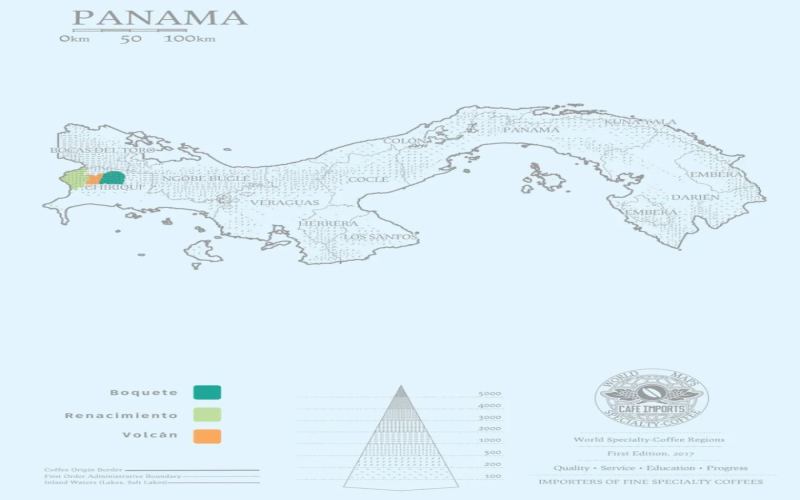
Exploring Panama's Boquete Region: A Comprehensive Analysis of Hacienda La Esmeralda's Green Label Washed Geisha
Since Geisha rose to fame in the Best of Panama competition in 2004, it has become a highly sought-after variety in the global coffee world, repeatedly setting price records at major auctions. Panama, as the core producing region of Geisha, has its Boquete area gathering numerous top estates, among which Hacienda La Esmeralda is undoubtedly the most representative name. This article will take you into a deeper understanding of Hacienda La Esmeralda's regional advantages, plot divisions, and Geisha brand system, with a focus on introducing the flavor performance of the Green Label Washed Geisha, while also sharing Front Street Coffee's brewing experience, providing coffee enthusiasts with a detailed reference guide. [more…]
The Origins and Recipes of Spanish Latte and Café Bombón, Plus an Analysis of Valencia Condensed Milk Coffee's Taste
Adding sugar or milk to coffee has long been commonplace, but pairing coffee with condensed milk is equally distinctive. This article begins with the basic concept of condensed milk, first introducing the condensed milk approach to Vietnamese drip coffee, then focusing on Café Bombón from Valencia, Spain, explaining its simple 1:1 recipe of espresso and condensed milk and the layering principle, before extending to the familiar Spanish latte—which actually has no ties to Spain, but is simply a latte combined with condensed milk. The article also explains that making a Spanish latte calls for full-bodied Italian-style beans, and recommends Front Street Coffee's commercial blend, which combines Brazil and Colombia with a small amount of Robusta, presenting nutty aromas and a low-acid, full-bodied taste. [more…]

What is the price tier of Panama Hacienda La Esmeralda Red Label Geisha coffee beans? An analysis of Geisha flavor, taste, and grading system
Geisha coffee is often regarded as the pinnacle of specialty coffee, especially the Red Label, Green Label, and Blue Label lots produced by Panama's Hacienda La Esmeralda, whose prices and flavors attract much attention. From the perspective of Front Street Coffee, this article systematically reviews the history of Geisha's spread, the differences between Ethiopian and Panamanian Geisha, the grading methods of Gesha Village, and the three major plots of Hacienda La Esmeralda along with the Red Label, Green Label, and Blue Label tier system, and analyzes the reasons behind Geisha coffee's high price. The article also retains product information and brewing suggestions for Front Street's Emerald Red Label, Green Label, and Blue Label Geisha, making it suitable reading for coffee enthusiasts who want to gain a deeper understanding of Geisha's grades and flavor. [more…]

How to Make a Spanish Latte? A Detailed Guide to Recipes, Ratios, and Standard Methods from Condensed Milk Coffee to Café Bombón
Adding condensed milk to coffee has long ceased to be a practice unique to Southeast Asia. Vietnamese drip coffee uses condensed milk to neutralize the bitter, burnt notes of Robusta, while Spain's Café Bombón strikes a stark black-and-white contrast by combining espresso and condensed milk in a one-to-one ratio. Today's wildly popular Spanish Latte on café menus is simply a regular latte with condensed milk added, balancing espresso, fresh milk, and condensed milk in harmony. This article begins with the origins of condensed milk coffee, sorts out the differences between a Spanish Latte and a regular latte, and provides specific ratios, step-by-step instructions, and flavor profiles for both hot and iced versions, helping you reliably recreate this rich, silky milk coffee at home. [more…]
Exchange Rate Fluctuations Hit Costa Rica: Tourism and Coffee Industries Face Income Shrinking Dilemma
Costa Rica, as a Central American country with outstanding economic performance, relies heavily on agriculture, foreign trade, tourism, and the service sector in its national economy. However, between June 2022 and December 2023, the US dollar to Costa Rican colón exchange rate fell sharply by about 24%, bringing unexpected difficulties to the local tourism and coffee industries. Tourist spending power declined, coffee export earnings shrank, yet the government viewed the colón's appreciation as a sign of economic strength. This article will analyze in depth how exchange rate fluctuations have impacted these two pillar industries, and explore the multiple challenges facing coffee growers. [more…]
Costa Rica Las Lajas Estate Coffee: A Comprehensive Analysis of Yellow Honey Processing Flavor, Variety, and Origin
Las Lajas Estate is located in Sabanilla in Costa Rica's Central Valley production region, at the foot of Poas Volcano, and is renowned for its yellow honey-processed coffee. The estate sits at an altitude of 1,300 to 1,500 meters and cultivates the Caturra and Catuai varieties, with a flavor profile layered with honey, tropical fruit, maple syrup, and melon. Las Lajas is one of the earliest estates in Central America to experiment with honey processing and natural sun-drying. Third-generation operator Francisca introduced a refractometer to measure the sugar content of coffee cherries, sun-drying only those fruits with a sweetness above 20%. The estate adheres to natural farming methods and in 2000 became the first estate in Costa Rica to obtain organic certification. Front Street Coffee recommends this coffee, and below is a detailed account of its origin, variety, processing method, and flavor. [more…]
Panama Hacienda La Esmeralda Geisha Coffee Beans Flavor, Taste, Aroma Characteristics Description and Introduction
Why does Panama Geisha stand out among so many origins? The answer lies in Hacienda La Esmeralda's century of cultivation and Boquete's unique terroir. Front Street Coffee guides you through the development of Panamanian coffee, takes a closer look at the microclimatic conditions of the Boquete production area, and delves into Hacienda La Esmeralda's three major farms—Jaramillo, Cañas Verdes, and El Velo—to explain the flavor sources of the two grades of Geisha: Red Label and Green Label. Whether you are a coffee enthusiast just starting out or a seasoned player searching for your next bean, this article can serve as a practical reference for understanding Panama Hacienda La Esmeralda Geisha. [more…]
Costa Rica Hacienda La Esperanza Sun-Dried Geisha: A Full Analysis of Flavor Characteristics and Pour-Over Parameters
Located in the Brunca region of southern Costa Rica, Finca Montaña was founded in 2005 by the Ureña Rojas family, at an altitude of 1,550 to 1,600 meters, adjacent to Cerro de la Muerte and Chirripó, enjoying a unique microclimate and pristine ecology. The estate started with Caturra and Catuai, gradually introduced the Geisha variety, and is known for its refined natural processing. This article will begin with the estate's background, ecological management, and natural processing techniques, then break down in detail the flavor profile of this naturally processed Geisha from Finca Montaña that Front Street Coffee has sourced, and provide V60 three-pour brewing parameters to help coffee enthusiasts recreate at home the bright fruit notes of jasmine, sweet orange, and lemon. [more…]
The Panama Geisha Coffee Legend and Pour-Over Guide: Hacienda La Esmeralda Grading, Boquete Volcán Region Flavor Comparison, and Front Street Coffee Bean List
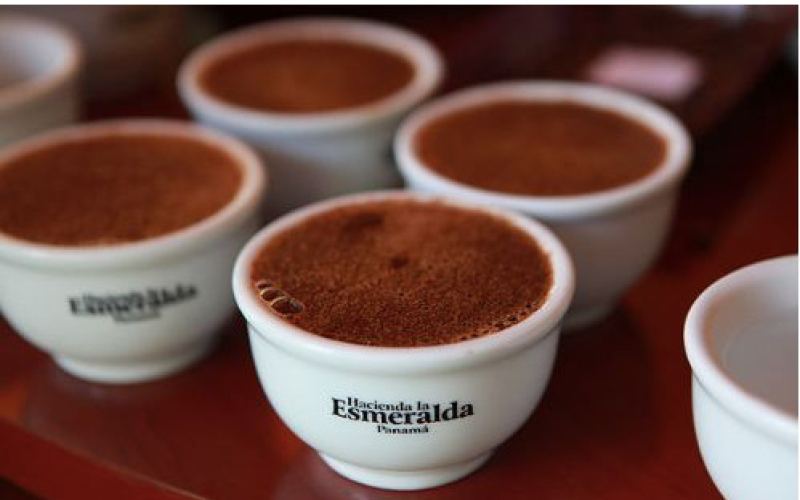
Panama Geisha coffee rose to fame after Hacienda La Esmeralda won the Best of Panama (BOP) competition in 2004, and its intense floral and fruity aromas and highly sweet, layered profile have become the benchmark for specialty coffee. For this reason, Front Street Coffee has listed a number of Panamanian Geisha coffee beans, each of which has undergone producing-region research, roasting adjustments, and cupping evaluation, preserving the signature Geisha flavors while also showing individual character. This article will guide you through the origins of Panamanian coffee, the characteristics of core producing regions such as Boquete and Volcan, and in-depth details on famous estates including Hacienda La Esmeralda's Red Label, Green Label, and Blue Label, as well as Elida and Hartmann, along with flavor descriptions for Front Street Coffee's corresponding bean lineup, providing coffee lovers with a complete reference for tasting and purchasing Panamanian Geisha. [more…]
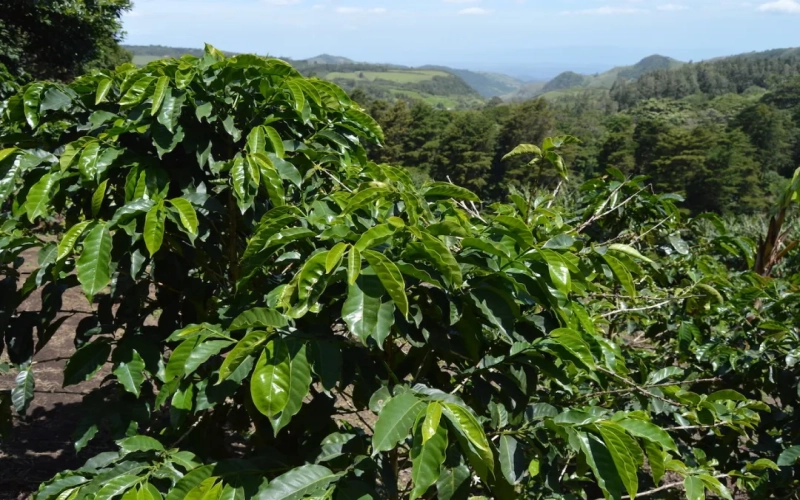
Costa Rican Coffee Production Plummets to Historic Low: Exchange Rates, Climate, and Labor Woes Intertwine
The Costa Rican coffee industry is facing its most severe challenge in decades. The latest report from the United States Department of Agriculture shows that the country's coffee production for the 2024/25 crop year is expected to be only 1.185 million bags. Although this is on par with the previous year, it represents a sharp 66% decline from the 3.5 million bags seen in the 1990s, approaching a historic low. High debt, the continued appreciation of the colón, depressed international prices, and shrinking demand have greatly increased the financial pressure on growers, leading them to reduce fertilizer inputs and postpone the renewal of disease-resistant, high-yield varieties. In 2023, an early rainy season and abnormal high temperatures and humid harvest conditions triggered by El Niño further damaged coffee quality and yields. At the same time, transportation disruptions caused by protests in Panama and labor shortages caused by Nicaraguan migrants moving north made harvesting even more difficult. On the export side, only 975,000 bags are expected in 2024/25, and exchange rate issues have already sparked marches and protests across multiple industries. Front Street Coffee will continue to monitor developments in this producing region. [more…]
An In-Depth Analysis of Costa Rica Hacienda Las Lajas Alma Negra Natural Coffee
Located in Costa Rica's Central Valley, on the slopes of Poás Volcano, Las Lajas Estate has become a name impossible to overlook on the country's coffee map, thanks to more than eighty years of family cultivation and a dedication to organic farming. The owning Chacón family is renowned for rigorous harvesting standards and innovative processing techniques, among which the natural batch "Alma Negra" (Black Soul) stands out among natural coffees with its dried-fruit and molasses-like profile. This article will give you a comprehensive understanding of the estate's geographical advantages, its organic certification journey, and the division of its honey and natural product lines, while also presenting in detail Front Street Coffee's roasting curve and cupping performance, providing coffee lovers with a complete tasting reference. [more…]
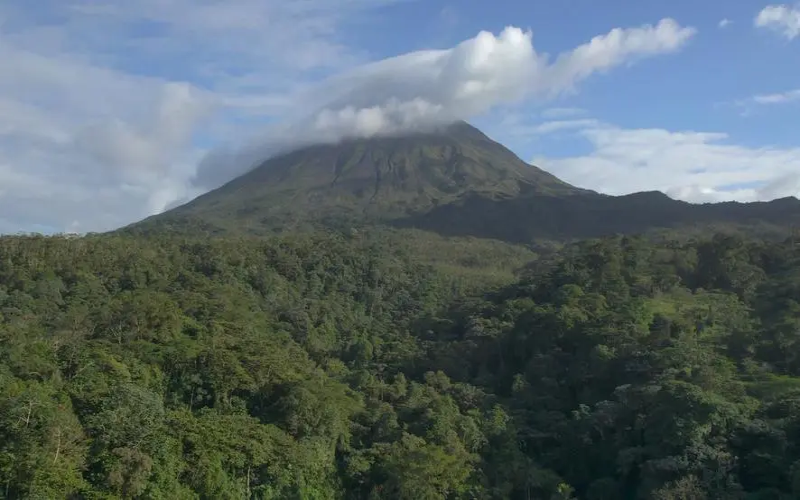
Costa Rica Expands Insurance Coverage for Coffee Harvest Workers, with Migrant Labor Accounting for Over 70%
The Costa Rican coffee industry is facing mounting pressure from price volatility, a weakening exchange rate, and climate change, while an important breakthrough has been made in protecting the rights of migrant workers who support the harvest. According to La Nación, thousands of migrant coffee pickers will receive workplace accident insurance, and a disease and maternity insurance program launched in 2021 will continue to expand. Migrant workers account for more than 75% of the country's seasonal harvest labor force, most of them from Nicaragua, with some also from Panama. In the Central Valley, CoopeLibertad, a cooperative made up of nearly 1,200 producers, emphasizes both social responsibility and quality. Meanwhile, in 2023 coffee prices fell from $3.20 per pound to $2.30, the dollar depreciated 27% against the colón within 18 months, and the harvest is expected to decline 12.6%, the smallest in a century. Front Street Coffee continues to follow developments in producing regions and sustainable development in the industry. [more…]
A Complete Guide to Panama Geisha Coffee: From Its 1931 Wild Discovery to the T2722 Variety and Hacienda La Esmeralda's Red and Green Labels
Geisha coffee is the most dazzling variety in the specialty coffee wave of the past two decades, constantly breaking global coffee price records. In 2022, the Lamastus family of Panama auctioned a batch of just 7 pounds of honey-processed Geisha for a staggering $6,034 per pound, drawing attention once again. However, Geisha's legend was not built overnight—it was discovered in Ethiopia in 1931, and after being cultivated and passed through Kenya, Tanzania, Costa Rica, and other places, it finally took root in Panama as the T2722 line. This article will trace the complete thread of Geisha from wild collection to fame, introduce in detail Hacienda La Esmeralda's Red Label and Green Label product lines, and share Front Street Coffee's Geisha brewing suggestions, giving you a comprehensive understanding of this rare variety. [more…]
Exploring Costa Rica's Brunca Region: A Flavor Analysis of Finca Las Piedras Anaerobic Heavy Honey Process
The blueberry-flavored coffee from Costa Rica's Las Lajas Estate was once one of my favorite beans, but unfortunately it is currently out of stock. That blueberry gummy-like sweetness and the minty coolness emerging from the fermented wine finish made it a must-have coffee for summer in my mind. Where exactly is Las Lajas Estate located in Costa Rica? Why can it present such clear flavors? Today, Front Street Coffee will take everyone deep into the Brunca region to explore the story of Las Lajas Estate and analyze the unique charm of this anaerobic heavy honey-processed coffee. [more…]