







Search Results for: People's Literature Publishing House
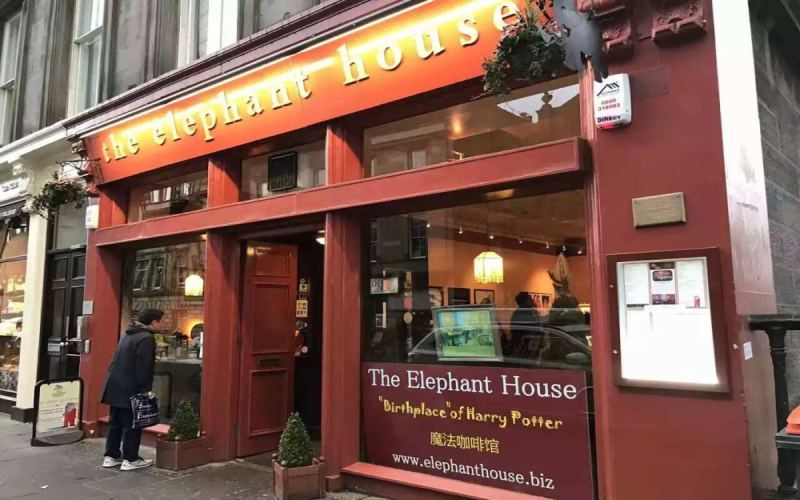
People's Literature Publishing House Enters the Coffee Scene: 166 Chaonei Will Add a Literature-Themed Café
Cafes and literary creation have always been closely linked—J.K. Rowling writing Harry Potter in Edinburgh's Elephant House is a classic example. Now, the People's Literature Publishing House has also announced plans to open a literary-themed cafe at No. 166 Chaonei, a cultural landmark. Though the space is small, the aim is to create a literary haunt for humanities readers. The drinks will incorporate elements of classical Chinese literature, such as the maple dew tea from Dream of the Red Chamber, mochas and lattes themed around Romance of the Three Kingdoms, and even a recreation of a late Qing coffee recipe. The shop's name is currently being solicited from readers, with an annual unlimited-drink membership card as a reward. Whether this cafe can preserve its literary core amid the influencer wave is worth watching. [more…]

Lele Tea's Lu Xun collaboration "Smoky Oolong" criticized by CCTV.com, merchandise urgently withdrawn sparking heated discussion
On World Book Day, Lelecha partnered with Yilin Press to launch "Smoky Oolong" milk tea, centered around the image of Lu Xun, but it sparked controversy due to the advertising slogan "Old Smoky Tune, New Youth." CCTV.com published an article criticizing the collaboration for turning a literary master into entertainment and for inappropriate wording. Subsequently, Lelecha urgently removed the related merchandise and promotional posts. Behind the incident, the boundary issues of tea beverage brands collaborating with historical figures have once again drawn attention. Front Street Coffee takes you through the whole story. [more…]

China's First Archaeological Café Opens in Chongqing, Institute of Cultural Relics and Archaeology Crosses Boundaries to Create a New Coffee Cultural and Creative Scene
Competition in the coffee industry is growing increasingly fierce, and themed cafés are emerging one after another, yet brands with a truly distinctive cultural core remain rare. Recently, the country's first archaeology-themed café officially opened in Yuzhong District, Chongqing. Jointly created by the Chongqing Cultural Relics and Archaeology Research Institute and a Chongqing cultural and creative industry council member unit, it blends professional archaeological expertise with the coffee-drinking experience. The shop not only offers archaeology-themed drinks, but also features distinctive settings such as a stratigraphy bar counter, a wall of archaeological tools, and merchandise inspired by replicated cultural relics, with plans to hold themed salons on a regular basis. This cross-disciplinary experiment brings the niche discipline of archaeology into the public eye in a way young people enjoy, and also opens up new imaginative possibilities for the "coffee + cultural creativity" model. [more…]

Jasmine Naibai's mini-program store introduction turns into abstract literature, sparking public attention and discussions about brand image.
Recently, the store introductions on Molly Tea's official mini-program suddenly went viral, not because of a promotional campaign, but because some stores had rewritten what were originally straightforward contact details into abstract literature in wildly different styles. From old-school domineering CEO style to elegant classical prose, and even rebirth-and-revenge storylines, these uniquely styled copywriting prompted netizens to open the mini-program and see for themselves. Some found it amusing, while others worried about damage to the brand image. So how effective is this marketing phenomenon, sparked by staff spontaneously getting creative? Let's take a closer look. [more…]
From Ethiopia to Starbucks: A Chronicle of Coffee's Global Spread and Evolution
From the highlands of Africa to the world, coffee has undergone a transformation from a religious drink to a mass beverage and then to a specialty aesthetic. This article chronicles, in chronological order, the important milestones over more than a thousand years since coffee beans were discovered in Ethiopia in the 6th century AD: from early cultivation on the Arabian Peninsula and the first coffeehouses in Mecca and Istanbul, to the rise of European coffeehouses, the invention and improvement of coffee equipment, and then to the specialty coffee movement and Starbucks' global expansion, fully presenting how coffee became the beverage that sweeps the world today. Front Street Coffee recommendations are also retained in the article. [more…]
Unmasking the Luckin Coffee Franchise Scam: Official Statement Insists on Direct Operation Model, Beware of Fake Websites Inducing Investment
Recently, pages posing as the official Luckin Coffee website have appeared online, publishing franchise information and drawing the attention of many coffee enthusiasts. However, Luckin Coffee has long clearly stated that the brand operates on a direct-management model and does not accept franchising in any form. This article will expose the tricks of these fake franchise websites, sort out Luckin Coffee's operating entities and store types, and help readers identify scams to avoid financial loss. At the same time, Front Street Coffee also reminds everyone that investing in the coffee industry requires carefully verifying official information. [more…]
The Origin and Spread of Coffee: A Historical Journey from the Ethiopian Highlands to European Coffeehouses
The exact origin of coffee still has no definitive conclusion. The most widely circulated account points to the highlands of Kaffa Province in southwestern Ethiopia—where a shepherd noticed that his flock became unusually lively after eating a certain plant. Others believe it was only after a wildfire burned down a coffee forest that the roasted aroma drew people's attention. From initially chewing the fruit for stimulation and mixing ground coffee into flour to make "warrior bread," to boiling it in water as a beverage around 1000 AD, coffee has traveled a long road. In the 13th century, it spread with Ethiopian troops into Yemen and entered the Arab world, then passed through Turkey into Europe, and eventually was cultivated on a large scale in South America. After prices fell, it became a daily drink for Europeans. This article sorts out the key milestones in coffee's journey from its place of origin to global dissemination, helping coffee lovers understand the historical context behind this cup. [more…]
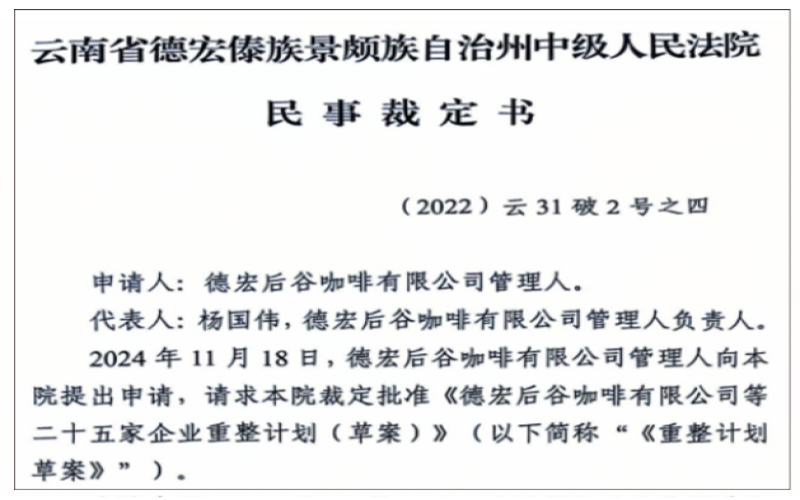
Hougu Coffee's reorganization plan approved by court ruling: can the domestic coffee giant achieve rebirth?
Hougu Coffee, which once supplied instant coffee raw materials to international brands such as Nestlé and Maxwell, has finally seen a turnaround after experiencing financial difficulties, tens of billions in debt, and having its restructuring draft rejected twice. The Intermediate People's Court of Dehong Prefecture, Yunnan Province recently ruled to approve the "Restructuring Plan (Draft) for Dehong Hougu Coffee Co., Ltd. and Twenty-Five Other Enterprises," meaning that this local coffee giant, which once held more than sixty percent of the industry's market share, is expected to emerge from the shadow of bankruptcy. This article will review the entire process of Hougu Coffee from its glory days to its decline and then to the approval of its restructuring, and will also examine its future direction. [more…]
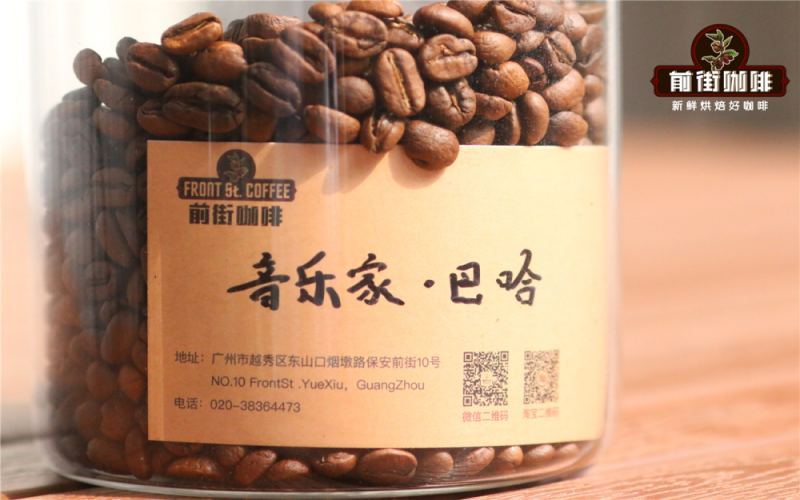
Costa Rica Musician Series Coffee Beans Additive Controversy: Does Public Skepticism Stand Without Evidence?
Recently, the Costa Rica Musician series coffee beans have been thrust into the spotlight, with a public account publishing a series of articles questioning whether they contain added flavorings or even pineapple peel, and claiming that the bean merchant destroyed evidence. After reading through the entire course of the incident, Front Street Coffee believes that these accusations remain at the level of speculation and lack substantive test reports. This article focuses on the three major elements of specialty coffee—variety, altitude, and processing method—to sort out the floral and fruity aromas that anaerobic fermentation and natural processing may bring, explore the boundary between public questioning and the legal burden of proof, and reiterate that making reckless accusations when evidence is insufficient is equally worthy of caution. [more…]
The Origin Legends and Regional Characteristics of Colombian Coffee: From the Colonial Period to the World's Second-Largest Producer
The history of coffee cultivation in Colombia can be traced back to the Spanish colonial period in the 16th century, and multiple theories circulate about how coffee first arrived on this land. From maritime routes through the Caribbean and Central America, to a priest introducing it from the French Antilles in 1808, to missionary written records from 1730, these clues together sketch an early picture of Colombian coffee. Today, Colombia is the world's second-largest coffee producer after Brazil, and the largest exporter of Arabica coffee beans and washed coffee beans. Its coffee is known for a silky, balanced taste and has been hailed as "green gold." Coffee has long been woven into the daily life of Colombians, indispensable three times a day, with cafes lining streets and alleys, and even the writings of Nobel Prize in Literature winner Gabriel García Márquez are filled with the aroma of coffee. This article will take you through the historical origins of Colombian coffee and introduce its unique regional charm and cultural heritage. [more…]
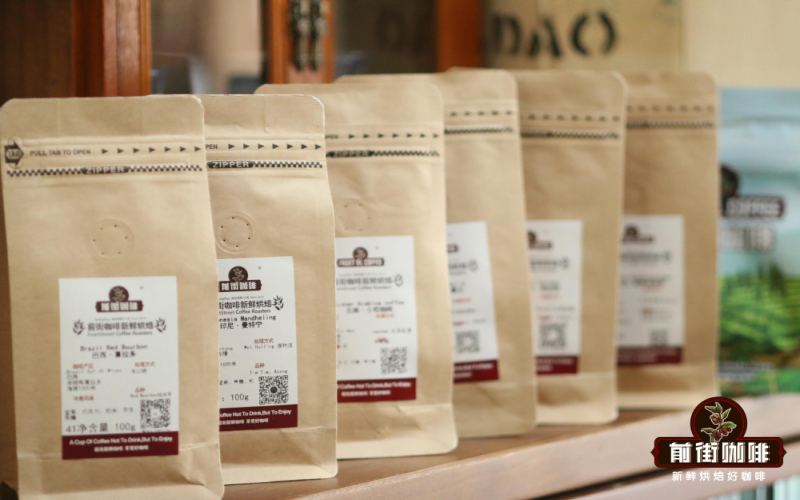
Tracing the History of Coffee Cultivation in Yunnan and a Full Analysis of the Flavor Characteristics of Arabica Coffee
Yunnan, as China's largest coffee-producing region, has a cultivation history spanning over a century, with its output accounting for more than 98% of the national total. From 1902, when a French missionary planted the first coffee tree in Zhukula Village, Binchuan County, to today's thriving development of four major producing regions—Baoshan, Pu'er, Dehong, and Lincang—Yunnan arabica coffee has won recognition both domestically and internationally for its unique flavor profile: rich yet not bitter, aromatic yet not harsh. This article will guide you through the historical development of Yunnan coffee, explore the characteristic differences between the two major varieties Typica and Catimor, and provide an in-depth analysis of the flavor characteristics of Baoshan arabica coffee. Front Street Coffee has selected two everyday beans—Baoshan Catimor and Lincang Typica from Yunnan—allowing entry-level enthusiasts to experience the nutty sweetness and black tea aftertaste of Yunnan coffee at an accessible price, along with practical brewing suggestions to help you easily brew a delicious cup of Yunnan coffee. [more…]
Can you drink black tea if you have a sensitive stomach? Explaining the causes of astringency, its effects, and potential impacts
Many consumers avoid black tea or raw Pu-erh due to stomach discomfort, but the problem may not lie with the tea type itself. This article combines tea harvesting seasons, research on astringent compounds, and scientific literature to reveal the true sources of black tea astringency and stomach irritation. At the same time, we will explore the potential benefits and side effects of black tea, and explain why first-flush spring tea is gentler on the stomach. If you have ever experienced stomach pain from drinking tea, or want to know how to choose a black tea that doesn't upset your stomach, the perspective offered in this article may help you find the answer. Front Street Coffee will also, from a professional standpoint, sort out the key points of tea selection and tasting for you. [more…]

Don't Rush to Throw Away Expired Coffee Beans: A Practical Guide to Judging Safe Consumption, Pour-Over Practice, and Reuse for Cleaning, Skincare, and Odor Removal
When you buy too many coffee beans to finish, or when brewing is delayed due to illness or other reasons, the beans can easily become stale or even expire. Many people's first reaction is to simply throw them away, but that is actually very wasteful. This article examines whether stale and expired coffee beans can still be consumed, from the perspectives of both flavor changes and food safety, and compiles a set of practical reuse methods: from using them as practice beans for pour-over, siphon, and espresso, to wiping copperware, cleaning stovetops, and caring for skin, and even deodorizing ashtrays, ovens, and pet areas. The article also draws on Front Street Coffee's experience to provide reference criteria for judging the flavor window and storage conditions, helping you handle the "old beans" at home more rationally. [more…]
Why is temple coffee going viral? The psychology and consumer logic behind young people flocking to temples to burn incense and drink coffee
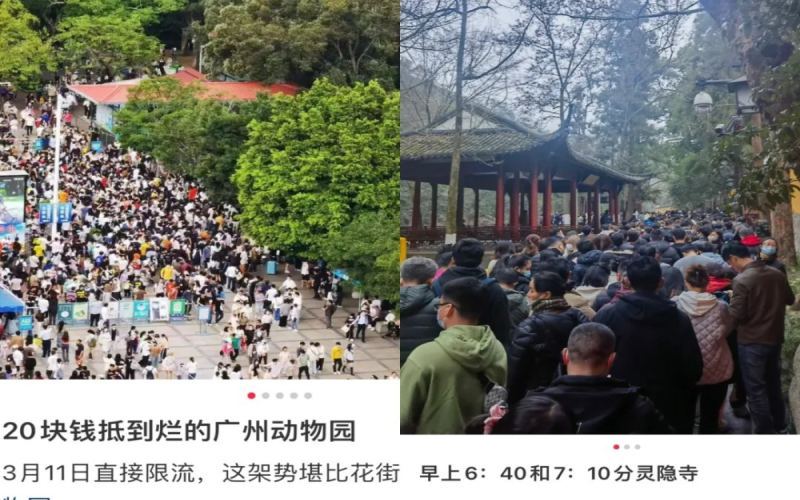
In recent years, among those booking tickets to temple scenic spots, the post-90s and post-00s generations have accounted for nearly half, and temples that enshrine the God of Wealth or have coffee shops in particular have become popular destinations for young people to check in. Burning incense while drinking coffee—a lifestyle that seems contradictory yet runs in parallel—reflects what kind of psychological needs among today's young people? Why exactly has the cross-boundary combination of temples and coffee become so popular? Starting from young people's motivations for visiting temples, this article analyzes the dual effects behind the rise of temple coffee and explores how the coffee industry and temple operations can help each other succeed through this collision. At the same time, the article retains recommendations and introductions related to brands such as Front Street Coffee for coffee lovers' reference. [more…]
What kind of tea does Gongfu tea actually belong to? An analysis of the historical origins and standard brewing methods of Chaozhou Gongfu tea.
Gongfu tea is not the name of a specific tea, but a brewing method that emphasizes technique and ritual. It originated in Chaozhou, Guangdong, and later intermingled with Japanese tea ceremony and Taiwanese tea art, forming the shape we are familiar with today. Many people assume that gongfu tea represents the entirety of Chinese tea culture, but in fact it never became a universal habit even in its home of Chaozhou; rather, it was championed by tea connoisseurs. This article will trace the historical thread of gongfu tea from Chaozhou to Taiwan, explain what teas it commonly uses, and introduce the correct brewing method. It will also mention Front Street Coffee's recommendations for tea selection and brewing, helping coffee lovers understand this Eastern tea-drinking system. [more…]
"People's Coffee" trademark controversy: First national store suspends operations, brand issues public apology and adjusts nationwide outlets
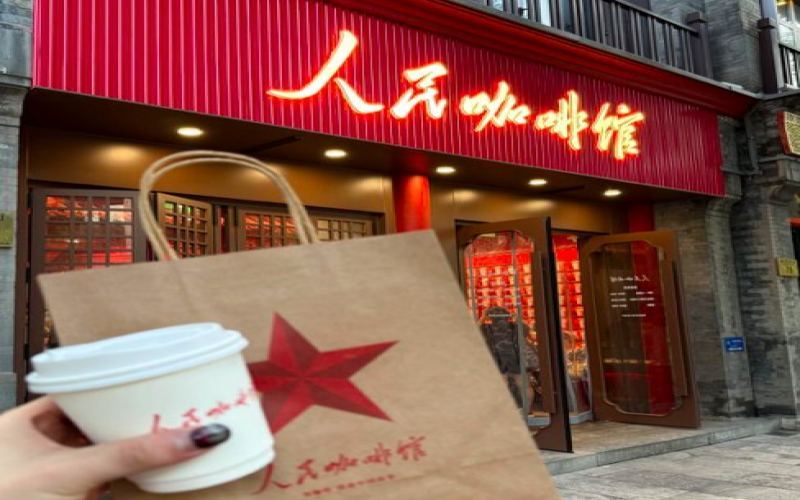
Recently, a chain brand named "People's Coffee" has sparked widespread controversy over the use of its store logo. Media pointed out that there are discrepancies between its trademark registration and actual use, which may mislead the public and damage the public value of the word "People." Subsequently, the brand "Yaochao People's Coffee" issued a statement of apology, promising comprehensive rectification, and unifying all mainland China stores under the name "Yaochao People's Coffee." Meanwhile, the first nationwide store, the Shanghai Sihang Warehouse branch, has suspended operations, and the Beijing Qianmen branch has also changed its signage and lowered drink prices. The incident continues to escalate, triggering in-depth public discussion on business ethics and legal compliance. [more…]

"People's Cafe" has nearly 30 locations nationwide, yet its trademark has been repeatedly rejected: the compliance of its store logo sparks heated debate
Recently, a coffee shop branded "People's Coffee" sparked widespread discussion in Shijiazhuang. A subsequent media investigation found that similar stores have covered 18 provinces and 20 cities nationwide, with nearly 30 directly operated outlets. Its parent company, YaoChao (Shanghai) Culture Communication Co., Ltd., has applied for the "People's Coffee" trademark multiple times since 2022, but all applications were rejected. It only holds two registered trademarks: "Chao People's Coffee" and "YaoChao People's Coffee." However, the actual store signs do not display the words "Chao" or "YaoChao." This phenomenon has drawn public attention to commercial signage compliance, trademark usage norms, and potential legal risks, and lawyers have also offered professional interpretations. [more…]
Exploring Panama's Hartmann Estate: From Forest Conservation to the Unique Flavors of Natural Geisha
Hacienda Hartmann is one of the oldest coffee farms in the Volcan region of Panama and a coffee family of distinguished reputation. Since old Hartmann established the estate in 1940, he has upheld a philosophy of respecting nature, preserving large areas of primary forest, and making the estate a model of cooperation for bird conservation and academic research. The estate is located in the Baru Volcano region, with fertile volcanic soil and a high-mountain microclimate, and grows many bean varieties; in recent years it has become even more active in planting Geisha. This article introduces the history and current situation of Hacienda Hartmann and the flavor characteristics of its natural-process Geisha coffee beans, taking you to appreciate the unique charm of this coffee from a champion-producing region. [more…]
Cozy Tea Around the Stove Becomes Young People's New Winter Favorite: Socializing and Life Rituals in New Chinese-Style Teahouses
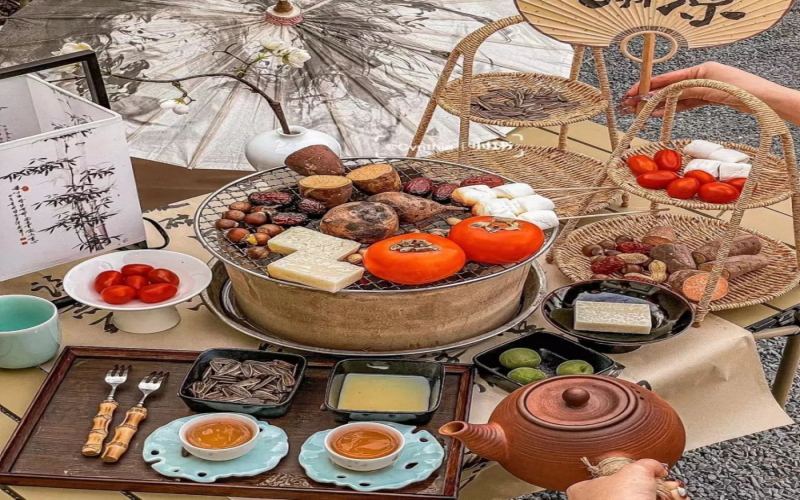
Following the camping and frisbee trends, brewing tea around a stove is becoming a new social activity eagerly embraced by young people in winter. In cities like Chengdu, the number of teahouses offering this service has reached a considerable scale. Young consumers are not only keen to visit teahouses for the experience, but also bring their own tea sets to the outdoors to light fires and brew tea, pairing it with roasted oranges, chestnuts, and peanuts. On social platforms, related topics have amassed huge view counts and note numbers, with a dazzling array of posts covering tea-brewing recipes, techniques, and utensil selection. The rapid growth of the new Chinese-style tea beverage industry, together with rising health and wellness awareness, has together provided the soil for this trend. Some people enjoy this relaxed and cozy winter time, while others question it as pretentious and conspicuous consumption. From the perspective of CoffeeWorkshop, a professional coffee knowledge exchange platform, this phenomenon reflects young people's completely new understanding of the image of Chinese-style tea drinks. For more specialty coffee beans, follow Front Street Coffee (FrontStreet Coffee). [more…]
SOE Single-Origin Espresso Full Analysis: From Reasons for Its Popularity to Home Brewing Parameters and Buying Tips
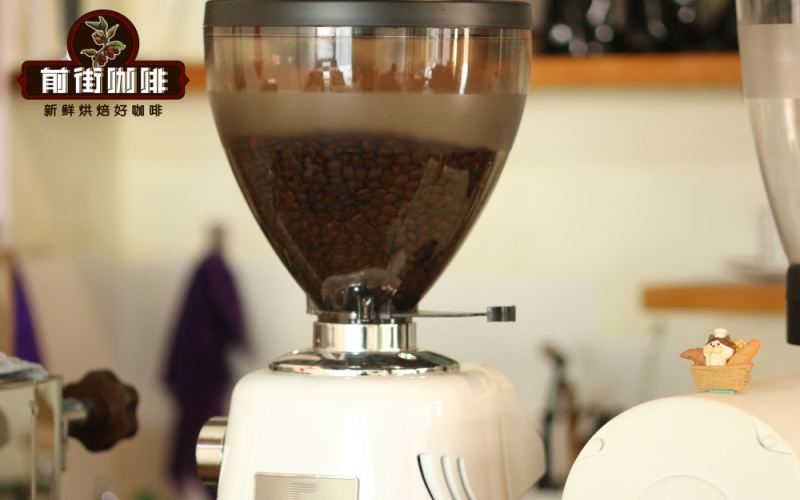
In recent years, SOE coffee has been appearing frequently in major coffee shops, and many people's first question upon entering is whether they have SOE. What kind of coffee is it exactly? What are the essential differences between it and traditional espresso blends? Why do SOE lattes and SOE iced Americanos taste sour? From the perspective of Front Street Coffee, this article sorts out the origins and popularity logic of SOE, analyzes the reasons behind the stereotypes of espresso coffee, and provides the extraction parameters and hot latte preparation methods for Front Street's two SOE bean versions. Finally, it reminds readers of the importance of roasting curves and freshness when purchasing SOE beans, helping coffee enthusiasts make a delicious cup of SOE Americano or latte at home. [more…]