







Search Results for: Origin Flavors
What Is SOE Single-Origin Espresso? Flavor Performance and Bean Selection Tips for Making Espresso with Yirgacheffe Single-Origin Beans
In the specialty coffee world, pour-over usually uses single-origin beans, while espresso mostly uses blends. But can single-origin beans be used to make espresso? The answer is yes—this practice is called SOE (Single Origin Espresso). Because the high-pressure extraction of an espresso machine amplifies the flavor characteristics of the coffee beans, SOE can both highlight origin personality and easily expose flaws. In this article, Front Street Coffee will systematically explain the definition of SOE, its differences from blends and pour-over single-origin beans, key points of roasting and extraction, and recommend coffee beans suitable for making SOE, such as Yirgacheffe Natural Red Cherry, along with specific extraction parameters and flavor descriptions. [more…]
SOE Single-Origin Espresso: A Detailed Guide to Flavor Characteristics, Suitable Drinks, and Extraction Parameters
SOE stands for Single Origin Espresso, which is espresso made from a single-origin coffee. It involves using single-origin beans typically used for pour-over and extracting them under high pressure in an espresso machine, resulting in espresso with amplified flavors. Due to factors such as roast level, grind size, and changes in bean crop year, the consistency of SOE output is difficult to control, so beans that can highlight the basic flavors of their region are usually chosen. This article will introduce the concept of SOE, its flavor characteristics, suitable drinks to make with it (Americano, latte, etc.), and use "Front Street · Huakui" as an example to share specific extraction parameters and preparation process, helping coffee enthusiasts more clearly understand the methods and charm of SOE. [more…]
Single-Origin Espresso Bean Recommendations | Is SOE Coffee Related to Pour-Over? What's the Difference in Flavor Characteristics Between SOE Coffee Beans and Espresso Blend Coffee Beans?
For more specialty coffee knowledge, please follow: Front Street Coffee (Frontsteet Coffee). SOE stands for Single Origin Espresso, where origin refers to a single producing region, while Blend refers to blended coffee beans. Front Street Coffee (FrontStreet Coffee) [more…]
A Comprehensive Analysis of 21 Common Single-Origin and Espresso Specialty Coffee Varieties and Their Flavor Profiles
As the specialty coffee wave continues to deepen, more and more enthusiasts are beginning to explore the coffee flavors of different origins. Compiled by Front Street Coffee, this article systematically introduces common single-origin coffees and espresso types along with their flavor characteristics. The content covers seven major origins of everyday beans, including Ethiopian Yirgacheffe, Brazilian Cerrado, Colombian Huila, and Indonesian Mandheling, as well as four espresso blends: Warm Sun Blend, Specialty Blend, Commercial Blend, and Dark Cocoa Blend. Each coffee is labeled with its country, region, altitude, variety, processing method, and flavor description, helping beginners quickly build an understanding of origin flavors while also appreciating the importance of fresh roasting to quality. [more…]
Single-Origin Espresso (SOE) characteristics | Which coffee beans make espresso that isn't sour? Can pour-over single-origin beans be used as SOE coffee beans?
For more specialty coffee knowledge, please follow: Front Street Coffee (Frontsteet Coffee) In some coffee shops, there is such an option, SOE. SOE stands for Single Origin Espresso. Many specialty coffee shops [more…]
A Complete Guide to Choosing Single-Origin Coffee for Beginners: From Origin Flavors to Front Street Brand Recommendations
Newcomers to specialty coffee often feel overwhelmed when faced with a dazzling array of single-origin beans. This article starts with the definition of single-origin coffee, helping you clarify the differences between single-region, single-estate, and traceability. It then breaks down flavor characteristics by the three major producing regions—Africa, the Americas, and Asia—and offers beginner-friendly bean recommendations from the Front Street Coffee brand, such as Yirgacheffe, Lintong Mandheling, and Costa Rica. Finally, it covers how the four main processing methods affect acidity and sweetness, so you can quickly build a bean-selection framework and find the cup that suits your taste. [more…]
A Beginner's Guide to SOE Coffee Beans: Light Roast Acidity, Price Characteristics, and Whether Americano or Latte Suits Your Taste Better
When ordering at a coffee shop, the "swap to SOE for 3 yuan more" on the menu often makes people curious: what exactly is SOE? Is it really better when swapped in? SOE stands for "Single Origin Espresso," and its core is to highlight the unique flavor of a particular region. This article will guide you through the origins of SOE, how it differs from espresso blends, and whether it is equivalent to specialty coffee. We will also take a deeper look at the advantages and limitations of SOE, from roasting curves to extraction dialing-in, and teach you how to judge acidity and pricing characteristics. More importantly, we will compare the taste differences between SOE americano and SOE latte, and share the actual test performance of Front Street Coffee SOE beans such as Yirgacheffe, Huakui, and Xizhua, to help you find the cup that suits you best. [more…]
Why Is Single-Origin Espresso Priced Higher Than Blended Beans? A Complete Guide to Distinguishing the Differences and Flavor Characteristics of the Two
In recent years, SOE coffee has become increasingly popular in China, becoming a selling point for many chain brands to create personalized offerings. But many people are curious: why is a cup of espresso made with SOE often priced higher than traditional blends? This article will analyze from the perspectives of the definitions of SOE and blends, their development history, cost composition, and production difficulty, and provide practical advice and parameter adjustment ideas for making SOE at home. The article also retains Front Street Coffee's product recommendations for both shop opening and home scenarios, helping coffee lovers understand the principles while also choosing fresh beans that suit their taste. [more…]
Finding Origin Flavors in Home Machines: Everyday SOE Play
After using a home semi-automatic machine for a while, many people want to advance from blends to SOE, experiencing the expression of origin flavors on their home machine. SOE, or Single Origin Espresso, means extracting beans from a single region into espresso on their own, tasting the bean's original flavor personality. Although home machines have limited pressure, as long as you choose the right beans and adjust [more…]
Which Coffee Beans Are Best for Gifting to Family and Friends? An In-Depth Look at Ten Selected Single-Origin Coffees
When choosing coffee beans as a gift for friends and family, you need to consider both the recipient's taste preferences and the quality and character of the beans. This article rounds up ten single-origin coffee beans with distinct styles, covering a range of flavor types from floral and fruity to classic and full-bodied. Each one lists its origin, altitude, variety, processing method, and brewing performance, along with bean-selection suggestions for different groups of people, helping you quickly find the one that's best suited as a gift. [more…]
The Complete Guide to SOE Single-Origin Espresso: Flavor Differences from Espresso Blends and Key Points for Bean Selection and Roasting
In recent years, the specialty coffee wave has driven the popularity of SOE, but many enthusiasts still can't distinguish it from traditional espresso blends. From the perspective of Front Street Coffee, this article systematically explains the definition, flavor characteristics, and production challenges of SOE, compares the advantages of blends in balance and stability, and recommends beans suitable for SOE—such as sun-dried Red Cherry and Sidra. It also provides in-depth analysis of roasting curves, extraction parameter adjustments, and milk ratio control, helping you make a single-origin espresso with clear flavor and no loss of balance at home or in your shop. [more…]
What Exactly Is Single-Origin Coffee? A Comprehensive Guide from Origin Concepts to Roasting and Brewing Methods
The term "single-origin coffee" is appearing more and more often on café menus, but many people's understanding of it still stops at the level of "picking a country." In fact, single-origin coffee emphasizes the coffee's place of origin, forming a sharp contrast with blended coffee. Starting from the definition of single-origin coffee, this article will sort out its differences from espresso blends, the influence of roaster style on flavor, the logic behind choosing different roast levels, and the flavor differences brought by brewing methods such as the espresso machine, AeroPress, pour-over, and siphon, helping you have a clearer sense of direction the next time you order at a café. [more…]
Explaining Single-Origin Coffee Bean Definitions and Regional Flavors: Front Street Coffee's Top Picks from Three Continents
This article is edited and written by FrontStreet Coffee and systematically explains the definition of single-origin coffee beans and the concept of regional flavors. Based on the flavor characteristics of the three major coffee-producing regions—Asia, Africa, and Latin America—it selects representative single-origin beans from the shop for detailed recommendations. The content covers the Indonesian Mandheling series, Yunnan Typica and Catimor, Papua New Guinea Small Blue Mountain, Ethiopian Yirgacheffe and Sidamo Huakui, Kenyan washed beans, as well as Brazilian beans, the Costa Rican Musician series, and Colombian special fermentation processed beans. Each coffee includes origin, altitude, variety, processing method, and flavor description, helping beginner coffee enthusiasts choose with ease according to their taste preferences. [more…]
SOE Single-Origin Espresso vs. Espresso Blend Beans: Which Is Better? A Comprehensive Analysis from Definitions to Front Street Coffee Bean Selection Advice
Since the rise of specialty coffee in China, the debate over whether espresso should use single-origin beans or blended beans has never ceased. The SOE camp emphasizes the pure quality of single-origin specialty beans, while the blend camp values the balance and crema performance brought by blending multiple origins. This article will start with the full name and origin of SOE, review the historical milestone of James Hoffmann winning the 2007 WBC with single-origin beans, analyze why blended beans were once stigmatized, and explain the pros and cons of each. At the same time, drawing on the views of Front Street Coffee, it offers selection advice for coffee shops and home users, and finally includes specific flavor information for Front Street's recommended SOE coffee beans and three espresso blends, helping readers build a more complete understanding. [more…]
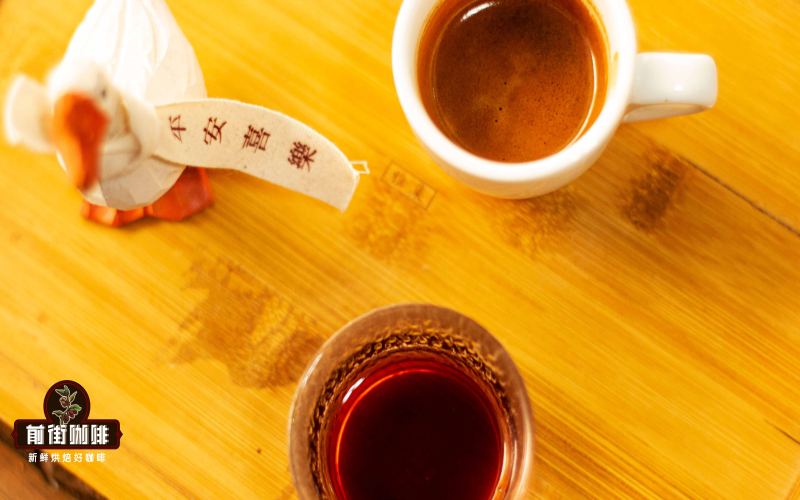
What Is SOE Single-Origin Espresso? Can It Be Brewed by Pour-Over? A Full Analysis of Its Origins, Flavors, and Mouthfeel
In recent years, SOE coffee has become increasingly common in the specialty coffee scene, and many cafés even feature it as their signature product. So what exactly does SOE mean? How does it differ from traditional espresso blends? Can single-origin coffee beans be used for pour-over? Starting from the definition of SOE, this article will sort out how it differs from blended coffee in terms of bean selection philosophy, roasting approach, and flavor expression, and, using specific beans such as Front Street Coffee's Yirgacheffe, Kenya, Huakui, and Brazil Queen's Farm, explain the respective characteristics of floral-and-fruity SOEs and chocolate-and-nutty SOEs. It will also discuss whether SOE is necessarily tastier than blends, as well as the freshness and extraction points to note when making SOE. [more…]

SOE Coffee Beans | What Do SOE Coffee Beans Mean? How Is SOE Single-Origin Espresso Made?
For more specialty coffee knowledge, please follow our WeChat official account: FrontStreet Coffee "Passing by a coffee shop, I noticed below the espresso menu it said [Switch to SOE for 3 yuan extra]." So what exactly is this SOE, and will it taste better if you switch to it! In this article, the barista [more…]
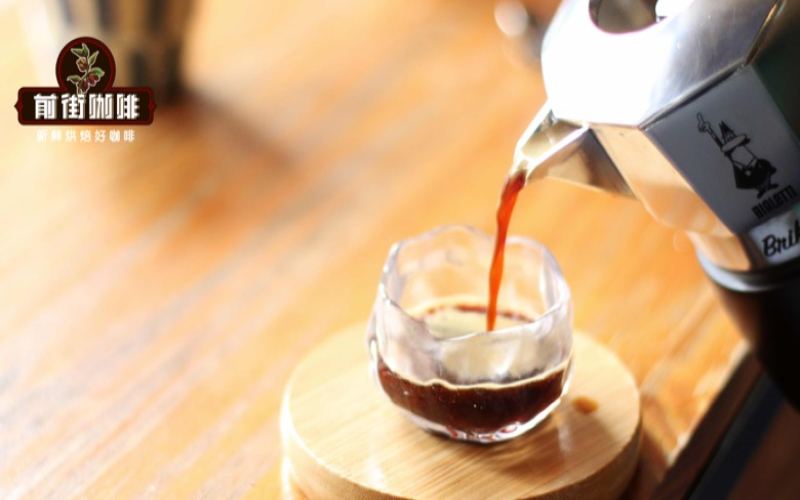
Origin Selection for Single-Origin Beans in a Moka Pot: The Rich Performance of Mandheling and Brazil
A moka pot doesn't have to be used only with blend beans—single-origin beans can also produce very distinctive results in a moka pot. With its steam-pressure extraction method, the flavors of a growing region are concentrated into a small cup of liquid, giving a mouthfeel that is thicker than pour-over but softer than espresso. Choose the right origin, and single-origin moka pot coffee can deliver unexpectedly good flavor. Indonesian Mandheling is for the moka pot. [more…]
Exploring 90+ Specialty Coffee: A Multifaceted Flavor Analysis of Panama Geisha and Ethiopian Heirloom Varieties
Ninety Plus is a highly esteemed brand in the specialty coffee world, renowned for its coffee beans from the Panama Geisha estate and multiple regions in Ethiopia, celebrated for their unique processing methods and richly layered flavors. This article will analyze one by one more than ten Ninety Plus coffee beans recommended by Front Street Coffee, including Juliette, Lotus Solstice, the Horizon series, Ginseng, Clinique, the Nectar series, and more, covering honey processing, natural processing, and patented Solkiln, Red processing, Ruby processing, and other techniques. From origin, harvest season, variety, Level, altitude to processing method and flavor description, it fully presents the individual characteristics of each bean, guiding you to appreciate the splendid expression of Geisha and Ethiopian heirloom varieties in terms of cleanliness, sweetness, fruity aroma, and vinous notes. [more…]
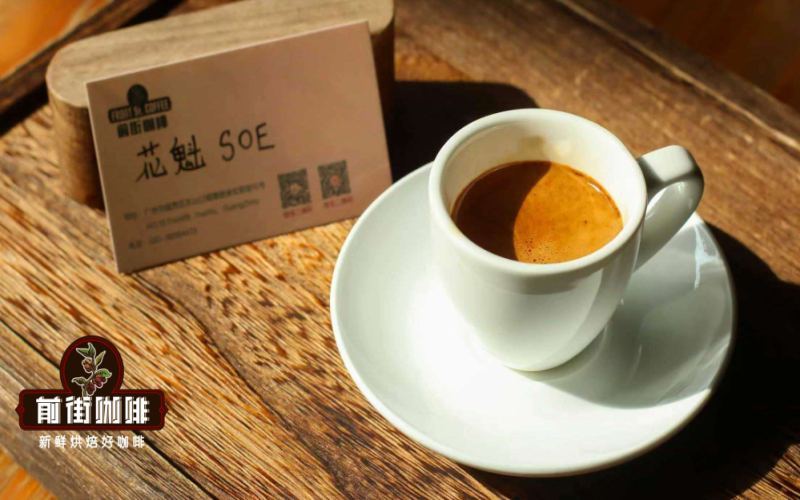
How to Choose SOE Coffee Beans? Yirgacheffe Flavor Analysis and Four Single-Origin Espresso Recommendations
SOE stands for Single Origin Espresso, which refers to espresso made from coffee beans of a single origin. It is not the same concept as single-origin coffee, but rather a relationship of inclusion and being included—single-origin beans can be used for pour-over, siphon, and also espresso, and only the latter is called SOE. Because the high temperature and pressure of an espresso machine amplify the flavors, making SOE places higher demands on bean quality, roast level, and extraction parameters. This article explains in detail the flavor characteristics of SOE made from beans from regions such as Yirgacheffe, and recommends four Front Street Coffee beans suitable for making espresso, to help you find the cup that suits your taste. [more…]
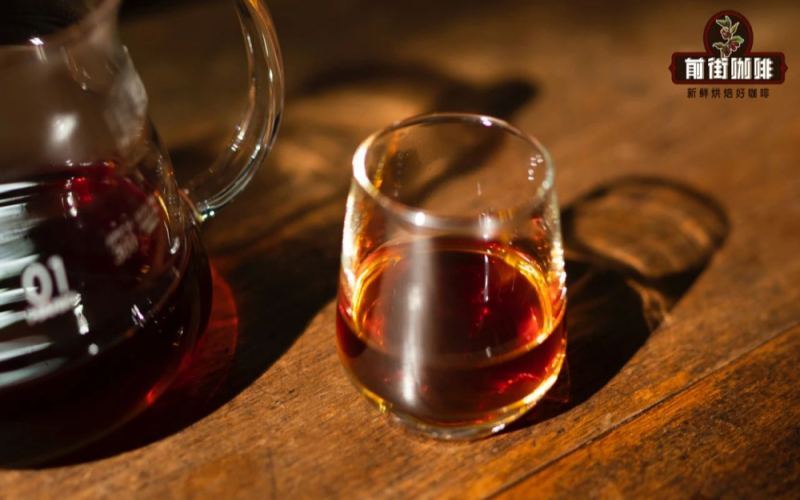
Single-Origin vs. Espresso Blend Beans: Can Blends Handle Pour-Over?
In today's world of increasingly popular specialty coffee, single-origin beans and blended beans each play an important role. The former is often used for pour-over, showcasing the terroir of its region; the latter is mostly used for espresso, pursuing stability and balance. But can blended beans really not be used for pour-over? And is it feasible to use single-origin beans for espresso? This article will, from the perspective of Front Street Coffee, deeply analyze the essential differences between the two, answer the feasibility of using blended beans for pour-over, and at the same time emphasize the importance of coffee bean freshness. Whether you are a pour-over enthusiast or an espresso player, you can gain practical ideas for choosing beans and brewing from it. [more…]