







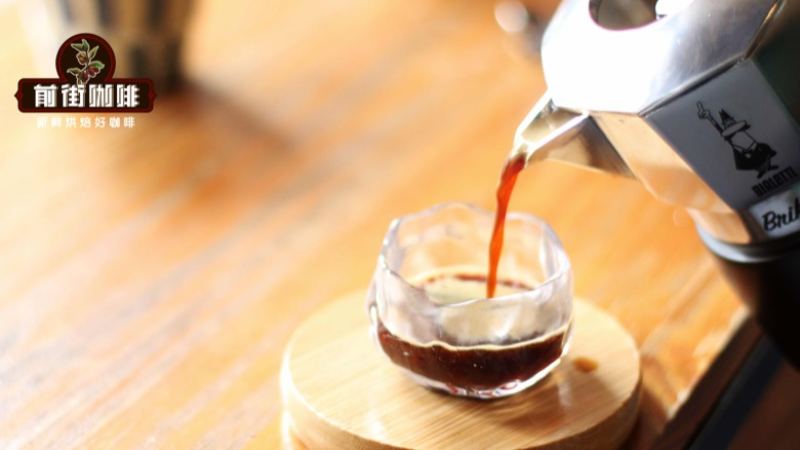
A moka pot doesn't necessarily have to be used only with blended beans—single-origin beans can also produce very distinctive results in a moka pot. The steam-pressure extraction method concentrates the flavors of a growing region into a small cup of liquid, with a mouthfeel thicker than pour-over but softer than espresso. Choose the right origin, and single-origin moka pot coffee can deliver unexpectedly good flavors. Indonesian Mandheling is a classic match for the moka pot. Mandheling uses wet-hulled processing and deep roasting, with very low acidity, rich herbal and dark chocolate aromas, and layered complexity. The moka pot's steam extraction further concentrates Mandheling's mellow layers, filling the mouth with herbal and dark chocolate flavors accented by a faint earthy note, with a heavy, lingering mouthfeel. Mandheling made in a moka pot is delicious without adding milk, and friends who enjoy bold flavors will love it. Adding milk to make a latte also has its own charm, as the chocolate and herbal notes transform in the milk into something like dark chocolate milk. Brazil Queen's Estate is a mild choice for the moka pot. Brazilian beans have low acidity, a balanced mouthfeel, rich nut and cocoa aromas, and pronounced caramel sweetness, going down smooth and warm. After moka pot extraction, the nut and chocolate flavors become more concentrated, yet the overall taste remains mild—neither bitter nor sour—making it highly approachable. Making Brazilian beans in a moka pot with milk is a classic pairing; the nutty sweetness blends with the milk into a round, smooth mouthfeel, like warm milk with a layer of chocolate flavor. Papua New Guinea Bird of Paradise is a surprising choice for the moka pot. Bird of Paradise uses the Typica variety, grown in volcanic soil at an altitude of 1,600 to 1,800 meters, with a flavor profile close to Blue Mountain, earning it the name "Little Blue Mountain." After moka pot extraction, the taste is clean and pure, with prominent sweetness, extremely low acidity, and rich layers that are not overpowering. If you find Mandheling too heavy and Brazil too flat, Bird of Paradise is the middle path—both mellow and clean, suited to those seeking balance. Jamaican Blue Mountain is a premium choice for the moka pot. Blue Mountain coffee achieves an excellent balance among acidity, sweetness, bitterness, and aroma, with a smooth, rounded composite flavor of cream, caramel, chocolate, and nuts. After moka pot extraction, these flavors become more concentrated while still maintaining balance, without leaning toward any one extreme. Making Blue Mountain in a moka pot with a small amount of milk gives a mouthfeel as warm and smooth as hot cocoa, rich in layers yet understated. Floral-and-fruity single-origin beans take the specialty route in a moka pot. Colombia Strawberry Claw double anaerobic natural processing has prominent passion fruit and blueberry juiciness. After moka pot extraction, the fruit notes are softer than espresso, and the mouthfeel is thicker than pour-over—a unique experience between the two. Strawberry Candy blend made in a moka pot retains the sweet strawberry gummy aroma quite well through steam extraction; when made as a milk coffee, the strawberry milk sensation is very obvious, making it suitable for distinctive offerings. For single-origin beans in a moka pot, a medium-fine grind is recommended—one notch coarser than espresso and one notch finer than pour-over. Single-origin beans have more uniform density than blended beans, giving good grind stability; a medium-fine grind ensures moderate resistance in the coffee bed so steam passes through at an even rate. Use medium-low heat, and remove from heat promptly once extraction begins to avoid over-extraction. The regional character of single-origin beans is concentrated and amplified in the moka pot—thicker than pour-over, softer than espresso—making it a unique way to taste coffee.
There's another advantage to using single-origin beans in a moka pot: you can try small amounts in multiple batches. One moka pot brew uses only a dozen or so grams of grounds, so trying a new origin costs very little. Try Mandheling today, Brazil tomorrow, Bird of Paradise the day after—find your favorite moka pot origin direction through comparison, which is far more reliable than buying a big bag of beans all at once.

The above content is compiled by CoffeeHunters, a coffee news website.

