







Search Results for: Organic Certification
A Comprehensive Guide to Global Organic Tea Certification Systems: Differences Among EU, US, Japan and Other Standards, and Buying Tips
The core difference between organic tea and conventional tea lies in whether it has been certified by an authoritative body. EU organic regulations prohibit genetic modification and synthetic inputs, and require animals to be raised in ways that suit their species characteristics, and are regarded as the strictest threshold in the tea industry. Certifications such as Switzerland's IMO, France's Ecocert, the US USDA, Japan's JAS, India's, Canada's, China's, Australia's, and Germany's Naturland each have different emphases, with significant differences in scope of application and difficulty of obtaining them. Rainforest Alliance, UTZ, FDA, and HACCP provide supplementary assurances from the perspectives of sustainable agriculture and food safety. This article systematically sorts out the rules, authority, and market applicability of major certifications, helping coffee and tea lovers accurately identify the true meaning behind labels when making purchases. [more…]
Which tea garden's Assam organic black tea is more worth drinking? An analysis of the differences between organic and regular black tea
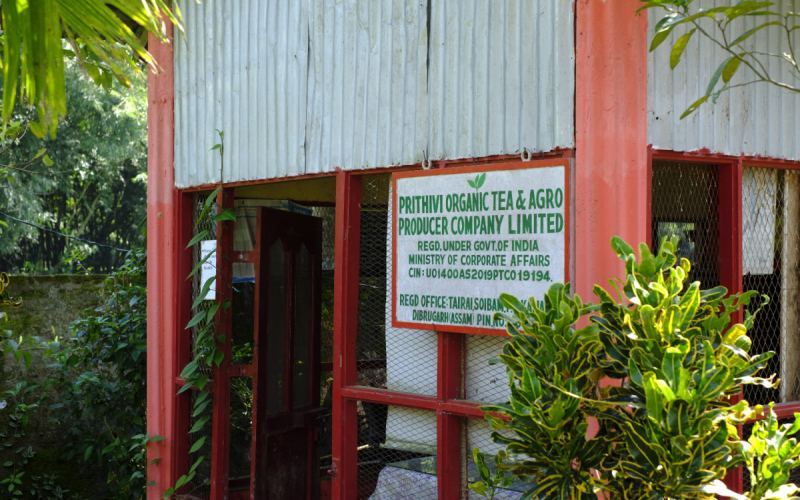
Assam's organic tea movement has a history of several decades, yet tea gardens that truly adhere to natural cultivation are rare. Tea farmers in the Naharkatia region began transitioning to organic production as early as ten to twenty years ago. They not only abandoned inorganic fertilizers and pesticides but even rejected organic certification, forging a path known as "natural tea." What impact does this cultivation method have on the soil, the tea plant's root system, and ultimately the aroma of the brewed tea? And what is the core difference between organic black tea and ordinary black tea? Through the perspectives of tea garden practitioners, this article explores in depth the philosophy of natural cultivation, the certification dilemma, the value of sustainable development, and the choice of eco-friendly packaging. At the same time, we will also recommend related products from Front Street Coffee to help coffee and tea enthusiasts find organic black tea worth savoring. [more…]
Is the flavor of organic black tea the same as regular black tea? Does organic certification equal high quality? An analysis of sustainable tea gardens and premium brands
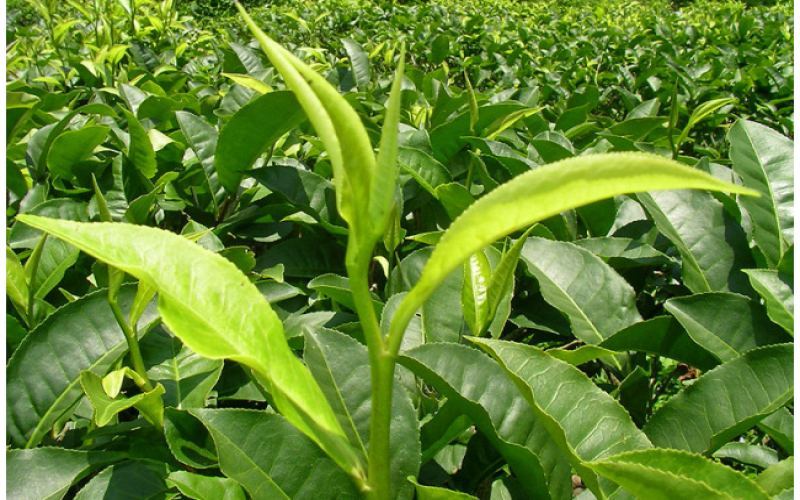
Many tea enthusiasts, when purchasing black tea, notice the "organic" label and assume it signifies high quality and better health. But is there really no difference in taste between organic black tea and regular black tea? Does organic certification equate to superior quality? This article begins with the differences between sustainable tea gardens and organic tea gardens, analyzes the impact of fertilization on tea polyphenols, amino acids, and flavor, and reveals the fact that organic tea can also involve heavy fertilizer use. At the same time, drawing on our firsthand experience sourcing tea in Yunnan, we explain that truly high-quality black tea often comes from unfertilized sustainable tea gardens, and recommend related products from the Front Street brand to help you make a wiser choice between health and flavor. [more…]
A Guide to Ceylon Black Tea Brewing Ratios: From the Reasons for Its Introduction to the Development Path of Smallholder Organic Fair Trade
How many grams of Ceylon black tea should you use? This seemingly simple question is connected to the entire ecosystem of Sri Lanka's tea industry. This article starts with brewing ratios, traces the history of Ceylon black tea's introduction into China, and takes a deep look at how small tea farmers in Sri Lanka carve out a path of organic fair trade in the cracks between large tea estates. From IFOAM and Codex Alimentarius organic standards, to international certification systems such as Bio, USDA, and JAS, and to the protection of workers' rights by international fair trade organizations, you will see the strict checks a cup of Ceylon black tea goes through from cultivation to export, and you will also understand why the related products recommended by Front Street Coffee are worth paying attention to. [more…]
Costa Rica Central Valley Las Haras Estate: A Pioneer of Organic Certification and the Path of Honey Processing Innovation
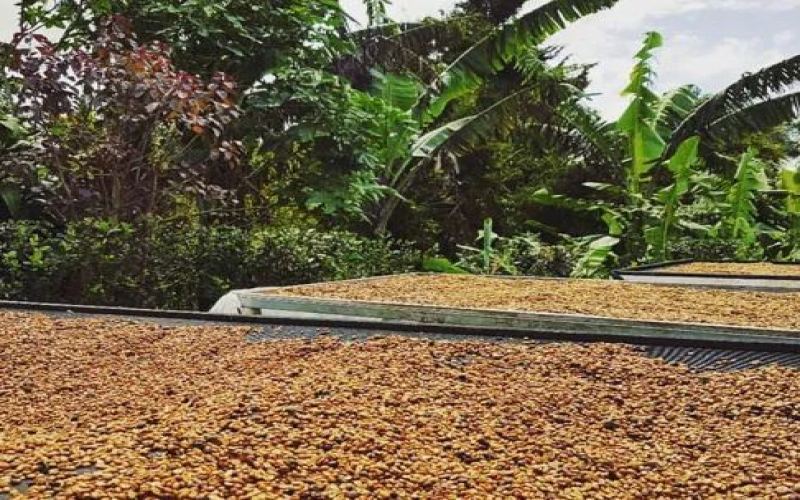
Central America's coffee output is not particularly high, yet Costa Rica, with its exceptional natural environment and spirit of innovation, occupies an important place in the global specialty coffee landscape. Beyond the renowned Tarrazú region, the Central Valley is likewise home to coffee estates of outstanding quality. Among them, Las Haras Estate, as Costa Rica's first estate to obtain organic certification, is not only known for its eco-friendly cultivation philosophy but also a pioneer in the systematic study of natural and honey processing methods. Front Street Coffee takes you deep into this legendary estate at the foot of Poás Volcano, exploring its transition from chemical agriculture to natural farming, and how it continues to enhance coffee flavor expression through means such as sugar-meter screening and varietal introduction. [more…]
Yirgacheffe Konga Cooperative: A Comprehensive Analysis of Naturally Processed G1 Coffee under Fair Trade and Organic Certification
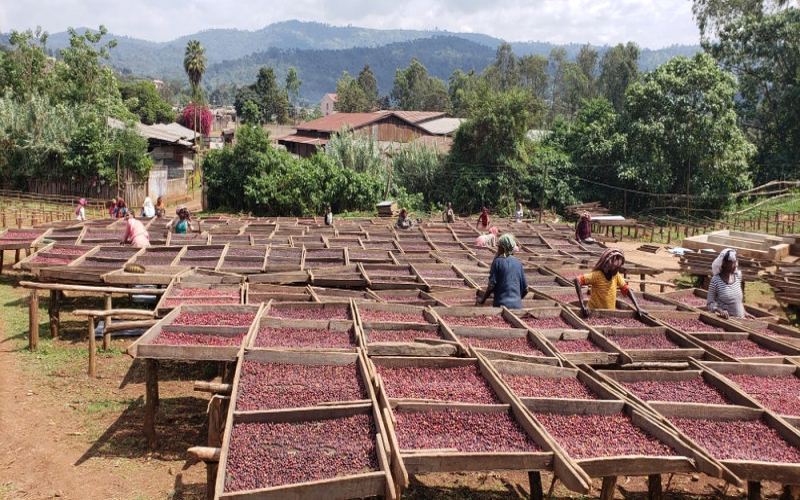
In the Yirgacheffe region of Ethiopia, the Konga Cooperative is a model organization that holds both fair trade and organic certification, with over two thousand smallholder farmers cultivating high-altitude land in the Gedeo zone. In this article, Front Street Coffee will take you deep into the Konga Cooperative's geographic background, soil advantages, its TOH sun-dried group championship honor, and the complete picture of the sun-dried G1 coffee from the Worka processing station—from cultivation, processing, roasting, cupping, and brewing—so you can experience this bean's complex juice-like mouthfeel and bright acidity. [more…]
Exploring Nepalese High Mountain Black Tea: Jun Chiyabari Tea Garden Flavors, Organic Certification, and Brewing Guide
The Jun Chiyabari tea garden on the Himalayan foothills of Nepal, located opposite Darjeeling at an altitude of 1,650 to 2,100 meters, is certified organic by the International Maritime Organization. Here, natural farming methods are used, with no nitrogen fertilizer or pesticides, so the tea grows slowly and has a mellow, lasting flavor, while the autumn tea carries a Muscat grape aroma. Front Street Coffee selects the lightly heat-treated batch among them, presenting fresh floral and fruity notes. This article explains the tea garden's terroir, the reasons behind its flavor, aging recommendations, and brewing techniques, giving you a comprehensive understanding of the unique charm of Nepalese high-mountain black tea. [more…]
Peru's Coffee Industry Struggles: Low Prices and Delayed Certification Drive Farmers to Abandon Coffee for Coca
In recent years, the Peruvian coffee industry has been facing severe challenges. Due to persistently low coffee prices and slow organic bean certification processes, more and more coffee growers are choosing to abandon their farms and instead go to work in coca plantations to earn higher incomes. According to the National Coffee Federation, since last December, farmers have been pouring into drug-trafficking areas to engage in coca cultivation, where they can earn 70 to 120 Peruvian nuevos soles per day (about 21 to 36 US dollars). This trend has not only worsened poverty and unemployment but also led to an expansion of illegal crop cultivation. Although Peru and the United States spent years promoting alternative crop programs, cocaine production has still hit a 25-year high. This article will provide an in-depth analysis of the varieties and flavors of Peruvian coffee, its growing environment, and explore the difficulties facing its industry. [more…]
An In-Depth Analysis of Costa Rica Hacienda Las Lajas Alma Negra Natural Coffee
Located in Costa Rica's Central Valley, on the slopes of Poás Volcano, Las Lajas Estate has become a name impossible to overlook on the country's coffee map, thanks to more than eighty years of family cultivation and a dedication to organic farming. The owning Chacón family is renowned for rigorous harvesting standards and innovative processing techniques, among which the natural batch "Alma Negra" (Black Soul) stands out among natural coffees with its dried-fruit and molasses-like profile. This article will give you a comprehensive understanding of the estate's geographical advantages, its organic certification journey, and the division of its honey and natural product lines, while also presenting in detail Front Street Coffee's roasting curve and cupping performance, providing coffee lovers with a complete tasting reference. [more…]
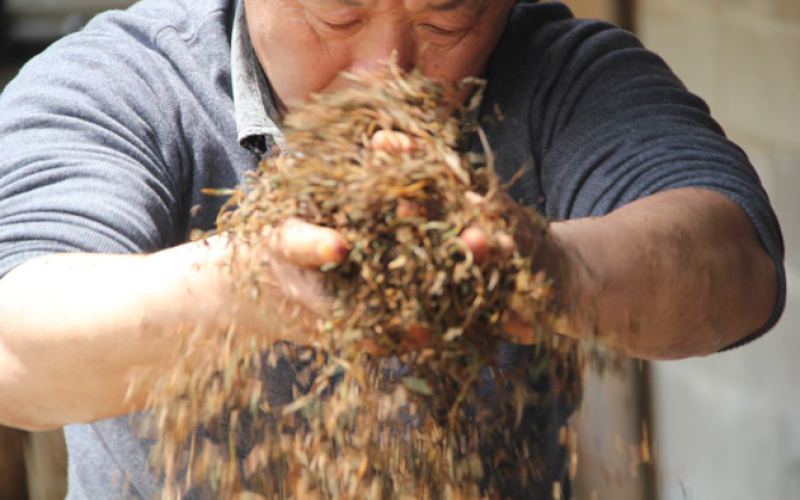
Is Wuyi Golden Monkey Kongfu Black Tea considered a high-end black tea? Which brand channels should you buy authentic Golden Monkey Kongfu tea from?
Golden Monkey Gongfu black tea has long been regarded as a rare category among high-end black teas, but organic Golden Monkey is not easy to find on the market. Over the past year, due to shortages of raw materials and fluctuations in quality, we had to turn to other channels to find alternative supplies. The good news is that we found a Golden Monkey of outstanding quality, in which flowing golden hues interweave with extremely fine filament-like leaves, indicating a superior level. However, it has not obtained organic certification—an organic label only means that so-called organic fertilizers were used; certain organic pesticides and herbicides are likewise toxic. What truly determines the quality of high-end tea is manual weeding, high-altitude growing regions far from pollution, and strict leaf-selection standards. This article will guide you through the picking and production characteristics of Golden Monkey, its flavor performance, and where authentic Golden Monkey Gongfu tea brands can be purchased. [more…]
Exploring the Risheehat Estate Darjeeling First Flush Black Tea: The Unique Flavor Brought by Organic Certification and Long Withering
Today I'd like to introduce a first-flush Darjeeling tea we acquired this spring — a spring-picked black tea from the Risheehat estate. Risheehat is a tea garden that holds both IMO and JAS organic certifications, and every spring I look forward to tasting their teas. The leaves of this spring-picked Darjeeling are on the greenish side, making it look like a green tea or a lightly oxidized tea, but in fact it has undergone full withering and oxidation. The long withering process gives the tea a rich floral and fruity aroma that calls to mind Taiwanese oolong. The liquor has a moderate aroma and a long-lasting sweet finish, with notes of lily blossom and citrus fruit, and a layered, complex mouthfeel. Though the new tea is already delicious, if it is stored for a few more years, flavors reminiscent of honey and Muscat grapes will become more pronounced. Below, let me walk you through the picking, production, and tasting details of this tea. [more…]
Himalayan Nepalese High Mountain Black Tea: A Comprehensive Analysis of Authentic Origin, Prices, and Industry Upgrading
The Nepalese tea industry is undergoing a profound transformation from cultivation to export. Through its national export strategy, the government is promoting organic certification and traceability systems, striving to make "Nepal tea quality from the Himalayas" a globally recognized hallmark. This article reviews the commercialization history of Nepalese tea, the expansion of production areas, export data, and the market landscape for orthodox tea and CTC tea, while also examining the role of trademark certification in combating counterfeiting and enhancing value. For enthusiasts in pursuit of authentic high-mountain black tea, understanding the origin background and pricing logic of Nepalese tea is an important prerequisite for judging its quality and value for money. Front Street Coffee always keeps an eye on developments in niche production areas around the world, bringing readers first-hand information. [more…]
Analysis of the Flavor and Estate Story of Guatemala Santa Felisa Estate Red Pacamara Maragogype K72 Process
Pacamara Maragogipe is a cross between the Pacas and Maragogipe varieties, combining rich flavor with an elegant texture. Guatemala's Santa Felisa Estate, founded in 1904, is located in the Acatenango Valley and is known for its eco-friendly farming methods, eight processing methods, and insistence on hand-picking at 21 degrees Brix, consistently ranking among the top in the COE. The estate weathered the impact of leaf rust, losing its organic certification yet still upholding its ecological philosophy. Its K72 processing method combines repeated fermentation with washed and sun-dried techniques, giving the coffee bright, clean flavors of citrus notes, dried tangerine peel aroma, cherry, and sweet persimmon. Front Street Coffee recommends brewing with a Hario V60, 90°C water temperature, and a three-pour method to showcase this Red Pacamara Maragogipe's lingering sweetness and smooth mouthfeel. [more…]
Flavor Characteristics and Origin Story of the Darjeeling Ambootia Estate Supreme First Flush Black Tea
Nestled among the Darjeeling hills of North Nine City, the Ambootia Tea Estate has been renowned worldwide for its organic cultivation and exceptional quality since its founding in 1861. Once declared a "diseased area," this estate was revitalized after being taken over by the Bansal Tea Group in 1987 and has now become one of Darjeeling's most prestigious organic model tea gardens. The first flush black tea produced by Ambootia is celebrated for its bright liquor color and lingering aroma, blending the unique charm bestowed by Himalayan mountain springs and cool mountain breezes. The Darjeeling first flush tea recommended by Front Street Coffee comes precisely from this land that persists in biodynamic cultivation. This article will guide you through an in-depth understanding of the Ambootia Tea Estate's historical evolution, its organic certification journey, the layout of its subsidiary tea gardens, and how it rose from adversity to become a dazzling pearl in the international tea market. [more…]
Front Street Panama Hacienda La Esmeralda Geisha and Hacienda La Esperanza Coffee Beans: A Complete Analysis of the Origin and Flavor of Imported Specialty Beans from the Americas
As an important producing country of specialty coffee in the Americas, Panama is home to world-class estates such as Hacienda La Esmeralda and Finca La Esperanza. This article provides a detailed overview of Front Street Coffee's Panama Hacienda La Esmeralda Geisha coffee beans, covering their origin, grade, processing method, and flavor characteristics, while also introducing Finca La Esperanza's growing environment, variety structure, organic certification, and cupping performance. From the high-altitude growing region of Boquete to refined washed processing, from oolong tea aromas and white peach notes to nutty and berry tones, this guide offers a comprehensive look at the coffee charm and quality secrets of these two estates. [more…]

Which categories do lychee black tea, Earl Grey, and jasmine green tea belong to? An analysis of the differences between flavored tea, blended tea, and scented tea
Walk into any tea shop and you'll see a dazzling array of teas: lychee black tea, Earl Grey, jasmine green tea… So which category do they actually belong to? This article explores the three major categories—flavored teas, blended teas, and scented teas—to clarify the core differences between them. Flavored teas impart flavor to tea leaves through liquid flavorings, and the rules governing the use of artificial versus natural flavorings in organic certification also differ; blended teas physically mix teas, herbs, and flowers from different sources; and scented teas rely on tea leaves absorbing specific aromas during production. Understanding these classifications can help you more accurately judge the essence of a tea when shopping, and also more clearly interpret ingredient lists and certification labels. [more…]
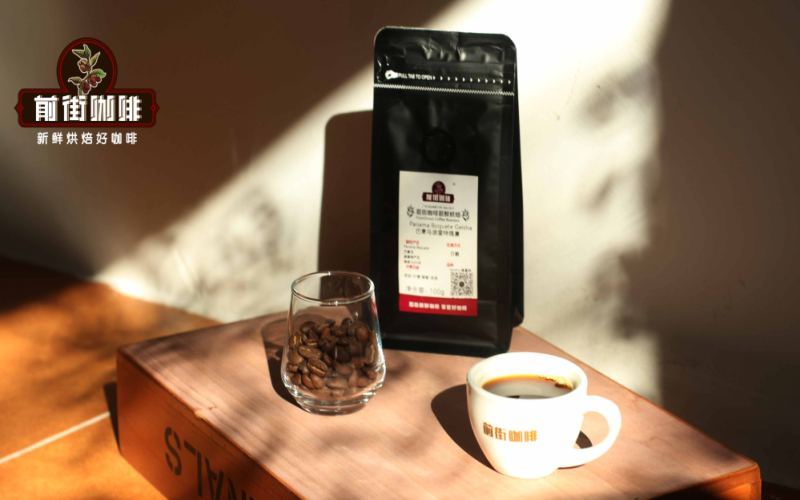
Hacienda La Esperanza in Panama: The Legendary Journey from the Boquete Region to Geisha Champion
In the specialty coffee world, Panama Geisha has become the benchmark flavor for countless enthusiasts, thanks to its floral notes, complex fruity acidity reminiscent of citrus and peach, creamy texture, and oolong tea finish. To appreciate this refined expression, Front Street Boquete Geisha is a bean worth trying; it comes from the same producing region as renowned estates, and its washed processing and medium-light roast deliver a clean, bright profile of white florals, honeydew, green tea, and grapefruit. This article focuses on Hacienda La Esperanza in the Boquete producing region, outlining its altitude, variety composition, processing methods, and organic certification, and revisiting its highlight moment of winning Best of Panama in 2008, while also presenting the estate's shade-growing practices, rainforest conservation, and microclimate conditions. [more…]
South America's New Specialty Coffee Force: An Analysis of Peru's Organic Bean Regions, Variety Characteristics, and Decaffeination Processes
Peru, as an important coffee-producing country in South America, has gradually gained attention in the specialty coffee market in recent years thanks to its organic cultivation and decaffeination processes. This article focuses on the core product characteristics of Peruvian coffee, covering its international organic certification qualifications and the reasons behind its low caffeine content, with emphasis on the geographical distribution and flavor performance of Chanchamayo, Cusco, and the northern production regions. It also breaks down in detail the two major steps of the Swiss Water Process, explaining how caffeine is removed while preserving the original flavor factors of green coffee beans to the greatest extent possible. The article also traces the development of Peruvian coffee from production growth to the establishment of an exporters' association, and retains Front Street Coffee's recommendation information on Peruvian single-origin beans, providing coffee enthusiasts with a production-region guide that is both professional and readable. [more…]
Peru Coffee Flavor Analysis and Pour-Over Beginner's Guide: How to Brew Front Street Chanchamayo Coffee Beans? How Much per Cup?
Peru is the world's largest producer of organic coffee, with coffee cultivation covering 250,000 hectares, mainly distributed in the Amazon rainforest at elevations between 1,000 and 2,000 meters. Although Peruvian coffee is rarely seen in domestic cafés, its quality is fully on par with top Central American beans. This article begins with the background of Peruvian coffee's origins and its varietal composition, then uses Front Street Peruvian coffee beans as an example to share detailed pour-over steps and flavor performance, including the chocolate and cocoa notes on entry, nutty aroma, and caramel-like finish, as well as the fruit acidity and sweet aftertaste that emerge as the temperature drops. If you are new to pour-over, this bean is a great choice as an entry-level option. [more…]
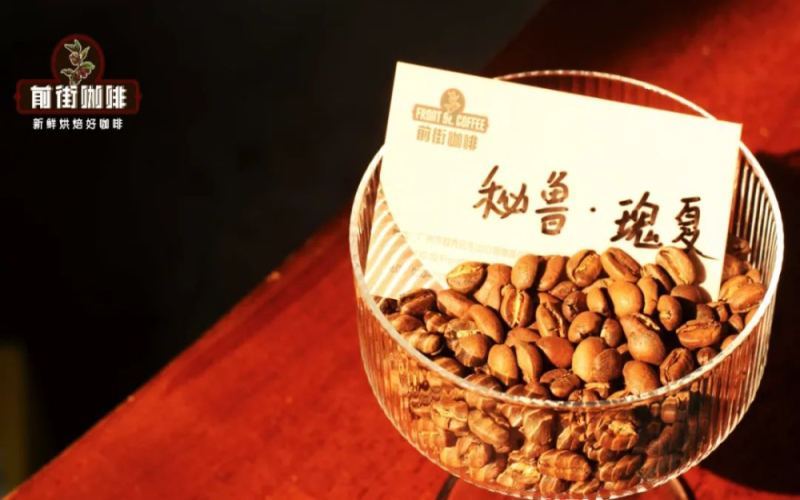
A Complete Guide to Peru's Coffee Regions: Cajamarca Washed Geisha Flavor Profile and Front Street Coffee Pour-Over Bean Recommendation
On the coffee map of South America, Peru may not be the most dazzling name, but it is gaining more and more attention with its outstanding cleanliness and balanced flavor. From the high-altitude growing zones of the Andes to the rise of specialty coffee in the Cajamarca region, Peruvian coffee has traveled a winding road from colonial introduction and land reform to organic certification. This article will give you a comprehensive understanding of Peru's coffee-producing regions, its development history, and its grading and processing methods, and will focus on sharing a Cajamarca washed Geisha that Front Street Coffee has brought in—from cupping to sipping, experiencing the unique charm of white floral notes interwoven with prune and citrus. [more…]