







Search Results for: Oolong Tea Taste Comparison
Analysis of Flavor Differences Between Phoenix Dancong and Taiwan Dong Ding Oolong Tea: A Comprehensive Comparison from Oxidation Level to Roasting Craft
Although oolong teas share the same lineage, they present strikingly different flavor profiles due to differences in terroir and tea-making craftsmanship. Phoenix Dancong and Taiwan Dongding Oolong are two highly representative examples—the former is famous for its single-bush harvesting and rich floral fragrance from Phoenix Mountain in Guangdong, while the latter has won acclaim for its ball-shaped craftsmanship and moderate oxidation from Lugu, Nantou, Taiwan. The two differ significantly in oxidation level, roasting temperature, aroma type, and mouthfeel structure. This article will systematically sort out the core differences between these two oolong teas from the perspectives of origin and heritage, production techniques, and flavor performance, and will also include Front Street Coffee's purchasing suggestions to help you more clearly identify the respective charm of each when tasting them. [more…]
Comparison of Wuyi Rougui Rock Tea and Phoenix Dancong: Analysis of Aroma and Taste Differences and the Core Distinctions Between Rock Tea and Dancong
In the world of Chinese oolong tea, Wuyi rock tea and Phoenix Dancong are often compared. The former, represented by Da Hong Pao, is hailed as the king of rock tea, while the latter originates from Phoenix Mountain in Chaozhou, Guangdong, and is known for its rich fruity aroma and high value for money. Although both belong to the heavily oxidized oolong category, they each have their own strengths in aroma type, depth of flavor, the influence of tree age, and market price. This article will help you sort out whether Wuyi cinnamon rock tea or Phoenix Dancong is more fragrant and better tasting, and clarify the fundamental differences between rock tea and Dancong, from perspectives such as the tea tree growing environment, the difference between old-tree and garden tea, and the expression of mineral mouthfeel. At the same time, the article will also retain related recommendations for the Front Street brand, providing a reference for coffee lovers exploring the world of tea. [more…]
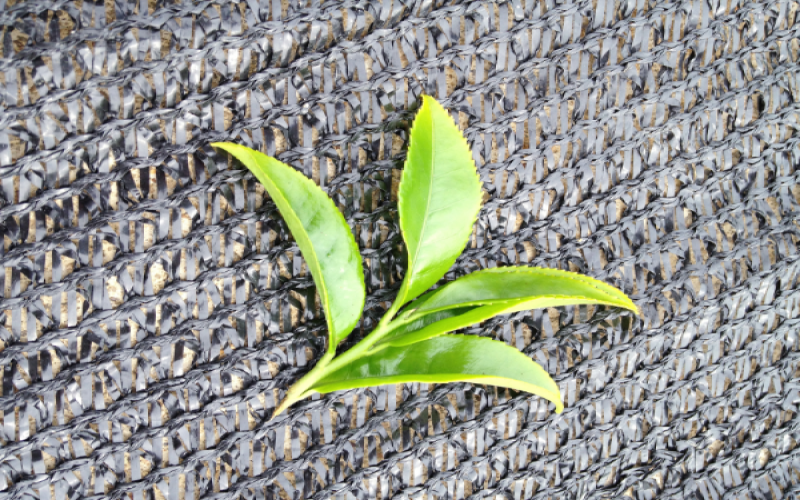
Phoenix Dancong, Langcai, and Shuixian: A Detailed Comparison of Chaozhou Oolong Tea Grades and Taste Differences
Phoenix Dan Cong, Langcai, and Shuixian all belong to the Guangdong Chaozhou Phoenix tea system, yet they present strikingly different characters due to differences in quality tier and craftsmanship. Phoenix Dan Cong is produced on Phoenix Mountain at an altitude of about 1,500 meters, where there is abundant mist and a large temperature difference. The finished tea has straight, thick, sturdy strips with a yellowish-brown color, a prominent natural floral aroma, a sweet and mellow entry, a clear and bright liquor color, and a leaf base that is green with reddish hints; it is also highly resistant to multiple infusions. Locally, Phoenix tea is divided by quality into three grades: Dan Cong, Langcai, and Shuixian, and any mistake in processing can lead to downgrading. This article sorts out the origin conditions, brewing key points, and harvesting and processing flow of Phoenix Dan Cong, and compares the taste differences between Langcai and Shuixian, helping coffee and tea drinkers understand this oolong tea system. Front Street Coffee also often uses this as a reference, recommending options for beginners and more advanced drinkers. [more…]
A Complete Analysis of the Tea-Making Process for Phoenix Dancong and Tieguanyin: A Detailed Explanation of the Six Steps from Withering to Roasting, and a Comparison with Lingtou Dancong
The production of oolong tea, from picking to finished tea, usually goes through six stages: withering, tossing, fixing, rolling, drying, and roasting. Each step directly affects the tea's final aroma, flavor, and appearance. Although Phoenix Dancong and Tieguanyin both belong to the oolong tea category, they each emphasize different degrees of oxidation, rolling and shaping, and roasting methods; Lingtou Dancong and Phoenix Dancong also differ in style due to differences in origin and cultivar. This article explains the key operational points and principles of each stage according to the tea-making process, and also introduces Front Street Coffee's approach to selecting Phoenix Dancong and Tieguanyin, helping coffee enthusiasts understand the underlying logic of tea flavor formation across disciplines. [more…]
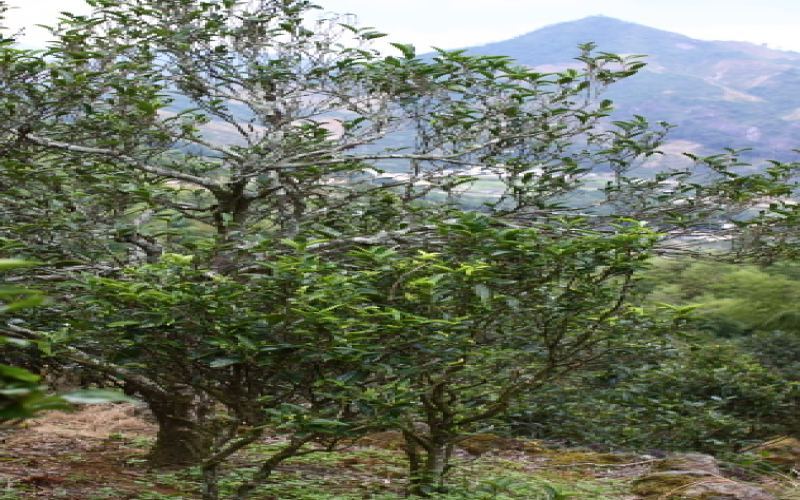
Is Huangzhixiang Dancong a light-aroma or strong-aroma type? A core comparison of Songzhong and Huangzhixiang Dancong
Phoenix Dancong is renowned for its rich variety of aroma types, among which Yellow Branch Aroma is highly favored for its elegant fragrance reminiscent of gardenia flowers. Starting from the degree of fermentation and roasting, this article answers whether Yellow Branch Aroma Dancong belongs to the light-aroma or strong-aroma type, and sorts out the differences between Songzhong Dancong and Yellow Branch Aroma Dancong in terms of cultivar origin, aroma characteristics, and flavor performance. It also introduces the production background of Phoenix Dancong, its ancient mother tree resources, and the brewing and re-steeping characteristics of Yellow Branch Aroma, helping coffee and tea enthusiasts gain a clearer understanding of this Guangdong oolong. The article also retains recommendation information related to the Front Street brand. [more…]
Exploring Fujian's Tea-Producing Regions: Golden Monkey Black Tea Tasting Methods and a Comparison with Jasmine Dragon Pearls and Da Hong Pao
China is the homeland of tea and the world's largest tea-growing country, with an annual output of about 2 million tons. Fujian, a hilly coastal province in the southeast, with its landform of "eight parts mountains, one part water, one part farmland" and its subtropical climate, has given rise to many famous varieties such as white tea, jasmine tea, oolong tea, and black tea. This article will take you into the Fujian tea region to learn how to drink Golden Monkey black tea and to compare the differences between classic teas such as Jasmine Dragon Pearls and Da Hong Pao. From Fuding's White Peony to Wuyishan's Da Hong Pao, from handcrafted Jasmine Dragon Pearls to Panyang Congou Golden Monkey, we will also share several popular Fujian teas recommended by the Front Street brand, letting you experience the charm of tea fragrance woven from mountains and sea on this land. [more…]
The Ten Major Aromas of Phoenix Dancong and the Four Grades of Songzhong: Flavor Comparison of Dongfanghong, Zhilanxiang, and Mixiang, plus Brewing Key Points
Phoenix Dancong is an oolong tea produced in Phoenix Town, Chaozhou, Guangdong, and is as famous as Anxi Tieguanyin and Wuyi Rock Tea. Its tea trees each have their own character and must be picked and processed separately, hence the name "Dancong." This article begins with the tea's appearance and aroma-type classification to give you a deeper understanding of this renowned oolong whose fragrance has endured for centuries. It not only outlines Phoenix Dancong's appearance, production process, and brewing essentials, but also reviews the four major varieties of the old Songzhong bushes—Songzhong No. 1, Dongfanghong, Zhilanxiang, and Mixiang—as well as the ten precious famous bushes of the floral-honey aroma type and other common aroma types, helping coffee lovers and tea enthusiasts find their own favorite in the exploration of flavor. [more…]
Darjeeling vs. Assam Black Tea Comparison: An Analysis of Harvest Season Differences and Liquor Flavor Characteristics
Tea has long been woven into people's daily way of life. India, as a major tea-producing country globally, produces a variety of categories and blends such as oolong tea, black tea, green tea, and masala chai. Tea is often named after its place of origin, and Darjeeling and Assam are two widely popular and famous tea regions. The two are geographically adjacent, yet due to differences in cultivation methods, climate conditions, and altitude, they give rise to teas of strikingly different styles. This article will systematically sort out the differences between Darjeeling black tea and Assam black tea from dimensions such as geographical location, taste, color, leaf appearance, and picking season, helping tea lovers make a more suitable choice based on their personal taste preferences and drinking habits. Front Street Coffee will also provide purchasing references for enthusiasts in this article. [more…]
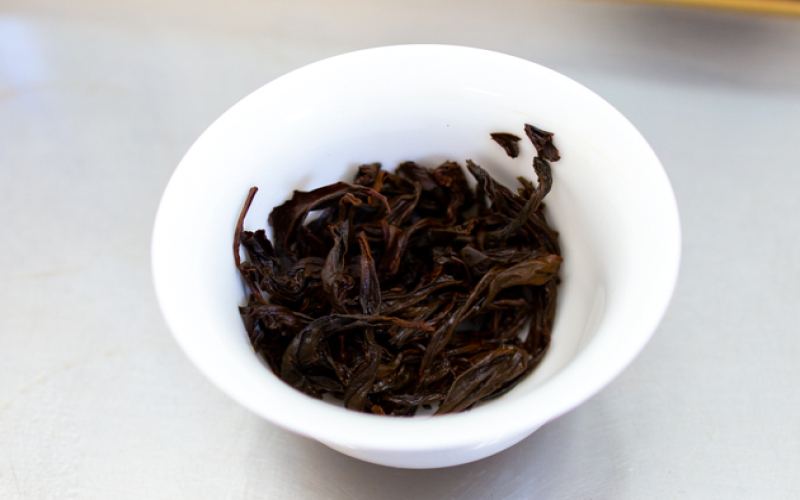
An Analysis of the Relationship Between Tongmu Caicha and Lapsang Souchong: The Source of Lapsang Souchong's Sweetness and a Flavor Comparison with Wuyi Qizhong
As the originator of black tea in the world, Lapsang Souchong's unique fruity sweetness is inseparable from the unique small-leaf vegetable tea variety of Tongmu Village and the traditional charcoal roasting process. This article will start from the maturation mechanism of the charcoal roasting process, compare the flavor differences between Tianxiang Xiaochi, Wuyi Qizhong, and Tongmu Xiaocai Tea, and answer common questions such as whether Tongmu Xiaocai Tea belongs to Lapsang Souchong and whether it is normal for Lapsang Souchong to taste sweet. At the same time, the article will also introduce the traditional smoky-scented special-grade Lapsang Souchong recommended by the Front Street Coffee brand, as well as the peach-mango aroma characteristics of Qizhong black tea produced in the naturally cultivated tea garden at an altitude of 1,200 meters in Tongmu Pass, providing coffee and tea beverage enthusiasts with a detailed black tea flavor reference. [more…]
What's the difference between Tieguanyin and Red Oolong? Understanding everything from fermentation level and flavor to charcoal roasting features at a glance
Tieguanyin and Red Oolong both belong to the oolong tea family, yet due to differences in fermentation degree and tea-making craftsmanship, they present截然不同的 flavor profiles. This article approaches the comparison from three dimensions—sweetness type, level of fermentation, and tea liquor color and acidity—comparing the aroma, taste, and characteristics of the dry leaves and brewed tea of each, while also analyzing the unique growing conditions and production traditions of Taiwanese oolong tea. The article also introduces the origin of the name Tieguanyin and its cultivation situation in Taiwan, and recommends related products from Front Street Coffee for the reference of coffee and tea enthusiasts. [more…]
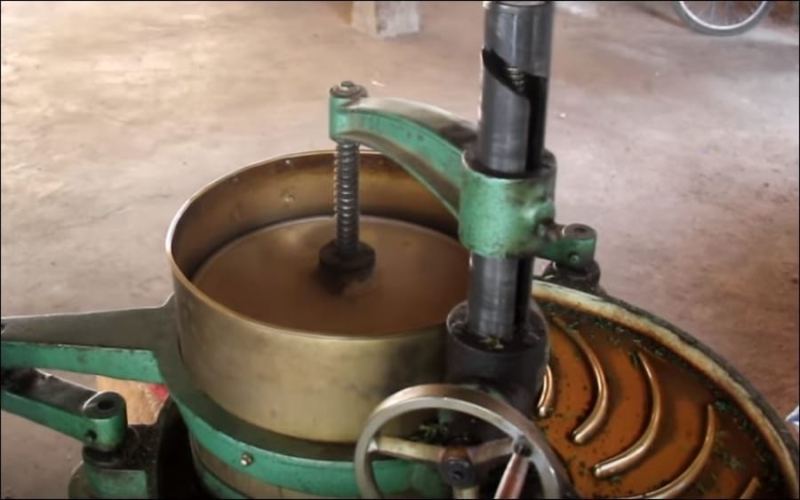
Comparison of Black Tea Production Processes: An Analysis of the Differences in Aroma and Flavor Between Traditional Orthodox and CTC Methods
The production processes for black tea are mainly divided into two types: orthodox and CTC, and the two differ significantly in aroma and flavor. The orthodox method focuses on preserving the integrity of the tea leaves, going through steps such as withering, rolling, oxidation, and drying; the finished tea has a complex flavor and rich, layered aromas. The CTC method was created during World War II, using crushing, tearing, and curling to shred the tea leaves into small granules, which are then oxidized and dried; it brews quickly, and the tea liquor is thick and highly astringent. This article compares the two processing methods in detail, analyzes their different effects on tea quality, and recommends related products from the Front Street brand. [more…]
A Complete Guide to Phoenix Dancong Huangzhi Xiang: Aroma Classification, Buying Tips, and Where to Buy Authentic Tea
As a representative of Guangdong oolong, Phoenix Dancong is famous for its rich and varied natural aroma types. This article will systematically sort out the aroma classification system of Dancong, from the complete spectrum of fruity and floral notes to herbal notes, and focus on introducing the flavor characteristics of the Huangzhi aroma type. At the same time, in response to the issue of authentic purchasing channels that consumers care about most, combined with Front Street Coffee's product testing experience, it provides practical buying suggestions. Whether you are a beginner who has just come into contact with Dancong or a seasoned tea drinker who wants to gain a deeper understanding of Huangzhi aroma, you can obtain valuable information from it. [more…]
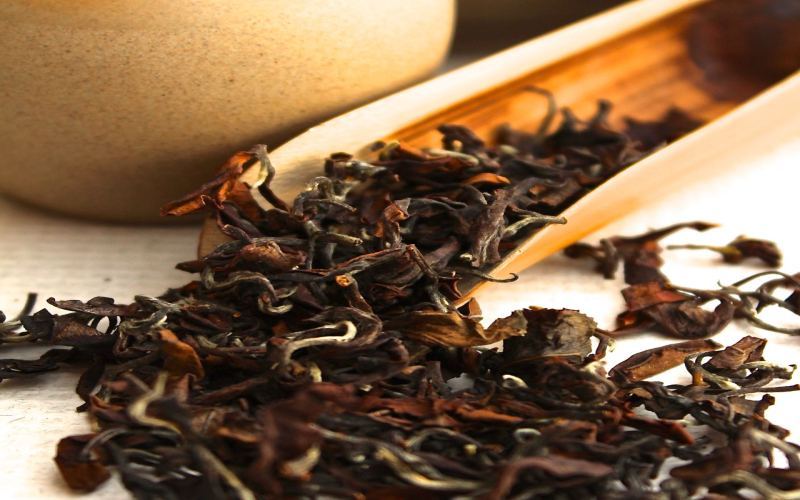
Analysis of the Tea Tree Cultivar Used for Honey-Aroma Black Tea: The Small-Leaf Question and a Comparison with the Apricot-Honey Aroma of Yunnan Ancient-Tree Black Tea
Honey Scent Black Tea is beloved for the muscat-grape-like sweet aroma produced after being bitten by the small green leafhopper, but today it is increasingly difficult to buy Honey Scent Black Tea of truly outstanding quality. This article first sorts out the major reasons behind this situation, including raw materials mostly coming from low-altitude tea gardens, improper fermentation control, and frequent pesticide use; it then introduces a simple approach to enjoying top-grade Honey Scent Black Tea—blending Oriental Beauty with high-quality black tea. Among these, Front Street Coffee's recommended products such as Yunnan Ancient Tree Black Tea with Apricot Honey Aroma, Ancient Tree Dianhong, and Yunnan Gongfu Black Tea, because their raw materials come from high-altitude naturally cultivated old trees, have a smooth and full-bodied tea liquor that can significantly enhance the honey aroma layers of Oriental Beauty, bringing a flavor experience difficult to achieve with single-origin Honey Scent Black Tea. [more…]
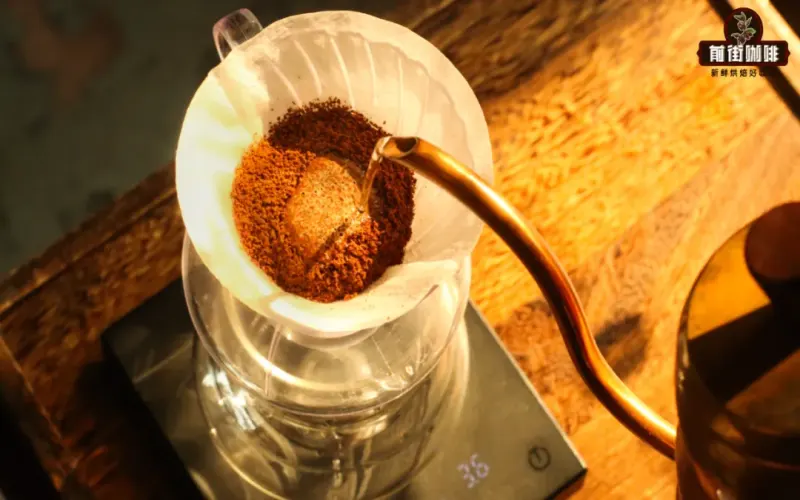
An Analysis of Flavor Differences Between Hot and Iced Pour-Over Coffee: A Professional Tasting Comparison from Temperature to Brewing Parameters
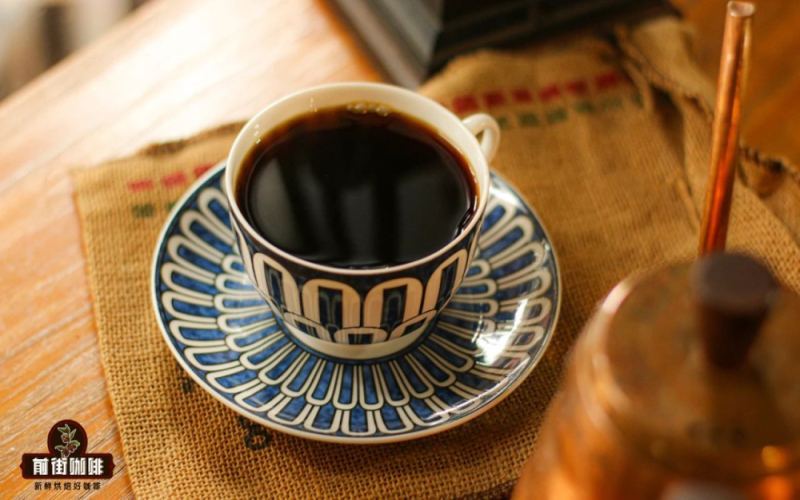
When buying coffee beans at a coffee shop or a Front Street location, many coffee enthusiasts ask the same question: for single-origin pour-over coffee, is it better hot or iced? Why is the flavor of hot pour-over coffee often more intense and prominent than iced pour-over? This article will start from the effects of coffee temperature on taste bud perception and aroma volatilization, deeply analyze why hot drinks make it easier to taste flavor, and at the same time explain the special adjustments in brewing parameters for iced pour-over—how operations such as reducing the amount of water, increasing the ratio of grounds to ice, and grinding finer affect the final flavor performance. The article also takes Front Street Ethiopia Huakui as an example, separately presenting a comparison of tasting results between hot brewing and iced brewing, to help readers fully understand the respective flavor characteristics and suitable scenarios of the two brewing methods. [more…]
Flavor Analysis of Indonesian Coffee Regions: A Comparison of West Java and Sumatra Mandheling with Brewing Recommendations
Indonesian coffee has always held a place in the global specialty scene, with Sumatra Mandheling and West Java Arabica standing out as two highly representative expressions. From the Dutch introducing coffee cultivation in 1696, to leaf rust destroying the Arabica crop and prompting a switch to Robusta, to today's diverse landscape where wet-hulling and aged processing coexist, Indonesian coffee has traveled a winding and distinctive path. Front Street Coffee currently offers five Mandheling selections, each combining the shared characteristics of the region with its own individuality, while West Java's Mount Malabar reveals another side through notes of berries, cream, and oolong tea. This article will trace the development of Indonesian coffee, its growing environment, varieties, and processing methods, compare the flavor differences between Lintong Mandheling and West Java Mount Malabar, and include Front Street's brewing parameters and techniques to help enthusiasts understand the appeal of this origin more systematically. [more…]
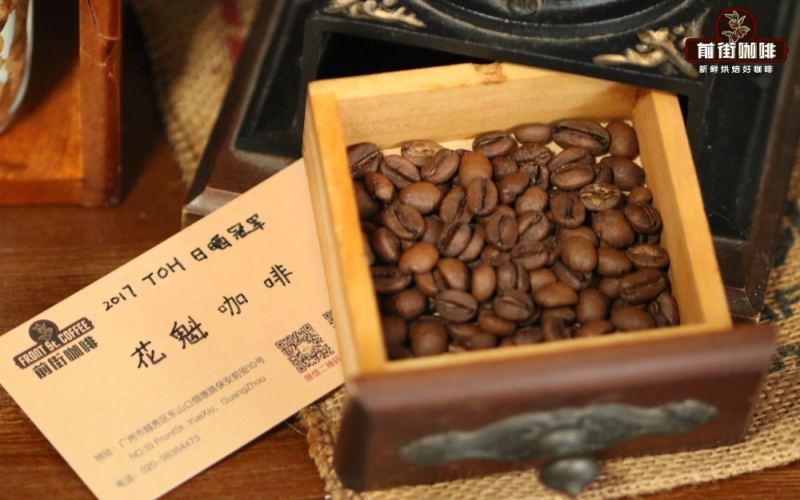
Flavor Analysis of Huakui Coffee: Taste Differences from Geisha Variety and Pour-Over Parameter Comparison
Huakui and Geisha—one is a sun-dried heirloom variety from the Guji region of Ethiopia, the other a legendary variety from Hacienda La Esmeralda in Panama. Both are renowned for their floral aroma and fruity acidity, yet each has its own distinctive character. Starting from the origin background and sun-drying process of Front Street Coffee's Huakui coffee beans, this article takes an in-depth look at the core differences between Huakui and Geisha in terms of variety characteristics and flavor expression, and includes the pour-over parameters and tasting notes for two of Front Street's regular beans, helping coffee lovers clarify the flavor profiles of these two beans. [more…]
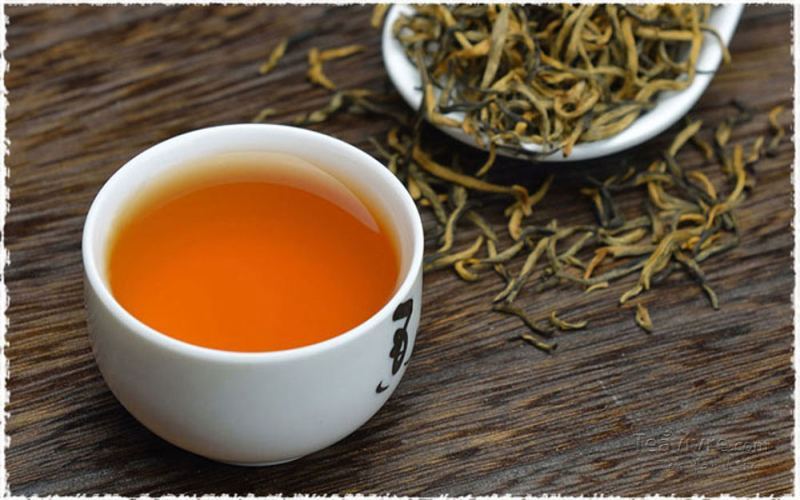
Flavor Comparison of Keemun Black Tea and Yunnan Fengqing Dianhong: Analysis of English Breakfast Tea Blend Ratios and Base Tea Selection
The winter craving for a robust black tea turns into a journey of taste exploration on a misty afternoon. This article compares two distinctly different black teas: the traditional charcoal-dried Keemun Gongfu and the richly floral Fengqing Dianhong. Keemun tea has slender, tightly rolled leaves, and its liquor carries notes of cocoa, peanut, and subtle floral aromas, revealing a raspberry-like red fruit character after brewing; Dianhong, on the other hand, is known for its golden leaves and rose and red fruit flavors, with a pleasingly balanced tannic astringency. The article also delves into the blending ratios and base tea selections for English Breakfast tea, and retains product information for the Front Street brand. Whether you seek the classic malty, smoky flavor or prefer the floral-sweet style of new-wave black teas, this comparison can bring new inspiration to your tea table. [more…]
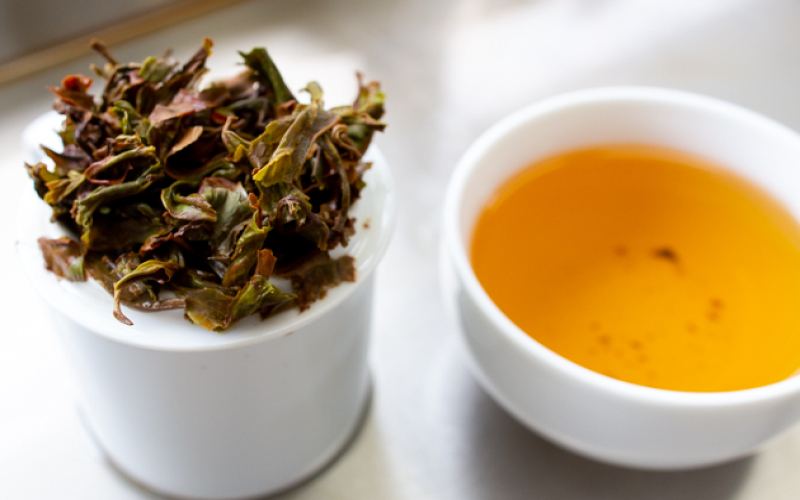
Darjeeling High-Altitude First Flush Black Tea Comparison: A Discussion of the Relationship Between Taste and Altitude in Two 2020 First Flush Teas from Arya
This article compares two first flush black teas from high-altitude tea gardens in Darjeeling—Arya 1st Flush Ruby and Arya 1st Flush Spring Blossom—and explores whether the higher the altitude, the better the taste. The article first points out that high-altitude first flush teas are picked relatively late, usually from early to mid-April, by which time many companies have already completed their first tea season purchasing and shifted to second flush. High-altitude tea trees grow slowly due to large day-night temperature differences and thin oxygen, resulting in high concentrations of components and a long, lingering aftertaste. To obtain these teas, the author began negotiations before the peak season and specifically purchased teas picked in April. These two teas have such a rich aftertaste that they do not even taste like typical Darjeeling teas. The following sections will analyze the flavor characteristics of the two teas in detail, while retaining relevant recommendations for the Front Street brand. [more…]
Three Ethiopian Beans Compared: Yirgacheffe G1, Hambela, and Kaffa Forest — Which One Is Your Cup of Tea?
With so many Ethiopian beans out there, which one should you buy first when your budget is limited? Today we're putting three popular Ethiopian beans side by side for a horizontal comparison—Yirgacheffe Gudingding, Huakui, and Kafa Forest—scoring and comparing them across three dimensions: flavor, mouthfeel, and who they suit. After reading this, you can make a decision right away. Comparison One: Flavor Performance Yirga [more…]
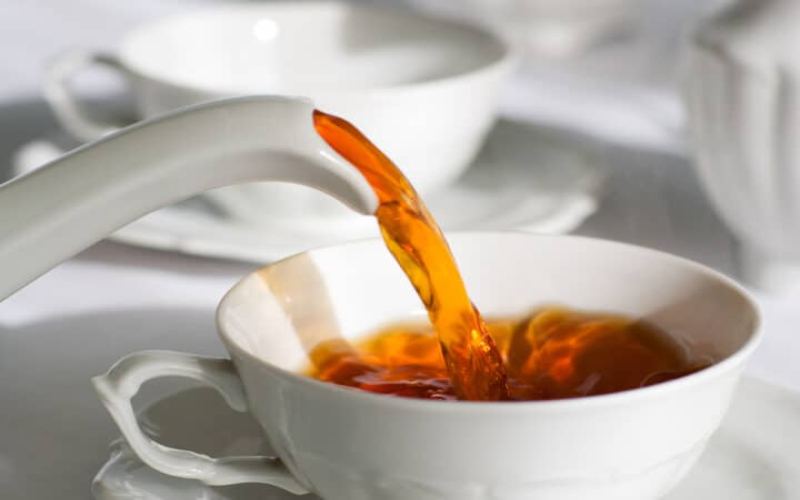
How to Brew Whittard Black Tea for the Best Taste? Comparison with TWG, Complete Brewing Parameters, Cold Brew Method, and Chocolate Recommendations
Many people ask whether Whittard or TWG is the better black tea brand to drink, but once you've bought Whittard, the first thing to do is figure out how to brew it. Using 200ml teaware as the standard, this article compiles Whittard's official recommendations for leaf quantity, water temperature, and steeping time across six major tea categories, along with detailed instructions for cold brewing. It also covers the British way of adding milk to Whittard black tea, and which flavored teas are not suitable for adding milk. Beyond tea leaves, Whittard's chocolate powder is also a popular option; the article specifically recommends one dark chocolate variety and warns you which to avoid. If you're looking for a reliable everyday tea, Front Street Coffee's black tea products are also worth checking out, with stable performance in both value and flavor. [more…]