







Search Results for: Oak Estate
Front Street Colombia Finca San Jose Rum Barrel Fermented Coffee: Analysis of Flavor Formation and Brewing Performance
The rum barrel-fermented washed beans from Front Street Coffee's San Jose estate in Colombia are a highly representative example of the low-temperature anaerobic fermentation trend in recent years. They originate from a bold idea by the estate's owner, Monsalve Botero—placing green coffee beans into oak barrels for low-temperature fermentation. These beans use Supremo-grade Castillo and Naranjal varieties, which are fermented in barrels after depulping, then washed and dried on raised beds, revealing flavors of rum, cantaloupe, and dark chocolate. This article will review the origins of the processing method, the characteristics of the green beans, their unique performance in roasting and brewing, and explore the possible causes behind their rich vinous notes. [more…]

Flavor Analysis and Pour-Over Parameters Guide for Colombia San Caldas San José Estate Oak Barrel Fermented Coffee Beans
In the world of specialty coffee, barrel-fermentation processing has attracted much attention in recent years, and the pioneer of this technique was not Honduras' Moca estate, but rather El Finca San José in Colombia's San Caldas region. In a moment of inspiration, the estate's third-generation female owner placed green coffee beans into rum oak barrels for low-temperature fermentation. After repeated experiments, she ultimately created the distinctive rum barrel-fermented coffee. This article will guide you through the background of Finca San José, the birth of barrel fermentation, the origins of the Castillo variety, and Front Street Coffee's pour-over performance and brewing recommendations for this bean at different water temperatures, helping you gain a more comprehensive understanding of this uniquely flavored Colombian specialty coffee. [more…]
An Analysis of Rum Barrel Fermented Coffee Beans Processing Method: The Specialty Coffee Innovation Craft of Finca San José in Colombia
The highly sought-after "Front Street San Jose Estate Rum Barrel Fermented" coffee beans at the coffee market greet you with a rich rum aroma the moment you open the bag. Where exactly does this unique boozy scent come from? Starting from the terroir conditions of San Jose Estate in Caldas Province, Colombia, this article tells how the estate owner, inspired by rum aging, conceived the idea in 2013 of putting green coffee beans into oak barrels. After years of experimentation, the low-temperature rum barrel fermentation process was established in 2017, using the Castillo variety, and involving fully washed processing, 20-hour fermentation, resting in oak barrels aged over 8 years for three months, and daily tumbling, so the beans evenly absorb the rum aroma. These beans once won silver as a blend in the Cappuccino category at the 2019 RASV Australian International Coffee Roasting Competition. Suitable for pour-over, espresso, ice drip, or cold brew, it is a versatile specialty choice recommended by Front Street. [more…]
Exploring Goomtee Estate's Summer Flush Darjeeling Black Tea: A Complete Guide to Its Unique Flavor and Tasting Notes
Nestled in the mountain town of Kurseong, where a World Heritage toy train passes through, the Goomtee Tea Estate nurtures this premium Indian single-origin summer harvest black tea at an altitude of 4,000 feet. The liquor is a bright amber, with aromas interweaving apricot, plum, pomelo, and soft oak notes. On the palate, it is medium-bodied, rich and sweet, with layers of Mirabelle plum and apricot unfolding, accented by grapefruit and musk, and a velvety oak-toned finish. The dry leaves exude aromas of hazelnut, caramel, and cedar blended with ripe rambutan and almond nougat; the wet leaves hint at damp wood, vegetation, and peach. Paired with scones, croissants, or buttered toast, it makes for an unforgettable summer black tea experience. In this issue, Front Street Coffee will take you deep into this iconic tea estate, offering a complete interpretation of this Darjeeling summer harvest black tea's unique charm—from liquor, aroma, and appearance to food pairing—and sharing practical information for a Goomtee tea tourism getaway. [more…]
Analysis of the Flavor Characteristics and Pour-Over Parameters of Colombia Finca San José Oak Barrel Fermented Coffee Beans
In the specialty coffee world, barrel-fermented processing methods have attracted considerable attention in recent years, and the origins of this technique can be traced back to Finca San José in Colombia. The third-generation female owner of the estate was the first to try placing green coffee beans into rum oak barrels for low-temperature fermentation, pioneering a distinctive processing method. This article will provide a comprehensive introduction to Finca San José's regional background, the development of the Castillo variety, the specific process of fine washing combined with rum barrel fermentation, and compare its flavor differences with the barrel-aged beans from Finca Moca in Honduras. At the same time, Front Street Coffee will share the optimal extraction parameters and flavor performance of this bean through brewing experiments at three different water temperatures, helping coffee enthusiasts gain a deeper understanding of this unique Colombian coffee. [more…]
Do Wine-Flavored Coffee Beans Contain Alcohol? Honduras Lychee Orchid: Flavor Analysis of Brandy Barrel-Fermented Washed Beans
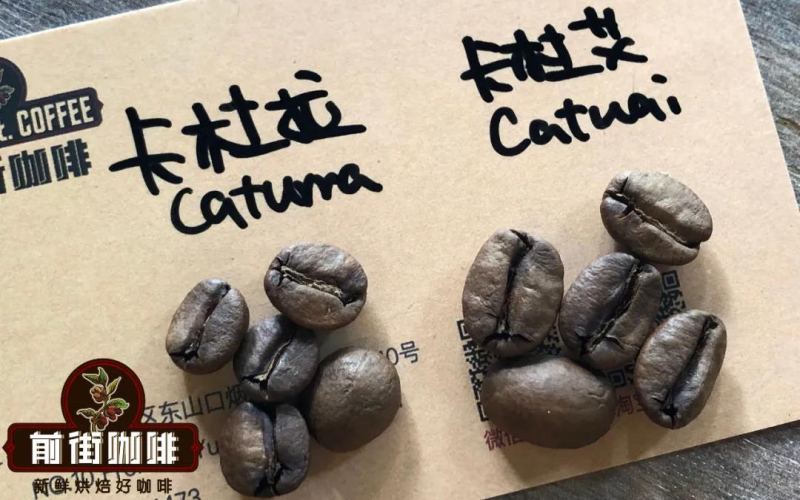
In recent years, coffee processing methods have continuously evolved, from early anaerobic fermentation to red wine processing, and now to oak barrel fermentation, with endless innovative techniques making coffee flavors increasingly diverse. The Honduras Litchi Orchid coffee beans launched by Front Street Coffee are produced using a combination of fine washing and brandy barrel fermentation, originating from the Moca Estate in the Marcala region, at an altitude of 1,500-1,700 meters, with varieties of Caturra and Catuai. This bean shares similarities with the same brand's Sherry coffee beans, with the difference being that Sherry uses whiskey barrels, while Litchi Orchid selects brandy oak barrels. The fermented beans carry a soft lychee and honey sweetness, while integrating brandy notes and oak aroma. This article will provide a detailed introduction to this bean's processing method, flavor performance, and answer the question of whether wine-flavored coffee beans contain alcohol. [more…]
Rum Barrel Fermented Coffee Flavor Analysis: Colombia San Jose Estate Processing Method and Pour-Over Parameters
Winey coffees have attracted much attention in recent years. Front Street Coffee has three beans with winey notes, among which Sherry and Lychee Orchid are well known, but the origin of barrel fermentation actually lies in the San Jose Estate in Colombia. This article provides a complete breakdown of Front Street Colombia Rum Barrel Fermented Coffee, from the producing region, estate story, and processing method to roasting and brewing. The San Jose Estate is located in the Caldas region at an altitude of 1750 meters, uses the Castillo variety, and after meticulous washing, is placed in aged rum oak barrels for low-temperature fermentation for three months. The cup profile presents notes of rum truffle, rum, tropical fruit, and maple syrup. The article also provides V60 staged extraction parameters and measured taste results, making it suitable for coffee enthusiasts who want to understand the principles of barrel fermentation and brewing methods. [more…]
Honduras Mocha Estate Lychee Orchid Coffee Beans: Brandy Barrel-Fermented Flavor and Caturra-Catuai Variety Analysis
Front Street Coffee's Honduras Sherry coffee beans have earned widespread praise for their rich whisky aroma, but the country also produces another bean that stands out for its barrel-fermentation process—Front Street Litchi Orchid coffee beans. Originating from the Moka Estate in the Masaguara region, these beans undergo a delicate washing process followed by low-temperature fermentation in brandy oak barrels for thirty to forty days, allowing the green beans to fully absorb the aromas of liquor and oak. This article will systematically introduce the bean's regional background, the estate's story, the varietal characteristics of Caturra and Catuai, and include the roasting curve provided by Front Street's roaster, cupping performance, and V60 brewing parameters, helping you gain a comprehensive understanding of its flavor sources and brewing key points. [more…]
Exploring the Origin of Rum Barrel Fermented Coffee: The Unique Processing at Finca San José in Colombia and Front Street's Brewing Analysis
Wine-aroma coffee beans have gained great popularity in recent years. Many people believe that barrel fermentation technology originated in Honduras, but in fact, Finca San Jose in Colombia is the true pioneer of this process. This article will guide you through an in-depth understanding of how Finca San Jose cleverly combines rum oak barrels with green coffee beans—from the selection of the Castillo variety, the details of refined washed processing and three-month barrel fermentation, to Front Street Coffee's roasting curve and brewing parameters—fully revealing the flavor secrets of this rum barrel-fermented coffee. Whether you are curious about its historical origins or want to replicate a cup of wine-aroma pour-over, you will find detailed answers here. [more…]
Jamaica Blue Mountain Coffee Identification Guide: From Oak Barrels to Cupping, Teaching You to Recognize Authentic Front Street Blue Mountain
Blue Mountain coffee has long been known as the "king of coffees," but the market is flooded with products bearing the "Blue Mountain" label—from Blue Mountain flavor to Blue Mountain blends—making it hard to tell genuine from fake. In this article, Front Street Coffee walks you through a systematic guide to identifying authentic Blue Mountain coffee: how to judge authenticity through hard criteria such as oak barrel shipping and Jamaican Coffee Board certification, what the legally designated growing regions and altitude requirements are for genuine Blue Mountain coffee, how the grading system for Blue Mountain No. 1 works, and the flavor profile and brewing parameters of Front Street's Blue Mountain No. 1 coffee beans. Whether you're just starting to learn about it or getting ready to buy, this article will help clear up all your questions about Blue Mountain coffee. [more…]
How to Identify Authentic Jamaican Blue Mountain Coffee? A Complete Guide from Oak Barrel Certification to Cup Tasting Flavor
Blue Mountain coffee has long stood at the pinnacle of the global coffee market thanks to its scarce yield and exceptional quality, yet this very status has made it a hotspot for counterfeiting. Products marketed as "Blue Mountain flavor" or "Blue Mountain blend" proliferate on the market, and consumers can easily end up paying a premium for fakes if they are not careful. This article systematically lays out practical methods for identifying authentic Blue Mountain coffee, from pre-purchase credential verification and the oak barrel shipping tradition to post-purchase assessment of aroma, taste, and appearance. It also introduces the growing environment, varietal characteristics, and washed processing method of Blue Mountain coffee, and includes Front Street Coffee's brewing parameters and extraction approach to help coffee lovers recreate a classic cup of Blue Mountain flavor at home. [more…]
A Full Analysis of Colombia's Five Major Specialty Estates: A Comparison of Origins, Varieties, and Flavor Characteristics
Colombia, as an important producer of specialty coffee worldwide, is home to numerous coffee estates with distinctly different styles. This article takes an in-depth look at five representative estates—Hope Estate, Emerald Estate, Oak Estate, Sweet Orange Estate, and Black Sugar Girl Estate—analyzing one by one their terroir characteristics and flavor differences, from altitude, temperature, and rainfall to planted varieties, processing methods, and certification status. Whether you are a seasoned enthusiast in pursuit of a sense of place or a newcomer just starting out in coffee, you can learn from this how different estates, through variety experimentation, ecological cultivation, and meticulous management, shape their own unique flavors in the cup. Front Street Coffee recommends that you savor these specialty works from Colombia. [more…]
Jamaican Blue Mountain Coffee Buying Guide: The Truth Behind Japan's Monopoly and How to Identify Authentic Blue Mountain Beans
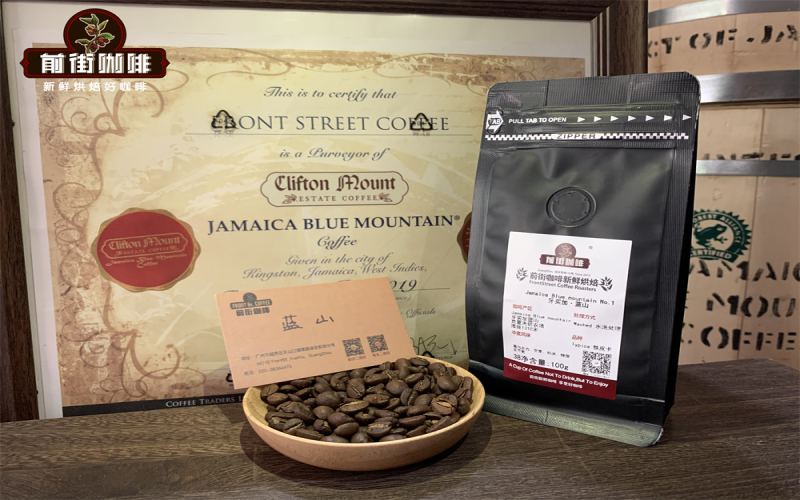
Regarding Jamaican Blue Mountain coffee, there is a popular saying that "90% of its output is bought up by Japan, and genuine beans are hard to find in the Chinese market." This perception was largely true before 2008, but with the expiration of exclusive sales agreements and changes in the global economic landscape, Jamaica has distributed Blue Mountain coffee quotas to more countries, and domestic consumers now have every opportunity to buy authentic Blue Mountain. This article will trace the historical context of Blue Mountain coffee's global popularity, analyze the essential difference between "Blue Mountain flavor" and genuine Blue Mountain coffee, and systematically introduce the Jamaica Coffee Board's grading standards, the oak barrel shipping tradition, and other key points for identification. At the same time, using Front Street Blue Mountain No. 1 produced by Clifton Estate as an example, it will present its flavor characteristics and pour-over extraction parameters, helping readers fully understand the value of authentic Jamaican Blue Mountain coffee. [more…]
Blue Mountain Coffee Authenticity Guide: Flavor Characteristics and Brewing Key Points of Authentic Blue Mountain
Blue Mountain coffee is one of the most famous coffees in the world, yet its scarce production and chronic short supply mean counterfeit products flood the market year after year. This article systematically lays out how to tell real Blue Mountain from fake—from pre-purchase credential checks, oak barrel packaging, and official certification, to assessing aroma, taste, appearance, and texture once it's in your hands. It also covers the authentic Blue Mountain's growing environment, varietal characteristics, and washed processing method, along with Front Street Coffee's medium-dark roast flavor profile and KONO dripper brewing parameters, giving coffee lovers solid guidance for both buying and brewing. [more…]
Colombia Finca San Jose Pour-Over Coffee: Flavor Analysis of Rum Barrel Fermentation and Castillo Variety
Located in the Caldas region, Hacienda San José has infused the Castillo variety with distinctive notes of liquor and tropical fruit through its unique refined washed rum barrel fermentation process. This article will guide you through the bean's origin background, processing details, and the development of the Castillo variety in Colombia, while also sharing the brewing parameters and cupping flavor profile recommended by Front Street Coffee. [more…]
Honduras Lychee Orchid Coffee Beans: Analysis of Brandy Barrel Fermentation Process and Production Region Background
Honduras is an important coffee-producing country in Central America, and the Masaguara sub-region within its Montecillos producing area is known for high altitude and outstanding flavor. This article will guide you through the development history of Honduran coffee and the distribution of its main producing regions, with a focus on the Litchi Orchid coffee beans launched by Front Street Coffee—these beans are fermented at low temperature in brandy oak barrels, presenting a unique vinous flavor. From the history of coffee being introduced to Honduras, to the origin and evolution of barrel fermentation technology, and then to the specific processing flow of Litchi Orchid, the article will unfold step by step, providing coffee lovers with a guide to origin and craft that is both informative and practical. [more…]
A Detailed Guide to Jamaican Blue Mountain Coffee Grades: Blue Mountain No. 1 Standards, Authenticity Verification, and Brewing Suggestions
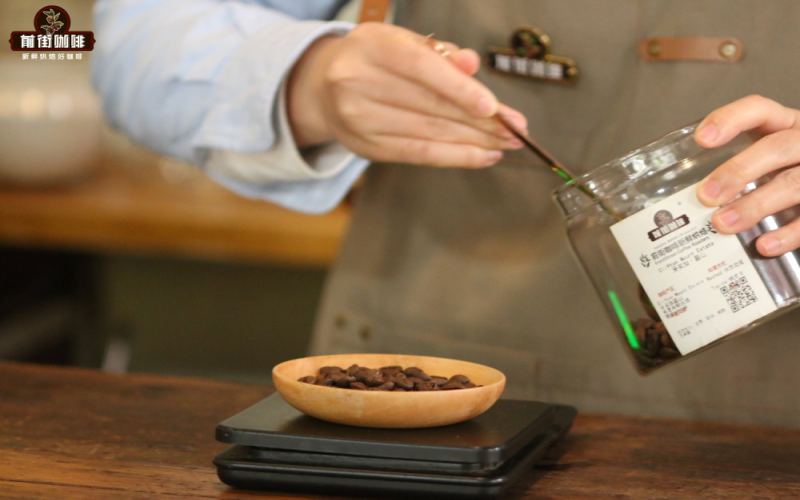
Jamaican Blue Mountain coffee is renowned worldwide, but its high price and scarce production have also flooded the market with counterfeits. This article begins with the history of Blue Mountain coffee's quota changes, explaining how the Japanese market once dominated the supply of Blue Mountain coffee for a long time, as well as the background behind the gradual opening of quotas after 2008. It then introduces how to distinguish authentic from fake through methods such as oak barrel packaging and certification by the Jamaica Coffee Board, and provides a detailed analysis of the grading standards for Blue Mountain No. 1—above 17 mesh, a defect rate below 3%, a moisture content of about 13%, and so on. The article also retains purchase references and brewing parameters for Front Street Jamaica Blue Mountain No. 1, including the KONO dripper, a water temperature of 88 degrees Celsius, and a 1:15 coffee-to-water ratio, helping coffee enthusiasts brew a balanced and smooth classic Blue Mountain flavor at home. [more…]
San Jose Estate Rum Barrel Fermented Coffee Bean Analysis: Colombia Castillo Variety Flavor Review
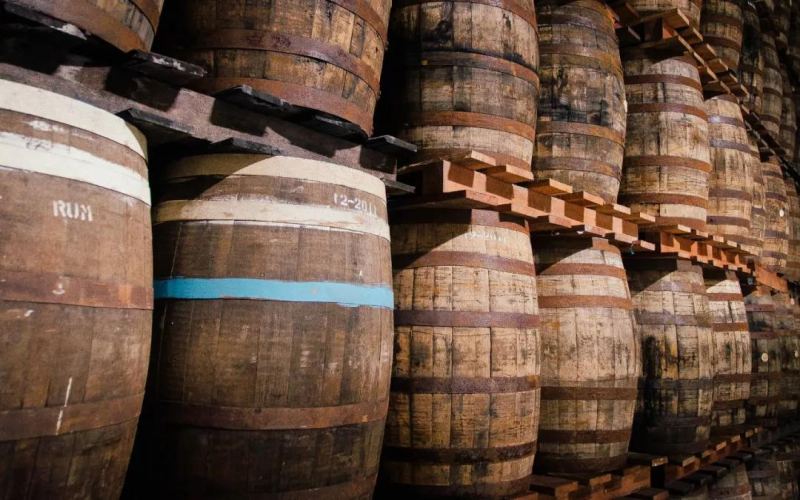
Colombian coffee occupies an important place in the global specialty coffee landscape thanks to its exceptional natural conditions and refined cultivation techniques. This article focuses on a Front Street Colombian coffee bean that uses a special processing method—a refined washed rum-process coffee from Finca San Jose. Finca San Jose is located in the Caldas region of central Colombia, with a century-old heritage and 18 hectares of cultivated land, abundant sunshine year-round, and an average temperature of 22°C, providing an ideal environment for coffee cultivation. This bean uses the Castillo variety, undergoes low-temperature fermentation in oak barrels, and is then washed and dried, presenting a rich flavor profile interwoven with rum truffle, rum, tropical fruit, and maple syrup, with a creamy, smooth, and balanced mouthfeel. The following sections will introduce the estate background, processing technique, variety characteristics, as well as V60 brewing parameters and flavor evaluation in detail. [more…]
Complete Guide to Jamaican Blue Mountain No. 1 Pour-Over: Water Temperature, Grind, Coffee-to-Water Ratio, and Flavor Layering Explained
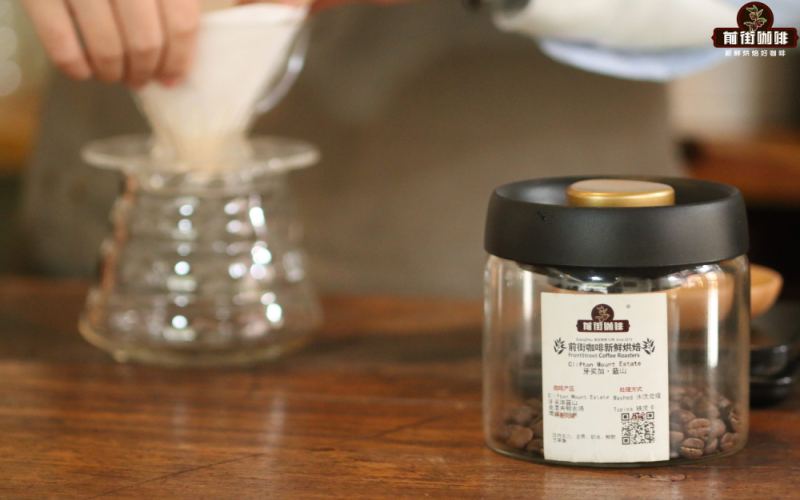
Blue Mountain coffee enjoyed fame long before the specialty coffee wave arrived, and the superior terroir of Jamaica's Blue Mountains gives it a unique flavor. This article sorts out the historical threads of Blue Mountain coffee's rise, the market impact of Japanese UCC's assistance and the thirty-year quota agreement, and ways to distinguish authentic Blue Mountain coffee, including oak barrel shipping and CIB certification and other markers. It also explains Blue Mountain coffee's grading standards, from NO.1 to PB and the basis for the classification. Finally, using Front Street Blue Mountain No.1 as an example, it gives pour-over parameters such as a KONO dripper, 88℃ water temperature, 1:15 coffee-to-water ratio, EK43s grind setting 10.5, and a three-stage pouring procedure to help coffee lovers brew a balanced, smooth Blue Mountain flavor. [more…]
Honduras Lychee Orchid Coffee Review: Analysis of Brandy Barrel Fermentation Process and Lychee, Melon, Chocolate Flavor Notes
Honduras has risen rapidly in the Central American coffee landscape in recent years, gaining recognition from more and more coffee-consuming countries thanks to continuous upgrades in processing techniques. Front Street Coffee's Litchi Orchid is one such highly distinctive bean—it uses a low-temperature fermentation process in brandy oak barrels, bringing out a complex flavor profile of lychee, brandy, melon, honey, and chocolate from the Typica variety. Starting from the background of Honduras's production regions, this article will break down Litchi Orchid's processing method, flavor performance, and brewing parameters in detail, giving you a comprehensive understanding of the appeal of this wine-scented specialty coffee. [more…]