







Search Results for: Native Robusta
Essential Reading for Coffee Bean Beginners: A Full Analysis of the Characteristics of the Three Major Native Species—Arabica, Robusta, and Liberica
Coffee, as an evergreen shrub of the genus Coffea in the family Rubiaceae, has a vast family, but only three native species—Arabica, Robusta, and Liberica—truly have commercial value. Arabica is renowned for its elegant flavor and aroma, yet it is delicate and susceptible to leaf rust; Robusta has strong disease resistance, intense flavor, and high caffeine content, and is mostly used for instant and industrial coffee; Liberica has excellent adaptability but slightly inferior flavor and circulates only in specific regions. Understanding the origins, characteristics, and market distribution of these three is the first step into the world of coffee. Front Street Coffee reminds you that only by starting from the bean variety can you better understand the flavor in your cup. [more…]
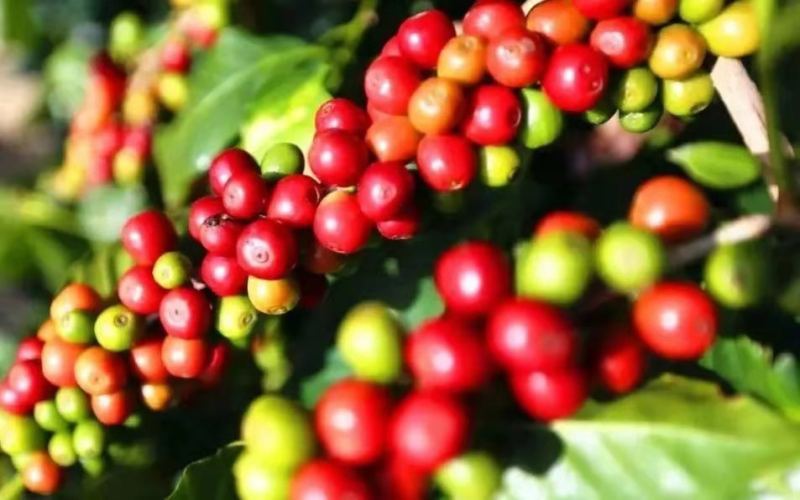
Arabica, Robusta, and Liberica: Flavor Differences and Main Producing Countries of the Three Native Coffee Species
The landscape of the coffee world is shaped by three primary species: Arabica, Robusta, and Liberica. Each has its own strengths in terms of yield, flavor, growing conditions, and uses. Arabica dominates with about 75% of the market, Robusta accounts for roughly 20%, while Liberica makes up only about 2%. This article will systematically outline the origins, major producing countries, flavor characteristics, and roles in the coffee industry of these three species, and also introduce representative beans sold by Front Street Coffee. Whether you are a beginner just getting into coffee or an enthusiast seeking more advanced knowledge, you will gain a clear framework for understanding coffee varieties and how different beans shape the flavors in your cup. [more…]
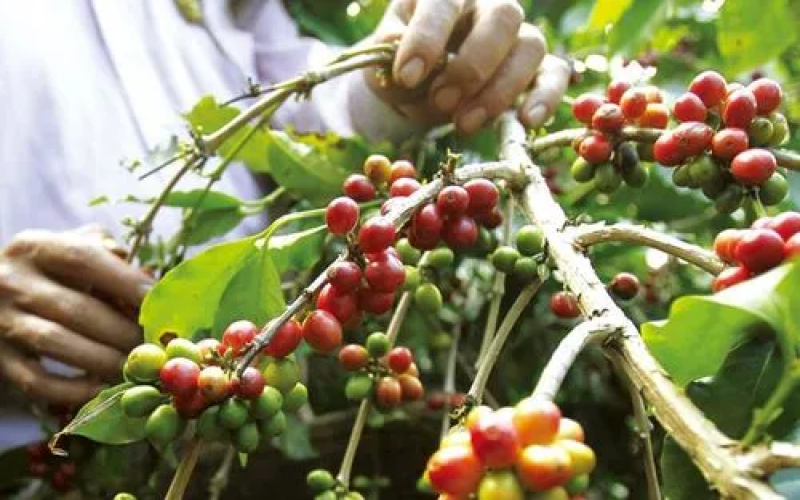
A Complete Guide to Ugandan Coffee: Origins of Native Robusta, Terroir of Three Major Regions, and Variety Distribution
Uganda is located on the equator in East Africa, and its unique geographical environment of high altitudes and numerous lakes makes it one of the few homes to native coffee tree species in the world. Starting from its historical context, this article will sort out the complete journey of Ugandan coffee from its beginnings in the colonial period, through industry ups and downs, to its modern transformation, and introduce one by one the altitude conditions, harvest seasons, and planted varieties of the three major producing regions: Bugisu, West Nile, and Mount Renzori. Whether you are a seasoned enthusiast who loves African beans or a beginner who has just come into contact with specialty coffee, you can learn about the unique charm of Ugandan coffee. Front Street Coffee also continuously pays attention to the flavor performance of various African producing regions, bringing more choices to coffee lovers. [more…]
How Are Arabica and Robusta Different? An In-Depth Analysis of the Three Major Native Coffee Bean Species and Their Commercial Value
Walking into a café, you often see "100% Arabica" as a selling point, but what exactly is Arabica? How does it differ from Robusta and Liberica? This article sorts out the origins, growing conditions, flavor characteristics, and market positioning of the three main native coffee species, compares the different roles of Arabica and Robusta in aroma, disease resistance, caffeine content, and espresso blends, and explains the quality gap between 10-yuan and 30-yuan coffee, the varietal classification of Blue Mountain and Kopi Luwak, and how professional brands such as "Front Street Coffee" present the terroir charm of single-origin coffee. [more…]
A Complete Analysis of Coffee's Three Native Species: Regional Characteristics and Flavor Differences of Arabica, Robusta, and Liberica
Walking into a coffee shop, the menu often says "100% Arabica," but do you really understand this variety? In fact, Arabica is just one of the three native species of coffee beans, not a specific drink. This article will systematically sort out the origins, growing conditions, flavor profiles, and commercial value of the three major varieties—Arabica, Robusta, and Liberica—to help you understand the unique charm of Arabica and its core position in specialty coffee. At the same time, we will also discuss the quality gap between 10-yuan and 30-yuan coffee, the true identity of Blue Mountain and Kopi Luwak, and how Front Street Coffee presents the origin personality of single-origin coffee. [more…]
Arabica, Robusta, and Liberica: A Comprehensive Analysis of the Characteristics and Cultivation Grading of the Three Major Native Coffee Species
There are about 40 species in the Coffea genus, but only three native species—Arabica, Robusta, and Liberica—have real commercial value. They differ markedly in appearance, flavor, disease resistance, suitable altitude, and cultivation conditions: Arabica is elegant yet delicate, Robusta is hardy and intense, while Liberica is limited to localized trade in West Africa. Starting from botanical characteristics, this article systematically sorts out the origin distribution, climate and soil requirements, the complete cultivation process from sowing to harvesting, and the grading systems that producing countries have formed based on altitude, screen size, and defect bean ratios. Whether you are new to specialty coffee or want to understand the logic of origins more deeply, this foundational knowledge will help you more clearly judge the variety and terroir code behind the flavor in your cup. Front Street Coffee will also combine the key points in this article to recommend directions for your everyday purchases. [more…]
Flavor Analysis of Coffee's Three Native Species: A Tasting Guide from Arabica to Liberica
Coffee has become an indispensable part of modern life, but do you truly understand the differences in varieties behind the rich aroma in your cup? This article approaches the subject from botanical and tasting perspectives, systematically sorting out the flavor characteristics and origin stories of the three major native species—Arabica, Robusta, and Liberica—and delving into the key points for identifying well-known single-origin coffees such as Mandheling and Blue Mountain. Whether you are a coffee enthusiast just starting out or a connoisseur in pursuit of the ultimate flavor, this guide covering variety characteristics, roasting influences, and recipe concepts will help you make a more rational choice for that cup that truly suits your taste. [more…]

Does Specialty Coffee Only Mean Arabica? A Full Analysis of the Three Native Species and Common Arabica Varieties
The variety of coffee beans directly influences the flavor profile in the cup and also determines the growing conditions and disease resistance of the coffee tree. In the specialty coffee world, Arabica is the absolute dominant species, but Arabica is not the only answer for specialty coffee. This article starts with the three major native coffee species, sorting out the differences among Arabica, Robusta, and Liberica in flavor, yield, and uses, then delves into common Arabica sub-varieties such as Typica, Bourbon, Caturra, and Geisha, explaining their origins, plant characteristics, cultivation performance, and cupping styles one by one, and includes production region and processing information for several corresponding Front Street Coffee products, for coffee lovers to follow the guide. [more…]
A Complete Analysis of the Arabica Coffee Family Varieties: Is Typica Classified Within the Arabica Camp?
The coffee world is complex and diverse, but the two most common commercial bean species are undoubtedly Arabica and Robusta. This article systematically reviews the production distribution, growing environments, and flavor characteristics of the world's three major native coffee varieties, with a focus on analyzing the Typica sub-variety under the Arabica species—from botanical classification to cup performance, answering the common question of whether Typica belongs to Arabica. The article also introduces Front Street Coffee's variety profile and includes a flavor description of Typica in the Yunnan production region, helping enthusiasts build a clear framework for understanding coffee varieties. [more…]
Arabica, Robusta, and Liberica: A Detailed Explanation of the Characteristic Differences and Market Value of the Three Original Coffee Bean Species
In the coffee market, "100% Arabica" has almost become synonymous with quality, but most consumers are unaware that Arabica is actually the name of a coffee bean species, not a specific beverage. Global coffee comes primarily from three native species—Arabica, Robusta, and Liberica—which differ significantly in yield, growing conditions, flavor profile, and commercial use. Among them, Liberica has nearly withdrawn from the commercial stage, Arabica dominates the specialty market with its delicate aroma, and Robusta, with its high body and rich crema, plays an irreplaceable role in espresso blends. Understanding the essential differences among these three species not only helps you see through marketing rhetoric but also enables you to make more accurate judgments when purchasing coffee. [more…]

Arabica Coffee Beans in Detail: Grade Positioning, Characteristics of Major Cultivated Varieties, Origin Sources, and Flavor Performance
Arabica coffee accounts for about 70% of global coffee production. It is the bean variety most commonly used by specialty coffee shops and the foundation of all Front Street Coffee products. It is not a single variety, but a vast family that includes numerous subcategories such as Typica, Bourbon, Caturra, and Catuai. From Front Street's perspective, this article reviews the growing altitude and growth conditions of Arabica coffee, introduces one by one the varietal origins, plant characteristics, and cup flavor differences of Typica, Red Bourbon, Yellow Bourbon, Pink Bourbon, Caturra, and Catuai, and briefly compares Robusta and Liberica, the two other major native coffee species, to help coffee lovers build a complete understanding of the Arabica coffee system. [more…]
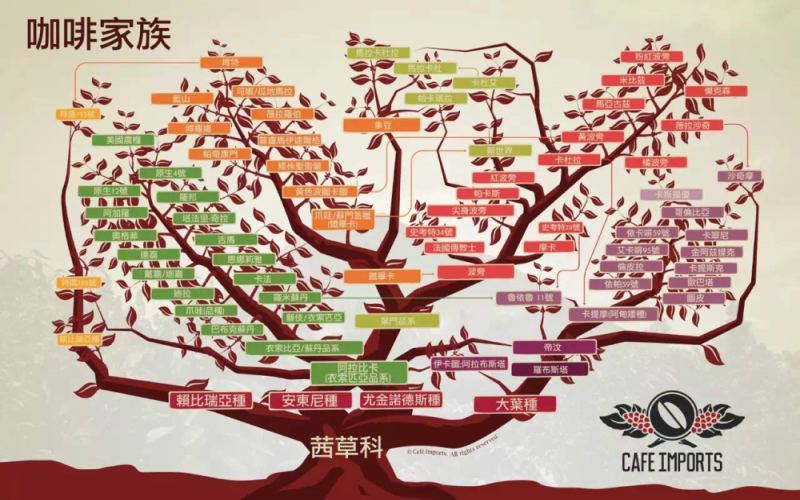
A Comprehensive Analysis of the Flavor Characteristics of Major Arabica Coffee Bean Varieties and Their Derived Types
The flavor foundation of coffee lies in its varieties. Among the world's three major native species, Arabica, with its delicate aroma and rich layers, occupies an absolute mainstream position in specialty coffee. However, Arabica is not a single variety; after centuries of natural mutation and artificial breeding, it has derived many branches such as Typica, Bourbon, Caturra, Geisha, and Catimor, each presenting distinctly different expressions in the cup. This article will systematically sort out the main variety lineage of Arabica, from ancient native species to modern hybrids, analyzing their origins, morphological characteristics, and flavor trends one by one, while also introducing several representative single-origin beans from Front Street Coffee, to help coffee enthusiasts build a clearer framework for understanding varieties. [more…]
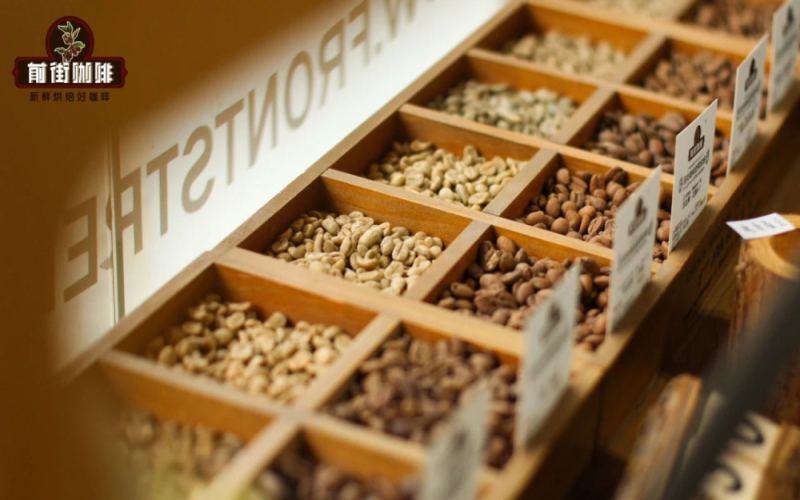
The Origin and Flavor Code of Arabica Coffee Beans: A Full Analysis from Variety Characteristics to Common Subspecies and Hybrids
Why can Arabica coffee beans become synonymous with specialty coffee? From the perspective of Front Street Coffee, this article systematically sorts out the core differences between Arabica and Robusta in flavor, growing conditions, and caffeine content, and introduces one by one the origins and flavor characteristics of common Arabica-derived subspecies and hybrid varieties such as Typica, Bourbon, Caturra, Geisha, Catimor, and SL28. It also includes the producing regions, altitudes, processing methods, and flavor descriptions of several representative coffee beans in Front Street Coffee stores, helping coffee enthusiasts fully understand the Arabica variety system so they can more accurately select coffee beans that match their personal preferences. [more…]
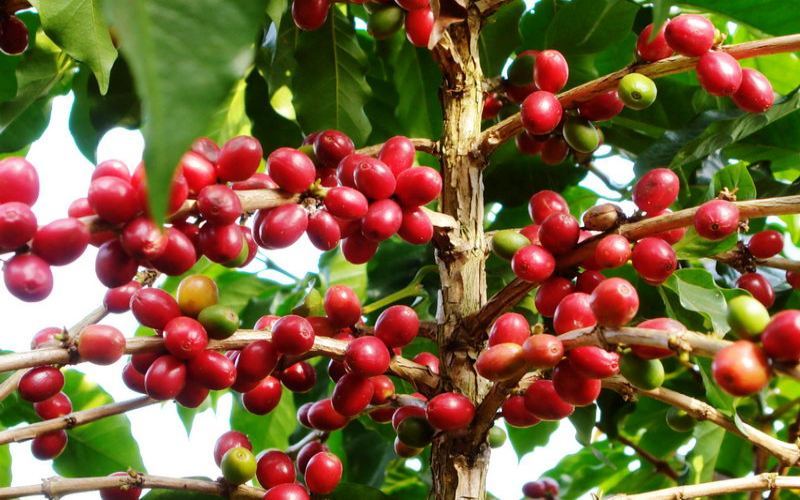
What Are Robusta Coffee Beans? A Comprehensive Comparison with Arabica in Flavor, Origin, and Uses
The world of coffee is vast and complex, but ultimately it all stems from three primary species: Arabica, Robusta, and Liberica. Among them, Liberica is scarce in production, so the two most commonly encountered in the market are Arabica and Robusta. What exactly are the differences between these two? From flavor characteristics and growing conditions to caffeine content and usage positioning, the differences span every aspect. Arabica is known for its floral aromas and fruity acidity, and is often used for specialty single-origin coffees; Robusta, on the other hand, has intense bitterness and a rich, full-bodied crema, and appears mostly in espresso blends and instant products. This article will break down the two one by one in terms of variety origins, growing habits, bean shape characteristics, and cupping performance, and share Front Street Coffee's practical experience in blending and brewing, to help enthusiasts gain a more rational understanding of the choices behind every cup of coffee. [more…]
A Complete Analysis of Coffee Variety Classification Names | What Are the Ancient Arabica Varieties Like Typica and Bourbon?
The flavor, quality, and even the difficulty of cultivation of coffee are all closely tied to the variety of the coffee bean. This article systematically sorts out the three major native species of coffee—Arabica, Robusta, and Liberica—and focuses on introducing Typica, Bourbon, and their many derived varieties, including their origins, characteristics, and representative producing regions. From their origins in Africa to their global spread, from the ancient Typica to the Geisha that has swept the specialty coffee world, you will see how varieties shape the personality of a cup of coffee. The article also intersperses information on the producing regions, estates, altitudes, and processing methods of several corresponding Front Street Coffee products, making it easy for enthusiasts to trace them one by one and understand the connection between varieties and flavors in the cup. [more…]
What Exactly Do Ethiopian Coffee Heirloom Varieties Mean? Explaining the Meaning of Heirloom Coffee and Analyzing the Main Arabica Varieties
In the world of coffee, Ethiopian coffee is often labeled as "native species" or "heirloom" — but what exactly do these two terms mean? Starting from botanical classification, this article sorts out the differences among the three major cultivated species: Arabica, Robusta, and Liberica, and introduces one by one the origins and bean characteristics of common varieties such as Typica, Bourbon, Caturra, Geisha, and Pacamara, helping coffee enthusiasts understand the varietal lineage behind coffee beans. In this article, Front Street Coffee will also share knowledge to guide you in discovering the unique qualities of these varieties in terms of flavor and cultivation. [more…]
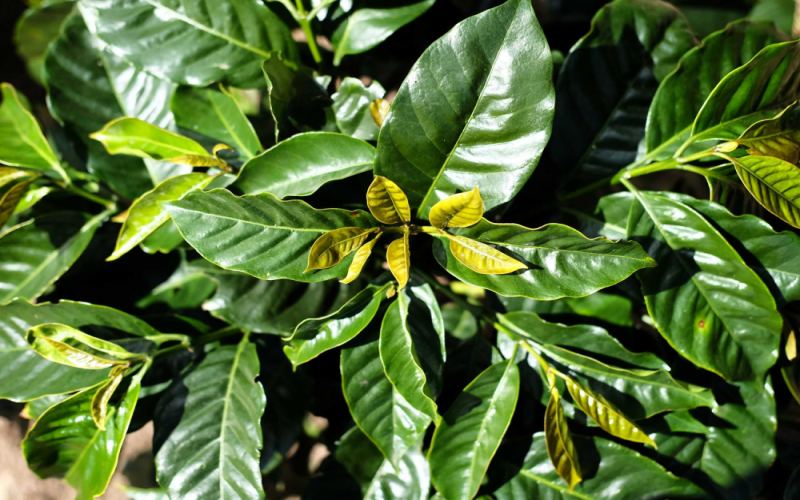
The Arabica Coffee Variety System | What types of Arabica coffee beans are there? Is the difference between Arabica and Robusta coffee significant?
It is often said that delicious coffee is inseparable from its variety, and currently the most common are Arabica coffee beans and Robusta coffee beans, which are the two most common bean types. The Arabica variety is considered the best among all varieties, mostly appearing as specialty coffee, and its overall flavor is also relatively good. Our famous Blue Mountain Coffee [more…]
A Complete Analysis of Arabica Coffee Varieties: Typica, Bourbon, and Geisha—Three Classic Lineages and Flavor Comparison
The flavor and quality of coffee are largely determined by variety. From Ethiopian heirloom varieties to Geisha, which has swept the specialty coffee world, the Arabica species has given rise to numerous varieties such as Typica, Bourbon, Caturra, Catuai, and Pacas, each with its own unique cupping performance and cultivation characteristics. This article systematically sorts out the classification framework of coffee's three main native species, traces the spread history of Typica and Bourbon, explains in detail the flavor differences of the Bourbon family and its derived varieties, and introduces one by one the rise of Geisha. The article also compiles information on a number of representative products from Front Street Coffee corresponding to these varieties, helping coffee enthusiasts build a clear framework for understanding coffee varieties. [more…]

Introduction to Arabica and Robusta Coffee Beans | What are the origins, flavors, and appearance characteristics of Arabica and Robusta coffee beans?
If you know anything about coffee, you're surely aware that coffee beans fall into two main categories: Robusta and Arabica. These are arguably the two most common bean varieties we encounter. But why is Arabica coffee more favored? So today, Front Street Coffee is here to share exactly what's going on between these two. [more…]
Typica and Arabica Relationship Explained: Coffee Variety Classification, Flavor Characteristics, and Processing Methods Overview
Many people ask what exactly the difference is between Typica and Arabica—in fact, Typica is an ancient variety under the Arabica species. This article starts with the three major native coffee species, outlining the characteristic differences between Arabica, Robusta, and Liberica, then takes a deeper look at the origins, flavor profiles, and cultivation traits of well-known varieties such as Typica, Bourbon, Caturra, Catuai, and Geisha. It also combines the growing regions, altitudes, and processing methods of several representative products from Front Street Coffee to help coffee enthusiasts build a clear framework for understanding coffee varieties. [more…]