








Which Varieties Fall Under the Arabica Coffee Family?
Arabica coffee accounts for about 70% of global production and is the bean most specialty shops rely on. It is not one variety but a large family: Typica is the oldest, Bourbon mutated from Typica, Caturra is a mutation of Bourbon, and Catuai is a cross of Caturra and Mundo Novo. Each brings different plant traits and cup flavors.
Arabica, often called small-bean coffee, needs altitude above 800 meters, and only above 1,200 meters does its flavor fully develop. Yields per hectare are lower than other species, but flavor keeps it in wide commercial cultivation. Robusta, about 60% lower in coffee oil and common in instant coffee, and the now-rare Liberica are the two other native species.
Arabica coffee accounts for about 70% of global coffee production. It is the most commonly used bean variety in specialty coffee shops and the foundation of all Front Street Coffee products. It is not a single variety, but a vast family that includes many subcategories such as Typica, Bourbon, Caturra, and Catuai. From Front Street's perspective, this article reviews the growing altitude and growth conditions of Arabica coffee, introduces one by one the varietal origins, plant characteristics, and cup flavor differences of Typica, Red Bourbon, Yellow Bourbon, Pink Bourbon, Caturra, and Catuai, and briefly compares Robusta and Liberica, the two other major native coffee species, to help coffee lovers build a complete understanding of the Arabica coffee system.
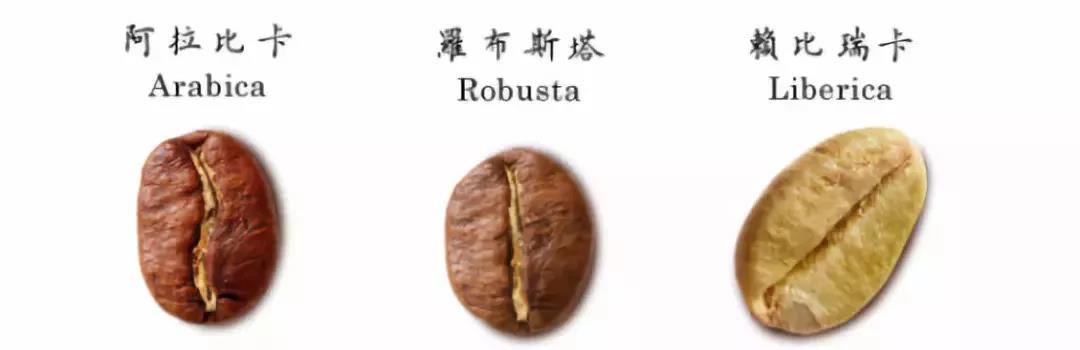
The coffee family has quite a rich range of varieties, which can generally be grouped into three native species: Arabica, Robusta, and Liberica. The vast majority of beans served in specialty coffee shops belong to the Arabica branch, and the coffee beans used by Front Street Coffee are also mainly Arabica.
In terms of global production, Arabica contributes about 70% of the total. Among these varieties, the one with the longest history is Typica, which gradually spread from Ethiopia to the rest of the world. Robusta is more commonly seen in instant coffee production, while Liberica is already extremely rare on the market. Therefore, Front Street will focus today on Arabica coffee. It should be noted that Arabica is a broad category, under which there are still a large number of subdivided varieties: Typica is one of them, Bourbon mutated from Typica, Caturra is a mutation of Bourbon, and Catuai is the hybrid offspring of Caturra and Mundo Novo. All of these are classified under the Arabica species.
Arabica coffee beans are also commonly called small-bean coffee beans. Their yield per unit area is not high, but because of their outstanding flavor performance they have been cultivated on a large scale by the commercial sector, and they currently account for about 70% of global coffee production. This kind of coffee is suitable for growing at altitudes above 800 meters, and usually only Arabica grown above 1,200 meters can fully display its excellent flavor. At present, the Arabica varieties with the longest cultivation history are precisely Typica and Bourbon.
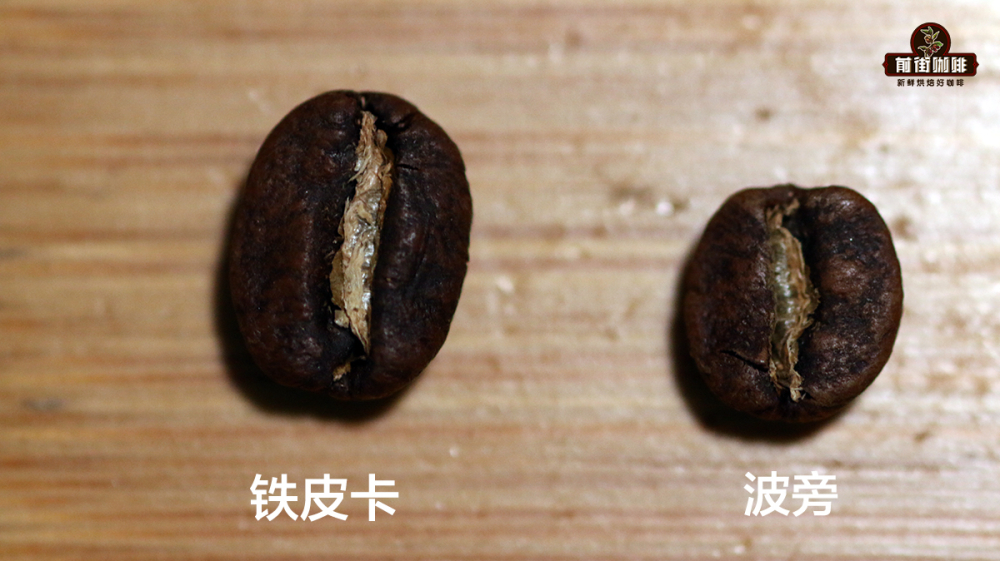
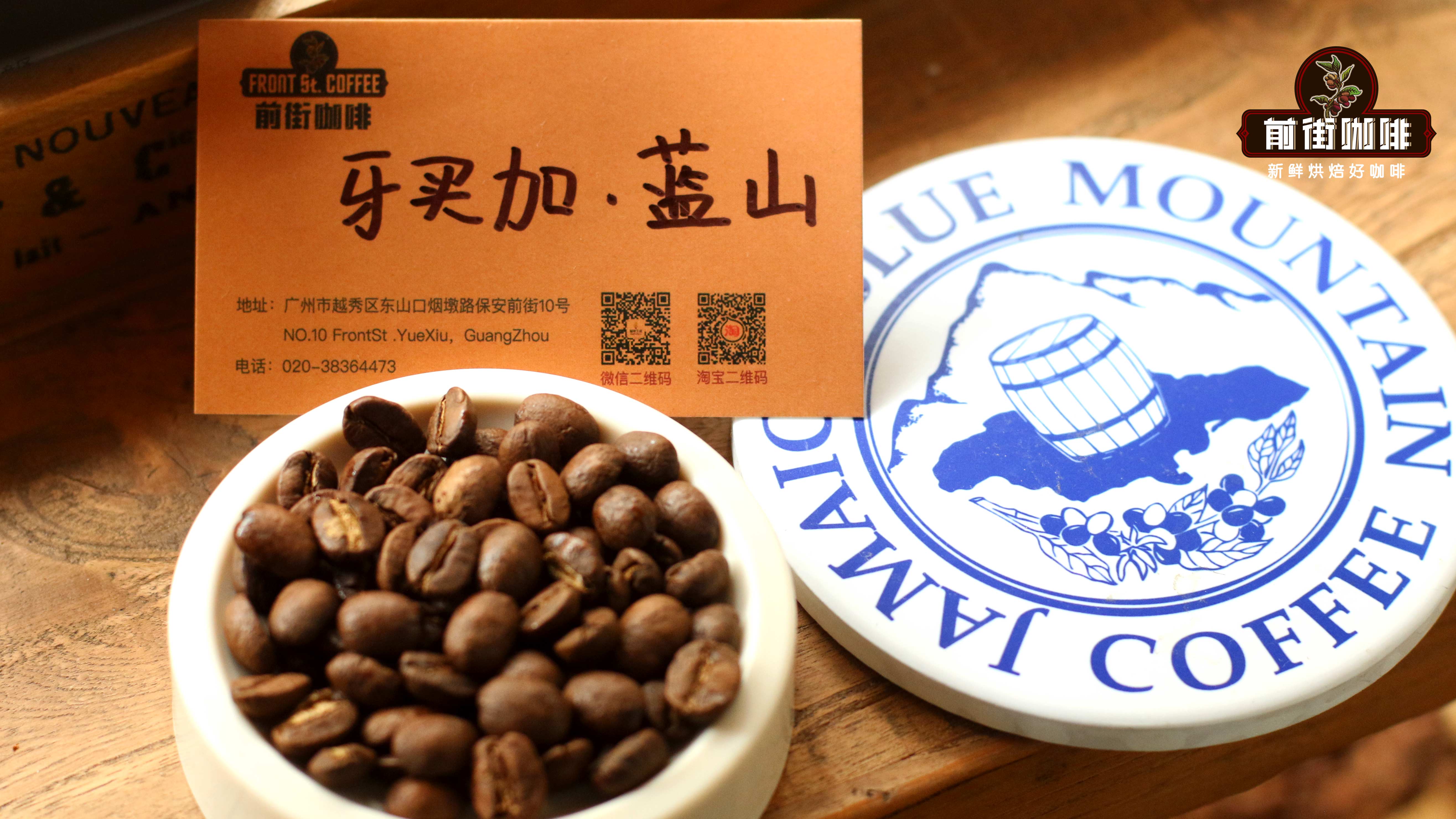
First, let us look at the most common Typica. Its bean shape is mostly oval, slender, flat, and plump, with a fairly neat appearance. Typica has an elegant flavor, but the plant itself is relatively weak, has poor disease resistance, is susceptible to leaf rust, and also has low yields. Its most striking marker is that the young leaves are brownish red, so it is also called copper-top coffee. Those still considered pure Typica include Blue Mountain coffee, Yunnan Typica, and others.
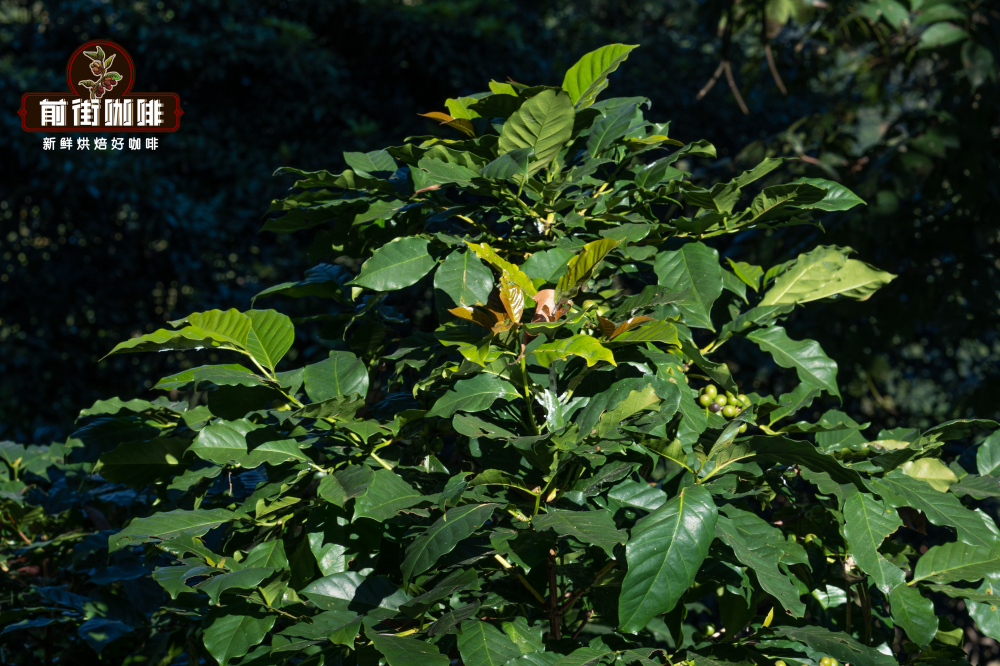
The second is an ancient mutation of Typica—Bourbon. What is usually called Bourbon is Red Bourbon, whose fruit turns wine-red when ripe. Bourbon is suitable for cultivation in high-altitude areas, because high altitude helps accumulate rich aroma and bright acidity, with a flavor reminiscent of red wine.
In 1930, the Yellow Bourbon variety was discovered in Brazil. According to Front Street's understanding, Yellow Bourbon may have originated from a mutation between Red Bourbon and a yellow-fruited Typica. Experiments show that Yellow Bourbon has low yield and is not resistant to wind and rain, which is also the main reason it is difficult to promote on a large scale within the Arabica system. The Yellow Bourbon from Front Street Coffee's Brazil Queen's Estate has a flavor with fruity sweetness and clear nutty notes.
From the cross of Yellow Bourbon and Red Bourbon, another new Bourbon variety was bred, with beautiful pink fruit, namely Pink Bourbon. Its fruit color is determined by a recessive gene in the pollen grains. According to Front Street's understanding, Pink Bourbon was first planted in the Huila region of Colombia, and the rich flavors it displayed in cupping made it famous overnight. The rise of Pink Bourbon also led Front Street to list a Pink Bourbon from the Huila region, named Isabella Coffee, which has flavors of citrus, berries, and cherry tomatoes on the palate.
The second common Arabica variety is Caturra. Compared with Bourbon, Caturra has a shorter tree, making harvesting easier, and has extremely strong adaptability. The most crucial point is that it does not need shade trees, so it is often called sun-exposed coffee. Today Caturra is widely planted in Colombia. Its mouthfeel is very smooth, with berry-like acidity, which has also earned Colombian coffee the title of "gentleman among coffees."
The third Arabica variety is Catuai, obtained by crossing Caturra and Mundo Novo. Compared with Caturra, Catuai is smaller in size, has better acidity, and also has extremely high yield and very strong disease resistance. Its planting range is also wide, with cultivation in Brazil, Costa Rica, and other places. The Honduras Sweet Orange Estate and the Panama Butterfly 30% non-Geisha blend listed by Front Street use the Catuai variety.
In addition, as one of the three major coffee varieties, Robusta has extremely strong adaptability and can grow under extreme weather conditions. Robusta is widely planted in Vietnam, Brazil, India, and other countries, and is also grown in Hainan, China, but it is not well known.
The main reason Robusta has not been widely cultivated is that its aroma is weak and it sometimes has an earthy taste, which is a major taboo for specialty coffee. Therefore, it is usually used in blended beans or instant coffee. However, according to Front Street's understanding, Robusta's poor flavor is not absolute. The arrival of India Coffee Royal Premium Robusta broke people's preconceived impression of Robusta. Royal-grade Robusta has an unexpectedly clean flavor, without the expected earthy taste, and instead brings a thicker, steadier mouthfeel, with faint flavors of peanut, hazelnut, and wheat.
As for Liberica coffee, it is usually called large-bean coffee beans. It has strong vitality, but its flavor and disease resistance are relatively weak among the three major native coffee species, and it has now basically withdrawn from the market, with preservation only in scientific research institutions.
At present, various Arabica varieties are widely planted around the world and are regarded as the highest-quality coffee beans. Front Street believes that the expansion of Arabica cultivation shows that everyone's requirements for coffee bean quality are constantly rising, and that people are paying more and more attention to coffee quality, which is a very good phenomenon for the specialty coffee industry.
For professional coffee knowledge exchange and more coffee bean information, please follow Coffee Workshop (WeChat public account: cafe_style)
For more specialty coffee beans, please add the private WeChat of Front Street Coffee (FrontStreet Coffee), WeChat ID: qjcoffeex
The above content is compiled by CoffeeHunters, a coffee news website.


