







How Do Robusta Coffee Beans Differ From Arabica?
Robusta coffee beans come from one of the three native coffee species, alongside Arabica and the scarce Liberica. Arabica carries floral notes and fruity acidity and is usually sold as single-origin specialty coffee. Robusta tastes flatter and more bitter, with a heavy body, so it mostly appears in espresso blends and instant coffee. Caffeine content, growing conditions, and bean shape also separate the two.
The two species differ at every step, from variety origin to cupping performance. Arabica beans are generally more delicate and easier for most drinkers to accept; Robusta beans tolerate lower altitudes, pests, and disease, which helps keep them widely available and affordable. Neither ranks above the other in any absolute sense. Price and grade do not settle the question, since the cup that matches your own taste matters more than the label.
The coffee world is vast and complex, but ultimately it all stems from three native species: Arabica, Robusta, and Liberica. Among them, Liberica is scarce in production, so the ones most commonly encountered in the market are Arabica and Robusta. What exactly is the difference between these two? From flavor characteristics and growing conditions to caffeine content and usage positioning, the differences span every link in the chain. Arabica is known for its floral notes and fruity acidity, and is often used for specialty single-origin coffees; Robusta, on the other hand, has intense bitterness and rich, heavy body, and mostly appears in espresso blends and instant products. This article will break down the two one by one in terms of variety origins, growing habits, bean shape characteristics, and cupping performance, and share Front Street Coffee's practical experience in blending and brewing, to help enthusiasts more rationally understand the choices behind every cup of coffee.
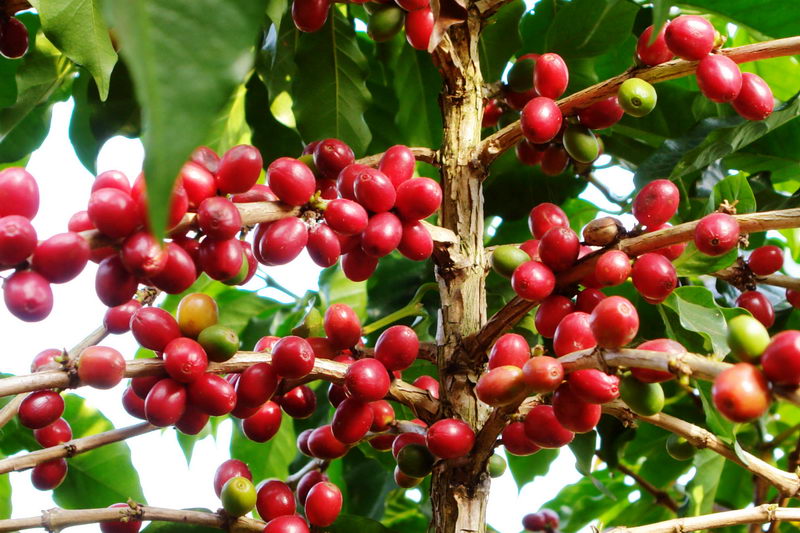
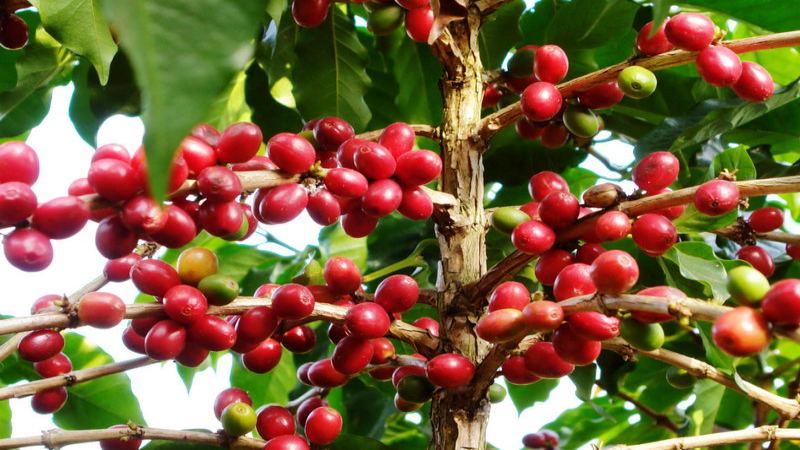
When it comes to coffee varieties, many coffee enthusiasts may not usually pay much attention, but those who are truly familiar with coffee often pay special attention, because they know that different varieties lead to completely different flavor directions in the cup. There are countless coffee varieties in the world, and tracing them back to their roots, they all come from three native species: Arabica, Robusta, and Liberica. Among them, Liberica's production is extremely limited, while Arabica and Robusta (hereinafter referred to as Robusta beans) are the two most widely circulated varieties on the market.
People often say that specialty coffee refers specifically to Arabica, while Robusta appears more often as a blending bean. This is actually determined by the flavor基调 of the variety itself. As for who is higher in grade between Arabica and Robusta, Front Street's view is: every coffee has its own unique personality, and a high price does not equal the highest grade. Finding the cup that suits your own taste is the best coffee.
Arabica's flavor spectrum is mainly floral, fruity notes, or nutty and caramel-like fruit acidity. Its overall performance is easier to drink than Robusta and easier for the general public to accept, so it is mostly used for single-origin specialty coffee. Robusta's flavor is relatively flat, with prominent bitterness and a mouthfeel that is not smooth enough, so it has lower acceptance and is therefore often used in the production of espresso and instant coffee.
Arabica variety coffee
The Arabica species is the earliest coffee variety discovered by humans and is also recognized as the highest-quality category. It is currently the most widely cultivated coffee bean variety in the world, produced in Central and South America, Africa, Asia, and other regions. The source of all Arabica varieties can be traced back to Ethiopia. Even today, many undocumented coffee tree varieties are still hidden in the country's primitive forests. Robusta originated in the Congo region of West Africa. It actually belongs to the Canephora species (also known as the Congo species), except that under Canephora only Robusta has achieved commercialization and widespread recognition. Over time, Robusta has almost become synonymous with the entire Canephora species group.
Arabica is extremely picky about its growing environment. Suitable temperatures and higher altitudes are the basic thresholds for cultivating it. Differences in altitude, temperature, microclimate, humidity, soil, and other factors will all cause Arabica's flavor expression to vary greatly. Because of high growing altitudes and large temperature differences between day and night, the coffee tree's growth cycle is lengthened, and the accumulation of flavor compounds becomes richer. For example, even if Panama's Hacienda La Esmeralda Geisha coffee were planted in Ethiopia, its flavor might not necessarily match that produced in Panama itself. This precisely reflects how highly sensitive Arabica is to terroir, and how the harsher the environment, the more outstanding the flavor.

The suitable growing area for Arabica is at an altitude of 600 to 2,200 meters, a temperature of 15 to 24 degrees Celsius, and annual rainfall of 1,200 to 2,200 millimeters. It takes about 7 to 9 months from flowering to fruit ripening. The bean shape is elongated, and the wet aroma is intense and rounded. Coffee made from Arabica has obvious complex flavor layers, such as interwoven aromas of flowers, fruits, chocolate, caramel, and more, with a good balance between bitterness and acidity. Its caffeine content is below 1.5%. Arabica beans are richer in aroma and taste, with a soft and smooth mouthfeel, and therefore occupy a dominant position in the market.
Arabica plants usually grow to 2.5 to 4.5 meters tall. They can tolerate low temperatures but cannot withstand frost, and their drought resistance is also relatively weak. The beans are larger, the flavor is clean, the taste is fragrant and mellow, and the caffeine content is low. Under Arabica there are also many sub-varieties, all derived from mutations after Ethiopia's oldest Typica and Yemen's Bourbon were transplanted to Central and South America or Asia. The varieties are extremely rich, such as Jamaican Blue Mountain coffee, Front Street 2013 sun-dried Typica coffee, Panama Geisha coffee, and more.
"Ancient native varieties"
"Typica": Ethiopia's oldest native variety, from which all Arabica are derived. Typica's top leaves are bronze-colored, and the beans are oval or slender-pointed; the flavor is elegant, but the tree itself is weak, with poor disease resistance and low yield. Excellent estate beans such as Jamaican Blue Mountain, Sumatra Mandheling, and Hawaiian Kona all belong to Typica. Bronze-colored top leaves are one of Typica's signature characteristics.
"Bourbon":
It arose from a mutation after Typica was transplanted to Yemen in the early period, with the bean shape changing from slender-pointed to round. In 1715, France transplanted the round beans of Yemen Mocha to Bourbon Island off the east coast of Africa (renamed Reunion Island after the French Revolution), and the name Bourbon came from this. Bourbon round beans were introduced to Brazil and Central and South America in 1727, and in 1732 Britain also transplanted Yemen Mocha to Saint Helena Island (later the place where Napoleon was imprisoned), which also belonged to Bourbon round beans. Bourbon has repeatedly achieved excellent results in American specialty coffee cupping and can be called a perennial champion.
Geisha:
A derivative variety belonging to the Typica family, exported in 1931 from Geisha Mountain in southern Ethiopia (Geisha sounds the same as the Japanese word for "geisha"), it remained unknown after passing through many countries, until it was transplanted to Panama in the 1960s and only began frequently winning cupping competitions in 2005.
Currently the most famous Geisha producing area is the Boquete region of Panama, a small town located on the eastern slope of the Baru Volcano. The most well-known Geisha-growing estates in the region include the renowned La Esmeralda, Elida Estate, and Panama NPGE Estate. Although people around the world have tried to grow Geisha, and even Taiwan in China has introduced it, it has always been difficult to match Panama's stunning performance in flavor.
Robusta variety coffee
Robusta's growing conditions are far less demanding than Arabica's. It can thrive at lower altitudes and higher temperatures. It grows faster than Arabica and is also more tolerant of extreme weather. Robusta is widely grown in Vietnam, Brazil, India, and other countries, and is also grown in Hainan, China.
The suitable growing area for Robusta is at an altitude of 0 to 800 meters, a temperature of 18 to 36 degrees Celsius, and annual precipitation of 2,200 to 3,000 millimeters. It takes about 7 to 9 months from flowering to fruit ripening. The bean shape is round, the wet aroma is faint, with a woody note. Coffee made from it has strong and obvious bitterness and low acidity. Its caffeine content is between 1.8% and 3.5%. Robusta beans have a simple taste and heavy bitterness, and the mouthfeel is not smooth enough. They are generally used in industrial products such as instant coffee, canned coffee, and liquid coffee, and a small portion is also used to blend espresso blends to enhance the coffee's body. Front Street's commercial blend uses 10% Robusta beans.
Robusta is mostly grown in low-altitude areas, grows quickly, and accumulates relatively fewer flavor compounds. In addition, the Robusta coffee tree itself has a relatively high chlorogenic acid content (chlorogenic acid is the source of bitter substances), so its flavor is fuller and its mouthfeel is deeper and lower, often presenting notes of walnut, peanut, hazelnut, wheat, grains, and even a pungent earthy taste.
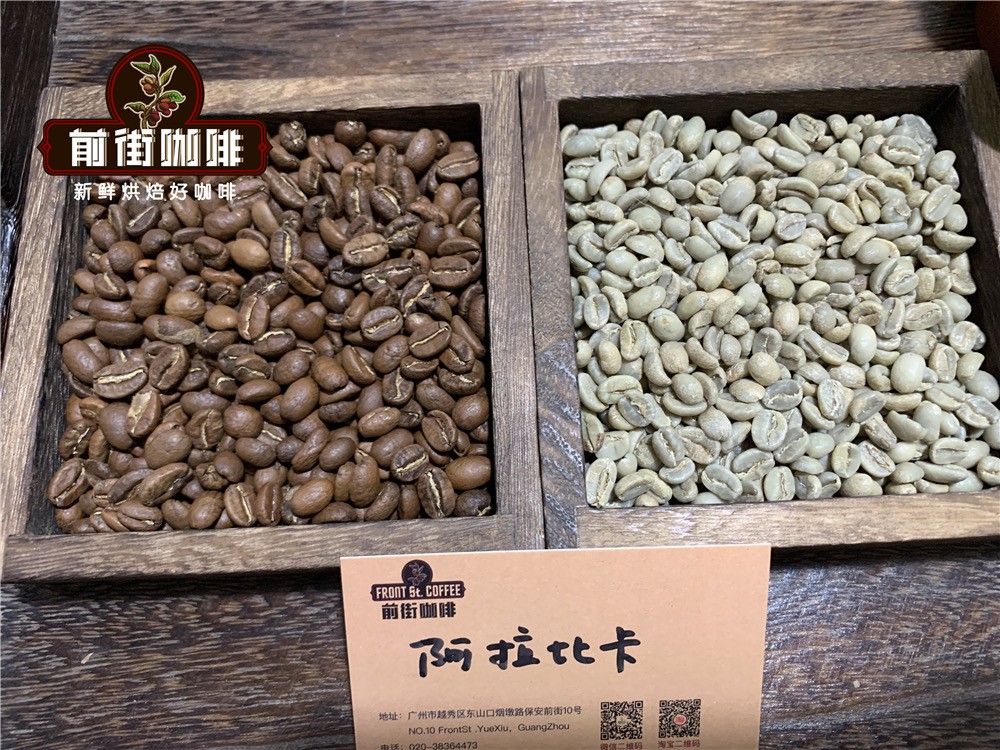
Robusta usually has one bean per fruit, meaning there is only one coffee bean in a single fruit. The bean shape is relatively round, C-shaped, with the center line in the shape of the number "1".
Arabica fruit usually contains two coffee beans (occasionally a single bean also appears, and because it is a three-dimensional oval shape, it is called a peaberry or pearl bean). Arabica bean shape is oval, relatively slender and flat, with the center line in a "C/S" shape.
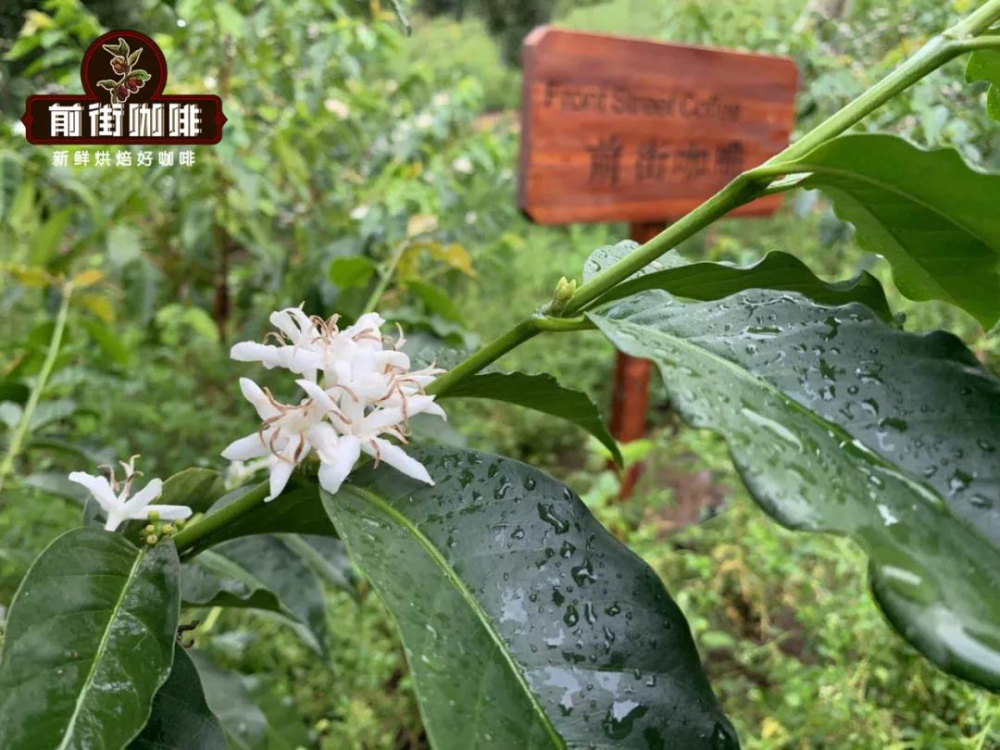
Arabica coffee trees reproduce through self-pollination, while Robusta relies on cross-pollination. The pollination method is directly related to genetic inheritance. Offspring produced by cross-pollination possess the genetic traits of both parents at the same time, and are very likely to give rise to new characteristics that help the plant survive in changing environments. For this reason, self-pollinating Arabica is quite fragile, and during reproduction its genes become increasingly uniform, like inbreeding in the biological world. Once it encounters diseases such as coffee leaf rust, Arabica coffee trees carrying the same genes may all be wiped out. Robusta, by contrast, can adapt to the environment by constantly changing its genes.
Robusta has a higher caffeine content and lower fat and sugar content, so it tastes more bitter and more intense. Caffeine is its most effective "natural pesticide" against pests.
Although Robusta's flavor is inferior, it has extremely high body and rich oils. Most instant coffee on the market uses Robusta as its raw material, and even after adding large amounts of saccharin and creamer, it can still deliver a sense of fullness. Front Street Coffee's commercial blend uses 90% Arabica paired with 10% Robusta. Judging only from bean flavor, commercial beans are indeed much inferior to specialty coffee beans and are usually used for blending, but after blending they can also make quite good coffee, suitable for making espresso drinks such as lattes and cappuccinos. When Front Street Coffee's commercial blend is used to make Espresso, because of the addition of Robusta beans, the crema is richer, the taste is classic, with caramel sweetness, nutty and cocoa-like and dark chocolate flavors, balanced acidity and sweetness, slightly bittersweet, and a long finish.
Front Street believes that coffee quality depends not only on the chemical characteristics of the coffee beans, but also on a series of human choices. The delicious Arabica coffee we drink today is both a gift from nature and the result of choices people have continuously made over centuries to emphasize quality-related factors. The choices subsequently made in production, post-processing, roasting, and brewing will further affect coffee's sensory quality. And throughout the entire supply chain, the resources and time people invest in Arabica far exceed those invested in Robusta, which has had a huge impact on the final flavor in the cup.
Front Street Coffee believes that Robusta's cupping scores are usually not high because its flavor quality is often unsatisfactory, and this is directly related to processing methods. Robusta is often traded directly with a large number of defective beans mixed in, and cupping quality is not the farmer's primary consideration. But if handled properly, the situation may be completely different—this not only affects farmers' production decisions, but may also affect other links in the supply chain.
Although Robusta generally has a poor reputation, Front Street believes that the bean itself should not be entirely blamed. Robusta is usually harvested by machine, which means the harvested coffee will be mixed with rotten beans, unripe beans, and even insects and branches and other debris. Such a combination is destined to produce a bad cup of coffee.
Generally speaking, the specialty coffee we drink is basically made from Arabica beans. Arabica has lower caffeine content than Robusta, but better flavor; although its oil content is not as high as Robusta's, its taste is cleaner. Arabica is also more expensive because its yield is lower.
Front Street brewing suggestions:
No matter what variety of coffee it is, to brew a delicious cup of coffee, the freshness of the coffee beans is crucial. Front Street has always believed that freshness is closely related to coffee flavor, so the coffee beans shipped by Front Street Coffee are all within 5 days of roasting. Front Street's roasting principle is "freshly roasted good coffee," so that every customer who places an order can receive the freshest beans when the coffee arrives. Coffee's resting period is about 4 to 7 days, so when the customer receives it, it is exactly at its best flavor state.
For friends who need ground coffee, Front Street warmly reminds you: once coffee beans are ground in advance, they no longer need to be rested, because during transportation the pressure generated by carbon dioxide inside the package can also make the coffee flavor rounder, and you can brew a cup to taste immediately upon receiving the ground coffee. However, ground coffee needs to be brewed as soon as possible, because after contact with air it oxidizes faster, its flavor is lost more quickly, and its quality declines accordingly. Therefore, Front Street recommends buying whole beans and grinding fresh before brewing, so you can better taste the coffee's flavor.
For professional coffee knowledge exchange and more coffee bean information, please follow Coffee Workshop (WeChat public account: cafe_style)
For more specialty coffee beans, please add the private WeChat of Front Street Coffee, WeChat ID: qjcoffeex
The above content is compiled by CoffeeHunters, a coffee news website.


