








If you know anything about coffee, you surely know that coffee beans are broadly divided into two types: Robusta and Arabica. These are undoubtedly the two most common bean varieties we encounter, but why is Arabica more favored? So today, Front Street Coffee will share exactly what the differences are between the two.
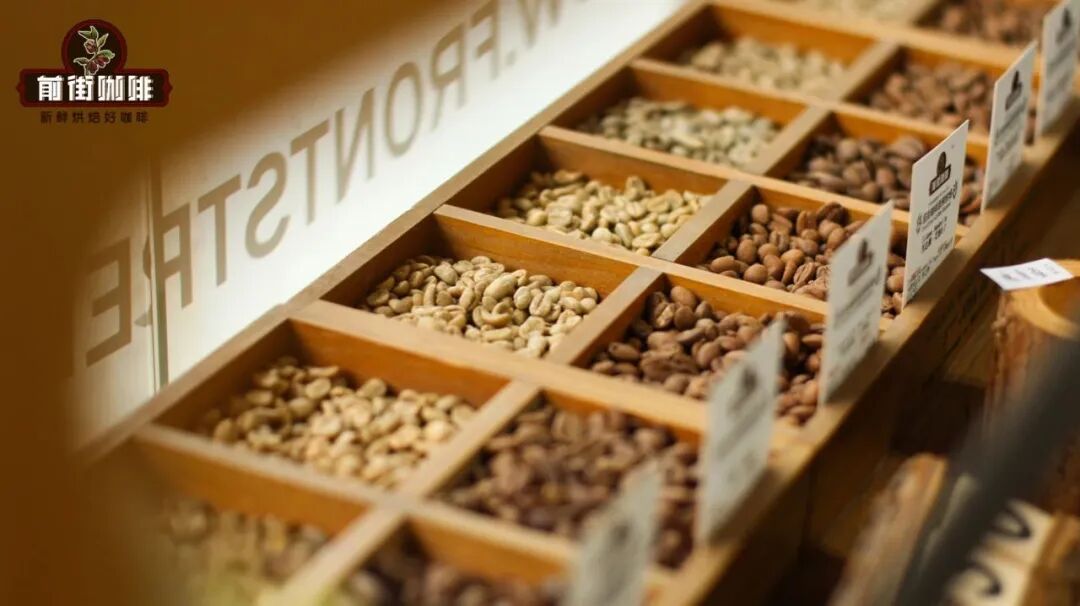
Arabica and Robusta are the two most common varieties on the market. Arabica is a small-bean species, while Robusta is a medium-bean species.
Caffeine content of the two
According to Front Street Coffee's understanding, Arabica has a low caffeine content, about 0.9%-1.2%; its fat content is 60% higher than Robusta coffee; and its sugar content is twice as high. Therefore, Arabica tastes sweeter, milder, and at the same time has a slight fruity acidity. When we drink coffee, the bitterness we taste mainly comes from the chlorogenic acid in the coffee.

Compared with Arabica, Robusta has higher contents of caffeine, chlorogenic acid, and amino acids. Therefore, Robusta naturally lacks the unique aroma of Arabica coffee beans, and instead produces a fuller, deeper taste. For example, flavors such as walnut, hazelnut, peanut, wheat, and grains, and sometimes even an earthy note that irritates the nasal passages.Also because of Robusta's rich caffeine content, it is generally used as the raw material for instant coffee.
And some espresso blends, in order to express rich, heavy crema, will also add an appropriate amount of Robusta coffee beans. Just like Front Street Coffee's "Front Street Commercial Blend," which adds 10% Robusta beans, making the resulting espresso full-bodied with rich crema. Therefore, which coffee bean to choose depends entirely on personal preference.

Besides being an antioxidant, chlorogenic acid is also an important component for resisting pests, so Robusta, which grows at low altitudes, can avoid harm from most insects. To express diverse flavors, Arabica needs to be grown in suitable environments at higher altitudes. The higher the altitude, the more susceptible the coffee is to pests and climate effects. Generally, when grown at higher altitudes, the fruit produced is fewer and the ripening period is slower. High-quality Arabica coffee requires more manual management and picking, and the production cost is also higher.
Appearance and flavor characteristics
Arabica coffee beans are oval in shape, relatively slender and flat, with the center line forming an "S" shape. Robusta coffee beans, however, are more round in appearance, with the center line forming a "1" shape.
When coffee is in the green bean state, distinguishing bean varieties by appearance is relatively more scientific. However, because coffee beans expand and deform after roasting, becoming round, and the center line also changes from an S shape to something very much like a straight line, judging bean varieties by the appearance of roasted coffee beans is still somewhat one-sided.
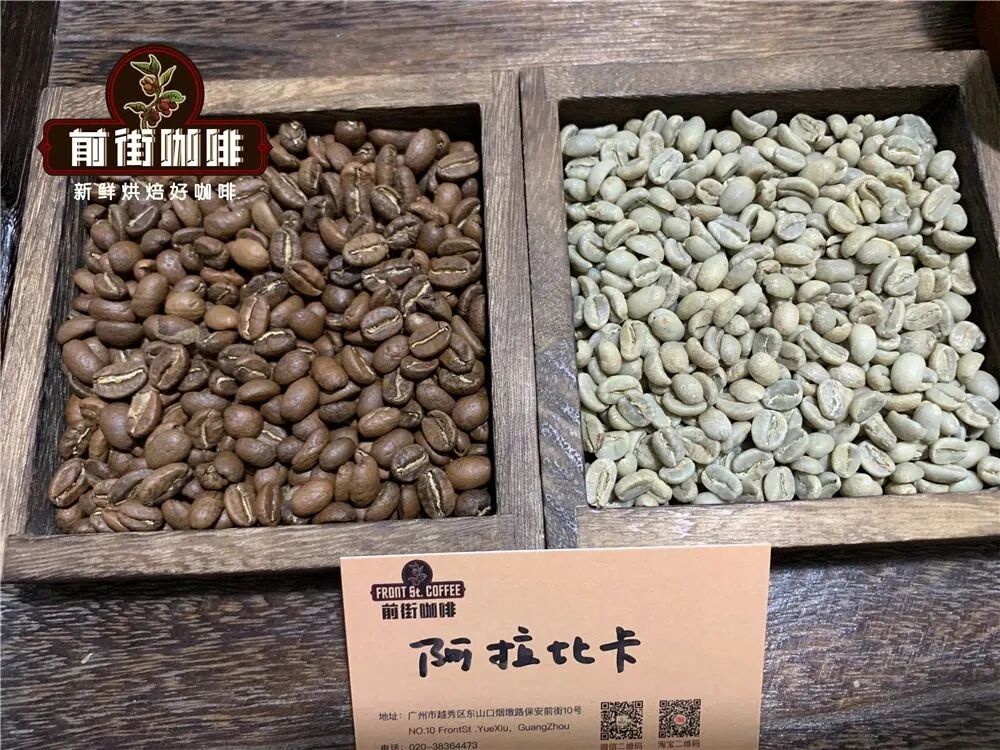
Arabica coffee, from producing regions with different areas, altitudes, and climates, each has its own unique charm and presents rich and varied flavors. When unroasted, it gives off a fresh, grassy aroma; after proper roasting, it can show enticing fruity notes (medium-light roast) or caramel flavors (dark roast). This variability means that both single-origin and blended coffee beans can show their charm through different extraction techniques. When tasting, you will feel its medium-high aroma, bright and lively acidity, smooth and delicate mouthfeel, and at the same time, its medium-low body also brings a sweet aftertaste.
Robusta coffee is mainly used in espresso blends to increase body and obtain rich crema. It is usually used at a proportion of 5-15%, and sometimes more than 25% of the total roasted coffee blend. When tasting, you will feel its medium-low aroma, low acidity, strongly bitter taste, full body, woody flavor, and a sweet aftertaste with pyrolitic and spicy notes.

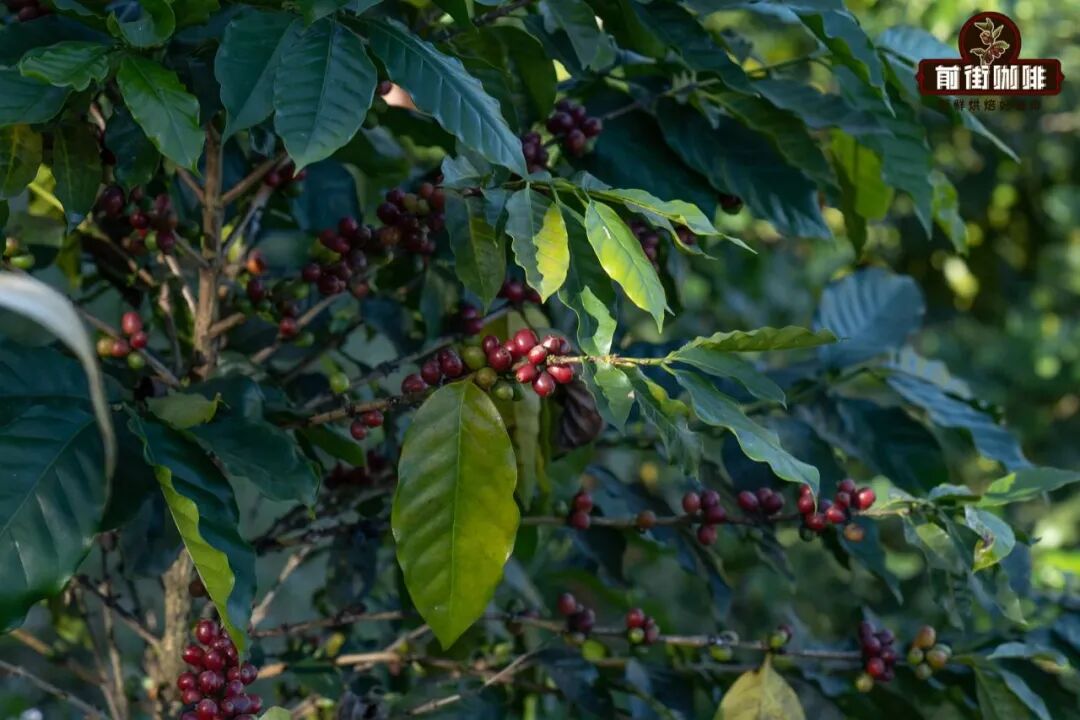
The coffee leaves of Arabica are slender and oval, while the coffee leaves of Robusta are broader and thicker. The difference in leaf size is already obvious, not to mention the size of the plant. Arabica coffee trees are usually 2~3 meters tall, while Robusta can generally reach more than 10 meters.
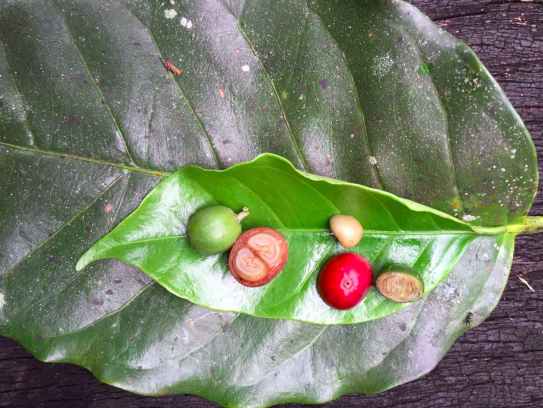
Arabica coffee is a huge family with nearly three thousand varieties, all evolved from two of the oldest native species, Typica and Bourbon from Ethiopia. After these varieties spread to South America or Asia, they mutated as they adapted to local environments.
As a crop, coffee's unique flavor is closely related to many factors, including variety, climate, altitude, soil, and management methods. These factors together constitute coffee's flavor characteristics and are a natural and authentic expression of the variety and the local terroir. Now, Front Street Coffee has selected several representative varieties to learn about Arabica coffee~
Jamaica's Typica
As Ethiopia's oldest native variety, Typica was discovered around the 15th to 16th centuries AD. Typica is characterized by a taller coffee tree, bronze-colored leaves at the top, and relatively large, long coffee beans with pointed, upturned ends, somewhat like eggs. Typica coffee often has a citrusy acidity with a sweet aftertaste, and is praised by many as an elegant and clean coffee bean. Unfortunately, due to its low yield and poor resistance to leaf rust, it was gradually replaced by farmers with other more robust varieties.
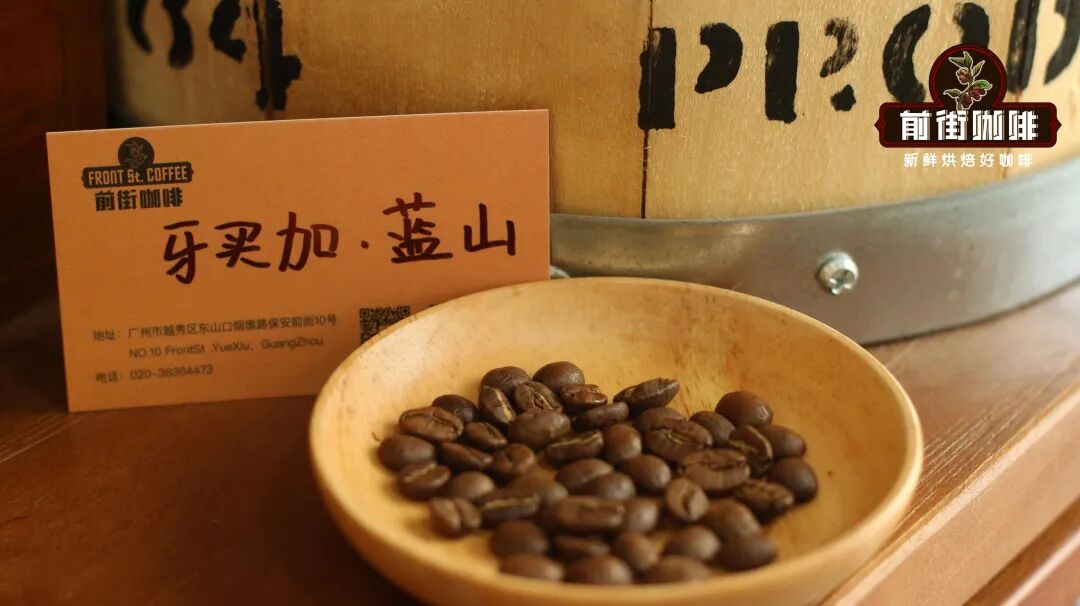
Speaking of Typica, we have to talk aboutFront StreetBlue Mountain Coffee. It was introduced to Jamaica by Sir Nicholas Lawes in the 18th century, and not long after it was brought to the Blue Mountains for cultivation, and it has been more than two hundred years since. Blue Mountain's Typica has also adapted to the local island-type tropical rainforest climate according to local conditions, evolving stronger disease resistance, and its resistance to coffee berry disease is much stronger than that of ordinary Typica.
Front Street Coffee believes that Blue Mountain's refined and clean flavor cannot be separated from Jamaica's insistence on carefully cultivating the Typica variety, allowing Typica to integrate into the terroir here, and the excellent terroir and unique microclimate of the Blue Mountains also play an indispensable role. Front Street Coffee uses a medium-dark roast to maximize the coffee's chocolate and nutty aromas while retaining soft acidity and sweetness, making the overall taste more balanced.
Panama's Geisha
Friends who often drink pour-over coffee must have heard of Panama Geisha coffee, which, because of its stunning aroma, has become one of the synonyms for contemporary specialty coffee. The Geisha variety is derived from Typica and also originates from Ethiopia, the birthplace of coffee.
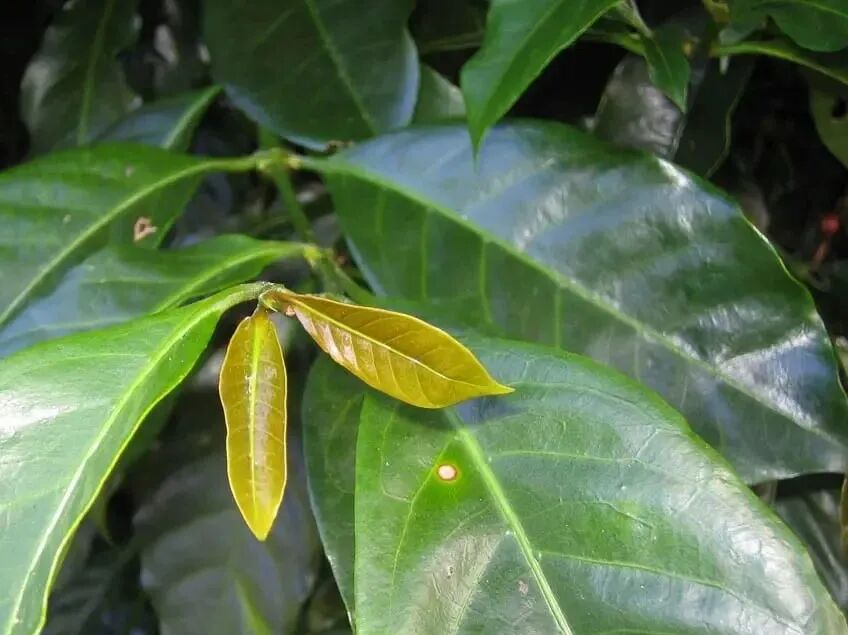
Geisha is very demanding when it comes to its growing environment. It needs high altitude, fertile soil, and clouds or shade from plants, and cannot be directly exposed to the sun. The owner of Hacienda La Esmeralda has said that the estate needs a large number of shade trees to block sunlight for the delicate Geisha, and in the early stages of planting, traditional pruning must also be used, otherwise the plants are likely to die.
The higher the altitude at which Geisha is planted, the longer the coffee fruit takes to mature, and the more complex and unique its flavor expression becomes. Unlike other coffee varieties, the leaf system of the Geisha coffee tree is very thin, which means the efficiency of photosynthesis is very low. The root system is also very fragile, and the absorption of water and nutrients is very slow. Therefore, coffee yield is very low, and combined with the high-altitude growing environment, the fruit also ripens relatively late.
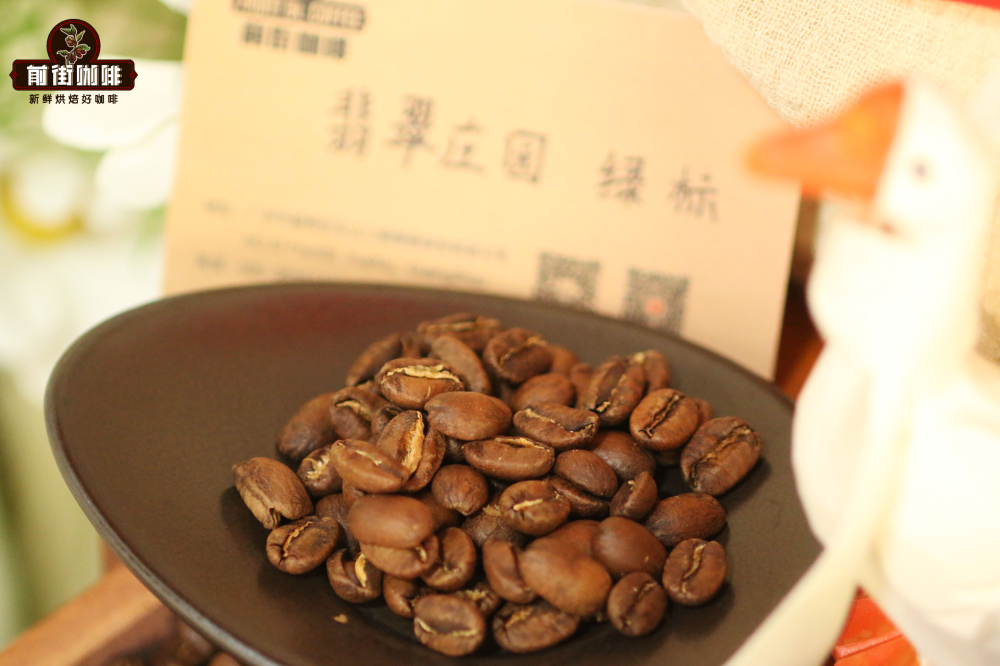
At present, Geisha is grown in many regions around the world and is the new king of specialty coffee. Among them, the quality from Latin American countries such as Panama, Guatemala, and Colombia is relatively high, and Panama Geisha is especially outstanding among specialty coffees. When it comes to Geisha coffee, the most popular on Front Street Coffee's bean list is, of course, the famous Geisha coffee produced by Hacienda La Esmeralda, which is further divided according to different characteristics into Red Label Geisha and Green Label Geisha. High-quality Geisha coffee has striking aromas of rose, citrus, berries, and honey, and is loved by many coffee people.
Ethiopian Heirloom varieties
Friends who often drink Ethiopian coffee may have noticed that Ethiopian beans always list the variety as local heirloom or Heirloom native species. In the dictionary, Heirloom refers to "a precious possession passed down through generations," which is to say that for Ethiopians, coffee is an irreplaceable "treasure."
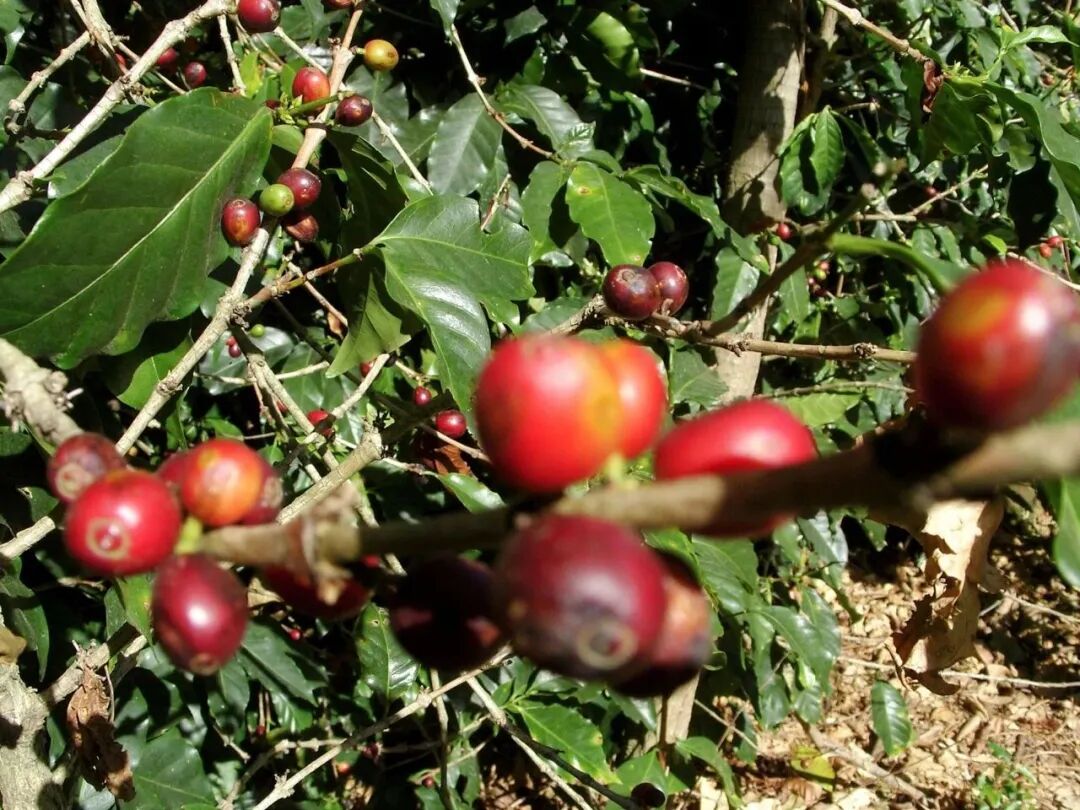
This is because in Ethiopia's primeval forests, coffee varieties are numerous and genetic types are countless, making identification extremely difficult. In addition, the local government hopes to protect these varieties by not disclosing them, so "Heirloom" is used as a general term for these coffee categories. The Yirgacheffe coffee variety is a local heirloom, with small beans, varying in shape and size, and a relatively round appearance, mostly between screen sizes 14-15.

On the market, you can find many Arabica heirloom coffees from Ethiopia, such as Front Street Coffee's Gutingting Cooperative, Front Street Coffee's Sun-Dried Red Cherry, and Front Street Coffee's Kaffa Forest. These are mostly roasted light to medium, and in cupping they often show elegant floral and fruity flavors.
The above content is compiled by CoffeeHunters, a coffee news website.

