








The flavor, quality, and even the difficulty of cultivation of coffee are all closely tied to the coffee variety. This article systematically sorts out the three major native species of coffee—Arabica, Robusta, and Liberica—and focuses on the origins, characteristics, and representative producing regions of Typica, Bourbon, and their many derived varieties. From their origins in Africa to their global spread, from the ancient Typica to the Geisha that has taken the specialty world by storm, you will see how varieties shape the personality of a cup of coffee. The article also intersperses information on the producing regions, estates, altitudes, and processing methods of several corresponding Front Street Coffee products, making it easy for enthusiasts to trace the clues and understand the connection between varieties and flavors in the cup.

What do we often talk about when drinking coffee? Flavor performance, origin background, brewing parameters, and coffee varieties. The bean variety directly influences the flavor and quality in the cup, and also determines the cultivation conditions and disease resistance of the coffee tree. This time, Front Street Coffee will talk about the variety system of specialty coffee.
The spread of coffee varieties has gone through more than ten centuries. In 1699, the East India Company brought coffee to Indonesia, where it took root on the island of Java. The Dutch were the first people to introduce coffee from Arabia to Europe. They first introduced it to Batavia, then brought it back to Europe. In 1706, several coffee trees were shipped from Java back to Amsterdam and successfully cultivated in a greenhouse. In 1713, the seedlings grown from these seeds were presented to Louis XIV of France.
In 1723, a French officer named Clieu secretly brought seedlings from the Jardin des Plantes in Paris to Martinique, where he was appointed. This tree became the first coffee tree in the entire Caribbean region and gradually spread throughout Central and South America. This was the path of dissemination during the Age of Discovery. Although Europe does not produce coffee beans, the Netherlands and France made enormous contributions to the globalization of coffee. Starting from its place of origin in Africa, coffee is now mainly distributed across three major cultivation regions: Asia and the Pacific, Latin America, and Africa, with a small amount also produced in Australia.
Major coffee producing regions in Africa
This area lies in the hottest central zone of the tropics, and most African countries produce Robusta varieties. Washed Arabica beans perform especially well in the highland areas of Kenya, Tanzania, and Cameroon. Africa is the birthplace of coffee, so there are naturally many coffee-producing countries. Congo, Rwanda, Kenya, Angola, Zimbabwe, Mozambique, Ethiopia, and other countries all produce coffee.
Major coffee producing regions in Latin America
Brazil is the largest country in South America, exporting 30 to 40 million bags of coffee beans annually on average. It is called the world's largest coffee producer, accounting for about one third of global output. Its main variety is Natural Arabica (Arabica accounts for 24% of global coffee production, Robusta 9%). Brazil's Santos coffee is quite famous.
Jamaica is best known for Blue Mountain coffee, known as the "finest coffee"; next are Colombia, Venezuela, Peru, and Ecuador, mainly producing washed Arabica. In Mexico, Panama, and the countries along the Caribbean coast, coffee occupies an extremely important economic position, and the washed Arabica they produce is of excellent quality. Costa Rica originally stood out for the distinctive flavor of its "Honey Process," and later Panama's Elida Estate led the trend with the ASD (Anaerobic Slow Dry) anaerobic fermentation slow natural method!
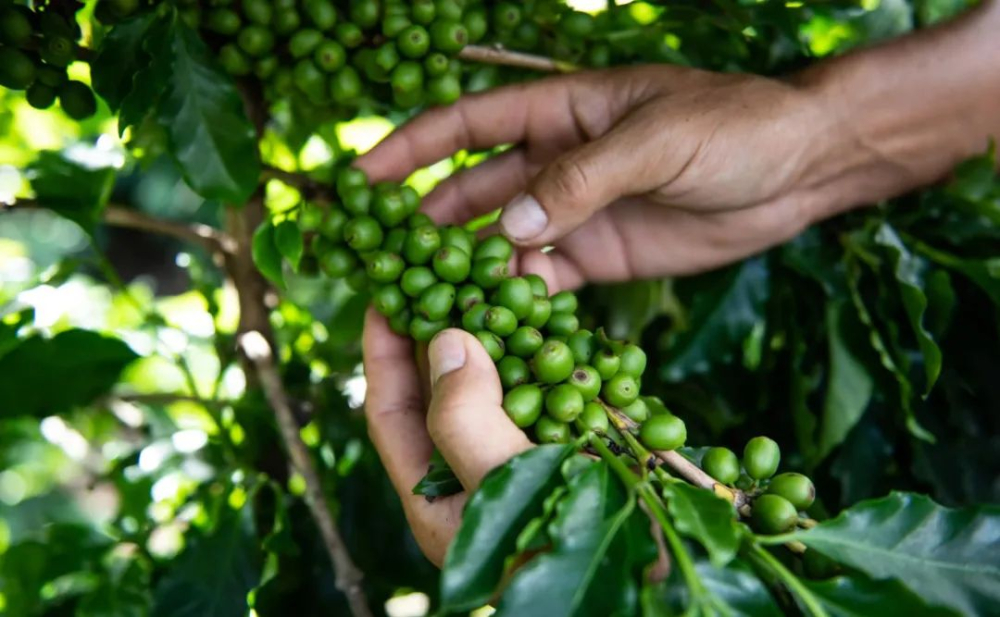
Major coffee producing regions in Asia and the Pacific
Indonesia has Java, Mandheling, and Kopi Luwak; Yemen in Arabia has Mocha Sanaani; China has Yunnan coffee, Hainan coffee, and Taiwan coffee; in addition, there are India, Vietnam, Hawaii, and other countries and regions.
Thanks to advanced and excellent technology, the production of washed Arabica, washed Robusta, and natural Robusta in India and Indonesia has increased noticeably. In the global coffee market, Arabica varieties account for about 60%, while Robusta varieties account for more than 35%.
Major coffee producing regions in Australia
Australia began growing coffee around 1900 AD, with both Robusta and Arabica species, mainly concentrated in eastern Australia, roughly distributed in northern New South Wales, around Queensland, and Norfolk Island. Northeastern Queensland is the famous Skybury growing region; Norfolk Island is located far to the east of the Australian mainland in the South Pacific, where about 20,000 Arabica coffee trees are planted.
The schools and lineages of coffee beans
Looking at coffee beans from the biological classification of "kingdom, phylum, class, order, family, genus, species," coffee belongs to the family Rubiaceae and the genus Coffea, of which only three species have commercial value.
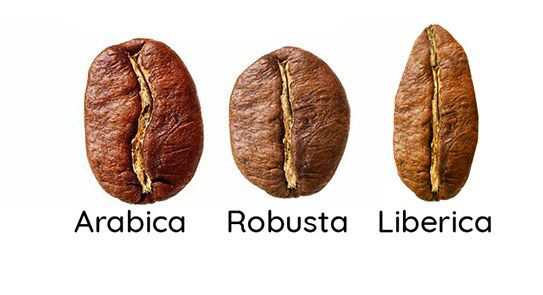
Coffea Arabica, Coffea Robusta (also known as Coffea canephora), and Coffea Liberica—these three coffee varieties are collectively called the "three major native species of coffee."
An overview of the three native species of coffee beans:
1. Arabica originates from Ethiopia and has the best flavor, aroma, and quality, accounting for about 60% to 70% of total world production. It is a widely planted variety and also the bulk demand of specialty coffee.
2. Robusta originates from Congo and is cultivated in both Africa and Indonesia. It has strong resistance to pests, but its quality and aroma are inferior to Arabica. Instant coffee mostly uses this variety. Robusta is also called medium bean coffee and accounts for about 30%. It is mainly used for instant and canned coffee, and its caffeine content is twice that of Arabica.
3. Liberica originates from Liberia and is also called large bean coffee. Because it is susceptible to leaf rust and has poor flavor, it is traded only in countries such as Suriname in West Africa, Libya, Côte d'Ivoire, and Malaysia, and is not popular around the world. However, it has the strongest adaptability and holds a rather important position in improving coffee varieties.
Among them, Arabica has the greatest commercial value, and a large proportion of research and classification has been devoted to it, so many detailed varieties have been subdivided. Among these, Typica and Bourbon are the oldest and most famous.
Typica
The variety closest to the native species, originally from Kaffa in Ethiopia and Yemen. As the ancestor of Arabica varieties, Typica has excellent quality, showing outstanding clarity and body, with citric acidity and a sweet aftertaste. Typica's top leaves are bronze-colored, and the beans are oval or slender-pointed; the tree is 3-4 meters tall, conical in shape, with an angle of about 50-70 degrees between the trunk and branches. The leaves are narrow and bronze-colored. The cherries are more oval than those of other varieties. In Central America it is called Arabigo or Criollo. It has low resistance to leaf rust and is not easy to care for. The tree has low yield, and combined with a long harvest period, production is small.
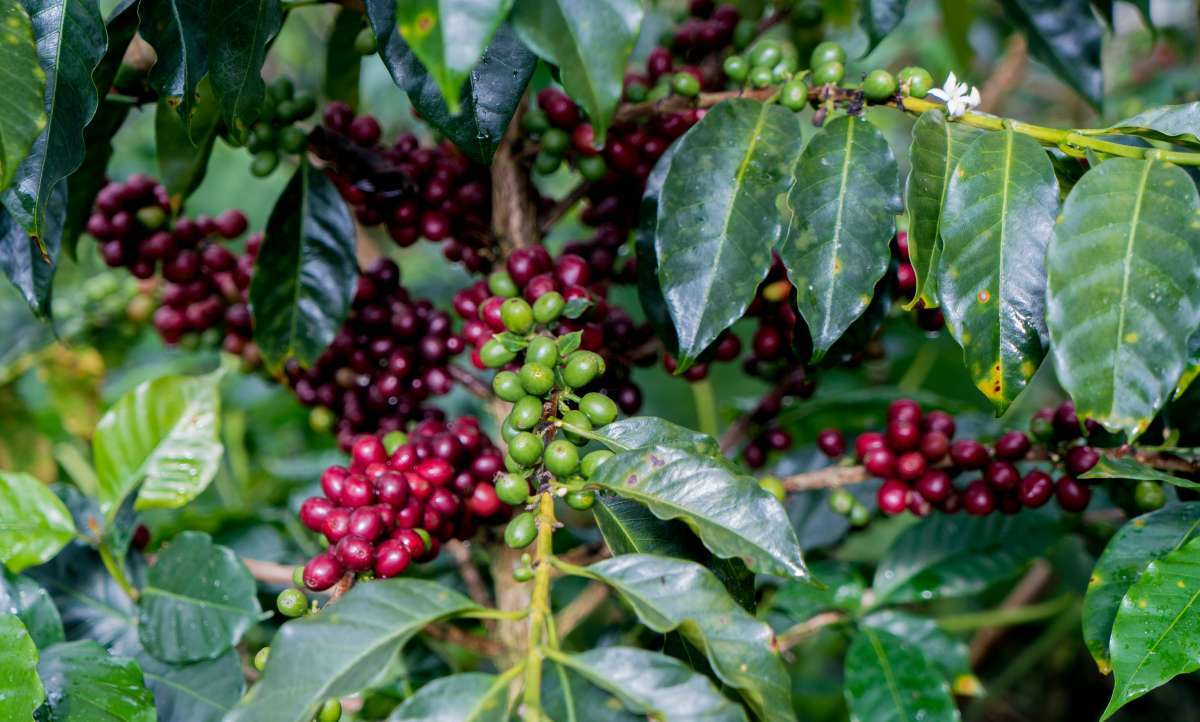
Through genetic evolution, Typica has produced many variant varieties that are better adapted to their surroundings and possess new characteristics, usually regarded as new coffee varieties. For example, Mexican Typica and Hawaiian Typica differ slightly, hence their different names; Criollo (South America), Arabigo (the Americas), Kona (Hawaii), Pluma Hidalgo (Mexico), Garundang (Sumatra), Blue Mountain (Jamaica, Papua New Guinea), San Bernado & San Ramon (Brazil), Kent and Chickumalgu (India) all belong to Typica coffee.
Representative varieties:
Front Street Coffee Jamaica Blue Mountain No. 1
Producing region: Jamaica Blue Mountain producing region
Estate: Clifton
Altitude: 1,310 meters
Variety: Typica
Processing method: Washed
Front Street Coffee Front Street 2013 Yunnan Small Bean · Typica
Country: China
Producing region: Lincang, Yunnan
Altitude: 1,300 meters
Variety: Typica
Processing method: Washed
Front Street Coffee Panama · Elida Estate
Producing region: Boquete, Panama
Estate: Elida Estate
Altitude: 1,850 meters
Variety: Typica
Processing method: Natural
Maragogype
Maragogype (or Elephant Bean) is the most famous mutant bean of Typica. It was discovered in a place called Maragogype in Bahia, Brazil. Its beans are at least three times larger than ordinary Arabica, hence the name Elephant Bean. The taste is very mild, with a slight sweet acidity. It is not easy to roast, and a light roast is recommended, because a dark roast will fail to express its characteristics. It was first discovered in 1870 in the Maragogype bean-producing area of Bahia state in northeastern Brazil. Maragogype has poor flavor at low altitudes, but at high altitudes it has better flavor, mild acidity, and pleasant sweet aroma.
Bourbon
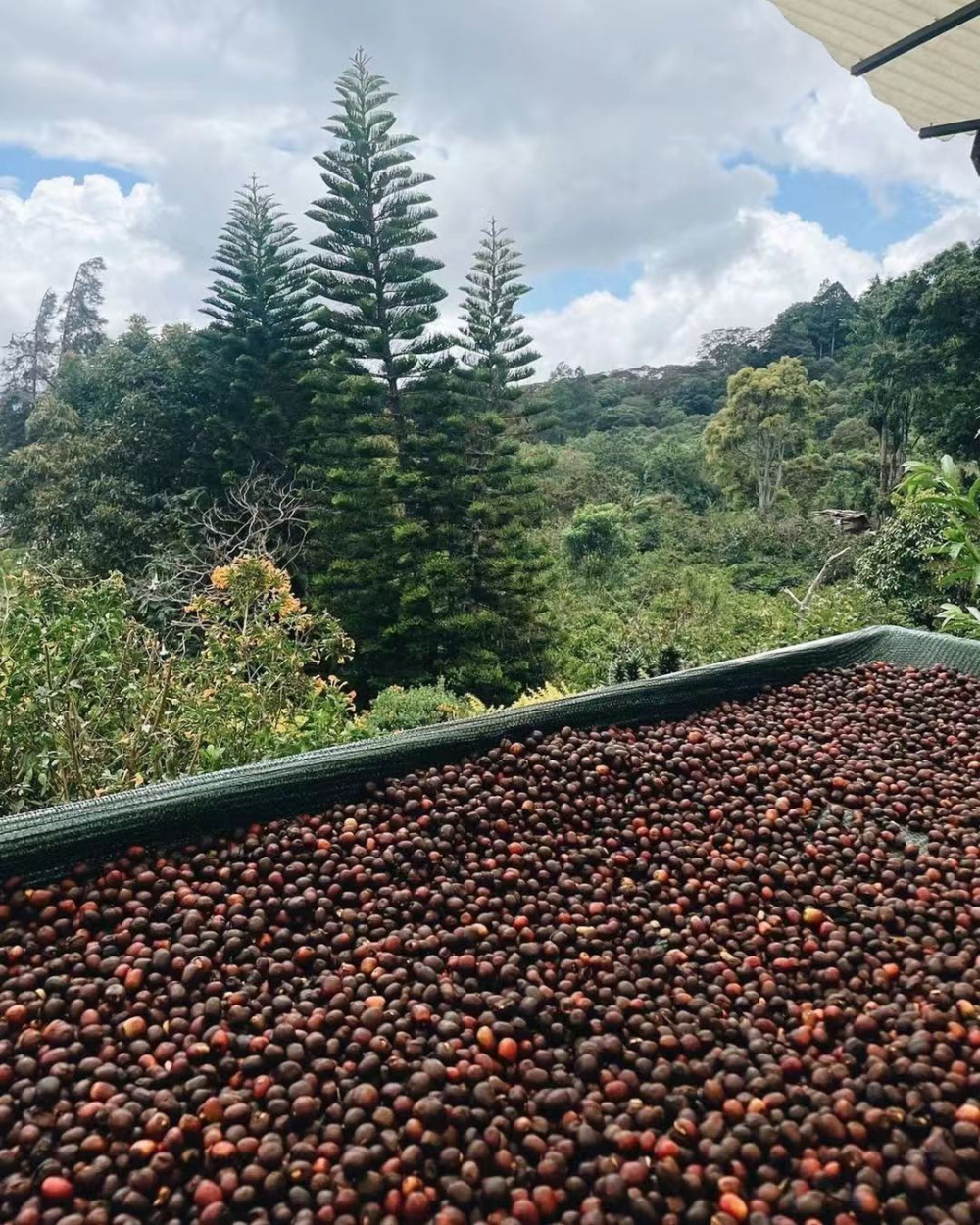
It arose from a mutation of Typica and, like Typica, is currently one of the varieties closest to the native species. Bourbon spread from southwestern Ethiopia to Yemen, and the bean shape changed from slender-pointed to round. In 1715, the French transplanted round beans of Yemen Mocha to Bourbon Island off the east coast of Africa (renamed Réunion after the French Revolution), and only then was it named Bourbon. The round Bourbon beans were passed on to Brazil and Central and South America in 1727. In 1732, the British transplanted Yemen Mocha to Saint Helena (later the place where Napoleon was imprisoned), which was also round Bourbon beans. Bourbon is a frequent winner in cupping competitions for specialty coffee in the Americas. Bourbon produces 20-30% more fruit than Typica.
Characteristics of the Bourbon family: complex acidity, caramel sweetness, balance. Bourbon trees are tall and vigorous, with slightly serrated broad green leaves. The beans they bear are relatively small and densely clustered, so compared with Typica the beans look smaller and rounder. The fruit can be red, yellow, or orange, varying by variant and soil texture, with red fruit being the most common. Although Bourbon has higher yield than Typica, it is still considered a low-production variety and is highly susceptible to leaf rust, berry disease, and nematode infection. To produce beans with unique and superior flavor, the ideal growing altitude is 1,100 to 2,200 meters.
Front Street Coffee Brazil Red Bourbon
Producing region: Sul de Minas, Brazil
Altitude: 1,000 meters
Variety: Red Bourbon
Processing method: Semi-natural
Yellow Bourbon
When ripe, the fruit of Yellow Bourbon is not red like that of ordinary coffee cherries, but yellow. It was first discovered in Brazil in 1930 and is currently mainly grown in Brazil. It is generally believed that it may have originated from a mutation after hybridization between a red-fruited Bourbon and a yellow-fruited Typica variant called "Amerelo de Botocatu" (discovered in São Paulo in 1871). Because of its lower yield and weaker resistance to wind and rain, it has not been widely planted. However, when grown at high altitudes, it can show excellent flavor performance, and it has become more common in recent years.
For example, Front Street Coffee's Brazil Queen Estate Yellow Bourbon presents a sweet and smooth fruit sweetness, obvious nutty flavor, balanced and smooth acidity, a faint and clean bitterness, and contains rich chocolate aroma and nutty flavor, with a bright and refreshing mouthfeel.
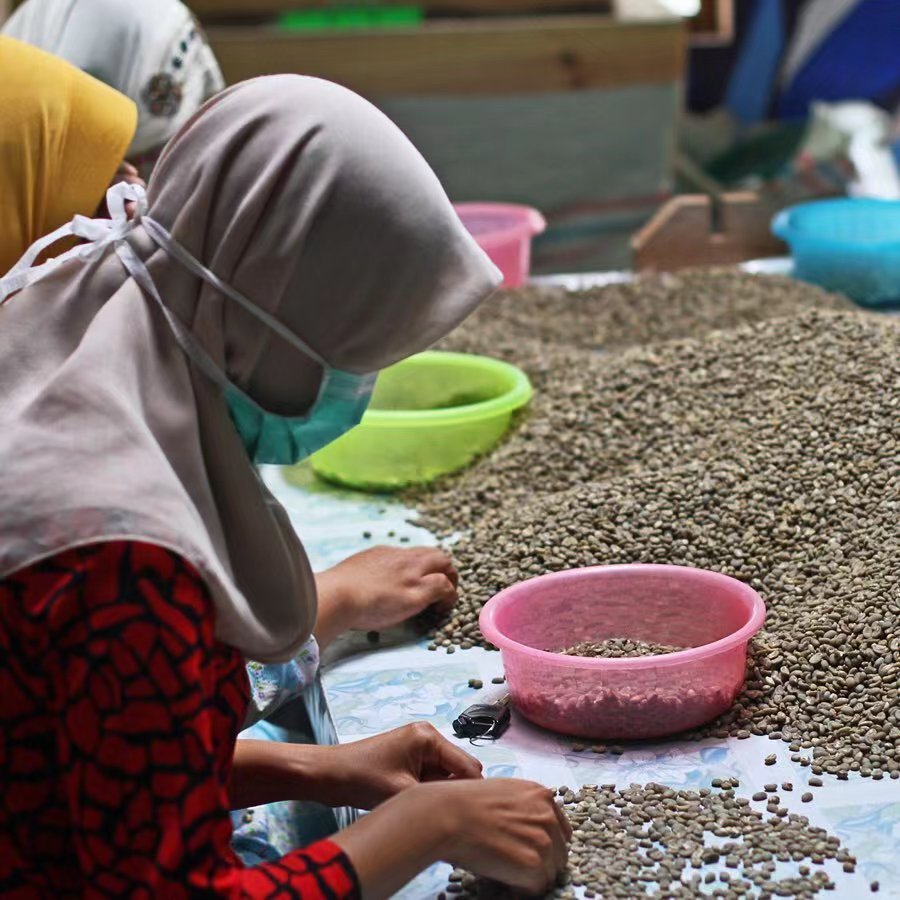
Front Street Coffee Brazil Queen Estate
Producing region: Mogiana, Brazil
Estate: Queen Estate
Altitude: 1,400-1,950 meters
Variety: Yellow Bourbon
Processing method: Natural
Pink Bourbon
When ripe, the coffee cherries of Pink Bourbon are pink. It is a very rare new variety, developed by crossing Red Bourbon and Yellow Bourbon. The reason Pink Bourbon is said to be rare is mainly that maintaining this beautiful pink color is very difficult, and sometimes some orange Bourbon is harvested. This is because the final color of the coffee fruit is determined by recessive genes inside the pollen grains.
Among the pollen grains selected for crossing, there are both yellow genes tending toward Yellow Bourbon and red genes tending toward Red Bourbon, and these are all recessive genes that interfere with each other very easily. This makes Pink Bourbon difficult to produce; in addition, Pink Bourbon is extremely similar to unripe Red Bourbon and is not easy to identify, often being mixed together, which is also one of the reasons for its rarity.
Pink Bourbon was first grown by a coffee farmer named Gabriel Castaño in the Huila producing region. His farm is Finca La Granada, with an altitude of up to 1,800 meters. The days are warm and the nights are cool, providing the coffee trees with appropriate stress factors. The farm covers only 2 hectares, and Gabriel has 8,000 Pink Bourbon trees. The rich flavor shown during cupping has made Pink Bourbon's reputation increasingly prominent.
At first it was mixed with other Bourbon and Caturra plants, and only later was it harvested and processed separately. Its performance in the cup is also very special. Unlike the generally flatter flavor of ordinary Bourbon, Pink Bourbon has a fresh floral aroma, the juicy sweetness of blueberries and green grapes, a cherry note in the middle, a brown-sugar-like sweetness in the finish, and an acidity that is more of a complex citrus-berry expression. It is currently mainly grown in Colombia and Guatemala.
Front Street Coffee Colombia Isabella
Producing region: Huila, Colombia
Altitude: 1,760 meters
Variety: Pink Bourbon
Processing method: Semi-washed
Bourbon Pointu
Discovered in 1810 by a coffee farmer on Bourbon Island named Leroy, the Bourbon Pointu coffee tree is relatively small, and the coffee cherries it bears are pointed, very different from the round body of Bourbon. It was not until the twentieth century that scientists discovered that Bourbon Pointu's caffeine content is only half that of ordinary Arabica. Bourbon Pointu is also called Laurina or Leroy. [Coffea Laurina] is the scientific name of Bourbon Pointu, and [Leroy] is the name of the coffee farmer who discovered this variety. It is commonly called [Bourbon Pointu].
Because Bourbon Pointu is weak, susceptible to disease, and low-yielding, local farmers had little enthusiasm for planting it, and it nearly became extinct. It was not until 1999-2007, through efforts in France and Japan, that it was successfully revived. Before 2000, Bourbon Pointu existed only on Bourbon Island, and only afterward was it successfully trial-planted in Colombia and El Salvador.
Pacas
Pacas is a natural mutation of Bourbon, first discovered in 1949 by the Pacas family in the Santa Ana producing region of El Salvador. Fernando Alberto Pacas Figuero discovered some plants with different morphology on his family's own estate, Finca San Rafael, and then began collecting seeds and carrying out selection.
By 1956, Francisco de Sola and Fernando's son Fernando Alberto Pacas Trujillo began studying Pacas with the help of Professor William Cogwill in Florida. They compared the Bourbon variety from San Ramon with an "unknown" new variety, and this "unknown" variety exhibited completely different characteristics. Its plant morphology also differed from Bourbon, with shorter internode spacing and a larger fruiting area. In the end, they named this variety "Pacas." Pacas coffee plants are smaller in size, can be planted more densely, and have higher yield than native Bourbon.
In 1960, the Salvadoran Coffee Research Institute (ISIC) began a pedigree selection project for Pacas and planted it widely in El Salvador. Pacas accounts for about 25% of the country's total coffee production. In 1974, the Honduran Coffee Institute introduced Pacas and began growing it in Honduras.
Front Street Coffee Honduras Sherry
Producing region: Marcala, Honduras
Estate: Mocha Estate
Altitude: 1,500-1,700 meters
Variety: Caturra, Catuai, Pacas
Processing method: Refined washed whisky barrel fermentation
Caturra
Caturra is a single-gene mutation of Bourbon, discovered in Brazil in 1937. Its productivity and disease resistance are both better than Bourbon, and the tree is shorter, making harvesting easier. Unfortunately, like Bourbon, it has a biennial yield fluctuation cycle. However, its flavor is comparable to Bourbon beans, and more importantly, it has extremely strong adaptability and does not need shade trees, so it is also called Sun Coffee. It can adapt to high-density planting, but requires more fertilizer, increasing costs, so early acceptance among coffee farmers was not high.
As bean prices rose sharply in the 1970s, farmers switched to growing Caturra to increase yields. With vigorous promotion by authorities in Brazil and Colombia, the results were substantial. Farmers began planting Caturra across the board. By 1990, one million hectares of coffee-growing area could harvest 14 million bags of coffee beans, increasing productivity by 60%, making Caturra deeply favored by Central American countries.
Caturra is suitable for planting from low altitudes of 700 meters to high altitudes of 1,700 meters. It has strong adaptability, but the higher the altitude, the better the flavor, and the yield will relatively decrease. Caturra's mouthfeel is full of fruity tonality and berry flavors.
Villa Sarchi
Villa Sarchi is a local mutation of Bourbon in Costa Rica, similar to the low-growing mutation of Bourbon in Brazil called Caturra, and the low-growing mutation of Bourbon in El Salvador called Pacas.
Villa Sarchi has a relatively small plant type, green top leaves, an angle of about 45 degrees between side branches and the trunk, and small intervals between fruit clusters. The fruit is resistant to wind and rain and does not fall easily. It requires sufficient fertilizer supply and prefers shade, and performs well in flavor at high altitudes.
Mundo Novo
Mundo Novo is the result of natural hybridization between Bourbon and Sumatra Typica, first discovered in 1943 in Tietê, São Paulo, Brazil. Mundo Novo was initially planted in the city of Novo Mundo, which is now Urupês.
The first selection of Brazil's Mundo Novo coffee beans was completed between 1943 and 1952. This variety began to be distributed to coffee farmers for planting in 1952. In the 1960s, Mundo Novo was widely planted in Brazil and was hailed as the new hope of the Brazilian coffee industry. Later, in 1977, the Agronomical Institute of Campinas (IAC) released a new selection. In Brazil and other South American countries, the Mundo Novo variety has very high commercial value. Mundo Novo also spread to other countries, but for various reasons it was not widely planted locally. Mundo Novo coffee trees are tall, with green or brown leaf tips, and the overall bean shape is relatively round with larger beans.
Catuai
Catuai is a cross between Mundo Novo and Caturra, one could say a second-generation hybrid. It inherited the advantage of Caturra's low tree height and also made up for Arabica's weakness of fragile fruit. The fruit is firm and not easy to drop even in strong winds. The greatest regret is that its overall flavor is slightly more monotonous than Caturra. Catuai also has red-fruited and yellow-fruited types, and the red-fruited type wins awards more often than the yellow-fruited type. Catuai, Caturra, Mundo Novo, and Bourbon are ranked together as Brazil's four main coffee varieties.
In 1949, it was developed by crossing Yellow Caturra (a Bourbon mutation) C476-11 and Mundo Novo (Typica x Bourbon) CP 374-19. It was released in 1972 after pedigree selection in Brazil (continuous single-plant generation selection). There are red-fruited and yellow-fruited types, as well as a green variety Ouro Verde. It has high acidity, and when the yellow beans cool, they have an impure, petroleum-like mouthfeel. There are many excellent selections in different countries. In Honduras, Catuai accounts for nearly half of the planted area. IHCAFE researchers are actively seeking improvements to Catuai, including cross combinations between Catuai and Timor. Catuai is also important in Costa Rica, and Yellow Catuai has been widely planted since its release in 1985. Catuai was introduced to Guatemala in 1970 and now accounts for about 20% of the country's production. Catuai is hardly cultivated in other Central American countries.
Catuai has a smooth body, a warm, soft-water-like sensation going down the throat, delicate aftertaste changes, orange fruit sweetness, tropical fruit, raspberry, maple syrup sweetness, juicy feel, faint wine aroma, white bitter melon, baked cookie aroma, caramel, vanilla, and an elegant, refined finish with a long, multi-layered mouthfeel.
Front Street Coffee Costa Rica Mozart
Producing region: Tarrazú, Costa Rica
Estate: Canet Estate
Altitude: 1,980 meters
Variety: Caturra, Catuai
Processing method: Raisin anaerobic honey process
Timor
A natural hybrid variety discovered on the island nation at the eastern end of the Lesser Sunda Islands—East Timor. It has 44 chromosomes and is relatively close to Arabica; however, its flavor is plain and unremarkable. Timor has low acidity and lacks distinctive features, and it is often used to make low-cost blend beans. But East Timor also has high-altitude purebred washed Typica. Before purchasing, be sure to clarify whether it is a hybrid or purebred washed Typica beans. The quality of the two differs greatly: the former is plain and unremarkable, while the latter is stunning.
Catimor
In 1959, the Portuguese crossed Brazilian Caturra with Timor to cultivate the second-generation hybrid Catimor, which has extremely strong disease resistance and productivity. However, its flavor is also relatively poor, and it is currently an important variety for commercial beans. In order to improve Catimor's poor reputation in cupping, in recent years botanists in various countries have gone back and crossbred Arabica with Catimor over multiple generations, attempting to reduce its Robusta lineage.
Front Street Coffee Yunnan Small Bean Coffee
Producing region: Baoshan, Yunnan
Altitude: 1,200 meters
Variety: Catimor
Processing method: Washed
Geisha
Geisha is a Typica tree species, originating from Geisha Mountain in Ethiopia. In 1963, Don Pachi (known as the father of Panama Geisha) introduced it from Costa Rica to Panama, but because of low productivity, no farmer was willing to plant it. Daniel Peterson unexpectedly discovered this coffee on his own farm, Esmeralda Special Estate, and since 2004 it has dominated major international cupping competitions year after year, making it arguably the hottest coffee variety. Its rich citrus notes, floral aroma, and toffee aroma captivate everyone. Panama is the main country producing Geisha coffee.
Geisha is a mutated seedling descendant of the native Arabica species originally from the Gesha region of Ethiopia. Its beans are relatively large. It is a coffee variety unique to Panama, and in recent years it has shone brilliantly in specialty coffee. In just a few years on the market, it has been called the queen of specialty coffee. Geisha had already appeared in Panama as early as 1960, and many cultivation institutions in Panama also had many Geisha seeds. In fact, Geisha was discovered in Gesha in southwestern Ethiopia in 1931, where it had many different local names. In 1931 and 1932, it was imported into Kenya under the names Abyssinian and Geisha respectively. In 1936, Kenya took the harvested Geisha seeds to Uganda and Tanzania for planting. In July 1953, Tanzania sent descendant trees to Costa Rica, while keeping the mother tree in its own country. In 1960, through CATIE (Tropical Agronomic Center for Research and Education), Panama formally cultivated Geisha.
The Geisha tree is tall and slender (can reach 4.5 meters), with spreading branches and leaves, long green and red leaves, and late fruiting. It is resistant to leaf rust, and susceptible to berry disease and nematodes. The fruit is small to medium, and yield is below average. Panama Geisha has a very unique flavor and can be a dinner coffee: refined, with the body of black tea and bergamot flavor. Geisha flowers also carry a combination of white peach and melon. Beans produced at high altitudes have excellent aroma, a sweet, clean, and distinctive aftertaste, with jasmine and white peach aromas, and bright fruit acidity like guava, mango, and papaya. The mouthfeel is very smooth, and its characteristics can rival Ethiopian washed beans. However, its flavor changes drastically in different cultivation areas, and to maintain its characteristics it must be planted on hillsides at 1,200 meters.
Front Street Coffee Hacienda La Esmeralda Red Label Geisha
Producing region: Boquete, Panama
Estate: Hacienda La Esmeralda El Velo
Altitude: 1,600-1,800 meters
Variety: Geisha
Processing method: Natural
The above content is compiled by CoffeeHunters, a coffee news website.


