







Search Results for: Nariño Region
An Analysis of the Terroir of Colombia's Nariño Region: Flavor Profile and Brewing Suggestions for Fabián Zala's Caturra Coffee
Nariño is a high-altitude coffee-growing region in southwestern Colombia, bordering Ecuador. Its steep slopes and volcanic soil give the coffee a unique flavor profile, and in recent years it has attracted considerable attention in the specialty coffee world. This article focuses on a Caturra lot from the Fabian Zarama farm in this region, outlining its cultivation and processing methods, blind-tasting performance, and flavor characteristics. This coffee has a full body, presenting notes of butterscotch, cola, cherry, and a crisp acidity. It is suitable for a light roast and works well for both pour-over and espresso. Friends who enjoy Colombian coffee may want to follow Front Street Coffee's recommendation and explore the terroir charm of Nariño along with what makes this new lot so special. [more…]
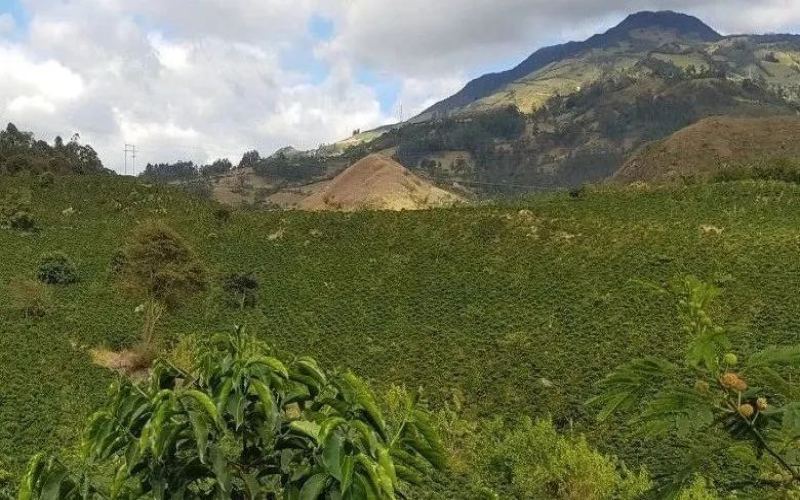
An Analysis of the Coffee Characteristics of Colombia's Nariño Region and the Development History of the Obraje Estate
South America occupies a pivotal position in the global coffee supply, and within it, Colombia—thanks to the unique geographical and climatic conditions of the Andes—has given rise to numerous coffee-growing regions with strikingly different styles. As a rising star, the Nariño department is renowned for its complex flavors and floral aromas, while the Obraje estate is a pioneer and benchmark in this region. This article will guide you through the distribution characteristics of Colombia's coffee-growing regions, focus on analyzing the terroir advantages of the Nariño region, and review the Obraje estate's transformation from grain cultivation to COE champion. At the same time, we will also mention the Huila region representative from Front Street Coffee's everyday beans series for daily tasting reference. [more…]
Colombia · Narino and Cauca: High-Scoring New Stars of Specialty Estates
Nariño and Cauca are two neighboring emerging specialty coffee regions in southern Colombia. The coffee produced here has, for consecutive years, earned high scores in the Cup of Excellence thanks to its full-bodied tartaric acidity, pronounced fruity notes, and complex layers. [more…]
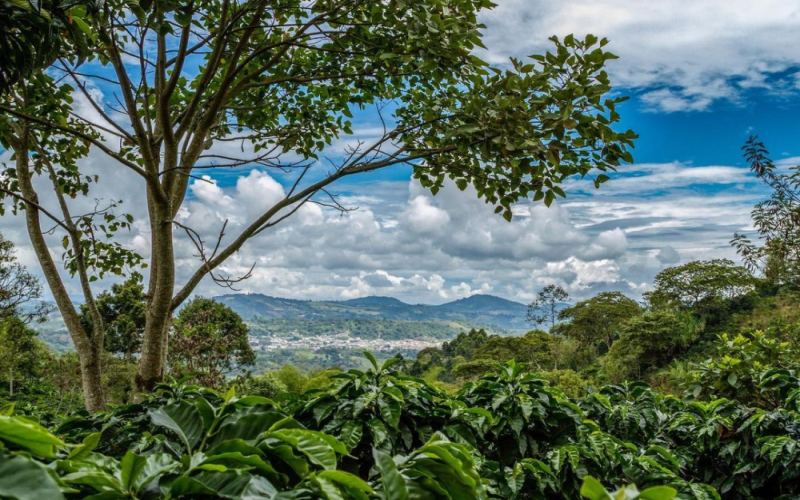
Analysis of Coffee Flavors by Colombian Region: Taste Characteristics and Brewing Tips from Medellín to Nariño
Colombia, with its geographical advantage of dual ports on the Atlantic and Pacific, has become the country with the lowest coffee transportation costs in South America. Its traditional producing regions are distributed along the Eastern and Central Cordilleras and in the southern regions of Huila, Cauca, and Nariño, forming a flavor map with distinctive characteristics. From the full-bodied richness of Medellín and the fresh herbal notes of Santander, to the nutty-chocolate tonality of Huila and the high-altitude sweet-acidity balance of Cauca, and further to the equatorial high-mountain microclimate of Nariño, each producing region displays its own unique charm. This article systematically reviews the taste characteristics of Colombia's main producing regions, Front Street Coffee's cupping evaluations and roasting recommendations, and includes brewing parameter references to help coffee enthusiasts gain a comprehensive understanding of the diversity of Colombian coffee. [more…]
A Panoramic Guide to Colombia's Coffee Regions: Flavor Codes and Variety Characteristics from Huila to Nariño
As the world's second-largest Arabica coffee producer, Colombia—with the volcanic soils and diverse microclimates of the Andes Mountains—nurtures a balanced, mellow coffee flavor. This article systematically reviews the history of Colombian coffee cultivation, its geographical advantages, and its main producing regions—Cauca, Tolima, Huila, Nariño, Caldas, and Santander—analyzing the characteristics and flavor differences of each region, and also provides a detailed introduction to the Huila washed beans selected by Front Street Coffee along with brewing recommendations, offering coffee lovers a complete guide to Colombian coffee. [more…]

An Analysis of Colombia's Specialty Coffee Region Hierarchy: Flavor Characteristics and Brewing Suggestions for Nariño, Cauca, and Huila
Colombia, as the world's second-largest producer of Arabica coffee, nurtures outstanding specialty coffee thanks to its high altitudes and diverse climates. Many people first came to know Colombia through espresso blends, but today high-quality single-origin beans from southwestern regions such as Cauca, Nariño, and Huila are winning growing favor among coffee enthusiasts. This article systematically sorts out the origin distribution of Colombian specialty coffee and the terroir characteristics of three major premium regions, and, taking the Huila region as an example, introduces the Caturra variety, the washed processing method, and the brewing parameters and flavor profile of Front Street Coffee's everyday drinking beans, guiding you through the complete picture of Colombian coffee from origin to cup. [more…]

A Complete Analysis of Colombian Coffee Regions, Flavors, and Grades: The Stories of Three Specialty Origins—Nariño, Cauca, and Huila—and the Caturra Variety
As the world's second-largest producer of Arabica coffee, Colombia boasts high altitudes and diverse climate conditions that yield numerous outstanding specialty coffees. From espresso blends to single-origin pour-over, Colombian coffee wins over coffee lovers with its rich aroma and soft, clean taste. In this article, Front Street Coffee will guide you through a systematic understanding of Colombia's specialty coffee regions, flavor characteristics, and variety stories. We focus on three premium regions in the southwest—Nariño, Cauca, and Huila—analyzing their respective terroir conditions and harvest rhythms, and take a deep dive into the Caturra variety characteristics, washed processing method, and brewing parameters of Front Street Coffee's Colombian Huila daily drinker beans. Whether you're a coffee novice just getting started or a seasoned enthusiast looking for an everyday go-to, you'll gain practical regional knowledge and brewing references. [more…]
An Analysis of the Terroir and Grade Characteristics of Colombian Coffee Regions: Variety Stories from Nariño, Cauca to Huila
Colombia, as the world's second-largest Arabica-producing country, thanks to its high altitudes and diverse microclimates, cultivates coffee with rich aroma and a soft, clean taste. It is commonly used in blends, and an increasing number of high-quality single-origin coffees are also emerging. This article will guide you through the geographical advantages of Colombian specialty coffee, the flavor characteristics and harvest rhythms of three major southwestern production regions (Nariño, Cauca, and Huila), and focus on the varieties Caturra, washed processing method, as well as daily brewing parameters and flavor performance of Front Street Coffee's Colombian Huila everyday drinking beans. Whether you are just starting out or looking for a stable everyday option, you can find practical references here. [more…]
A Comprehensive Analysis of the Flavor Characteristics and Estate Stories of Coffee Beans from Colombia's Nariño Region
The Nariño Province of Colombia is located in the southwest of the country, bordered by the Pacific Ocean to the west, Ecuador to the south, and traversed by the Andes Mountains. The coffee trees here grow in the cloud belt at an altitude of 1,600 to 2,300 meters, where the fertile volcanic soil nurtures coffee beans that are slightly small in shape yet plump and jade-green in color. Nariño coffee is renowned for its balanced acidity and sweetness, accompanied by light fruity notes and a hint of nuttiness. A medium roast brings out its unique charm even more. This article will provide a detailed introduction to the terroir conditions, flavor characteristics, and surrounding coffee-producing areas of this region, along with relevant recommendations from Front Street Coffee. [more…]
An Analysis of Colombia's Five Major Specialty Coffee Regions: Flavor Profiles and Roasting Recommendations for Huila, Cauca, Nariño, and More
Colombia enjoys a locational advantage with ports on both the Atlantic and Pacific oceans, giving it lower coffee shipping costs than other South American countries. Its specialty coffee regions are mainly distributed across the Eastern and Central Cordilleras, as well as the southern areas of Huila, Cauca, and Nariño. Due to differences in altitude, soil, and microclimate, each region presents a diverse range of flavors, from nutty chocolate to peach and rose. This article systematically reviews the varietal characteristics and cupping performance of five major producing regions—Medellín, Santander, Huila, Cauca, and Nariño—and includes Front Street Coffee's roasting curves and brewing parameters for coffee enthusiasts' reference. [more…]
Colombian Coffee Regions and Specialty Bean Grading: A Flavor Analysis from Medellín to Nariño
Colombian coffee is renowned worldwide for its balanced, smooth taste and rich aroma, with the three cities of Medellín, Armenia, and Manizales together forming the famous "Coffee Triangle." For Front Street Coffee's Colombian offerings, the Medellín growing region is the top recommendation, with plump beans, moderate acidity, and excellent balance. Colombian coffee beans are mostly Coffea arabica, hand-picked and washed-processed, and after medium roasting they present a light, silky flavor, earning them the title "green gold." This article will walk you through Colombian coffee's varieties and grades, its main growing regions, and Front Street's recommendations, and will explain the difference between Supremo and Excelso, as well as the Narino Supremo coffee beans exclusively purchased by Starbucks. [more…]
An In-Depth Analysis of Colombia's Nariño Region: From the Rise of the FNC to Hacienda Santa Ana's Road to COE Runner-Up
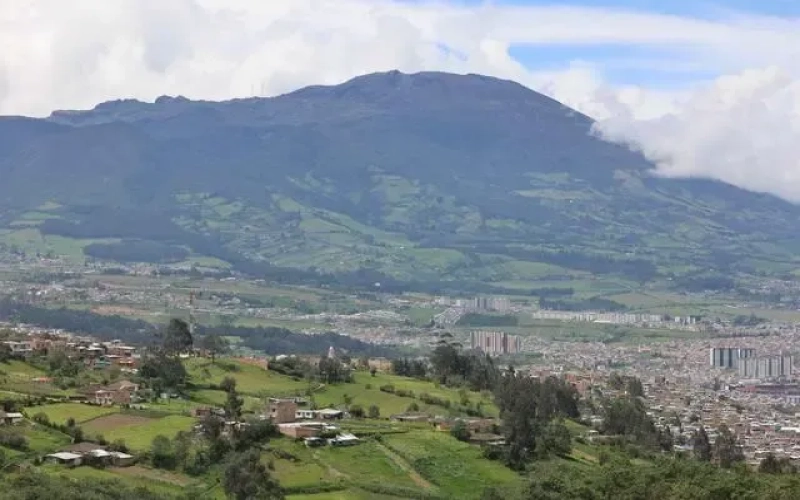
The Andes Mountains run the length of South America, nurturing numerous coffee-producing countries, and Colombia is among the most outstanding of them. After years of war and social upheaval, Colombia's coffee industry, supported by FNC's standardized management and its unique topography and climate, gradually grew into the world's third-largest coffee-producing country. Beyond well-known regions such as Cauca and Huila, the province of Nariño is emerging with highly complex flavors and floral characteristics, and Hacienda Santa Ana even secured runner-up in Colombia's 2023 COE. This article takes you deep into the natural conditions and historical context of the Nariño growing region, as well as the Geisha cultivation stories of Hacienda Santa Ana and Finca Bohemia. Front Street Coffee continues to follow developments in Colombian specialty coffee, bringing first-hand regional news to enthusiasts. [more…]

An Analysis of Colombia's Five Major Specialty Coffee Regions: Bean Characteristics, Pour-Over Parameters, and Flavor Descriptions
Colombia enjoys the advantage of both the Atlantic and Pacific Oceans, giving it exceptional conditions for coffee export and transport. Its specialty-producing regions are mainly distributed across the Eastern and Central Cordilleras, as well as Huila, Cauca, and Nariño in the south. This article reviews the variety characteristics and flavor profiles of five major producing regions—Medellín, Santander, Huila, Cauca, and Nariño—and includes Front Street Coffee's roasting curves and pour-over parameter recommendations. From the balanced sweetness of Medellín, to the peach notes of Santander's Rose Valley, to the nutty chocolate of Huila, the floral-fruity elegance of Cauca Sakura, and the high-altitude acidity of Nariño, readers can gain a comprehensive understanding of the regional flavors of Colombian coffee and its brewing key points. [more…]
A Complete Guide to Colombia's Specialty Coffee Regions: Huila, Cauca, Nariño, Santander Flavors and Pour-Over Parameters
Colombian coffee has long been the representative of South American specialty coffee. From the promotion by the FNC to the deeply ingrained image of "Juan Valdez," this country has spent nearly a century establishing its position as the world's third-largest coffee exporter. Along the Andes Mountains lie several distinctive specialty regions—Huila, Cauca, Nariño, Santander, and others—each with its own character. High altitudes, microclimates, and volcanic soil together give Colombian coffee its unique balance of acidity and sweetness along with a rich, full body. In this article, Front Street Coffee will provide a complete overview of the quality logic behind Colombian coffee—from regional characteristics and flavor profiles to a pour-over brewing recipe for Huila everyday beans—helping enthusiasts understand the differences and allure of each region. [more…]
Colombian Coffee Bean Grading and History: An Analysis from FNC to the Huila, Cauca, Nariño, and Santander Regions
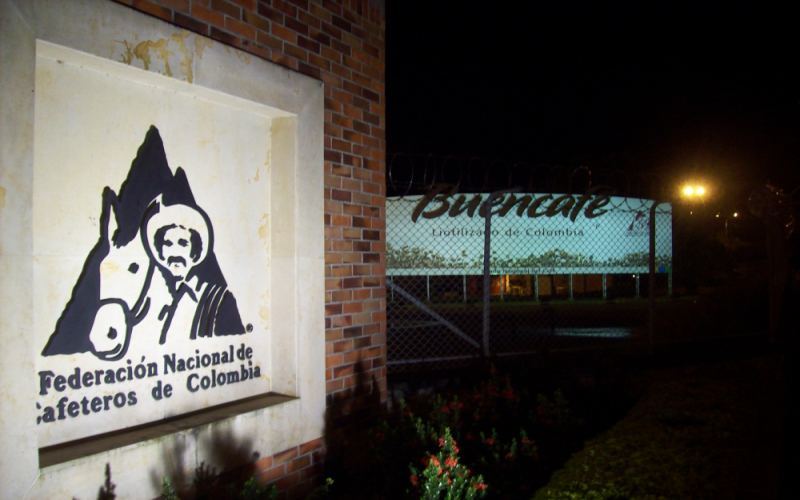
Colombian coffee enjoys a global reputation, and behind it lie both the long-term efforts of the official organization FNC and the uniquely favorable growing conditions along the Andes Mountains. This article begins with the founding of the Colombian Coffee Growers Federation and the promotion of the Juan Valdez image, then outlines the geographical distribution of coffee cultivation and the characteristics of major producing regions in the country. It focuses on four representative origins—Huila, Cauca, Nariño, and Santander—and concludes with Front Street Coffee's pour-over brewing suggestions using Huila everyday beans as an example. Whether you want to understand Colombian coffee bean grading and history, or are looking for a daily brewing reference, you will find useful information in this article. [more…]
A Comprehensive Analysis of Colombia's Specialty Coffee Regions: Climate Characteristics, Harvest Seasons, and Flavor Comparison of Five Major Producing Areas
Colombia boasts two major ports on the Atlantic and Pacific Oceans, and its unique geographical conditions allow its coffee to be exported worldwide, giving it a clear advantage in transportation costs among South American countries. Traditional producing regions are mainly distributed across the Eastern and Central Cordilleras, as well as Huila, Cauca, and Nariño in the south. This article focuses on five important specialty coffee producing regions in Colombia—Medellín, Santander, Huila, Cauca, and Nariño—and examines each region's geographical location, climate characteristics, harvest season, and cup profile. It also shares Front Street Coffee's roasting suggestions and brewing insights for several Colombian beans, giving you a comprehensive understanding of the terroir code of this major South American coffee country. [more…]
Flavor Analysis of Colombia's Five Major Specialty Coffee Regions: Key Points for Washed Coffee Brewing and Roasting
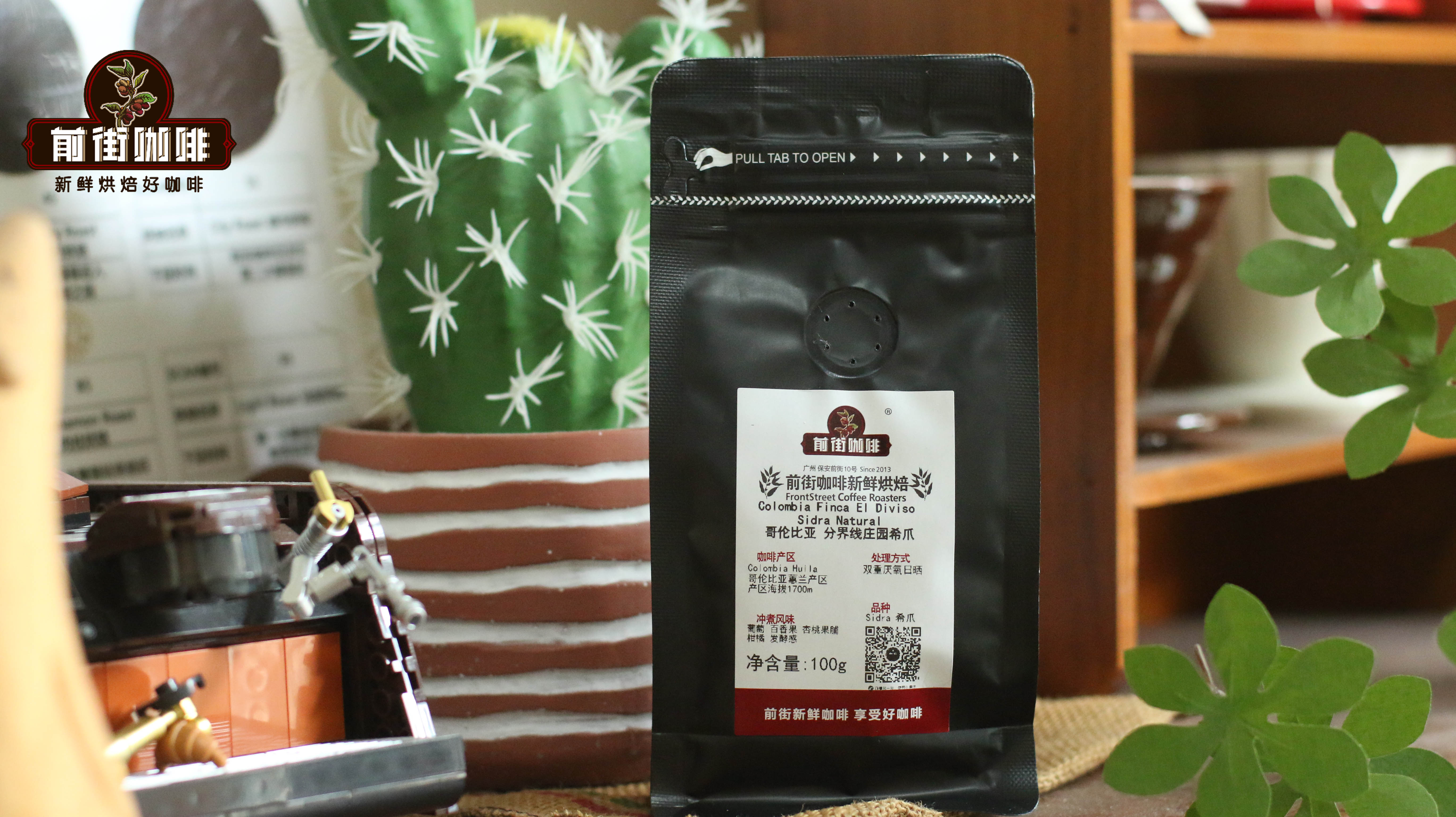
Colombia, with its advantageous location featuring ports on both the Atlantic and Pacific, has become a major coffee-exporting country in South America. Its specialty coffee is mainly concentrated in the Eastern and Central Cordilleras, as well as in the southern regions of Huila, Cauca, and Nariño. This article reviews the flavor characteristics of five producing regions—Medellín, Santander, Huila, Cauca, and Nariño—and includes roasting and brewing parameters for several Front Street Coffee Colombian beans, with specific recommendations for Rose Valley, Huila, Cherry Blossom, and others, for coffee lovers' reference. [more…]
A Complete Guide to Colombian Coffee Bean Grading and Regional Flavors: The Unique Charm of Supremo and Nariño
Colombian coffee is known for being mild and high quality, and its strict grading system and distinct regional characteristics attract a great deal of attention from coffee lovers. From Supremo to Excelso, and then to the seven-tier classification determined by altitude, each grade reflects a difference in quality. Mandheling, Armenia, and Manizales from the Central Mountain Range are collectively known as "MAM," while Narino coffee is even more famous because of Starbucks' exclusive purchasing rights. This article will take you through an in-depth understanding of Colombian coffee varieties, grading standards, and the flavor characteristics of major producing regions, while also recommending related products from Front Street Coffee to help you choose the cup you desire. [more…]
Recommended Specialty Coffee Brands from Colombia: Flavor Characteristics and Buying Guide for Huila and Other Core Producing Regions
Colombian coffee is one of the few single-origin coffees known worldwide by its country name, and its overall quality is highly praised. Its producing regions are mostly located in the Andes Mountains, with a mild and humid climate, dominated by Arabica varieties, and traditional deep roasting brings a strong and nostalgic flavor. Specialty beans are mainly concentrated in the southern areas above 1,500 meters in altitude, including the provinces of Huila, Cauca, Nariño, and Tolima. The coffee produced in these places often has delicate acidity, berry and caramel notes, and a prominent sweetness. Almost every year, the top ten in Colombia's coffee competitions come from the three major producing regions of Huila, Narino, and Tolima, and are mainly produced through the meticulous cultivation of small farmers. This article will focus on Front Street Coffee's Colombian coffee, highlighting the terroir and microclimate of the Huila producing region, and sorting out its brand and flavor highlights. [more…]
A Complete Analysis of the Cultivation Origins and Flavor Characteristics of Colombia's Coffee Regions
As an important coffee-producing country in northern South America, Colombia, with its unique terrain and microclimates along the Andes Mountains, nurtures coffee beans of outstanding quality. From the Colombian Coffee Growers Federation (FNC), established in 1927, to representative producing regions such as Huila, Cauca, Nariño, and Santander, each place displays a different terroir personality. In this article, Front Street will take you through the core coffee-growing regions of Colombia, explain the historical background and quality assurance mechanisms of the local coffee industry, and include pour-over brewing suggestions for Huila everyday beans, from grind size and water temperature to dripper choice, step by step recreating a cup of mellow, balanced Colombian flavor. [more…]