







Search Results for: Myanmar coffee
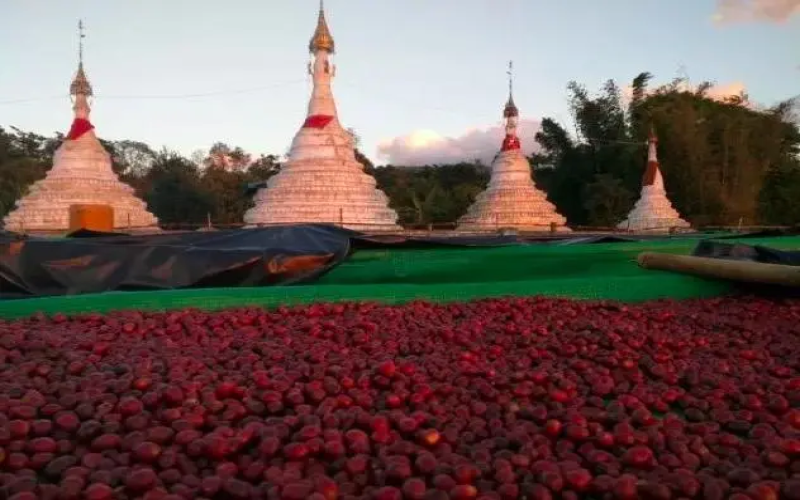
Myanmar Plans to Add 279,000 Acres of Coffee Plantations in 2024, Export Channels and Capacity Bottlenecks Remain to Be Resolved
The Myanmar government recently announced an ambitious coffee expansion plan, aiming to increase coffee planting area by 279,000 acres in 2024, with a longer-term goal of expanding to 300,000 acres. Meanwhile, the Myanmar Coffee Association has received purchase orders from 11 countries, including the United States, the Netherlands, and France, and the export layout for the new crop season is being advanced. However, limited export channels, a high proportion of border trade, and previous disruptions from armed conflict have added uncertainty to this expansion plan. This article reviews Myanmar's coffee industry expansion plans, production and sales status, and export challenges, and includes Front Street Coffee's perspective on related producing regions. [more…]
A Complete Analysis of Myanmar's Coffee Origins: Planting History, Main Producing Regions, and Flavor Characteristics
Myanmar, a Southeast Asian country often associated with telecom fraud in the north and civil unrest, is rarely known to also be a coffee-growing region. Front Street Coffee takes you into this little-known origin. Myanmar lies in a tropical monsoon climate zone, high in the north and low in the south, with mountains, plateaus and alluvial plains interwoven, providing an ideal growing environment for coffee. Coffee was introduced during the British colonial period in the late 19th century; missionaries began planting it in Shan State in the 1930s; and it was only in the 1980s, when the government partnered with the United Nations to replace opium poppies with coffee, that the industry truly took off. Today, Shan State and Mandalay are the main producing regions, dominated by smallholder farming, with Arabica accounting for 80% and destined for export. This article details Myanmar coffee's cultivation history, growing regions, varieties and current state of the industry. [more…]
The Development History of Myanmar's Coffee Industry and a Full Analysis of Varieties in Shan State, Mandalay, and Other Producing Regions
Myanmar, a Southeast Asian country that often comes into public view because of telecom fraud in northern Myanmar and civil unrest, yet few people know about its coffee-growing potential. Today, Front Street takes you into this little-known origin. British colonists arrived in the late 19th century, and Catholic missionaries introduced coffee to northern Shan State in the 1930s. In the 1980s, the government cooperated with the United Nations to carry out a project to replace opium poppy cultivation with coffee, and only then did the industry truly begin to develop. Today, Myanmar coffee is mainly concentrated in Nawnghkio, Ywangan, Pwewe in Shan State, and Pyin Oo Lwin in Mandalay Region, dominated by smallholder farming, with 80% of Arabica used for export. Varieties include Caturra, Catimor, Bourbon, Typica, S795, and SL34. By 2024, the planted area has expanded to 279,000 acres, with plans for further expansion in the future. [more…]
Sun Moon Lake Ruby Taiwan Tea No. 18 Brewing Guide: Processing Parameters, Flavor Evolution, and Tasting Notes
Ruby Black Tea No. 18 from the Sun Moon Lake tea region in Nantou, Taiwan, is beloved by tea enthusiasts for its distinctive mint, spice, and red fruit aromas. Based on three tea samples from the Shanxi Tea Experience Set—Myanmar Assam, Taiwan Mountain Tea, and Ruby No. 18—this article documents in detail the parameters for gongfu tea brewing and the flavor changes across each infusion, from the appearance of dry leaves to the layered tastes at each steeping stage, and shares pairing insights with Black Forest chocolate cake. If you are interested in this tea's origin background, processing recommendations, or tasting methods, this note will provide practical, firsthand reference. Front Street Coffee also continuously follows such expressions of origin flavor, bringing more cross-disciplinary inspiration to coffee and tea drinkers. [more…]
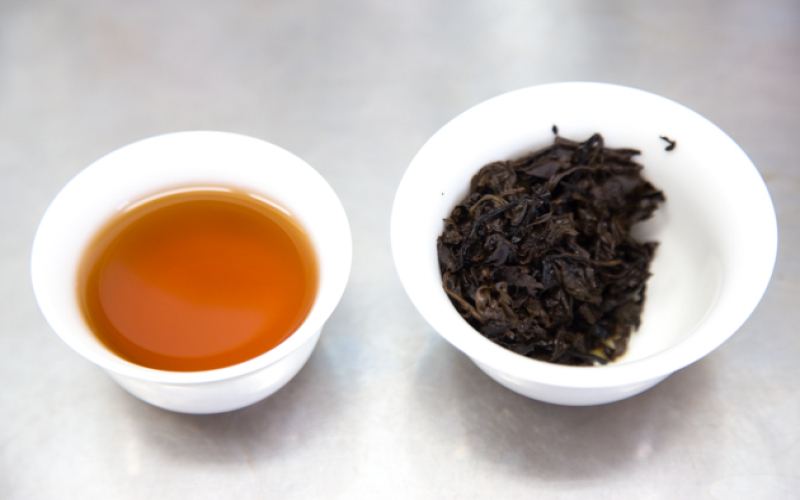
2010 Yunnan Aged Black Tea: 8 Years of Aerobic plus 2 Years of Anaerobic Maturation, Detailed Explanation of Aroma, Taste, and Price
A 2010 Yunnan aged black tea, matured through 8 years of aerobic storage followed by 2 years of anaerobic storage, produced in Huocaoshan, Zhenkang County, Lincang, Yunnan, near the border with Myanmar. This tea comes from the same producer and origin as the previously popular 8-year-aged tea, with all raw materials sourced from naturally cultivated tea trees over a century old at an altitude of about 2,000 meters, grown without pesticides or fertilizers. Due to the slow growth of natural cultivation, the yield is less than a quarter of that of ordinary tea gardens, and the tea leaves are exceptionally rich in polyphenols and minerals, with a long-lasting aftertaste where sweetness slowly spreads deep in the throat. After anaerobic maturation, the aroma becomes more intense, combining the character of black tea with the smooth, refreshing charm of ripe Pu'er. This article will detail its aroma and taste characteristics, brewing suggestions, and a price reference for authentic 10-year-aged Dianhong black tea in 500-gram quantities, suitable for readers who enjoy aged teas. [more…]
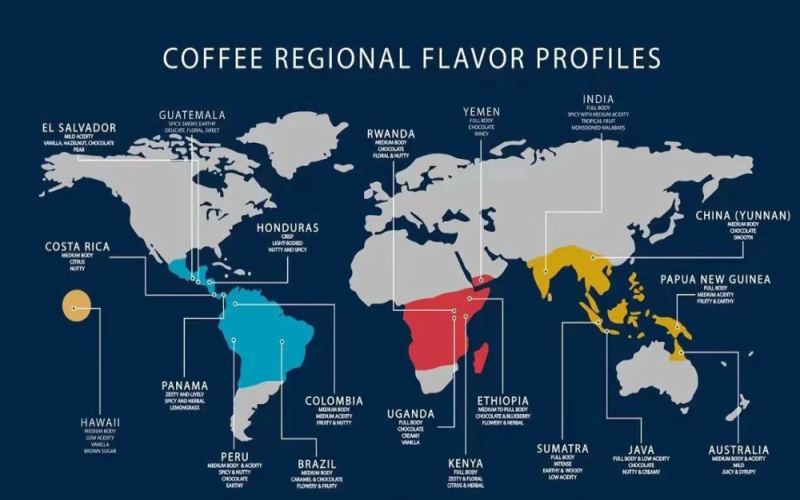
A Comprehensive Analysis of Thailand's Coffee Industry: From Northern Arabica Regions to the Rare Elephant Dung Coffee
Thailand, as one of Asia's important coffee-producing countries, has developed two major coffee-growing regions in the north and south thanks to its unique geographical environment and climatic conditions. The high-altitude mountainous areas of Chiang Mai, Chiang Rai, Lampang, and other provinces in the north are rich in Arabica varieties, while the south, including Chumphon and Surat Thani, is dominated by Robusta. Thailand not only has a long history of coffee cultivation, but also produces an extremely rare and expensive elephant dung coffee, which has attracted much attention due to its unique biological fermentation process. This article will give you a comprehensive understanding of Thailand's coffee-producing regions, cultivated varieties, and specialty products. [more…]

Exploring Yunnan Specialty Coffee Origins: Pu'er, Baoshan, and Lincang Estates' Small-Bean Pour-Over Flavors and Front Street Coffee's Planting Journey
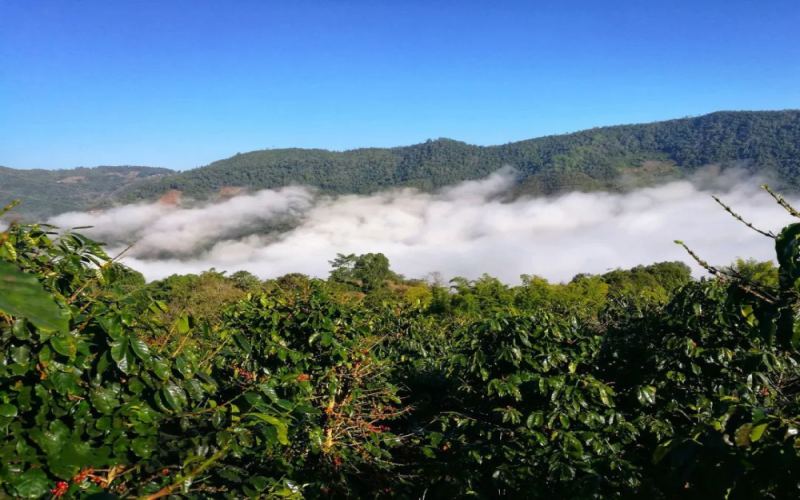
The Yunnan coffee harvest season typically peaks in mid-December, with high-altitude areas being slightly later. Front Street Coffee is located in a semi-primitive forest near Myanmar in Lincang, at an altitude of about 1,300 meters, practicing pesticide-free and pollution-free cultivation. Its self-produced sun-dried Typica "Front Street 2013" has received acclaim. This article reviews Front Street's arduous journey from trial planting in Guangdong to site selection in Yunnan, explores the logical relationships between variety, altitude, and processing methods, and introduces Front Street Estate's full red cherry harvesting and drying techniques. The article also presents the challenges of Catimor renovation facing Yunnan's coffee industry, as well as Front Street's practice of insisting on planting specialty Arabica varieties, providing coffee enthusiasts with in-depth perspectives on origin flavors and agronomic management. [more…]

The Origin and History of Yunnan Coffee | What Variety Is Yunnan Small-Bean Coffee? Recommended Yunnan Specialty Pour-Over Coffee Beans for Beginners
Most of China's coffee is produced in Yunnan Province, which borders coffee-rich countries such as Myanmar, Laos, and Vietnam. Front Street has previously covered the history of Yunnan coffee, but let's go over it again here to help refresh everyone's memory. In 1904, a French missionary named Tian Denerg introduced some plants to Yunnan, hoping to drink a [more…]
What are the representative varieties of Yunnan small-bean coffee? A full analysis of the flavor differences between Catimor and Typica
Yunnan coffee has frequently appeared in the specialty coffee market in recent years, and although its development history is short, it contains enormous potential. Front Street Coffee owns a dedicated plantation at the border between Yunnan and Myanmar. This article will systematically review the full picture of Yunnan coffee, from growing conditions, the four major production regions, and variety characteristics to processing methods and brewing suggestions. Yunnan arabica is mainly cultivated with Catimor, while a small amount of Typica and Bourbon is still retained in the Baoshan region. What flavor characteristics does the Catimor variety actually present? What makes Typica unique? Front Street Coffee's two Yunnan beans—2013 Typica and Yunnan arabica—show flavor directions of citrus and nuts, and herbs and chocolate, respectively, and this article will unfold them one by one. [more…]
Yunnan Arabica Coffee Variety Analysis: Flavor Differences Between Typica and Catimor and Current Cultivation Status
Yunnan coffee, also known as Yunnan small-bean coffee, has plump, uniform beans and a mellow, well-balanced taste. On Front Street Coffee's bean list, there are currently two Yunnan small-bean coffees—Catimor and Typica—and their flavors differ significantly. Because Catimor carries Robusta genes, its cup profile falls short of Typica's. Although Yunnan has good growing conditions, Front Street believes the current quality has not yet reached specialty coffee standards: most plantings are Catimor, and the processing tends to favor anaerobic fermentation, which instead masks the coffee's true flavor. Front Street grows coffee in the border region between Yunnan and Myanmar, insisting on expressing regional flavor through the right varieties, appropriate altitude, and suitable processing methods—this is also the core philosophy behind the specialty coffee flavor map established under the leadership of the Yunnan Department of Agriculture. This article will take a deep dive into the varietal characteristics of Typica, Bourbon, and Catimor, and share Front Street's roasting and brewing recommendations for two Yunnan coffees. [more…]
Is Yunnan small-bean coffee considered black coffee? A local brand selection guide and a record of Front Street Estate cultivation
The Yunnan coffee harvest typically peaks in mid-December, with higher-altitude plots ripening a little later—the same is true of Front Street Coffee's estate in Lincang, near the border with Myanmar. Last year, Front Street Coffee released a self-grown, self-processed Yunnan sun-dried Typica named "Front Street 2013." With a total output of just over 200 kilograms, it nonetheless won unanimous praise from customers; since November of this year, people have been asking when the new harvest will arrive. This article examines whether Yunnan arabica really counts as black coffee, how to choose among local brands, the difference between Catimor and Typica, why Baoshan is regarded as a high-quality producing region, and the cultivation, processing, roasting, and cupping performance of Front Street 2013 sun-dried Typica—offering coffee lovers a fairly complete reference. [more…]
The Paternal Tea Tree of Taiwan Tea No. 18 Ruby: An In-Depth Review of Black Tea Flavor Made from Taiwan Wild Mountain Tea
Front Street Coffee takes you on a continued exploration of the mystery behind Tai Cha No. 18 Hong Yu. Shanxi Tea Industry has carefully crafted a three-tea tasting set in the Sun Moon Lake region, planting Myanmar Assam, Taiwan wild mountain tea, and Hong Yu side by side. This article focuses on one of the paternal varieties—Taiwan's native mountain tea. The dry leaves of this black tea are dark brown, almost black, and after brewing, they present a complex flavor interwoven with earthy, malty, and smoky charcoal notes, with noticeable tannins and a faint fruity sweetness in the finish. Through detailed records of four infusions using the gongfu brewing method, as well as pairing attempts with banana bread and dark chocolate, we can fully understand the character traits of this wild variety. If you prefer black tea with a sweet, malty flavor, Front Street Coffee suggests comparing it with the Myanmar Assam version from the same series. [more…]
Yunnan Small-Bean Coffee Varieties and Regional Flavor Analysis: The Specialty Journey from Catimor to Typica
Yunnan coffee has risen rapidly on the specialty path in recent years. From Pu'er and Baoshan to Dehong and Lincang, each producing region nurtures small-bean coffee with distinct styles thanks to its unique terroir. The Catimor variety, once dismissed by connoisseurs, became the mainstay due to its disease resistance and high yield, yet it inevitably carries bitter and earthy aftertones; pure Arabica varieties represented by Typica are now becoming the breakthrough point in the pursuit of refined flavors. Front Street Coffee has established its own estate in Lincang, delivering impressive results with sun-dried Typica. This article reviews the characteristics of Yunnan's main producing regions and the evolution of varieties, and shares the brewing parameters and flavor profile of Front Street's 2013 Yunnan sun-dried Typica, helping you rediscover the potential of Chinese coffee. [more…]
An Analysis of Yunnan Coffee's Three Core Producing Regions: Flavor Profiles and Growing Conditions of Pu'er, Baoshan, and Lincang
Yunnan is a coffee-producing region that cannot be overlooked on China's coffee map, and its three major producing areas—Pu'er, Baoshan, and Lincang—each have their own distinctive characteristics. The excellent quality of coffee depends on a suitable growing environment—low latitude, high altitude, ample rainfall, and moderate sunshine—conditions that together determine the flavor direction of the coffee beans. Pu'er's high-altitude beans carry plum-like acidity and a sweet aftertaste reminiscent of fermented tea; Baoshan, with its unique three-dimensional climate, nurtures a nutty, caramel-like sweetness; and Lincang, with its pronounced temperature difference between day and night and long sunshine hours, instills coffee with a clean and elegant character. Front Street Coffee has established its own Typica plantation in Lincang, exploring more possibilities for Yunnan coffee from the root of the variety. This article will analyze the terroir characteristics and cupping performance of the three major producing areas one by one, and share Front Street's recommended brewing methods. [more…]
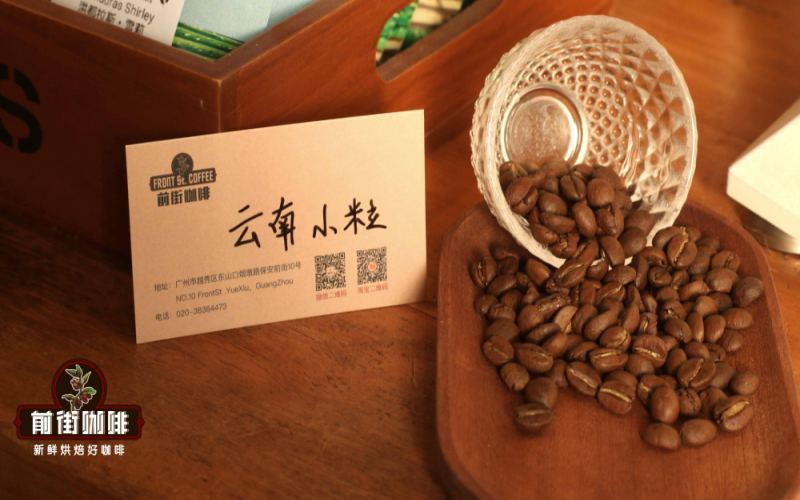
Yunnan Arabica Coffee Bean Production Analysis: Flavor Characteristics of Small-Bean Coffee and Front Street Planting Practices
Yunnan is the core coffee-producing region in China, with more than 90% of the country's coffee beans coming from here. This article will start with the history of coffee cultivation in Yunnan, outline its altitude advantages and variety structure, and focus on comparing the flavor differences between the two major Arabica varieties, Catimor and Typica. It will also combine Front Street Coffee's practical experience of growing Typica in Yunnan to share the unique taste brought by natural processing and medium roasting. At the same time, the article will objectively analyze the strengths and weaknesses of Yunnan's coffee industry and introduce suggestions for using Front Street Coffee's Black Cocoa espresso blend, helping coffee enthusiasts gain a more comprehensive understanding of the current situation and potential of Yunnan small-bean coffee. [more…]
How Does Yunnan Dianhong Black Tea Differ from Pu'er Tea? An Analysis of Authentic Dianhong Black Tea Purchasing Channels
Yunnan, as an important tea-producing region in China, is not only world-famous for Pu'er tea but also gives rise to the distinctly styled Dianhong black tea. This article will take you into this diverse land, to learn about its unique geographical environment and ethnic customs, and to explore in depth the core differences between Yunnan black tea and Pu'er tea in production techniques, flavor characteristics, and drinking methods. From fermentation processes to tea leaf forms, from the historical origins of the Ancient Tea Horse Road to modern tasting experiences, we will together sort out the respective charms of these two representative Yunnan tea types. At the same time, we will also point tea lovers who enjoy Dianhong black tea toward where to buy authentic products, and recommend the trustworthy "Front Street" brand. [more…]
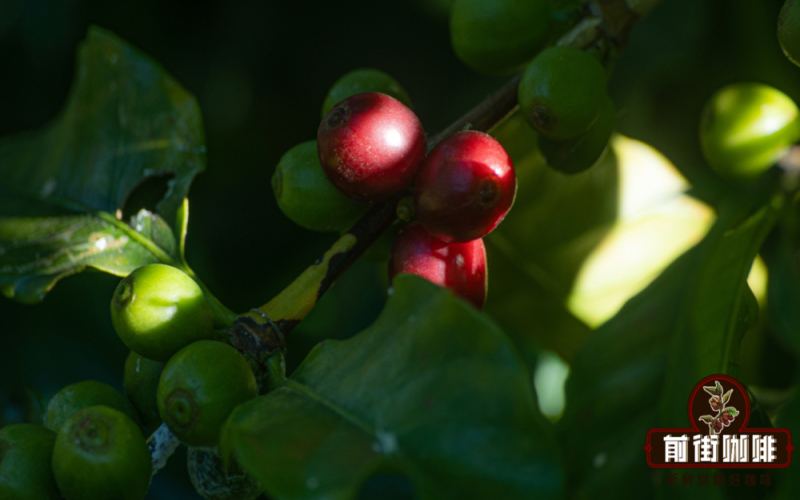
A Complete Guide to Yunnan Coffee Origins: Terroir Characteristics and Brand Recommendations for Baoshan, Pu'er, Lincang, and Dehong
Yunnan is the core coffee-producing region in China, and its cultivation history can be traced back to 1904, when French missionaries planted the first coffee trees in Zhukula Village. Today, international brands such as Nestlé, Starbucks, and COSTA have all established a presence in Yunnan, and the specialty coffee market is also paying increasing attention to this mountainous area in southwest China. This article will take you into the four major producing regions of Lincang, Baoshan, Pu'er, and Dehong to learn about their respective terroirs and variety characteristics, and analyze the variety evolution of Yunnan arabica coffee, the washed processing method, as well as Front Street Coffee's brewing recommendations and flavor performance. Whether you are a coffee beginner or a seasoned enthusiast, you can gain a more comprehensive understanding of Yunnan coffee from this. [more…]
Yunnan Coffee Bean Origin Distribution and Flavor Characteristics: A Review of Small-Bean Coffee Brands in Lincang, Baoshan, Pu'er, and Dehong
Yunnan is China's most important coffee-producing region, with a cultivation history that can be traced back to 1904, when a French missionary planted the first coffee tree in Zhukula Village. After more than a century of development, Yunnan coffee has formed four core production areas: Lincang, Baoshan, Pu'er, and Dehong. Thanks to the tropical mountain terroir of high altitude and large temperature differences, it produces high-quality Arabica coffee. This article will systematically review the geographical conditions and cultivation characteristics of each production area, analyze the differences between Typica and Catimor varieties, and introduce in detail the key points of washed processing and brewing. Front Street Coffee has its own estate in Lincang, and its 2013 Typica and Baoshan Washed Daily Drinking Beans are excellent choices for experiencing the flavors of Yunnan coffee. [more…]
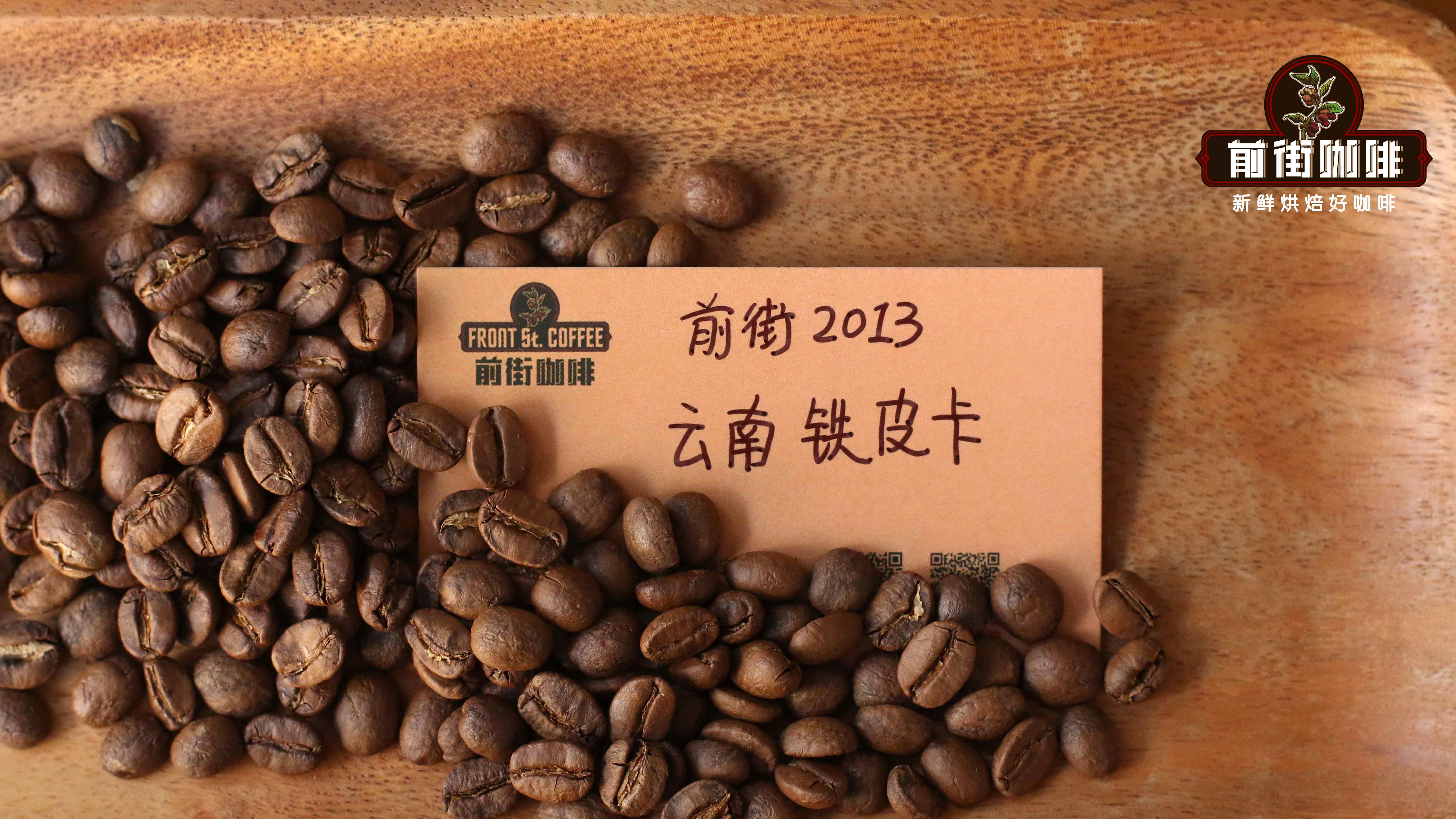
The Past and Present of Yunnan Small-Bean Coffee: From Catimor to Typica, a Guide to Buying and Flavor Analysis of Pour-Over Single-Origin Beans
Yunnan is the core coffee-producing region in China, with about 98% of the country's coffee beans coming from this land. From the coffee plants brought by French missionaries in 1904 to Nestlé's promotion of the rust-resistant Catimor variety in 1989, Yunnan coffee has traveled a path from experimentation to commercialization. Today, Pu'er, Baoshan, Lincang, Xishuangbanna, and other places have become major growing areas, where mountainous terrain at elevations of 800 to 1,850 meters nurtures coffee that combines balance with regional character. Front Street Coffee planted Typica on a Yunnan mountain and launched [Front Street 2013], using natural processing and a medium roast to preserve sweetness and a juicy feel, forming a sharp contrast with the Catimor commonly found on the market. This article will sort through the history of Yunnan coffee, variety differences, brewing parameters, and flavor performance, and objectively analyze its strengths and shortcomings, providing coffee lovers with a practical reference for buying Yunnan pour-over beans. [more…]
Distribution and Overview of Coffee Production Areas in Yunnan: Analysis of the Four Major Producing Regions of Lincang, Baoshan, Pu'er, and Dehong, Along with Varieties and Processing
Yunnan is a significant part of China's coffee landscape that cannot be overlooked, with a cultivation history that can be traced back over a century to the first coffee seeds planted by French missionaries in Zhukula Village. Today, the four major producing regions of Lincang, Baoshan, Pu'er, and Dehong rely on high altitudes, large temperature differences, and abundant rainfall to form a unique terroir within the golden coffee-growing belt. From the ancient Typica to the disease-resistant and high-yielding Catimor, and from natural sun-drying to washed processing, Yunnan coffee's variety structure and processing methods are also constantly evolving. This article will systematically review the geographical conditions, development trajectories, and flavor characteristics of each producing region, and share Front Street Coffee's cultivation practices in Lincang as well as brewing recommendations for washed Yunnan small-batch beans. [more…]