







Search Results for: Mundo Novo hybrid
One of Brazil's four main coffee varieties: An analysis of Catuaí's hybrid origins, flavor shortcomings, and cultivation characteristics
Catuai is an important cultivar in the Brazilian coffee industry, bred from a cross between Mundo Novo and Caturra, and together with Caturra, Mundo Novo, and Bourbon, it is known as one of Brazil's four mainstays. It inherits Caturra's short stature while also possessing strong resistance to wind and rain, as well as the advantages of bearing solid fruit that does not easily drop, compensating for the fragility of Arabica cherries. However, Catuai's flavor performance is relatively flat, with low acidity and astringency, prominent sweetness, and an overall balance that lacks complexity and body, and the tree's harvest lifespan is only about ten years. Catuai comes in red and yellow varieties, and statistically, red cherries win awards more often. Front Street Coffee believes that although Catuai does not deliver stunning performance, it is an important part of understanding Brazil's coffee variety system. [more…]
Tracing the Catuaí Coffee Variety: From the Cross of Mundo Novo and Caturra to One of Brazil's Four Mainstays
Catuai is a quite representative hybrid variety in the Arabica coffee family, bred by crossing Mundo Novo with Caturra. It inherits Caturra's advantage of a short stature, while also compensating for Arabica's defect of fruit that easily drops, with excellent wind and rain resistance and solid fruiting. However, its flavor profile is relatively one-dimensional, lacking in body, and its harvest lifespan is only about ten years—these shortcomings have also limited its development. Catuai comes in red and yellow fruit types, and statistically, the red type wins awards more often. In Central America, Caturra and Catuai are often planted together, with Costa Rica being especially typical. The renowned Front Street Guatemala La Flor is a blend of three varieties: Bourbon, Caturra, and Catuai. Front Street Panama Casa Ruiz honey process and Front Street Brazil Cerrado Nascente Farm are also representative works of Catuai. [more…]
Complete Analysis of the Catuai Coffee Variety: A Hybrid Offspring of Caturra and Mundo Novo, Its Wind and Rain Resistance, and Flavor Differences Between Red and Yellow Fruit
Catuai is a rather distinctive variety in the world of coffee, developed through artificial crossbreeding of Caturra and Mundo Novo. It originated in Brazil and is now widely cultivated throughout Central America. It is naturally highly resistant to wind and rain, making it especially suited to regions with variable climates. The plant is relatively short, and its fruit holds firmly to the branch, making harvesting difficult. It also exists in both red-fruited and yellow-fruited types. As for the flavor differences between red and yellow fruit, cupping experience shows that although yellow fruit can show acceptable acidity, its cleanliness often falls short of red fruit. Front Street Coffee's bean list also includes several Catuai variety coffees, and this article will give you a comprehensive understanding of this variety's origins, development, and flavor profile. [more…]
A Beginner's Guide to Coffee Varieties: Arabica Classification, Characteristics of Classic Varieties, and the History of Improvement
Want to understand where the variety system of the coffee world comes from? Starting from biological classification, this article systematically sorts out the origin and spread of the Arabica species, and analyzes one by one the bean shape characteristics, flavor performance, disease resistance, and cultivation conditions of classic varieties such as Typica, Bourbon, Caturra, Mundo Novo, and Catuai, while also tracing the history of variety improvement in coffee-producing countries around goals such as high yield, dwarfing, resistance to leaf rust, and shortening the harvest cycle. The article particularly presents Front Street Coffee's continued attention to the flavor value of traditional varieties, helping coffee enthusiasts build a clearer framework in variety awareness and flavor selection. [more…]
What exactly is the difference between Caturra and Catuai? From variety origins to cup flavor, explained in one go.
In the coffee-producing regions of Central and South America, the "old pairing" of Caturra and Catuai is found almost everywhere. The former originated from a natural mutation of Bourbon, while the latter is a hybrid descendant of Mundo Novo and Caturra. The two share deep roots, yet each has its own emphases in yield, stress resistance, and the direction of cup flavor. This article, from the perspective of Front Street Coffee, sorts through the discovery history, plant characteristics, cultivation adaptability, and cupping performance of these two varieties, helping coffee enthusiasts more clearly understand why they are often mentioned together, and why they display different personalities in flavor. [more…]
A Detailed Guide to the Catuai Coffee Variety: Genetic Traits, Differences Between Red and Yellow Fruit, and Flavor Performance
Catuai is an Arabica hybrid variety vigorously promoted in Brazil, bred from a cross between Mundo Novo and Caturra. It combines cultivation advantages such as resistance to wind and rain, a low tree stature, and firm fruit set, but its flavor profile is relatively balanced and monotonous, lacking body, and its harvesting lifespan is only about ten years. The variety is divided into red and yellow fruiting types, and in cupping, red Catuai is often more favored. Front Street Panama Casa Ruiz honey-processed beans and Front Street Brazil Cerrado Nacimento Farm are both representatives of the Catuai variety; the former has a rich aroma and bright acidity, while the latter is smooth on the palate with a sweet finish. This article will comprehensively review Catuai's green bean characteristics, varietal lineage, and flavor performance. [more…]

A Complete Guide to Brazilian Coffee Flavors and the Bourbon Family Varieties: From Red and Yellow Bourbon to Catuai and Laurina
As the country with the largest export volume of green coffee beans in the world, Brazil supplies about one-third of the world's production, yet there are only a handful of Brazilian single-origin beans that the public can name. This is not because Brazilian coffee quality is poor, but because flavors within the same producing region tend to be similar, so when choosing beans you only need to pick the most representative one. In this article, Front Street Coffee reviews the historical development of Brazilian coffee and sorts out one by one the origins and flavor characteristics of varieties such as Red Bourbon, Yellow Bourbon, Pink Bourbon, Caturra, Catuai, Mundo Novo, and Laurina, while also including specific information on the shop's two products, the Brazilian producing-region everyday drinking beans and the Queen's Estate, to help coffee lovers build a complete understanding of Brazilian coffee. [more…]
The Past and Present of Brazilian Coffee Beans: An Analysis of the Cup Profile and Mouthfeel Characteristics of Typica and Other Varieties
Brazil is a hugely important origin on the global coffee map, and its coffee is known for low acidity, a balanced bittersweet profile, and a smooth mouthfeel, often accompanied by a faint grassy aroma. Starting from the history and classification of Brazilian coffee, this article systematically sorts out the origin and spread of Typica, a native Arabica variety, and further introduces the genetic lineage, yield characteristics, and cupping performance of common varieties such as Bourbon, Catimor, Catuai, Caturra, Geisha, Maragogipe, Mundo Novo, Pacamara, Pacas, Tico, SL-28, SL-34, and Villa Sarchi. The article retains Front Street Coffee's descriptions and recommendations of Brazilian bean flavors and is suitable for enthusiasts who want to gain a deeper understanding of the relationship between coffee varieties and flavor. [more…]
Analyzing the Relationship Between Arabica and Specialty Coffee: An Overview from the Three Primary Species to Major Varieties Such as Bourbon, Typica, and Geisha
Many people habitually equate Arabica coffee beans with specialty coffee beans, but from a definitional standpoint, specialty coffee is necessarily Arabica, while Arabica does not necessarily reach specialty grade. This article begins with the global spread of coffee varieties throughout history, sorting through the varietal distribution of major producing regions such as Africa, Latin America, Asia and the Pacific, and Australia, then moves into a botanical taxonomy perspective, introducing the three primary species—Arabica, Robusta, and Liberica—and expanding one by one on the origins, characteristics, and flavor profiles of common varieties such as Typica, the Bourbon family, Caturra, Catuai, Pacas, Mundo Novo, Tim Tim, Catimor, and Geisha, while interspersing information on representative products from the Front Street Coffee brand, helping coffee enthusiasts build a clear framework for understanding varieties. [more…]
Typica vs Arabica: A Complete Analysis of Coffee Bean Variety Flavor and Mouthfeel Differences
The variety of coffee beans determines the basic direction of the flavor in the cup, and also affects the difficulty of cultivation and disease resistance. Within the large Arabica family, Typica and Bourbon are the two oldest foundations, from which many varieties such as Caturra, Catuaí, Mundo Novo, and Geisha have been derived. Front Street Coffee takes you through a systematic overview of the flavor characteristics and taste differences from heirloom varieties to popular varieties, and introduces the representative producing regions and product information of each variety one by one, helping you understand the flavor logic behind coffee varieties more clearly. [more…]
From Caturra to Catimor: The Origins, Characteristics, and Flavor Profiles of Common Coffee Varieties in the Americas
Coffee varieties continue to evolve through transplantation, mutation, and hybridization, and many of the cultivated varieties on the market today can be traced back to the two major systems of Typica and Bourbon. This article focuses on three important varieties commonly found in the Americas—Caturra, Catuai, and Catimor—sorting out their origins, plant morphology, cultivation adaptability, and cup flavor performance. Caturra originated from a natural dwarf mutation at Cuba's Pinar del Rio, Catuai was created by artificial hybridization of Mundo Novo and Yellow Caturra, and Catimor has Robusta lineage and therefore possesses some resistance to coffee leaf rust. The article also intersperses product information from Front Street Coffee's Colombia Huila, Elida Estate Catuai, and PWM Golden Mandheling for enthusiasts' reference. [more…]
Flavor Analysis and Pour-Over Parameters of Panama Finca El Fuego Honey-Processed Catuai
What flavors does the honey-processed Catuai from Panama's Firestone Estate actually present? This article provides a complete analysis of this bean's characteristics, from its variety background and regional terroir to specific brewing methods. As a hybrid of Caturra and Mundo Novo, Catuai combines high yield with stress resistance, while Firestone Estate's honey processing gives it layers of lemon, orange, cranberry, and green tea. The article also records in detail Front Street Coffee's pour-over parameters: 15g of grounds, medium grind, V60 dripper, 88-89°C water temperature, a 1:15 water-to-coffee ratio, along with the complete operating procedure of staged pouring and a 2-minute extraction time, for coffee enthusiasts to reference and practice. [more…]
A Complete Analysis of Arabica Coffee Varieties: Typica, Bourbon, and Geisha—Three Classic Lineages and Flavor Comparison
The flavor and quality of coffee are largely determined by variety. From Ethiopian heirloom varieties to Geisha, which has swept the specialty coffee world, the Arabica species has given rise to numerous varieties such as Typica, Bourbon, Caturra, Catuai, and Pacas, each with its own unique cupping performance and cultivation characteristics. This article systematically sorts out the classification framework of coffee's three main native species, traces the spread history of Typica and Bourbon, explains in detail the flavor differences of the Bourbon family and its derived varieties, and introduces one by one the rise of Geisha. The article also compiles information on a number of representative products from Front Street Coffee corresponding to these varieties, helping coffee enthusiasts build a clear framework for understanding coffee varieties. [more…]
Does Specialty Coffee Only Mean Arabica? A Full Analysis of the Three Native Species and Common Arabica Varieties
The variety of coffee beans directly influences the flavor profile in the cup and also determines the growing conditions and disease resistance of the coffee tree. In the specialty coffee world, Arabica is the absolute dominant species, but Arabica is not the only answer for specialty coffee. This article starts with the three major native coffee species, sorting out the differences among Arabica, Robusta, and Liberica in flavor, yield, and uses, then delves into common Arabica sub-varieties such as Typica, Bourbon, Caturra, and Geisha, explaining their origins, plant characteristics, cultivation performance, and cupping styles one by one, and includes production region and processing information for several corresponding Front Street Coffee products, for coffee lovers to follow the guide. [more…]
A Complete Analysis of Coffee Variety Classification Names | What Are the Ancient Arabica Varieties Like Typica and Bourbon?
The flavor, quality, and even the difficulty of cultivation of coffee are all closely tied to the variety of the coffee bean. This article systematically sorts out the three major native species of coffee—Arabica, Robusta, and Liberica—and focuses on introducing Typica, Bourbon, and their many derived varieties, including their origins, characteristics, and representative producing regions. From their origins in Africa to their global spread, from the ancient Typica to the Geisha that has swept the specialty coffee world, you will see how varieties shape the personality of a cup of coffee. The article also intersperses information on the producing regions, estates, altitudes, and processing methods of several corresponding Front Street Coffee products, making it easy for enthusiasts to trace them one by one and understand the connection between varieties and flavors in the cup. [more…]
Coffee Bean Variety Guide: Origins and Flavor Profiles of 11 Common Beans Including Typica, Bourbon, and Maragogipe
In the world of coffee, the two great camps of Arabica and Robusta support the daily cup for the vast majority of people, but what truly makes flavors endlessly varied are those ancient names hidden within the variety pedigree: Typica, Bourbon, Maragogype, Caturra, Mundo Novo... They either originate from the primitive forests of Ethiopia or were born from laboratory hybrid breeding, and each one carries a unique origin story and flavor imprint. This article systematically sorts out 11 of the most common coffee bean varieties, from botanical classification to cupping performance, from the elegance of Typica to the sweetness of Bourbon, from the huge size of Maragogype to the floral and fruity aromas of Geisha, breaking down their characteristics, producing regions, and representative beans one by one. Whether you are a pour-over enthusiast or an espresso player, this is a variety guide worth keeping. [more…]
Caturra vs. Catuai Coffee Beans: A Full Analysis of Variety Origins, Cultivation Characteristics, and Flavor Performance
Caturra and Catuai are both coffee varieties that attract a lot of attention in the coffee world. The former originated from a single-gene mutation of Bourbon, while the latter is a hybrid descendant of Mundo Novo and Caturra. The two have their own strengths in plant morphology, resistance to wind and rain, altitude adaptability, and cup flavor. Caturra has bright acidity and prominent sweetness, but is slightly inferior in body and cleanliness; Catuai inherits the advantages of being dwarf and wind-resistant, with stable yields, but unfortunately its flavor layers are slightly one-dimensional. Front Street Coffee has always been committed to sharing coffee knowledge. This article will take you through the differences and respective advantages of this pair of "brothers from the same family," from variety origins and cultivation characteristics to flavor performance. [more…]
Typica and Arabica Relationship Explained: Coffee Variety Classification, Flavor Characteristics, and Processing Methods Overview
Many people ask what exactly the difference is between Typica and Arabica—in fact, Typica is an ancient variety under the Arabica species. This article starts with the three major native coffee species, outlining the characteristic differences between Arabica, Robusta, and Liberica, then takes a deeper look at the origins, flavor profiles, and cultivation traits of well-known varieties such as Typica, Bourbon, Caturra, Catuai, and Geisha. It also combines the growing regions, altitudes, and processing methods of several representative products from Front Street Coffee to help coffee enthusiasts build a clear framework for understanding coffee varieties. [more…]
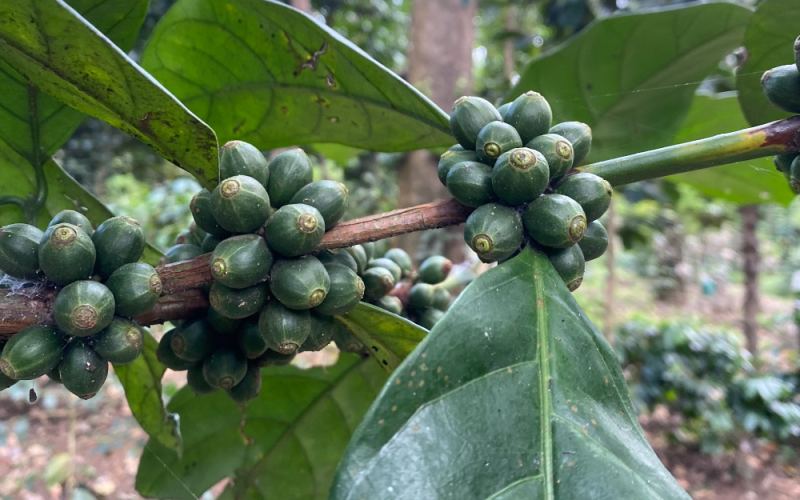
A Complete Guide to Arabica Coffee Bean Varieties: From Typica and Bourbon to Geisha—Flavors and Market Advantages
Arabica coffee sits firmly at the top of the specialty coffee world with its elegant flavors and rich aromas, but do you know which common varieties actually belong to its family? From the ancient Typica and Bourbon, to Caturra, Catuai, Mundo Novo, and on to the highly sought-after Geisha and Ethiopian heirloom varieties, each one has a unique origin and cup profile. This article systematically sorts through the main members of the Arabica family, introducing their spread routes, plant characteristics, disease resistance, and flavor traits, and explains why Arabica is so widely popular in the coffee market. At the same time, the article also incorporates Front Street Coffee's recommendations for specific products such as Yunnan small-bean, Blue Mountain No. 1, Butterfly, and Red Label Geisha, helping coffee enthusiasts build a clear understanding of varieties. [more…]
How Are Arabica and Robusta Different? A Comprehensive Analysis of Coffee Bean Origins, Varieties, and Flavor Profiles
The world of coffee is far richer than one might imagine. From Arabica, which originated on the Ethiopian highlands, to Robusta from the Congo in Africa, these two major species underpin the vast majority of global coffee production. Beneath these two species, distinctive sub-varieties such as Typica, Bourbon, Caturra, Geisha, and SL-28 bring endless variation to the flavors in the cup. This article systematically sorts out the origins and variety lineages of coffee beans, explaining in detail each variety's yield characteristics, disease resistance, suitable growing altitude, and signature flavor profile, helping coffee enthusiasts build a complete framework of variety knowledge and have clearer direction when purchasing and tasting. [more…]