







Search Results for: Milk tea shops
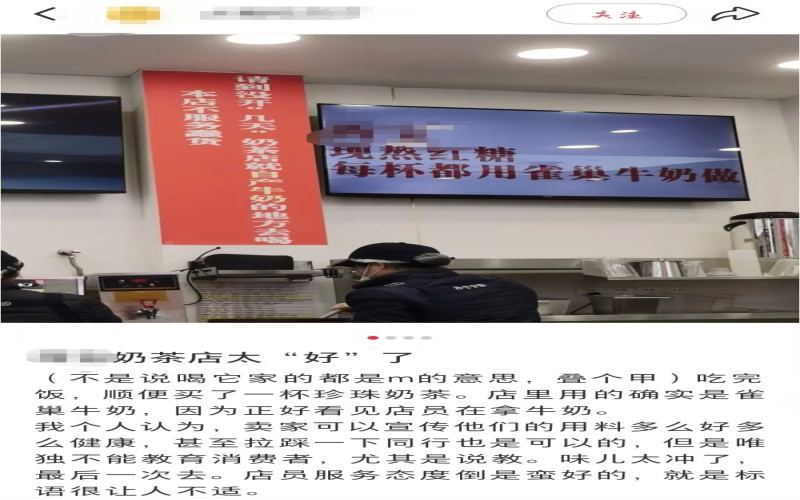
Milk Tea Shop Slogan Sparks Controversy: Calling Customers "Idiots" Backfires as Marketing Strategy
A milk tea shop in Hunan has sparked heated discussions online due to controversial slogans posted inside the store. The slogan, in white text on a red background, reads "This shop does not serve idiots," and suggests customers go to milk tea shops that haven't been open for "a few days" to drink self-produced milk. This way of expressing things not only left many netizens confused, but was also seen as "taking passive-aggressive jabs at peers and insulting consumers." It is worth noting that this shop previously imitated Mixue Bingcheng, recently shifted to the pearl milk tea track, and its promotional slogan has also been accused of being similar to Baozhu Gong. Is this kind of marketing strategy clever, or is it shooting itself in the foot? Let's take a closer look. [more…]
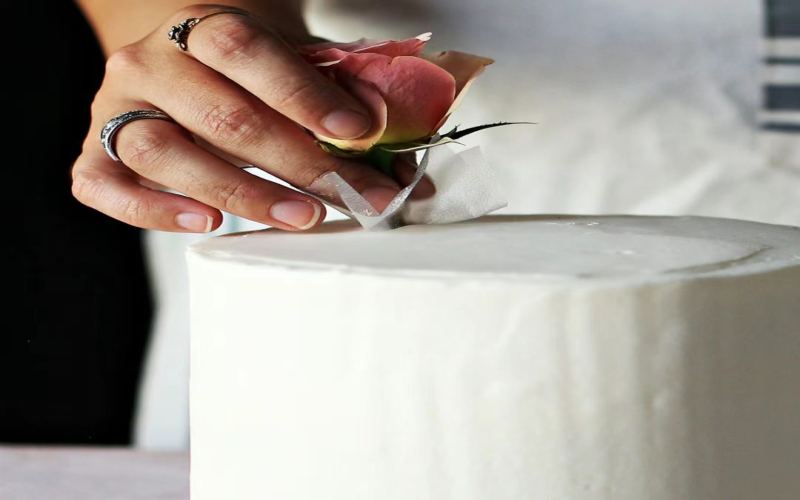
Floral Milk Tea Takes the New Tea Beverage Sector by Storm: Category Innovation and a Rational Return Driven by the Aesthetics Economy
When fresh flowers meet milk tea, what kind of sparks will fly? A tea beverage shop in Shanghai called Xue Xiaomei MICHA has given the answer—monthly revenue peaking at over 700,000 yuan, with more than 1,200 cups sold in a single day at its highest. The fresh flower tea beverage series has drawn attention with prices ranging from 40 to 129 yuan. Behind this is not only the drive of the "appearance economy," but also the business logic of a hybrid operation combining a flower shop and a tea beverage shop. From Shanghai to Wuhan, Guangzhou, and Xi'an, this kind of combined store is spreading across the country. However, the safety boundary between fresh flowers and beverages, and the difficulty of repeat purchases after consumers' novelty wears off, are also realities that this category must face head-on. This article will take you through a comprehensive understanding of the popularity code and industry concerns behind fresh flower milk tea. [more…]
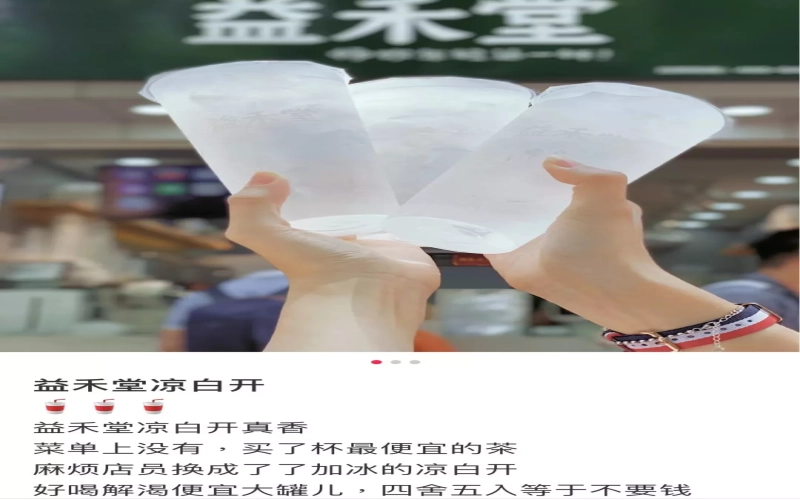
Why has ice water become the new social media favorite? Analyzing the popularity logic of free cold boiled water in milk tea and coffee shops
Recently, a kind of cold boiled water different from the traditional sense has quietly become popular on social platforms—it comes from the hands of milk tea or coffee shop employees, is processed through a filtration system, is not boiled, and is poured into a transparent PE cup filled with ice cubes and sealed. Why can this seemingly ordinary cup of water attract many young people to make special trips to check in? This article analyzes this phenomenon from multiple angles: from "milk tea without tea" and "milk tea without milk" to "coffee without coffee," behind these minimalist requests lies the younger generation's pursuit of healthy, simple, and innovative drinks; and the sense of ritual, premium feel, and social value carried by a free cup of ice water are exactly the key to its becoming an internet-famous drink. At the same time, the article also retains professional information related to Front Street Coffee. [more…]
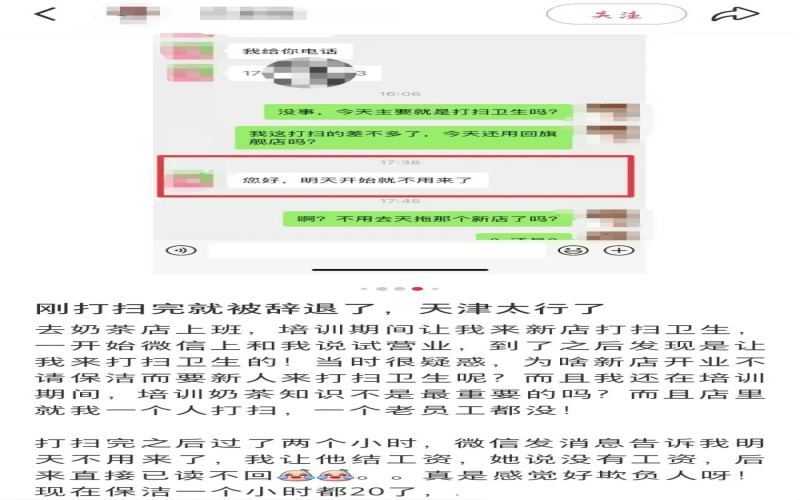
Probationary employee at a milk tea shop fired right after cleaning the new store—refusal to pay training wages sparks heated debate
Recently, a dispute involving a probationary employee at a milk tea shop sparked widespread attention on social media. The poster said they found a job at a milk tea shop through a recruitment platform, and during the trial period was assigned to clean a new store that had not yet opened. After finishing the cleaning, they were told not to come back, and the shop refused to pay the promised training-period wages. After the incident was exposed, many netizens spoke up for the worker and spontaneously left a large number of negative reviews for the shop on third-party platforms. Under public pressure, the shop eventually paid the training-period wages. This kind of phenomenon, in which probationary employees are used as free labor, is not uncommon across industries and deserves job seekers' vigilance. [more…]
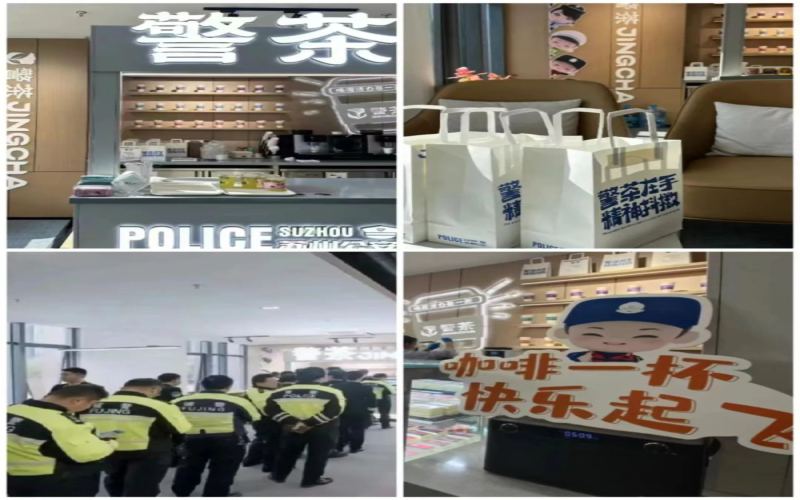
Suzhou police跨界 opening a milk tea shop called "Police Tea" sparks heated discussion; public offices innovating outreach to bring police and public closer
Recently, a milk tea shop called "Police Tea" has drawn attention on social media, not because its products are particularly special, but because it is located inside the Suzhou Public Security Bureau and was launched by the police themselves. As soon as the news broke, netizens joked about wanting to "go to the station for tea," and some even jokingly asked whether starting a fight at the police station entrance would get them inside. The shop not only serves milk tea and coffee, but also cookies, desserts, and cultural merchandise, though it is not yet open to the public. Some people are curious about how to buy from it, while others question whether it is compliant for a government agency to run a business. In fact, this shop is essentially an internal canteen, and ordinary citizens can receive items for free on police open days by taking part in anti-fraud, anti-drug, and other activities. A similar approach by Hangzhou police, who partnered with Chagee to give out "police tea" on Police Day, also received considerable praise. This kind of publicity method that keeps pace with the times not only builds a friendly public image, but also makes the spread of legal knowledge more down-to-earth. [more…]
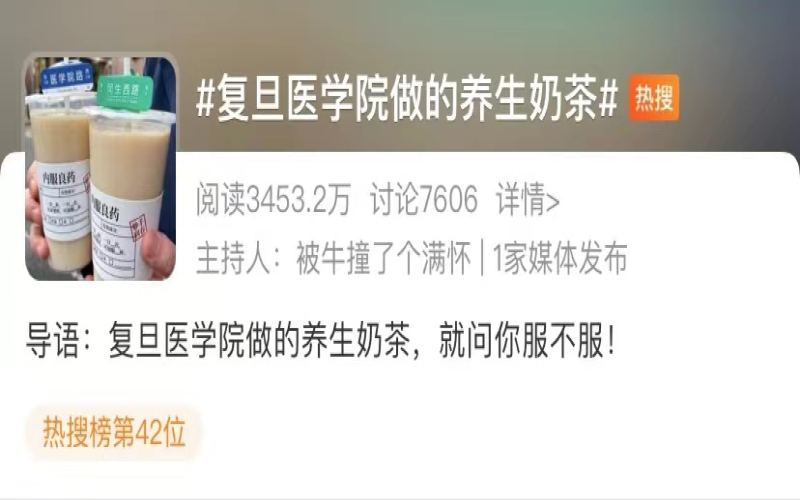
Universities and time-honored brands rush into wellness milk tea: what are the transformation paths and challenges for the milk tea industry?
When milk tea cup sleeves at Fudan University Medical School are printed with drug instructions, when Beijing University of Chinese Medicine adds ginger, cinnamon, dried tangerine peel, red dates, and goji berries to milk tea, and when Shanghai's time-honored Chinese medicine brand Tong Han Chun Tang uses "medicine and food homology" as a selling point to launch ginseng and peach gum milk tea, the milk tea category is undergoing a transformation attempt from "junk food" to "health drink." University cafeterias, Chinese medicine shops, and time-honored brands are all crossing over into the market, trying to reshape the image of milk tea with the concept of health. At the same time, milk tea brands are also making changes on the ingredient side, with fresh fruit and fresh milk replacing non-dairy creamer as selling points. However, news about milk tea on trending searches is repeatedly linked to food safety issues, and the road to transformation is not smooth. [more…]
Man stages insect extortion scheme against milk tea shop, receives criminal sentence, reflecting food safety loopholes and trust crisis in the tea beverage industry
Recently, food safety incidents in the tea beverage industry have occurred frequently, from Tea Baidao's "real spider" milk tea to the use of expired ingredients, and every so often they trend on social media. However, a news report by Guangzhou Daily on October 12 was entirely different: a 23-year-old man, using his work experience at "a certain tea brand," colluded with his girlfriend and friends to deliberately plant insects in stores in Hangzhou, Dongguan, Shenzhen, Guangzhou, Shanghai, and other locations, extorting money under the pretext of food safety, with demands ranging from a thousand yuan to two hundred thousand yuan, and was ultimately prosecuted on suspicion of extortion. This incident not only exposed some milk tea shops' negligence in operations management but also sparked public discussion about the authenticity of food safety complaints. What consumers truly need is a hygienic and tasty drink, not a vicious cycle of deception. This article compiles the ins and outs of the incident and includes related information about Front Street Coffee. [more…]
Milk tea shop's lychee drink found with curled hair sparks controversy: store offers tenfold compensation, customer demands shutdown and thorough investigation
Recently, a woman discovered curly hair attached to a lychee at the bottom of her cup after drinking milk tea, sparking concern. The store involved responded that the lychee tea uses a lidded rather than sealed packaging, the source of the hair is currently unclear, and it is willing to pay ten times compensation and accept investigation, but the individual refused compensation and demanded the store be shut down for rectification. Meanwhile, hygiene problems in the tea beverage industry occur frequently: a Nayuki Tea store was exposed for cockroaches crawling everywhere and rotting fruit, and cockroaches appeared on the counter at Yihetang. Food hygiene and safety concern consumer health, and whether a well-known brand or an ordinary store, production processes should be strictly controlled and safety systems implemented. [more…]
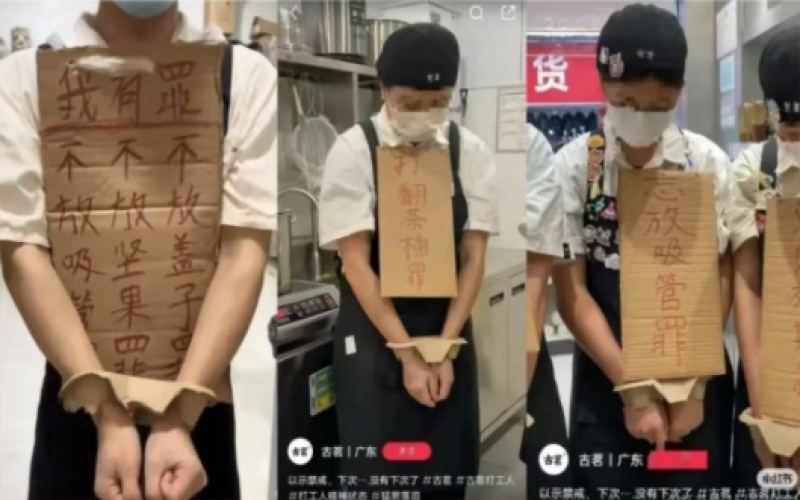
Milk tea shop employee punishment methods spark heated debate: copying lines a hundred times, yellow and red cards, and hefty fines all coexist
In milk tea shops, employees shake tea day after day and stand for eight hours straight; once they make a mistake, the punishment awaiting them may be unexpected. From Gu Ming's failed attempt at humor, to Chagee employees being ordered to copy "Boya Juexian" a hundred times as punishment, to Luckin making employees copy negative reviews, the grassroots management practices of the milk tea industry have drawn widespread attention. Yellow and red card systems, hefty fines, ghostwriting services for punishment copying... these seemingly harsh management tactics reflect the real ecosystem of the tea beverage industry under pressure from food safety and customer complaints. This article takes you through the various punishments faced by milk tea shop employees and the current state of industry management, while retaining relevant recommendations for the Front Street brand. [more…]
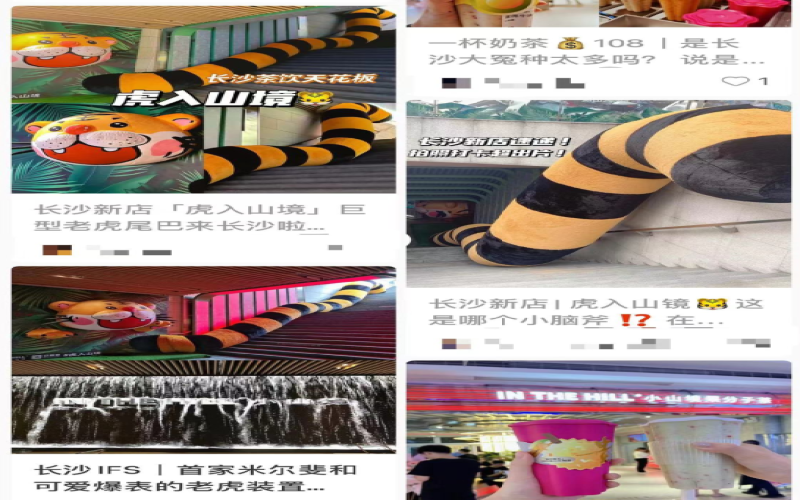
A glass of juice at a milk tea shop in Changsha is priced at 108 yuan—why do high-priced fruit drinks so often spark heated discussion?
Compared to coffee with its pronounced bitterness, sweet-and-sour milk tea is clearly more to the public's taste. Whether on a busy workday or a leisurely weekend, milk tea has long been part of many people's lives. Recently, a newly opened milk tea shop in Changsha, Hunan, suddenly went viral—not because of its unique flavors, but because a single cup of juice was selling for 108 yuan. The shop, named "Xiaoshanjing · Fruit Molecular Tea," drew attention with its giant tiger tail design and high-priced menu. Staff claimed that the durian drink contains half a cup of Musang King pulp, while the mangosteen drink uses 4 jin of mangosteen. Is the high price worth the money, or is it a marketing gimmick? Consumers have differing views, and some are reminded of the earlier incident in Shenzhen involving Yecuishan's thousand-yuan olive juice. [more…]
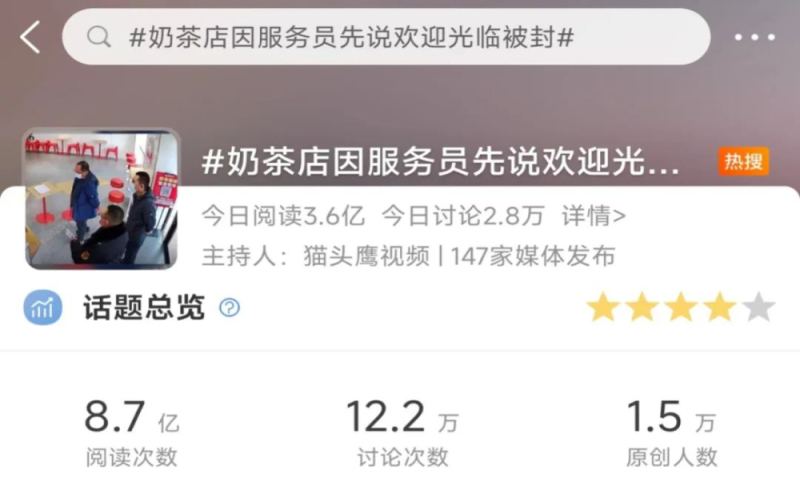
A simple "Welcome" led to the shutdown of a milk tea shop; official notice confirms abuse of power and holds those responsible accountable.
A milk tea shop was sealed and ordered to close on the spot by market supervision officials in under a minute—all because the staff said "Welcome" before asking customers to scan the QR code. The incident sparked widespread attention after it was exposed. An official statement later concluded that the law enforcement officers had abused their power and deliberately made things difficult; those involved have apologized and been disciplined. In this issue of coffee news, while we follow this incident, we also remind coffee professionals to be mindful of the boundaries of law enforcement in epidemic prevention and control, and we continue to bring coffee enthusiasts professional coffee knowledge and Front Street Coffee product recommendations. [more…]
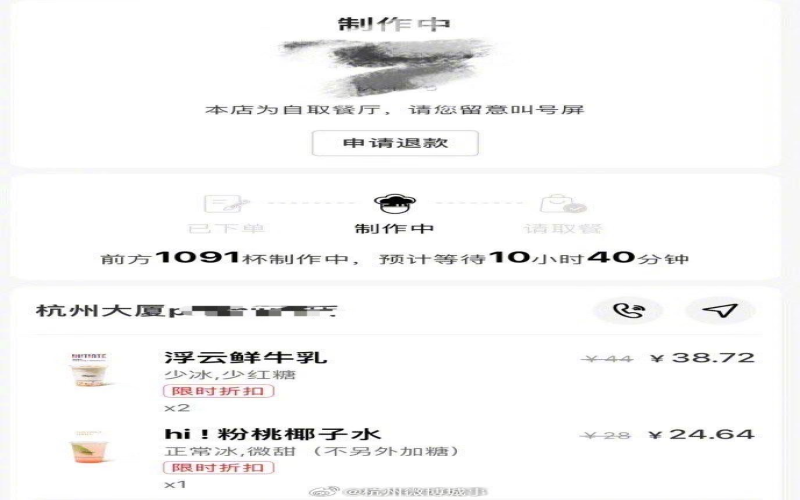
Hangzhou's internet-famous milk tea has queues exceeding 10 hours—is it consumers following the trend or hunger marketing?
After the first Hangzhou store of BONJOUR, a Suzhou milk tea brand, opened, its online ordering showed over a thousand cups in production ahead, with wait times often reaching seven to eight hours or even more than ten. Consumers posted screenshots of their orders, sparking heated debate: Is a cup of milk tea worth such a long wait? A reporter's visit found no long lines on site, but chaotic pickup and sold-out popular items. Some consumers admitted the taste was nothing special and they were just following the trend. Netizens questioned whether this was hunger marketing and suggested waiting for this "Hangzhou fad" to pass before trying. This article will explore the phenomenon and reflections behind this milk tea queue controversy. [more…]
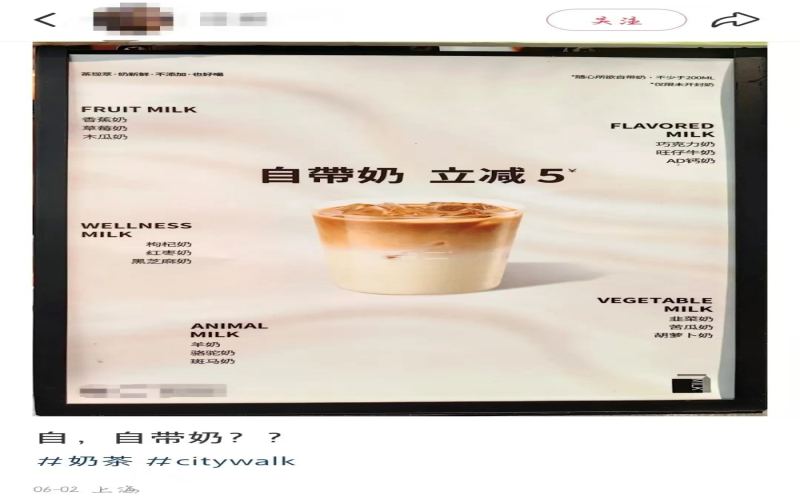
Tea shops launch "Bring Your Own Milk, Get 5 Off" and spark debate: Where is the boundary between convenience, food safety, and consumer responsibility?
Bringing your own cup to buy coffee is nothing new, but have you ever heard of "bringing your own milk"? A certain tea beverage brand launched a "bring your own milk, get 5 off" campaign, where customers bring their own dairy products and the store provides freshly brewed tea, sparking heated discussion among netizens. Supporters believe this is friendly to people with lactose intolerance and can also avoid additives like non-dairy creamer; opponents worry that food safety responsibilities are difficult to clarify. This article sorts out the views of all parties and compares the bring-your-own-cup rules of brands such as Starbucks and Manner, exploring how merchants should weigh the trade-off between offering discounts and risk control. [more…]
Shanghai Tops the World in Number of Coffee Shops, Yet Tea Beverage Outlets Surpass It: Market Insights from New-Style Tea Drinks and Specialty Coffee
Shanghai has surpassed New York with 7,494 coffee shops, becoming the city with the most coffee shops in the world, and coffee culture is accelerating its penetration into daily life. However, data from Dianping shows that Shanghai has as many as 9,056 tea beverage shops, even more than coffee shops. From 3-yuan instant milk tea to the new-style tea drinks led by Heytea, and then to the ancient-style sentiment of Chayan Yuese, tea beverage brands are deeply cultivating consumers' minds through quality upgrades, cross-industry collaborations, and e-commerce channels. In comparison, the specialty coffee market still remains to be developed, and most consumers have limited awareness of pour-over and specialty coffee. The coffee industry can learn from the successful path of tea beverage brands. Brands such as Front Street Coffee need to promote culture and ensure quality in order to move consumers. [more…]
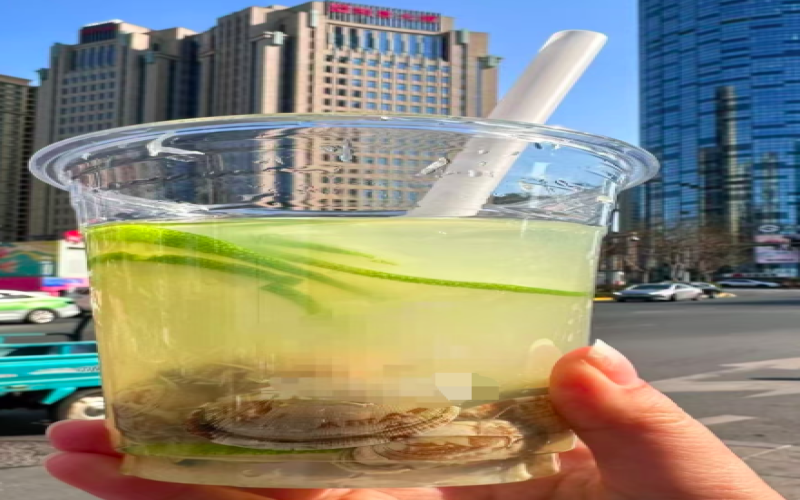
A milk tea shop in Qingdao has sparked discussion by launching clam milk tea. Can this creative drink made with clam broth be accepted by consumers?
Recently, a milk tea shop in Qingdao, Shandong launched a creative drink based on clam broth, quickly sparking widespread discussion on social media. The clam milk tea looks as clear as lemonade, with clam shells and lemon slices settled at the bottom of the cup, delivering a strong visual impact. Some people are eager to try it, some say it is hard to accept, and others have raised questions about its food safety. The store manager responded that the clam shells are only for decoration, and the drink does indeed contains broth simmered from Hongdao clams, mixed with perfume lemons and Laoshan white flower snake grass water. The product is currently still in the research, development and testing stage, and whether it will be launched in the future and how the formula will be adjusted remain to be seen. [more…]
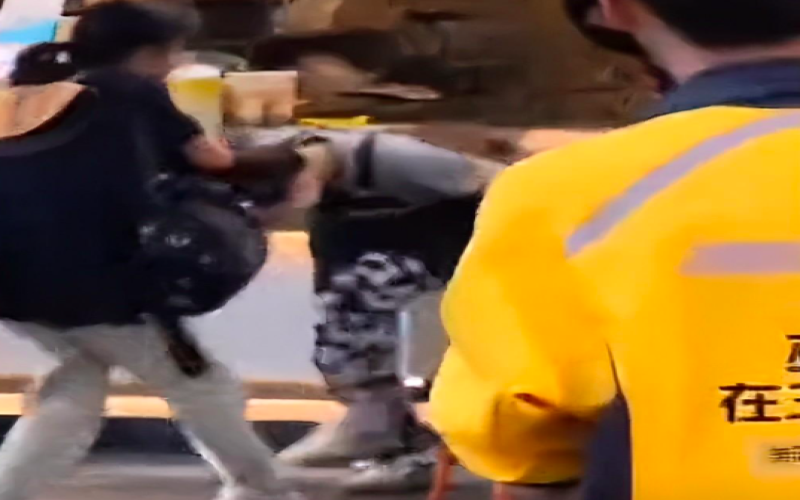
Guangzhou Milk Tea Shop Conflict Incident: Child Taking a Drink Triggers Physical Altercation Between Parent and Staff, Police Intervene in Investigation
Recently, a video of a conflict that took place in a chain milk tea shop in Yuexiu District, Guangzhou, spread widely on social media and sparked heated discussion among netizens. The video shows that a female customer, after a staff member accused her child of stealing milk tea, lost control of her emotions and committed violent acts against the staff member, including kicking, pulling her hair, and dragging her, and even got into a biting conflict with a security guard who came to stop her, while also holding a knife while waiting for the police. Behind the incident, was it really a child taking someone else's drink without permission, or was there another hidden story? Media outlets including The Paper and Dawan News followed up with reports one after another, and the shop involved and the local police station have intervened. This article will sort out the entire process of the incident, the responses from all parties, and the focal points of public discussion, to reconstruct this milk tea shop dispute that has attracted social attention. [more…]
Raw-pickled hairy crab paired with milk tea sparks debate; blogger's staged photo shoot questioned, experts warn against imitation
Recently, a short video showing raw drunken hairy crabs being added to milk tea cream and eaten quickly spread on social platforms, sparking widespread discussion. In the video, the blogger tasted this self-created drink at a popular milk tea shop, but it was later confirmed that the blogger had brought the crabs themselves for the staged video, and the shop did not sell the product. Netizens had mixed opinions on this behavior, while experts explicitly reminded the public not to imitate it, as eating frozen milk tea together with raw crab doubles the irritation to the stomach and intestines, and misleading the public for traffic is highly inadvisable. This incident also reflects the current situation in which the new tea beverage industry frequently engages in cross-sector innovation, but if innovation loses its boundaries, especially when food safety is involved, it is worth deep reflection. [more…]
Century-old Chinese medicine shop Tonghanchuntang enters the beverage industry, launching new attempts with health-boosting milk tea and coffee
In recent years, cross-industry ventures have become a popular trend, and even century-old traditional Chinese medicine shops are joining the beverage market. Following Tongrentang, Tonghanchun Tang, with a history of 237 years, has also tested the waters of national-style wellness tea drinks in Shanghai Yuyuan Mall, launching over 30 beverages including wellness teas, fruit teas, milk teas, sparkling water, and coffee. Among them, the wellness milk tea incorporates ingredients such as ginseng, goji berries, and donkey-hide gelatin, while the two wellness coffees focus on American-style black coffee and ginseng honey latte, priced between 20 and over 30 yuan, with the most expensive bird's nest product exceeding 100 yuan. Whether these time-honored brands can win consumer favor through innovation is worth watching. [more…]
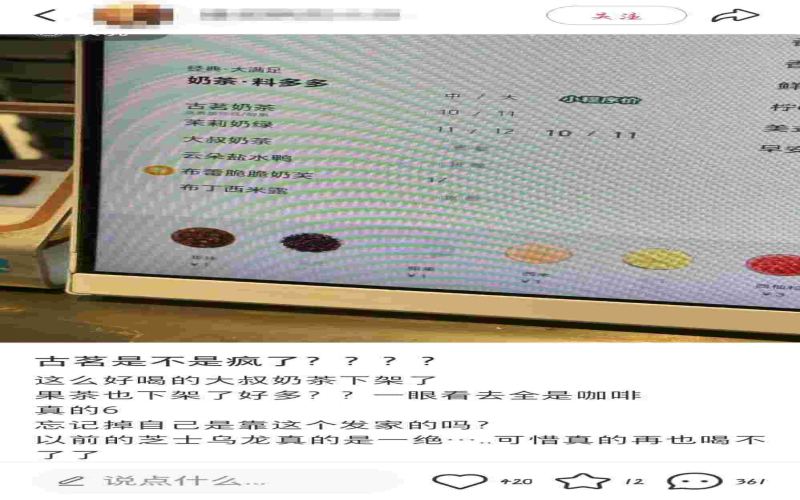
Ancient Tea's signature milk tea reportedly discontinued, sparking widespread discussion; the menu's coffee-ification trend leaves longtime customers feeling estranged.
Recently, some consumers have reported that when ordering at Guming stores, the signature product "Uncle Milk Tea" is no longer available for purchase, while the milk tea category on the menu has noticeably shrunk, replaced by a variety of coffee drinks. This change quickly sparked discussions on social media, with many longtime customers saying that milk tea options are becoming fewer and fewer, and that the brand's focus seems to be shifting toward coffee. Although it was verified that "Uncle Milk Tea" has not been removed from sale nationwide, it is indeed the case that some stores have stopped selling it due to a shortage of ingredients. Consumers have become doubtful about Guming's transformation direction of "turning a milk tea shop into a coffee shop," worrying that classic tea drinks are gradually disappearing. This article sorts out the course of the incident and feedback from netizens, explores how chain tea beverage brands can balance the expectations of their original customer base when expanding into the coffee business, and includes related observations from Front Street Coffee. [more…]
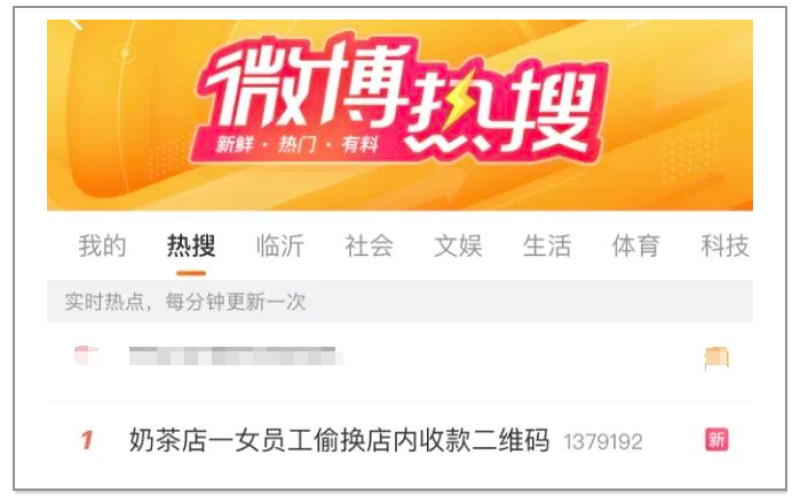
A milk tea shop employee who secretly swapped the payment QR code to pocket the shop's earnings was fired; the owner has released surveillance footage and plans to report the matter to the police.
Recently, a news story about a milk tea shop employee who replaced the store's payment collection channel with a personal payment QR code and pocketed the revenue has attracted widespread attention. The shop owner exposed in-store surveillance footage on social media, showing the employee presenting a personal payment code to customers while working alone and inducing consumers to scan it by claiming the "payment device was malfunctioning." The owner said the account discrepancies had persisted for a long time, but the employee did not stop. The store has now collected all surveillance evidence and is preparing to call the police. This incident not only exposed loopholes in the store's daily management but also once again sparked discussions in the food and beverage industry about payment security and employee integrity. [more…]